

Part 1: Recognising Healthy and Unhealthy Plants
Table of Contents
- Introduction
- Is Acmella oleracea Naturally Resistant to Pests?
- Recognising the Signs of a Healthy Plant
- Common Insect Pests
- Preventing Pest Problems Naturally
- Conclusion to Part 1
Introduction
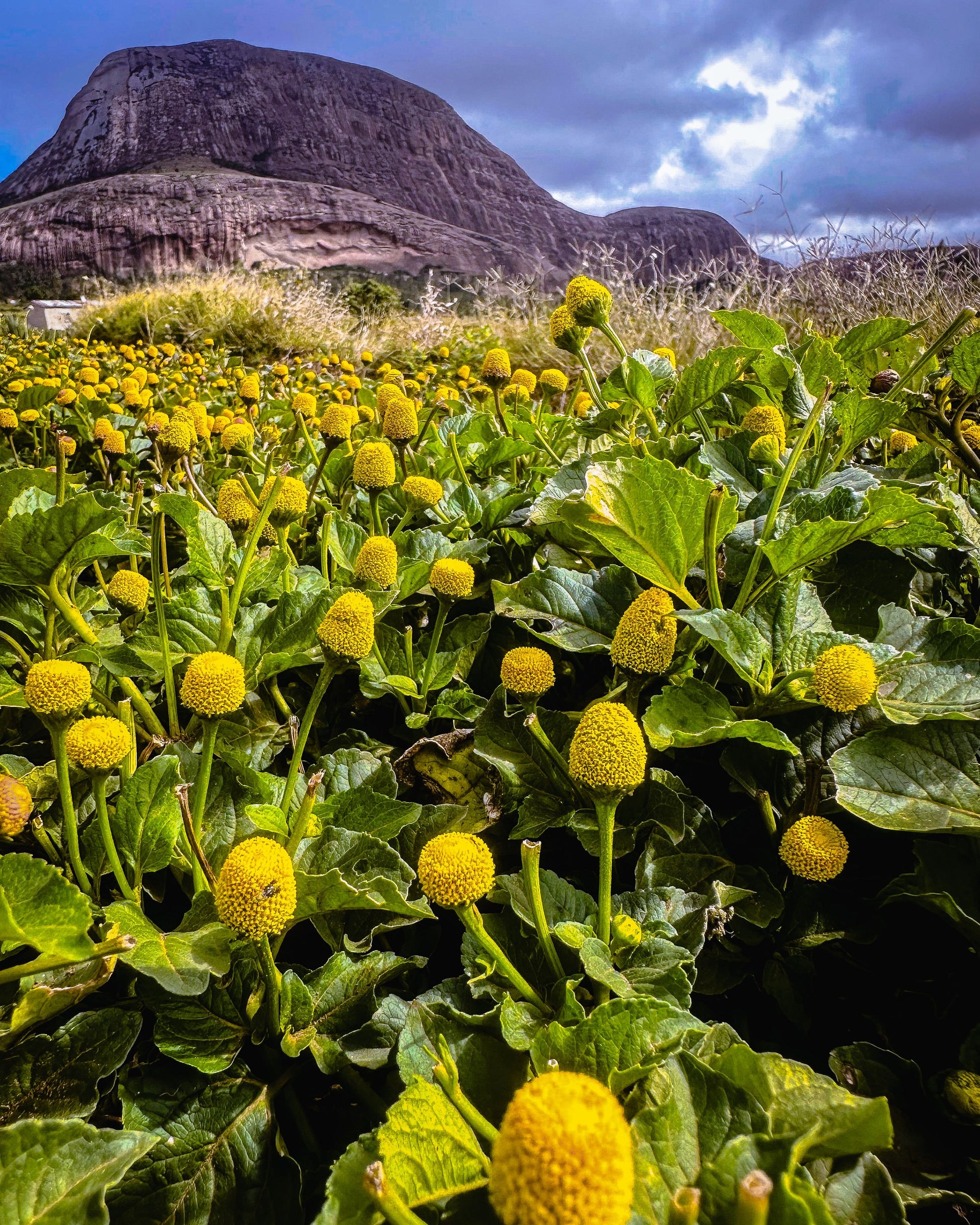
Acmella oleracea, commonly known as Paracress, Buzz Buttons, Electric Daisy, or the Toothache Plant, is widely appreciated for its vigorous growth, distinctive cone-shaped flower heads, and adaptability to a range of warm growing environments. Whether cultivated as an ornamental plant, edible flower, botanical crop, or research specimen, healthy plants typically establish quickly and produce abundant foliage and flowers throughout the growing season.
Although Acmella oleracea is generally considered a robust species, it is not completely immune to insects, diseases, or environmental stress. Like all cultivated plants, its health depends on the interaction between genetics, growing conditions, weather, and routine care. Most pest and disease problems develop gradually, often beginning with subtle changes in leaf colour, growth rate, or plant appearance before more obvious symptoms become visible.
Fortunately, severe infestations are relatively uncommon when plants are grown under suitable conditions. Proper watering, adequate sunlight, well-drained soil, and good air circulation all contribute to healthy growth and reduce the likelihood of significant pest or disease outbreaks. Regular observation is equally important, allowing growers to detect potential problems before they spread throughout the plant or surrounding garden.
This guide explores the most common pests and diseases associated with Acmella oleracea, explains how to recognise the earliest warning signs, and discusses practical cultivation strategies that help maintain healthy plants while reducing the need for chemical interventions.
Is Acmella oleracea Naturally Resistant to Pests?
One reason many gardeners enjoy growing Acmella oleracea is its reputation as a relatively resilient plant. Compared with many annual herbs and flowering ornamentals, it often experiences fewer serious pest problems, particularly when grown in warm, sunny locations with balanced soil moisture.
However, resilience should not be confused with immunity.
No cultivated plant is completely protected from insects or diseases. Local environmental conditions, seasonal weather patterns, cultivation practices, and overall plant health all influence susceptibility to damage.
Healthy plants are generally able to tolerate minor insect feeding or temporary environmental stress without suffering significant reductions in growth or flowering.
Plant Health Is the First Line of Defence
Strong, actively growing plants naturally cope better with environmental challenges.
Healthy Acmella oleracea plants typically develop:
- vigorous root systems;
- thick branching stems;
- lush green foliage;
- continuous new growth;
- abundant flowering.
These characteristics help plants recover more quickly from minor insect feeding or temporary stress.
Rather than relying on treatments after problems appear, maintaining plant vigour often provides the most effective long-term protection.
Environmental Stress Weakens Plants
Even naturally vigorous plants become more susceptible when subjected to prolonged stress.
Common stress factors include:
- drought;
- waterlogged soil;
- poor drainage;
- nutrient imbalance;
- overcrowding;
- inadequate sunlight;
- extreme temperatures.
When plants are stressed, growth slows, recovery becomes more difficult, and insects or diseases may establish more easily.
Recognising the Signs of a Healthy Plant
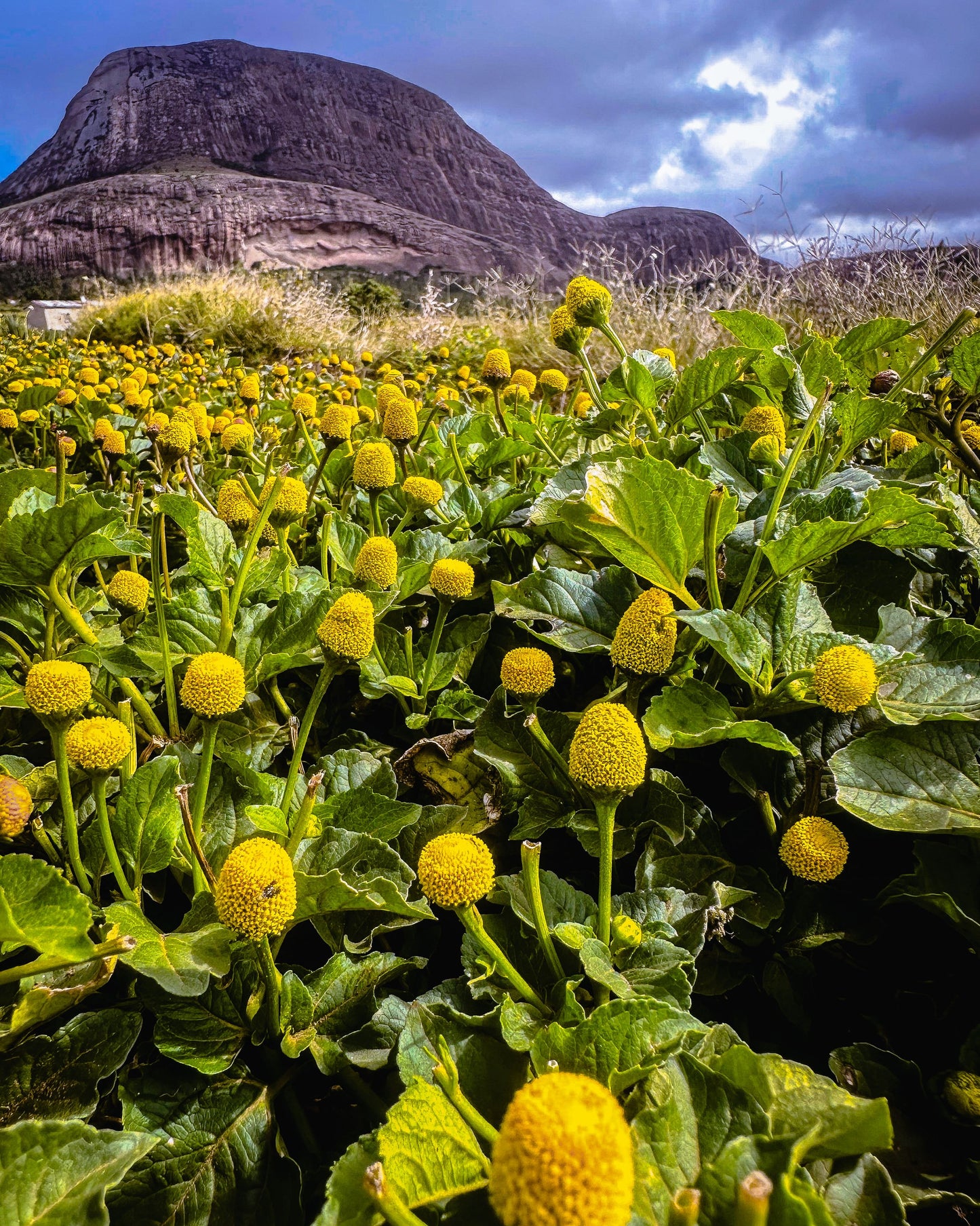
Before diagnosing problems, it is useful to know what a healthy Acmella oleracea plant should look like.
Healthy specimens generally display:
- bright green leaves;
- upright branching stems;
- steady new growth;
- firm foliage;
- numerous flower buds during the flowering season;
- vibrant yellow cone-shaped flower heads.
Regular observation helps growers notice gradual changes that may otherwise go unnoticed.
Healthy Leaves
Leaves provide one of the earliest indicators of plant health.
Healthy leaves are usually:
- uniformly green;
- free from large spots;
- smooth and firm;
- evenly shaped.
Occasional minor blemishes are normal and rarely indicate a serious problem.
Strong Stem Growth
Healthy stems should be:
- sturdy;
- upright;
- well-branched;
- free from soft or darkened areas.
Weak, elongated stems may indicate insufficient light or other environmental stress rather than disease.
Continuous Flower Production
During the growing season, vigorous plants typically produce flowers continuously.
Reduced flowering may result from:
- insufficient sunlight;
- drought;
- nutrient imbalance;
- environmental stress.
Flower production therefore provides another useful indicator of overall plant health.
Common Signs of Plant Stress
Not every unhealthy-looking plant is affected by pests or disease.
Environmental conditions often produce symptoms that resemble biological problems.
Careful observation helps distinguish between the two.
Yellow Leaves
Yellowing foliage is among the most common symptoms observed by growers.
Possible causes include:
- overwatering;
- underwatering;
- nutrient deficiency;
- natural ageing;
- root stress;
- disease.
Because several unrelated factors may produce similar symptoms, yellow leaves should always be evaluated alongside other observations.
Wilting
Temporary wilting during exceptionally hot afternoons may simply reflect high transpiration.
Persistent wilting, however, may indicate:
- drought;
- damaged roots;
- excessive soil moisture;
- disease affecting water transport.
Checking soil moisture and examining the roots often provides useful clues.
Leaf Spots
Leaf spots vary widely in appearance.
They may be:
- circular;
- irregular;
- brown;
- black;
- yellow;
- water-soaked.
Leaf spotting may result from fungal diseases, bacterial infections, physical damage, or environmental stress.
Accurate diagnosis requires considering the pattern of symptoms rather than the colour alone.
Distorted Growth
Young leaves or shoots that appear twisted, curled, or deformed may indicate:
- sap-feeding insects;
- environmental stress;
- physical injury;
- herbicide drift.
Because several causes produce similar symptoms, careful inspection of affected tissues is essential.
Common Insect Pests
Although Acmella oleracea is not especially prone to severe insect damage, several familiar garden pests occasionally feed on the plant.
Most infestations remain relatively minor if detected early.

Aphids
Aphids are among the most common sap-feeding insects encountered in home gardens.
They often cluster on:
- young shoots;
- flower buds;
- tender stems.
Typical signs include:
- curled young leaves;
- sticky honeydew;
- reduced shoot growth.
Natural predators such as ladybirds, lacewings, and hoverfly larvae frequently help keep aphid populations under control.
Spider Mites
Spider mites are tiny arachnids that thrive during hot, dry weather.
Because they are extremely small, growers often notice the symptoms before seeing the pests themselves.
Early signs include:
- pale speckling;
- fine webbing;
- yellowing leaves.
Maintaining good plant hydration and avoiding excessive drought stress can help reduce favourable conditions.
Whiteflies
Whiteflies are small winged insects commonly found in warm climates and greenhouses.
When disturbed, adults often fly up briefly before settling again on nearby foliage.
Heavy infestations may contribute to:
- leaf yellowing;
- sticky honeydew;
- slower growth.
Thrips
Thrips are slender insects that feed by puncturing plant tissues.
Typical symptoms include:
- silvery streaks;
- tiny dark feeding marks;
- distorted new leaves;
- damaged flower buds.
Because thrips are highly mobile, early detection can be challenging.
Slugs and Snails
Young Acmella oleracea seedlings are particularly vulnerable to slugs and snails.
These pests feed primarily:
- at night;
- during cool weather;
- after rainfall.
Irregular holes in leaves and slime trails often reveal their presence.
Preventing Pest Problems Naturally
The healthiest gardens rely primarily on prevention rather than treatment.
Simple cultural practices significantly reduce many common pest problems.
Grow Strong Plants
Healthy plants naturally tolerate occasional insect feeding better than weakened plants.
Support vigorous growth by providing:
- adequate sunlight;
- well-drained soil;
- consistent moisture;
- balanced nutrition.
Strong plants recover more quickly from minor damage.
Improve Air Circulation
Good airflow reduces humidity around foliage and creates less favourable conditions for many pests and diseases.
Avoid overcrowding by allowing plants enough space to develop naturally.
Water the Soil, Not the Leaves
Whenever practical, water should be directed toward the soil rather than wetting the foliage.
This simple practice:
- reduces prolonged leaf wetness;
- limits fungal development;
- improves overall plant health.
Morning watering also allows foliage to dry during the day.
Inspect Plants Regularly
Routine inspection remains one of the most effective management tools.
Examine plants every few days for:
- insects;
- damaged leaves;
- unusual discolouration;
- distorted growth;
- developing spots.
Early detection often prevents small problems from becoming major infestations.
Encourage Beneficial Insects
A diverse garden ecosystem naturally supports insects that prey on common pests.
Beneficial species include:
- ladybirds;
- lacewings;
- hoverflies;
- parasitic wasps.
These natural predators frequently help maintain ecological balance without chemical intervention.
Conclusion to Part 1
Acmella oleracea is generally a vigorous and adaptable plant that experiences relatively few serious pest problems when grown under favourable conditions. Its natural resilience, however, should not be mistaken for complete immunity. Environmental stress, poor cultivation practices, and local pest populations can all increase the likelihood of insect damage or disease. By understanding what healthy plants look like and recognising early warning signs such as yellowing leaves, wilting, distorted growth, or unusual spotting, growers can identify problems before they become severe.
The most effective approach to pest management begins with prevention. Healthy soil, balanced watering, adequate spacing, regular inspections, and encouragement of beneficial insects all contribute to stronger, more resilient plants. Rather than relying on pesticides, many common issues can be minimised through good horticultural practices that support long-term plant health. In Part 2, we will examine the most common fungal, bacterial, and physiological diseases affecting Acmella oleracea, explain how to distinguish disease symptoms from environmental stress, and discuss practical strategies for maintaining healthy plants throughout the growing season.
Part 2: Common Diseases, Diagnosis and Plant Health Management
Table of Contents
- Why Plant Diseases Develop
- Common Fungal Diseases
- Bacterial and Physiological Disorders
- Distinguishing Disease from Environmental Stress
- Preventing Disease Naturally
- Conclusion to Part 2
Why Plant Diseases Develop
Most diseases affecting Acmella oleracea do not appear spontaneously. Instead, they develop when three factors occur simultaneously, a susceptible plant, a disease-causing organism, and favourable environmental conditions. Plant pathologists often describe this relationship as the Disease Triangle.
Even when disease-causing fungi or bacteria are present, healthy plants growing under favourable conditions may never develop noticeable symptoms.
Environmental factors that commonly encourage disease include:
- prolonged leaf wetness;
- excessive humidity;
- poor air circulation;
- overcrowded plants;
- waterlogged soil;
- contaminated growing media.
By understanding these conditions, growers can often prevent disease before symptoms appear.
Common Fungal Diseases
Fungi are among the most common causes of plant disease in gardens and greenhouses.
Most fungal pathogens spread through spores carried by:
- wind;
- splashing water;
- contaminated tools;
- infected plant material.
Warm temperatures combined with high humidity often create favourable conditions for fungal development.
Powdery Mildew
Powdery mildew is one of the most recognisable fungal diseases affecting many ornamental and herbaceous plants.
Typical symptoms include:
- white powdery patches on leaves;
- grey-white fungal growth;
- distorted young foliage;
- reduced vigour during severe infections.
Unlike many fungal diseases, powdery mildew can develop even when leaves are relatively dry if humidity remains high.
Early infections often begin on older leaves before spreading to younger growth.
Leaf Spot Diseases
Several fungi may produce leaf spot symptoms.
Although the exact pathogen varies, affected plants often develop:
- brown spots;
- black lesions;
- yellow halos;
- irregular dead tissue.
As disease progresses, heavily affected leaves may yellow and drop prematurely.
Leaf spotting usually becomes more common during prolonged periods of rainfall or high humidity.
Damping-Off
Damping-off primarily affects seedlings rather than mature plants.
It is caused by several soilborne fungi and fungus-like organisms.
Typical symptoms include:
- poor germination;
- seedlings collapsing at soil level;
- soft stems;
- rapid death of young plants.
Excess moisture and poor ventilation significantly increase the likelihood of damping-off.
Using clean containers and well-drained growing media helps reduce risk.
Root Rot
Root rot develops when excessive soil moisture limits oxygen availability and creates favourable conditions for root pathogens.
Affected plants may display:
- persistent wilting;
- yellow leaves;
- slow growth;
- root discolouration.
Healthy roots should appear:
- white;
- cream-coloured;
- firm.
Dark, soft, or foul-smelling roots often indicate deterioration.
Improving drainage remains one of the most effective preventive measures.
Bacterial and Physiological Disorders
Not every plant problem is caused by fungi.
Bacteria and environmental conditions can produce symptoms that closely resemble infectious diseases.
Correct diagnosis is therefore essential before deciding on management strategies.
Bacterial Leaf Spot
Although less common than fungal diseases, bacterial infections may occasionally affect foliage.
Symptoms can include:
- water-soaked spots;
- irregular lesions;
- dark margins;
- yellow surrounding tissue.
Because bacterial symptoms often resemble fungal leaf spots, laboratory testing may be required for definitive identification.
Nutrient Deficiencies
Several nutrient imbalances produce symptoms similar to disease.
Common signs include:
- yellowing between leaf veins;
- pale foliage;
- slow growth;
- poor flowering.
Unlike infectious diseases, nutrient deficiencies generally affect plant growth more uniformly.
Reviewing fertilisation practices often helps identify the underlying cause.
Sun Scorch
Plants exposed suddenly to intense sunlight after growing under protected conditions may develop scorched foliage.
Symptoms include:
- brown leaf margins;
- bleached patches;
- dry tissue.
These symptoms result from environmental stress rather than infection.
Gradual acclimatisation helps minimise damage.
Water Stress
Both drought and overwatering may cause:
- wilting;
- leaf drop;
- yellowing;
- slow growth.
Examining soil moisture before watering helps prevent these physiological disorders.
Distinguishing Disease from Environmental Stress
Many growers assume that every yellow leaf or brown spot indicates disease.
In reality, environmental stress frequently produces similar symptoms.
Successful diagnosis requires examining the entire plant rather than focusing on a single leaf.
Questions to Ask
When investigating plant problems, consider:
- Are multiple plants affected?
- Did symptoms appear suddenly?
- Has the weather recently changed?
- Is the soil excessively wet or dry?
- Are insects present?
- Are only older leaves affected?
Answering these questions often narrows the range of possible causes.
Patterns Matter
Diseases frequently spread in recognisable patterns.
For example:
- fungal diseases may begin on lower leaves;
- bacterial infections often spread following rainfall;
- nutrient deficiencies usually appear throughout the plant.
Recognising symptom patterns improves diagnostic accuracy.
Examine the Roots
Whenever plants wilt unexpectedly, the roots deserve careful inspection.
Healthy roots are:
- white;
- firm;
- well branched.
Damaged roots may appear:
- brown;
- black;
- soft;
- decayed.
Because root health directly influences water uptake, underground symptoms frequently explain problems observed above ground.
Preventing Disease Naturally
Disease prevention begins with good cultivation rather than routine chemical treatment.
Simple horticultural practices often provide substantial protection.
Improve Airflow
Allow adequate spacing between plants to encourage ventilation.
Good airflow:
- reduces humidity;
- speeds leaf drying;
- discourages fungal development.
Water at Soil Level
Whenever possible:
- water early in the day;
- avoid prolonged leaf wetness;
- direct water toward the soil.
Morning watering allows foliage to dry before evening.
Remove Diseased Plant Material
Dead or infected leaves should not be allowed to accumulate around plants.
Removing affected material may reduce sources of future infection.
Always dispose of diseased material responsibly rather than composting heavily infected foliage unless your compost system reaches temperatures sufficient to destroy pathogens.
Use Clean Equipment
Many pathogens spread on contaminated tools.
Regular cleaning of:
- pruning shears;
- seed trays;
- pots;
- propagation equipment
helps reduce disease transmission.
Avoid Overcrowding
Dense planting restricts airflow and increases humidity around foliage.
Providing sufficient spacing benefits both disease prevention and overall plant growth.
Monitoring Throughout the Growing Season
Healthy gardens benefit from regular observation rather than occasional inspection.
Weekly monitoring allows growers to detect:
- insects;
- unusual spots;
- yellowing leaves;
- wilting;
- abnormal growth.
Early intervention generally produces better outcomes than waiting until disease becomes widespread.
Conclusion to Part 2
Most diseases affecting Acmella oleracea are strongly influenced by environmental conditions rather than the plant itself. Fungal problems such as powdery mildew, leaf spot, damping-off, and root rot become more likely when excessive moisture, poor drainage, or limited air circulation create favourable conditions for pathogen development. At the same time, bacterial infections and physiological disorders, including nutrient deficiencies, water stress, and sun scorch, can produce similar symptoms, making careful diagnosis essential before taking action.
Rather than assuming every symptom is caused by disease, successful growers evaluate the entire growing environment, including soil moisture, root health, airflow, weather conditions, and overall plant vigour. Preventive cultivation practices such as proper spacing, careful watering, clean equipment, and routine monitoring remain the most effective strategy for maintaining healthy Acmella oleracea plants. In Part 3, we will explore integrated pest and disease management, discuss environmentally responsible control strategies, answer frequently asked questions, and provide practical recommendations for keeping Acmella oleracea healthy throughout the growing season.
Part 3: Integrated Pest Management, Treatment Strategies and Long-Term Plant Health
Table of Contents
- Integrated Pest Management (IPM)
- Managing Pest and Disease Problems Responsibly
- Frequently Asked Questions
- Final Scientific Perspective
- Key Takeaways
Integrated Pest Management (IPM)
Professional growers rarely rely on a single solution to manage pests and diseases. Instead, they use Integrated Pest Management (IPM), a preventative approach that combines regular monitoring, cultural practices, biological controls, and, when necessary, carefully selected treatments.
The primary goal of IPM is not to eliminate every insect or microorganism, but to maintain healthy plants while minimising unnecessary environmental impact.
For Acmella oleracea, IPM begins long before any pest or disease appears.
Step 1: Prevention
Healthy plants are naturally more resilient.
Preventive measures include:
- selecting high-quality seeds;
- using well-drained soil;
- providing adequate sunlight;
- maintaining consistent moisture;
- avoiding overcrowding;
- ensuring good airflow.
Good cultivation practices often prevent many common problems from developing.
Step 2: Regular Monitoring
Routine inspection is essential.
Rather than waiting for visible damage, examine plants every few days.
Check:
- new shoots;
- leaf undersides;
- flower buds;
- stems;
- soil surface.
Early detection allows small issues to be addressed before they become widespread.
Step 3: Accurate Diagnosis
Not every yellow leaf indicates disease.
Before taking action, identify whether symptoms are caused by:
- insects;
- fungi;
- bacteria;
- nutrient imbalance;
- watering practices;
- environmental stress.
Treating the wrong problem may waste time and further stress the plant.
Step 4: Appropriate Intervention
If action becomes necessary, choose the least disruptive approach that is likely to be effective.
Many minor problems can be managed through:
- pruning affected leaves;
- improving airflow;
- adjusting watering;
- correcting cultivation practices.
Chemical treatments should not be the first response to every symptom.
Managing Common Pest Problems
Most insect pests affecting Acmella oleracea occur in relatively small numbers and can often be managed through routine observation and good gardening practices.
Aphids
Small aphid populations rarely threaten healthy plants.
Where numbers begin increasing, growers often:
- rinse colonies from stems with water;
- remove heavily infested shoots;
- encourage natural predators such as ladybirds and lacewings.
Maintaining plant health frequently limits long-term damage.
Spider Mites
Spider mites become more active during hot, dry weather.
Reducing plant stress through:
- consistent watering;
- adequate humidity around (but not on) plants;
- routine inspection
helps discourage heavy infestations.
Removing severely affected foliage may reduce mite populations.
Whiteflies
Whiteflies reproduce rapidly in protected environments such as greenhouses.
Improving ventilation and monitoring plants regularly helps detect infestations before they become severe.
Yellow sticky traps may assist with monitoring flying adults, though they are primarily a monitoring tool rather than a complete control method.
Slugs and Snails
Young seedlings are especially vulnerable.
Simple cultural measures include:
- removing hiding places;
- watering early in the day;
- hand-picking where practical;
- using physical barriers around vulnerable plants.
These approaches often reduce feeding damage without affecting beneficial insects.
Managing Disease Problems
Disease management focuses primarily on preventing conditions that favour pathogens.
Remove Affected Material
Leaves showing significant disease symptoms should be removed carefully.
This helps reduce:
- spore production;
- disease spread;
- sources of reinfection.
Avoid leaving infected plant material beneath healthy plants.
Improve Growing Conditions
Many diseases become less severe when growers improve:
- airflow;
- drainage;
- plant spacing;
- irrigation practices.
Small environmental improvements often have greater long-term benefits than repeated treatments.
Keep Foliage Dry
Whenever practical:
- water at soil level;
- irrigate in the morning;
- avoid prolonged leaf wetness.
Dry foliage generally provides less favourable conditions for many fungal pathogens.
Maintain Clean Equipment
Sanitising pruning tools, pots, trays, and propagation equipment reduces opportunities for disease transmission between plants.
Clean equipment is particularly important when working with seedlings or propagating multiple plants.
When Should Chemical Treatments Be Considered?
Most home-grown Acmella oleracea plants never require chemical intervention.
If pests or diseases become severe despite good cultivation practices, growers should:
- correctly identify the problem;
- determine whether treatment is truly necessary;
- follow all product instructions and applicable regulations.
Routine or preventative pesticide use without a confirmed problem is generally discouraged because it may affect beneficial organisms and contribute to unnecessary environmental exposure.
For edible plants, always ensure that any treatment is approved for the intended use and observe any applicable pre-harvest intervals.
Frequently Asked Questions
Does Acmella oleracea attract many pests?
Generally, no.
Healthy Acmella oleracea plants are considered relatively resilient, although aphids, spider mites, whiteflies, thrips, slugs, and snails may occasionally occur depending on local conditions.
Why are my leaves turning yellow?
Yellowing leaves may result from several factors, including overwatering, underwatering, nutrient deficiencies, natural ageing, root stress, or disease. Examining the overall plant and growing conditions usually provides more useful information than evaluating leaf colour alone.
Why are my seedlings collapsing?
Sudden collapse shortly after germination is often associated with damping-off, a disease complex encouraged by excessive moisture, poor drainage, and limited airflow.
Using clean containers and well-drained seed-starting media helps reduce risk.
Should I remove damaged leaves?
Yes.
Removing heavily damaged or diseased foliage may improve airflow and reduce potential sources of infection.
Always dispose of diseased plant material appropriately.
Are beneficial insects helpful?
Absolutely.
Ladybirds, lacewings, hoverflies, and parasitic wasps naturally prey on many common garden pests.
Supporting these beneficial insects contributes to long-term ecological balance.
Can healthy plants recover from minor pest damage?
In most cases, yes.
Healthy, actively growing plants often recover well from limited insect feeding once environmental conditions are improved and pest populations decline.
Building Long-Term Plant Health
Successful cultivation extends beyond treating individual problems.
Healthy gardens develop through consistent good practices over time.
Long-term success includes:
- choosing quality seed;
- maintaining healthy soil;
- watering appropriately;
- encouraging biodiversity;
- monitoring plants regularly;
- responding promptly to early symptoms.
These practices support resilient plants capable of thriving throughout the growing season.
Final Scientific Perspective
Acmella oleracea is generally regarded as a resilient species that performs well when grown under favourable environmental conditions. Although insects, fungal pathogens, bacterial diseases, and physiological disorders may occasionally affect cultivated plants, serious problems are often linked to environmental stress rather than an inherent susceptibility of the species. Warm temperatures, balanced soil moisture, good drainage, adequate air circulation, and routine observation provide the strongest foundation for maintaining healthy plants and reducing the likelihood of significant pest or disease outbreaks.
Effective plant health management is based on prevention, accurate diagnosis, and proportionate intervention. Rather than responding immediately with chemical treatments, experienced growers first evaluate the growing environment, identify the underlying cause of symptoms, and apply cultural or biological measures wherever possible. This integrated approach not only supports healthier Acmella oleracea plants but also protects beneficial organisms and promotes a more balanced garden ecosystem.
Whether grown as an edible flower, ornamental plant, botanical crop, or research specimen, Acmella oleracea benefits from consistent cultivation practices that encourage vigorous growth and resilience. By understanding the common pests and diseases that may occur, recognising early warning signs, and responding with evidence-based management strategies, growers can maintain productive, attractive plants throughout the growing season while minimising unnecessary interventions.
Key Takeaways
- Acmella oleracea is generally a robust plant, but insects, fungal diseases, and environmental stress can occasionally affect growth.
- Healthy cultivation practices, including good drainage, balanced watering, proper spacing, and regular monitoring, are the most effective form of pest and disease prevention.
- Common insect pests include aphids, spider mites, whiteflies, thrips, slugs, and snails, while fungal issues such as powdery mildew, leaf spot, damping-off, and root rot are the most frequently encountered diseases.
- Correct diagnosis is essential because nutrient deficiencies, water stress, and environmental damage often resemble infectious diseases.
- An Integrated Pest Management (IPM) approach, combining prevention, monitoring, accurate diagnosis, cultural practices, and support for beneficial insects, provides the most sustainable strategy for maintaining healthy Acmella oleracea plants.