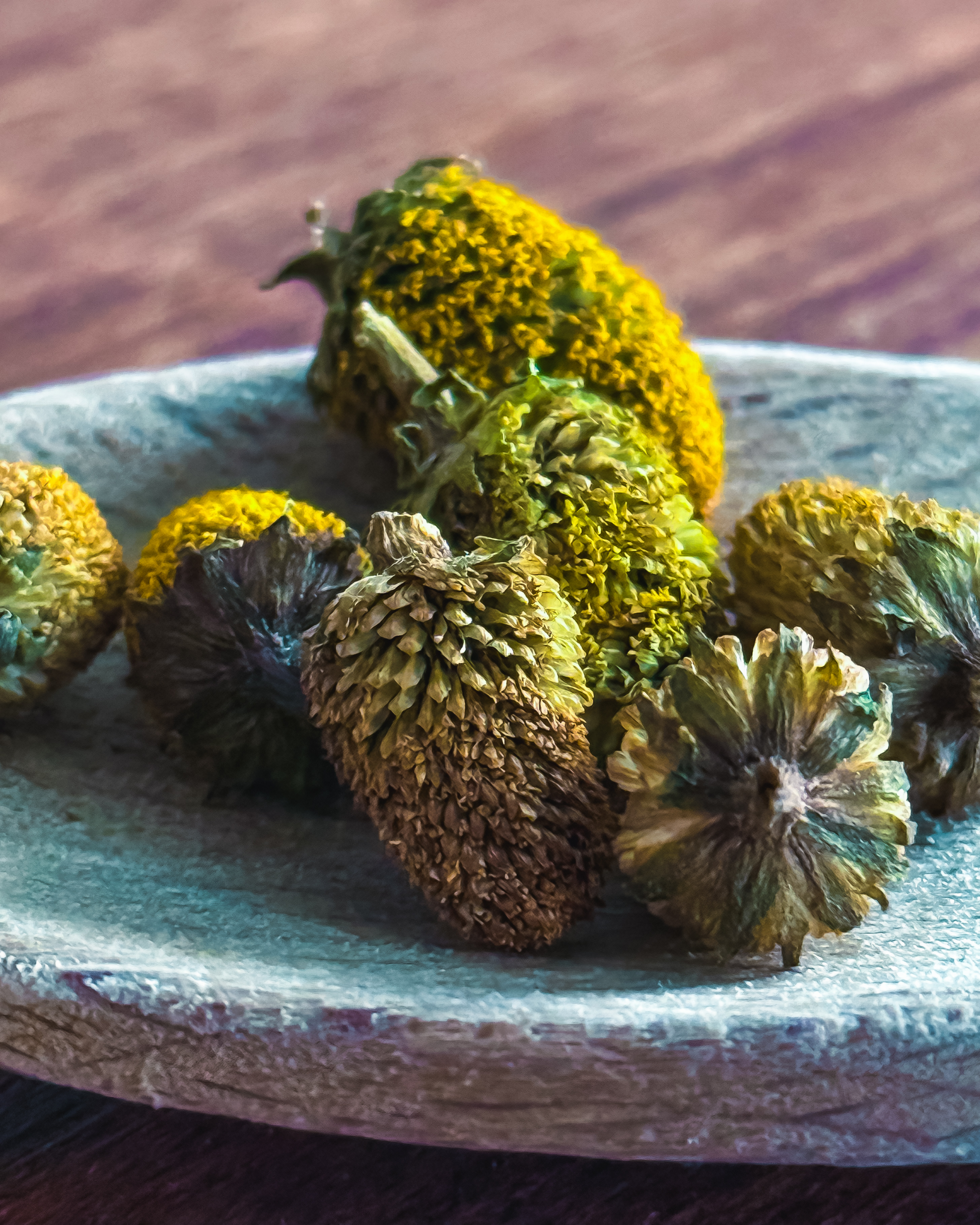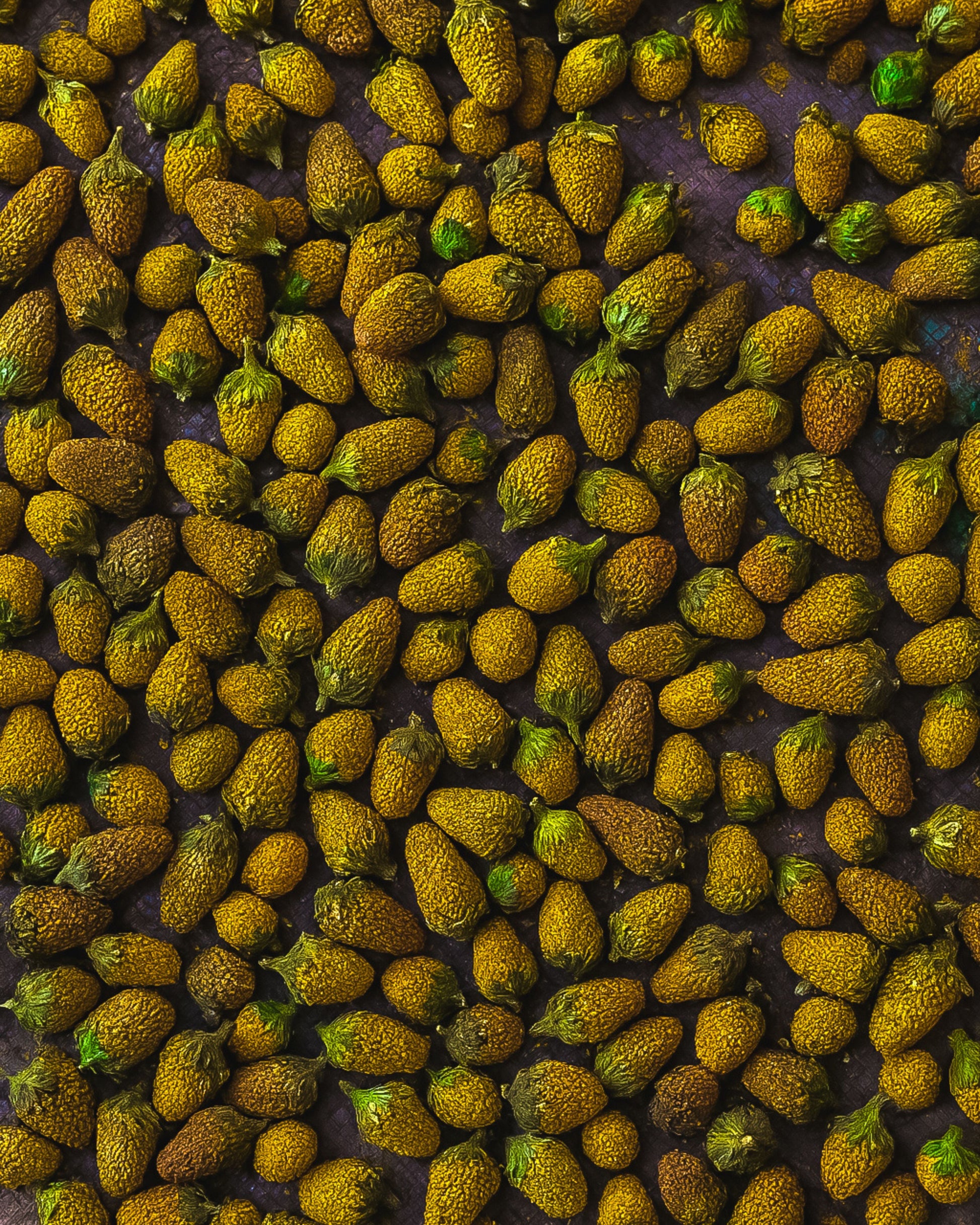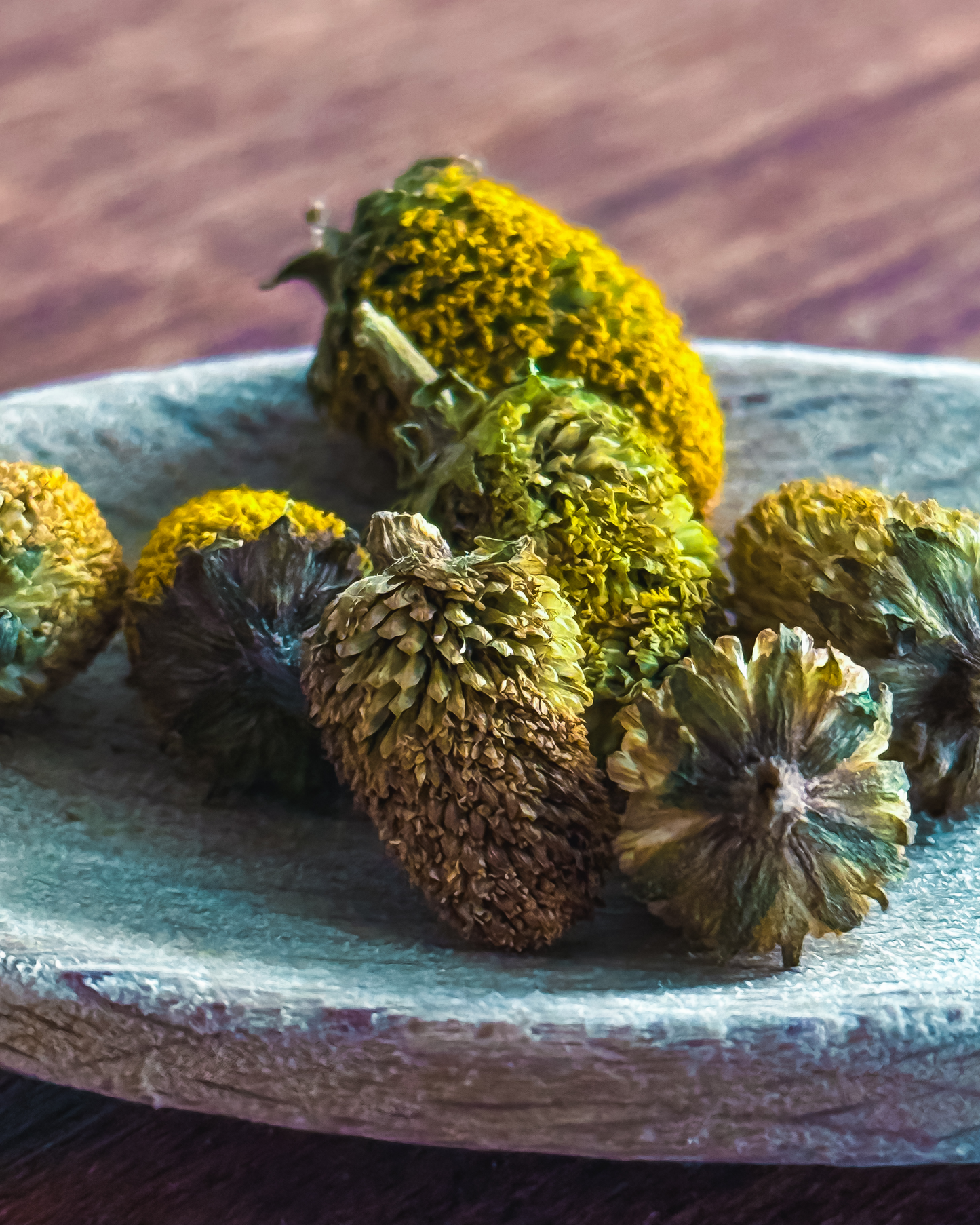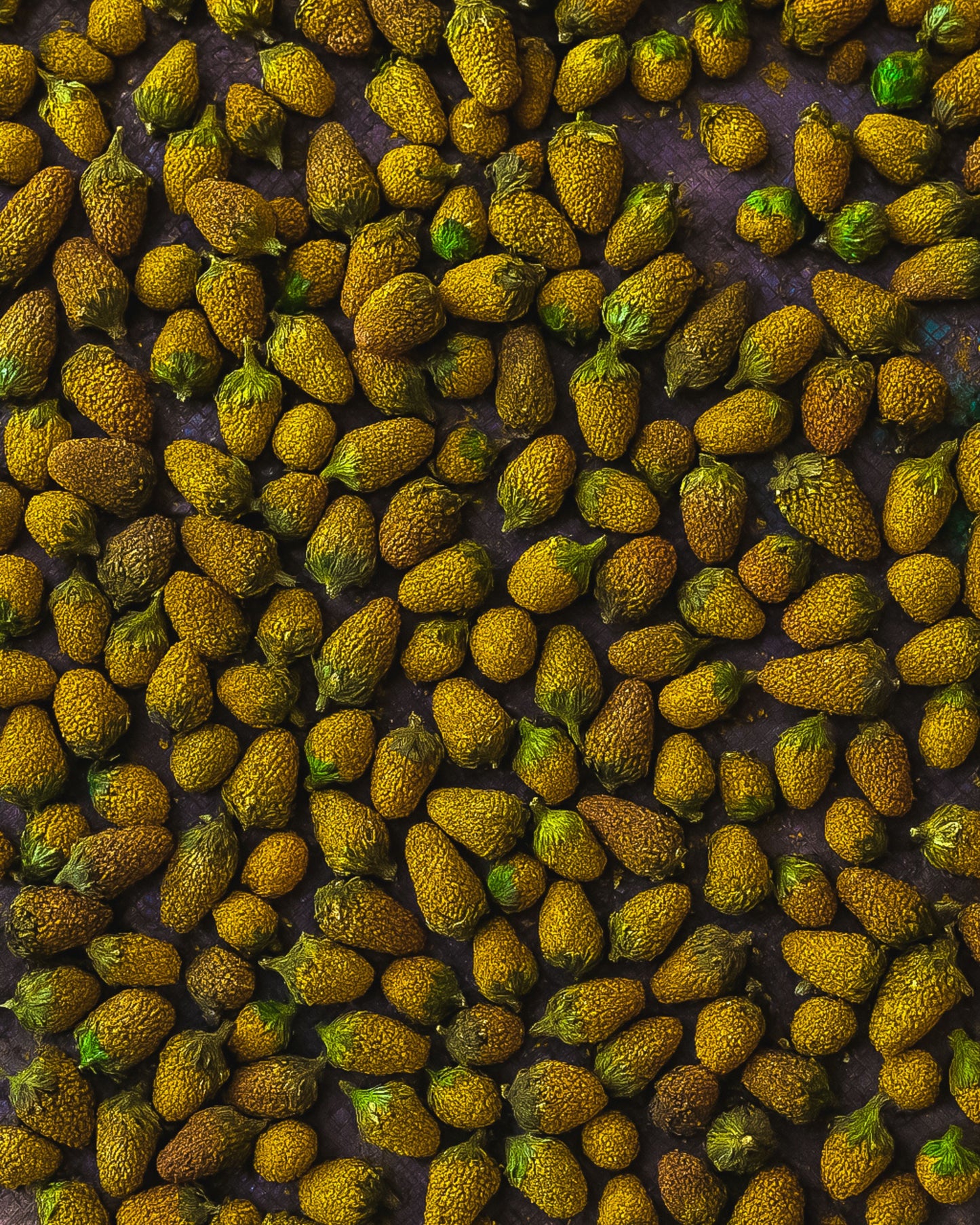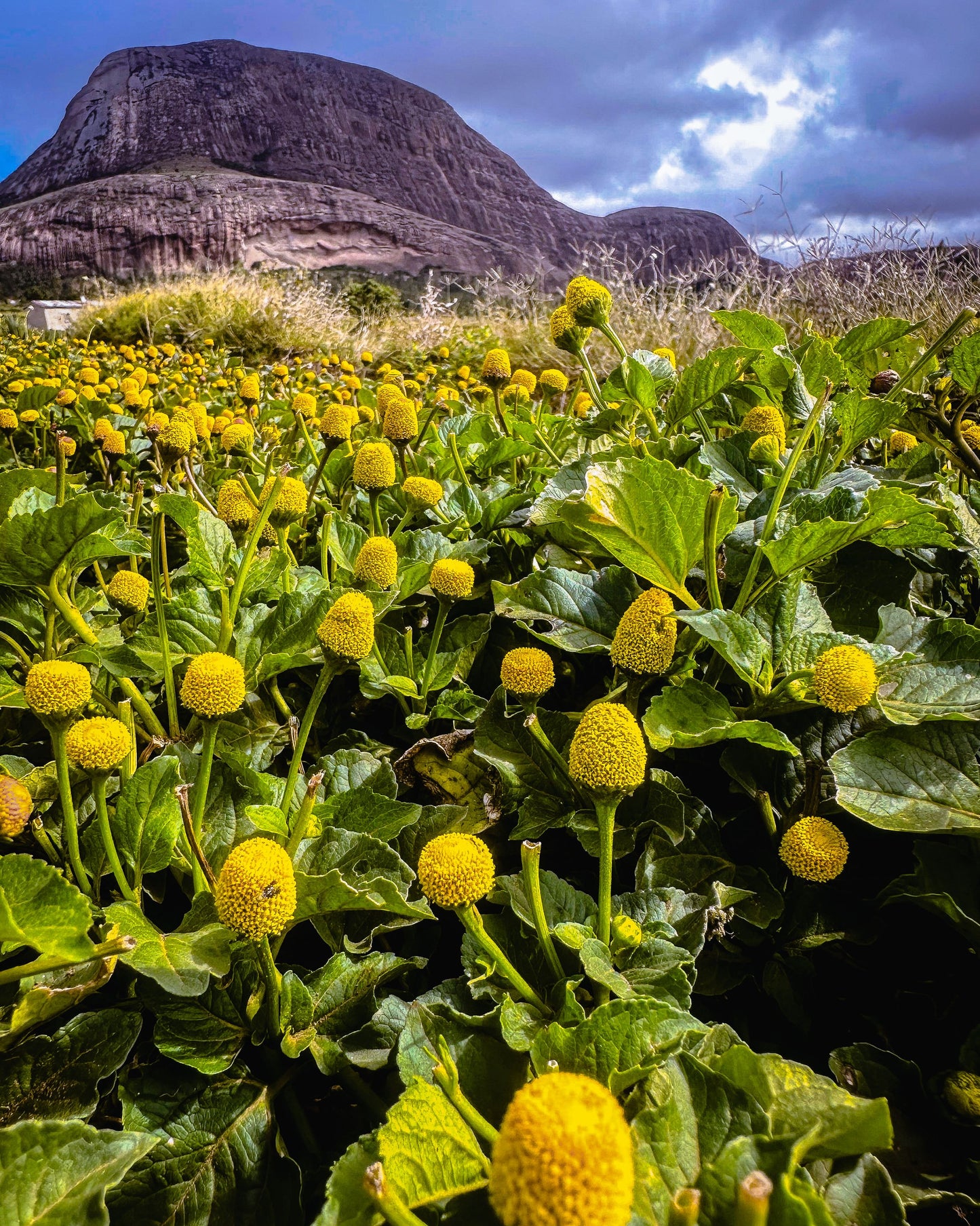


Few plants have travelled a journey as remarkable as Acmella oleracea. What began as a native herb of tropical South America has evolved into an internationally recognised botanical valued by chefs, researchers, cosmetic formulators, and botanical ingredient manufacturers alike.
Known today by many names, including Buzz Buttons, Electric Daisy, Jambu, and Toothache Plant, Acmella oleracea has been appreciated for centuries because of its distinctive sensory properties, edible leaves and flowers, and unique naturally occurring compounds. While modern consumers often discover the plant through innovative cocktails, gourmet cuisine, or cosmetic ingredients, its history stretches back long before scientific laboratories and commercial cultivation.
The story of Acmella oleracea is one of indigenous knowledge, botanical exploration, agricultural expansion, and scientific discovery. It reflects how traditional plants can become globally recognised ingredients while continuing to inspire new applications across multiple industries.
Understanding the history of Acmella oleracea provides valuable insight into why it remains one of the most fascinating edible and botanical species cultivated today.
The Origins of Acmella oleracea
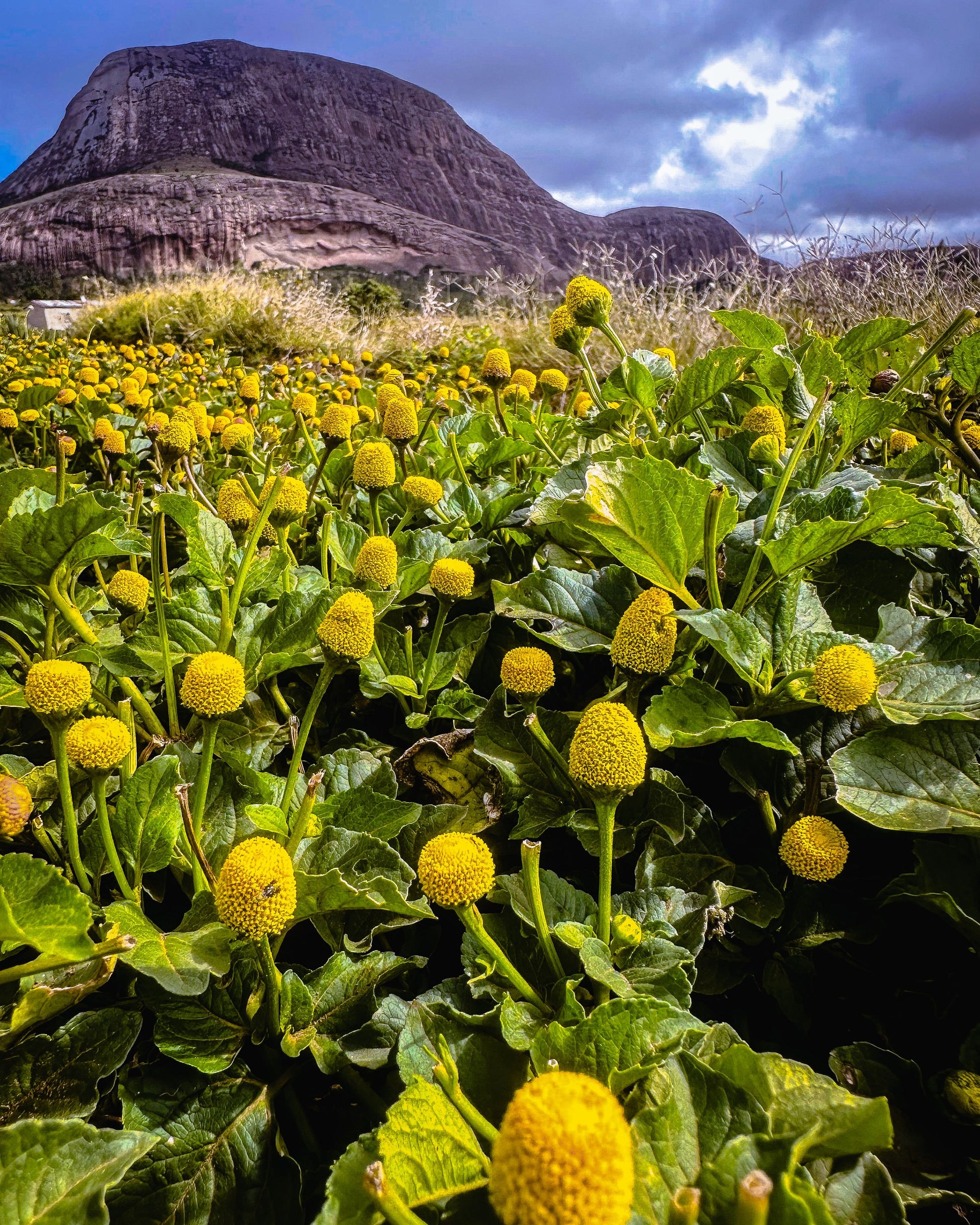
Acmella oleracea is native to the tropical regions of South America, where warm temperatures, abundant rainfall, and fertile soils create ideal growing conditions.
The plant is believed to have originated within the Amazon Basin, particularly in areas that today include Brazil, Peru, Bolivia, and neighbouring countries. These regions are recognised as some of the world's richest centres of plant biodiversity, supporting thousands of edible and medicinal species that have been used by indigenous communities for generations.
Growing naturally in humid environments, Acmella oleracea thrives in locations that receive consistent moisture and plentiful sunlight. Its rapid growth, ability to produce abundant foliage, and continuous flowering throughout the growing season made it well suited to traditional agriculture long before modern cultivation techniques were introduced.
Unlike many ornamental flowering plants, Acmella oleracea was historically valued not only for its appearance but also as an edible crop that could be incorporated into daily meals.
Today, the species continues to flourish in tropical and subtropical climates around the world, although its origins remain firmly rooted in South America.
Indigenous Knowledge and Traditional Uses
Long before botanists formally described Acmella oleracea, indigenous peoples of the Amazon region had already developed extensive knowledge of the plant.
Traditional communities cultivated and gathered Acmella oleracea as part of their local food systems, appreciating both its edible leaves and distinctive flower heads. In many regions, the plant became an important ingredient in soups, stews, and vegetable dishes, where it contributed a fresh herbal flavour and a unique tingling sensation unlike that of any other edible plant.
One of the plant's most widely recognised historical names, Toothache Plant, originated from these traditional practices. People observed that chewing the flower heads created an intense tingling and numbing sensation inside the mouth. Over time, this sensory effect became closely associated with the plant's common name.
It is important to distinguish these historical and ethnobotanical observations from modern scientific evidence. Traditional uses reflect centuries of cultural knowledge and experience but should not be interpreted as confirmation of clinical effectiveness for any medical purpose.
Today, these historical traditions remain an important part of the cultural heritage surrounding Acmella oleracea and continue to inspire botanical research.
From South America to the Rest of the World
As European exploration expanded during the fifteenth and sixteenth centuries, countless tropical plant species were introduced to new parts of the world through trade and agriculture.
Although the precise timeline for the global spread of Acmella oleracea is not fully documented, the species gradually moved beyond its native South American range and became established in other tropical regions.
Over time, cultivation expanded into:
- Central America
- Africa
- India
- Sri Lanka
- Southeast Asia
- China
- Madagascar
Its adaptability to warm climates allowed the plant to thrive wherever sufficient rainfall and fertile soils were available.
As the plant travelled, it became integrated into local cuisines and agricultural systems. Different cultures adopted their own names, culinary traditions, and growing practices while continuing to value the plant for its distinctive botanical characteristics.
Today, Acmella oleracea is cultivated across numerous tropical and subtropical regions, both commercially and by home gardeners interested in edible flowers and specialty herbs.
A Plant with Many Names
One reason Acmella oleracea sometimes causes confusion is the large number of common names used around the world.
Because the species has spread across different countries and cultures, each region has developed its own terminology.
| Region or Industry | Common Name |
|---|---|
| Scientific | Acmella oleracea |
| Brazil | Jambu |
| English-speaking countries | Toothache Plant |
| Culinary industry | Buzz Buttons |
| Fine dining | Electric Daisy |
| Horticulture | Paracress |
Although these names differ, they all refer to the same botanical species.
Using the scientific name, Acmella oleracea, helps ensure accurate identification and distinguishes the plant from other species that may share similar common names.
A Culinary Tradition That Became a Global Trend
For centuries, Acmella oleracea remained closely associated with regional cuisine in northern Brazil, particularly within the state of Pará.
One of its best-known culinary roles is in Tacacá, a traditional Amazonian soup where the leaves contribute their distinctive sensory character alongside other regional ingredients.
The plant is also widely used in dishes such as:
- stews
- rice preparations
- seafood recipes
- vegetable dishes
- fresh herb mixtures
As international chefs began exploring lesser-known edible botanicals, Acmella oleracea attracted attention for an entirely different reason.
Its flower heads introduced an interactive sensory experience rarely found in traditional ingredients.
Rather than serving solely as decoration, the flowers became part of the dining experience itself, creating a memorable tingling sensation that complements both sweet and savoury dishes.
Today, Buzz Buttons are featured in:
- tasting menus
- molecular gastronomy
- botanical cocktails
- gourmet desserts
- edible flower presentations
- contemporary fine dining
This transition from regional food crop to international culinary ingredient illustrates how traditional plants continue to find new relevance in modern gastronomy.
The Discovery of Spilanthol
One of the most significant milestones in the scientific history of Acmella oleracea was the identification of spilanthol, the naturally occurring alkylamide most closely associated with the plant's distinctive sensory properties.
As analytical chemistry advanced during the twentieth century, researchers became increasingly interested in identifying the compounds responsible for the tingling sensation experienced when consuming the flower heads.
Studies revealed that Acmella oleracea contains a complex mixture of naturally occurring phytochemicals, including flavonoids, phenolic compounds, and alkylamides. Among these, spilanthol became the most extensively studied because of its abundance within the aerial parts of the plant and its contribution to the characteristic oral sensation.
Further research demonstrated that spilanthol concentrations are not fixed. They vary according to factors such as plant genetics, cultivation methods, environmental conditions, harvest timing, and post-harvest processing. This variability has reinforced the importance of botanical identification, responsible cultivation, and standardized extraction techniques when producing high-quality plant extracts.
The growing scientific interest in spilanthol helped transform Acmella oleracea from a traditional edible plant into a subject of multidisciplinary botanical research.