

Part 1: Harvesting at the Right Time and Preparing for Drying
Table of Contents
- Introduction
- Why Proper Drying Matters
- When Should Flower Heads Be Harvested?
- Selecting Healthy Flower Heads
- Preparing Flower Heads Before Drying
- Conclusion to Part 1
Introduction
Drying is one of the most important post-harvest steps in preserving the quality of Acmella oleracea flower heads. Whether they are intended for botanical collections, educational specimens, cosmetic ingredients, research, or long-term storage, careful drying helps maintain their appearance while reducing the risk of mould, microbial growth, and premature deterioration.
Fresh flower heads contain a high percentage of water. If this moisture is not removed gradually under suitable conditions, the flowers may lose colour, become misshapen, or deteriorate before drying is complete. Proper drying therefore aims to reduce moisture while preserving the flower's natural structure and overall quality.
Successful drying begins long before the flowers are placed on a drying rack. Harvest timing, flower maturity, cleanliness, and careful handling all influence the final result. Flowers harvested at the correct stage of development are generally easier to dry evenly and are more likely to retain their characteristic shape and colour during storage.
Environmental conditions also play an important role. Temperature, airflow, humidity, and exposure to light all affect how quickly flowers lose moisture. Drying too rapidly may cause excessive shrinkage, while drying too slowly increases the likelihood of fungal growth and quality loss.
This guide explains the first stage of producing high-quality dried Acmella oleracea flower heads. We will examine how to select suitable flowers, determine the best harvest time, prepare harvested material correctly, and create favourable conditions before the drying process begins.
Why Proper Drying Matters
Drying is much more than simply removing water from harvested flowers.
It is a controlled preservation process that helps maintain:
- physical appearance;
- structural integrity;
- cleanliness;
- storage stability;
- overall product quality.
Whether flowers are intended for research, educational displays, or botanical collections, careful drying improves long-term preservation.
Moisture Encourages Deterioration
Fresh flower heads naturally contain large amounts of water within their tissues.
High moisture levels encourage:
- mould development;
- bacterial growth;
- tissue breakdown;
- accelerated ageing.
Removing excess moisture slows these natural processes and improves storage stability.
Appearance Is an Important Quality Indicator
For many applications, visual quality is almost as important as successful drying.
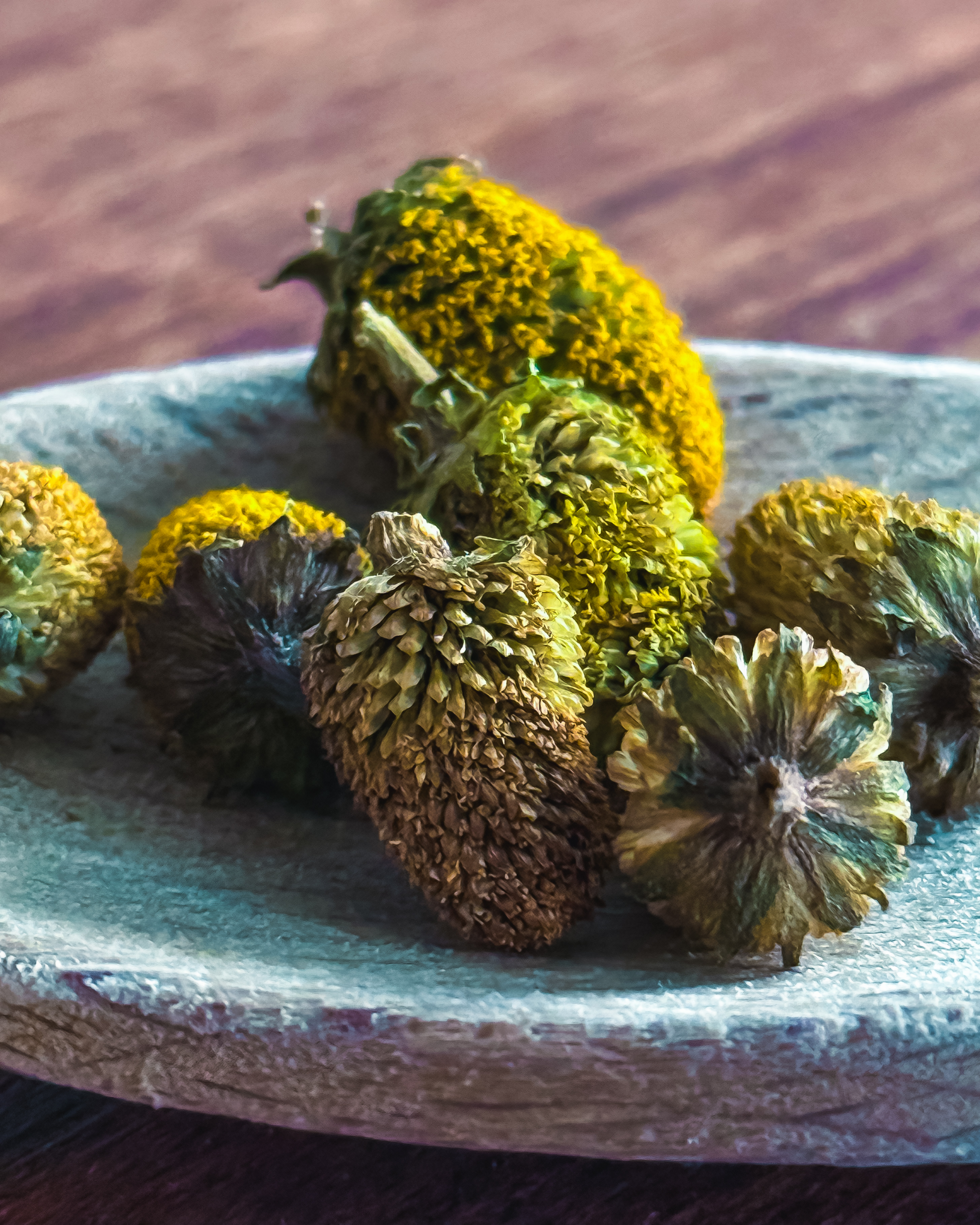
Well-preserved flower heads typically retain:
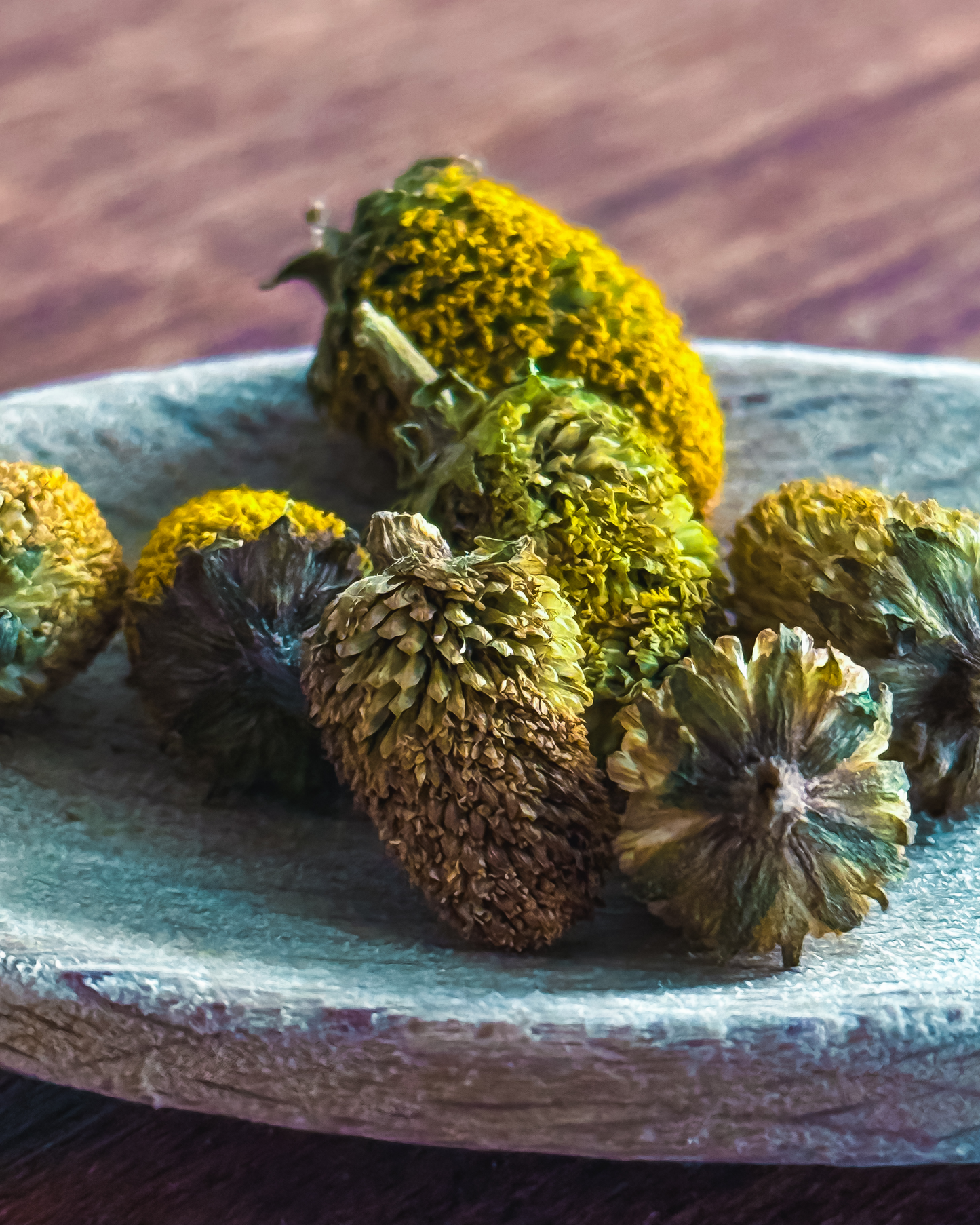
- their distinctive cone-shaped structure;
- bright yellow colour;
- intact florets;
- overall symmetry.
Poor drying may result in:
- browning;
- excessive shrinkage;
- flattened flowers;
- brittle tissues.
Drying Supports Long-Term Storage
Correctly dried flower heads are generally:
- lighter;
- easier to package;
- less susceptible to spoilage;
- more suitable for long-term preservation.
Reducing moisture before storage also decreases the likelihood of microbial contamination developing during transport or storage.
When Should Flower Heads Be Harvested?
Harvest timing has a direct influence on drying quality.
Flowers harvested too early may not have fully developed their characteristic shape, while flowers harvested too late may already show signs of ageing before drying even begins.
Choosing the correct stage of maturity helps improve consistency.
Harvest Fully Developed Flowers
For drying purposes, flower heads should generally be:
- fully formed;
- firm;
- evenly coloured;
- free from visible damage.
Uniform maturity allows flowers to dry more consistently.
Choose Dry Weather
Weather conditions during harvest also matter.
Whenever possible, harvest flowers:
- after morning dew has evaporated;
- during dry weather;
- before rainfall;
- before irrigation if possible.
Collecting flowers when surface moisture is low reduces drying time and lowers the risk of mould development.
Avoid Harvesting Wet Flowers
Flowers harvested immediately after rain often retain moisture between the tiny florets.
Additional surface moisture may:
- delay drying;
- encourage fungal growth;
- increase handling damage.
Waiting until flowers are naturally dry usually produces better results.
Harvest During the Cooler Part of the Day
Many growers prefer harvesting during the morning once dew has disappeared.
At this time:
- flowers are usually well hydrated;
- temperatures remain moderate;
- heat stress is reduced;
- handling damage may be minimised.
Harvesting during extreme afternoon heat may increase wilting before drying begins.
Selecting Healthy Flower Heads
Not every flower should be dried.
Careful selection helps improve the overall quality of the finished material.
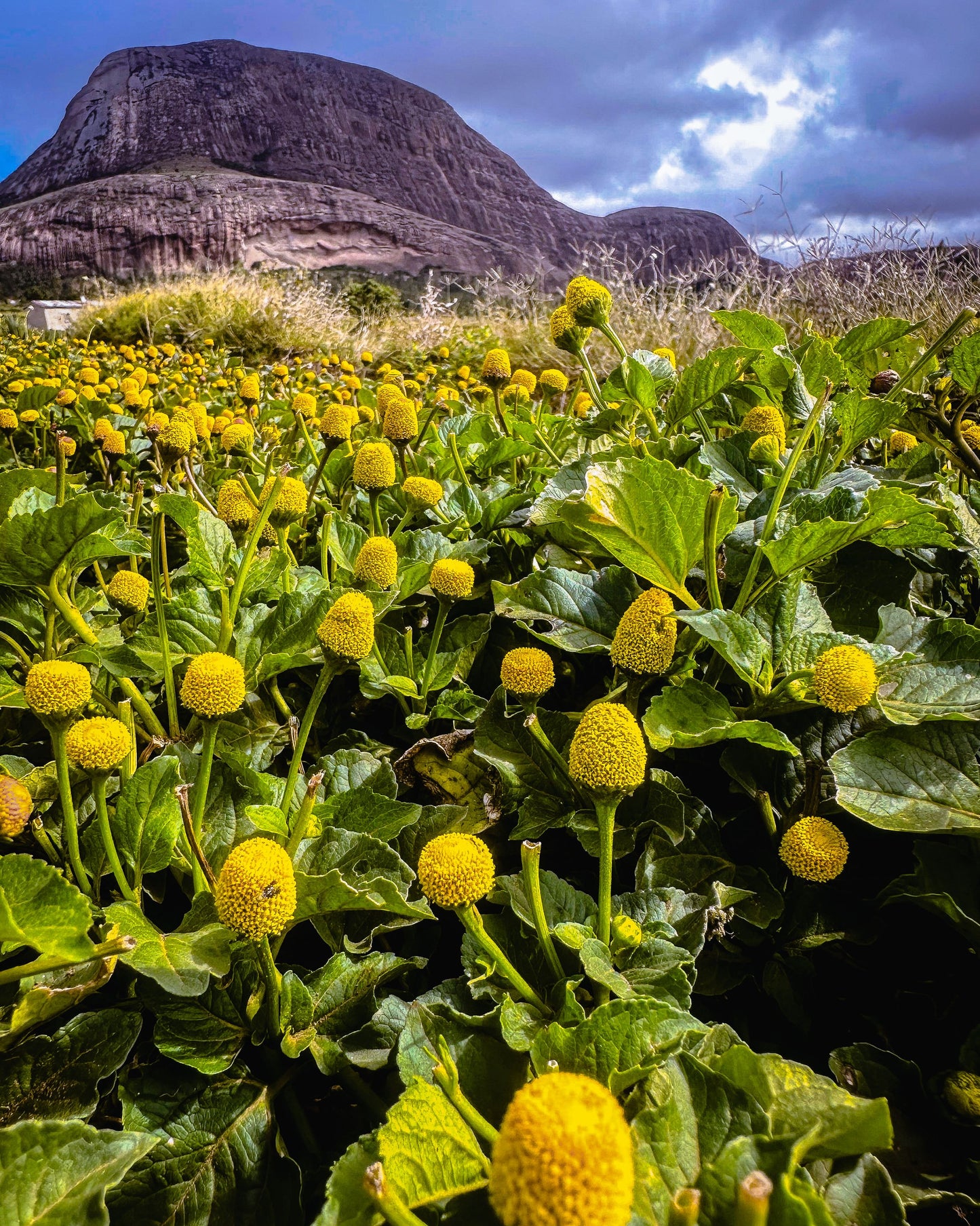
Characteristics of High-Quality Flower Heads
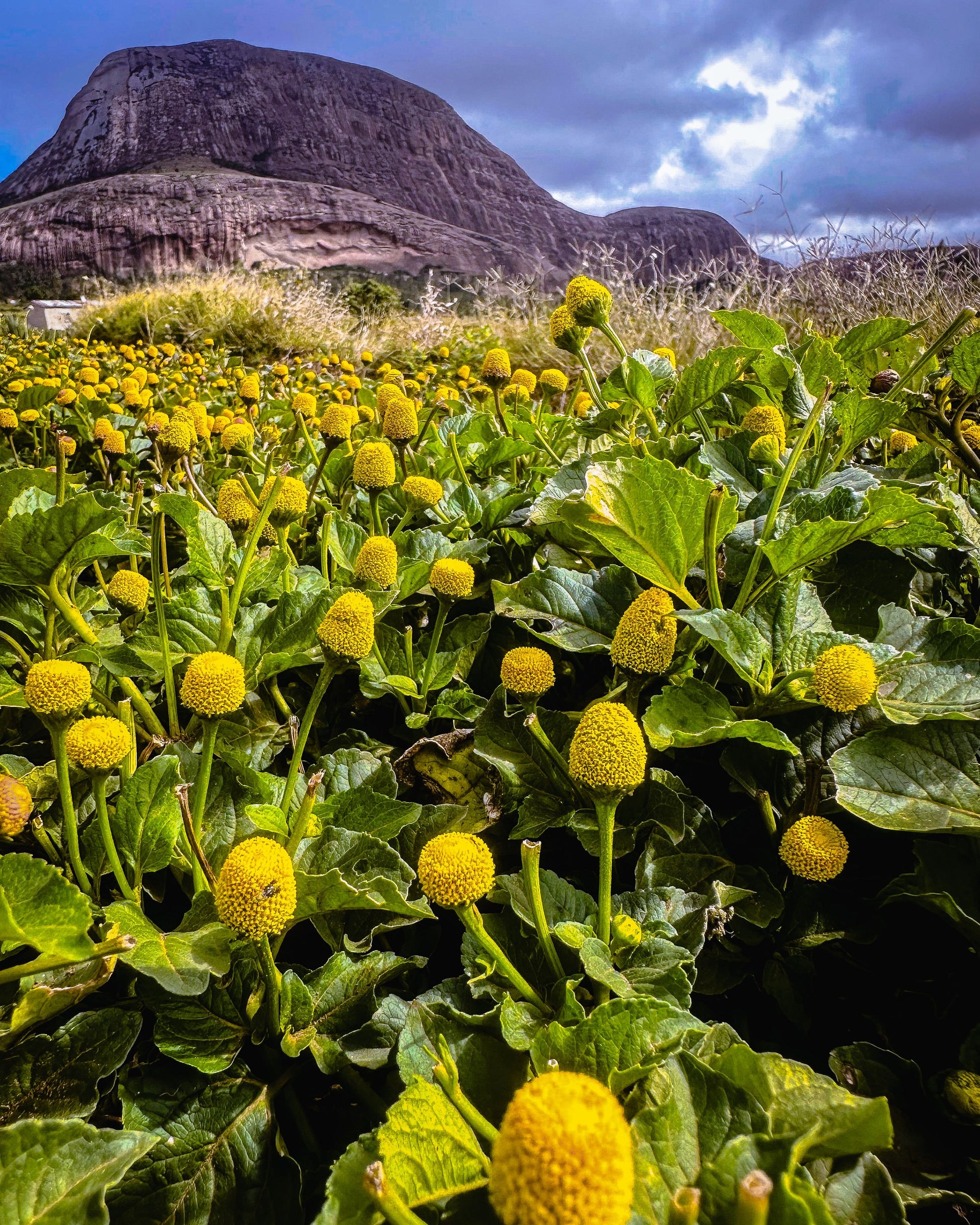
Ideal flower heads are typically:
- bright yellow;
- symmetrical;
- fully developed;
- free from insect damage;
- free from disease;
- free from mould;
- attached to healthy stems.
Selecting only healthy flowers creates a more consistent final product.
Avoid Damaged Flowers
Flowers showing any of the following should generally be excluded:
- brown patches;
- soft tissue;
- insect feeding damage;
- fungal growth;
- severe bruising;
- broken flower heads.
Drying cannot reverse damage that has already occurred before harvest.
Uniform Size Improves Consistency
Where possible, harvest flower heads of similar size.
Flowers with comparable dimensions generally:
- lose moisture at similar rates;
- dry more evenly;
- simplify later sorting and storage.
This is particularly useful when preparing larger harvests.
Preparing Flower Heads Before Drying
Preparation should begin immediately after harvesting.
Reducing unnecessary delays helps preserve quality before drying starts.
Handle Flowers Gently
Fresh flower heads are relatively delicate.
Avoid:
- crushing;
- excessive stacking;
- dropping containers;
- compressing harvested material.
Gentle handling helps maintain the flower's natural shape.
Remove Foreign Material
Before drying, inspect each flower carefully.
Remove:
- damaged leaves;
- loose stems;
- insects;
- soil particles;
- plant debris.
Clean harvested material produces a better finished product and reduces contamination during storage.
Avoid Washing Unless Necessary
If flowers appear clean, washing is generally unnecessary.
Adding water:
- increases drying time;
- raises the risk of mould;
- may damage delicate tissues.
If cleaning is required, allow flowers to dry thoroughly before beginning the drying process.
Sort the Harvest
Sorting flowers before drying makes the process more efficient.
Organise flowers according to:
- size;
- maturity;
- quality;
- intended use.
This allows similar material to dry under comparable conditions.
Preparing the Drying Area
A suitable drying environment should be ready before harvesting begins.
The drying area should provide:
- good airflow;
- low humidity;
- protection from rain;
- clean surfaces;
- stable temperatures;
- minimal dust.
Preparing the drying space in advance reduces unnecessary delays and helps flowers begin drying soon after harvest.
Common Mistakes Before Drying
Many quality problems begin before drying even starts.
Some of the most common mistakes include:
- harvesting flowers after rainfall;
- selecting damaged flower heads;
- stacking flowers too deeply;
- delaying drying for several hours;
- exposing harvested flowers to direct sunlight;
- handling flowers roughly during transport.
Avoiding these simple errors significantly improves the quality of the finished dried flowers.
Conclusion to Part 1
Producing high-quality dried Acmella oleracea flower heads begins with careful harvesting rather than the drying process itself. Selecting fully developed, healthy flowers during dry weather, handling them gently, removing damaged material, and preparing a clean drying environment all contribute to better long-term preservation. Each of these early decisions influences how evenly the flowers lose moisture and how well they retain their characteristic shape, colour, and overall appearance.
Successful drying should be viewed as a complete post-harvest process rather than a single step. Careful preparation reduces unnecessary quality losses and creates the best possible starting point for controlled moisture removal. In Part 2, we will explore the most common drying methods, examine how temperature, airflow, humidity, and light influence drying performance, and compare the advantages and limitations of different techniques for preserving Acmella oleracea flower heads.
Part 2: Drying Methods, Environmental Conditions and Quality Preservation
Table of Contents
- The Most Common Drying Methods
- Temperature, Airflow and Humidity
- How Long Does Drying Take?
- Protecting Colour, Shape and Quality
- Common Drying Mistakes
- Conclusion to Part 2
The Most Common Drying Methods
There is no single "best" method for drying Acmella oleracea flower heads. The most suitable approach depends on the intended use, the quantity being processed, the available equipment, and the surrounding environmental conditions.
Regardless of the method used, the objective remains the same:
- remove moisture gradually;
- minimise physical damage;
- reduce the risk of mould;
- preserve the flower's natural appearance.
Controlled drying generally produces more consistent results than rapid drying under uncontrolled conditions.
Air Drying
Air drying is the simplest and most widely used method.
Fresh flower heads are placed in a clean, well-ventilated location where moisture can gradually evaporate.
Suitable drying locations typically provide:
- good airflow;
- protection from rain;
- low humidity;
- stable temperatures;
- minimal dust.
For many home growers, air drying offers an effective balance between simplicity and quality.
Rack Drying
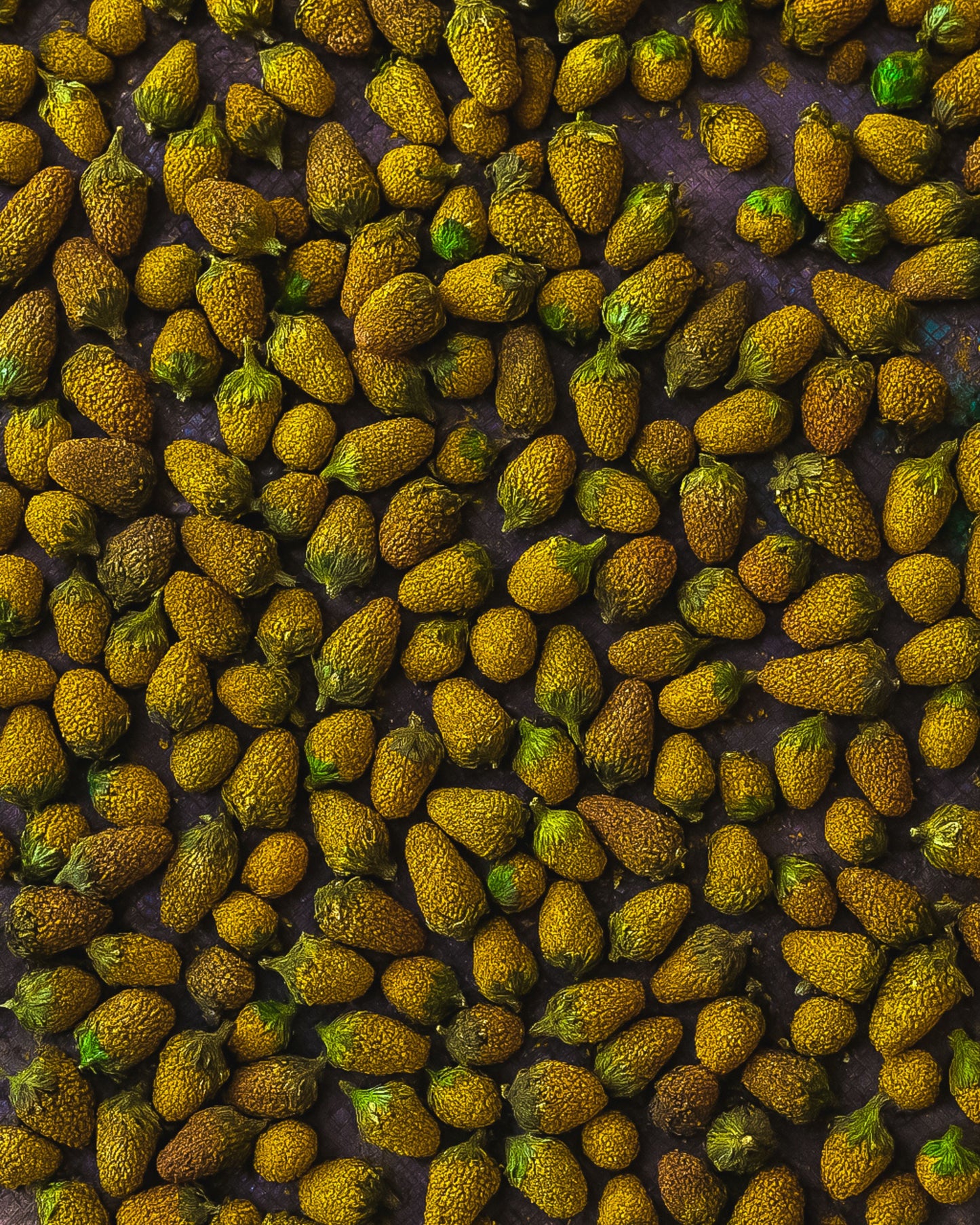
Drying racks allow air to circulate around each flower head.
Flowers are arranged in a single layer to prevent:
- overlapping;
- trapped moisture;
- uneven drying;
- compression.
Wire mesh or food-safe drying screens are commonly used because they promote airflow from both above and below the flowers.
Hanging Flower Heads
Some growers prefer hanging harvested stems in small bundles.
This method:
- requires little equipment;
- saves space;
- provides good ventilation when bundles remain small.
However, very large bundles may trap moisture inside the stems and delay drying.
If hanging flowers, avoid tying excessive numbers together.
Controlled Drying Systems
Commercial growers may use drying rooms or environmental drying cabinets that allow greater control over:
- temperature;
- airflow;
- humidity.
These systems improve consistency between batches and reduce dependence on outdoor weather conditions.
Temperature, Airflow and Humidity
Successful drying depends on balancing three environmental factors.
Rather than focusing on one variable alone, growers should consider how temperature, airflow, and humidity interact throughout the drying process.
Temperature
Moderate temperatures generally support gradual moisture removal.
Excessive heat may:
- increase shrinkage;
- accelerate tissue damage;
- reduce visual quality;
- dry outer tissues too rapidly.
Gentle drying usually preserves the flower's structure more effectively than exposing it to intense heat.
Airflow
Air movement removes moisture released from the flowers.
Without sufficient airflow:
- humidity rises around the flowers;
- drying slows;
- mould becomes more likely.
Good ventilation is therefore one of the most important factors influencing successful drying.
Air circulation should remain continuous but gentle.
Strong airflow that physically disturbs the flowers is usually unnecessary.
Humidity
Humidity influences how easily moisture leaves plant tissues.
High humidity:
- slows drying;
- increases drying time;
- encourages fungal growth.
Lower humidity generally improves drying efficiency while reducing microbial risk.
Maintaining a dry environment is often more important than increasing temperature.
Light Exposure During Drying
Light is another environmental factor that deserves consideration.
Prolonged exposure to direct sunlight may:
- fade colours;
- warm plant tissues unevenly;
- accelerate deterioration.
For this reason, many growers prefer drying flowers in shaded or dark locations with adequate ventilation.
This approach helps preserve the flowers' natural appearance.
How Long Does Drying Take?
Drying time varies considerably.
Several factors influence the duration, including:
- flower size;
- humidity;
- airflow;
- temperature;
- drying method.
Rather than relying on a fixed number of days, growers should evaluate the condition of the flowers themselves.
Signs That Drying Is Progressing Well
As drying continues:
- flowers gradually become lighter;
- stems become firmer;
- moisture decreases;
- surfaces remain free from mould.
Progress should be gradual and uniform.
When Are Flowers Fully Dry?
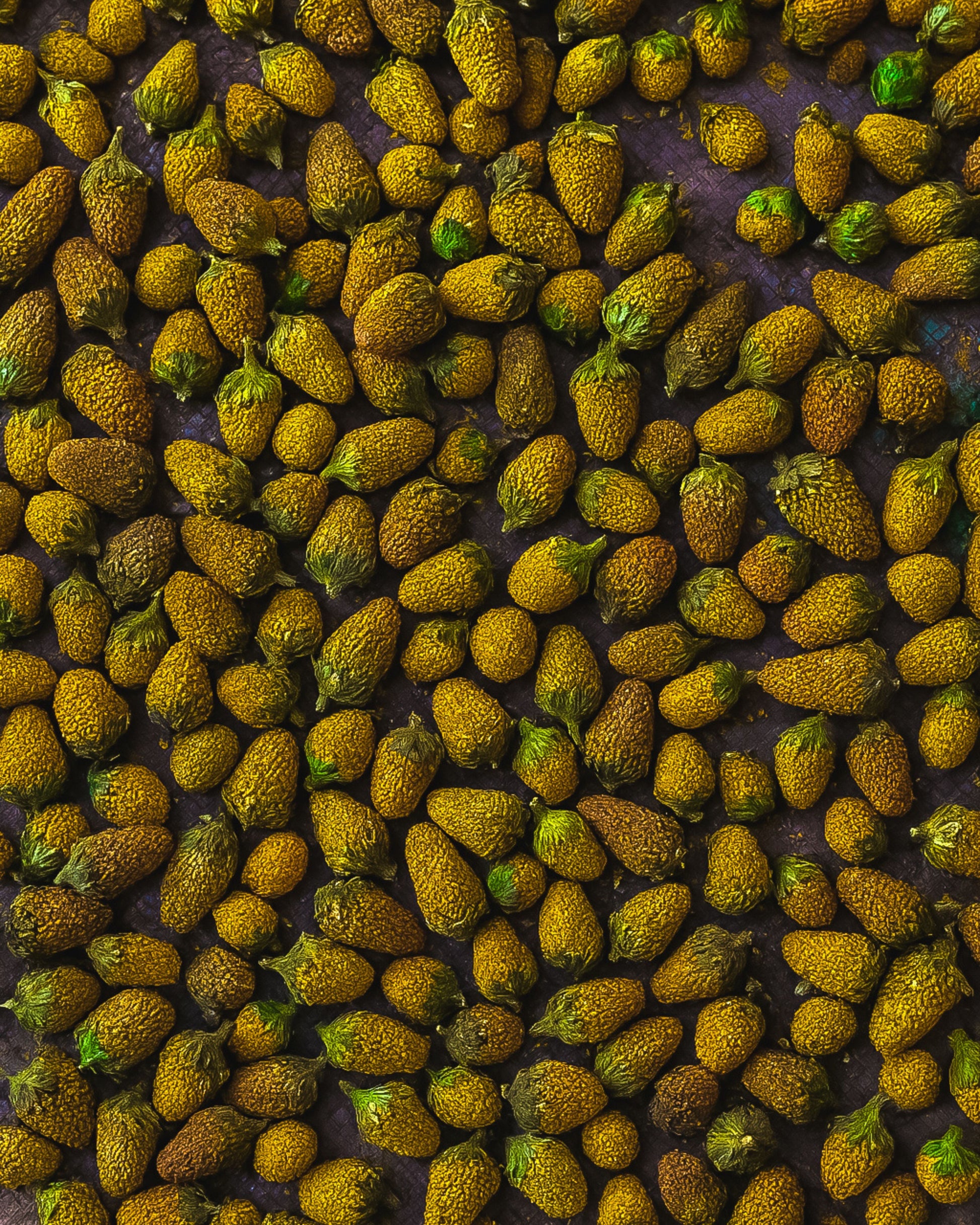
Properly dried flower heads generally feel:
- firm;
- lightweight;
- dry to the touch.
No areas should remain soft or damp.
Before storage, ensure the flowers have dried completely, as residual moisture may lead to mould during storage.
Protecting Colour, Shape and Quality
Successful drying is not measured only by moisture removal.
High-quality dried flowers should also retain much of their original appearance.
Preserve Natural Shape
To minimise deformation:
- avoid stacking flowers;
- provide adequate support during drying;
- prevent unnecessary handling.
Flowers that remain undisturbed usually maintain a more symmetrical shape.
Reduce Physical Damage
Fresh flower heads bruise easily.
Limit unnecessary handling throughout the drying process.
Repeated movement may:
- loosen florets;
- flatten flower heads;
- reduce overall quality.
Once flowers are positioned for drying, it is usually best to leave them undisturbed except for routine inspection.
Keep Drying Areas Clean
Dust, insects, and plant debris may contaminate drying material.
Maintain a clean drying environment by:
- cleaning racks regularly;
- removing damaged flowers;
- preventing insect access where possible.
Good hygiene contributes to better long-term storage quality.
Common Drying Mistakes
Many quality problems result from avoidable errors.
Drying in Direct Sunlight
Although sunlight may speed moisture loss, prolonged direct exposure can also:
- fade colour;
- increase surface temperatures;
- reduce visual quality.
Shaded drying areas generally produce better results.
Poor Air Circulation
Insufficient airflow is one of the most common causes of mould development.
Avoid:
- enclosed containers;
- tightly packed flowers;
- stagnant air.
Overcrowding
Flowers placed too closely together:
- dry unevenly;
- trap moisture;
- increase the likelihood of fungal growth.
Always arrange flowers with adequate spacing.
Rushing the Process
Attempting to dry flowers too quickly by exposing them to excessive heat may reduce quality.
Gradual drying generally preserves:
- colour;
- structure;
- overall appearance.
Patience usually produces better long-term results.
Storing Flowers Too Soon
Flowers that appear dry externally may still contain internal moisture.
Storing incompletely dried flowers increases the risk of:
- mould;
- condensation;
- spoilage.
Always confirm that flowers are completely dry before packaging.
Quality Checks Before Storage
Before transferring dried flowers into storage, inspect each batch carefully.
Look for:
- consistent colour;
- intact flower heads;
- absence of mould;
- complete dryness;
- minimal physical damage.
Removing lower-quality material before storage improves the consistency of the final collection.
Conclusion to Part 2
The quality of dried Acmella oleracea flower heads depends largely on controlling the drying environment rather than simply removing moisture as quickly as possible. Moderate temperatures, good airflow, low humidity, protection from direct sunlight, and careful handling all work together to preserve the flowers' natural shape, colour, and structural integrity. Whether using simple air drying, drying racks, or controlled drying systems, patience and consistency generally produce better results than rapid drying under harsh conditions.
Careful monitoring throughout the drying process also helps prevent common problems such as mould, uneven drying, excessive shrinkage, and physical damage. By allowing moisture to leave the flowers gradually while maintaining clean, well-ventilated conditions, growers can produce dried material that stores well and retains a high standard of visual quality. In Part 3, we will explore long-term storage, packaging methods, monitoring dried flower quality over time, answer frequently asked questions, and provide practical recommendations for preserving Acmella oleracea flower heads after drying is complete.

Part 3: Storage, Quality Control and Long-Term Preservation
Table of Contents
- How to Store Dried Flower Heads
- Monitoring Quality During Storage
- Frequently Asked Questions
- Final Scientific Perspective
- Key Takeaways
How to Store Dried Flower Heads
Drying is only the first stage of preservation. Once flower heads have reached an appropriate level of dryness, correct storage becomes essential for maintaining their quality over weeks, months, or even years.
Even perfectly dried flowers can deteriorate if exposed to excessive moisture, heat, sunlight, or poor storage conditions.
The primary objectives of storage are to protect the flowers from:
- moisture;
- light;
- oxygen;
- contamination;
- physical damage.
A stable storage environment helps preserve both appearance and overall product quality.
Choose Clean Containers
Storage containers should always be clean and completely dry before use.
Suitable containers include:
- glass jars;
- airtight food-grade containers;
- sealed storage bags designed for dried botanical materials;
- rigid plastic containers with secure lids.
Whatever container is selected, cleanliness is essential to minimise contamination.
Protect Against Moisture
Moisture is one of the greatest threats to dried botanical material.
If dried flowers absorb water during storage, they may become susceptible to:
- mould;
- bacterial growth;
- softening;
- premature deterioration.
Containers should therefore remain tightly closed whenever possible.
Store Away From Direct Light
Sunlight gradually affects many dried plant materials.
Extended exposure may contribute to:
- colour fading;
- tissue degradation;
- reduced visual quality.
For this reason, dried flower heads are generally stored in dark cupboards, cabinets, or opaque containers that protect them from prolonged light exposure.
Maintain Stable Temperatures
Large temperature fluctuations may encourage condensation inside storage containers.
A stable environment is generally preferable to repeated cycles of warming and cooling.
Avoid storing dried flowers near:
- radiators;
- heating vents;
- sunny windows;
- ovens;
- other heat sources.
Moderate, consistent conditions help improve long-term stability.
Monitoring Quality During Storage
Storage should not be considered a "set and forget" process.
Periodic inspection allows growers to detect problems before they affect the entire batch.
Check for Moisture
One of the first signs of storage problems is unwanted moisture.
Inspect stored flowers periodically for:
- condensation;
- soft tissues;
- unusual odours;
- visible mould.
If moisture is detected, remove affected material immediately and inspect the remaining batch carefully.
Watch for Insects
Although properly dried flowers are generally less attractive to pests than fresh plant material, stored botanical products may occasionally attract insects.
Routine inspections should include checking for:
- insect activity;
- feeding damage;
- webbing;
- frass (insect droppings).
Keeping storage areas clean greatly reduces this risk.
Inspect Colour and Structure
Over time, some gradual changes are normal.
However, sudden changes in:
- colour;
- shape;
- brittleness;
- odour;
may indicate unsuitable storage conditions.
Comparing newly dried flowers with older batches helps identify gradual quality changes.
Packaging for Different Uses
Storage methods often depend on the intended purpose of the dried flowers.
Botanical Collections
Specimens intended for botanical collections benefit from:
- careful labelling;
- clean storage;
- protection from crushing.
Documentation should include:
- botanical name;
- harvest date;
- collection location;
- drying date where appropriate.
Research Material
Material intended for research often requires additional documentation to support traceability.
Information may include:
- batch number;
- cultivation records;
- harvest conditions;
- storage conditions.
Accurate records improve reproducibility and quality assurance.
Commercial Products
Commercial suppliers typically place greater emphasis on:
- consistent appearance;
- traceability;
- packaging quality;
- batch identification.
Professional packaging also helps protect flowers during transport.
Labelling Stored Flower Heads
Proper labelling prevents confusion between batches.
Useful information includes:
- Acmella oleracea;
- plant part (flower heads);
- harvest date;
- drying date;
- batch number;
- country or region of origin where relevant.
Simple labels make long-term inventory management considerably easier.
Common Storage Mistakes
Many quality losses occur after drying has already been completed.
Some of the most common mistakes include:
- storing flowers before they are completely dry;
- using damp containers;
- exposing flowers to sunlight;
- allowing moisture to enter storage containers;
- crushing flowers under heavy objects;
- failing to inspect stored material periodically.
Fortunately, these problems are largely preventable with careful handling and appropriate storage practices.
Frequently Asked Questions
How do I know when the flower heads are fully dry?
Properly dried flower heads should feel firm, lightweight, and dry throughout. No areas should feel soft, cool, or damp when gently examined.
Can dried flower heads develop mould during storage?
Yes.
If residual moisture remains after drying or if flowers absorb moisture during storage, mould may develop. Keeping flowers completely dry and storing them in clean, airtight containers helps reduce this risk.
Should dried flowers be refrigerated?
Under normal conditions, refrigeration is generally unnecessary.
A cool, dry, stable storage environment away from direct sunlight is usually sufficient for properly dried flower heads.
Why have my dried flowers faded?
Gradual colour changes may occur naturally over time.
Excessive exposure to sunlight, heat, or unsuitable storage conditions may accelerate fading.
Storing flowers in dark containers or cupboards helps preserve their appearance.
Can damaged flowers be restored after drying?
No.
Drying preserves the condition of the flower at harvest but cannot repair damage caused by insects, disease, bruising, or poor handling before drying.
Selecting healthy flowers remains one of the most important quality steps.
How often should stored flowers be inspected?
Periodic inspections are recommended, particularly during the first weeks of storage.
Regular monitoring helps detect moisture, insects, or other quality issues before they spread throughout the batch.
Best Practices for Long-Term Quality
High-quality dried Acmella oleracea flower heads are the result of consistent attention throughout the entire post-harvest process.
The most effective practices include:
- harvesting healthy, mature flowers;
- drying under controlled conditions;
- providing good airflow;
- protecting flowers from direct sunlight;
- storing completely dry material;
- using clean containers;
- monitoring stored batches regularly;
- maintaining accurate labels and records.
Together, these steps support better preservation and reduce avoidable quality losses.
Final Scientific Perspective
Producing high-quality dried Acmella oleracea flower heads requires careful attention throughout every stage of the post-harvest process. Harvest timing, flower selection, gentle handling, controlled drying, and appropriate storage all contribute to the final quality of the preserved material. Rather than relying on rapid moisture removal, successful drying focuses on gradually reducing water content while protecting the flower's natural structure, colour, and physical integrity.
Long-term preservation depends just as much on storage as on drying itself. Clean containers, protection from moisture and light, stable temperatures, and routine quality inspections all help maintain dried flower heads in good condition over extended periods. Whether the material is intended for botanical collections, educational displays, cosmetic ingredients, research, or commercial distribution, careful storage reduces the risk of mould, contamination, and unnecessary deterioration.
Ultimately, successful drying is a process of quality management rather than a single technique. By combining careful harvesting, controlled environmental conditions, and thoughtful long-term storage, growers can preserve Acmella oleracea flower heads with greater consistency and minimise avoidable losses. These evidence-based practices support reliable preservation while maintaining the characteristics that make this distinctive botanical species valuable for cultivation, study, and professional applications.
Key Takeaways
- Harvest fully developed, healthy flower heads during dry weather for the best drying results.
- Gentle handling, good airflow, moderate temperatures, and protection from direct sunlight help preserve the flower's natural shape and colour.
- Dry flowers completely before storage to reduce the risk of mould and microbial growth.
- Store dried flower heads in clean, airtight containers in a cool, dry, dark location with stable environmental conditions.
- Regular inspections, proper labelling, and careful storage practices help maintain the quality of Acmella oleracea flower heads for long-term botanical, research, educational, or commercial use.