

Quick Answer
Acmella oleracea grows best in warm, frost-free conditions with fertile, well-drained soil, consistent moisture, and plenty of sunlight. Under favorable conditions, seeds usually germinate within one to two weeks, and healthy plants begin flowering after approximately 8–12 weeks. While the plant is relatively easy to cultivate, the quality of the flower heads depends on the entire growing environment, from soil and climate to harvest timing and post-harvest care.
Introduction
Growing Acmella oleracea is remarkably rewarding.
Known around the world as Toothache Plant, Buzz Buttons, Paracress, and Electric Daisy, this fascinating tropical species is admired not only for its distinctive golden flower heads but also for the naturally occurring compound Spilanthol, which has made the plant the focus of increasing scientific, cosmetic, and culinary interest.
Although Acmella oleracea is relatively easy to cultivate, producing healthy plants with premium-quality flower heads requires much more than simply planting seeds.
Climate, soil, sunlight, biodiversity, harvest timing, and careful post-harvest handling all influence the final quality of the harvested botanical material.
This guide explains not only how to grow Acmella oleracea but also why each cultivation step matters, combining botanical science with practical experience gained through cultivating premium flower heads in Madagascar.
Whether you are a home gardener, botanical enthusiast, researcher, or professional grower, understanding the biology of the plant is the first step toward successful cultivation.
Why Growing Conditions Matter
Unlike synthetic products manufactured in factories, botanical ingredients begin as living plants.
Every Acmella oleracea flower develops in response to its environment.
The amount of sunlight it receives, the quality of the soil, the availability of water, the surrounding biodiversity, and the care provided throughout the growing season all influence how the plant grows and develops.
For this reason, experienced growers often say:
Excellent botanical ingredients are grown long before they are harvested.
Healthy cultivation provides the foundation for healthy flowers.
Science in Everyday Life
A Plant Reflects Its Environment
Imagine two vineyards growing the same grape variety.
One is cultivated in healthy soil with balanced rainfall, abundant sunshine, and careful farming.
The other experiences poor drainage, nutrient-deficient soil, and inconsistent care.
Although both vineyards produce grapes, the quality of the harvest is unlikely to be identical.
Acmella oleracea behaves in much the same way.
The species is genetically the same, but the growing environment plays an important role in supporting vigorous plant development and influencing its natural phytochemical profile.

Understanding the Plant's Natural Habitat
Acmella oleracea originated in tropical South America, where warm temperatures, seasonal rainfall, and fertile soils create ideal conditions for growth.
Over time, the species spread throughout many tropical regions of the world and is now cultivated in countries including:
- Brazil
- Peru
- Madagascar
- India
- Sri Lanka
- Thailand
- Vietnam
- Indonesia
Although the plant adapts well to different environments, it consistently performs best when its natural tropical habitat is closely replicated.
Successful cultivation generally depends on providing:
- warm temperatures
- fertile, well-drained soil
- regular moisture
- abundant sunlight
- good airflow
- protection from frost
These conditions encourage vigorous growth and continuous flowering throughout the season.
The Madagascar Difference
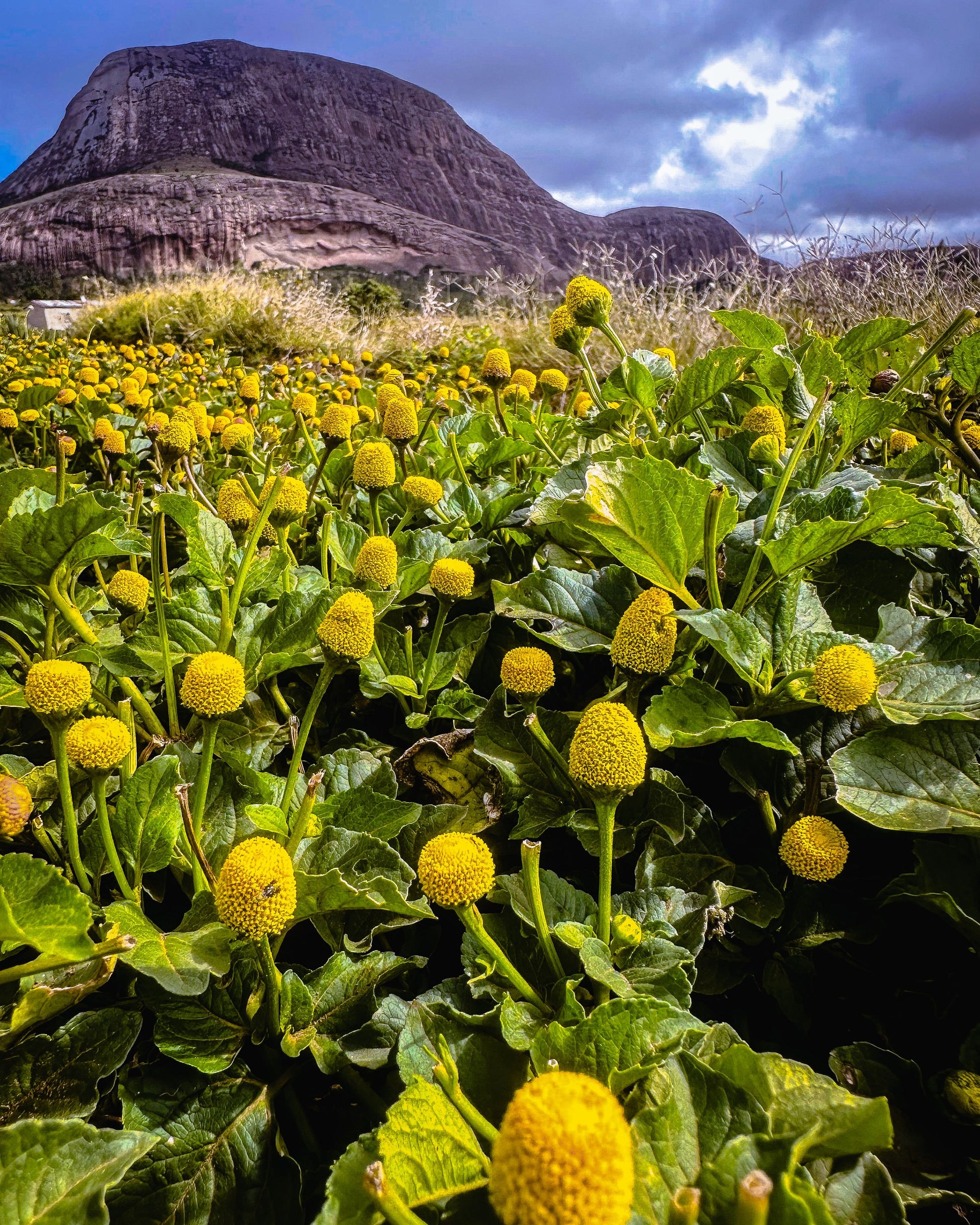
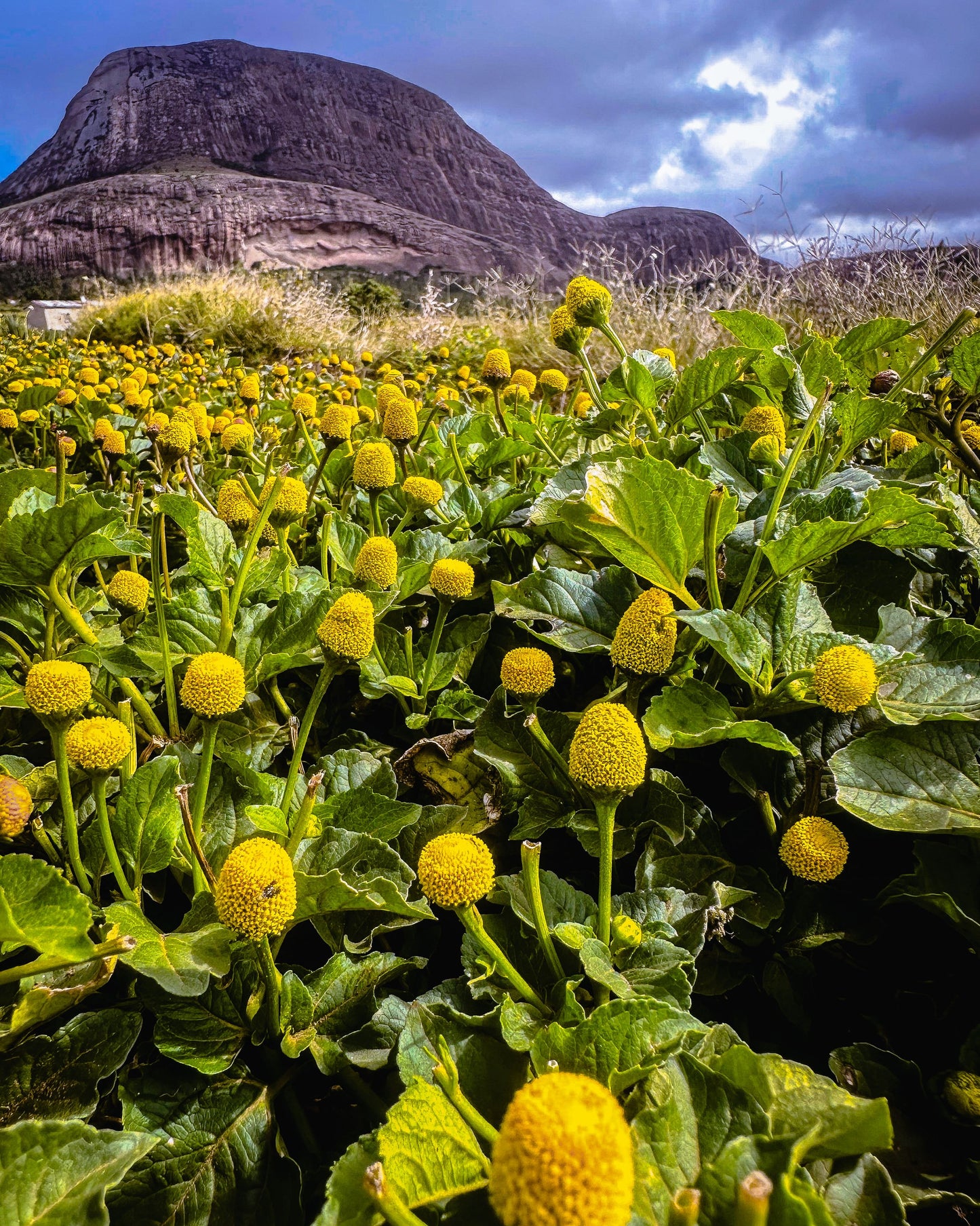
At Madabuzz, our Acmella oleracea is cultivated in Madagascar, one of the world's most extraordinary biodiversity hotspots.
Our growing regions combine several natural characteristics that create excellent conditions for cultivating healthy plants:
- fertile volcanic-derived soils
- tropical temperatures
- abundant sunshine
- seasonal rainfall
- excellent natural drainage
- exceptional biodiversity
- traditional farming knowledge
- small-scale cultivation practices
Unlike highly intensive agricultural systems, our partner farms focus on working with nature rather than against it.
Routine synthetic pesticides and herbicides are not part of our cultivation philosophy.
Instead, healthy soils, biodiversity, and responsible agricultural practices form the foundation of our production system.
The surrounding ecosystem supports birds, pollinating insects, and many other forms of wildlife that contribute to a balanced agricultural environment.
While plant chemistry is influenced by many interacting factors, including genetics, climate, soil, cultivation, and harvest timing, we believe healthy ecosystems are an essential part of producing exceptional botanical ingredients.
Rather than making assumptions about quality, every production batch is independently laboratory tested to verify its composition.
This combination of responsible cultivation and scientific verification defines the Madabuzz approach.
Annual or Perennial?
In tropical climates, Acmella oleracea can continue growing for extended periods under favorable conditions.
In cooler regions, however, it is generally cultivated as an annual, since the plant is highly sensitive to frost.
Gardeners living in temperate climates typically sow seeds indoors before the last frost or transplant seedlings outdoors once temperatures remain consistently warm.
Understanding your local climate is therefore one of the first steps toward successful cultivation.
Growing from Seed
The most common way to grow Acmella oleracea is from seed.
Fresh seeds germinate readily when warmth, moisture, oxygen, and light are available.
For best results:
- Use a fine, well-drained seed-starting mix.
- Moisten the soil before sowing.
- Scatter seeds evenly across the surface.
- Cover only lightly if required, as light can support germination.
- Maintain even moisture without waterlogging.
- Place trays in a warm, bright location.
Under suitable conditions, seedlings usually emerge within 7–14 days.
Once established, young plants grow rapidly and begin producing new leaves within a short period.
Containers or Garden Beds?
One of the advantages of Acmella oleracea is its versatility.
It grows successfully in:
- raised beds
- vegetable gardens
- botanical collections
- greenhouses
- containers
- large pots
Containers offer excellent drainage and allow gardeners to control soil quality more precisely.
Garden beds, however, often support larger root systems and more vigorous long-term growth when soil conditions are favorable.
Regardless of the growing method, adequate spacing between plants improves airflow and helps maintain healthy foliage throughout the season.
Soil: The Foundation of Healthy Plants
Healthy soil is one of the most important factors in successful cultivation.
Acmella oleracea prefers soil that is:
- fertile
- well-drained
- rich in organic matter
- loose and well-aerated
Heavy, compacted soils that remain saturated for long periods can reduce oxygen around the roots and limit healthy growth.
Adding compost or other organic matter improves soil structure while supporting microbial activity and long-term fertility.
At Madabuzz, our cultivation regions benefit from volcanic-derived soils, which are naturally rich in minerals and contribute to productive agricultural systems. Combined with responsible farming practices, these soils help create favorable conditions for growing vigorous Acmella oleracea plants.
Sunlight and Temperature
As a tropical species, Acmella oleracea thrives under bright, warm conditions.
Full sun encourages:
- compact growth
- vigorous branching
- abundant flower production
- healthy leaf development
Ideal growing temperatures are generally between 20–30°C (68–86°F).
Growth slows considerably during cool weather, and frost can permanently damage the plant.
For gardeners in colder climates, starting seeds indoors is often the most reliable way to extend the growing season.
Preparing for Success
Growing Acmella oleracea successfully is not about finding a secret technique.
It is about understanding the plant.
When growers provide:
- healthy soil
- warm temperatures
- adequate sunlight
- consistent moisture
- good airflow
- careful observation
the plant naturally responds with vigorous growth and abundant flowering.
Healthy flower heads begin with healthy cultivation.
Every decision made before harvest influences the quality of the botanical material that follows.
Growing Conditions at a Glance
| Factor | Ideal Conditions |
|---|---|
| Climate | Tropical to subtropical |
| Temperature | 20–30°C (68–86°F) |
| Sunlight | Full sun |
| Soil | Fertile, well-drained, rich in organic matter |
| Water | Consistent moisture without waterlogging |
| Frost | Avoid exposure |
| Propagation | Primarily from seed |
| Flowering | Approximately 8–12 weeks after sowing |
Key Takeaways
- Acmella oleracea is relatively easy to cultivate when its natural tropical environment is replicated.
- Healthy flower production begins with fertile soil, warmth, sunlight, and consistent moisture.
- Madagascar offers favorable conditions for cultivating Acmella oleracea, including tropical temperatures, volcanic-derived soils, rich biodiversity, and traditional farming knowledge.
- At Madabuzz, cultivation emphasizes natural farming practices without the routine use of synthetic pesticides or herbicides, combined with independent laboratory verification for every production batch.
- Successful cultivation is the foundation of producing premium-quality flower heads for research, botanical ingredients, and cosmetic applications.
Cultivating Healthy Acmella oleracea: Plant Care, Flower Development & Sustainable Farming
Growing Acmella oleracea successfully does not end when the seeds germinate.
Once seedlings are established, the focus shifts toward supporting healthy growth, encouraging abundant flowering, and maintaining the overall vitality of the plant throughout the growing season.
Every decision, from irrigation and soil management to harvesting practices, can influence the quality of the final flower heads.
For growers producing Acmella oleracea for botanical applications, cultivation is not simply about producing more flowers. It is about producing healthy, well-developed flowers harvested at the right stage of maturity.

Watering: Finding the Right Balance
Water is essential for every stage of plant development, but more is not always better.
Acmella oleracea prefers consistently moist soil rather than constantly wet soil.
Healthy watering practices include:
- watering deeply rather than frequently
- allowing the upper soil surface to dry slightly between watering
- avoiding prolonged waterlogging
- watering early in the morning when possible
- adjusting irrigation according to rainfall and temperature
Excess moisture can reduce oxygen around the roots and create conditions that favor root diseases, while prolonged drought may reduce plant vigor and flower production.
Maintaining balance is far more important than following a rigid watering schedule.
Soil Fertility and Natural Nutrition
Healthy plants begin with healthy soil.
Rather than relying solely on synthetic fertilizers, many experienced growers focus on building long-term soil fertility through organic matter and responsible land management.
Suitable soil amendments may include:
- mature compost
- well-decomposed organic matter
- natural mulches
- balanced mineral nutrition
- crop rotation where appropriate
Healthy soils support beneficial microorganisms that contribute to nutrient cycling and overall plant resilience.
A fertile soil ecosystem often produces stronger plants than excessive fertilizer applications alone.
Science in Everyday Life
Healthy Soil Is Like a Healthy Gut
The human body depends on a diverse community of beneficial microorganisms within the digestive system.
Healthy soil functions in a similar way.
Billions of microorganisms help recycle nutrients, improve soil structure, and support healthy root development.
Rather than feeding only the plant, experienced growers also care for the living ecosystem beneath the surface.
Healthy soil creates healthier plants.
Why Biodiversity Matters
One of the defining characteristics of sustainable agriculture is biodiversity.
Fields surrounded by a diversity of plants, insects, birds, and other wildlife often develop more resilient ecosystems than highly simplified agricultural systems.
Biodiversity can contribute to:
- healthy pollinator populations
- balanced ecological relationships
- improved soil health
- greater agricultural resilience
At our cultivation sites in Madagascar, Acmella oleracea grows within landscapes that support a rich diversity of birds, insects, and native vegetation.
While it would not be scientifically accurate to attribute a specific Spilanthol concentration to biodiversity alone, healthy ecosystems are widely recognized as an important component of sustainable agriculture.
Plant chemistry is influenced by many interacting factors, including genetics, soil, climate, cultivation, harvest timing, and environmental conditions, and biodiversity forms part of that broader ecological context.
Natural Cultivation Without Routine Synthetic Agrochemicals
At Madabuzz, we believe that exceptional botanical ingredients begin with respect for nature.
Our cultivation philosophy emphasizes natural farming practices and avoids the routine use of synthetic pesticides and herbicides in our Acmella oleracea production.
Instead, we focus on:
- healthy, living soils
- careful crop management
- responsible field practices
- biodiversity conservation
- close collaboration with experienced local farmers
This approach reflects our commitment to producing botanical ingredients that are as close to nature as possible while maintaining high standards of quality and traceability.
Companion Plants and Healthy Ecosystems
Like many flowering species, Acmella oleracea benefits from growing within diverse agricultural systems.
Companion planting may help create a healthier growing environment by encouraging pollinators, improving soil cover, and supporting overall biodiversity.
Although companion planting strategies vary by region and climate, diversified cultivation generally contributes to more balanced agricultural ecosystems.
Common Cultivation Challenges
Even under favorable conditions, growers may occasionally encounter challenges.
Some of the most common include:
Excess Moisture
Poor drainage may reduce root health and slow plant development.
Drought Stress
Extended dry periods can reduce flowering and overall plant vigor.
Limited Sunlight
Plants grown in excessive shade often become elongated and produce fewer flowers.
Nutrient Imbalance
Both nutrient deficiencies and excessive fertilization may affect healthy growth.
Frost
Acmella oleracea is highly sensitive to freezing temperatures.
Protection is essential in cooler climates.
Encouraging Abundant Flowering
Healthy flowering depends on the overall condition of the plant rather than a single cultivation technique.
Growers can encourage continuous flower production by maintaining:
- adequate sunlight
- consistent moisture
- fertile soil
- balanced nutrition
- regular harvesting of mature flower heads
Removing mature flowers throughout the season often encourages additional flowering, extending the productive harvest period.
Harvest Timing Matters
Knowing when to harvest is just as important as knowing how to grow.
Immature flower heads may not yet have reached their full botanical development.
Overmature flowers may begin diverting energy toward seed production.
Experienced growers therefore monitor flower maturity carefully to determine the most appropriate harvest stage for the intended use.
Harvest timing is one of several factors that may influence the overall quality and consistency of the harvested botanical material.
Why Madabuzz Harvests Whole Flower Heads
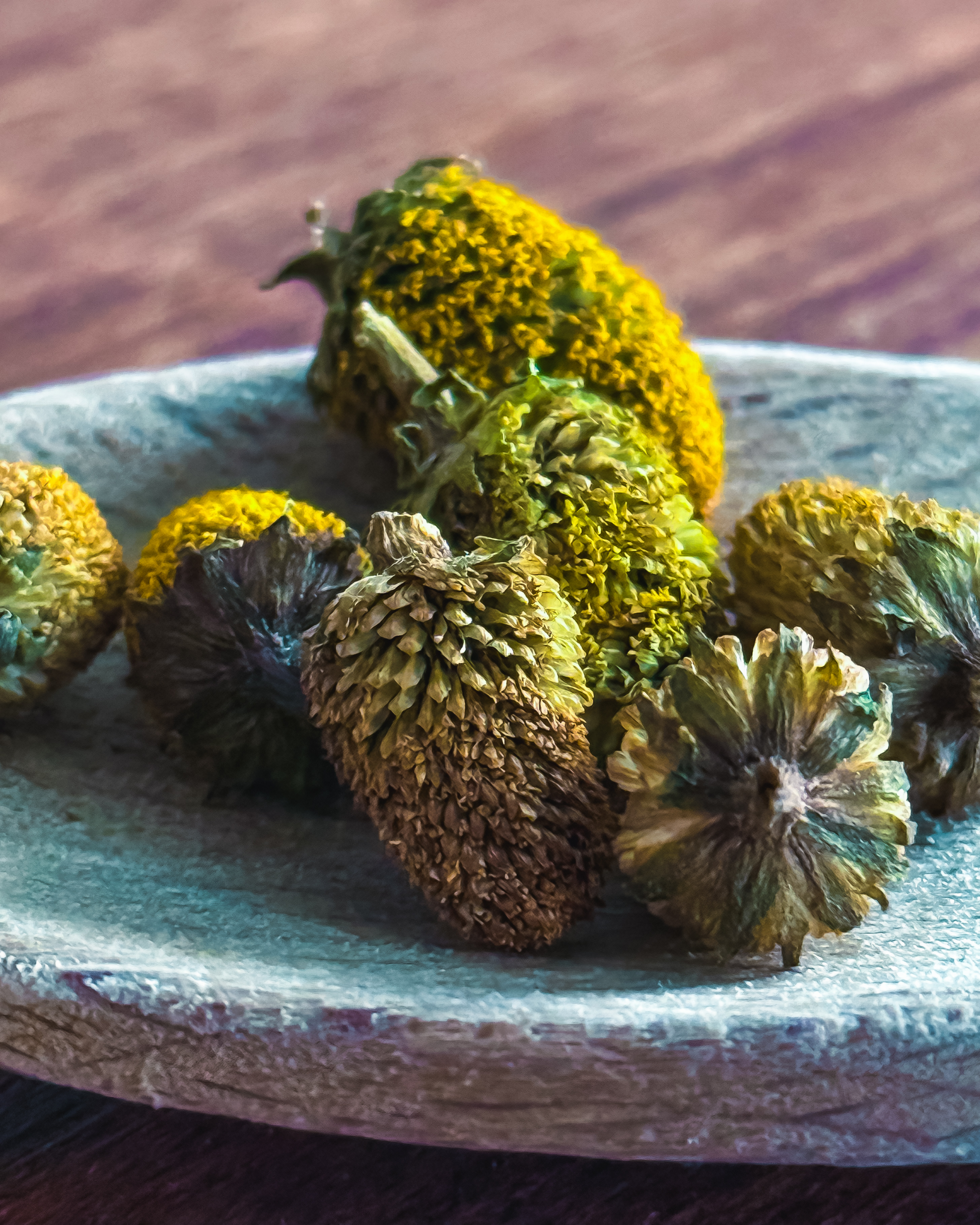
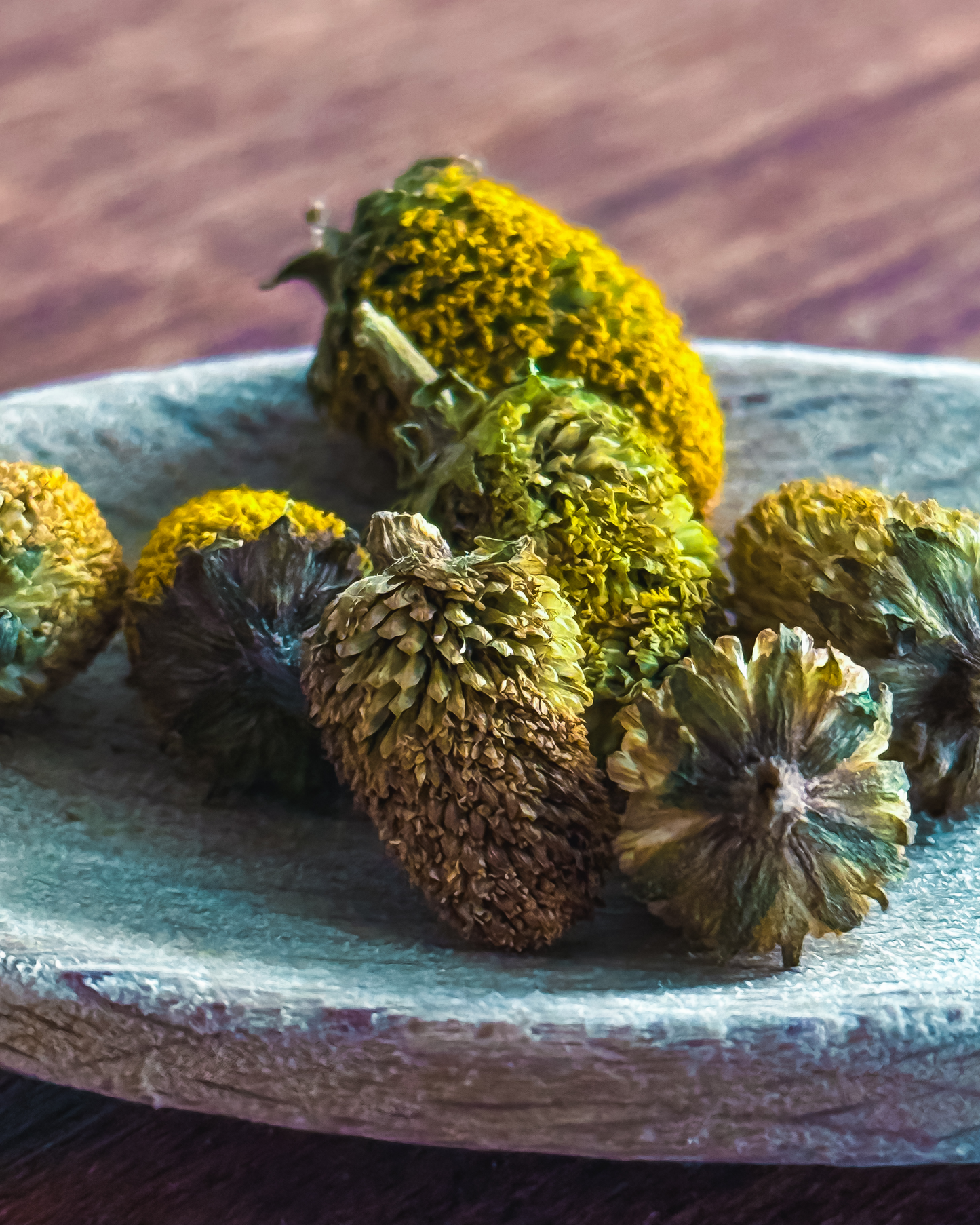
At Madabuzz, our focus is on harvesting whole flower heads rather than using mixed plant material.
Scientific studies have consistently shown that the flower heads generally contain the highest concentrations of naturally occurring Spilanthol.
By selecting mature flower heads individually, we aim to preserve the botanical integrity of the harvested material while supporting consistent quality.
This careful selection process reflects the philosophy that premium botanical ingredients begin in the field, not in the laboratory.
Madagascar: Where Nature and Experience Meet
Madagascar is one of the world's most remarkable biodiversity hotspots, and its agricultural landscapes provide favorable conditions for cultivating Acmella oleracea.
Several factors contribute to successful cultivation:
- tropical climate
- fertile volcanic-derived soils
- abundant sunshine
- seasonal rainfall
- experienced farming communities
- traditional agricultural knowledge
Our farmers understand that growing premium botanical plants requires patience, observation, and respect for natural growing cycles.
Rather than attempting to force rapid production through intensive agricultural practices, cultivation focuses on allowing the plants to develop under favorable natural conditions.
The result is healthy flower heads that are later verified through independent laboratory analysis rather than assumptions.
Sustainable Farming Beyond the Field
For Madabuzz, sustainability extends beyond cultivation.
Our sourcing model also supports the communities behind the harvest.
Through our commitment to Madagascar, 5% of every purchase contributes to local school projects, helping invest in education while strengthening long-term relationships with farming communities.
We believe truly sustainable botanical production supports both healthy ecosystems and the people who care for them.
Growing Calendar
| Growth Stage | Typical Time* |
|---|---|
| Seed Germination | 7–14 days |
| Seedling Development | 2–3 weeks |
| Vegetative Growth | 4–6 weeks |
| First Flower Buds | Around 8 weeks |
| Peak Flowering | 8–12 weeks onward |
| Continuous Harvest | Throughout the flowering season |
*Timing varies depending on climate, temperature, and growing conditions.
Common Growing Mistakes
| Mistake | Why It Matters |
|---|---|
| Overwatering | May reduce root health and increase disease risk |
| Poor Drainage | Limits oxygen around the roots |
| Too Little Sun | Reduces flowering and plant vigor |
| Harvesting Too Early | Flowers may not be fully developed |
| Ignoring Soil Health | Weakens long-term plant performance |
| Allowing Frost Exposure | Can severely damage or kill plants |
Key Takeaways
- Healthy cultivation depends on balanced watering, fertile soil, sunlight, and careful observation.
- Biodiversity and healthy ecosystems contribute to resilient agricultural systems, although many factors influence plant chemistry.
- Madabuzz cultivates Acmella oleracea in Madagascar using natural farming practices without the routine use of synthetic pesticides or herbicides.
- Harvest timing and whole flower head selection are important aspects of producing high-quality botanical material.
- Sustainable cultivation supports both environmental stewardship and the farming communities responsible for growing the crop.
From Harvest to Premium Botanical Quality
Growing Acmella oleracea is only the beginning of the journey.
Once the flower heads reach the ideal stage of maturity, careful harvesting, drying, storage, and quality control become essential steps in preserving the botanical characteristics of the plant.
For producers of premium botanical ingredients, the goal is not simply to harvest flowers—it is to preserve the integrity of the plant from the field to the finished product.
Every decision made after harvest influences the quality, traceability, and consistency of the final botanical ingredient.
Knowing When to Harvest
Harvest timing is one of the most important decisions during cultivation.
Flower heads continue developing throughout their life cycle, and their botanical composition naturally changes as they mature.
Harvesting too early may result in underdeveloped flower heads.
Waiting too long allows the plant to redirect energy toward seed production, which may not align with the intended use of the harvested flowers.
Experienced growers therefore monitor:
- flower size
- maturity
- overall plant health
- weather conditions
- harvest consistency
Rather than harvesting every flower at once, many growers collect mature flower heads continuously throughout the flowering season.
This approach supports consistent botanical quality while encouraging the plant to continue producing new flowers.
Why Whole Flower Heads Matter
Not every part of Acmella oleracea contains the same phytochemical profile.
Scientific studies have shown that the flower heads generally contain the highest concentrations of naturally occurring Spilanthol, making them the preferred botanical material for many cosmetic, research, and botanical applications.
For this reason, Madabuzz focuses on harvesting whole flower heads only.
We do not rely on mixed plant material containing stems and leaves.
Instead, each flower head is carefully selected to preserve the botanical integrity of the harvest.
This approach offers several advantages:
- greater botanical consistency
- improved traceability
- easier quality assessment
- premium raw material for extraction and formulation
- preservation of the plant's most valuable botanical component
Quality begins with selecting the right part of the plant.
Science in Everyday Life
Harvesting Is Like Picking Fruit
Imagine visiting an orchard.
Some apples are still green.
Others are perfectly ripe.
A few have become overripe.
A skilled grower does not harvest every apple at the same time.
Instead, each fruit is picked when it reaches the ideal stage of development.
Acmella oleracea follows the same principle.
Harvesting flower heads at the appropriate stage helps preserve their botanical quality and supports consistent raw materials for future processing.
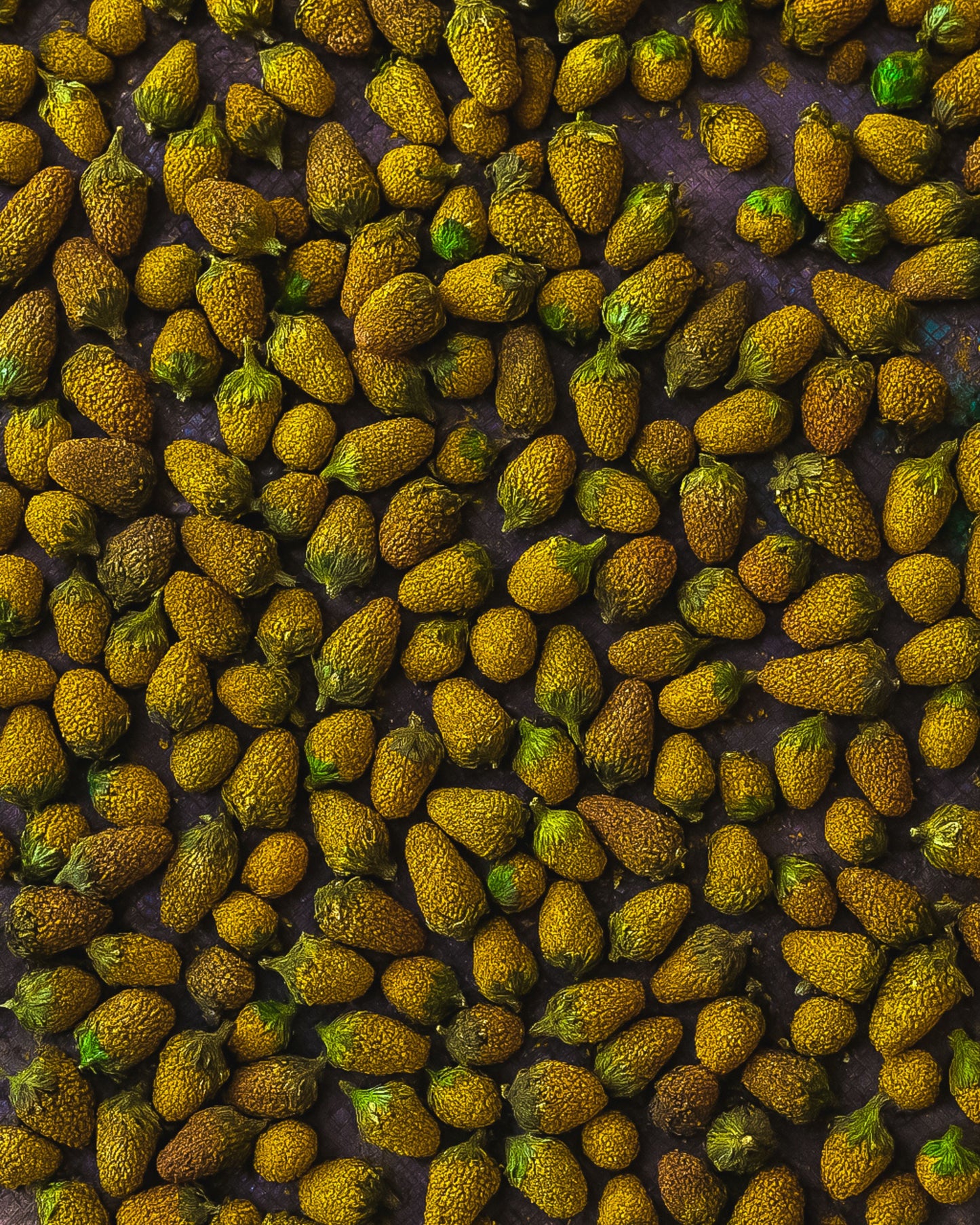
Drying: Preserving Botanical Integrity
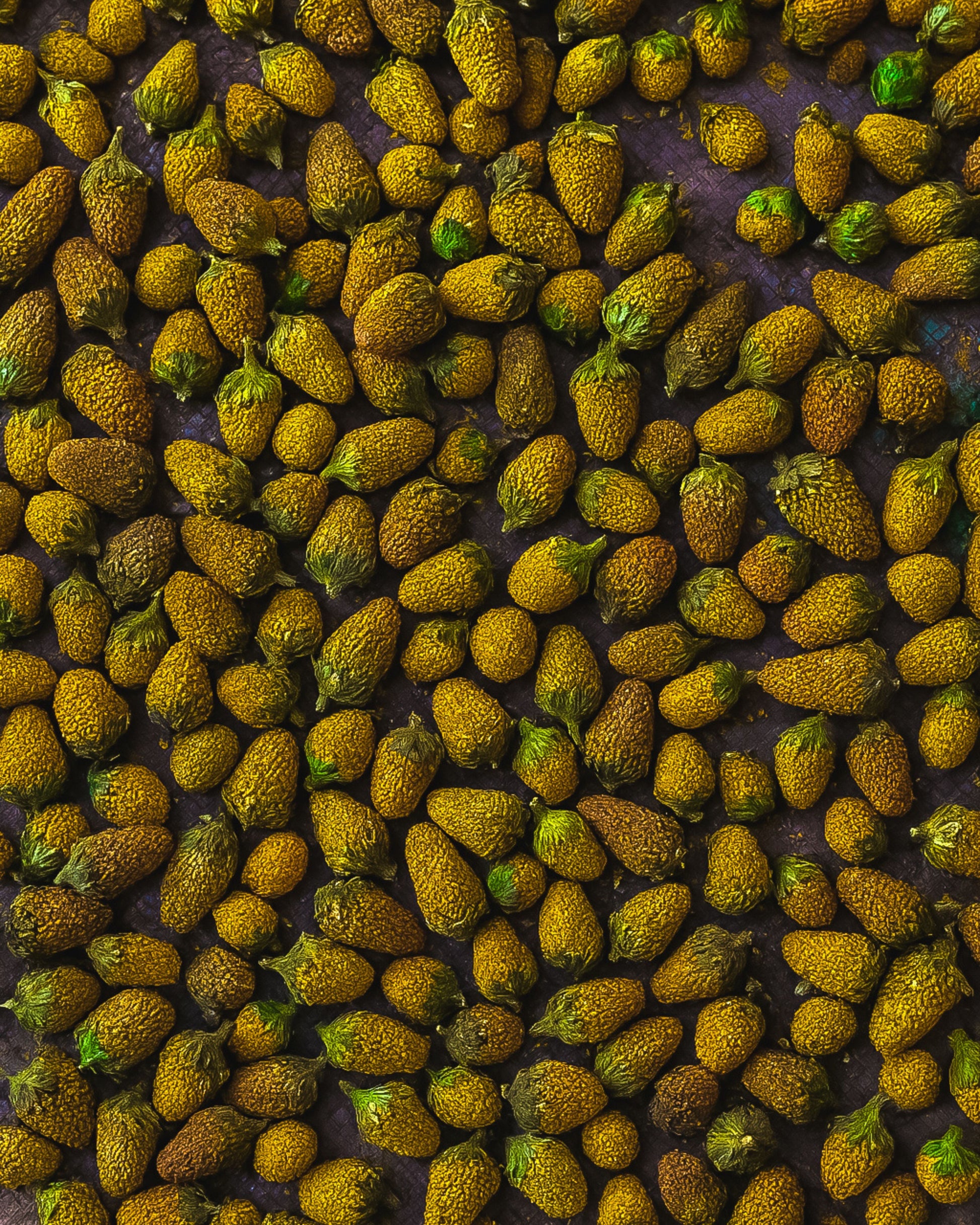
Fresh flower heads contain a significant amount of natural moisture.
If this moisture is not carefully removed, the harvested material may deteriorate during storage.
Drying is therefore one of the most critical post-harvest processes.
Effective drying aims to:
- reduce moisture safely
- preserve botanical structure
- minimize degradation
- prepare the flowers for long-term storage
The process should be controlled and gradual.
Excessive heat may damage sensitive plant constituents, while inadequate drying may increase the risk of microbial growth.
Proper drying is not simply about removing water—it is about preserving the botanical character of the harvested flower heads.
Storage: Protecting Quality Over Time
Even perfectly dried flower heads require appropriate storage.
Environmental factors such as light, heat, oxygen, and moisture can gradually influence botanical materials if storage conditions are inadequate.
Best practices generally include:
- cool temperatures
- dry environments
- protection from direct sunlight
- appropriate packaging
- careful inventory management
Maintaining these conditions helps preserve botanical quality until the flowers are processed or extracted.
From Madagascar Fields to Independent Laboratory Analysis
At Madabuzz, quality does not end when the harvest is complete.
Every stage of production is designed to preserve the integrity of the botanical material before independent laboratory analysis.
Our quality journey includes:
Careful cultivation in Madagascar
↓
Selection of mature whole flower heads
↓
Responsible harvesting
↓
Controlled drying
↓
Careful storage
↓
Extraction (where applicable)
↓
Independent laboratory verification
↓
Documented quality assurance
Rather than relying on assumptions, we believe botanical quality should be supported by measurable scientific data.
This is why every production batch is independently analyzed, helping verify consistency and transparency.
Natural Farming in Madagascar
Madagascar is internationally recognized as one of the world's most biodiverse islands.
Our cultivation philosophy respects that unique environment.
Our partner farms cultivate Acmella oleracea using natural farming practices and do not routinely rely on synthetic pesticides or herbicides.
Instead, cultivation emphasizes:
- healthy living soils
- biodiversity
- careful field management
- traditional farming knowledge
- responsible harvesting
- long-term environmental stewardship
This approach reflects our belief that healthy ecosystems contribute to resilient agriculture and high-quality botanical ingredients.
Supporting Local Communities
Sustainability is not only about protecting nature.
It is also about supporting the people who make cultivation possible.
Madabuzz works directly with farming communities in Madagascar, building long-term relationships based on transparency, fair collaboration, and shared success.
As part of this commitment, 5% of every purchase supports local school projects, helping improve educational opportunities within the communities where our Acmella oleracea is grown.
For us, premium botanical quality and positive social impact belong together.
Why Laboratory Verification Completes the Story
Cultivation provides the foundation.
Harvesting preserves the flowers.
Drying protects the botanical material.
But laboratory analysis confirms the final result.
Independent analytical testing allows us to verify important quality parameters rather than relying solely on appearance or assumptions.
This combination of responsible cultivation and scientific verification provides confidence that every batch has been evaluated using objective analytical methods.
The Madabuzz Quality Journey
| Stage | Why It Matters |
|---|---|
| Cultivation | Supports healthy plant development |
| Volcanic-derived soils | Contribute to fertile agricultural conditions |
| Biodiversity | Supports resilient farming ecosystems |
| Whole flower head selection | Focuses on the richest botanical material |
| Responsible harvesting | Preserves botanical integrity |
| Controlled drying | Protects harvested flowers |
| Careful storage | Maintains quality before processing |
| Independent laboratory analysis | Verifies composition and quality |
Frequently Asked Questions
Is Acmella oleracea difficult to grow?
No. Under warm, frost-free conditions with fertile, well-drained soil and regular moisture, Acmella oleracea is generally considered an easy plant to cultivate.
Can I grow Acmella oleracea in a pot?
Yes. Containers with good drainage are well suited for growing Acmella oleracea, particularly in smaller gardens, patios, or greenhouses.
How long does it take to flower?
Under favorable growing conditions, flowering typically begins approximately 8–12 weeks after sowing, although timing varies depending on climate and cultivation practices.
Which part of the plant is harvested?
For many botanical applications, the flower heads are the preferred plant part because they generally contain the highest concentrations of naturally occurring Spilanthol.
Why are Madabuzz flowers grown in Madagascar?
Madagascar offers warm tropical conditions, fertile volcanic-derived soils, exceptional biodiversity, and experienced farming communities. Combined with natural cultivation practices and independent laboratory testing, these factors support the production of premium-quality botanical materials.
Does Madabuzz use synthetic pesticides?
Our cultivation philosophy emphasizes natural farming practices and does not routinely rely on synthetic pesticides or herbicides in the production of our Acmella oleracea.
Why is drying so important?
Proper drying helps preserve harvested flower heads by reducing moisture while maintaining botanical quality for storage and future processing.
Why is laboratory testing necessary?
Laboratory analysis provides objective verification of quality parameters and helps ensure consistency, transparency, and traceability across production batches.
Conclusion
Growing Acmella oleracea is about much more than producing flowers.
From the first seed to the final harvest, every stage of cultivation influences the quality of the botanical material.
Healthy soils, appropriate growing conditions, responsible farming practices, careful harvesting, controlled drying, and proper storage all contribute to preserving the unique characteristics of this remarkable plant.
At Madabuzz, we believe premium botanical ingredients begin long before laboratory analysis.
They begin in the fields of Madagascar, where fertile volcanic-derived soils, rich biodiversity, experienced growers, and natural cultivation practices create an environment well suited for Acmella oleracea.
By combining traditional agricultural knowledge with modern quality assurance and independent laboratory verification, we aim to produce botanical ingredients that reflect both scientific integrity and respect for nature.
Growing exceptional plants is not about shortcuts.
It is about understanding the biology of the plant, caring for the ecosystem in which it grows, and maintaining quality at every step of the journey.