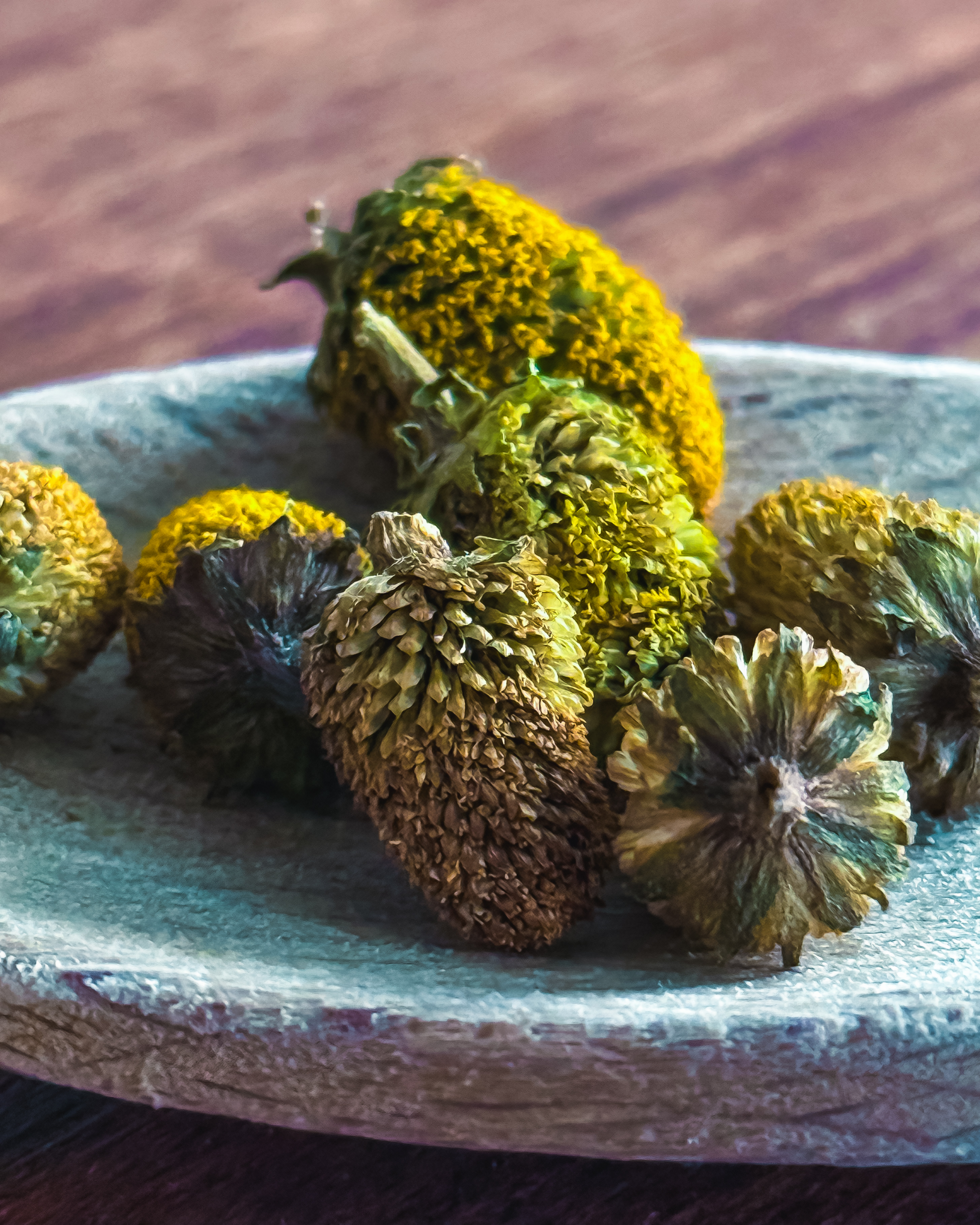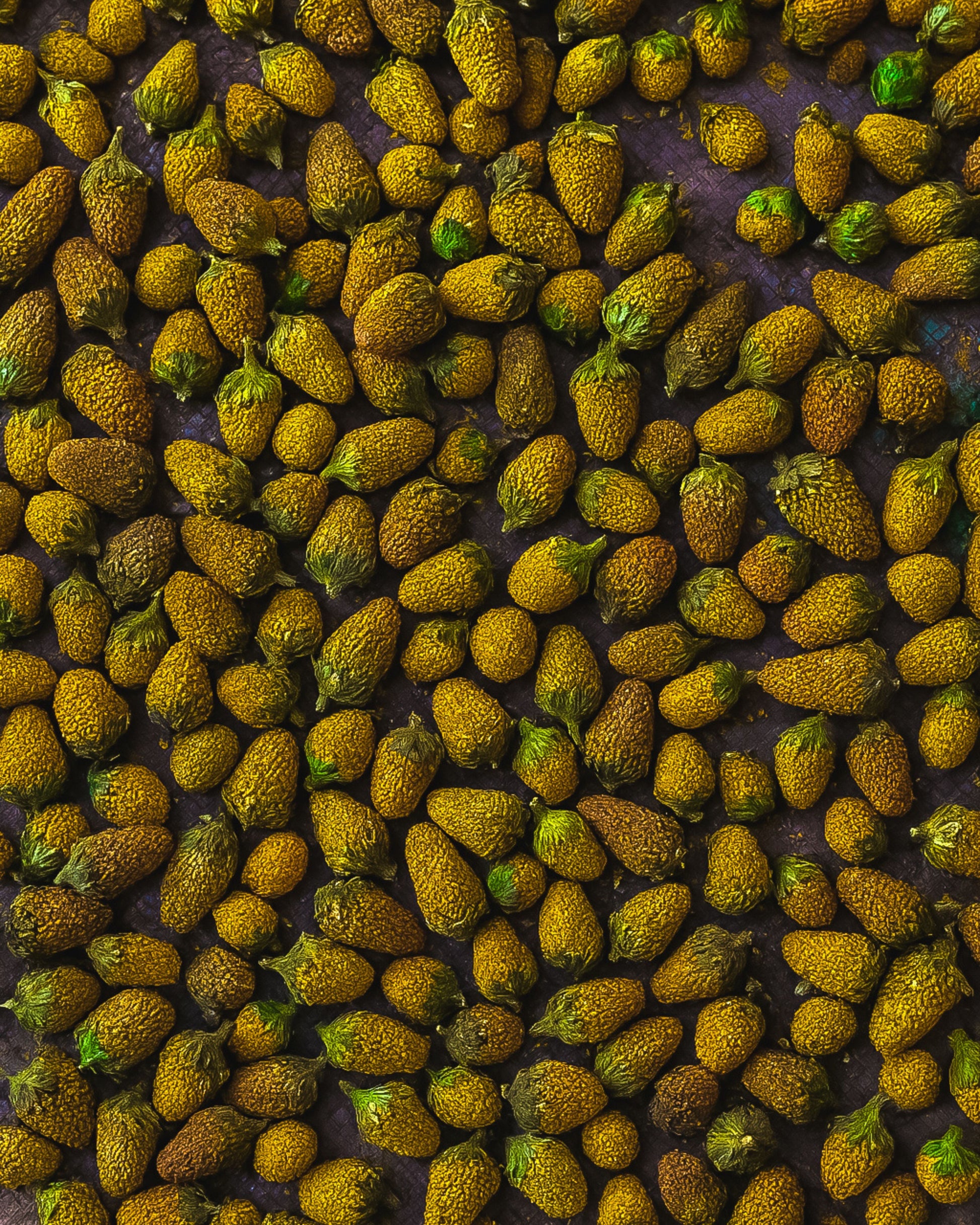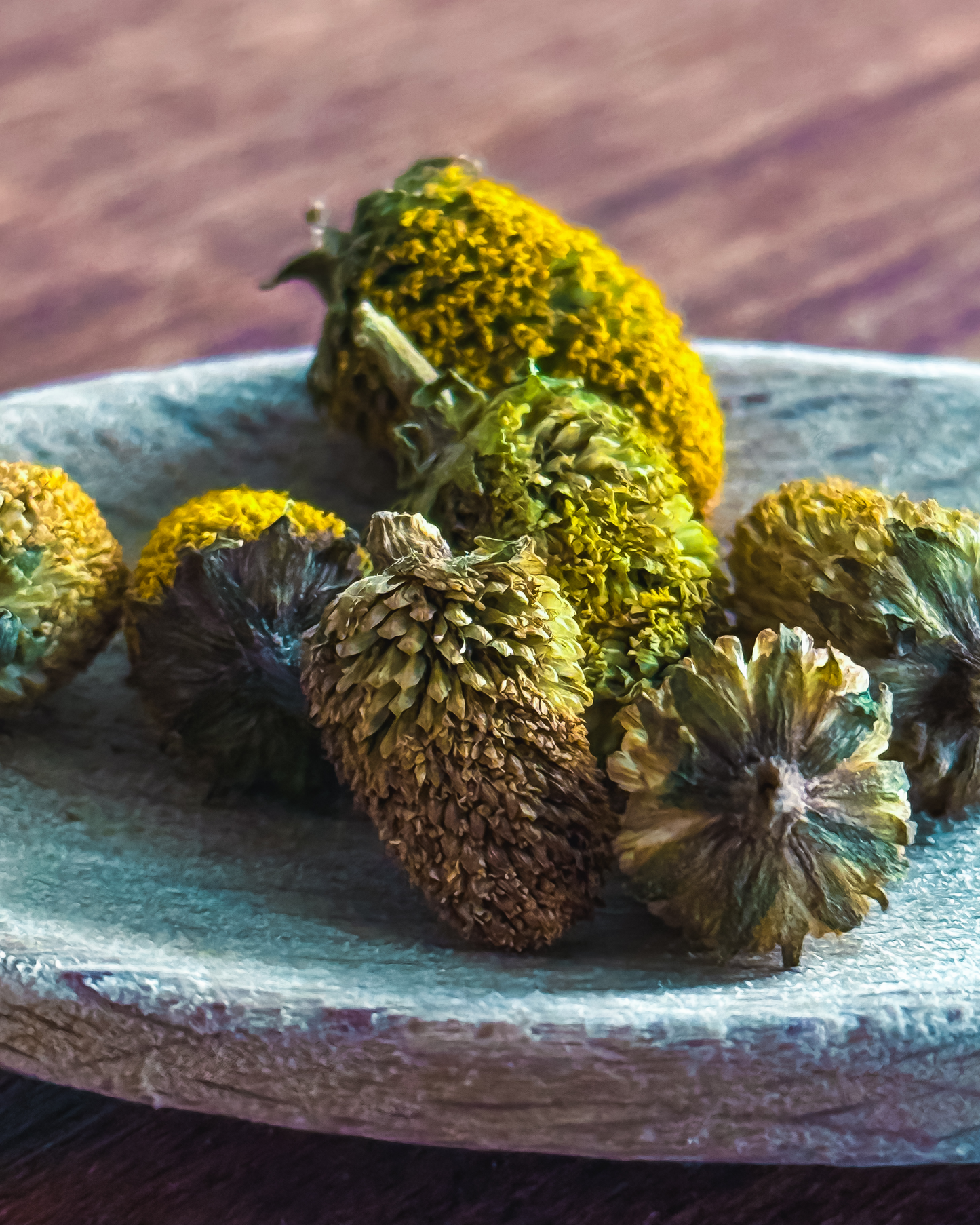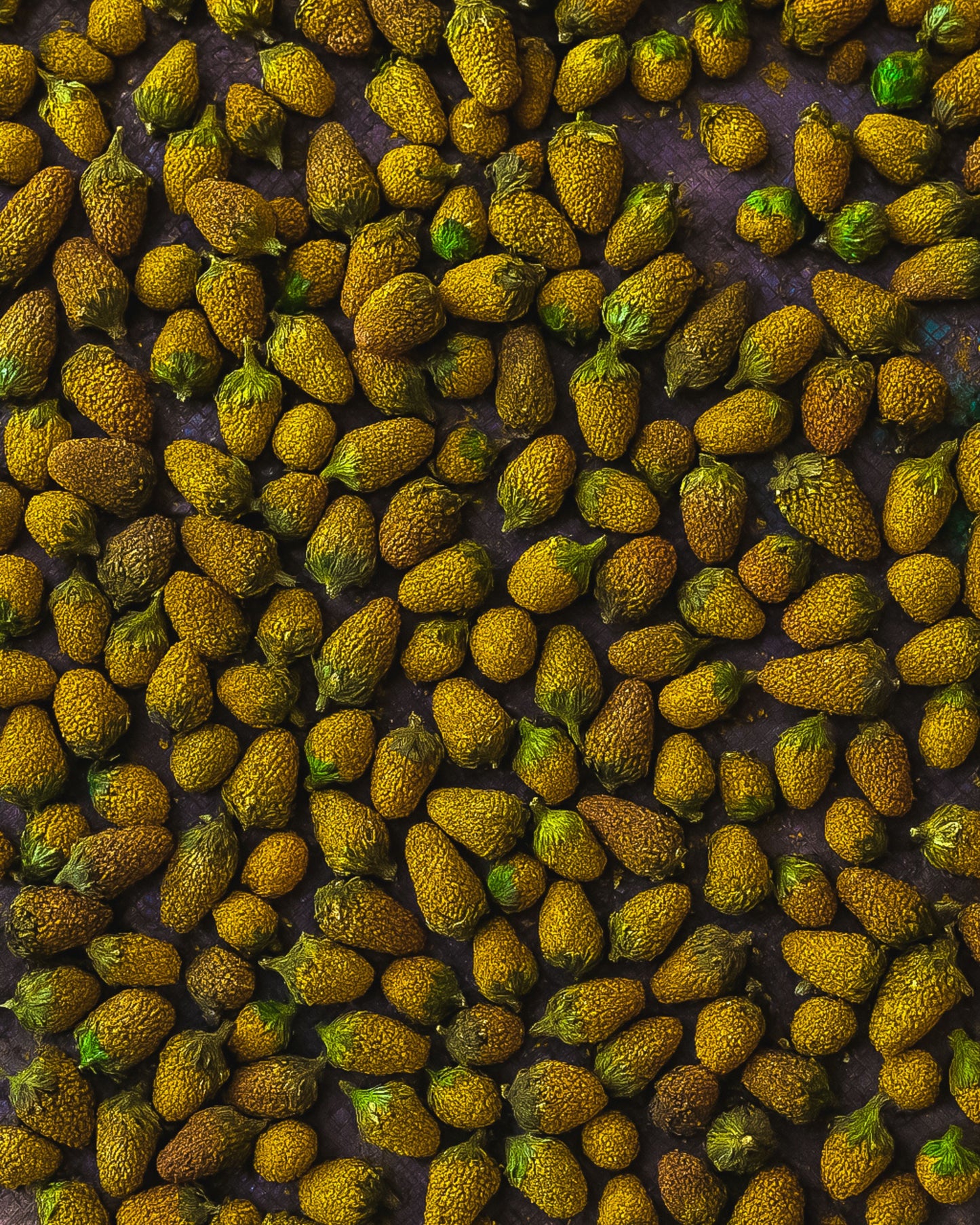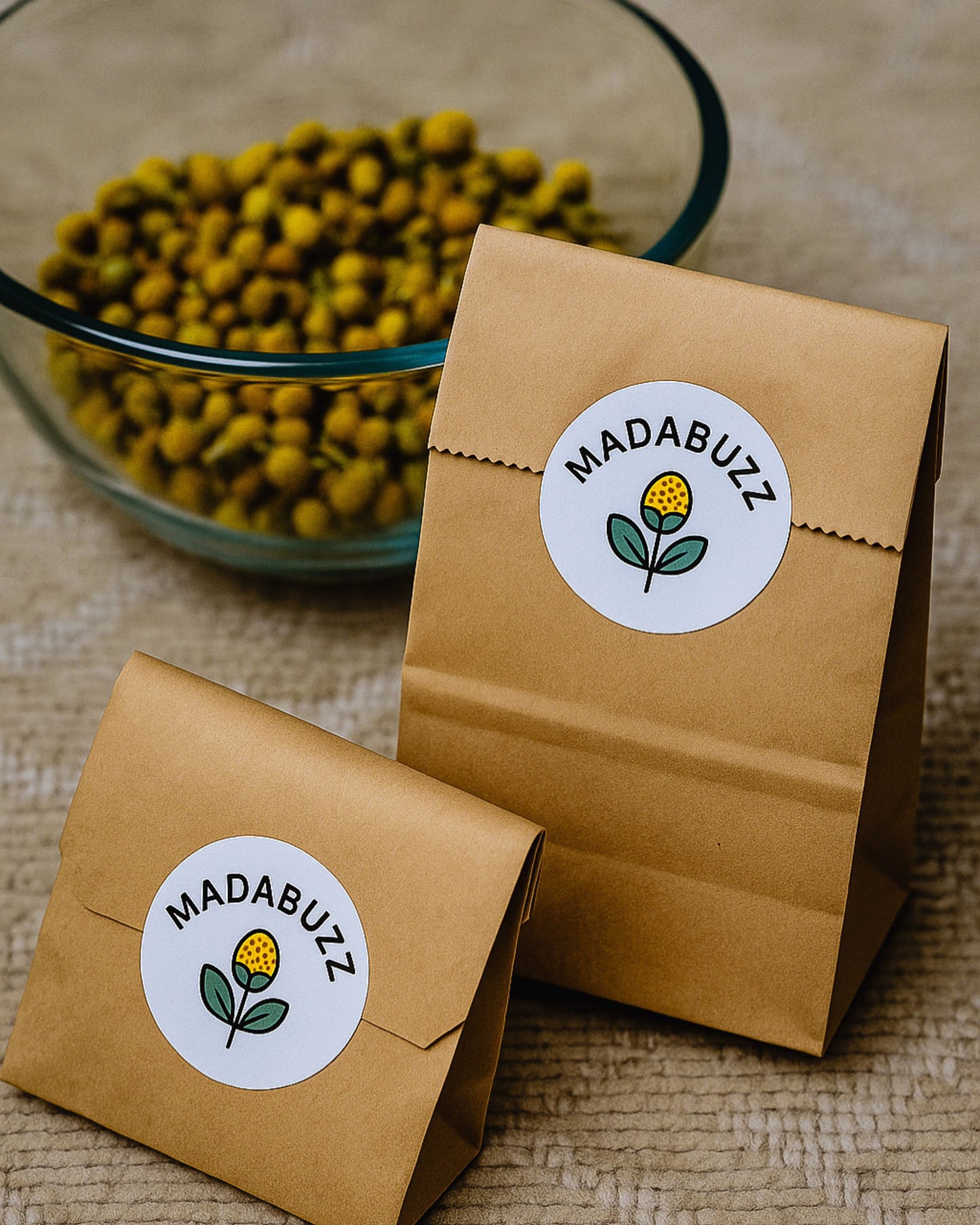


Part 1: Why Post-Harvest Handling Matters
Table of Contents
- Introduction
- What Is Post-Harvest Handling?
- Why Quality Can Decline After Harvest
- Harvesting Practices That Protect Quality
- The First Steps After Harvest
- Conclusion to Part 1
Introduction
Harvesting Acmella oleracea is only the beginning of producing high-quality botanical material. From the moment a flower head is removed from the plant, natural biological processes continue to occur. Water is gradually lost, tissues begin to age, and the harvested material becomes increasingly vulnerable to mechanical damage, contamination, and microbial growth.
The period immediately after harvest, commonly known as post-harvest handling, plays a major role in determining the final quality of the product. Even carefully cultivated plants can lose much of their value if harvested material is handled poorly, exposed to excessive heat, left in unsuitable conditions, or stored incorrectly before drying.
Whether Acmella oleracea is grown for botanical research, cosmetic ingredients, educational collections, edible flowers, or commercial processing, maintaining quality depends on a series of well-planned steps. Cleaning, sorting, drying, packaging, and storage all contribute to preserving the physical condition of the harvested material while reducing avoidable losses.
An important principle is that post-harvest handling cannot improve quality. It can only preserve the quality that already exists at harvest. Healthy, mature flower heads harvested at the correct stage of development provide the best starting point, while careful handling helps maintain that quality throughout processing and storage.
This guide explains the complete post-harvest journey of Acmella oleracea, beginning with harvesting practices and the first essential steps that help protect the quality of freshly harvested flower heads.
What Is Post-Harvest Handling?
Post-harvest handling refers to every activity that takes place after a plant has been harvested and before it reaches its final use or destination.
For Acmella oleracea, this process may include:
- harvesting;
- transporting material from the field;
- cleaning;
- sorting;
- drying;
- packaging;
- storage;
- documentation;
- quality inspection.
Each stage contributes to maintaining the condition of the harvested material.
Why Post-Harvest Handling Matters
The quality of harvested flower heads depends on far more than successful cultivation.
Even healthy plants may lose quality if harvested material is:
- crushed during transport;
- left in direct sunlight;
- exposed to rain;
- stored while still damp;
- contaminated with soil or plant debris.
Good post-harvest practices reduce these risks and help preserve consistency between batches.
Quality Is Preserved, Not Created
One of the most important concepts in post-harvest science is that quality cannot be added after harvest.
If flower heads are:
- immature;
- damaged;
- diseased;
- bruised;
- contaminated;
no drying or storage method can fully restore them.
Instead, successful post-harvest handling focuses on protecting the quality that already exists.
Why Quality Can Decline After Harvest
Freshly harvested flower heads remain biologically active.
Although they are no longer attached to the plant, their cells continue to undergo natural physiological changes.
Understanding these processes helps explain why prompt handling is so important.
Water Loss
Immediately after harvest, flowers begin losing moisture through evaporation.
Excessive water loss may lead to:
- wilting;
- shrinkage;
- reduced firmness;
- changes in appearance.
Reducing unnecessary delays between harvesting and processing helps minimise these effects.
Continued Respiration
Harvested plant tissues continue to respire.
Respiration consumes stored energy and gradually contributes to natural ageing.
While this process cannot be stopped completely, appropriate post-harvest conditions help slow deterioration.
Microbial Growth
Fresh botanical material naturally carries microorganisms from the growing environment.
If flowers remain warm and moist after harvest, conditions may become favourable for:
- mould;
- bacteria;
- yeast.
Rapid movement into clean processing conditions helps reduce these risks.
Mechanical Damage
Fresh flower heads are relatively delicate.
Excessive handling may cause:
- bruising;
- broken florets;
- crushed tissues;
- flattened flower heads.
Mechanical damage not only affects appearance but may also create entry points for microorganisms.
Harvesting Practices That Protect Quality
Good post-harvest handling begins before the flowers are removed from the plant.
Harvesting techniques have a direct influence on the condition of the finished product.
Harvest Healthy Flower Heads
Select flowers that are:
- fully developed;
- bright yellow;
- symmetrical;
- free from pests;
- free from disease;
- free from physical damage.
Starting with high-quality material simplifies every later processing step.
Harvest During Suitable Weather
Weather conditions influence both cleanliness and drying efficiency.
Whenever practical, harvest:
- during dry weather;
- after morning dew has evaporated;
- before rainfall;
- before irrigation.
Dry flower heads generally require less post-harvest preparation.
Use Clean Tools
Harvesting equipment should be clean and well maintained.
Clean cutting tools help minimise:
- contamination;
- unnecessary tissue damage;
- transfer of microorganisms between plants.
Regular cleaning forms part of good horticultural hygiene.
Handle Flowers Carefully
Fresh flower heads bruise easily.
Avoid:
- squeezing;
- throwing harvested material into containers;
- overfilling harvest baskets;
- stacking heavy loads on top of flowers.
Gentle handling helps preserve both appearance and structure.
The First Steps After Harvest
The period immediately after harvesting often determines how well the material will retain its quality.
Delays or unsuitable conditions during this stage may lead to unnecessary deterioration.
Move Material Promptly
Freshly harvested flowers should be transferred to the processing area as soon as possible.
Prolonged exposure to:
- direct sunlight;
- heat;
- high humidity;
- rain;
may reduce overall quality before drying even begins.
Keep Harvests Clean
During transport, harvested flowers should be protected from:
- soil;
- dust;
- insects;
- standing water;
- unnecessary handling.
Clean containers help reduce contamination throughout the post-harvest process.
Avoid Compression
Harvest containers should not be packed tightly.
Compression may cause:
- bruising;
- flattened flower heads;
- trapped moisture;
- reduced airflow.
Shallow containers generally provide better protection than deep bins.
Separate Damaged Material
Before further processing, inspect harvested flowers and remove material showing:
- mould;
- insect damage;
- broken flower heads;
- severe discolouration;
- soft tissue.
Separating lower-quality material early improves the consistency of the remaining batch.
Building an Efficient Post-Harvest Workflow
Successful growers often follow a consistent routine after every harvest.
A simple workflow may include:
- Harvest healthy flower heads.
- Transport them carefully.
- Remove damaged material.
- Clean and sort the harvest.
- Begin drying promptly.
- Inspect quality before storage.
Following the same process for every batch improves consistency and traceability.
Common Mistakes Immediately After Harvest
Many quality losses occur within the first few hours after harvesting.
Common mistakes include:
- leaving flowers in direct sunlight;
- delaying processing for several hours;
- harvesting wet flowers;
- using dirty containers;
- overfilling harvest baskets;
- mixing healthy and damaged material.
Most of these problems are easily prevented through careful planning and routine handling practices.
Conclusion to Part 1
Successful post-harvest handling of Acmella oleracea begins the moment flower heads are harvested. Although cultivation determines the initial quality of the crop, the way harvested material is handled during the first few hours has a major influence on its appearance, cleanliness, and storage potential. Water loss, respiration, microbial growth, and mechanical damage all continue after harvest, making prompt and careful handling essential for preserving quality.
By harvesting healthy flower heads during suitable weather, using clean tools and containers, minimising physical damage, and moving material quickly into a clean processing environment, growers establish the foundation for consistent post-harvest quality. These early practices do not improve the harvested material, but they help protect the quality already achieved in the field. In Part 2, we will examine the practical steps involved in cleaning, sorting, and preparing Acmella oleracea for drying, along with the environmental conditions that help maintain colour, structure, and overall quality throughout the drying process.
Part 2: Cleaning, Sorting and Drying
Table of Contents
- Cleaning Harvested Material
- Sorting by Quality and Intended Use
- Preparing Material for Drying
- Drying Methods and Environmental Conditions
- Common Post-Harvest Mistakes
- Conclusion to Part 2
Cleaning Harvested Material
Once Acmella oleracea flower heads have been harvested, the next priority is removing unwanted material while preserving the quality of the flowers. Cleaning is not intended to improve the harvested crop, but rather to remove contaminants that may interfere with drying, storage, or later processing.
The objective is to produce clean botanical material without introducing unnecessary moisture or physical damage.
Remove Field Debris
Freshly harvested flowers may contain:
- loose leaves;
- small stems;
- grass fragments;
- soil particles;
- insects;
- other plant material.
Removing this debris early simplifies the remaining post-harvest process and improves the consistency of the finished product.
Avoid Unnecessary Washing
If flower heads are clean when harvested, washing is usually unnecessary.
Additional water may:
- increase drying time;
- encourage microbial growth;
- raise the risk of mould;
- damage delicate tissues.
Instead, gently remove loose debris by hand whenever possible.
Inspect Every Batch
Cleaning also provides an opportunity to inspect harvested material carefully.
Look for:
- insect damage;
- mould;
- bruising;
- broken flower heads;
- abnormal discoloration.
Removing unsuitable material at this stage prevents lower-quality flowers from being mixed with premium batches.
Sorting by Quality and Intended Use
Sorting is one of the simplest ways to improve consistency throughout the post-harvest process.
Rather than treating every flower head equally, growers often separate material according to quality and intended application.
Sort by Maturity
Flower heads harvested at different stages of development may dry at different rates.
Grouping flowers of similar maturity promotes:
- more even drying;
- consistent appearance;
- easier quality control.
Uniform batches are generally easier to manage than mixed harvests.
Sort by Size
Flower size also influences drying.
Large flower heads often require more time to lose moisture than smaller ones.
Sorting by size helps:
- improve drying consistency;
- simplify packaging;
- reduce variation between batches.
Separate Damaged Material
Not every harvested flower should continue through the drying process.
Separate flowers showing:
- insect feeding;
- mould;
- soft tissue;
- severe bruising;
- broken flower heads;
- discoloration.
Removing damaged material early helps maintain the quality of the remaining harvest.
Group According to Intended Use
Depending on the production system, flower heads may be destined for different purposes.
Examples include:
- botanical collections;
- educational specimens;
- cosmetic ingredients;
- research material;
- commercial dried flowers.
Sorting according to final use helps ensure that each batch meets the appropriate quality requirements.
Preparing Material for Drying
Preparation should begin as soon as cleaning and sorting are complete.
The sooner flowers enter controlled drying conditions, the lower the opportunity for unnecessary deterioration.
Spread Flowers Evenly
Flower heads should be arranged in shallow layers.
Avoid:
- deep piles;
- overlapping flowers;
- tightly packed trays.
Adequate spacing allows air to circulate around each flower head.
Protect Flowers During Handling
Fresh flower heads remain delicate until drying is complete.
Minimise:
- unnecessary movement;
- dropping trays;
- compression;
- rough handling.
Every handling step introduces an opportunity for physical damage.
Prepare Drying Equipment
Before flowers are transferred, ensure that drying equipment is:
- clean;
- dry;
- free from dust;
- free from old plant material.
Routine cleaning reduces the possibility of contamination between harvest batches.
Drying Methods and Environmental Conditions
Drying removes moisture while preserving the flower's natural structure.
The method selected depends on:
- production scale;
- available equipment;
- environmental conditions;
- intended use.
Regardless of the approach, careful environmental control is more important than drying speed.
Air Drying
Air drying remains one of the most common techniques.
Flower heads are placed in a well-ventilated area where moisture gradually evaporates.
Suitable drying conditions include:
- good airflow;
- low humidity;
- protection from rain;
- moderate temperatures;
- shaded conditions.
This method is simple, inexpensive, and widely used by both home growers and small-scale producers.
Rack Drying
Drying racks allow air to circulate above and below the flowers.
Compared with stacking flowers in containers, racks help:
- improve airflow;
- reduce moisture accumulation;
- encourage more even drying.
Single-layer arrangements generally produce the most consistent results.
Controlled Drying
Larger operations may use dedicated drying rooms or controlled drying cabinets.
These systems allow better regulation of:
- temperature;
- humidity;
- airflow.
Greater environmental control often results in improved batch consistency.
Why Airflow Matters
Airflow removes moisture released by the flowers during drying.
Without adequate ventilation:
- drying slows;
- humidity rises;
- mould becomes more likely.
Gentle, continuous airflow generally provides better results than strong air movement directed at the flowers.
Protect Against Direct Sunlight
Drying flowers in direct sunlight may cause:
- colour fading;
- excessive heating;
- uneven drying.
Many growers therefore choose shaded or indoor drying areas with good ventilation.
Common Post-Harvest Mistakes
Many quality losses occur because of avoidable handling errors rather than problems with the crop itself.
Delaying Drying
Fresh flower heads should not remain in harvest containers for extended periods.
Delays increase the likelihood of:
- moisture accumulation;
- overheating;
- tissue deterioration.
Processing harvested material promptly helps preserve quality.
Overloading Drying Trays
Too many flowers in one tray reduce airflow between individual flower heads.
This may result in:
- uneven drying;
- trapped moisture;
- mould development.
Single-layer drying remains the preferred approach.
Mixing Different Quality Grades
Combining premium flowers with damaged material complicates quality control.
Sorting before drying produces more uniform batches and simplifies later packaging.
Using Dirty Equipment
Containers, trays, and drying racks should always be cleaned before use.
Dirty equipment may introduce:
- dust;
- mould spores;
- plant residues;
- microorganisms.
Good hygiene supports better long-term preservation.
Ignoring Environmental Conditions
Drying success depends on the surrounding environment.
High humidity, poor ventilation, and unstable conditions often reduce drying quality.
Monitoring the drying area helps identify problems before they affect the harvest.
Quality Checks During Drying
Routine inspections are an important part of post-harvest management.
During drying, monitor for:
- signs of mould;
- uneven moisture loss;
- damaged flower heads;
- insects;
- unusual odours.
Removing affected material early helps protect the remainder of the batch.
Conclusion to Part 2
Cleaning, sorting, and drying form the core of effective post-harvest handling for Acmella oleracea. Removing field debris, separating damaged flowers, organising batches by size and maturity, and transferring the harvest promptly into clean, well-ventilated drying conditions all help preserve the quality achieved during cultivation. These steps improve consistency, reduce contamination, and support the production of high-quality botanical material suitable for research, cosmetic ingredients, educational collections, or commercial applications.
Successful drying depends not only on the chosen method but also on careful environmental management. Good airflow, protection from direct sunlight, moderate drying conditions, and routine quality inspections help reduce the risk of mould, uneven drying, and unnecessary physical damage. In Part 3, we will examine long-term storage, packaging, traceability, batch documentation, and quality assurance practices that help maintain the integrity of dried Acmella oleracea flower heads throughout storage and distribution.

Part 3: Storage, Traceability and Quality Control
Table of Contents
- Storing Dried Material Correctly
- Batch Documentation and Traceability
- Frequently Asked Questions
- Final Scientific Perspective
- Key Takeaways
Storing Dried Material Correctly
Proper storage is the final step in preserving the quality of dried Acmella oleracea flower heads. Even material that has been harvested, cleaned, sorted, and dried carefully can deteriorate if it is exposed to unsuitable storage conditions.
The purpose of storage is to protect the dried flowers from environmental factors that may reduce quality over time.
These factors include:
- moisture;
- excessive heat;
- direct light;
- oxygen exposure;
- insects;
- physical damage.
Creating a stable storage environment helps preserve the material until it is required for research, cosmetic formulation, botanical collections, educational use, or commercial distribution.
Choose Suitable Storage Containers
Containers should protect the dried flowers from moisture while preventing unnecessary physical damage.
Suitable options include:
- airtight glass jars;
- food-grade storage containers;
- sealed pouches designed for dried botanicals;
- rigid containers with secure lids.
Whatever container is used, it should be:
- clean;
- completely dry;
- free from dust;
- free from previous plant residues.
Protect Against Moisture
Moisture is one of the greatest threats to dried botanical material.
If flower heads absorb moisture after drying, they become increasingly susceptible to:
- mould growth;
- bacterial contamination;
- softening;
- quality deterioration.
For this reason, containers should remain sealed whenever possible and stored in a dry environment.
Store Away From Light
Long-term exposure to sunlight or strong artificial light may gradually affect the appearance of dried flowers.
Light exposure may contribute to:
- fading;
- colour changes;
- gradual tissue degradation.
Many growers therefore store dried Acmella oleracea in dark cupboards, cabinets, or opaque containers.
Maintain Stable Environmental Conditions
Repeated changes in temperature and humidity may encourage condensation inside storage containers.
Stable conditions generally provide better long-term preservation than environments with frequent fluctuations.
Avoid storing dried flowers near:
- radiators;
- heating systems;
- sunny windows;
- kitchens with high humidity;
- damp storage areas.
Batch Documentation and Traceability
Professional post-harvest handling extends beyond physical preservation.
Accurate documentation helps maintain consistency, supports quality assurance, and improves traceability throughout the supply chain.
Whether handling small research collections or commercial production, keeping reliable records allows individual batches to be identified long after harvesting.
Record Harvest Information
Each batch should be linked to its harvest details.
Useful information includes:
- harvest date;
- harvest location;
- cultivation area;
- grower identification where appropriate.
This information allows batches to be traced back to their origin.
Record Drying Information
Maintaining drying records improves process consistency.
Documentation may include:
- drying start date;
- drying completion date;
- drying method;
- storage preparation date.
These records help compare future harvests and identify opportunities for process improvement.
Assign Batch Numbers
Unique batch numbers simplify inventory management and quality control.
Batch identification supports:
- traceability;
- stock rotation;
- quality inspections;
- laboratory documentation.
Batch numbers become particularly valuable when multiple harvests occur throughout the growing season.
Label Every Container
Clear labelling helps prevent confusion during storage.
Labels may include:
- Acmella oleracea;
- flower heads;
- batch number;
- harvest date;
- drying date;
- storage date.
Consistent labelling supports efficient inventory management and reduces the risk of mixing batches.
Routine Quality Control
Quality should continue to be monitored after storage begins.
Periodic inspections help identify developing problems before they affect an entire batch.
Inspect for Moisture
Check containers regularly for:
- condensation;
- damp material;
- unusual odours;
- visible mould.
Any indication of moisture should be investigated immediately.
Inspect for Insects
Although dried flowers are generally less attractive than fresh material, storage pests may occasionally occur.
Look for:
- insects;
- webbing;
- feeding damage;
- insect debris.
Keeping storage areas clean reduces the likelihood of infestation.
Check Physical Quality
During routine inspections, evaluate whether the flower heads continue to display:
- good structural integrity;
- consistent colour;
- minimal breakage;
- absence of contamination.
Any noticeable decline should be documented.
Maintaining Consistency Between Batches
One objective of good post-harvest handling is consistency.
Applying the same procedures to every harvest improves:
- product uniformity;
- quality assurance;
- documentation;
- long-term reliability.
Written standard operating procedures may help larger growers maintain consistency between staff members and harvest seasons.
Common Storage Mistakes
Many avoidable quality losses occur after drying has been completed.
Common mistakes include:
- storing incompletely dried flowers;
- using damp containers;
- exposing material to sunlight;
- allowing moisture into storage areas;
- mixing different batches;
- failing to inspect stored material regularly.
Careful storage management helps minimise these risks.
Frequently Asked Questions
Why is post-harvest handling important?
Post-harvest handling preserves the quality achieved during cultivation by reducing contamination, moisture-related deterioration, and physical damage after harvesting.
Should flower heads be washed before drying?
Only if necessary.
If flowers are harvested under clean conditions, gently removing loose debris is generally preferable because washing introduces additional moisture that may increase drying time and the risk of mould.
Why should batches be sorted?
Sorting improves consistency by grouping flower heads according to size, maturity, quality, or intended use.
Uniform batches generally dry more evenly and simplify quality control.
How should dried flower heads be stored?
They should be kept in clean, dry, airtight containers in a cool, dark location with stable environmental conditions and protected from moisture and physical damage.
Why are batch numbers useful?
Batch numbers improve traceability by linking stored material to harvest dates, drying records, quality inspections, and production history.
Can quality be improved after harvest?
No.
Post-harvest handling preserves existing quality but cannot repair damage caused by poor cultivation, disease, insect feeding, or incorrect harvesting practices.
Final Scientific Perspective
The quality of Acmella oleracea depends not only on successful cultivation but also on careful management after harvest. Every stage of the post-harvest process, from cleaning and sorting to drying, storage, and documentation, influences how well the harvested material maintains its physical integrity and suitability for future use. While the plant naturally begins to lose moisture and undergo physiological changes immediately after harvest, careful handling slows deterioration and helps preserve the characteristics achieved during cultivation.
An effective post-harvest system is based on consistency rather than complexity. Gentle handling, clean processing areas, controlled drying conditions, appropriate storage, routine quality inspections, and accurate record keeping all contribute to reliable outcomes. These practices reduce contamination, minimise mechanical damage, and improve traceability across multiple harvests.
One of the most important principles in post-harvest science is that quality cannot be created after harvest. The condition of the harvested flower heads reflects the quality established during cultivation, and every subsequent step is designed to preserve, not enhance, that quality. By following a structured post-harvest workflow, growers, researchers, manufacturers, and botanical collections can maintain consistent, high-quality Acmella oleracea material suitable for scientific, educational, cosmetic, and commercial applications.
Key Takeaways
- Post-harvest handling begins immediately after harvesting and includes cleaning, sorting, drying, storage, and documentation.
- Gentle handling, clean equipment, and prompt processing help reduce contamination, moisture-related deterioration, and mechanical damage.
- Proper drying and storage preserve the natural appearance, structural integrity, and long-term stability of Acmella oleracea flower heads.
- Batch numbers, accurate labelling, harvest records, and routine quality inspections improve traceability and consistency across multiple harvests.
- High-quality post-harvest handling cannot improve harvested material, but it plays a critical role in preserving the quality established during cultivation.