

Part 1: Origin, Provenance and the Limits of a Country Name
Madagascar is one of the most biologically distinctive places on Earth. Its name is strongly associated with plants, spices, essential oils and other natural ingredients.
For a botanical supplier, that makes the phrase “Origin: Madagascar” meaningful.
But perhaps not in the way many people assume.
A country of origin can provide valuable information about where a botanical material was grown, harvested or sourced, depending on how origin is defined and documented. It can form an important part of traceability and provenance.
What it cannot do is automatically prove that the botanical is authentic, potent, sustainably produced, ethically sourced, microbiologically suitable or superior to material from another country.
This distinction is particularly important for Acmella oleracea.
If a bag of dried Acmella flower heads is labelled:
Botanical: Acmella oleracea
Plant Part: Flower Heads
Origin: Madagascar
three different claims are being made.
They concern identity, plant part and geographical origin.
Each requires appropriate evidence.
The central principle of this article is:
Origin is valuable information, but it is only one dimension of botanical quality. A country name tells you where a material comes from when supported by traceability. It does not automatically tell you how good that material is.
A useful starting model is:
Botanical Identity → Plant Part → Origin → Traceability → Processing → Testing → Specification
These questions are connected, but they are not interchangeable.
1. What Does Botanical Origin Mean?
In everyday language, botanical origin often refers to the geographical place associated with a plant material.
For example:
Origin: Madagascar
appears straightforward.
In a real supply chain, however, the word origin deserves more precision.
2. Origin Is a Geographical Claim
At its simplest, origin answers:
Where did this botanical material come from?
That sounds different from:
What species is it?
or:
How much spilanthol does it contain?
Those require different evidence.
3. Country of Origin Is Not Botanical Identity
Consider two statements:
This material is from Madagascar.
This material is Acmella oleracea.
They are not the same claim.
4. Geography Cannot Authenticate Species by Itself
Many plant species can grow within the same country.
Knowing that a botanical came from Madagascar does not independently identify its genus and species.
5. Botanical Identity Needs Botanical Evidence
For whole dried Acmella oleracea flower heads, evidence can include:
- traceable source records
- macroscopic morphology
- microscopy where appropriate
- chemical characterisation
- DNA-based methods where appropriate
The most useful method depends on the material and question.
6. Identity and Origin Can Reinforce Each Other
Although they are separate, they can work together.
A traceable production record may connect an identified crop to a specific harvest lot in Madagascar.
That creates stronger evidence than either a country label or isolated flower photograph alone.
7. Provenance Is Broader Than a Country Name
The term provenance is useful because it can describe the documented history of material rather than simply the country printed on its packaging.
8. Think of Provenance as a Chain
For a botanical ingredient, provenance can involve:
Production Source
↓
Identified Crop
↓
Harvest Lot
↓
Post-Harvest Processing
↓
Storage
↓
Packing
↓
Shipment
↓
Receiving Batch
The precise system varies between supply chains.
9. “Madagascar” Is Only One Point in That Story
A country name can be accurate while still providing very little information about the individual batch.
10. Compare Two Labels
Label A:
Acmella
Madagascar
Label B:
Acmella oleracea
Dried Flower Heads
Origin: Madagascar
Batch: identifiable through traceability records
The second description provides considerably more useful information.
11. Common Names Add Another Layer of Ambiguity
Acmella may be marketed under names including:
- Buzz Buttons
- Electric Daisy
- Paracress
- Toothache Plant
Common names can be useful to consumers.
They are less precise than scientific botanical nomenclature.
12. “Madagascar Buzz Buttons” Is Therefore Not Complete Authentication
It combines a geographical description with a common name.
It does not independently establish the accepted botanical identity.
13. Scientific Naming Improves Precision
For the species discussed here, the accepted scientific name is:
Acmella oleracea (L.) R.K.Jansen
An older botanical name, Spilanthes oleracea L., is treated as a synonym.
14. Why Synonyms Matter in Supply Chains
Older records, supplier documents or scientific literature may use historical botanical names.
A different name on a document is not automatically evidence that a different plant was supplied.
Taxonomic context matters.
15. But Similar-Sounding Names Should Not Be Assumed Equivalent
Scientific names should be checked rather than interpreted casually.
This becomes especially important with related species.
16. Origin and Plant Part Are Separate Too
Suppose the material is genuinely Acmella oleracea grown in Madagascar.
That still does not tell us which part of the plant was supplied.
17. A Botanical Ingredient Can Use Different Plant Parts
Depending on the product, material might contain:
- flower heads
- leaves
- stems
- mixed aerial parts
These are not automatically interchangeable.
18. This Matters for Acmella Chemistry
Different plant parts can contain different concentrations and profiles of chemical constituents.
For spilanthol-rich botanical materials, flower heads are particularly relevant.
19. “Madagascar Acmella” Does Not Therefore Define the Ingredient Completely
A more informative description specifies:
species + plant part + physical form + origin
20. Physical Form Matters Too
Compare:
whole dried flower heads
powder
extract
All three might originate from the same species and country.
They are still different materials.
21. Processing Changes What Can Be Verified Later
Whole flowers retain visible morphology.
Powder loses much of that macroscopic structure.
Extracts lose even more of the original physical botanical form.
22. Origin Becomes More Dependent on Records as Processing Increases
You cannot look at a botanical extract and visually determine that the original crop was grown in Madagascar.
Traceability becomes increasingly important.
23. Can You See Madagascar Origin?
Generally, no.
A flower does not contain a visible geographical label.
24. Colour Does Not Prove Origin
A particular shade of yellow or brown should not be treated as evidence that Acmella came from Madagascar.
25. Flower Shape Does Not Prove Origin Either
Morphology can support botanical identity.
It does not normally establish geographical provenance by itself.
26. Aroma Does Not Prove Madagascar Origin
Sensory characteristics can vary for many reasons.
They are not a reliable substitute for traceability.
27. Tingling Does Not Prove Origin
Acmella oleracea is known for the oral tingling or buzzing sensation associated particularly with spilanthol and related chemistry.
Experiencing that sensation does not reveal where the plant was grown.
28. Strong Tingling Does Not Mean “Madagascar”
Sensory intensity is influenced by the material, concentration, portion and individual perception.
It is not a geographical assay.
29. HPLC Does Not Automatically Prove Origin Either
High-performance liquid chromatography can provide powerful chemical information.
But its purpose needs to be understood.
30. HPLC Can Quantify Spilanthol
With an appropriate method and representative sample, HPLC can measure spilanthol concentration.
31. That Answers a Chemical Question
It can help answer:
How much spilanthol was measured in this sample under this method?
32. It Does Not Automatically Answer
Where was the plant grown?
33. Chemical Profiles Can Reflect Many Variables
Botanical chemistry may be influenced by:
- genetics
- plant part
- maturity
- cultivation environment
- harvest conditions
- post-harvest handling
- extraction or sample preparation
This makes simplistic geographic conclusions risky.
34. A Chemical Fingerprint Is Not Automatically a Geographic Passport
Advanced chemical profiling can sometimes be investigated for geographical classification when robust reference datasets and validated models exist.
But a chromatogram should not casually be presented as proof of Madagascar origin.
35. Reference Data Would Be Essential
A meaningful geographic classification system would need appropriate samples from known origins and relevant variability.
36. The Model Would Need Validation
A pattern discovered in one dataset may not reliably classify future material.
37. This Is Different from Routine Spilanthol Testing
Measuring one marker compound is not the same as validating geographical origin.
38. DNA Has Similar Limits
DNA-based methods can be extremely useful for botanical authentication.
But genetic species identity and geographical origin are different questions.
39. DNA Can Support “What Is It?”
Depending on the material and method, genetic analysis can help assess whether plant material is consistent with the intended taxon.
40. DNA Does Not Normally Answer “Which Farm?”
Plants of the same species cultivated in different countries can share the genetic regions used for routine botanical authentication.
41. Therefore:
DNA authentication ≠ proof of Madagascar origin
42. Traceability Is the Primary Origin Tool
If you want to know where a commercial botanical batch came from, the supply-chain records are fundamental.
43. What Does Traceability Mean?
Traceability is the ability to follow material through relevant stages of its supply chain.
44. For Acmella, That Can Begin with Cultivation
A traceability system can connect the harvested flowers to their production source.
45. Harvest Creates a Lot
The flowers collected during a defined harvest operation can be assigned or connected to an identifiable lot.
46. Drying Should Preserve That Identity
When fresh flower heads are transferred to drying, the lot relationship should not disappear.
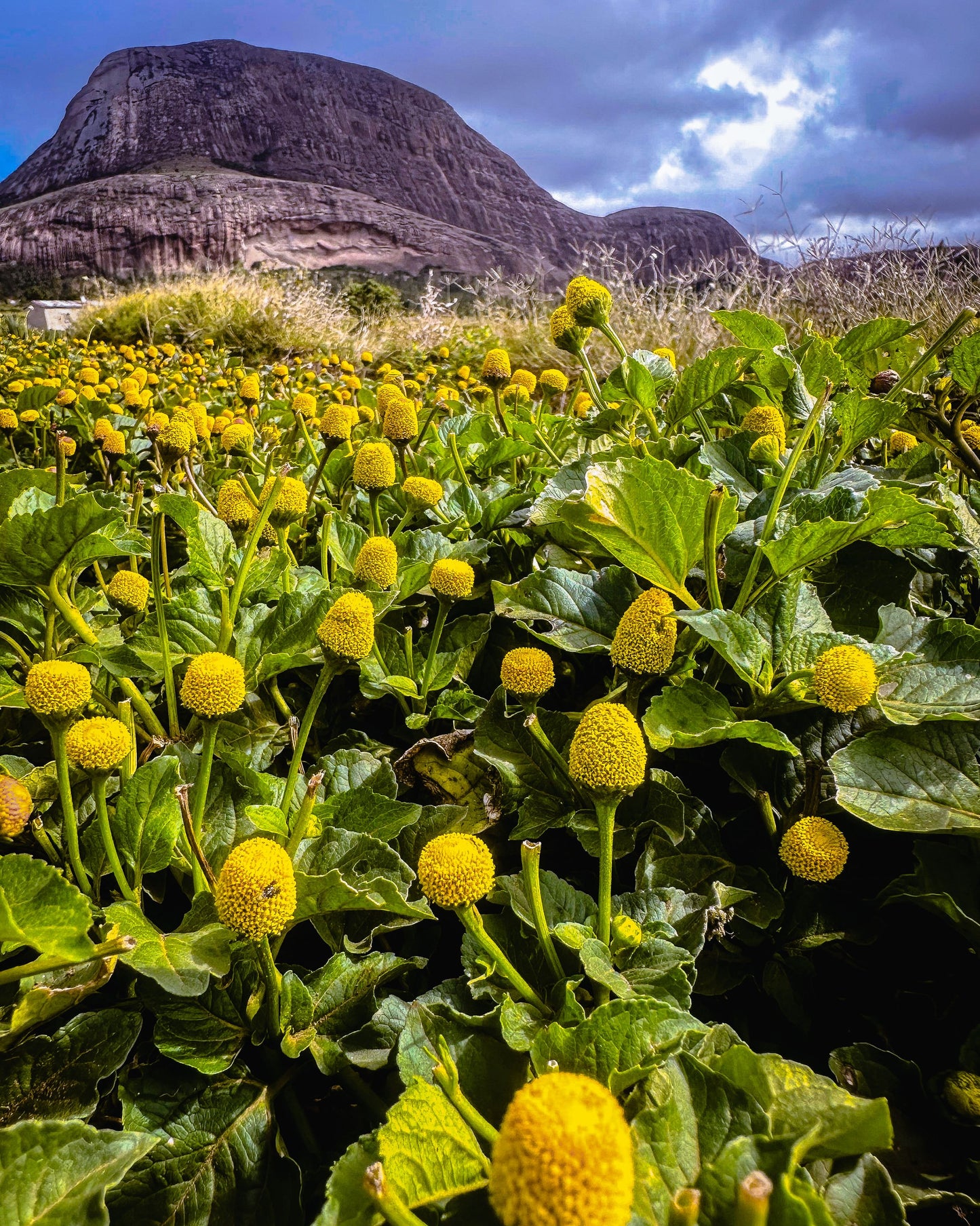
47. Sorting Should Preserve It Too
Removing unsuitable material should not cause the remaining botanical to lose its batch identity.
48. Storage Must Continue the Chain
Containers or storage units need to remain associated with the correct material.
49. Packing Creates Another Critical Handover
The batch identifier on the export package should connect back to the upstream records.
50. Transport Should Not Break the Chain
Shipping documents and physical packages should remain consistent.
51. European Receiving Continues Traceability
The batch received should be linked to the batch that was shipped.
52. A Strong Origin Claim Is Therefore Documentary and Physical
It is not simply a line of marketing copy.
53. Think of It as Evidence Continuity
Source → Harvest → Processing → Packing → Shipment → Receiving
The material and records should remain connected throughout.
54. Traceability Can Be Simple or Sophisticated
A system does not necessarily need exotic technology to be useful.
Reliable batch records can provide substantial value.
55. Technology Does Not Create Truth
QR codes, cloud databases or blockchain systems can improve access to records.
They cannot make inaccurate source information correct.
56. Blockchain Is Not a Geographical Laboratory Test
It can preserve information entered into a system.
It does not independently observe where a plant grew.
57. Traceability Depends on Reliable Inputs
The principle is:
Reliable Source Information + Preserved Batch Links = Meaningful Traceability
58. Documentation Should Agree
Origin confidence is stronger when relevant records consistently identify the same batch and source.
59. Conflicting Records Deserve Investigation
If one document says Madagascar and another identifies a different source, the conflict should not simply be ignored.
60. Labels Are Part of Traceability
The physical package should remain connected to the documentary record.
61. But a Label Alone Is Weak Evidence
Anyone can print the word “Madagascar.”
The important question is what supports it.
62. Origin Is Strongest When It Can Be Followed Backwards
A buyer should conceptually be able to move from:
European Batch
back to:
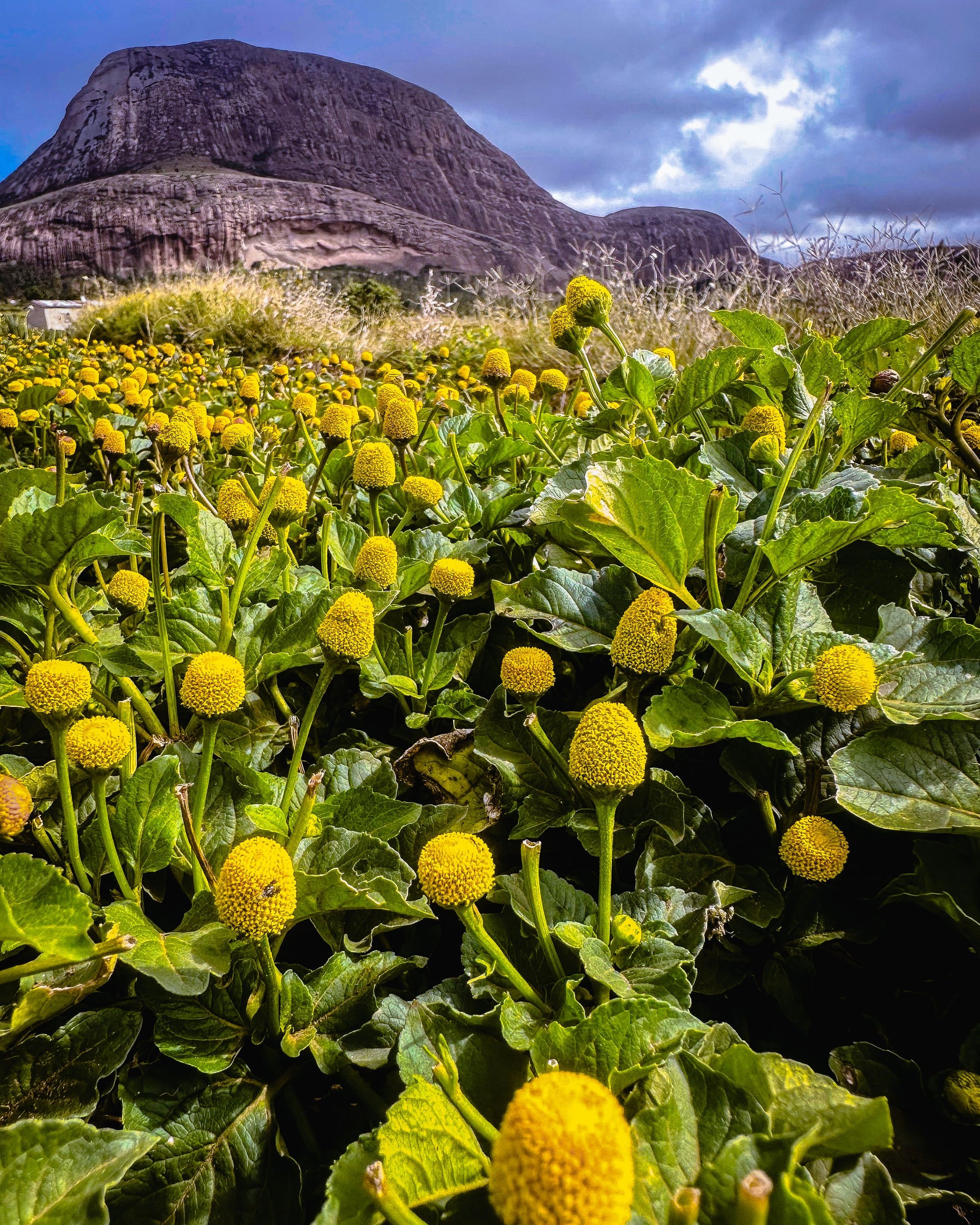
Shipment
back to:
Export Lot
back to:
Processing or Drying Lot
back to:
Harvest or Production Source
where the supply-chain system supports those links.
63. This Is Provenance in Practice
Provenance is not simply a beautiful story about a landscape.
It is the documented history of the actual material.
64. Does Madagascar Origin Tell You About Climate?
It tells you the geographical country associated with the material when the claim is substantiated.
From that, broad environmental context may be discussed carefully.
65. But Madagascar Is Not One Uniform Growing Environment
A country contains variation.
Different production areas can differ in:
- elevation
- rainfall
- temperature
- soil
- exposure
- cultivation practices
66. Avoid Turning a Country into One Climate Profile
Statements such as:
“Madagascar’s climate produces Acmella with X characteristic”
require much stronger evidence than the country name alone.
67. The Same Applies to Soil
Madagascar contains diverse geological and soil environments.
68. “Madagascar Volcanic Soil” Should Not Be Used as a Universal Description
Unless the actual production site and soil are documented, the phrase can overgeneralise.
69. Soil Does Not Automatically Predict Spilanthol
Even when soil characteristics are known, chemical composition of a botanical depends on multiple interacting variables.
70. Climate Does Not Automatically Predict Spilanthol Either
Growing environment can influence plant chemistry.
But that is different from claiming a country consistently produces the highest concentration.
71. This Is Where Origin Marketing Often Goes Too Far
A legitimate provenance statement can gradually become an unsupported potency claim:
Grown in Madagascar
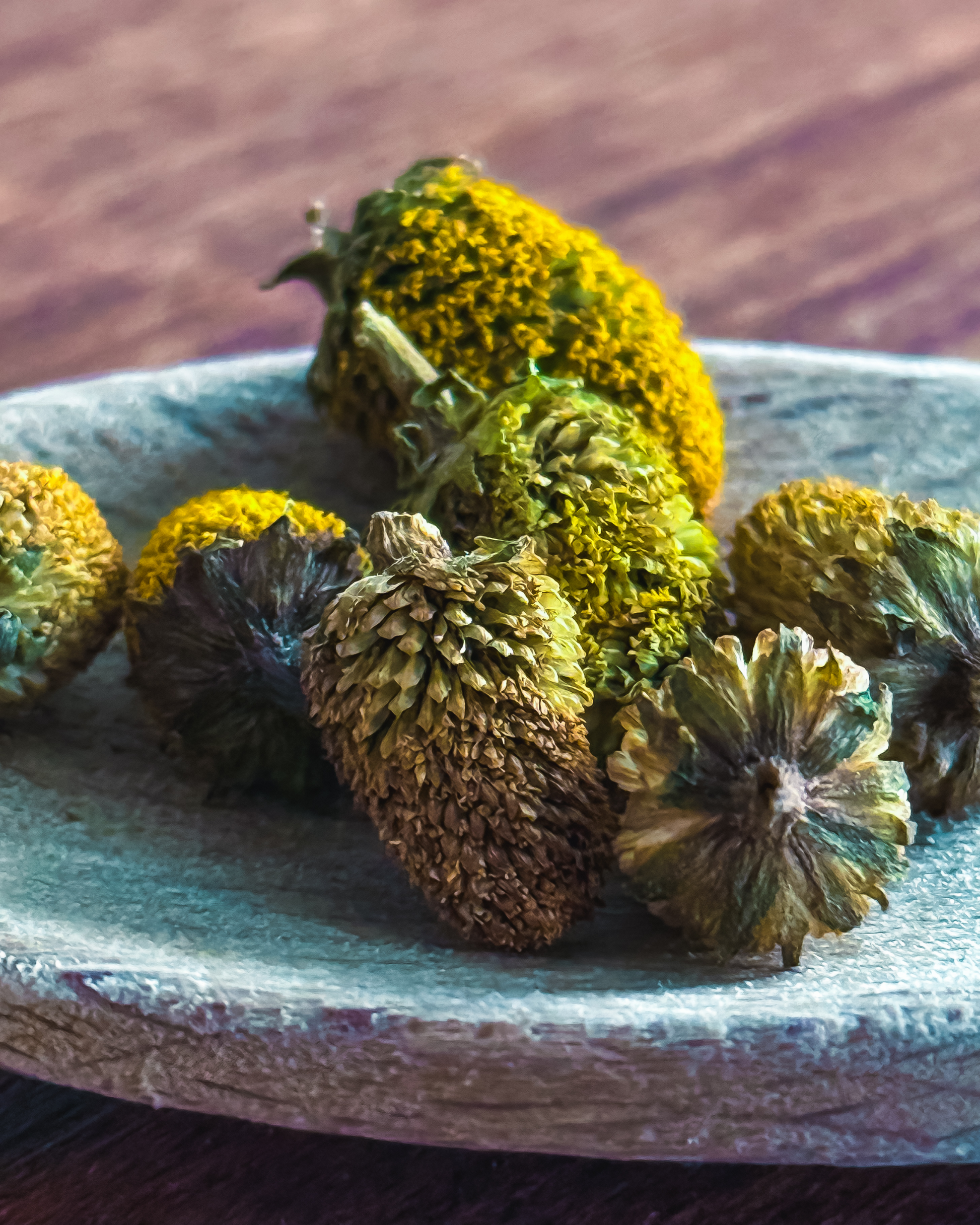
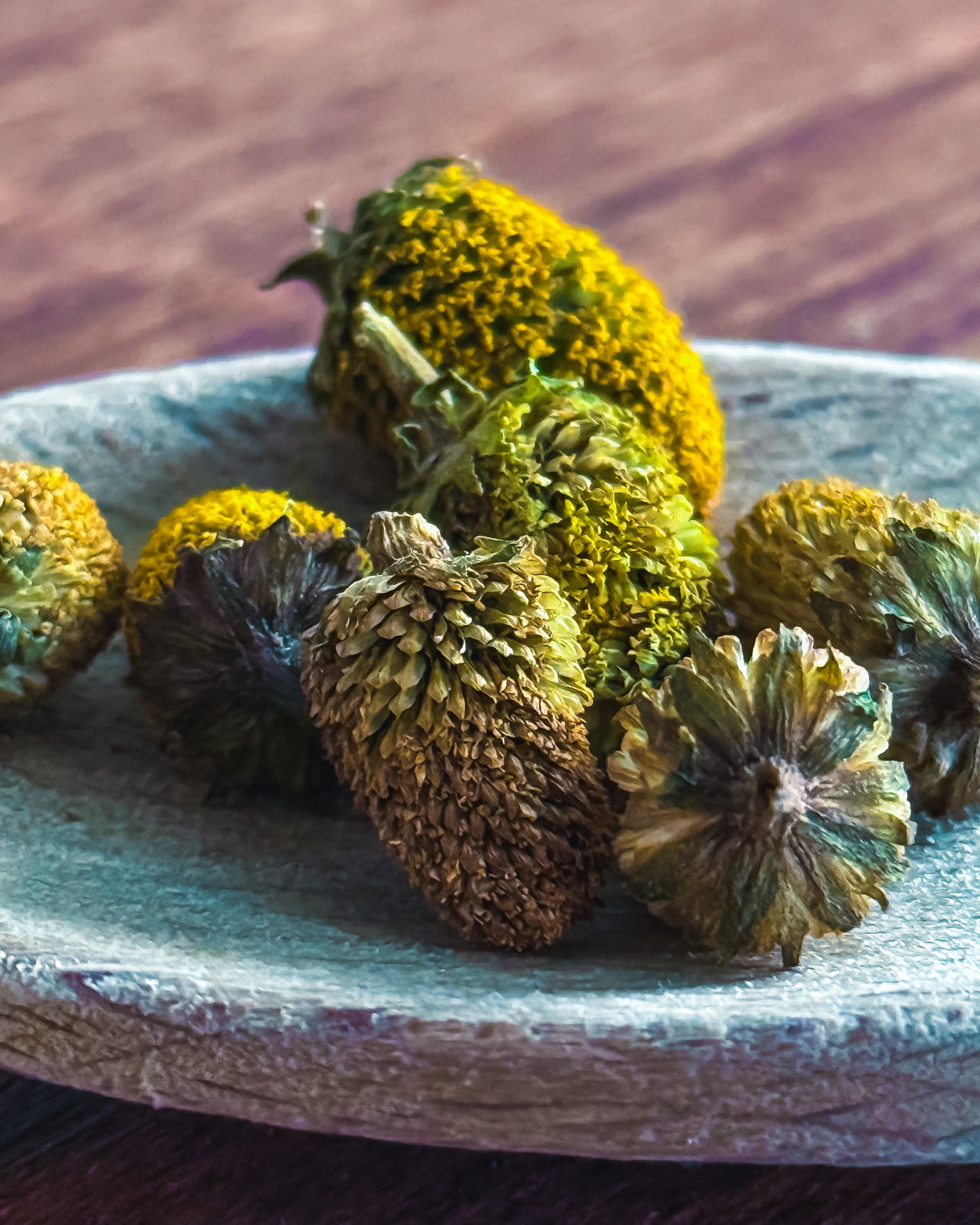
becomes:
Madagascar conditions create stronger Acmella
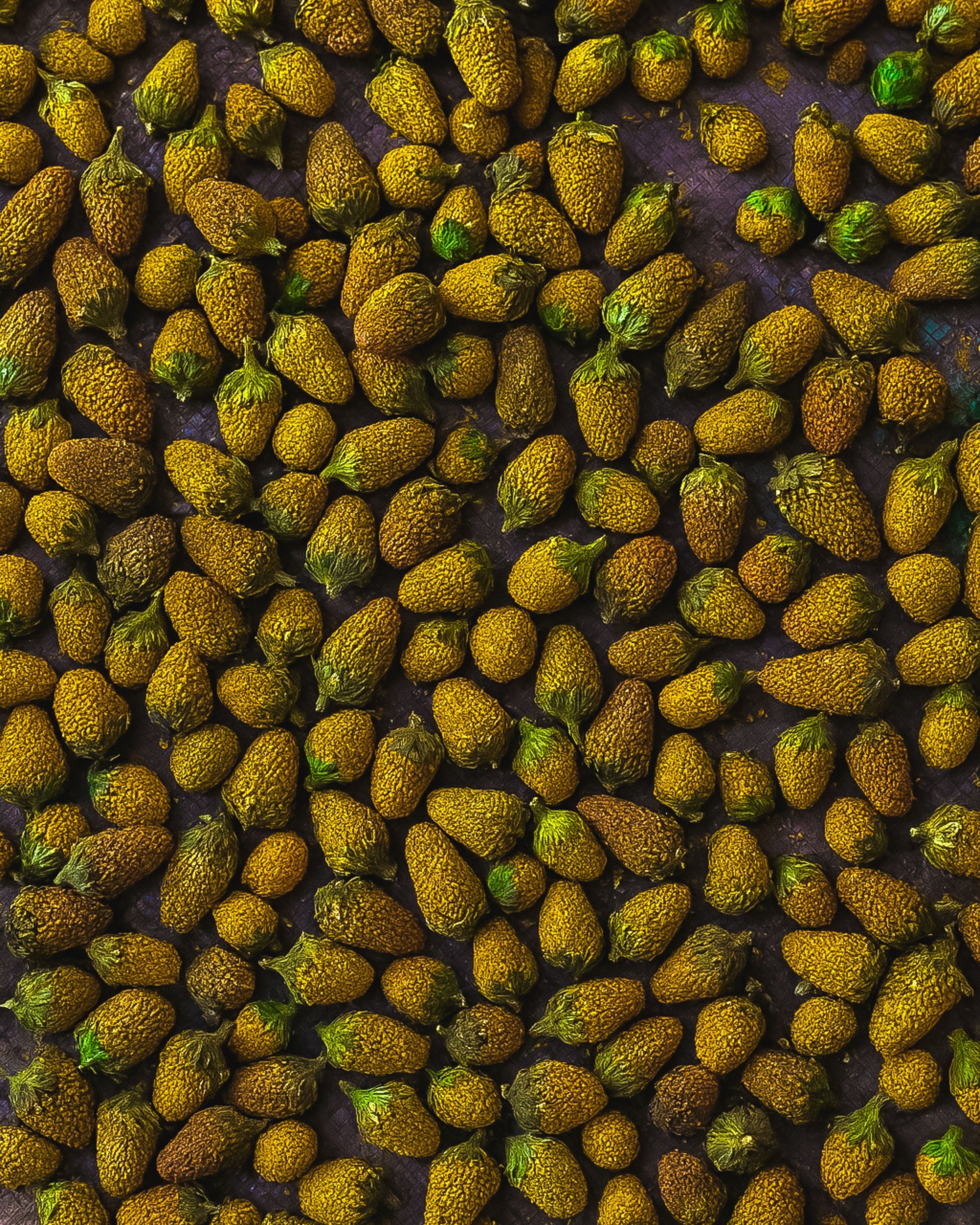
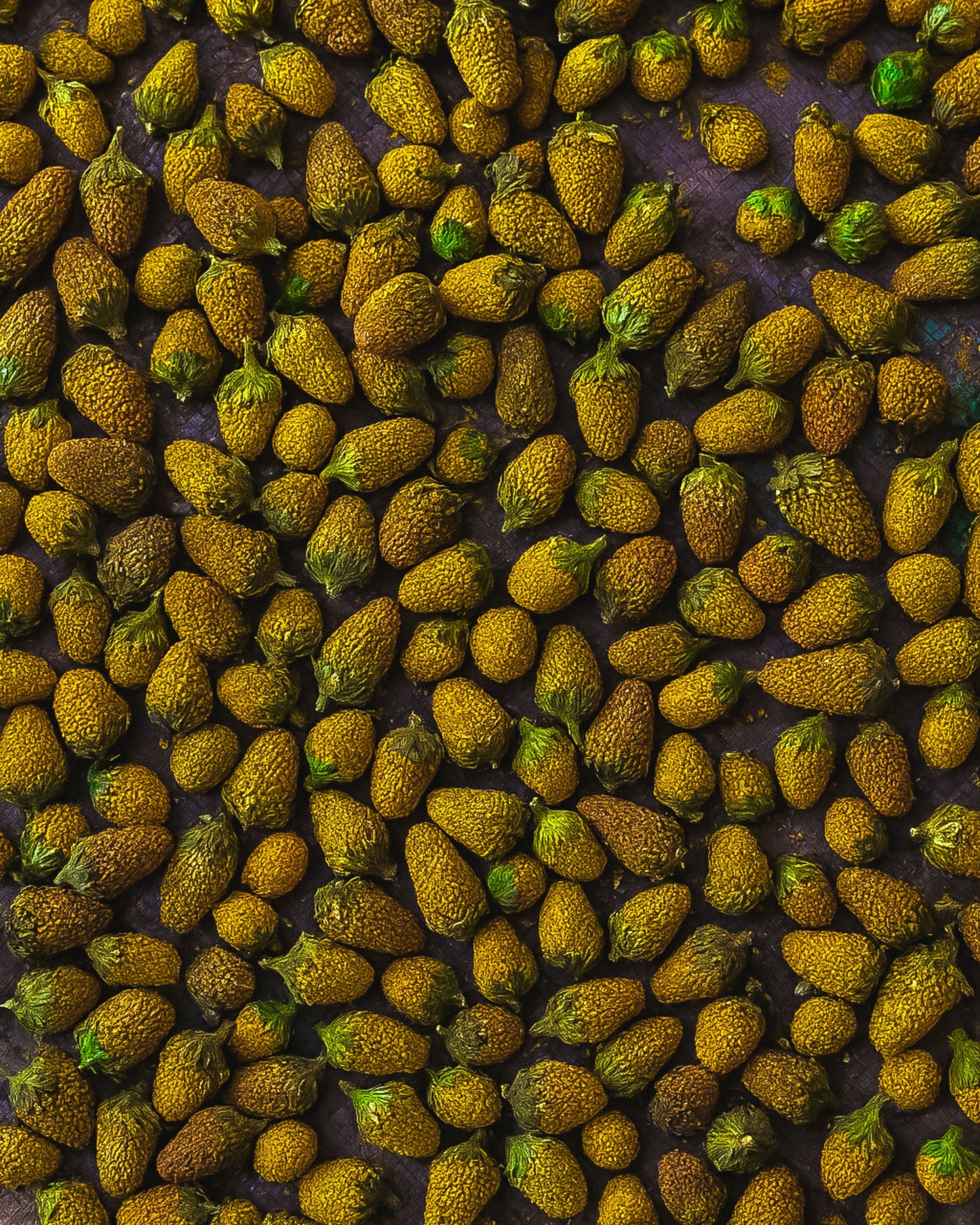
which becomes:
Madagascar produces the most potent Acmella
Each step requires additional evidence.
72. The First Claim May Be Traceable
The later claims require comparative scientific data.
They should not be assumed.
73. Does Origin Tell You Spilanthol Concentration?
No.
Not by itself.
74. Spilanthol Concentration Is an Analytical Question
If the concentration matters, analyse a representative sample using an appropriate method.
75. Origin and Concentration Can Both Be Reported
For example, a batch can have:
Origin: Madagascar
and separately:
Spilanthol: measured according to a defined analytical method
These are complementary pieces of information.
76. One Should Not Be Used to Infer the Other
Madagascar origin does not replace the assay.
The assay does not replace origin records.
77. Higher Spilanthol Is Not Automatically Higher Overall Quality
Even when chemical concentration is known, botanical quality remains multidimensional.
78. A High-Spilanthol Batch Can Still Have Other Problems
For example:
- incorrect plant part
- poor traceability
- excessive foreign matter
- unsuitable microbiological status
- damaged packaging
One chemical number cannot compensate for every other dimension.
79. Does Madagascar Origin Tell You the Material Is Authentic?
No.
Origin and authenticity should not be collapsed into one claim.
80. Authenticity Asks What the Material Actually Is
For Acmella, this can involve confirming:
- botanical species
- intended plant part
- consistency with the labelled material
81. A Madagascan Botanical Can Still Be Misidentified
Geographical provenance does not prevent taxonomic mistakes.
82. A Correctly Identified Botanical Can Also Have Uncertain Origin
The reverse is possible.
A laboratory might establish strong evidence that a sample is Acmella oleracea while having no reliable information about where it was cultivated.
83. This Gives Us Four Possibilities
Correct identity + documented origin
Correct identity + uncertain origin
Uncertain identity + documented supply route
Uncertain identity + uncertain origin
The first provides the strongest combined information.
84. Does Origin Tell You the Material Is Pure?
Not necessarily.
“Pure” is itself an ambiguous term.
85. Botanical Purity Can Mean Different Things
It might refer to:
- absence of foreign botanical material
- proportion of intended plant part
- chemical purity of an isolated compound
These are very different concepts.
86. Whole Acmella Flower Heads Are Not Pure Spilanthol
They contain a complex botanical mixture.
87. An Acmella Extract Is Not Pure Spilanthol Either
Unless it has been specifically purified and characterised as such, an extract contains multiple constituents.
88. Origin Does Not Resolve This
“Madagascar extract” tells you nothing quantitative about spilanthol purity without additional information.
89. Does Origin Tell You the Material Is Safe?
No.
Safety depends on the material, intended use, exposure and relevant hazards.
90. Geography Is Not a Safety Assessment
A plant does not become automatically safe because it comes from a particular country.
91. Nor Does Foreign Origin Mean Unsafe
The opposite assumption is equally unsupported.
92. Safety Questions Need Appropriate Evidence
Depending on the product and use, this can involve:
- botanical identity
- composition
- microbiological quality
- contaminant controls
- exposure
- formulation context
93. Hazard and Risk Are Different
A hazard is something with the potential to cause harm.
Risk depends on exposure and context.
94. Origin Does Not Replace Either Assessment
A country name cannot substitute for product-specific safety evaluation.
95. Does Origin Tell You the Material Is Microbiologically Suitable?
No.
96. Microbiology Is Measured Separately
Where relevant, suitable microbiological testing can evaluate selected microbial parameters.
97. Appearance Cannot Replace Microbiology
Neither can geographical provenance.
98. “Dried in Madagascar” Does Not Mean Microbiologically Poor
This would be an unsupported geographic assumption.
99. “Dried in Madagascar” Does Not Mean Microbiologically Excellent Either
Again, evidence is needed.
100. Judge the Actual Batch
That principle applies repeatedly:
Evaluate botanical material through evidence about the actual material, rather than assumptions about its country of origin.
101. Does Madagascar Origin Mean Sustainable?
Not automatically.
102. Sustainability Is a Separate Claim
It can involve questions about:
- cultivation
- land use
- water
- energy
- biodiversity
- processing
- packaging
- transport
among other factors.
103. Geography Alone Cannot Answer These Questions
Two farms within the same country can operate very differently.
104. Even the Same Farm Can Change Practices
Sustainability claims need current, relevant evidence.
105. “Natural” Is Not the Same as “Sustainable”
A botanical ingredient can be natural while still creating environmental impacts.
106. “Local to Madagascar” Is Not Automatically Sustainable Either
Transport distance is only one part of environmental impact.
107. Long-Distance Shipping Is Not the Entire Footprint
Cultivation, processing, drying, packaging and product loss can also matter.
108. Sustainability Requires a Wider System View
Simple distance-based conclusions can therefore be misleading.
109. Does Madagascar Origin Mean Ethical Sourcing?
No.
110. Ethical Sourcing Is About People and Practices
Relevant questions may include:
- labour conditions
- supplier relationships
- compensation
- working conditions
- community impact
depending on the claim being made.
111. These Need Their Own Evidence
A photograph of a Madagascan farm does not establish fair compensation.
112. A Traceability Record Does Not Automatically Prove Fair Labour Practices
It can tell you where material came from.
It cannot answer every social question.
113. Certification Can Provide Specific Evidence
Where legitimate certification is relevant, it may support defined claims.
But certification scope must be understood.
114. No Certification Should Be Invented
A supplier should only claim certifications it actually holds and that genuinely apply to the relevant material or operation.
115. “Direct Sourcing” Also Needs Definition
The phrase can mean different things in different supply chains.
116. Direct from Whom?
Possible relationships might include:
- grower
- cooperative
- processor
- local exporter
The phrase is more useful when the relationship is explained.
117. Fewer Intermediaries Does Not Automatically Mean Ethical
Supply-chain structure and social performance are separate questions.
118. More Intermediaries Does Not Automatically Mean Unethical
Intermediaries can perform legitimate functions including:
- aggregation
- processing
- quality control
- logistics
- export administration
The actual practices matter.
119. Does Madagascar Origin Mean Premium Quality?
Not scientifically.
“Premium” is an evaluative marketing term unless it is connected to defined characteristics.
120. Better to Define the Quality Attributes
Instead of saying:
premium Madagascan Acmella
a supplier can provide evidence about:
- botanical identity
- flower-head specification
- traceability
- post-harvest handling
- analytical testing
- batch documentation
This tells the buyer more.
121. Quality Should Be Measurable Where Possible
If a claim can be specified, it becomes easier to evaluate.
122. “High Quality” Is Too Broad on Its Own
Ask:
High quality according to what criterion?
123. Identity Quality
Is it the correct botanical?
124. Plant-Part Quality
Is the supplied material the intended plant part?
125. Physical Quality
Does the material meet defined expectations for foreign matter, fragmentation and condition?
126. Chemical Quality
Does it meet the relevant chemical specification?
127. Microbiological Quality
Does it meet the applicable microbial criteria?
128. Traceability Quality
Can the batch be connected to its source and processing history?
129. Packaging Quality
Has the material been protected appropriately?
130. These Dimensions Can All Vary Independently
A batch can perform well in one dimension and poorly in another.
131. Origin Adds Another Dimension
It tells us about provenance when supported.
It should sit alongside the other evidence, not above it.
132. Why Madagascar Still Matters
After all these limitations, it would be equally wrong to conclude that origin is meaningless.
It is not.
133. Provenance Provides Context
Knowing where a botanical was produced can help create transparency around its supply chain.
134. It Connects the Ingredient to Production
A botanical ingredient does not begin in a laboratory bottle.
It begins as a plant grown somewhere.
135. Origin Makes That “Somewhere” Visible
That is valuable.
136. Traceable Origin Can Support Accountability
If the supply chain knows where a batch came from, questions and investigations can be directed more precisely.
137. Origin Can Support Supplier Relationships
Long-term sourcing relationships become easier to understand when production sources are identifiable.
138. Origin Can Support Quality Investigations
If several batches share a production source or processing lot, traceability can help identify patterns.
139. Origin Can Support Agricultural Learning
Documented production locations allow cultivation observations to be connected to actual crops rather than vague country-level assumptions.
140. Origin Can Support Better Research
If environmental effects on Acmella chemistry are studied, researchers need precise source information.
141. “Madagascar” Is the Beginning of a Question, Not the End
Useful follow-up questions include:
Where in the supply chain was the origin recorded?
Can the batch be traced to its production source?
What plant part was harvested?
How was it processed?
How was it stored?
What was tested?
142. This Is More Useful Than Romantic Origin Language
Phrases such as:
from the untouched soils of Madagascar
may sound attractive but can imply facts that have not been demonstrated.
143. “Wild” Is Another Term to Use Carefully
Cultivated material should not be described as wild-harvested unless it genuinely is.
144. Cultivation Is Not Inferior to Wild Harvesting
For botanical supply chains, cultivation can offer important advantages in consistency and traceability.
145. Wild Harvesting Is Not Automatically More Natural or Sustainable
Wild collection can create its own ecological and traceability considerations.
146. Evidence Should Describe the Actual System
If Acmella is cultivated, say cultivated.
If it is harvested from a documented wild population, describe that accurately.
147. Avoid Exoticising Madagascar
Madagascar is a real country with farmers, businesses, infrastructure and supply chains.
It should not be reduced to a marketing image of untouched wilderness.
148. This Improves Scientific Communication Too
Specific descriptions are more useful than exotic language.
149. “Grown in Madagascar” Can Be Powerful Without Embellishment
When true and traceable, the statement already provides meaningful provenance.
It does not need unsupported claims attached to it.
150. The Evidence Ladder for an Origin Claim
A useful way to think about origin evidence is:
Level 1: Marketing statement
“From Madagascar”
↓
Level 2: Package identification
Batch labelled with Madagascar origin
↓
Level 3: Shipment documentation
Physical batch connected to export records
↓
Level 4: Processing and harvest records
Shipment connected upstream to the relevant production chain
↓
Level 5: Production-source traceability
Batch connected to an identifiable cultivation source
The stronger the continuity, the more meaningful the provenance claim becomes.
151. This Is Not a Universal Certification Scale
It is simply a conceptual model for understanding evidence strength.
152. Documentation Quality Matters
A large number of documents does not necessarily create strong traceability.
153. Consistency Matters More Than Paper Volume
Records should tell a coherent story about the same physical batch.
154. Batch Numbers Are Crucial
They allow different records to be connected.
155. Lot Definitions Should Be Clear
If material from multiple harvests is combined, the relationship should remain documented.
156. Consolidation Does Not Automatically Destroy Traceability
Several source lots can be combined into a new batch if the inputs remain documented.
157. Undocumented Mixing Is Different
Once unknown materials are combined, reconstructing provenance becomes difficult or impossible.
158. Traceability Should Survive Repacking
Moving Acmella from one container to another should not disconnect it from its history.
159. Traceability Should Survive International Transport
The batch arriving in Europe should still correspond to the records created in Madagascar.
160. Traceability Should Survive Sampling
Laboratory samples need their own identifiers connected to the batch.
161. Traceability Should Survive Testing
A laboratory result without a reliable sample-batch link has limited supply-chain value.
162. This Is Why a CoA Needs a Batch Number
The result must be associated with the material it describes.
163. A CoA Can Support Quality, Not Origin Alone
If a CoA lists origin, that information may reflect supplier documentation.
The analytical tests on the certificate do not necessarily prove that geographical claim.
164. Read CoAs by Evidence Type
Ask:
Which statements are analytical results?
Which are product descriptors?
Which are supplier-provided information?
This helps prevent overinterpretation.
165. Country of Origin Can Be a Descriptor
Spilanthol concentration can be an analytical result.
Those two fields should not be interpreted the same way.
166. The Same Applies to Sustainability Statements
A laboratory cannot usually determine sustainability from an HPLC vial.
167. Keep the Evidence Attached to the Claim
This is the core discipline of responsible botanical communication.
168. A Better Way to Read “Origin: Madagascar”
When you see that phrase, interpret it first as:
This batch is claimed to originate from Madagascar, and the strength of that claim depends on the traceability evidence supporting it.
Then ask separate questions about everything else.
169. Ask About Identity
Is it actually Acmella oleracea?
170. Ask About Plant Part
Are these flower heads, leaves, mixed aerial parts or another form?
171. Ask About Processing
Fresh, dried, powdered or extracted?
172. Ask About Traceability
Can the batch be followed back through the supply chain?
173. Ask About Quality Specification
What characteristics is the material required to meet?
174. Ask About Testing
Which parameters were actually analysed?
175. Ask About Sampling
Was the analysed sample representative?
176. Ask About Storage and Packaging
How was the material protected after harvest?
177. Ask About Sustainability Separately
What evidence supports any environmental claims?
178. Ask About Ethics Separately
What evidence supports any social claims?
179. This Produces a Much Clearer Picture
Instead of:
Madagascar = good
you get:
Madagascar = provenance information
plus independent evidence about quality.
180. The Claim-Evidence Matrix
For Acmella oleracea, a useful framework is:
Claim: Species identity
Evidence: botanical authentication
Claim: Flower-head material
Evidence: morphology, specification and plant-part control
Claim: Madagascar origin
Evidence: traceability and supply-chain documentation
Claim: Spilanthol concentration
Evidence: representative sampling and appropriate chemical analysis
Claim: Microbiological quality
Evidence: relevant microbiological testing
Claim: Moisture status
Evidence: appropriate moisture-related measurement
Claim: Sustainability
Evidence: appropriate environmental documentation or assessment
Claim: Ethical sourcing
Evidence: appropriate social and supply-chain evidence
181. One Piece of Evidence Should Not Be Stretched Across the Matrix
This is where many botanical marketing claims become misleading.
182. Example: The Chromatogram
A chromatogram may provide strong evidence about chemical composition.
It should not be used as proof that farmers were paid fairly.
183. Example: Farm Photographs
Photographs can document visible cultivation or post-harvest activities.
They cannot quantify spilanthol.
184. Example: Batch Traceability
Traceability can support geographical provenance.
It does not prove microbiological compliance.
185. Example: Microbiological Results
They can describe selected microbial parameters.
They do not authenticate geographical origin.
186. Good Botanical Sourcing Connects the Evidence Without Confusing It
That is the objective.
187. Why This Matters for Buyers
Botanical buyers often need to evaluate several claims at once.
A country-of-origin statement can be useful, but it should not become a shortcut for the entire supplier assessment.
188. Ask for Specific Information
Instead of:
“Is this high-quality Madagascan Acmella?”
ask:
“What evidence supports its identity, origin, plant part and specification?”
The second question is far more informative.
189. Why This Matters for Consumers
Consumers encounter geographical storytelling throughout food, cosmetics and botanical products.
Understanding what origin actually proves makes it easier to interpret those claims.
190. Origin Stories Can Still Be Valuable
The goal is not to remove provenance from botanical communication.
It is to make provenance more meaningful.
191. Accurate Stories Are Stronger Stories
A real cultivation and supply-chain story does not need invented superlatives.
192. Madagascar Can Be Discussed Through Evidence
Useful topics include:
- where cultivation occurs
- how material is harvested
- how flower heads are dried
- how batches are handled
- how traceability is maintained
- how material reaches Europe
where those details are documented.
193. This Connects Geography to Process
Rather than treating Madagascar as a quality adjective, it becomes a real part of the supply chain.
194. Part 1 Final Takeaway
“Origin: Madagascar” can tell you something important about a botanical ingredient.
It can tell you where the material came from, provided that the origin claim is supported by reliable traceability.
That information has genuine value.
It creates provenance.
It connects a botanical ingredient to a production source.
It can support investigations, supplier relationships and greater supply-chain transparency.
But a country name should not be asked to prove more than it can.
Madagascar origin does not automatically prove that Acmella oleracea is correctly identified.
It does not tell you whether the supplied plant part is flower heads.
It does not measure spilanthol.
It does not establish microbiological quality.
It does not prove that the botanical is safer, stronger or chemically superior.
It does not automatically establish sustainability.
And it does not prove ethical sourcing.
Those claims need their own evidence.
The better model is:
Origin tells you where. Authentication tells you what. Specifications tell you what is required. Analysis tells you selected measurable characteristics. Traceability connects the evidence to the batch.
For Madagascan Acmella oleracea, that distinction allows provenance to remain meaningful without turning geography into an unsupported quality claim.
The next step is to examine a more difficult question:
If Madagascar origin does not automatically prove quality, what can geography, climate, cultivation conditions and local post-harvest practices genuinely influence?
That is where Part 2 begins.
Part 2: What Geography, Climate and Cultivation Can Actually Influence
Part 1 established an important boundary.
“Origin: Madagascar” is primarily a provenance claim.
When supported by traceability, it tells us where a botanical material comes from. It does not automatically establish botanical identity, spilanthol concentration, microbiological quality, sustainability, ethical sourcing or superiority.
But that does not mean geography is irrelevant.
Plants are biological systems. Their development is influenced by genetics interacting with their environment. Light, temperature, rainfall, water availability, soil properties, nutrition, plant density, harvest timing and other cultivation conditions can all affect how a crop grows.
Post-harvest conditions add another layer.
Drying, handling, storage and transport can influence the condition of the botanical material after it leaves the field.
The challenge is separating a scientifically reasonable statement:
Growing environment and agricultural practices can influence botanical development and composition.
from a much stronger claim:
Madagascar automatically produces stronger or better Acmella.
The first recognises plant biology.
The second requires comparative evidence that a country name alone cannot provide.
A useful model is:
Genetics × Environment × Cultivation × Harvest × Post-Harvest Handling = Observed Botanical Material
For Acmella oleracea, understanding these variables provides a much more useful picture than treating Madagascar itself as a quality grade.
195. Plants Respond to Their Environment
A plant does not develop independently of its surroundings.
Its growth reflects continuous interaction between its genetic characteristics and environmental conditions.
196. Genetics Comes First
Different plants within the same species can show biological variation.
This means two Acmella oleracea populations do not necessarily behave identically even when grown under similar conditions.
197. Environment Adds Another Layer
Temperature, water availability, light and soil conditions can influence plant development.
198. Cultivation Adds Human Decisions
Growers influence the crop through choices involving:
- planting
- irrigation
- nutrition
- spacing
- weed management
- pest management
- harvest timing
199. Harvest Adds Another Variable
The developmental stage at which flower heads are collected can affect the characteristics of the harvested material.
200. Post-Harvest Handling Adds More Variation
Once harvested, flowers continue through:
Handling → Drying → Sorting → Storage → Packing
These stages can influence the condition of the final dried botanical.
201. Origin Therefore Contains Context, Not a Complete Prediction
Knowing that Acmella was cultivated in Madagascar provides geographical context.
It does not reveal every variable within that environment.
202. Madagascar Is Environmentally Diverse
It should not be treated as one uniform growing zone.
Conditions vary across the island.
203. Rainfall Is Not Uniform
Different regions and seasons can experience very different patterns of precipitation.
204. Temperature Is Not Uniform Either
Temperature varies with factors including:
- location
- elevation
- season
- local weather
205. Elevation Matters
Two farms within the same country can experience different temperature patterns simply because they are located at different elevations.
206. Soil Varies Too
Soils can differ substantially in:
- texture
- drainage
- organic matter
- mineral characteristics
- pH
- nutrient availability
207. This Makes “Madagascan Soil” Too Broad
There is no single soil profile that represents every agricultural site in Madagascar.
208. The Same Applies to “Volcanic Soil”
Madagascar has complex geology.
It is therefore inappropriate to assume that every Madagascan Acmella crop grows in volcanic soil.
209. Site-Specific Claims Need Site-Specific Evidence
If a particular production area has documented soil characteristics, those can be described accurately.
The country name alone cannot establish them.
210. Soil Type and Botanical Quality Are Not Synonyms
Even when soil is well characterised, it does not automatically tell us the final quality of a botanical ingredient.
211. Roots Experience the Soil Environment
Soil influences:
- water availability
- aeration
- nutrient availability
- root development
These factors can affect plant growth.
212. But Soil Does Not Work Alone
A fertile soil cannot compensate indefinitely for severe water stress.
Good irrigation cannot correct every nutritional problem.
213. Plant Growth Is Multi-Factorial
A useful concept is:
Plant Performance = Genetics × Root Environment × Water × Light × Temperature × Nutrition × Management
This is conceptual rather than a mathematical equation.
214. Light Is a Major Plant Resource
Plants depend on light for photosynthesis.
Light availability therefore affects growth and biomass production.
215. More Light Is Not Always Better
Plants have physiological limits.
Excessive environmental stress can reduce growth rather than improve it.
216. Avoid the “Stress Creates Potency” Shortcut
Botanical marketing sometimes suggests that harsh conditions automatically force plants to produce more desirable compounds.
That is too simplistic.
217. Stress Can Change Plant Physiology
But the direction and magnitude of those changes depend on:
- stress type
- intensity
- duration
- developmental stage
- genetics
218. Stress Can Also Reduce Yield
A stressed plant may produce less biomass or fewer flower heads.
219. Concentration and Total Yield Are Different
Suppose one crop produces a higher concentration of a compound but much less flower material.
Another produces slightly lower concentration but substantially more flowers.
Those are different production outcomes.
220. Total Compound Yield Depends on Both
Conceptually:
Total Compound Amount = Botanical Material Yield × Compound Concentration
221. This Matters for Spilanthol
A higher spilanthol concentration does not automatically mean a crop produced more total spilanthol per growing area.
222. Neither Number Alone Defines Overall Quality
Yield, concentration and botanical quality are separate dimensions.
223. Temperature Influences Plant Development
Temperature affects many biological processes, including growth rate and developmental timing.
224. But There Is No Single “Madagascar Temperature”
Actual crop temperature exposure varies by location, season and weather.
225. Temperature Claims Need Context
It is more useful to document actual growing conditions than to infer them from the country name.
226. Rainfall Can Influence Cultivation
Water availability affects plant growth, root function and nutrient transport.
227. Rainfall Is Not the Same as Plant Water Availability
A crop's actual water status can also depend on:
- soil drainage
- soil water-holding capacity
- irrigation
- evaporation
- plant size
228. Heavy Rain Does Not Automatically Mean Overwatering
Overwatering is better understood as a root environment remaining excessively wet relative to the plant's needs and soil aeration.
229. Good Drainage Changes the Picture
Two sites receiving similar rainfall can have very different root conditions because their soils drain differently.
230. Irrigation Can Reduce Dependence on Rainfall
Where irrigation is used, rainfall alone provides an incomplete description of crop water management.
231. Water Stress Is Not a Reliable Spilanthol Test
You cannot look at a dry field and conclude that its Acmella contains more spilanthol.
232. Chemical Composition Requires Chemical Analysis
If spilanthol concentration matters:
sample the crop or batch appropriately and analyse it.
233. Seasonality Matters
Plants grown at different times of year can experience different environmental conditions.
234. Madagascar Origin Does Not Specify Harvest Season
A country label alone does not tell you when the crop was grown or harvested.
235. Harvest Date Adds Useful Context
Where recorded, it can help connect the batch to its production history.
236. Season Can Affect Crop Development
Changes in:
- rainfall
- temperature
- day length
- humidity
can influence plant growth and flowering.
237. But Seasonal Effects Should Be Demonstrated
Do not assume that one season automatically creates stronger Acmella.
238. Flowering Stage Matters
Acmella oleracea changes as it develops from vegetative growth through flowering and seed formation.
239. Flower Heads Are Dynamic Structures
A newly developing head is not identical to a mature flower head.
240. Harvest Timing Therefore Matters
The stage at which flower heads are collected can influence:
- physical appearance
- moisture condition
- maturity
- seed development
- chemical profile
241. “Madagascar” Does Not Tell You Harvest Maturity
That information needs to come from cultivation and harvest control.
242. Flower Morphology Can Provide Some Clues
Fresh Acmella oleracea heads are naturally textured composite flower heads.
Depending on maturity and perspective, they can appear domed, conical or somewhat elongated.
243. Mature Flowers Can Change in Appearance
Colour and structure can shift as flowering progresses.
Natural variation should not automatically be interpreted as poor quality.
244. Harvest Uniformity Is Never Perfect
Biological crops contain variation.
Not every flower reaches exactly the same developmental stage simultaneously.
245. Sorting Can Help Manage Variation
After harvest and drying, material can be sorted according to the intended specification.
246. Cultivation Density Can Influence Plant Architecture
Spacing affects competition between plants for:
- light
- water
- nutrients
- physical space
247. Dense Planting Is Not Automatically Better
More plants per square metre do not necessarily produce more usable flower material.
248. Sparse Planting Is Not Automatically Better Either
Production systems need to balance plant development with efficient use of growing area.
249. Again, Origin Does Not Reveal This
Two Madagascan farms could use different cultivation systems.
Both materials could legitimately have Madagascar origin.
250. Nutrition Is Another Important Variable
Plants require multiple mineral nutrients.
251. NPK Is Only Part of Plant Nutrition
Nitrogen, phosphorus and potassium are major nutrients, but plants also require other elements.
252. More Fertiliser Does Not Automatically Mean Better Acmella
Excessive nutrient supply can create its own problems.
253. Nutrient Balance Matters
The objective is to support healthy plant growth rather than maximise fertiliser input.
254. Organic Fertiliser Is Not Automatically Superior
The plant responds to nutrient availability and root-zone conditions.
The label “organic” alone does not define crop performance.
255. Synthetic Fertiliser Is Not Automatically Inferior
Again, the important questions concern:
- composition
- rate
- timing
- plant requirements
- environmental management
256. Fertiliser Type Does Not Predict Spilanthol by Itself
A fertiliser programme cannot replace chemical analysis.
257. Plant Health Matters
Plants affected by severe pests or diseases may produce less usable material.
258. Pest Pressure Can Vary Between Sites
Local ecology, weather, crop density and management all influence pest populations.
259. Madagascar Origin Does Not Mean Pest-Free
No agricultural origin should be assumed pest-free simply because of geography.
260. Nor Does Tropical Agriculture Mean Poor Pest Control
That would be another unsupported geographic assumption.
261. Evaluate the Actual Cultivation System
This principle continues to apply.
262. Integrated Pest Management Provides a Useful Framework
IPM combines observation, prevention and proportionate interventions rather than relying on one control method.
263. Crop Monitoring Is Important
Growers can observe:
- plant health
- pest presence
- disease symptoms
- flowering
- crop development
264. Monitoring Does Not Need to Predict Chemistry
Visual crop monitoring serves agronomic purposes.
Spilanthol concentration remains an analytical question.
265. Genetics and Planting Material Matter
Where a cultivated crop begins can influence what follows.
266. Seeds Are Biological Material
Seed lots can differ in:
- viability
- genetic composition
- storage history
- physiological condition
267. Seed Source Can Affect Crop Uniformity
A well-managed seed system can support more predictable cultivation.
268. But Uniform Seeds Do Not Eliminate Environmental Variation
Plants growing within the same field still experience microenvironmental differences.
269. This Is Why Representative Sampling Matters Later
A single exceptional plant does not necessarily represent the whole crop.
270. The Same Principle Applies to Photographs
A photograph of one beautiful Acmella plant does not prove that an entire harvest had identical quality.
271. Field Photography Is Documentation, Not Statistical Sampling
It can provide useful evidence of cultivation.
But it has limits.
272. Representative Crop Records Are Stronger
Multiple observations connected to dates, lots and production areas can provide better context.
273. Origin Transparency Benefits from Real Agricultural Records
This is more meaningful than generic stock photography of Madagascar.
274. From Growing Environment to Harvested Material
The plant leaves the cultivation environment at harvest.
At that moment, the importance of post-harvest management increases sharply.
275. Harvest Creates a Transition
Before harvest:
living crop management
After harvest:
botanical raw-material management
276. The Flower Is No Longer Supported by the Plant
Once cut, it begins losing water and changing physically.
277. Time Before Drying Matters
Harvested botanical material should not simply remain unmanaged indefinitely before drying.
278. Fresh Flowers Contain Substantial Water
That makes them physically and microbiologically different from properly dried flower heads.
279. Drying Changes the Material
During drying:
- water content decreases
- mass decreases
- texture changes
- colour may change
- flower heads shrink
280. These Changes Are Normal
Dried Acmella should not be expected to look exactly like fresh flowers.
281. Dried Morphology Should Still Be Botanically Recognisable
Dried flower heads should remain naturally textured and irregular.
They should not resemble smooth manufactured spheres.
282. Drying Conditions Matter More Than the Country Name
The useful question is not:
Was it dried in Madagascar?
The useful question is:
Was it dried appropriately?
283. Drying on Textile Mats
In Madagascar, Acmella flower heads may be dried spread across textile mats placed on the ground.
This should be represented accurately when documenting the process.
284. Ground-Level Drying Is Not Automatically Poor Practice
The height of the drying surface alone does not determine product quality.
285. The Relevant Questions Are Practical
For example:
- Is the drying surface suitable?
- Is the botanical protected from avoidable contamination?
- Is the material spread appropriately?
- Are weather conditions managed?
- Is the batch kept identifiable?
- Is the resulting material appropriately dried?
286. A Raised Rack Is Not Automatically Superior
Changing the appearance of a drying system does not by itself prove better product quality.
287. Evaluate Outcomes and Controls
The system should be assessed according to how well it protects and dries the botanical.
288. Sun Drying Is Not Automatically Inferior
Traditional or solar-exposed drying can be effective when appropriately managed.
289. Mechanical Drying Is Not Automatically Superior
Controlled equipment can provide useful process control.
But equipment alone does not guarantee a good outcome.
290. Freeze-Drying Is Not Automatically the Highest Quality
A technologically complex process should not be assumed superior for every botanical or intended product.
291. “More Advanced” Does Not Equal “Better” Without a Defined Criterion
Quality depends on what characteristic is being optimised.
292. Drying Is About More Than Appearance
Flowers that look dry may still require objective assessment where moisture control is important.
293. Moisture Content and Water Activity Are Different
This distinction remains fundamental.
294. Moisture Content Describes Water Quantity
It measures water associated with the sample under the defined method.
295. Water Activity Describes Water Availability
It relates to the energetic availability of water in the material.
296. One Cannot Simply Replace the Other
A moisture percentage and an aw measurement answer different questions.
297. Low Water Activity Does Not Mean Sterile
Microorganisms may remain present even when conditions restrict their growth.
298. Drying Is Not Sterilisation
This is especially important when discussing traditional botanical processing.
299. Geography Does Not Predict Microbiology
The actual process and material need evaluation.
300. Post-Harvest Handling Can Reduce or Increase Risk
Good practices can help limit unnecessary contamination and moisture exposure.
Poor practices can do the opposite.
301. Sorting Is Another Important Step
Dried flower heads can be examined and unsuitable material removed.
302. Sorting Can Improve Physical Consistency
It may remove:
- excessive stem material
- leaves outside specification
- obvious foreign matter
- visibly unsuitable flower heads
depending on the product specification.
303. Sorting Does Not Quantify Spilanthol
Again, different controls answer different questions.
304. Storage Begins Immediately After Drying
Dried botanical material remains responsive to its environment.
305. Dry Does Not Mean Permanently Dry
Dried Acmella can take up moisture again from humid surroundings.
306. This Is Especially Important in Humid Environments
The botanical should be protected after drying rather than left indefinitely exposed.
307. Rewetting Can Undo Part of the Drying Control
A well-dried flower can later gain moisture if storage is unsuitable.
308. Packaging Therefore Extends Post-Harvest Control
It helps reduce unwanted environmental exposure.
309. Packaging Cannot Correct Poor Drying
This remains one of the most important distinctions.
310. A Sealed Bag Can Preserve a Problem
If material is packed with unsuitable moisture conditions, sealing may trap those conditions inside.
311. Quality Is Cumulative
Each stage inherits the condition created by the previous stage.
312. Consider Two Madagascan Batches
Both may come from the same country.
Batch A could have:
- controlled plant-part selection
- appropriate drying
- good batch separation
- suitable storage
- traceable packing
Batch B could have:
- mixed plant parts
- inconsistent drying
- weak batch control
- moisture exposure
- incomplete records
Both still have Madagascar origin.
313. This Demonstrates the Limitation of Origin Alone
Country is constant.
Process quality is not.
314. Geography Can Influence Conditions Without Determining Outcomes
This is the scientifically useful middle ground.
315. Avoid Two Extremes
The first extreme is:
Origin determines quality.
The second is:
Origin does not matter at all.
Neither is sufficiently precise.
316. A Better Statement Is
Origin provides geographical and supply-chain context. Environmental conditions associated with a production site can influence plant growth, but final botanical quality depends on genetics, cultivation, harvest, post-harvest handling, storage and specification compliance.
317. Can Madagascar Influence Acmella Chemistry?
Environmental conditions can influence plant metabolism.
So geography can be relevant indirectly through the actual conditions experienced by the crop.
318. But Country Is a Poor Experimental Variable
“Madagascar” bundles together many uncontrolled factors.
319. A Scientific Comparison Would Need More Detail
To understand geographic effects on spilanthol, researchers would need to consider variables such as:
- genetics
- plant part
- maturity
- cultivation conditions
- harvest timing
- drying
- analytical method
320. Otherwise, Geography Can Be Confounded with Everything Else
Suppose Madagascan flowers show a different spilanthol concentration from flowers grown elsewhere.
Was the difference caused by:
- climate?
- genetics?
- maturity?
- nutrition?
- plant part?
- drying?
- sampling?
- analytical method?
Without adequate controls, we cannot know.
321. Comparative Claims Need Comparative Data
To claim:
“Madagascan Acmella contains more spilanthol than Acmella from other origins”
requires appropriately designed comparative evidence.
322. One Madagascan Batch Is Not Enough
A single batch cannot represent all Madagascan Acmella.
323. One Foreign Batch Is Not Enough Either
Comparing one sample from each country would provide very limited evidence about country-level differences.
324. Multiple Batches Matter
Biological and production variation needs to be represented.
325. Sampling Within Batches Matters Too
Each batch needs representative sampling.
326. Methods Need to Be Comparable
Using different extraction or HPLC methods can create analytical differences unrelated to origin.
327. Plant Parts Must Match
Comparing Madagascan flower heads with mixed aerial parts from another origin would confound plant part with geography.
328. Maturity Should Be Considered
Different developmental stages may have different chemical profiles.
329. Drying Should Be Considered
Fresh and dried material are not directly interchangeable on a simple weight basis.
330. Reporting Basis Matters
Concentrations reported on different moisture bases can appear different even when the underlying chemistry is similar.
331. This Is Why “World’s Most Potent” Is a Very Strong Claim
It would require extensive, representative comparative evidence.
A country-of-origin statement cannot support it.
332. “Premium” Has Similar Problems
Unless premium is defined by measurable criteria, it remains largely a marketing description.
333. Better Communication Describes the Evidence
For example:
traceable Madagascan origin
defined flower-head material
batch-specific spilanthol analysis
documented post-harvest handling
These statements are more informative because each can be supported separately.
334. Climate Stories Need the Same Discipline
It is tempting to tell a simple story:
sun + tropical climate + special soil = powerful botanical
Plant science is more complex.
335. Complexity Does Not Make the Story Weaker
It makes it more credible.
336. A Real Agricultural Story Is Interesting
Plants respond dynamically to their environment.
Growers adapt cultivation to local conditions.
Harvest timing matters.
Drying must respond to weather.
Storage must protect the dried crop.
These are meaningful interactions between Madagascar and the botanical.
337. Local Knowledge Can Matter
Growers familiar with their production environment can develop practical knowledge about:
- planting
- watering
- crop observation
- harvest
- drying
338. But “Traditional Knowledge” Should Not Be Invented
Specific traditions, techniques or historical practices should only be attributed where they are actually documented.
339. Avoid Romanticising Farmers
Agricultural expertise should be described as practical expertise rather than used as decorative marketing.
340. Documentation Can Capture That Expertise
Production records can help connect practical decisions to crop outcomes.
341. Batch Data Can Become Valuable Over Time
Repeated records across harvests can help identify patterns.
342. For Example
A supplier might eventually examine relationships between:
- season
- yield
- flower size
- drying performance
- analytical results
if those variables are recorded consistently.
343. Observed Patterns Are Not Automatically Causal
If two variables change together, further evidence may be needed to determine why.
344. Data Quality Matters
Poorly recorded cultivation information limits what can be learned later.
345. Traceability Can Therefore Support Agronomy
It does more than prove where material came from.
It can connect quality outcomes back to production conditions.
346. This Creates Feedback
Cultivation → Harvest → Testing → Evaluation → Improved Cultivation Decisions
347. That Is More Useful Than Assuming Geography Guarantees Quality
Actual data can guide decisions.
348. Environmental Variation Can Also Exist Within One Field
Plants at opposite sides of a field may experience differences in:
- shade
- drainage
- soil
- competition
- water availability
349. Microclimate Matters
A national climate description cannot capture every plant's immediate environment.
350. Biological Variation Remains Even Under Controlled Cultivation
This is normal.
351. Standardisation Happens Later
If a botanical extract is standardised to a marker such as spilanthol, processing and blending may be used to achieve a defined specification.
352. Standardisation Does Not Mean the Plants Were Identical
It means selected characteristics of the resulting material are controlled within defined limits.
353. Standardisation Is Not Authentication
A standardised spilanthol value does not independently prove species identity.
354. Standardisation Is Not Origin Verification
It also does not prove Madagascar provenance.
355. These Remain Separate Evidence Streams
Origin → traceability
Identity → authentication
Marker concentration → chemical analysis
Standardisation → controlled specification
356. What About Sensory Strength?
Acmella's characteristic oral sensation makes sensory testing particularly tempting.
357. A Stronger Buzz Can Feel Like Higher Potency
But perception is not a quantitative assay.
358. People Differ in Sensitivity
The same material can feel different to different people.
359. Portion Size Matters
A larger amount of botanical material can create a stronger experience without necessarily having a higher spilanthol concentration.
360. Plant Part Matters
Flower-rich material may differ from material containing more leaves or stems.
361. Storage and Processing May Matter
The condition of the botanical can influence sensory characteristics.
362. Sensory Experience Cannot Determine Origin
A person cannot reliably taste a Buzz Button and conclude:
This was grown in Madagascar.
363. Nor Should Unknown Botanical Material Be Tasted for Authentication
Sensory testing is not a safe substitute for botanical identification.
364. What About Flower Size?
Large flowers can look impressive.
But size is not a direct measurement of chemical concentration.
365. A Large Madagascan Flower Is Not Automatically More Potent
Nor is a small flower automatically weaker.
366. Weight Is Not Concentration
This distinction is fundamental.
367. The Only Reliable Route to Concentration Is Measurement
When exact spilanthol content matters, use appropriate analytical testing.
368. What About Colour?
Bright colour may be attractive.
But colour should not be used as a proxy for spilanthol concentration.
369. Drying Naturally Changes Colour
Fresh golden-yellow heads can become more muted, ochre or brown during drying.
370. Colour Variation Needs Context
Extremely unusual appearance may trigger investigation.
Normal variation should not automatically be treated as failure.
371. What About Aroma?
Aroma can contribute to sensory evaluation.
But it is not a complete authentication or quality test.
372. What About Texture?
Texture can provide information about physical condition.
Again, it does not quantify chemistry.
373. This Leads to a Useful Rule
Observe what can be observed. Measure what needs to be measured. Trace what needs to be traced.
374. Madagascar's Role in the Supply Chain
Madagascar should therefore be understood as the place where important stages of the botanical's history occur.
For a cultivated botanical, these may include:
Cultivation → Crop Management → Harvest → Initial Post-Harvest Handling → Drying → Sorting → Local Storage → Export Preparation
depending on the actual supply chain.
375. Europe Represents Another Stage
After transport:
Receiving → Inspection → Sampling → Quality Control → Storage
can continue the evidence chain.
376. Neither Side Works Alone
Excellent European testing cannot reconstruct lost harvest identity.
Excellent Madagascan cultivation cannot protect a batch from poor later storage.
377. Quality Crosses Borders
The botanical does not become a new material when it enters Europe.
Its condition reflects the entire history before arrival.
378. This Is Why Supply-Chain Thinking Matters
Instead of asking:
Which country makes the best Acmella?
ask:
How was this particular Acmella batch produced, handled, verified and documented?
379. The Second Question Is Evidence-Based
It focuses on the actual material being purchased.
380. A Country-Level Reputation Can Never Replace Batch-Level Control
Even a source with an excellent history needs ongoing quality management.
381. Historical Performance Is Useful but Not Absolute
Previous successful batches can increase confidence in a supplier relationship.
They do not guarantee every future batch.
382. Natural Materials Vary
Agricultural ingredients are not manufactured molecules produced under perfectly identical conditions.
383. Specifications Manage That Variation
A good specification defines which characteristics need to remain within acceptable boundaries.
384. Testing Verifies Selected Characteristics
Representative samples provide evidence about whether the batch meets those requirements.
385. Traceability Explains the Batch's History
Together, these create a much stronger quality picture.
386. The Origin-Quality Matrix
Consider four hypothetical cases.
Case A
Documented Madagascar origin
Correct botanical identity
Meets specification
This provides evidence of provenance and relevant quality characteristics.
Case B
Documented Madagascar origin
Correct identity
Fails a defined specification
Origin does not override the failure.
Case C
Uncertain origin
Correct identity
Meets analytical specification
The material may perform well analytically, but the Madagascar claim remains unsupported.
Case D
Documented Madagascar supply chain
Identity discrepancy
Traceability does not turn the wrong botanical into the right one.
387. This Demonstrates Evidence Independence
Different claims can succeed or fail independently.
388. What Should a Buyer Value About Madagascar Origin?
First, transparency.
A documented source provides more information than an anonymous botanical supply chain.
389. Second, Traceability
The ability to connect material back to production supports accountability and investigation.
390. Third, Agricultural Context
Origin records allow cultivation and post-harvest information to be interpreted in the context of the real production environment.
391. Fourth, Supplier Relationships
Identifiable sourcing can support longer-term collaboration and quality improvement.
392. Fifth, Learning Across Batches
Traceable production data can help identify recurring patterns over multiple harvests.
393. None Requires Claiming Madagascar Is Universally Superior
The provenance has value without exaggeration.
394. A Better Origin Story
Instead of:
Madagascar's unique soil creates the world's strongest Acmella.
a science-first botanical story focuses on:
where the crop is produced, how it is cultivated, which plant part is harvested, how the flowers are dried, how batches remain traceable, and how relevant quality characteristics are verified.
395. The Second Story Is More Detailed
It may also be less dramatic.
But it is much more useful to someone evaluating botanical quality.
396. It Separates Observation from Measurement
You can observe cultivation.
You can document harvest.
You can photograph drying.
You can trace batches.
You can analyse spilanthol.
Each produces a different form of evidence.
397. It Also Makes Uncertainty Visible
Agricultural production contains natural variation.
Responsible botanical communication does not need to hide that fact.
398. Natural Variation Is Not Automatically Poor Quality
The purpose of quality control is not to make every flower biologically identical.
399. The Purpose Is Controlled Suitability
Material should meet the defined requirements for its intended use.
400. That Is a Better Definition of Consistency
Consistency does not mean:
every flower looks identical
or:
every harvest has exactly the same chemistry.
It means important characteristics are controlled within defined and appropriate boundaries.
401. Madagascar Can Be Part of That System
The country can provide the geographical setting for cultivation and initial processing.
But the controls themselves are what produce evidence.
402. Part 2 Myth: “Tropical Means More Potent”
Not established by geography alone.
Tropical conditions influence plant growth, but potency claims require analytical evidence.
403. Part 2 Myth: “Volcanic Soil Means More Spilanthol”
Not established without relevant site-specific and comparative evidence.
404. Part 2 Myth: “More Sun Means Stronger Acmella”
Plant responses to light are more complex than a simple more-is-better relationship.
405. Part 2 Myth: “Drought Stress Improves the Active Compounds”
Stress can alter plant physiology, but direction, magnitude and practical outcome depend on context.
406. Part 2 Myth: “Bigger Flowers Contain More Concentrated Spilanthol”
Flower size does not measure concentration.
407. Part 2 Myth: “Stronger Tingling Means Better Quality”
Sensory intensity is not an overall quality specification.
408. Part 2 Myth: “Sun-Dried Means Lower Quality”
Drying method should be evaluated according to actual process control and product outcome.
409. Part 2 Myth: “Traditional Means Uncontrolled”
A simple process can be controlled.
Technology level and process quality are not synonyms.
410. Part 2 Myth: “Modern Equipment Guarantees Quality”
Equipment is only one part of a process.
Poor operation can still produce poor results.
411. Part 2 Myth: “Madagascar Origin Explains Every Batch Difference”
Batch differences can arise from genetics, cultivation, maturity, harvest, drying, storage, sampling and analysis.
412. The Better Scientific Framework
For any botanical origin claim, separate six questions:
1. Where was it produced?
Traceability.
2. What botanical is it?
Authentication.
3. Which plant part is supplied?
Plant-part control and morphology.
4. How was it produced and processed?
Cultivation and process records.
5. What does it contain?
Appropriate chemical analysis.
6. Does it meet requirements?
Specification-based quality control.
413. Add Sustainability and Ethics Separately
If those claims are made, they need their own evidence streams.
They should not be silently included under “origin.”
414. Origin Is Therefore Neither Everything nor Nothing
It is one meaningful layer of botanical information.
415. Its Value Increases with Specificity
“Madagascar” provides country-level information.
A documented production source provides more.
A production source connected to a harvest lot provides more still.
416. Its Value Also Increases with Continuity
Origin information is strongest when the link survives:
Harvest → Drying → Storage → Packing → Export → European Receiving
417. Broken Traceability Reduces Confidence
If batch identity disappears halfway through the chain, later paperwork cannot automatically reconstruct it.
418. Analytical Testing Cannot Repair That Gap
A spilanthol chromatogram may still be scientifically valid.
It simply answers a different question.
419. This Is the Central Lesson of Part 2
Geography matters because plants grow somewhere.
Climate, soil, water, light, cultivation and local post-harvest conditions can influence plant development and the condition of harvested material.
But influence is not the same as prediction.
Madagascar origin cannot predict an exact spilanthol concentration.
It cannot predict microbiological quality.
It cannot guarantee correct drying.
It cannot establish sustainability.
And it cannot rank the botanical above material grown elsewhere.
Those conclusions require additional evidence.
420. A More Accurate Formula
Instead of:
Madagascar → High Quality
use:
Documented Origin + Suitable Cultivation + Correct Harvest + Controlled Post-Harvest Handling + Traceability + Representative Testing = Evidence About the Actual Batch
This formulation preserves the importance of provenance without turning geography into a scientific shortcut.
421. Part 2 Final Takeaway
Madagascar can genuinely influence the context in which Acmella oleracea is grown.
The crop experiences real local conditions: sunlight, rainfall, temperature, soil, water availability and agricultural management. Growers make real decisions about planting, nutrition, harvest and drying. Those variables can affect plant growth and the characteristics of the harvested material.
That makes origin scientifically relevant.
But it does not make origin scientifically deterministic.
Two Acmella batches grown in Madagascar can differ.
Two fields within Madagascar can differ.
Two harvests from the same production area can differ.
And two flower heads from the same crop can show natural variation.
This is why botanical quality cannot be inferred from a map.
The more useful approach is to connect geography to traceability, cultivation to production records, chemistry to representative analysis, and quality to predefined specifications.
Madagascar then becomes something more meaningful than a marketing adjective.
It becomes a documented part of the botanical's history.
Coming in Part 3
Part 3 will bring these ideas together from a buyer and sourcing perspective:
How should you actually evaluate a botanical ingredient labelled “Origin: Madagascar”?
We will examine:
Origin Documentation → Supplier Evidence → Batch Traceability → Botanical Authentication → Plant-Part Verification → CoA Review → Representative Sampling → HPLC → Microbiology → Sustainability and Ethical Claims → Red Flags → Buyer Checklist
The final goal is a practical framework for separating what Madagascar origin genuinely tells you from what still needs to be independently demonstrated.
Part 3: How to Evaluate a Madagascar-Origin Botanical Ingredient
Parts 1 and 2 established two important ideas.
First, “Origin: Madagascar” is primarily a provenance claim. When supported by reliable traceability, it tells us where botanical material came from.
Second, geography can matter biologically. Plants grow within real environments, and cultivation conditions can influence development and composition. But geography alone cannot predict the quality, potency or safety of an individual batch.
That brings us to the practical question.
If a supplier offers a botanical ingredient labelled:
Origin: Madagascar
what should a buyer actually look for?
The answer is not one certificate, one laboratory result or one impressive photograph.
A stronger evaluation separates the claims and asks what evidence supports each one.
For Acmella oleracea, the framework looks like this:
Origin → Traceability
Species → Authentication
Plant Part → Material Verification
Physical Quality → Inspection
Spilanthol → Chemical Analysis
Microbiology → Microbiological Testing
Specification Compliance → Quality Control
Sustainability → Environmental Evidence
Ethical Sourcing → Social and Supply-Chain Evidence
The central principle of Part 3 is:
Evaluate the claim, identify the evidence capable of supporting it, and keep different evidence streams separate until they are brought together for the final batch assessment.
422. Start with the Exact Product Description
Before examining certificates or laboratory reports, define what is actually being purchased.
For example:
Acmella oleracea
Dried Flower Heads
Origin: Madagascar
This is already more informative than simply:
Madagascan Acmella
423. Why Precision Matters
Each part of the description creates a separate question.
Acmella oleracea asks:
Is this the correct botanical species?
“Flower heads” asks:
Is this the intended plant part?
“Dried” asks:
What physical form and post-harvest condition is being supplied?
“Madagascar” asks:
Can the geographical origin be traced?
424. Do Not Collapse These Questions
A supplier may have strong evidence for one and weak evidence for another.
425. Step 1: Verify Botanical Naming
The scientific botanical name should be clearly stated.
For the species discussed here:
Acmella oleracea (L.) R.K.Jansen
is the accepted name.
426. Historical Synonyms May Appear
Spilanthes oleracea L. may appear in older literature or documentation.
That does not automatically indicate a different botanical.
427. But Common Names Alone Are Less Precise
Names such as:
- Buzz Buttons
- Electric Daisy
- Toothache Plant
- Paracress
can be useful commercially but are not ideal as the sole identity.
428. A Buyer Should Therefore Ask
What is the scientific botanical name?
This is one of the simplest but most useful questions in botanical sourcing.
429. Step 2: Define the Plant Part
Next ask:
Which part of the plant is being supplied?
430. This Is Especially Important for Acmella
Flower heads, leaves and stems are all genuine parts of Acmella oleracea.
They are not chemically or commercially identical.
431. Flower-Head Material Should Be Defined as Such
If the product specification requires dried flower heads, a large proportion of leaves or stems may represent a plant-part specification issue even if everything belongs to the correct species.
432. Correct Species Does Not Automatically Mean Correct Ingredient
This distinction is easy to overlook.
433. Step 3: Define the Physical Form
Is the material:
fresh?
whole dried flowers?
cut botanical material?
powder?
extract?
These forms require different approaches to evaluation.
434. Whole Flowers Retain Morphology
Whole dried flower heads provide a valuable opportunity for visual botanical assessment.
435. Powder Loses Much of That Information
Once flowers are ground, macroscopic morphology becomes much less useful.
436. Extracts Lose Even More Visible Botanical Information
This makes upstream authentication and traceability increasingly important.
437. Authenticate Before Information Is Lost
A useful supply-chain principle is:
Whole Plant → Flower Head → Dried Flower → Powder → Extract
As processing increases, direct morphological information generally decreases.
438. Step 4: Ask What “Origin Madagascar” Means
Do not assume every supplier uses “origin” in exactly the same way.
Ask what the statement refers to.
439. Was the Plant Cultivated in Madagascar?
That is one possible meaning.
440. Was It Harvested There?
That should normally align with cultivation for a cultivated crop, but the supply-chain records should make the relationship clear.
441. Was It Only Processed or Exported from Madagascar?
That would be a different claim.
442. Export Country and Botanical Origin Are Not Necessarily the Same
A product can theoretically pass through a country without having been cultivated there.
443. Therefore Ask About Production Origin
For botanical sourcing, the useful question is usually:
Where was the botanical material actually produced?
444. Step 5: Follow the Batch Backwards
A strong traceability system should allow the buyer to move backwards through the supply chain.
445. Start with the Received Batch
The package has a lot or batch identifier.
That identifier should connect to relevant records.
446. Move to the Shipment
Which export shipment contained the batch?
447. Move to Packing
Which material was placed into those packages?
448. Move to Storage
Which dried lot was held before packing?
449. Move to Drying
Which harvested material entered the drying process?
450. Move to Harvest
Which harvest lot produced the dried flowers?
451. Move to Production
Where did that harvested material come from?
452. The Ideal Conceptual Chain
Production Source
↓
Harvest Lot
↓
Drying Lot
↓
Stored Batch
↓
Packed Batch
↓
Export Shipment
↓
European Receiving Batch
453. Real Systems May Structure Lots Differently
The exact terminology is less important than preserving the relationships between material and records.
454. Lot Consolidation Can Occur
Material from several documented lots may sometimes be combined.
455. Consolidation Does Not Automatically Destroy Traceability
If the inputs and new combined batch are properly recorded, their relationship can remain known.
456. Undocumented Mixing Is the Problem
Once material of uncertain history is combined, provenance becomes harder to establish.
457. Step 6: Examine the Physical Material
For whole dried Acmella oleracea flower heads, morphology provides useful evidence.
458. Expect Natural Botanical Variation
Dried Acmella should not look manufactured.
Flower heads can vary in:
- size
- shape
- colour
- maturity
- orientation
459. Typical Dried Structure
Appropriately dried heads are naturally:
- compact
- shrunken
- textured
- irregular
rather than smooth and spherical.
460. Shape Can Vary
Heads may appear:
- ovoid
- elongated
- conical
- short cylindrical
depending on maturity and perspective.
461. Colour Can Vary Too
Dried flower heads may include muted:
- yellow
- ochre
- yellow-brown
- brown
tones.
462. Visual Uniformity Is Not the Goal
Identical-looking flowers would not necessarily indicate higher quality.
Natural crops vary.
463. But Morphology Can Reveal Questions
Unexpected structures, excessive leaves, stems or foreign material may justify closer investigation.
464. Visual Inspection Is Screening
It is useful.
It is not complete authentication or quality control.
465. Appearance Cannot Tell You Exact Spilanthol Concentration
A golden-yellow flower is not an analytical result.
466. Appearance Cannot Establish Madagascar Origin
A Madagascan flower does not possess a unique visible geographical morphology that substitutes for traceability.
467. Appearance Cannot Establish Microbiological Quality
Visible cleanliness is not a microbial count.
468. Appearance Cannot Establish Sustainability
No flower shape proves an environmentally responsible production system.
469. Step 7: Examine Botanical Authentication
The appropriate identity method depends on the material.
470. Whole Dried Flowers
Macroscopic morphology can provide strong useful information because diagnostic structures remain visible.
471. Powdered Material
Microscopy may become more important because whole-plant morphology has been lost.
472. Highly Processed Material
Chemical and molecular approaches may provide additional evidence, but processing can also create analytical limitations.
473. DNA Can Be Useful
DNA-based methods can support botanical identity when the material, reference data and method are appropriate.
474. But DNA Is Not a Universal Answer
Processing can degrade DNA.
Reference databases can contain limitations.
Closely related species can require careful interpretation.
475. DNA Does Not Measure Spilanthol
This remains a separate analytical question.
476. DNA Does Not Prove Madagascar Origin by Itself
Genetic species identification and supply-chain provenance are different.
477. Chemical Authentication Can Add Evidence
HPLC or other chemical techniques can characterise selected markers or broader profiles.
478. Spilanthol Is Particularly Relevant to Acmella
It is the principal alkamide associated with the characteristic oral sensory effect.
479. But Spilanthol Is Not a Complete Species Identifier
Finding a spilanthol peak should not be treated as equivalent to full botanical authentication.
480. Use Multiple Evidence Types Where Appropriate
This is sometimes called an orthogonal approach.
Different methods examine different characteristics.
481. For Example
Traceability → origin
Morphology → visible botanical characteristics
Microscopy → microscopic structures
HPLC → selected chemistry
DNA → genetic identity
Together, these can provide stronger confidence than asking one method to prove everything.
482. Step 8: Review the Specification
Before interpreting laboratory results, know what the material is supposed to meet.
483. A Specification Defines Requirements
It may describe relevant characteristics such as:
- botanical identity
- plant part
- physical form
- selected analytical parameters
- microbiological parameters
- moisture-related criteria
depending on the product.
484. The Specification Should Precede Testing
Acceptance criteria should not be invented after seeing the results.
485. Why?
Because otherwise the result can influence the definition of success.
That weakens quality control.
486. Specification and CoA Are Different
Remember:
Specification = what should be achieved
CoA = selected results found for a particular batch
487. Step 9: Read the CoA Carefully
A Certificate of Analysis can provide valuable batch-specific information.
But it should be read rather than merely collected.
488. First Check the Batch Number
Does the CoA actually correspond to the material being evaluated?
489. Then Check the Product Description
Does it identify the same botanical and plant part?
490. Check the Tests
What was actually analysed?
491. Check the Units
A number without meaningful units can be difficult to interpret.
492. Check the Specification
What acceptance criterion was used?
493. Check the Result
What was actually measured or observed?
494. Check the Method Context Where Relevant
Analytical results become more interpretable when the method is sufficiently defined.
495. A CoA Can Contain Different Types of Information
For example:
Botanical name
may be a product descriptor.
Origin
may come from traceability information.
Spilanthol concentration
may be an analytical result.
Microbiology
may come from laboratory testing.
These fields do not all originate from the same type of evidence.
496. Do Not Treat Every Line as a Laboratory Measurement
This is an important CoA-reading skill.
497. “Origin: Madagascar” on a CoA May Be Accurate
But the HPLC instrument did not necessarily determine that origin.
The origin may come from the batch's supply-chain records.
498. Step 10: Examine Sampling
Before trusting a highly precise laboratory result, ask:
What was sampled?
499. The Laboratory Usually Receives a Tiny Fraction of the Batch
That small amount is expected to provide information about a much larger quantity.
500. Representative Sampling Is Therefore Foundational
If the sample is biased, even excellent analytical precision can produce a result that poorly represents the batch.
501. Whole Botanical Batches Are Heterogeneous
Different flower heads may vary naturally.
502. Different Packages May Also Vary
This makes sampling design important.
503. A Convenient Sample Is Not Automatically Representative
Taking material only from the top of one bag may provide an incomplete picture.
504. Composite Sampling Can Help
Material from multiple appropriate locations can be combined into a representative sample where the sampling plan calls for it.
505. Targeted Samples Have a Different Purpose
If one package contains unusual material, a targeted sample can investigate that specific observation.
506. Do Not Confuse Them
Representative sample → describes the batch
Targeted sample → investigates a particular concern
507. Analytical Replicates Are Different Again
Running the same laboratory preparation several times can assess analytical precision.
It does not create new independent samples from the shipment.
508. This Leads to a Critical Principle
Laboratory sophistication cannot compensate for unrepresentative sampling.
509. Step 11: Evaluate Spilanthol Evidence
If spilanthol concentration matters commercially or technically, it should be measured using an appropriate analytical method.
510. HPLC Is Commonly Useful
High-performance liquid chromatography can separate compounds and quantify spilanthol under defined conditions.
511. But “HPLC Tested” Is Incomplete
Useful questions include:
- what was tested?
- which batch?
- what method was used?
- what was the result?
- what units were used?
- what specification applied?
512. Avoid Comparing Results Without Context
Two spilanthol values can differ because of:
- different samples
- different plant parts
- different moisture basis
- different extraction
- different analytical methods
513. Higher Is Not Automatically Better
A higher spilanthol concentration may be relevant for a particular specification.
It is not a universal quality ranking.
514. High Spilanthol Cannot Rescue Wrong Identity
If a botanical is not the intended material, a strong marker result does not solve the identity problem.
515. High Spilanthol Cannot Rescue Poor Microbiology Either
Different specifications remain independent.
516. And It Cannot Prove Madagascar Origin
That requires traceability.
517. Step 12: Evaluate Moisture Control
Dried botanical material needs appropriate moisture management.
518. Ask How Drying Was Controlled
Do not rely solely on:
“The flowers looked dry.”
519. Moisture Content May Be Measured
This provides information about water associated with the sample under a defined method.
520. Water Activity May Also Be Relevant
It provides information related to the availability of water.
521. They Are Not the Same Measurement
Moisture content ≠ water activity
522. Low Water Activity Does Not Mean Sterile
Microorganisms can remain present even when conditions do not favour their growth.
523. Drying Is Not Sterilisation
A botanical ingredient should not be described as microbiologically safe simply because it is dried.
524. Step 13: Evaluate Microbiological Evidence
Where microbiological criteria are relevant, suitable tests should address them directly.
525. Smell Is Not a Microbiology Test
Neither is colour.
526. Visible Mould Is Obviously Concerning
But absence of visible mould does not establish microbial compliance.
527. “Lab Tested” Is Still Too Vague
A useful statement identifies what was actually tested.
528. Microbiology and Origin Are Independent
A Madagascan batch can meet microbiological specifications.
Another Madagascan batch might not.
Country does not determine the result.
529. Step 14: Review Storage and Packaging
Quality evaluation should not stop with production and laboratory testing.
530. Dried Acmella Can Reabsorb Moisture
If exposed to humid air, dried botanical material can gain water again.
531. Packaging Helps Reduce That Exposure
An appropriate barrier and effective closure can help protect the material during storage and transport.
532. Packaging Cannot Repair Inadequate Drying
If flowers enter the package in unsuitable condition, sealing them does not create quality.
533. Inspect Packaging on Arrival
Look for:
- punctures
- tears
- damaged seals
- moisture exposure
- crushing
- incorrect labels
534. Package Damage Does Not Automatically Mean Batch Failure
The actual effect on the product needs assessment.
535. But It Should Not Be Ignored
Package integrity is part of the evidence chain.
536. Step 15: Compare Documentation with Physical Reality
Good botanical quality systems make the paperwork and the product tell the same story.
537. Example
The documents say:
Acmella oleracea
Flower Heads
Madagascar
Batch A
The physical material should be consistent with that description.
538. If It Is Mostly Leaves, Investigate
The correct species does not resolve a plant-part discrepancy.
539. If the Package Says Batch B, Investigate
A CoA for Batch A should not automatically be applied to Batch B.
540. If Morphology Looks Unexpected, Investigate
Do not let a professional label override contradictory physical evidence.
541. Evidence Should Agree
Confidence increases when independent information converges.
542. Conflicting Evidence Is Useful Information
It tells you where investigation is needed.
543. Step 16: Evaluate Sustainability Claims Separately
Now we move beyond conventional batch quality.
Suppose a supplier describes Madagascan Acmella as:
sustainably sourced
What does that mean?
544. Ask for the Definition
Sustainability can refer to different environmental dimensions.
545. Possible Topics Include
- cultivation practices
- biodiversity
- water use
- soil management
- energy
- drying
- packaging
- transport
The relevant evidence depends on the claim.
546. Do Not Infer Sustainability from Geography
Madagascar's biodiversity importance does not automatically make every ingredient produced there sustainable.
547. Nor Should Madagascar Origin Be Treated as Environmentally Harmful by Default
Both positive and negative assumptions require evidence.
548. Cultivated and Wild-Harvested Materials Need Different Questions
A cultivated crop should be evaluated as a cultivation system.
A wild-harvested botanical raises different ecological questions.
549. Do Not Call Cultivated Acmella Wild
Unless the actual sourcing model supports that description.
550. Certification Scope Matters
Where environmental certification exists, ask:
- what is certified?
- which operation?
- which material?
- for which period?
- against which standard?
551. A Logo Is Not Enough
The scope behind the certification matters.
552. Step 17: Evaluate Ethical-Sourcing Claims Separately
Now consider claims such as:
ethically sourced
fairly sourced
supports local communities
These are social claims.
553. They Require Social Evidence
Relevant evidence might concern:
- supplier relationships
- labour conditions
- compensation systems
- worker protections
- community programmes
depending on the specific claim.
554. Traceability Helps but Does Not Prove Ethics
Knowing which producer supplied the flowers can make social assessment possible.
It does not itself prove the result of that assessment.
555. Farm Photographs Do Not Prove Fair Compensation
They document what is visible in the photograph.
556. HPLC Cannot Prove Ethical Sourcing
A chromatogram contains chemical information, not labour information.
557. DNA Cannot Prove It Either
Genetic authentication cannot evaluate working conditions.
558. Keep the Evidence Matched to the Claim
This principle prevents a surprising amount of misleading botanical marketing.
559. Step 18: Look for Unsupported Superlatives
Origin marketing often becomes questionable when descriptive provenance turns into ranking language.
560. Be Cautious with Claims Such as
the world's strongest
the most potent
the highest quality
the purest
the best Acmella
These require far more evidence than a country label.
561. “World's Most Potent” Is Especially Difficult
It implies comparison against a very broad population of competing material.
562. One HPLC Result Cannot Establish It
Even an unusually high result describes one analysed sample or batch.
It does not automatically rank all global production.
563. “Premium” Is Less Precise but Still Needs Context
A supplier can make communication more useful by explaining which quality characteristics are being controlled.
564. Replace Superlatives with Evidence
Instead of:
Premium Madagascan Acmella
consider communicating specific documented characteristics such as:
traceable Madagascar origin
defined Acmella oleracea flower-head material
batch-specific quality testing
where those statements are supported.
565. Specificity Builds Better Trust
A buyer can evaluate specific information.
A vague superlative is much harder to verify.
566. Step 19: Watch for “Natural” Shortcuts
A botanical being natural does not establish:
- safety
- sustainability
- purity
- efficacy
- potency
567. Madagascar Origin Does Not Change That
Natural products still require appropriate quality control.
568. Step 20: Watch for “Traditional” Shortcuts
Traditional practices can have genuine value.
But the word should not be used as automatic evidence of quality.
569. Traditional Does Not Mean Uncontrolled
A simple drying method can be carefully managed.
570. Traditional Does Not Mean Scientifically Superior Either
The actual process and outcome should be evaluated.
571. Step 21: Watch for Technology Shortcuts
The opposite problem also occurs.
572. Advanced Equipment Does Not Automatically Mean Better Botanical Material
An expensive analytical instrument cannot repair poor sampling.
573. Sophisticated Packaging Cannot Repair Poor Drying
574. Blockchain Cannot Repair False Source Information
575. DNA Cannot Replace chemical analysis
576. HPLC Cannot Replace traceability
577. Technology Is Powerful When Applied to the Correct Question
That is the important distinction.
578. A Practical Buyer Scenario
Imagine a European buyer is offered dried Acmella with the following description:
Acmella
Origin: Madagascar
High potency
At first glance, this sounds informative.
But several questions remain.
579. Question One
Which Acmella species?
580. Question Two
Which plant part?
581. Question Three
What physical form?
582. Question Four
What evidence supports Madagascar origin?
583. Question Five
What does “high potency” mean?
584. Question Six
Was spilanthol actually quantified?
585. Question Seven
Which batch was analysed?
586. Question Eight
Was the sample representative?
587. Question Nine
What specification does the material meet?
588. Question Ten
What other relevant quality parameters were evaluated?
The original three-line description has now become a meaningful quality discussion.
589. A Better Product Description
A stronger description might identify:
Acmella oleracea
Dried Flower Heads
Origin: Madagascar
Batch-specific documentation available
with analytical and quality information presented separately according to the actual evidence available.
590. Notice What Is Missing
There is no need to claim:
best
strongest
world's most potent
The evidence can speak for itself.
591. What If a Supplier Cannot Answer Every Question?
Not every missing data point proves poor quality or wrongdoing.
592. Evidence Gaps Should Be Identified Honestly
The appropriate conclusion may simply be:
not demonstrated
rather than:
false
593. This Distinction Matters
Absence of evidence for a claim does not always prove the opposite claim.
594. Example
If there is insufficient documentation to establish Madagascar origin, the scientifically careful conclusion is:
origin not sufficiently verified
not automatically:
the material definitely came from another country.
595. The Same Applies to Authentication
An inconclusive identity test does not automatically prove substitution.
596. Inconclusive Is a Legitimate Result
Quality systems should allow uncertainty to remain visible when the evidence does not justify certainty.
597. Avoid Forcing Binary Conclusions
Real botanical investigations can end with:
- confirmed
- consistent with
- inconclusive
- inconsistent with
depending on the evidence and method.
598. Step 22: Investigate Discrepancies
Suppose a batch labelled Madagascan Acmella oleracea produces an unexpected result.
What happens next?
599. Hold the Material
Prevent uncertain material from moving through normal release while the issue is investigated.
600. Define the Discrepancy
Is the problem:
- identity?
- plant part?
- moisture?
- microbiology?
- spilanthol?
- packaging?
- documentation?
- origin traceability?
601. Different Problems Require Different Investigations
Do not automatically order the same laboratory test for every discrepancy.
602. Review Sampling
Was the original sample representative?
603. Review the Method
Was the analytical procedure suitable and performed correctly?
604. Review Documentation
Do batch numbers and records agree?
605. Review the Physical Material
Does morphology support or contradict the documentation?
606. Review the Supply Chain
Could mixing, labelling or repacking have introduced an error?
607. Additional Testing May Be Appropriate
But it should answer a scientific question.
608. Do Not Retest Until Pass
Repeated analysis should not be used simply to search for an acceptable number.
609. An OOS Result Needs Investigation
OOS means out of specification.
It does not automatically mean fraud.
610. Possible Causes Are Diverse
They can include:
- genuine material variation
- process problem
- sampling error
- analytical error
- calculation error
- labelling issue
- storage problem
depending on the situation.
611. Origin Should Not Become the Scapegoat
A failed result should not automatically be explained as:
“because it came from Madagascar.”
That is not root-cause analysis.
612. Investigate the Actual Evidence
This avoids both positive and negative geographic bias.
613. Supplier Qualification Is Broader Than One Batch
A buyer may also evaluate the supplier's overall quality system.
614. Useful Questions Include
Can the supplier clearly define the botanical?
Can batches be traced?
Are specifications established?
Are discrepancies documented?
Are testing methods appropriate?
Are records consistent?
615. Long-Term Performance Provides Context
A history of consistent supply can be useful information.
616. But Past Performance Does Not Guarantee Future Batches
Agricultural materials vary.
Ongoing controls remain necessary.
617. Supplier Relationships Can Improve Quality
Long-term communication can help align:
- specifications
- harvest practices
- sorting
- documentation
- testing
- packaging
618. Feedback Can Travel Upstream
A quality observation in Europe can inform production decisions in Madagascar.
619. This Creates a Quality Loop
Production
↓
Testing
↓
Evaluation
↓
Feedback
↓
Process Improvement
↓
Next Production
620. Traceability Makes That Loop More Useful
If a laboratory result cannot be linked back to a production lot, learning becomes more difficult.
621. Quality Control Is Therefore Also a Learning System
It should not exist only to reject material.
It can help improve future batches.
622. What Does a Strong Madagascar Supply Chain Look Like Conceptually?
It starts with clearly identified botanical material.
623. Then the Plant Part Is Controlled
Flower-head material remains distinguished from other plant parts.
624. Harvest Lots Are Identified
The harvested botanical is connected to its source.
625. Drying Preserves Batch Identity
Post-harvest processing does not erase provenance.
626. Storage Protects the Material
Dried flowers are protected against avoidable rewetting, contamination and batch mixing.
627. Packing Preserves Traceability
Labels remain connected to the correct lot.
628. Export Documentation Matches the Goods
The paperwork and physical shipment agree.
629. Transport Protects the Batch
Packaging helps maintain the material's condition.
630. European Receiving Verifies the Shipment
Packages, labels and material are inspected.
631. Representative Samples Are Collected
Testing begins with appropriate sampling.
632. Relevant Quality Characteristics Are Analysed
Methods are selected according to the questions being asked.
633. Results Are Compared with Specifications
Quality decisions use predefined criteria.
634. Discrepancies Are Investigated
They are not hidden through convenient retesting.
635. Records Remain Connected
The final European batch can still be traced backwards.
636. This Is What Gives “Origin Madagascar” Depth
The phrase becomes part of a documented chain rather than an isolated label.
637. A Claim-Evidence Framework for Madagascar Botanicals
Here is the complete mental model:
Claim: Grown in Madagascar
Best supporting evidence:
traceability to the production source
638. Claim: Acmella oleracea
Best supporting evidence:
appropriate botanical authentication
639. Claim: Flower Heads
Best supporting evidence:
plant-part controls and morphology
640. Claim: Defined Spilanthol Concentration
Best supporting evidence:
representative sampling plus appropriate quantitative analysis
641. Claim: Meets Microbiological Specification
Best supporting evidence:
appropriate microbiological testing
642. Claim: Properly Dried
Best supporting evidence:
defined drying controls and relevant moisture-related assessment
643. Claim: Traceable
Best supporting evidence:
continuous batch documentation
644. Claim: Sustainably Produced
Best supporting evidence:
relevant environmental evidence appropriate to the specific claim
645. Claim: Ethically Sourced
Best supporting evidence:
relevant social and supply-chain evidence appropriate to the specific claim
646. Claim: Safely Transported
Best supporting evidence:
package condition, logistics controls and receiving evidence appropriate to the risk
647. Claim: High Quality
This one should ideally be unpacked into the specific quality dimensions being claimed.
648. Quality Is Not One Test
For botanical materials, a more useful model is:
Identity + Plant Part + Physical Condition + Chemistry + Microbiology + Traceability + Specification Compliance
with additional dimensions according to the product and intended use.
649. Origin Sits Alongside These
It does not replace them.
650. The Buyer Checklist
When evaluating a botanical ingredient labelled Origin: Madagascar, ask:
1. What is the full scientific botanical name?
2. Which plant part is supplied?
3. What is the physical form?
4. What exactly does Madagascar origin refer to?
5. Can the batch be traced to its production source?
6. Are harvest, drying, storage and packing lots connected?
7. Does the physical material match the specification?
8. How was botanical identity evaluated?
9. Was the laboratory sample representative?
10. Which quality parameters were actually tested?
11. Does the CoA correspond to this batch?
12. How was spilanthol measured, if relevant?
13. What moisture-related controls apply?
14. What microbiological criteria apply?
15. Was the packaging intact on arrival?
16. Do documentation and physical material agree?
17. What evidence supports any sustainability claims?
18. What evidence supports any ethical-sourcing claims?
19. Are potency or superiority claims supported by appropriate comparative data?
20. How are discrepancies investigated?
651. Red Flag: Origin Without Traceability
A country name without supporting batch history provides limited provenance confidence.
652. Red Flag: Common Name Only
“Madagascar Buzz Buttons” is less precise than a complete botanical identification.
653. Red Flag: No Plant Part
“Acmella” alone does not tell the buyer whether the material is flower heads, leaves or mixed aerial parts.
654. Red Flag: “Lab Tested” Without Scope
Ask what was tested.
655. Red Flag: CoA Without Batch Relevance
A certificate for another batch cannot simply be assumed to describe the material being supplied.
656. Red Flag: Exact Potency Claims Without Analytical Context
Ask about sampling, method, units and specification.
657. Red Flag: Geography Used as Proof of Chemistry
Statements implying Madagascar origin automatically guarantees a specific spilanthol concentration deserve scrutiny.
658. Red Flag: Geography Used as Proof of Safety
Country of origin does not replace a safety assessment.
659. Red Flag: Geography Used as Proof of Sustainability
Environmental claims need environmental evidence.
660. Red Flag: Geography Used as Proof of Ethics
Social claims need social evidence.
661. Red Flag: Perfectly Uniform Botanical Material Used as Proof of Quality
Natural whole flowers vary.
Visual perfection is not botanical authentication.
662. Red Flag: One Test Used to Prove Everything
No single analytical technique answers every supply-chain question.
663. Red Flag: Retesting Until Pass
An unexpected result should trigger investigation, not result shopping.
664. Red Flag: Unexplained Documentation Conflicts
Different botanical names, plant parts, origins or batch numbers should be reconciled.
665. A Red Flag Is Not Automatically Proof of Fraud
This distinction matters.
A discrepancy tells you:
investigate further
not necessarily:
deliberate deception occurred.
666. Intent Requires Evidence
Labelling mistakes, documentation errors and process failures can occur without deliberate adulteration.
667. Neutral Investigation Produces Better Conclusions
Start with:
What does the evidence show?
rather than:
Who is to blame?
668. What “Origin Madagascar” Genuinely Tells You
We can now answer the title question directly.
When appropriately supported, Origin Madagascar tells you that the botanical material can be traced to production in Madagascar.
That is the central claim.
669. It Can Also Provide Context
The origin can connect the batch to:
- a production environment
- growers or suppliers
- harvest records
- post-harvest processing
- local storage and export stages
where those links are documented.
670. What It Does Not Tell You Automatically
It does not independently establish:
botanical identity
plant part
spilanthol concentration
microbiological quality
contaminant status
safety
efficacy
sustainability
ethical sourcing
superiority
671. Those Questions Need Their Own Evidence
This is not a weakness of origin information.
It is simply the correct boundary of the claim.
672. Why Origin Still Matters
Transparent provenance makes a botanical less anonymous.
673. It Makes Questions Possible
When the production source is known, quality observations can be connected back to real processes.
674. It Makes Investigation More Precise
A problem can potentially be traced to a specific lot, stage or supplier relationship.
675. It Makes Improvement More Practical
Feedback can travel back through the supply chain.
676. It Can Make Communication More Transparent
Customers can understand where the botanical came from without needing unsupported stories about geographical superiority.
677. This Is a Stronger Madagascar Story
Madagascar does not need to be presented as a magical ingredient factory.
Its role can be described through real agriculture, real botanical material and a real supply chain.
678. Provenance Without Exoticisation
Good sourcing communication can recognise the importance of place without reducing Madagascar to:
- tropical imagery
- untouched wilderness
- mysterious traditional remedies
- supposedly magical soil
679. Scientific Botanical Communication Can Still Be Engaging
The real journey is interesting enough:
Seed → Plant → Flower → Harvest → Drying → Sorting → Storage → Packing → Export → Transport → European Receiving → Testing
680. Every Arrow Contains a Quality Question
That is what makes botanical sourcing complex.
681. Every Arrow Also Contains an Opportunity for Evidence
Records, observations and appropriate testing can strengthen confidence at each stage.
682. The Madabuzz Perspective
For a Madagascar-focused Acmella supply chain, the most useful way to communicate origin is through transparency rather than superlatives.
That means explaining what the origin claim actually covers, keeping botanical identity and chemistry separate, and connecting relevant quality information to the batch rather than assuming the country name proves it.
683. Origin Can Be Part of Expertise
Understanding where a botanical comes from is valuable.
Understanding what that origin does and does not prove is even more valuable.
684. The Four Core Questions
A buyer evaluating Acmella oleracea can simplify the entire framework into four questions.
What is it?
Botanical authentication
Where did it come from?
Traceability
What does it contain?
Chemical and other appropriate analysis
Does it meet requirements?
Specification-based quality control
685. Add Two More When Claims Require Them
How was it produced environmentally?
Sustainability evidence
How were people treated within the supply chain?
Ethical-sourcing evidence
686. Do Not Merge the Six Answers
A supplier can perform strongly in some areas while evidence remains incomplete in another.
Transparency means showing that distinction.
687. The Origin Evidence Pyramid
A useful conceptual model is:
Country Claim
↓
Batch Identification
↓
Shipment Traceability
↓
Processing-Lot Traceability
↓
Harvest-Lot Traceability
↓
Production-Source Traceability
The further the evidence can reliably follow the physical batch upstream, the more informative the provenance becomes.
688. Then Add Quality Evidence Beside It
Not on top of it.
Beside it.
Because quality testing is another evidence stream.
689. The Complete Model
PROVENANCE
Where did it come from?
↓
Traceability
IDENTITY
What is it?
↓
Authentication
COMPOSITION
What does it contain?
↓
Analytical chemistry
QUALITY
Does it meet requirements?
↓
Specification and testing
ENVIRONMENTAL CLAIMS
How was it produced?
↓
Relevant sustainability evidence
SOCIAL CLAIMS
How were people and relationships managed?
↓
Relevant ethical-sourcing evidence
690. This Framework Works Beyond Acmella
The same reasoning can be applied to many botanical ingredients.
A country of origin is useful information.
It should not become a substitute for product-specific evidence.
691. “Origin Madagascar” Is Therefore Neither a Guarantee nor Empty Marketing
When supported by traceability, it is meaningful provenance information.
Its value comes from being accurate and connected to the actual batch.
692. The Strongest Claim Is Often the Simplest One
If a botanical was genuinely produced in Madagascar and the supply chain can demonstrate that, then:
Origin: Madagascar
already says something useful.
There is no scientific need to turn it automatically into:
strongest
purest
most potent
or:
best in the world
693. Evidence Can Tell the Rest of the Story
Botanical authentication can support species identity.
Plant-part control can support the flower-head specification.
HPLC can quantify spilanthol.
Microbiological testing can assess defined microbial parameters.
Traceability can support provenance.
Each does its own job.
694. Final Myth: “If Madagascar Does Not Guarantee Better Quality, Origin Does Not Matter”
This conclusion also goes too far.
Origin matters because supply chains matter.
695. Anonymous Botanical Material Creates Uncertainty
Without provenance, it becomes harder to understand:
- production history
- harvest history
- processing history
- supplier relationships
- potential root causes
696. Traceable Botanical Material Creates Context
That context can strengthen quality management even when origin itself is not a quality grade.
697. The Better Question
Instead of asking:
“Is Madagascan Acmella better?”
ask:
“What can we demonstrate about this particular batch of Madagascan Acmella?”
That question moves the discussion from reputation to evidence.
698. The Final Evidence Chain
For dried Acmella oleracea, a strong supply-chain model is:
Identified Production Source
↓
Correct Botanical
↓
Defined Plant Part
↓
Documented Harvest
↓
Controlled Post-Harvest Handling
↓
Appropriate Drying
↓
Batch Identification
↓
Protected Storage
↓
Suitable Packaging
↓
Traceable Export
↓
European Receiving
↓
Representative Sampling
↓
Appropriate Testing
↓
Specification-Based Decision
699. Where Does Madagascar Sit in This Chain?
It is the geographical setting for the upstream production stages when that origin is genuinely documented.
That is important.
But it is not the entire chain.
700. Where Does Laboratory Testing Sit?
Near the downstream verification stages.
It provides selected analytical evidence.
It does not reconstruct everything that happened upstream.
701. Where Does Traceability Sit?
Throughout the chain.
It is what allows the different stages to remain connected to the same material.
702. That Makes Traceability Unusual
Unlike a single laboratory test, traceability is not simply performed once.
It has to survive each handover.
703. A Lost Batch Link Can Be Difficult to Rebuild
Once material becomes anonymous, later analysis may identify some characteristics but cannot necessarily reconstruct its complete history.
704. Preserve Information Before It Is Lost
This principle applies to both identity and provenance.
Authenticate while morphology is available.
Record origin while the source relationship is known.
Maintain batch links during processing.
705. Then Verify What Needs Verification
Laboratory testing should answer the questions that remain analytical.
706. This Is Evidence-Based Botanical Sourcing
Not maximum paperwork.
Not maximum testing.
Not maximum marketing.
It is the right evidence for the right question.
707. Final Takeaway
So, what does “Origin Madagascar” actually tell you about a botanical ingredient?
When properly supported, it tells you something both simple and important:
The botanical material can be traced to production in Madagascar.
That gives the ingredient provenance.
It connects the material to a real geographical source and can provide the foundation for a more transparent supply chain.
But the phrase should stop there unless additional evidence supports additional claims.
It does not automatically tell you that the botanical is Acmella oleracea.
Authentication does that.
It does not automatically tell you that the material consists of flower heads.
Plant-part control does that.
It does not tell you the spilanthol concentration.
Representative chemical analysis does that.
It does not tell you whether microbiological specifications are met.
Microbiological testing addresses that.
It does not tell you whether the supply chain is environmentally sustainable.
Relevant environmental evidence is needed.
And it does not tell you whether sourcing practices are ethical.
Social and supply-chain evidence must support those claims.
The most useful framework is therefore:
Origin tells you where. Authentication tells you what. Analysis tells you selected measurable characteristics. Specifications define what is required. Traceability connects all of this evidence to the actual batch.
For Acmella oleracea from Madagascar, this approach replaces geographical assumptions with something much more useful: documented provenance, botanical identity, measurable quality and transparent evidence.