

Understanding Botanical Face Creams
After learning how to formulate a simple botanical oil serum, the next logical step is understanding how creams work.
At first glance, a facial cream may appear to be nothing more than a thicker version of a serum.
In reality, creams are fundamentally different products.
An oil serum is an anhydrous formulation, meaning it contains no water. A face cream, however, is an emulsion, a carefully engineered mixture of oil and water stabilized by specialized cosmetic ingredients.
This distinction changes almost every aspect of formulation.
Creams require different ingredients, different manufacturing techniques, different quality controls, and different preservation strategies.
Understanding these principles is the foundation of creating safe, stable, and elegant botanical creams.
In this guide, we'll explore how DIY face creams are formulated and how oil-based botanical extracts such as Acmella oleracea can be incorporated into an emulsion using cosmetic formulation best practices.
What Is a Face Cream?
A face cream is a cosmetic emulsion designed to deliver both water-soluble and oil-soluble ingredients in a single product.
Unlike an oil serum, which consists entirely of oils and oil-soluble ingredients, a cream combines two liquids that naturally resist mixing:
- water;
- oil.
The result is a product that often feels richer, more moisturizing, and easier to spread across the skin than many oil-only formulations.
Modern face creams can contain:
- purified water;
- carrier oils;
- botanical extracts;
- humectants;
- emulsifiers;
- preservatives;
- antioxidants;
- and other compatible cosmetic ingredients.
Each ingredient contributes to the cream's stability, texture, appearance, and overall sensory experience.
Face Cream vs. Face Serum
Although creams and serums are often used together in skincare routines, they are formulated very differently.
| Feature | Oil Serum | Face Cream |
|---|---|---|
| Primary base | Oils | Water and oils |
| Water content | None | Yes |
| Emulsifier required | No | Yes |
| Preservative required | Generally no water-based preservative | Yes |
| Texture | Lightweight oil | Creamy emulsion |
| Manufacturing complexity | Simple | Moderate |
An oil serum delivers oil-soluble ingredients directly through a blend of botanical oils.
A cream provides a more versatile system that can incorporate both water-soluble and oil-soluble ingredients within the same formulation.
Neither format is inherently better.
Each serves different formulation goals and user preferences.
What Is an Emulsion?
An emulsion is a stable mixture of two liquids that would normally separate.
In cosmetic creams, those liquids are almost always:
- water;
- oil.
If you pour oil into a glass of water, the two layers quickly separate.
This happens because water molecules and oil molecules interact differently at the molecular level.
Oil is hydrophobic, meaning it does not mix with water.
Water is polar, while oils are largely non-polar.
Without additional help, these differences prevent them from remaining mixed.
A cosmetic cream exists because formulators use ingredients specifically designed to stabilize this otherwise unstable mixture.
Understanding the Oil Phase
The oil phase contains all ingredients that are soluble in oils.
This often includes:
- carrier oils;
- botanical oil extracts;
- plant butters;
- oil-soluble vitamins;
- certain antioxidants;
- waxes.
In this guide, the Acmella oleracea botanical extract belongs in the oil phase because it is already extracted into a compatible carrier oil.
During formulation, all oil-phase ingredients are combined before being emulsified with the water phase.
Understanding the Water Phase
The water phase contains ingredients that dissolve readily in water.
Examples include:
- purified water;
- glycerin;
- hyaluronic acid solutions;
- niacinamide;
- panthenol;
- various botanical waters.
This phase contributes hydration and allows formulators to incorporate many ingredients that cannot be added to an oil serum.
Once both phases are prepared, they are combined to form the finished cream.
Why Oil and Water Don't Mix
One of the most common questions in DIY skincare is:
Why can't I simply stir oil into water?
The answer lies in chemistry.
Oil naturally forms droplets when mixed into water.
Without stabilization, these droplets collide, merge, and eventually separate into distinct layers.
You can observe this at home by shaking a bottle containing oil and water.
For a few moments the mixture appears cloudy.
After a short time, the oil rises and separates once again.
A cosmetic cream must prevent this separation over weeks or months of storage.
This is one of the primary challenges of emulsion formulation.
What Does an Emulsifier Do?
An emulsifier is the ingredient that makes creams possible.
It helps stabilize tiny oil droplets within water, or water droplets within oil, creating a uniform, consistent product.
Rather than allowing the droplets to merge into larger pools of oil, the emulsifier helps keep them evenly dispersed throughout the formulation.
This gives creams their characteristic smooth texture and stable appearance.
Without an emulsifier, a face cream would eventually separate into layers.
The emulsifier does not eliminate the natural differences between oil and water.
Instead, it helps them coexist within a stable cosmetic system.
Why Creams Need Preservatives
One of the biggest differences between a serum and a cream is the presence of water.
Water supports microbial growth.
Bacteria, yeast, and mold require moisture to survive.
Because creams contain water, they require an effective preservative system to help protect the formulation during normal use.
This is true whether the cream is commercially manufactured or made at home.
A preservative is different from an antioxidant.
While antioxidants such as Vitamin E help reduce oxidation of oils, preservatives are designed to help control microbial contamination.
Both perform important, but very different, functions.
Where Does Acmella oleracea Fit?
A professionally prepared Acmella oleracea oil extract integrates naturally into the oil phase of a cream.
Because the botanical compounds have already been extracted into carrier oils, the extract behaves like any other oil-based cosmetic ingredient.
During formulation, it is combined with the remaining oil-phase ingredients before emulsification.
This makes professionally prepared oil extracts particularly convenient for cream formulation, eliminating the need to perform botanical extraction separately before creating the emulsion.
Why Creams Are More Complex Than Serums
An oil serum may contain only three carefully selected ingredients.
A cream usually requires additional components to ensure it remains stable throughout its intended shelf life.
These commonly include:
- an emulsifier;
- purified water;
- a preservative;
- sometimes a thickener;
- sometimes a humectant.
Although this adds complexity, it also greatly expands formulation possibilities.
Creams can deliver both water-soluble and oil-soluble ingredients simultaneously, making them one of the most versatile product types in modern skincare.
Before You Start Formulating
Just as with serums, successful cream formulation begins with percentages rather than teaspoons or tablespoons.
Every ingredient has a specific purpose, and every percentage influences the final texture, stability, and performance of the product.
Understanding the relationship between the oil phase, water phase, emulsifier, and preservative provides the foundation for creating reliable botanical creams.
In the next chapter, we'll build a beginner-friendly DIY face cream step by step, explaining how each ingredient contributes to the finished formulation and why careful measurement is essential.
Key Takeaways from Part 1
- A face cream is an emulsion that combines oil and water into a stable cosmetic product.
- Unlike oil serums, creams require an emulsifier to keep the oil and water phases mixed.
- Water-containing products require an effective preservative system because water can support microbial growth.
- Acmella oleracea oil extract belongs in the oil phase of a cream because it is supplied in a compatible carrier oil.
- Creams are more complex than oil serums but allow formulators to combine both water-soluble and oil-soluble ingredients in a single product.
- Understanding emulsions is the first step toward creating stable, elegant DIY botanical creams.

Building a DIY Face Cream
Once you understand what an emulsion is, the next step is learning how to build one.
Unlike an oil serum, where ingredients are simply blended together, a cream is created by preparing separate phases before combining them under controlled conditions.
This process allows oil droplets to become evenly dispersed throughout the water phase, creating the smooth, stable texture associated with a well-formulated facial cream.
Although cream formulation is more complex than making an oil serum, the underlying principles are straightforward once each ingredient's role is understood.
Formulating with Percentages
As with every professional cosmetic formulation, creams are designed using percentages, not teaspoons or drops.
Every ingredient contributes to a formulation that totals 100%.
For example:
| Ingredient | Percentage |
|---|---|
| Water phase | 70% |
| Oil phase | 20% |
| Emulsifier | 5% |
| Cooling phase ingredients | 5% |
| Total | 100% |
This approach allows the same formulation to be produced as:
- 50 g
- 100 g
- 500 g
- 5 kg
without changing the ingredient ratios.
The Water Phase
The water phase forms the largest portion of most facial creams.
Typical ingredients include:
- purified water;
- glycerin;
- water-soluble humectants;
- certain botanical extracts;
- selected vitamins.
The water phase largely determines how refreshing and hydrating the finished cream feels.
Using purified or distilled water is generally preferred because it minimizes impurities that could affect product stability.
The Oil Phase
The oil phase provides richness, lubrication, and many of the formulation's botanical ingredients.
Depending on the formulation, it may include:
- carrier oils;
- botanical oil extracts;
- plant butters;
- fatty alcohols;
- oil-soluble antioxidants.
For example, a botanical cream could include:
- Madagascan Moringa oil;
- Madagascan Baobab oil;
- Acmella oleracea oil extract.
Because the botanical extract is already dispersed within a carrier oil, it integrates naturally into this phase.
Choosing an Emulsifier
The emulsifier is one of the most important ingredients in the formulation.
Its role is to stabilize the mixture of oil and water, allowing the cream to remain smooth instead of separating into layers.
Many beginner-friendly cosmetic emulsifiers are available, each producing slightly different textures and sensory characteristics.
When selecting an emulsifier, formulators often consider:
- compatibility with the oil phase;
- desired viscosity;
- skin feel;
- ease of manufacturing;
- formulation pH.
The emulsifier does not simply "mix" oil and water, it helps maintain the stability of the emulsion over time.
Do You Need a Thickener?
Not every cream requires a separate thickening ingredient.
Some emulsifiers naturally create creams with sufficient body.
Others benefit from additional thickening agents to improve viscosity and texture.
Thickeners can help create:
- richer creams;
- improved stability;
- enhanced sensory feel;
- better product consistency.
The appropriate choice depends on the desired finished product rather than a universal rule.
Why Preservatives Are Essential
Unlike an oil serum, a cream contains water.
Whenever water is present, microorganisms have the potential to grow.
For this reason, preservatives are considered an essential part of responsible cream formulation.
A preservative helps protect the product during normal consumer use by reducing the risk of microbial contamination.
It is important to remember:
- Vitamin E is not a preservative.
- Essential oils are not reliable preservatives.
- Refrigeration is not a substitute for preservation.
Every water-containing cosmetic formulation should use an appropriate preservative system according to the manufacturer's recommended usage guidelines and applicable cosmetic regulations.
Should You Add Vitamin E?
Vitamin E remains useful in cream formulations.
However, its role is often misunderstood.
Rather than preserving the water phase, Vitamin E primarily helps protect the oil phase from oxidation.
It supports the stability of botanical oils while complementing, but never replacing, the preservative system.
Heating the Two Phases
Many emulsifiers perform best when both the oil phase and water phase are heated separately before being combined.
Heating serves several purposes:
- melts solid ingredients;
- improves ingredient compatibility;
- allows certain emulsifiers to function correctly;
- promotes uniform mixing.
The specific temperatures depend on the ingredients and the manufacturer's recommendations.
For this reason, formulators should always consult the technical documentation for the emulsifier they are using rather than relying on a single universal temperature.
Combining the Phases
Once both phases have reached the appropriate temperature, the oil phase is gradually combined with the water phase while mixing.
During this stage, the emulsifier surrounds tiny oil droplets, helping disperse them throughout the water phase.
As the emulsion forms, the mixture becomes noticeably thicker and more opaque.
This transformation is one of the defining characteristics of cream formulation.
Mixing Matters
Good mixing is just as important as selecting good ingredients.
Professional cosmetic manufacturers often use specialized homogenizers that create extremely fine oil droplets.
For small DIY batches, careful manual mixing or appropriate small-scale mixing equipment can produce satisfactory results for beginner formulations.
The goal is to create a uniform emulsion without visible separation.
The Cooling Phase
Some ingredients should not be exposed to prolonged heat.
These are often added after the cream begins cooling.
Examples may include:
- preservatives;
- certain botanical extracts;
- fragrances;
- essential oils;
- selected vitamins.
Following the manufacturer's recommended temperature range helps preserve ingredient quality and product performance.
A Simple Educational Example
The following formulation is intended solely as an educational illustration.
It demonstrates the structure of a basic botanical cream rather than prescribing a single "best" recipe.
| Ingredient Group | Example Percentage | Purpose |
|---|---|---|
| Water phase | 70% | Hydration |
| Oil phase | 20% | Emollients and botanical oils |
| Emulsifier | 5% | Stabilizes the emulsion |
| Cooling phase | 5% | Preservative, Vitamin E, optional ingredients |
Within the oil phase, the formulator may choose a blend of carrier oils together with an Acmella oleracea botanical extract.
The exact proportions depend on the desired formulation objectives.
Packaging Your Cream
Packaging contributes to both product quality and user experience.
Suitable containers include:
- airless pumps;
- cosmetic jars;
- squeeze tubes.
Airless packaging is often preferred because it reduces repeated exposure to air and minimizes contamination during use.
Regardless of the container selected, all packaging should be clean and intended for cosmetic products.
Storing a DIY Cream
To maintain product quality:
- keep the container tightly closed;
- avoid direct sunlight;
- store in a cool, dry environment;
- avoid introducing water during use;
- use clean hands or a cosmetic spatula when dispensing from jars.
Even a well-formulated cream benefits from good storage practices.
Why Cream Formulation Requires More Planning
Compared with an oil serum, a cream involves many additional variables.
The formulator must consider:
- oil-to-water ratio;
- emulsifier selection;
- preservative compatibility;
- viscosity;
- cooling phase additions;
- packaging;
- stability.
Although these factors add complexity, they also provide tremendous flexibility.
Creams allow formulators to combine ingredients that could never exist together in a simple oil serum.
Key Takeaways from Part 2
- Creams are formulated by preparing separate oil and water phases before combining them into a stable emulsion.
- Cosmetic formulations are built using percentages, allowing consistent scaling and reproducibility.
- The oil phase contains carrier oils and oil-soluble ingredients such as Acmella oleracea oil extract.
- The water phase contains purified water and compatible water-soluble ingredients.
- Emulsifiers stabilize the mixture of oil and water, while preservatives help protect water-containing products from microbial contamination.
- Proper heating, mixing, cooling, and packaging all contribute to a stable, high-quality botanical cream.
Customizing Your DIY Face Cream Safely
Once you've successfully formulated a basic face cream, it can be tempting to start adding every trending skincare ingredient available.
However, successful cosmetic formulation is rarely about using more ingredients.
Instead, it's about selecting ingredients that are chemically compatible, contribute a clear purpose, and work together within a stable emulsion.
Professional formulators often improve products by simplifying them rather than making them more complicated.
Understanding how different ingredients behave inside an emulsion is the key to creating elegant, stable botanical creams.
Can You Add Hyaluronic Acid?
Yes, but only in the correct phase.
Unlike an oil serum, a face cream contains a water phase.
This makes creams an excellent vehicle for ingredients such as hyaluronic acid, which dissolves readily in water.
Rather than being mixed into the oils, hyaluronic acid is incorporated into the water phase according to the supplier's formulation guidelines.
This allows the ingredient to disperse properly throughout the emulsion.
One of the advantages of creams is that they can combine water-soluble ingredients like hyaluronic acid with oil-soluble botanical extracts in a single product.
What About Niacinamide?
Niacinamide is another popular skincare ingredient that belongs in the water phase.
Because it is water-soluble, it integrates naturally into creams but not into purely oil-based serums.
When formulating with niacinamide, factors such as formulation pH and compatibility with other ingredients should always be considered.
Using supplier recommendations helps ensure both stability and performance.
Can You Add Vitamin C?
The answer depends entirely on which form of Vitamin C is being used.
Vitamin C is not a single ingredient but a family of compounds with different chemical properties.
Some derivatives dissolve primarily in water.
Others are compatible with oils.
Each derivative has its own stability characteristics, recommended pH range, and formulation requirements.
Rather than choosing a Vitamin C ingredient based solely on its name, formulators select one that matches the type of formulation they are creating.
Should You Add Essential Oils?
Essential oils are sometimes included in face creams for their fragrance or sensory qualities.
Because they are highly concentrated, they are generally used at low levels appropriate for facial products.
Many modern formulations omit essential oils entirely, allowing the carrier oils and botanical ingredients to remain the focus.
If essential oils are included, they should always be selected with skin compatibility and safety in mind.
As with any new cosmetic product, patch testing is a sensible precaution.
Can You Add More Botanical Extracts?
Technically, yes.
A cream can incorporate multiple botanical ingredients provided they are compatible with the formulation.
However, more botanical extracts do not automatically create a better cream.
Each additional ingredient changes:
- formulation complexity;
- stability;
- texture;
- cost;
- manufacturing requirements.
Professional formulators often achieve the best results by selecting a small number of complementary ingredients rather than dozens of fashionable additions.
Common DIY Cream Mistakes
Understanding common mistakes helps prevent many formulation problems before they occur.
Skipping the Preservative
This is perhaps the most serious mistake in DIY cream formulation.
Any cosmetic containing water should include an appropriate preservative system.
Without one, microorganisms may grow even if the cream appears normal.
Assuming Vitamin E Is a Preservative
Vitamin E helps reduce oxidation of oils.
It does not prevent bacterial, yeast, or mold growth.
Both antioxidants and preservatives have important, but very different roles.
Mixing Oil and Water Without an Emulsifier
Simply stirring oils into water creates temporary mixing, not a stable cream.
Without an emulsifier, separation is inevitable.
Ignoring Manufacturer Guidelines
Every emulsifier and preservative has recommended usage levels and formulation conditions.
Professional formulators follow these technical recommendations rather than assuming every ingredient behaves the same way.
Poor Hygiene
Clean equipment remains essential throughout the formulation process.
Contamination introduced during manufacturing cannot always be corrected later.
Good manufacturing practices begin with cleanliness.
Changing Too Many Variables at Once
When experimenting with formulations, it is usually better to adjust one variable at a time.
Changing several ingredients simultaneously makes it much more difficult to understand which modification influenced the final product.
Choosing the Right Packaging
Packaging influences both convenience and product stability.
Common options include:
Airless Pumps
Advantages:
- reduced air exposure;
- improved hygiene;
- less contamination during repeated use.
Cosmetic Jars
Advantages:
- easy filling;
- convenient for thicker creams.
Considerations:
Repeated finger contact may increase the risk of contamination during normal use.
Using a clean cosmetic spatula can help minimize this.
Squeeze Tubes
A practical option that combines convenience with reduced exposure to air compared with open jars.
How Long Will a DIY Cream Last?
There is no universal shelf life for homemade creams.
The lifespan of a formulation depends on many factors, including:
- preservative effectiveness;
- manufacturing hygiene;
- packaging;
- storage conditions;
- ingredient quality;
- formulation stability.
Responsible formulators avoid assigning fixed expiry periods without appropriate stability and microbiological testing.
Instead, they focus on designing formulations that follow sound cosmetic science and good manufacturing practices.
Example: Using a Professionally Prepared Botanical Extract
A professionally prepared Acmella oleracea oil extract can simplify cream formulation considerably.
Because the botanical compounds have already been extracted into a compatible carrier oil, the extract can simply be incorporated into the oil phase alongside the other botanical oils.
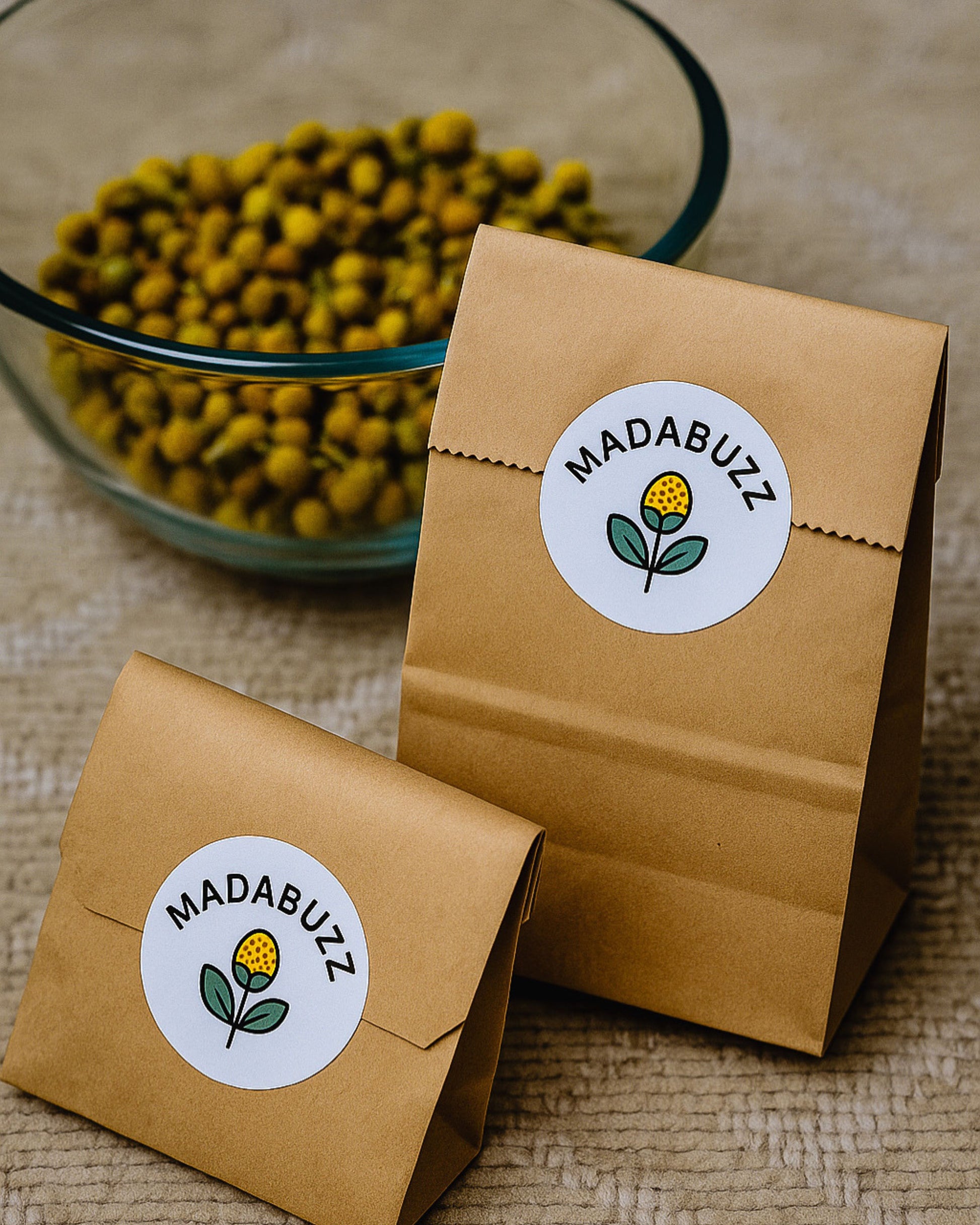
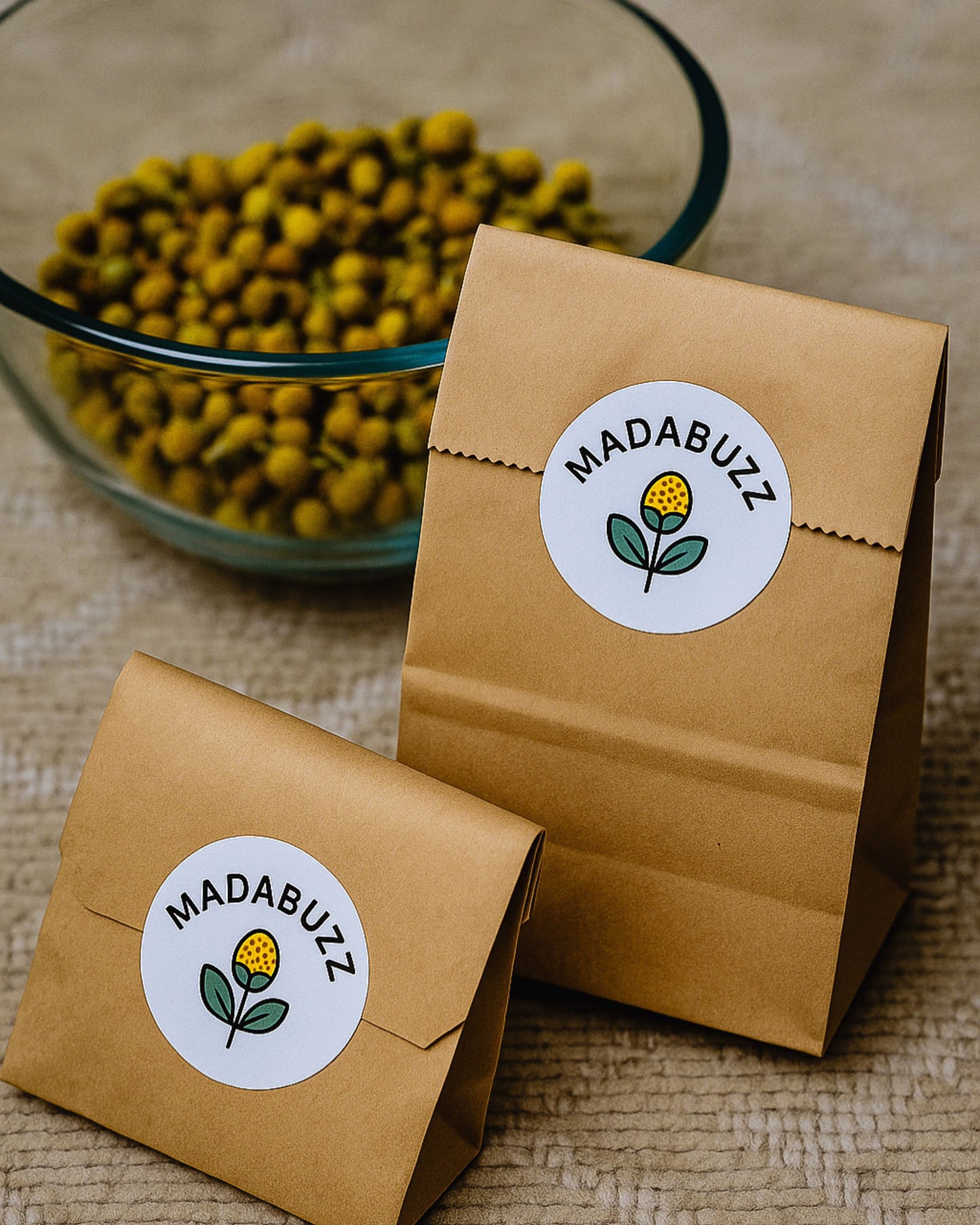
For example, the Madabuzz Double Macerated Acmella oleracea Oil Extract is supplied in a blend of Madagascan Moringa and Baobab oils.
Rather than performing extraction separately, the formulator can use it as a ready-to-incorporate botanical ingredient while focusing on building a stable emulsion.
This approach simplifies formulation without changing the principles of cream manufacturing.
Frequently Asked Questions
Can beginners make a face cream?
Yes. Creams are more complex than oil serums, but beginners can successfully formulate them by following cosmetic formulation principles and using beginner-friendly ingredients.
Why does a cream need a preservative?
Because creams contain water, they require an appropriate preservative system to help protect against microbial contamination during normal use.
Can I use only one carrier oil?
Yes. Creams may be formulated with a single carrier oil or a blend, depending on the desired texture and formulation objectives.
Can I add hyaluronic acid?
Yes. Unlike oil serums, creams contain a water phase, allowing compatible water-soluble ingredients such as hyaluronic acid to be incorporated.
Can I use my Acmella oleracea oil extract in a cream?
Yes. Oil-based botanical extracts belong in the oil phase and are incorporated before emulsification.
Is a cream better than a serum?
Neither is inherently better.
Oil serums provide a simple anhydrous system for oil-soluble ingredients, while creams allow formulators to combine both oil-soluble and water-soluble ingredients in a single product.
Can I make my cream thicker?
Yes. Viscosity can be adjusted through formulation choices such as emulsifier selection, oil phase composition, and suitable thickening agents rather than simply adding more wax.
Scientific Summary
Current cosmetic formulation principles indicate that:
- Face creams are stable emulsions requiring both an oil phase and a water phase.
- Water-containing products require an effective preservative system to help protect against microbial contamination.
- Water-soluble ingredients such as hyaluronic acid and niacinamide belong in the water phase, while Acmella oleracea oil extract belongs in the oil phase.
- Emulsifier selection, ingredient compatibility, packaging, and manufacturing practices all contribute to the quality of the finished product.
- Well-designed formulations prioritize simplicity, stability, and compatibility over the number of ingredients used.
Conclusion
Learning to formulate a face cream represents an important step beyond creating a simple oil serum.
It introduces the science of emulsions, where oil and water are carefully combined into a stable cosmetic product capable of delivering both oil-soluble and water-soluble ingredients.
Although creams require additional ingredients such as emulsifiers and preservatives, the underlying philosophy remains the same: every ingredient should have a clear purpose.
By understanding the relationship between the oil phase, water phase, emulsifier, preservative, and packaging, beginners can approach cream formulation with greater confidence and a stronger appreciation for cosmetic science.
A professionally prepared botanical ingredient such as the Madabuzz Double Macerated Acmella oleracea Oil Extract demonstrates how extraction and formulation are connected. Rather than extracting botanicals during every batch, formulators can begin with a ready-to-use oil-phase extract and focus on building a stable, elegant cream around it.
Ultimately, the best DIY face cream is not defined by the number of ingredients it contains but by the quality of its formulation, the compatibility of its ingredients, and the care taken throughout the manufacturing process.