

Part 1: Understanding Botanical Mouthwash
Oral care extends beyond brushing and flossing. Mouthwashes have long been used as part of daily oral hygiene routines, helping freshen the mouth while delivering ingredients throughout the oral cavity.
Today, mouthwashes range from simple cosmetic rinses that improve breath freshness to specialized formulations designed for specific oral care needs. As consumer interest in botanical ingredients continues to grow, plants traditionally used for oral care, including Acmella oleracea, have gained increasing attention from formulators and researchers alike.
Unlike many DIY recipes found online, creating a botanical mouthwash involves much more than mixing a few ingredients together. A well-designed oral rinse must consider ingredient compatibility, stability, preservation, taste, and user safety.
In this guide, we'll explore how mouthwashes are formulated, the role of botanical ingredients such as Acmella oleracea, and the formulation principles behind modern alcohol-free oral rinses.
What Is a Mouthwash?
A mouthwash is a liquid oral care product designed to be swished around the mouth for a short period before being expelled.
Depending on its formulation, a mouthwash may help:
- freshen breath;
- cleanse the oral cavity;
- improve the overall sensory experience of oral hygiene;
- deliver cosmetic or oral care ingredients throughout the mouth.
Most commercial mouthwashes contain a carefully balanced combination of:
- purified water;
- humectants;
- flavoring agents;
- botanical or functional ingredients;
- solubilizers;
- preservatives;
- pH-adjusting ingredients.
Each component contributes to the product's stability, appearance, taste, and overall user experience.
Cosmetic vs. Therapeutic Mouthwash
Not all mouthwashes serve the same purpose.
Broadly speaking, they fall into two categories.
Cosmetic Mouthwash
Cosmetic mouthwashes are designed primarily to improve the sensory experience of oral care.
They may:
- freshen breath;
- provide a clean mouthfeel;
- deliver botanical ingredients;
- enhance daily oral hygiene routines.
These products are intended for cosmetic purposes rather than the treatment or prevention of disease.
Therapeutic Mouthwash
Therapeutic mouthwashes contain specific active ingredients intended for particular oral health applications and are regulated differently in many countries.
Depending on the jurisdiction, these products may be classified as over-the-counter medicines or other regulated healthcare products.
This article focuses exclusively on cosmetic botanical mouthwash formulation, not therapeutic oral products.
Why Are Botanical Mouthwashes Becoming Popular?
Many consumers are seeking oral care products that incorporate plant-derived ingredients alongside conventional formulation approaches.
Botanical ingredients can contribute:
- unique sensory characteristics;
- distinctive aromas and flavors;
- naturally derived components;
- product differentiation.
This growing interest has encouraged formulators to explore botanicals that have a long history of traditional use in oral care, including Acmella oleracea.
What Is Acmella oleracea?
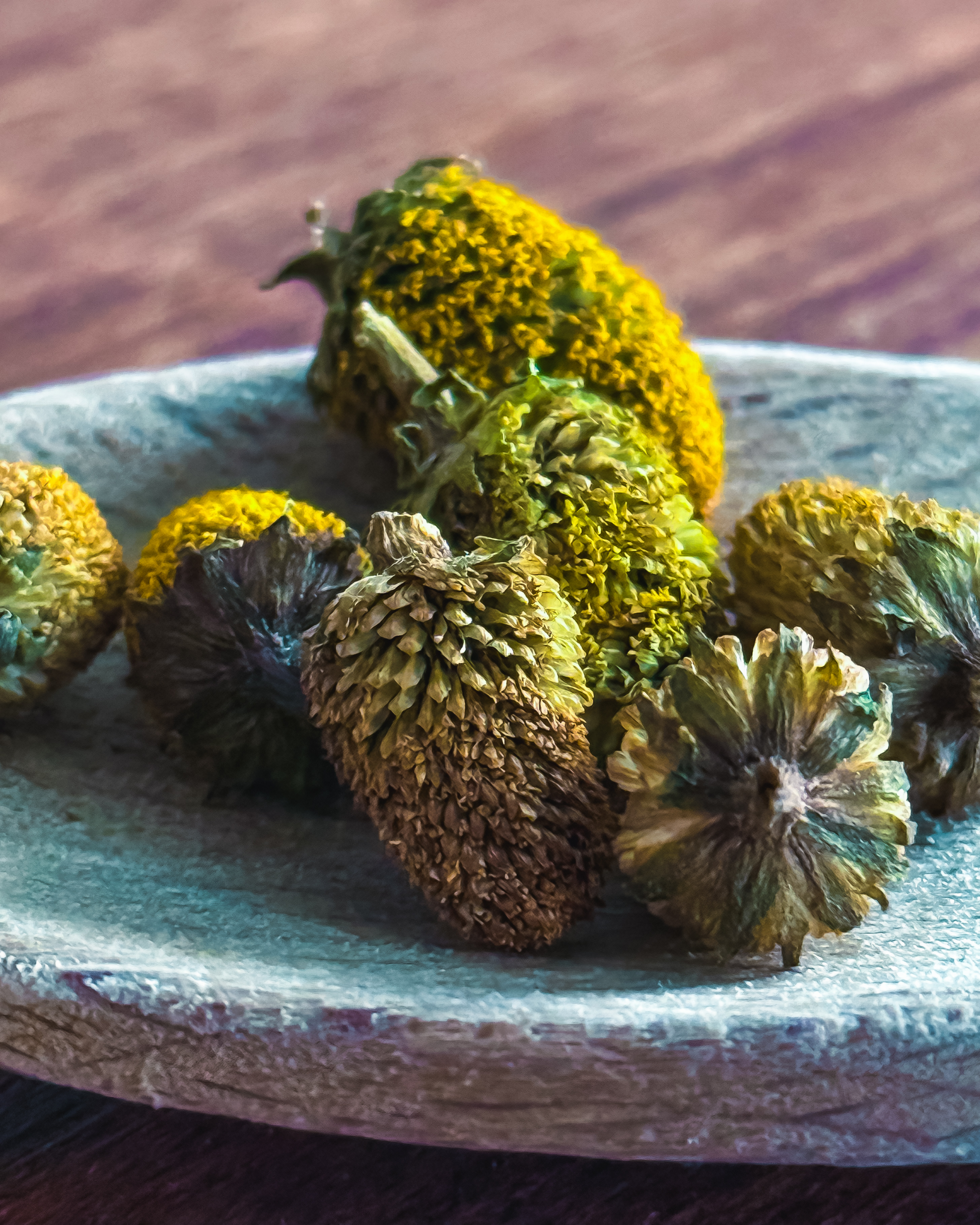
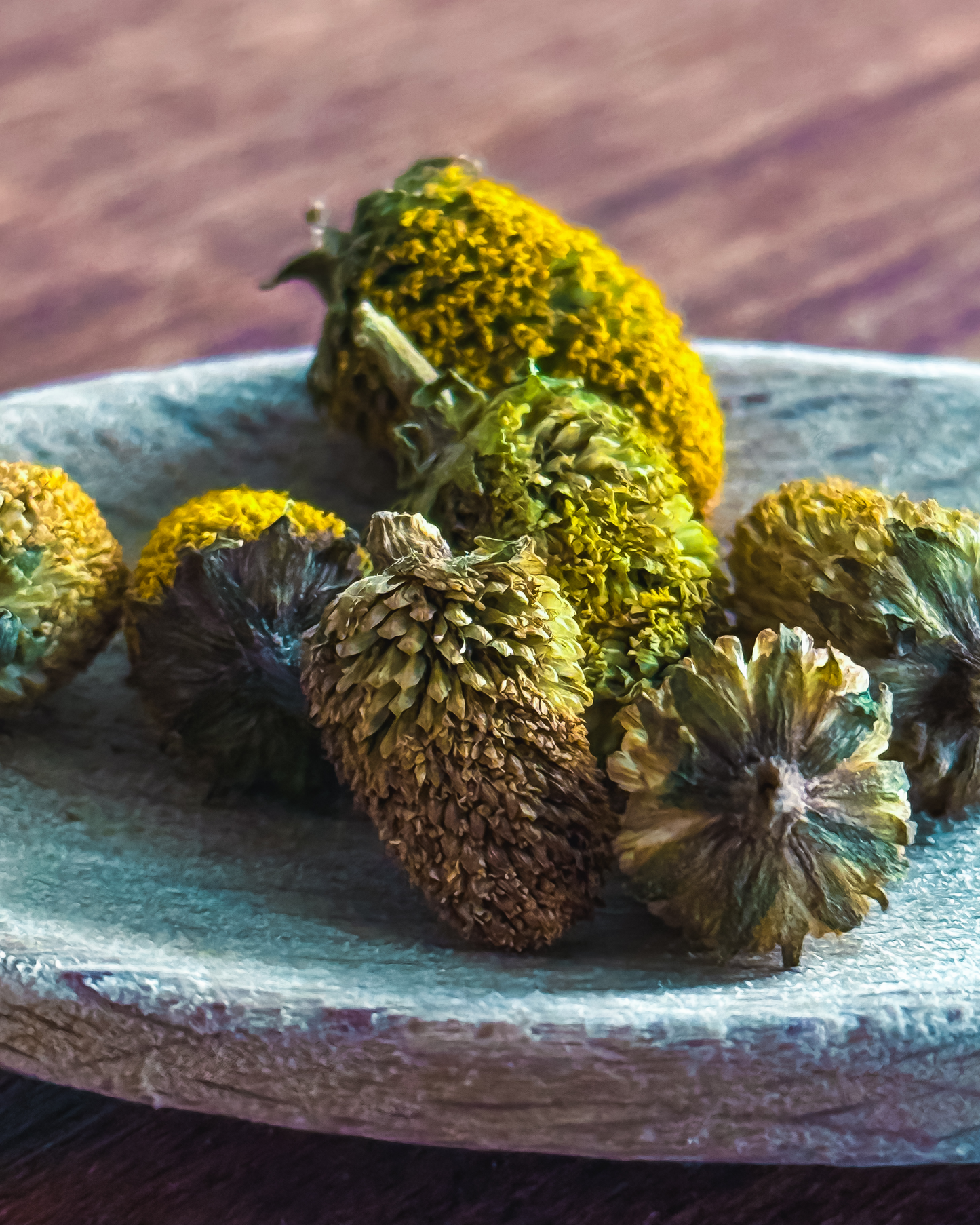
Acmella oleracea, sometimes known as paracress or the toothache plant, is a flowering species native to South America and now cultivated in many tropical regions around the world.
For generations, different cultures have traditionally chewed its flowers and leaves because of the plant's distinctive tingling and numbing sensation inside the mouth.
Today, Acmella oleracea is used in a variety of cosmetic and personal care products, while researchers continue to investigate its naturally occurring compounds and potential applications.
Why Does Acmella oleracea Tingle?
One of the plant's most recognizable characteristics is the rapid tingling sensation experienced when the fresh flowers or leaves are chewed.
This sensation is largely attributed to spilanthol, a naturally occurring alkylamide found in the plant.
Unlike the cooling sensation produced by menthol or the warming sensation associated with certain spices, spilanthol creates a unique combination of tingling and oral stimulation that many people immediately recognize.
This distinctive sensory profile has contributed to the plant's long-standing popularity in traditional oral care and culinary applications.
The Role of Spilanthol in Oral Care
Spilanthol is one of the most extensively studied compounds found in Acmella oleracea.
Within cosmetic oral care formulations, its primary interest lies in the unique sensory experience it provides.
Rather than simply adding flavor, spilanthol contributes a recognizable tingling sensation that distinguishes Acmella oleracea from many other botanical ingredients.
Because of this characteristic, botanical extracts of Acmella oleracea are often explored as sensory ingredients in innovative oral care formulations.
Alcohol-Based vs. Alcohol-Free Mouthwash
Historically, many mouthwashes contained relatively high levels of alcohol.
Alcohol served several formulation purposes, including:
- dissolving certain ingredients;
- contributing to flavor perception;
- supporting formulation stability.
However, many modern mouthwashes are now formulated without alcohol.
Alcohol-free formulations often rely on alternative ingredient systems that provide excellent product performance while offering a different sensory experience.
As a result, alcohol-free botanical mouthwashes have become increasingly popular among consumers looking for gentler daily oral care products.
Water-Based vs. Oil-Based Mouthwash
Unlike facial serums, which are typically oil-based, most mouthwashes are primarily water-based formulations.
Water allows the product to spread easily throughout the mouth and provides compatibility with many common oral care ingredients.
Oil-based oral rinses also exist, but they behave differently and require a different formulation approach.
Because this guide focuses on beginner-friendly botanical mouthwash formulation, we will concentrate on water-based cosmetic mouthwashes.
Why You Can't Simply Add Essential Oils to Water
One of the most common DIY mistakes is assuming that essential oils will naturally dissolve in water.
They do not.
Essential oils are hydrophobic, meaning they resist mixing with water.
Without an appropriate solubilizer, droplets of concentrated essential oil may remain unevenly dispersed throughout the mouthwash.
Professional formulators use specialized ingredients called solubilizers to help disperse small amounts of oil-based ingredients evenly throughout aqueous formulations.
Understanding this principle is one of the biggest differences between DIY experimentation and cosmetic formulation.
Why Preservation Matters
Because most mouthwashes are water-based, preservation is an important consideration.
Water provides an environment where microorganisms can grow if a product is not properly formulated.
For this reason, commercial cosmetic mouthwashes typically include an appropriate preservative system designed for aqueous formulations.
A preservative helps protect the product during normal storage and consumer use.
As with creams, preservatives should not be confused with antioxidants.
An antioxidant helps reduce oxidation of oils, whereas a preservative helps protect water-containing products from microbial contamination.
Why Mouthwash Is More Complex Than It Looks
A clear bottle of mouthwash may appear deceptively simple.
In reality, every ingredient has a specific purpose.
Formulators must consider:
- ingredient compatibility;
- taste;
- clarity;
- pH;
- preservation;
- solubility;
- stability;
- packaging.
Achieving a pleasant mouthfeel while maintaining product quality requires careful balancing of these factors.
This is why commercial mouthwash formulation involves considerably more science than simply mixing water with herbs or essential oils.
Before You Start Formulating
Just as with botanical serums and creams, successful mouthwash formulation begins with understanding the function of every ingredient.
Professional formulators design products using percentages, carefully selecting ingredients that are compatible with one another and appropriate for water-based systems.
In the next chapter, we'll examine the building blocks of a beginner-friendly botanical mouthwash, including the water phase, humectants, botanical extracts, solubilizers, preservatives, and flavor systems that contribute to a stable, pleasant oral rinse.
Key Takeaways from Part 1
- A cosmetic mouthwash is a water-based oral care product designed to freshen the mouth and deliver cosmetic ingredients.
- Cosmetic mouthwashes differ from therapeutic mouthwashes, which are regulated for specific health-related purposes.
- Acmella oleracea has a long history of traditional oral use and is valued for the distinctive tingling sensation associated with spilanthol.
- Most modern botanical mouthwashes are water-based formulations that require careful attention to solubility, stability, and preservation.
- Essential oils do not naturally mix with water and require appropriate solubilizers in clear aqueous formulations.
- Successful mouthwash formulation depends on understanding ingredient function rather than simply following a recipe.

Part 2 -Building a DIY Botanical Mouthwash
Now that we've explored what a mouthwash is and how botanical oral rinses differ from therapeutic products, the next step is understanding how they're formulated.
Unlike an oil serum or even a facial cream, a mouthwash is typically a water-based cosmetic formulation. Every ingredient must be compatible with water, contribute to product stability, and provide a pleasant experience during use.
Professional formulators carefully balance taste, clarity, mouthfeel, preservation, and ingredient compatibility to create a product that is both stable and enjoyable to use.
Rather than focusing on a single "recipe," this chapter explains the building blocks of a botanical mouthwash and the role each ingredient plays.
Formulating with Percentages
Like all professional cosmetic formulations, mouthwashes are created using percentages.
Each ingredient contributes to a formulation that totals 100%, making it easy to scale from a small laboratory sample to larger production batches.
For example:
| Ingredient Group | Percentage |
|---|---|
| Water phase | 88% |
| Humectants | 5% |
| Botanical ingredients | 2% |
| Solubilizer | 2% |
| Preservative and flavor | 3% |
| Total | 100% |
Using percentages ensures consistency, reproducibility, and accurate adjustments during product development.
The Water Phase
Purified water forms the foundation of most mouthwashes.
It acts as the carrier that distributes the formulation evenly throughout the mouth while providing compatibility with many water-soluble ingredients.
Because water quality directly affects formulation stability, cosmetic formulators typically use purified or distilled water rather than untreated tap water.
The water phase often represents the largest portion of the finished formulation.
Why Humectants Are Added
Humectants improve the sensory experience of a mouthwash.
Ingredients such as glycerin are commonly used to:
- improve mouthfeel;
- reduce the thin, watery sensation;
- provide a smoother texture;
- contribute a mild sweetness.
Humectants also help create a more pleasant overall user experience without significantly changing the formulation.
Incorporating Acmella oleracea
If a formulation includes Acmella oleracea, the botanical ingredient should be supplied in a form appropriate for oral cosmetic applications.
Depending on the ingredient selected, it may be incorporated during the appropriate stage of the formulation process according to the supplier's recommendations.
Because different extracts are prepared using different extraction methods and carriers, formulators should always verify that the botanical ingredient is suitable for the intended application before incorporating it into an oral care product.
Why Solubilizers Are Important
Many flavor ingredients and essential oils are oil-soluble.
Since mouthwash is primarily water-based, these ingredients cannot simply be poured into the formulation.
Without assistance, they separate into visible droplets or float on the surface.
A solubilizer helps disperse small amounts of oil-soluble ingredients throughout the water phase, improving clarity and consistency.
This creates a more uniform product and helps ensure that flavor ingredients are distributed evenly during use.
Solubilizers do not create emulsions like cream emulsifiers.
Instead, they help maintain clear aqueous formulations containing very small quantities of oil-soluble materials.
Adding Flavor
Taste plays an important role in user acceptance.
Even a well-formulated mouthwash may be unpleasant to use if its flavor is unbalanced.
Depending on the formulation goals, flavor systems may include:
- natural flavors;
- mint profiles;
- herbal notes;
- citrus accents.
Rather than overpowering the botanical ingredients, many formulators aim for a clean, refreshing flavor profile that complements the overall sensory experience.
Do You Need a Preservative?
Because mouthwash contains water, preservation is an essential consideration.
An appropriate preservative system helps protect the product during storage and repeated consumer use.
Selecting a preservative involves considering factors such as:
- formulation pH;
- ingredient compatibility;
- intended shelf life;
- regulatory requirements.
The preservative should always be used according to the supplier's recommended usage levels.
Why pH Matters
The pH of a mouthwash influences both product stability and ingredient compatibility.
Some ingredients perform best within specific pH ranges, while others may become unstable or less effective if the formulation is too acidic or too alkaline.
Professional formulators routinely measure and adjust pH during product development to help ensure consistency and product quality.
For beginners, understanding that pH is an important formulation parameter is often more valuable than trying to memorize a specific target value.
Mixing the Ingredients
Unlike creams, mouthwashes do not require emulsification.
Instead, ingredients are typically added in a logical sequence while stirring gently until the formulation becomes uniform.
Some ingredients dissolve immediately, while others require additional mixing time.
Oil-soluble ingredients should always be combined with an appropriate solubilizer before being introduced into the water phase if recommended by the ingredient supplier.
Following a structured mixing process helps produce a clearer and more stable finished product.
An Educational Example
The following example illustrates the structure of a simple botanical mouthwash.
It is intended to explain formulation concepts rather than provide a definitive recipe.
| Ingredient Group | Example Purpose |
|---|---|
| Purified water | Primary carrier |
| Humectant | Improves mouthfeel |
| Acmella oleracea botanical ingredient | Botanical component |
| Solubilizer | Disperses oil-soluble ingredients |
| Flavor | Taste and aroma |
| Preservative | Protects the formulation |
Every ingredient serves a distinct function, contributing to the product's stability, sensory characteristics, or overall performance.
Packaging Your Mouthwash
Packaging influences both convenience and product protection.
Common options include:
- PET bottles;
- glass bottles;
- recyclable HDPE containers.
A well-designed bottle should:
- seal securely;
- protect the formulation from contamination;
- dispense the product easily;
- withstand repeated opening and closing.
Some manufacturers also choose opaque or tinted packaging to reduce light exposure for light-sensitive ingredients.
Storing a Botanical Mouthwash
To help maintain product quality:
- keep the bottle tightly closed;
- store in a cool, dry place;
- avoid prolonged exposure to direct sunlight;
- avoid contaminating the product during use;
- discard the product if noticeable changes in appearance, odor, or consistency occur.
Good storage practices support the overall stability of any cosmetic formulation.
Why Mouthwash Formulation Requires Precision
Although mouthwash appears simple, creating a clear, stable, and pleasant formulation requires careful planning.
Formulators must balance:
- water compatibility;
- ingredient solubility;
- flavor;
- preservation;
- pH;
- clarity;
- sensory experience.
Each ingredient must contribute to the finished product without compromising stability or user experience.
This attention to detail is one of the defining characteristics of professional cosmetic formulation.
Key Takeaways from Part 2
- Botanical mouthwashes are primarily water-based formulations designed using percentage-based recipes.
- Purified water serves as the primary carrier, while humectants improve mouthfeel and flavor perception.
- Oil-soluble flavors and botanical ingredients may require appropriate solubilizers for clear, stable formulations.
- Water-containing products require an effective preservative system to support product stability during normal use.
- pH, ingredient compatibility, packaging, and storage all influence the quality of the finished mouthwash.
- Successful formulation depends on understanding the role of each ingredient rather than simply combining materials.
Customizing Your DIY Botanical Mouthwash
Once you've learned the fundamentals of mouthwash formulation, it can be tempting to experiment with additional botanical ingredients, flavors, or essential oils.
However, successful formulation isn't about adding as many ingredients as possible.
Professional formulators focus on compatibility, stability, safety, and sensory experience. Every ingredient should serve a clear purpose and work harmoniously within the formulation.
A well-designed botanical mouthwash is often surprisingly simple.
Can You Add Essential Oils?
Yes, but only with careful formulation.
Peppermint, spearmint, and other essential oils are widely recognized for their fresh aroma and are common ingredients in commercial oral care products.
However, essential oils do not dissolve naturally in water.
Adding them directly to a water-based mouthwash may result in floating droplets, uneven distribution, and an inconsistent user experience.
For this reason, formulators typically use an appropriate solubilizer to disperse small amounts of oil-soluble ingredients throughout the formulation.
Using the correct solubilizer according to the supplier's recommendations helps produce a clearer and more stable mouthwash.
Should You Use Alcohol?
Alcohol has historically been used in many mouthwash formulations because it can help dissolve certain ingredients and influence the product's sensory characteristics.
Today, however, many cosmetic mouthwashes are formulated without alcohol.
Alcohol-free formulations have become increasingly popular among consumers seeking a milder daily oral rinse.
Rather than relying on alcohol, these formulations often use alternative ingredient systems that provide comparable clarity and stability while delivering a different mouthfeel.
Choosing between alcohol-based and alcohol-free formulations depends on the product's intended design rather than one universally being "better."
Can You Add Glycerin?
Yes.
Glycerin is one of the most commonly used humectants in oral care formulations.
In addition to improving mouthfeel, it contributes a slight sweetness and helps reduce the watery sensation that can occur in simple aqueous formulations.
Its compatibility with water makes it a useful ingredient in many beginner-friendly botanical mouthwashes.
What About Sweeteners?
Many commercial mouthwashes contain non-sugar sweeteners to improve taste without contributing to tooth decay.
The choice of sweetener depends on formulation goals, regulatory requirements, and desired flavor profile.
The objective is to create a pleasant user experience while maintaining the overall balance of the formulation.
Can You Add Other Botanical Extracts?
Yes, provided they are appropriate for oral cosmetic formulations and compatible with the rest of the ingredient system.
Some formulators choose to combine multiple botanicals to create distinctive flavor profiles or sensory experiences.
However, adding more botanical ingredients does not automatically improve the finished product.
Each additional ingredient increases formulation complexity and may affect:
- clarity;
- taste;
- stability;
- preservation;
- ingredient compatibility.
Professional formulations are typically built around a carefully selected combination of complementary ingredients rather than an extensive list of plant extracts.
Common DIY Mouthwash Mistakes
Understanding common formulation errors helps beginners avoid many avoidable problems.
Mixing Essential Oils Directly into Water
Essential oils require an appropriate solubilizer.
Without one, they separate from the water phase and may not disperse evenly during use.
Forgetting the Preservative
Because mouthwash is primarily water-based, preservation is an essential part of formulation.
Water-containing cosmetic products should include an appropriate preservative system suitable for their intended use.
Confusing Antioxidants with Preservatives
As with creams and serums, antioxidants and preservatives perform different roles.
Antioxidants help protect oils from oxidation.
Preservatives help protect water-containing formulations from microbial contamination.
One cannot replace the other.
Using Tap Water
Tap water may contain minerals or microorganisms that can influence formulation quality.
Purified or distilled water is generally preferred when preparing cosmetic formulations.
Adding Too Many Ingredients
Adding multiple ingredients simultaneously makes it difficult to understand how each one affects the finished product.
Professional formulators typically introduce changes gradually, evaluating one modification at a time.
Ignoring pH
Many beginners overlook pH entirely.
In reality, pH can influence ingredient compatibility, product stability, and overall formulation performance.
Even simple cosmetic mouthwashes benefit from careful attention to this important parameter.
Choosing the Right Packaging
Packaging plays an important role in maintaining product quality.
Suitable options include:
- PET bottles;
- HDPE bottles;
- glass bottles designed for cosmetic liquids.
The container should:
- close securely;
- protect the formulation during storage;
- dispense the product easily;
- minimize contamination during repeated use.
For many formulations, opaque or tinted packaging may also help reduce light exposure for sensitive ingredients.
Storing Your Botanical Mouthwash
Proper storage supports product quality over time.
General recommendations include:
- store in a cool, dry location;
- keep the bottle tightly closed;
- avoid prolonged sunlight exposure;
- prevent contamination during use;
- inspect the product regularly for any noticeable changes in appearance or odor.
Good storage practices complement, but do not replace, appropriate formulation and preservation.
Is Homemade Mouthwash a Replacement for Brushing?
No.
A cosmetic mouthwash is designed to complement a regular oral hygiene routine, not replace it.
Daily brushing with fluoride toothpaste, cleaning between the teeth, and regular dental check-ups remain the foundation of good oral hygiene.
A botanical mouthwash can be incorporated into a broader oral care routine, but it should not be viewed as a substitute for established oral hygiene practices.
Frequently Asked Questions
Can beginners formulate a botanical mouthwash?
Yes. Understanding formulation principles such as percentages, solubility, preservation, and pH provides a strong foundation for creating simple cosmetic mouthwashes.
Does Acmella oleracea create the tingling sensation?
Yes. The characteristic tingling associated with Acmella oleracea is primarily attributed to the naturally occurring compound spilanthol.
Can I mix essential oils directly into water?
No. Essential oils are not water-soluble and generally require an appropriate solubilizer for use in clear aqueous formulations.
Do I need a preservative?
Because most cosmetic mouthwashes contain water, an appropriate preservative system is generally required to help protect the formulation during storage and normal use.
Is alcohol necessary?
No. Many modern cosmetic mouthwashes are formulated without alcohol while still providing a pleasant user experience.
Can I use several botanical extracts together?
Yes, provided they are compatible with the formulation and appropriate for oral cosmetic use. Simpler formulations are often easier to stabilize and evaluate.
Can mouthwash replace brushing my teeth?
No. Mouthwash is intended to complement, not replace, brushing, interdental cleaning, and routine dental care.
Scientific Summary
Current cosmetic formulation principles indicate that:
- Most cosmetic mouthwashes are water-based formulations requiring careful attention to preservation and ingredient compatibility.
- Essential oils require suitable solubilizers to remain evenly dispersed in aqueous systems.
- Humectants contribute to mouthfeel and overall sensory experience.
- Spilanthol, the characteristic compound found in Acmella oleracea, is responsible for the plant's distinctive tingling sensation.
- Simplicity, compatibility, and stability are fundamental principles of successful botanical mouthwash formulation.
Conclusion
Creating a DIY botanical mouthwash involves much more than blending water with herbs or essential oils. A well-formulated oral rinse balances water-soluble and oil-soluble ingredients, appropriate preservation, flavor, pH, and stability to produce a product that is pleasant to use and consistent over time.
Acmella oleracea has attracted interest in botanical oral care because of its distinctive sensory properties, particularly the tingling sensation associated with spilanthol. When incorporated into a properly designed cosmetic formulation, it offers a unique botanical element that sets it apart from many traditional oral care ingredients.
Whether you're exploring formulation as a hobby or seeking a deeper understanding of botanical cosmetics, the same principle applies across serums, creams, and mouthwashes: every ingredient should have a clear purpose, be compatible with the formulation, and contribute to a stable, well-designed product.
Ultimately, successful DIY formulation is less about following recipes and more about understanding the science that transforms individual ingredients into safe, effective, and enjoyable cosmetic products.