

Summary
This guide compares Moringa oil and Baobab oil using botanical science and cosmetic formulation principles. Rather than declaring one oil superior, it explains how each offers distinct chemical and sensory characteristics that make them valuable for different skincare applications and botanical extractions.
Educational comparison guide with formulation science.
Moringa Oil vs Baobab Oil
Part 1: Understanding Two of Africa's Most Remarkable Botanical Oils
Across the world of natural skincare, few carrier oils have attracted as much attention in recent years as Moringa oil and Baobab oil.
Both originate from Africa.
Both have centuries of traditional use.
Both are increasingly valued by cosmetic formulators for their stability, elegant skin feel, and naturally occurring plant compounds.
Because of these similarities, they are often presented as competitors.
In reality, they are not.
Although both oils belong to the same broad family of vegetable carrier oils, they come from entirely different trees, possess distinct chemical compositions, and contribute different characteristics to cosmetic formulations.
Understanding those differences is far more useful than simply asking:
Which oil is better?
The better question is:
What does each oil contribute?
Two Trees, Two Botanical Stories
At first glance, Moringa and Baobab appear to have much in common.
Both are associated with African landscapes.
Both produce nutrient-rich seeds.
Both have become increasingly popular in premium skincare.
Yet botanically, they are remarkably different.
Their differences begin long before the oil is extracted.
Moringa Oil
Moringa oil is pressed from the seeds of Moringa oleifera, a fast-growing tree belonging to the family Moringaceae.
Often called the drumstick tree, horseradish tree, or historically Ben Tree, Moringa is cultivated throughout tropical and subtropical regions, including parts of Africa, Asia, and Latin America.
Its seeds have long been valued for producing a clear, highly stable oil traditionally known as Ben Oil.
Historically, Ben Oil was prized for applications ranging from skin care and perfumery to lubricating delicate mechanical instruments because of its remarkable resistance to rancidity.
Today, cosmetic formulators appreciate Moringa oil primarily for its:
- high oleic acid content;
- naturally occurring behenic acid;
- elegant sensory profile;
- and excellent oxidative stability.
Baobab Oil
Baobab oil is extracted from the seeds of trees belonging to the genus Adansonia.
The best-known species is Adansonia digitata, often called the African Baobab or simply the Tree of Life.
Unlike Moringa, Baobab trees are among the longest-living trees on Earth.
Some individuals are believed to survive for many centuries, developing the enormous trunks that have become symbols of the African landscape.
The seeds, found inside the tree's large fruit, produce an oil that has traditionally been used for skin and hair care in many African communities.
Modern cosmetic research has drawn attention to Baobab oil because of its:
- balanced fatty-acid composition;
- naturally occurring tocopherols;
- phytosterols;
- pleasant skin feel;
- and versatility across a wide range of formulations.
Different Families, Different Chemistry
Despite both being seed oils, Moringa and Baobab are not closely related botanically.
They evolved under different environmental conditions and belong to completely separate plant families.
This helps explain why their oils differ so noticeably in:
- fatty-acid composition;
- oxidative stability;
- viscosity;
- skin feel;
- and cosmetic applications.
These differences are not signs that one oil is superior.
Rather, they reflect the remarkable diversity found within the plant kingdom.
Why Are Moringa and Baobab So Often Compared?
The comparison is understandable.
Both oils share several important characteristics.
They are:
- plant-derived carrier oils;
- used in premium skincare;
- valued for cosmetic formulation;
- rich in naturally occurring fatty acids;
- increasingly popular in botanical extraction;
- and closely associated with African botanical heritage.
Because of these similarities, many buyers assume they serve the same purpose.
However, experienced formulators usually view them differently.
Rather than asking which oil should replace the other, they often explore how each oil contributes unique characteristics to a formulation.
In many professional products, Moringa and Baobab are not competitors at all.
They are complementary.
More Than Just Carrier Oils
One of the most common misconceptions is that carrier oils are simply neutral liquids used to dilute active ingredients.
In reality, carrier oils are active formulation components.
They contribute their own chemistry, texture, and naturally occurring plant compounds.
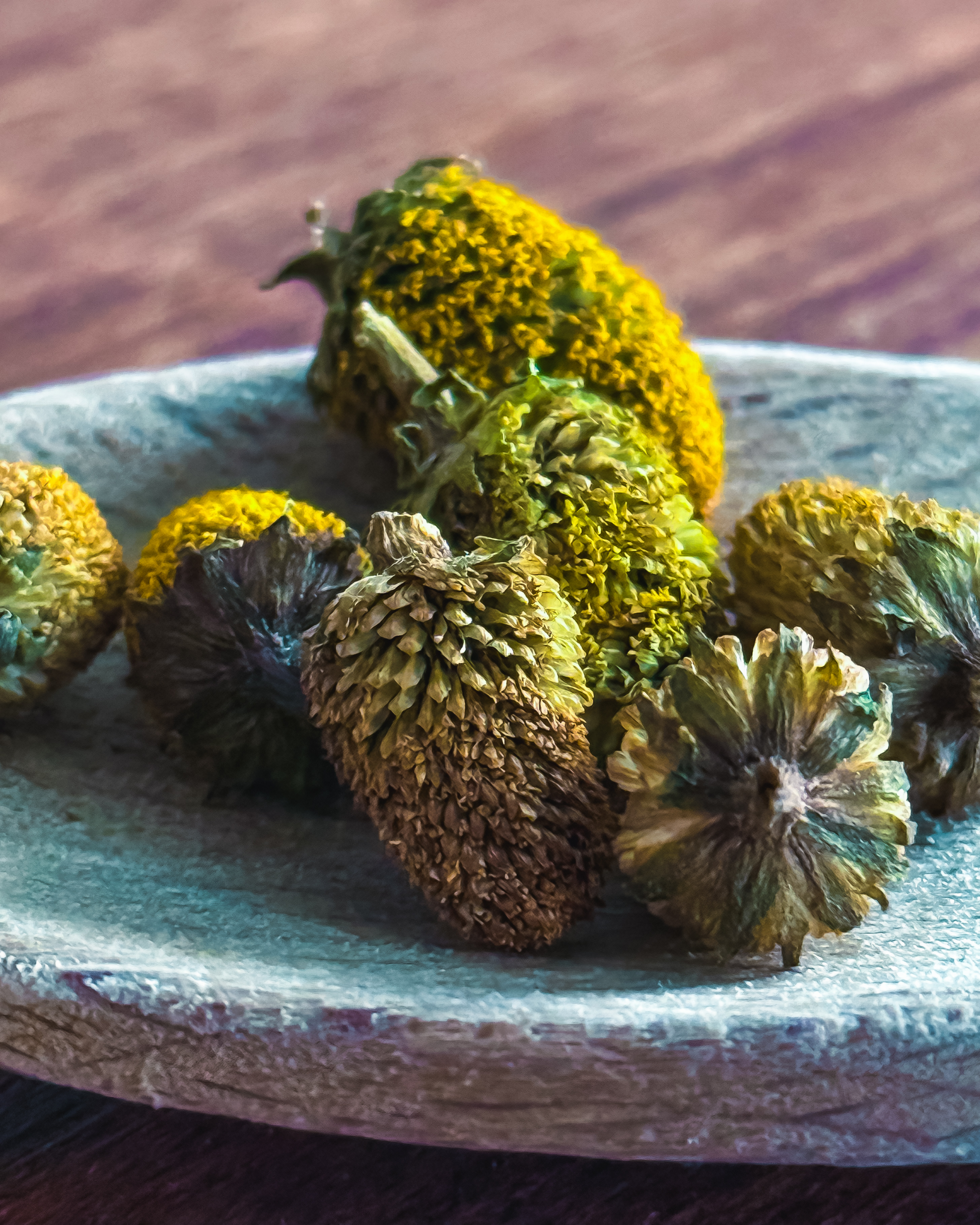
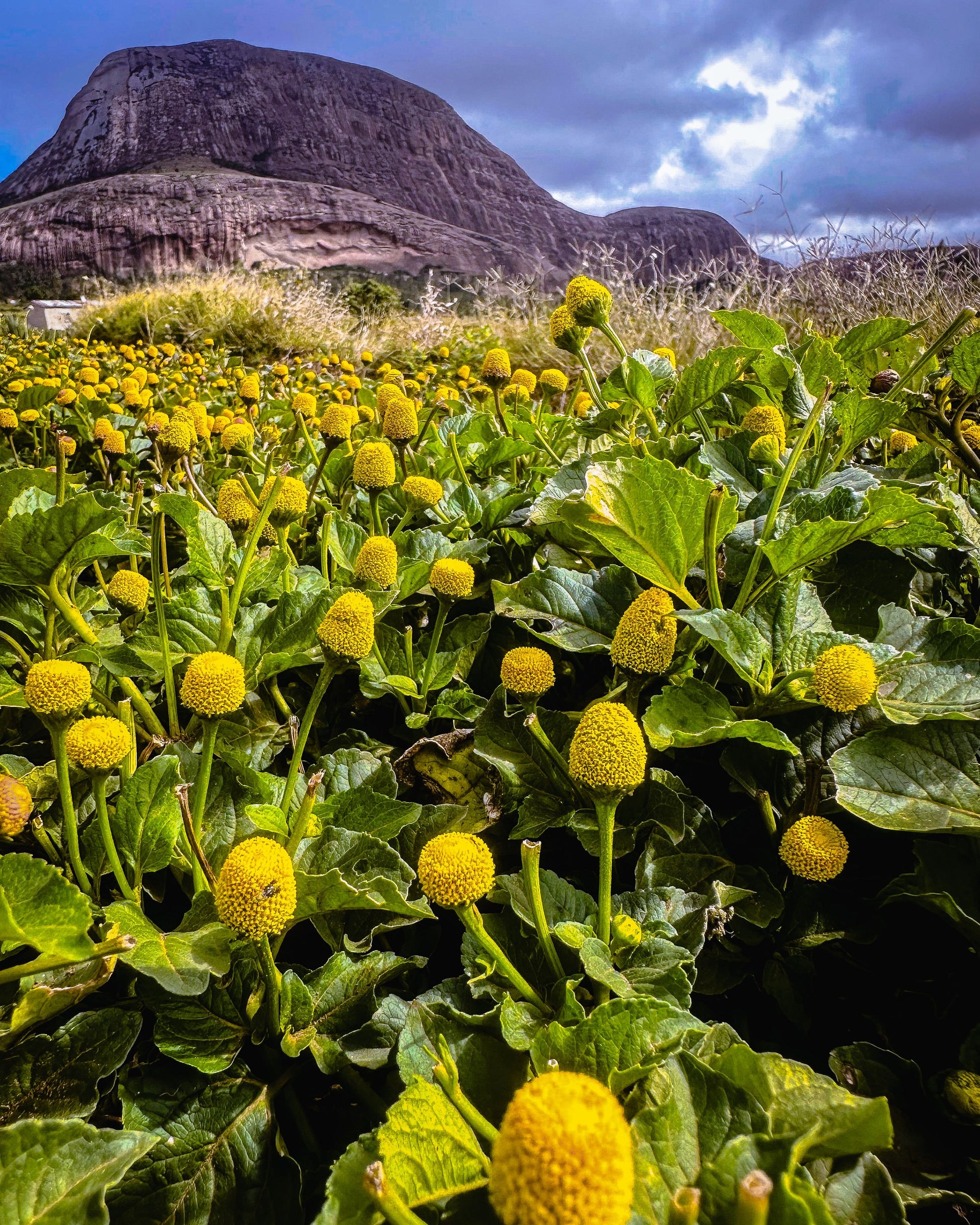
When a botanical such as Acmella oleracea is extracted into an oil, the final ingredient reflects both the plant and the carrier.
The carrier oil influences:
- texture;
- absorption;
- oxidation resistance;
- shelf life;
- appearance;
- and overall sensory experience.
For this reason, choosing between Moringa and Baobab is not merely an extraction decision.
It is a formulation decision.
Shared Strengths
Although their chemistry differs, both oils possess qualities that have made them increasingly attractive within natural cosmetics.
Naturally Stable
Both oils exhibit good oxidative stability compared with many highly polyunsaturated vegetable oils.
This contributes to longer shelf life when properly processed and stored.
However, oxidative stability depends on many factors, including extraction method, refining, packaging, exposure to oxygen, light, and temperature.
No oil is immune to oxidation.
Rich in Beneficial Lipids
Both oils contain naturally occurring fatty acids that contribute to their cosmetic performance.
These fatty acids influence:
- viscosity;
- spreadability;
- absorption;
- sensory profile;
- and formulation behavior.
Their exact proportions differ substantially, a topic we will explore in Part 2.
Naturally Occurring Minor Compounds
In addition to triglycerides, both oils contain naturally occurring minor constituents, including varying amounts of:
- tocopherols (vitamin E family);
- phytosterols;
- sterols;
- and other unsaponifiable compounds.
Although these compounds occur in relatively small quantities, they contribute to each oil's unique cosmetic identity.
Their concentrations vary naturally depending on genetics, growing conditions, extraction method, and refining.
Premium Cosmetic Appeal
Both oils have gained recognition in premium skincare because they combine pleasant sensory characteristics with relatively good stability.
Consumers often describe them as:
- elegant;
- nourishing;
- silky;
- smooth;
- luxurious.
While these descriptions are subjective, they help explain why both oils have become increasingly popular among formulators seeking high-quality botanical ingredients.
Important Differences Begin With Chemistry
Despite these shared qualities, Moringa and Baobab should not be considered interchangeable.
Their fatty-acid profiles differ significantly.
These differences influence:
- oxidation resistance;
- viscosity;
- absorption;
- sensory feel;
- formulation compatibility;
- and potential applications.
Understanding this chemistry is far more informative than relying on marketing descriptions such as "super oil" or "miracle ingredient."
Professional formulators begin with the lipid profile, not the advertising.
Quick Comparison
| Feature | Moringa Oil | Baobab Oil |
|---|---|---|
| Botanical source | Moringa oleifera seeds | Adansonia spp. seeds (commonly A. digitata) |
| Plant family | Moringaceae | Malvaceae |
| Common names | Ben Oil, Drumstick Tree Oil | Baobab Seed Oil, Tree of Life Oil |
| Primary fatty acid | Oleic acid | Oleic & Linoleic acids |
| Texture | Smooth, silky, medium-light | Balanced, conditioning, medium |
| Oxidative stability | Excellent | Good to very good |
| Naturally occurring compounds | Tocopherols, phytosterols, behenic acid | Tocopherols, phytosterols, balanced lipid profile |
| Typical cosmetic use | Facial oils, serums, botanical extracts | Creams, body care, facial oils, botanical blends |
| Traditional heritage | Africa & Asia | Africa |
Values and characteristics represent typical cosmetic-grade oils. Natural variation occurs depending on cultivar, growing conditions, extraction method, and refining.
Looking Beyond "Which Is Better?"
Comparison articles often encourage readers to choose a winner.
Science rarely works that way.
A cosmetic chemist developing a lightweight facial serum may prioritize different characteristics than a manufacturer creating a rich body balm.
Likewise, a company producing botanical extracts may evaluate oils according to stability, traceability, formulation compatibility, or regional sourcing.
The "best" oil therefore depends entirely on the intended application.
Rather than replacing one another, Moringa and Baobab often occupy different roles within modern cosmetic formulation.
In many cases, they work best together.
Key Takeaways from Part 1
- Moringa oil and Baobab oil are both premium African carrier oils but come from entirely different tree species.
- Moringa oil is extracted from the seeds of Moringa oleifera, while Baobab oil comes from Adansonia species, most commonly A. digitata.
- Both oils are valued for their stability, naturally occurring fatty acids, and cosmetic versatility.
- They share many strengths but differ significantly in fatty-acid composition, sensory characteristics, and formulation behavior.
- Professional formulators generally compare these oils based on chemistry and intended use rather than attempting to identify a universal winner.
- Understanding the science behind each oil provides a stronger foundation than relying on marketing claims.

The Science Behind Moringa Oil and Baobab Oil
Part 1 introduced Moringa and Baobab as two of Africa's most respected botanical oils.
Although they share many similarities, their real differences become apparent when we examine their chemistry.
Every carrier oil is built from a unique combination of fatty acids and naturally occurring minor compounds.
These determine how the oil behaves during extraction, how it feels on the skin, how resistant it is to oxidation, and how it performs within cosmetic formulations.
Understanding this chemistry allows formulators to select oils based on evidence rather than marketing.
Fatty Acids: The Blueprint of Every Carrier Oil
More than 95% of most vegetable oils consist primarily of triglycerides.
These triglycerides are themselves built from fatty acids.
The relative proportions of those fatty acids determine many of the oil's physical properties.
Although every batch varies naturally according to genetics, climate, soil, harvest timing, and processing, published analyses consistently show distinct trends for both Moringa and Baobab oils.
Typical Fatty Acid Composition
| Fatty Acid | Moringa Oil | Baobab Oil | Why It Matters |
|---|---|---|---|
| Oleic Acid (C18:1) | ≈65–80% | ≈30–40% | Contributes to oxidative stability, smooth texture, and elegant spreadability. |
| Linoleic Acid (C18:2) | ≈1–5% | ≈25–35% | Supports a lighter feel and contributes to skin barrier function in cosmetic formulations. |
| Palmitic Acid (C16:0) | ≈5–10% | ≈20–30% | Adds structure and richness to the oil. |
| Stearic Acid (C18:0) | ≈3–8% | ≈2–8% | Helps influence viscosity and formulation texture. |
| Behenic Acid (C22:0) | Higher than most common vegetable oils | Trace amounts | Contributes to Moringa's distinctive sensory profile and historical name "Ben Oil." |
Percentages are representative ranges reported in scientific literature. Natural variation occurs depending on cultivar, origin, and processing.
Immediately, one difference becomes clear.
These oils are built very differently.
Moringa is overwhelmingly oleic-acid dominant.
Baobab presents a much more balanced mixture of oleic and linoleic acids.
Neither profile is inherently superior.
Each produces different formulation characteristics.
Why Oleic Acid Matters
Oleic acid is a monounsaturated fatty acid found in many premium cosmetic oils.
It is often associated with:
- smooth application;
- elegant glide;
- relatively high oxidative stability;
- and a rich but refined skin feel.
Because Moringa oil contains particularly high levels of oleic acid, formulators frequently select it when stability and luxurious sensory characteristics are priorities.
Oleic acid also explains why Moringa is frequently compared with oils such as olive, avocado, and high-oleic sunflower.
However, despite these similarities, Moringa possesses its own unique fatty-acid balance and naturally occurring minor constituents.
Why Linoleic Acid Matters
Baobab tells a different story.
Its higher proportion of linoleic acid gives it a distinct cosmetic personality.
Linoleic acid contributes to:
- lighter application;
- faster absorption in many formulations;
- and support for the skin's natural lipid barrier.
Within cosmetic science, linoleic acid has attracted considerable attention because it is one of the major fatty acids naturally present in healthy skin lipids.
This does not mean oils rich in linoleic acid are automatically better for every skin type or formulation.
Rather, they offer different formulation opportunities.
The Unique Role of Behenic Acid
One of the defining features of Moringa oil is its relatively elevated concentration of behenic acid.
Although it usually represents only a small percentage of the total fatty-acid profile, behenic acid is uncommon among widely used cosmetic oils.
Historically, its presence gave rise to the name Ben Oil.
From a formulation perspective, behenic acid contributes to Moringa's:
- smooth glide;
- conditioning feel;
- luxurious texture;
- and elegant finish.
Its influence extends beyond simple percentage values.
It forms part of the overall sensory experience that has made Moringa increasingly popular in premium skincare.
Why Oxidative Stability Differs
Oxidation is one of the greatest challenges facing natural oils.
Exposure to oxygen, light, heat, and moisture gradually changes the chemical structure of fatty acids.
This process may eventually lead to:
- off-odors;
- color changes;
- reduced cosmetic quality;
- and shortened shelf life.
The fatty-acid profile plays a major role in determining how quickly oxidation occurs.
Moringa Oil
Because it is rich in oleic acid and relatively low in polyunsaturated fatty acids, Moringa generally demonstrates excellent oxidative stability.
This stability has historically made it valuable for applications where long-term storage is important.
However, stability also depends on:
- processing;
- refining;
- storage;
- packaging;
- exposure to oxygen;
- and naturally occurring antioxidants.
Baobab Oil
Baobab contains considerably more linoleic acid than Moringa.
As a result, it is generally somewhat more susceptible to oxidation, although it still exhibits good cosmetic stability when properly produced and stored.
Its naturally occurring tocopherols help support this stability, but, as with any botanical oil, good manufacturing practices remain essential.
Vitamins and Naturally Occurring Bioactive Compounds
Consumers often choose botanical oils because they are described as being "rich in vitamins."
This statement deserves careful explanation.
Carrier oils naturally contain a variety of minor compounds beyond their triglycerides.
These include:
- tocopherols (vitamin E family);
- phytosterols;
- sterols;
- phenolic compounds;
- and other unsaponifiable constituents.
These compounds are present in relatively small quantities but contribute to the identity of each oil.
Their concentrations vary according to:
- genetics;
- climate;
- soil;
- harvest maturity;
- extraction method;
- refining;
- and storage.
Therefore, it is not scientifically accurate to assign one fixed vitamin content to every bottle of Moringa or Baobab oil.
Vitamin E (Tocopherols)
Both oils naturally contain members of the vitamin E family.
These compounds are valued because they contribute to the oil's resistance to oxidation and help protect the oil itself from oxidative degradation.
Although tocopherols are often highlighted in marketing, they should not be interpreted as guarantees of specific skincare outcomes.
Their concentrations differ naturally between oils and batches.
Phytosterols
Both Moringa and Baobab contain naturally occurring phytosterols.
These plant-derived lipids are of considerable interest in cosmetic science because they contribute to the overall composition of botanical oils.
As with tocopherols, their levels vary naturally and should be discussed as part of the oil's chemistry rather than as stand-alone active ingredients.
Texture and Skin Feel
One of the most obvious differences between these oils becomes apparent long before laboratory analysis.
Simply applying them to the skin reveals distinct sensory profiles.
Moringa Oil
Moringa is frequently described by formulators as:
- silky;
- elegant;
- smooth;
- refined;
- conditioning.
Despite its high oleic acid content, many users find it surprisingly light compared with heavier traditional oils.
Its glide is one reason it has become increasingly popular in facial oils and premium botanical extracts.
Baobab Oil
Baobab offers a different sensory experience.
It is commonly described as:
- soft;
- balanced;
- comfortable;
- conditioning;
- moderately fast absorbing.
Rather than emphasizing richness, Baobab often provides a pleasant balance between cushion and absorption.
Its texture allows it to integrate well into creams, body oils, and facial formulations.
Color and Aroma
Natural carrier oils rarely look identical.
Both color and aroma depend on:
- cultivar;
- maturity;
- cold pressing;
- refining;
- filtration;
- and storage.
Moringa Oil
Typically ranges from pale yellow to golden yellow.
Its aroma is generally mild and slightly nutty.
Baobab Oil
Usually ranges from light yellow to deeper golden hues.
Its aroma is often mild with subtle nutty or earthy notes.
Neither color nor aroma should be used as the sole indicator of quality.
Processing methods significantly influence both.
Traditional Uses
Both oils have deep cultural histories.
Moringa
Traditionally used across Africa and Asia for:
- skin conditioning;
- hair care;
- massage;
- and personal care applications.
Historically, its stable oil was also valued for lubricating precision instruments and preserving delicate fragrances.
Baobab
Baobab seed oil has long been used within many African communities for:
- skincare;
- hair conditioning;
- massage;
- and protection against dry environmental conditions.
These traditional uses provide valuable historical context but should not be interpreted as clinical evidence for specific health claims.
Sustainability and Traceability
Modern cosmetic formulation increasingly considers not only chemistry but also sourcing.
Responsible production involves factors such as:
- sustainable cultivation;
- ethical harvesting;
- cold pressing;
- traceable supply chains;
- and quality control throughout processing.
Both Moringa and Baobab can contribute to sustainable agricultural systems when cultivated and processed responsibly.
As consumer interest in ingredient provenance grows, transparency has become as important as chemistry itself.
Scientific Comparison at a Glance
| Characteristic | Moringa Oil | Baobab Oil |
|---|---|---|
| Dominant fatty acid | Oleic acid | Oleic & Linoleic acids |
| Oxidative stability | Excellent | Good to very good |
| Skin feel | Silky, elegant | Balanced, conditioning |
| Absorption | Moderate to fast | Moderate |
| Naturally occurring tocopherols | Yes | Yes |
| Naturally occurring phytosterols | Yes | Yes |
| Behenic acid | Characteristically higher | Minimal |
| Traditional cosmetic use | Skin, hair, perfumery | Skin, hair, massage |
| Premium formulation role | Stability & elegance | Balance & versatility |
Key Takeaways from Part 2
- Moringa and Baobab owe their different cosmetic behavior primarily to their fatty-acid compositions.
- Moringa is highly oleic, contributing to excellent oxidative stability and a silky sensory profile.
- Baobab provides a more balanced mixture of oleic and linoleic acids, offering versatility across many formulations.
- Both oils naturally contain tocopherols, phytosterols, and other minor constituents, although their concentrations vary.
- Differences in color, aroma, and texture are influenced by both chemistry and processing.
Which Oil Is Better?
After comparing the chemistry of Moringa and Baobab, many readers still arrive at the same question:
Which oil is better?
From a scientific perspective, there is no universal answer.
Carrier oils are not ranked in the same way as a race or a competition.
Instead, each oil possesses a unique combination of fatty acids, naturally occurring minor compounds, oxidative stability, and sensory characteristics.
The best choice depends entirely on what you want the oil to achieve.
A cosmetic chemist developing a lightweight facial serum will often have different priorities than a manufacturer creating a botanical extract, a massage oil, or a rich body balm.
For this reason, experienced formulators rarely ask which oil is "best."
Instead, they ask:
Which oil is best suited for this formulation?
Choosing the Right Oil for Different Applications
Facial Oils
A premium facial oil should generally feel:
- lightweight;
- elegant;
- smooth;
- and comfortable on the skin.
Moringa Oil
Moringa is frequently selected for facial oils because of its:
- silky sensory profile;
- excellent oxidative stability;
- high oleic acid content;
- refined finish.
It creates a luxurious experience without the heavy feel associated with some traditional oils.
Baobab Oil
Baobab also performs well in facial formulations.
Its balanced fatty-acid profile contributes to:
- comfortable spreadability;
- pleasant absorption;
- and a soft, conditioning finish.
Many formulators appreciate its versatility across a wide range of skin-care products.
Both oils are excellent choices.
The decision often comes down to the desired sensory profile rather than one being objectively superior.
Creams and Lotions
Cream formulations rely on much more than the carrier oil alone.
Emulsifiers, humectants, thickeners, and other ingredients all influence performance.
Nevertheless, the choice of oil remains important.
Moringa
Often contributes:
- elegant glide;
- oxidative stability;
- premium sensory appeal.
Baobab
Often contributes:
- balanced texture;
- pleasant conditioning;
- excellent compatibility within richer emulsions.
Many premium creams incorporate multiple carrier oils to achieve the desired balance.
Balms and Rich Body Care
Heavier products often benefit from richer lipid systems.
Both oils perform well alongside:
- shea butter;
- cocoa butter;
- mango butter;
- beeswax;
- and other natural lipids.
Because of its stability, Moringa frequently supports long-term product quality.
Baobab contributes a complementary sensory balance that many formulators find desirable.
Botanical Extraction
This is where our discussion returns to botanical maceration.
Both Moringa and Baobab are suitable carrier oils for extracting lipophilic plant compounds.
However, there is currently insufficient published comparative research to conclude that either oil consistently extracts more Spilanthol than the other under standardized conditions.
Extraction efficiency depends on numerous variables, including:
- botanical quality;
- flower maturity;
- drying;
- particle size;
- solvent-to-plant ratio;
- temperature;
- extraction duration;
- and analytical verification.
For this reason, carrier-oil selection should consider the entire finished ingredient, not extraction yield alone.
Luxury Cosmetic Formulations
In premium skincare, formulation decisions extend beyond chemistry.
Brands also consider:
- sensory experience;
- sustainability;
- ingredient story;
- traceability;
- consumer expectations;
- and overall product philosophy.
Both Moringa and Baobab have become increasingly popular because they satisfy many of these criteria while offering distinctive botanical identities.
Side-by-Side Decision Guide
| Application | Moringa Oil | Baobab Oil |
|---|---|---|
| Facial oils | ★★★★★ | ★★★★☆ |
| Botanical extraction | ★★★★★ | ★★★★☆ |
| Creams & lotions | ★★★★☆ | ★★★★★ |
| Massage oils | ★★★★☆ | ★★★★★ |
| Rich balms | ★★★★☆ | ★★★★★ |
| Oxidative stability | ★★★★★ | ★★★★☆ |
| Lightweight feel | ★★★★★ | ★★★★☆ |
| Fatty-acid diversity | ★★★☆☆ | ★★★★★ |
| Blending potential | ★★★★★ | ★★★★★ |
Important: These ratings are intended only as a practical formulation guide based on typical cosmetic characteristics. They are not laboratory performance rankings, and actual suitability depends on the complete formulation and intended application.
Why Many Formulators Blend Moringa and Baobab
One of the most interesting trends in modern cosmetic formulation is the move away from relying on a single carrier oil.
Instead, many formulators create custom lipid systems by blending complementary oils.
This approach recognizes an important reality:
No single oil possesses every desirable characteristic.
Different oils contribute different strengths.
When blended thoughtfully, they can create a carrier system with a more balanced overall profile.
What Moringa Contributes
Moringa is often selected because it provides:
- high oleic acid content;
- excellent oxidative stability;
- elegant skin feel;
- smooth spreadability;
- naturally occurring behenic acid;
- naturally occurring tocopherols and phytosterols.
These characteristics make it particularly attractive for premium botanical formulations.
What Baobab Contributes
Baobab offers a complementary set of properties.
It contributes:
- a balanced oleic and linoleic acid profile;
- naturally occurring tocopherols;
- phytosterols;
- pleasant absorption;
- and a distinctive sensory profile.
Rather than replacing Moringa, Baobab expands the formulation possibilities.
The Value of Complementary Chemistry
When viewed together, these oils illustrate one of the most important principles in formulation science:
Different oils do not have to compete to create value.
Instead, they can complement one another.
A blend may combine:
- the oxidative stability associated with oleic-rich oils;
- broader fatty-acid diversity;
- different naturally occurring minor constituents;
- balanced spreadability;
- and a more refined sensory experience.
This does not mean that every blend is automatically superior.
The effectiveness of any blend depends on:
- the selected oils;
- their proportions;
- ingredient quality;
- and the intended formulation.
A Madagascar Case Study
One practical example of this philosophy is the approach adopted by Madabuzz.
Rather than choosing between Moringa and Baobab, the objective was to create a carrier system that reflected both cosmetic science and botanical provenance.
For this reason, the botanical extract is produced using a blend of:
- 70% Madagascan Moringa seed oil
- 30% Madagascan Baobab seed oil
This ratio was selected during product development to balance several formulation goals, including:
- oxidative stability;
- elegant sensory characteristics;
- spreadability;
- complementary fatty-acid composition;
- and compatibility with the finished botanical extract.
Importantly, this ratio should not be interpreted as scientifically optimal for every application.
Different formulators may legitimately choose different proportions depending on their objectives.
For Madabuzz, the blend also reflects a broader commitment to using Madagascan botanical ingredients wherever possible, creating an extraction system that remains connected to the same geographical origin from cultivation through to the finished carrier.
Beyond Chemistry: The Importance of Traceability
As natural skincare evolves, consumers increasingly want to know more than an ingredient's chemical composition.
Questions such as:
- Where was it grown?
- How was it harvested?
- Who produced it?
- How was it processed?
have become just as important.
High-quality botanical oils begin long before extraction.
Responsible cultivation, careful harvesting, cold pressing, appropriate storage, and quality control all influence the final ingredient.
For this reason, traceability should be viewed as an important part of quality, not a substitute for it.
Common Misconceptions
"Moringa Is Always Better"
Not necessarily.
Its high oleic acid content offers several advantages, but different formulations may benefit from different fatty-acid profiles.
"Baobab Is Richer in Vitamins"
Vitamin and tocopherol content varies naturally.
The exact composition depends on genetics, cultivation, extraction, refining, and storage.
"Blending Oils Always Improves Performance"
Not automatically.
Poorly designed blends may perform no better than a well-selected single oil.
Successful blending requires an understanding of formulation chemistry.
"African Oils Are Better Because They Are Exotic"
Quality depends on:
- genetics;
- cultivation;
- harvesting;
- processing;
- storage;
- and analytical quality control.
Geographic origin alone does not determine quality.
Frequently Asked Questions
Which oil is better for dry skin?
Both Moringa and Baobab are widely used in products designed for dry skin. The most appropriate choice depends on the overall formulation and the desired sensory profile rather than the oil alone.
Which oil absorbs faster?
Absorption is influenced by the complete formulation and the individual's skin. Moringa is often described as silky and elegant, while Baobab is commonly appreciated for its balanced, conditioning feel.
Which oil lasts longer?
Because of its high oleic acid content, Moringa generally demonstrates greater oxidative stability. However, shelf life also depends on processing, packaging, antioxidants, and storage conditions.
Can Moringa and Baobab be blended?
Yes. Many formulators blend complementary oils to achieve a desired balance of stability, texture, and fatty-acid composition.
Why does Madabuzz use both oils?
Madabuzz selected a blend of Madagascan Moringa and Baobab oils as part of its formulation philosophy, balancing oxidative stability, sensory characteristics, fatty-acid diversity, and regional traceability. The ratio reflects formulation goals rather than a universally superior standard.
Is one oil better for botanical extraction?
Current scientific evidence does not support declaring one cosmetic carrier oil universally superior for extracting Spilanthol. Extraction performance depends on the complete extraction process and should ideally be confirmed through analytical testing.
Scientific Summary
Current research supports several broad conclusions:
- Moringa oil and Baobab oil are chemically distinct despite both being premium African carrier oils.
- Moringa's oleic-rich profile contributes to excellent oxidative stability and a silky sensory character.
- Baobab offers a more balanced fatty-acid composition that supports versatility across many cosmetic formulations.
- Both oils naturally contain tocopherols, phytosterols, and other minor constituents, although concentrations vary.
- Professional formulators increasingly blend complementary oils to balance stability, skin feel, and formulation performance.
- There is currently insufficient comparative evidence to identify one oil as universally superior for botanical extraction.
Conclusion
The comparison between Moringa oil and Baobab oil ultimately reveals something more interesting than a winner.
It demonstrates how botanical diversity creates formulation opportunities.
Moringa offers remarkable oxidative stability, a silky texture, and an oleic-rich composition that has earned it a respected place in premium skincare.
Baobab contributes its own strengths through a balanced fatty-acid profile, elegant conditioning properties, and a long history of traditional use.
Neither oil replaces the other.
Instead, they illustrate how different botanical ingredients can work together to achieve formulation goals that a single oil may not accomplish alone.
For Madabuzz, this philosophy naturally extends to a carrier system built entirely around Madagascan botanicals. By combining Moringa and Baobab oils with carefully selected Acmella oleracea flower heads, the focus is not on claiming the "best" oil, but on creating a traceable, complementary, and thoughtfully designed botanical extract rooted in both science and provenance.
The question, then, is no longer "Which oil is better?"
It becomes:
"Which oil, or combination of oils, is best suited to the product you want to create?"