

Creating a premium botanical formulation begins long before the first ingredient is blended. It starts with understanding how plants have evolved, how their natural chemistry differs, and how individual botanical ingredients interact within a formulation.
At Madabuzz, every botanical ingredient is selected for a specific reason. Rather than following cosmetic trends or simply choosing popular carrier oils, we looked at botanical science, traditional use, sustainability, ingredient compatibility, and formulation performance.
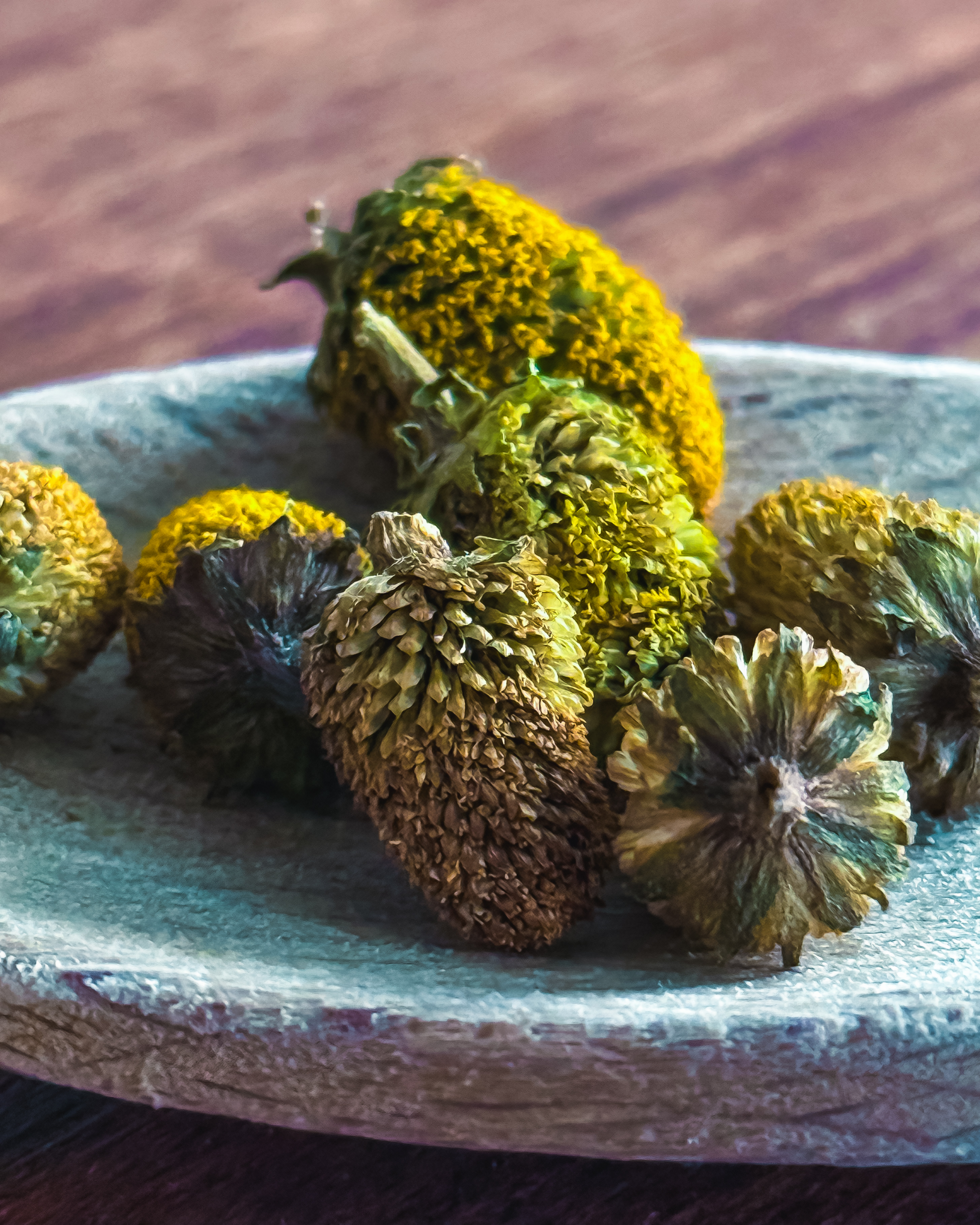
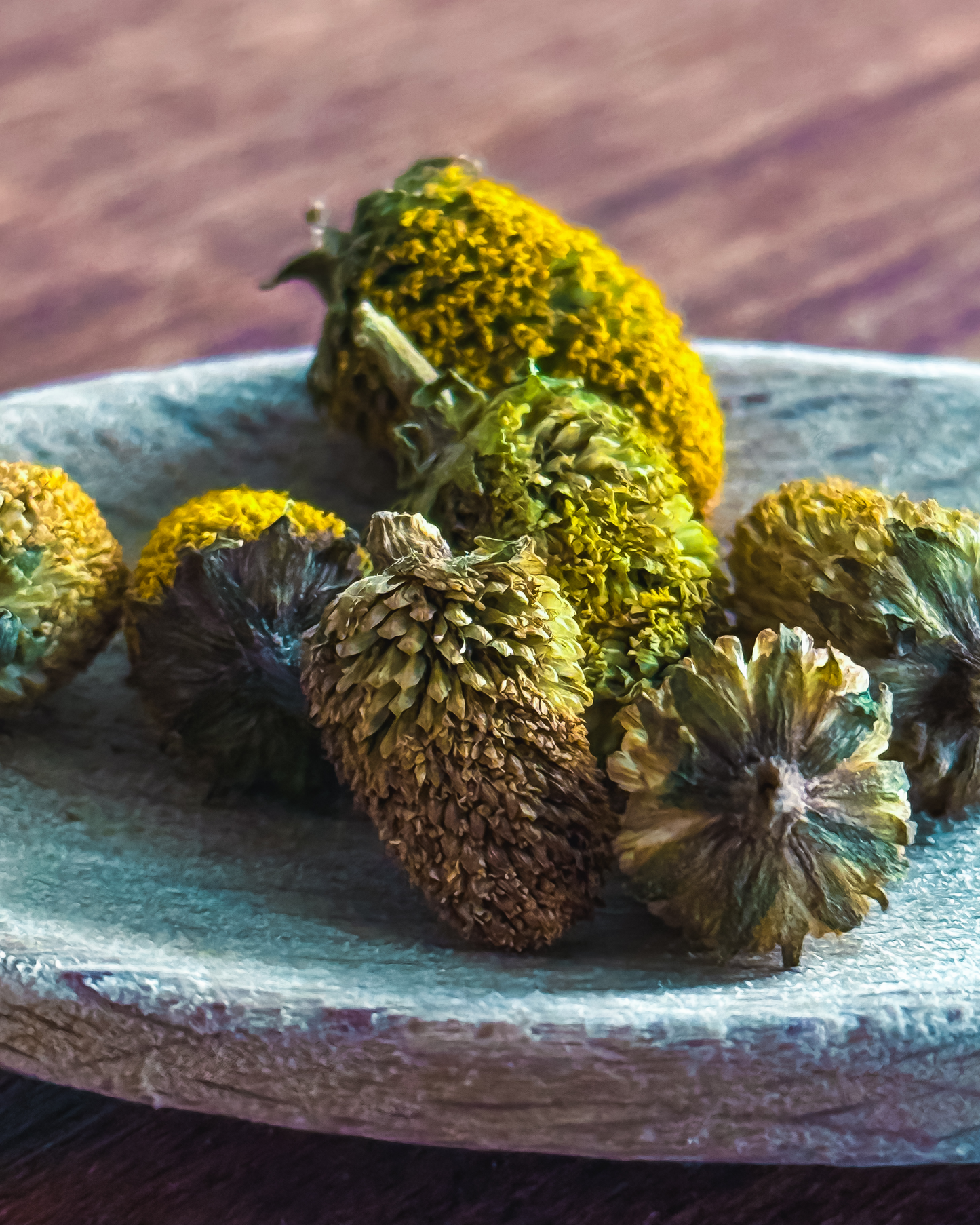
While Acmella oleracea provides the unique botanical extract at the heart of our formulations, it requires a carefully selected carrier system that protects delicate plant compounds, offers excellent skin compatibility, and complements the extract without overwhelming it.
After extensive evaluation, we selected two remarkable African botanicals: Moringa (Moringa oleifera) seed oil and Baobab (Adansonia digitata) seed oil.
Although these oils originate from different trees and possess distinct chemical compositions, together they create a balanced botanical foundation that reflects both cosmetic science and our commitment to responsible sourcing.
This article explores the scientific reasons behind that decision.
Botanical Formulation Begins with Ingredient Compatibility
One of the most common misconceptions in natural skincare is that combining more botanical ingredients automatically creates a better product.
In reality, successful botanical formulation depends on selecting ingredients that complement one another rather than compete.
Every plant oil possesses its own unique characteristics, including:
- Fatty acid composition
- Oxidative stability
- Viscosity
- Absorption profile
- Natural antioxidants
- Minor bioactive compounds
- Sensory characteristics
When botanical extracts are incorporated into oils, these characteristics influence not only the feel of the finished formulation but also the stability and consistency of the extract itself.
The goal is therefore not to select the "best" oil, but to choose oils whose properties work together in harmony.
Why Carrier Oils Matter
Carrier oils do far more than dilute concentrated botanical extracts.
In botanical formulations they serve several important functions:
- Dissolving oil-soluble plant compounds
- Supporting even distribution across the skin
- Improving sensory feel
- Reducing evaporation
- Protecting delicate botanical constituents during storage
- Influencing product stability
The carrier system often represents more than 90% of an oil-based botanical formulation.
Its quality therefore has a profound influence on the final product.
Choosing the appropriate carrier oils is just as important as selecting the botanical extract itself.
Why We Selected Moringa Oil
Moringa oleifera, sometimes called the "Miracle Tree," has been cultivated for thousands of years throughout Africa and Asia.
Its seeds produce a remarkably stable oil that has been valued historically for skincare, personal care, and cosmetic applications.
From a formulation perspective, Moringa oil offers several desirable characteristics.
High Oleic Acid Content
Moringa oil is naturally rich in oleic acid (omega-9).
Oleic acid contributes to:
- excellent spreadability;
- smooth skin feel;
- good oxidative stability;
- rich emollient properties.
Because of its high oleic acid content, Moringa oil leaves a silky finish without feeling excessively greasy.
Naturally Stable
One of the defining characteristics of Moringa oil is its excellent oxidative stability.
Unlike highly polyunsaturated oils that oxidise relatively quickly, Moringa oil remains comparatively stable during storage.
This stability is influenced by its fatty acid profile together with naturally occurring antioxidants such as tocopherols (vitamin E) and phytosterols.
For botanical formulations, greater oxidative stability helps maintain product quality over time.
Rich in Minor Botanical Constituents
Although fatty acids receive most of the attention, Moringa oil also contains numerous naturally occurring minor compounds, including:
- Tocopherols
- Phytosterols
- Plant sterols
- Phenolic compounds
- Natural waxes
These components contribute to the oil's overall cosmetic profile and make it particularly attractive for premium botanical formulations.
Elegant Skin Feel
One of the reasons formulators appreciate Moringa oil is its sensory profile.
It spreads easily, absorbs relatively well, and leaves a conditioned finish that suits many skin types.
Rather than creating a heavy coating, it provides a smooth, luxurious texture that works exceptionally well in facial oils and botanical serums.
Why We Selected Baobab Oil
The Baobab tree (Adansonia digitata) is one of Africa's most iconic species.
Often called the "Tree of Life," it can live for more than a thousand years while thriving in challenging environments.
Its seeds produce a nutrient-rich oil that has long been used in traditional African skincare.
From a cosmetic science perspective, Baobab oil complements Moringa remarkably well.
A Balanced Fatty Acid Profile
Unlike Moringa, which is dominated by oleic acid, Baobab oil contains a more balanced combination of:
- Oleic acid
- Linoleic acid (omega-6)
- Palmitic acid
- Stearic acid
This balance creates an oil with a lighter texture while contributing different emollient characteristics.
Rather than replacing Moringa, Baobab complements it.
Excellent Cosmetic Properties
Baobab oil is valued for its:
- smooth application;
- soft skin feel;
- rapid absorption;
- light finish;
- versatility.
Its sensory characteristics make it particularly suitable for formulations intended for regular facial use.
Naturally Occurring Plant Compounds
Like Moringa oil, Baobab contains naturally occurring:
- Tocopherols
- Sterols
- Antioxidant compounds
- Minor lipid fractions
Although present in relatively small quantities, these compounds contribute to the oil's overall cosmetic profile and stability.
Why We Combine Moringa and Baobab
Rather than selecting a single carrier oil, we chose to combine both.
This approach allows each oil to contribute its own strengths.
| Characteristic | Moringa Oil | Baobab Oil |
|---|---|---|
| Main fatty acid | Oleic acid | Oleic + Linoleic acids |
| Texture | Rich and silky | Light and smooth |
| Stability | Excellent | Very good |
| Skin feel | Luxurious | Soft and lightweight |
| Traditional cosmetic use | Extensive | Extensive |
Together they create a balanced botanical foundation that combines stability with an elegant sensory profile.
Neither oil dominates the formulation.
Instead, they work together to create a carrier system that supports the botanical extract of Acmella oleracea.
Why Pair Them with Acmella oleracea?
Acmella oleracea is valued for its naturally occurring alkamides, particularly spilanthol.
These lipophilic compounds are well suited to oil-based extraction methods.
A carefully selected carrier oil serves as the medium in which these naturally occurring botanical constituents are extracted and preserved.
Moringa and Baobab oils were chosen because they offer:
- excellent compatibility with oil-based extraction;
- desirable oxidative stability;
- elegant cosmetic feel;
- complementary fatty acid composition.
Rather than competing with the botanical extract, they provide a supportive environment that allows the extract to become part of a stable botanical formulation.

Why We Didn't Choose More Common Carrier Oils
Many excellent cosmetic oils are widely available.
These include:
- Sweet Almond Oil
- Sunflower Oil
- Grapeseed Oil
- Coconut Oil
- Olive Oil
- Jojoba Oil
Each offers valuable cosmetic properties.
However, our goal was not simply to use a popular carrier oil.
We wanted ingredients that reflected our broader philosophy of:
- botanical science;
- African botanical heritage;
- formulation compatibility;
- sustainability;
- premium cosmetic quality.
Moringa and Baobab aligned naturally with those objectives.
Botanical Heritage Matters
Both Moringa and Baobab have been valued for centuries within African communities.
Long before modern cosmetic science described fatty acid profiles or phytosterols, local populations recognised these oils for their practical uses in skin and hair care.
Today, scientific research helps explain many of the characteristics that traditional knowledge identified generations ago.
For us, selecting these botanicals was also a way of respecting that heritage while applying modern formulation science.
Responsible Sourcing Is Part of the Formula
A premium botanical formulation is shaped not only by the ingredients it contains but also by the way those ingredients are sourced.
We believe responsible sourcing should consider:
- environmental stewardship;
- agricultural sustainability;
- long-term partnerships;
- respect for farming communities;
- transparency.
By choosing botanicals from trusted sources and supporting responsible cultivation, we aim to build formulations that reflect both quality and accountability.
Supporting Communities in Madagascar
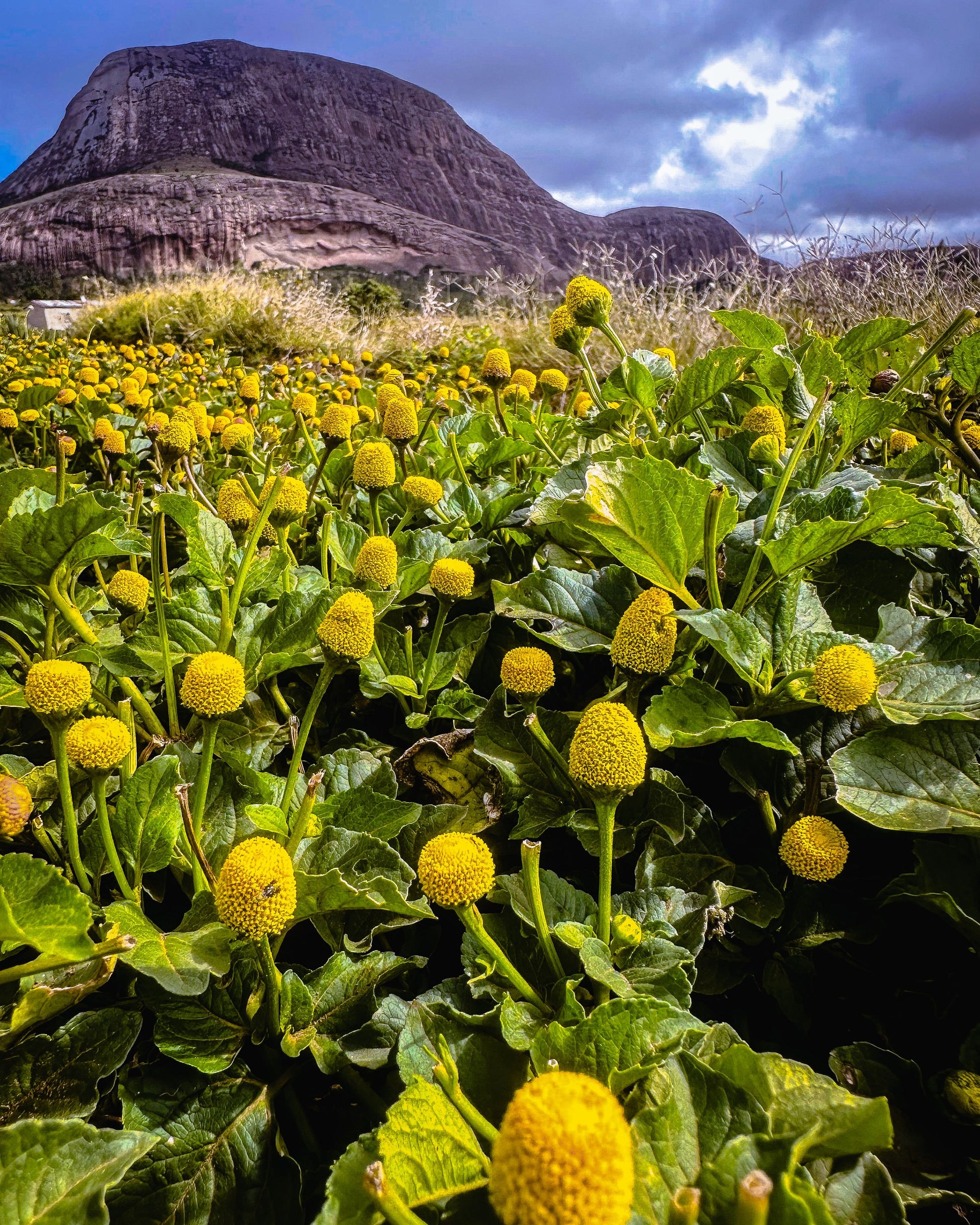
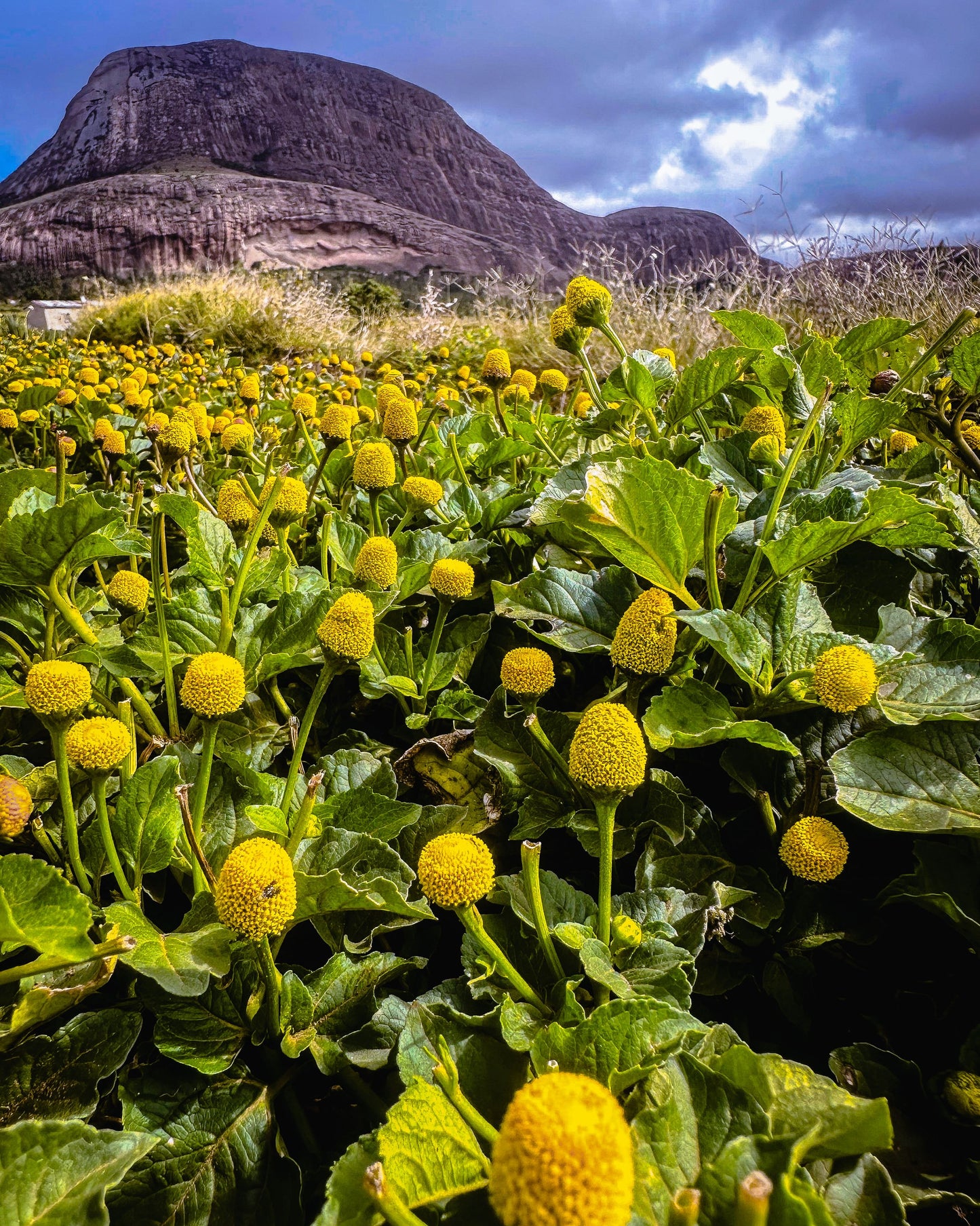
Many of the botanical ingredients used by Madabuzz originate from Madagascar, where experienced growers cultivate Acmella oleracea under favourable tropical conditions.
Behind every harvest are farming families whose knowledge and dedication make premium botanical ingredients possible.
That is why a portion of every Madabuzz sale is donated to initiatives that support local communities in Madagascar. These contributions help invest in projects that strengthen livelihoods, improve opportunities, and encourage the long-term sustainability of the regions where our botanical ingredients are grown.
For us, responsible sourcing means supporting both exceptional plants and the people who cultivate them.
Frequently Asked Questions
Why combine Moringa and Baobab oils?
Their complementary fatty acid profiles, sensory characteristics, and cosmetic properties create a balanced carrier system suitable for botanical formulations.
Why not use only one carrier oil?
Combining carefully selected oils allows formulators to balance stability, texture, absorption, and overall cosmetic performance.
Are Moringa and Baobab oils sustainable?
Both can be sourced responsibly when cultivated and harvested using sustainable agricultural practices and long-term partnerships with growers.
Why are these oils paired with Acmella oleracea?
Their compatibility with oil-based extraction and favourable cosmetic properties make them well suited as carrier oils for Acmella oleracea extracts.
Are Moringa and Baobab edible oils?
Yes. Both oils have culinary applications in some regions, although cosmetic-grade oils are specifically processed for skincare use.
How does Madabuzz support sustainability?
Madabuzz prioritises responsible sourcing and donates a portion of every sale to initiatives that support local communities in Madagascar.
Scientific Summary
Moringa (Moringa oleifera) and Baobab (Adansonia digitata) seed oils were selected because their complementary fatty acid profiles, naturally occurring tocopherols, phytosterols, oxidative stability, and desirable sensory properties create a balanced carrier system for oil-based botanical formulations. Their compatibility with lipophilic botanical extracts such as Acmella oleracea makes them well suited for premium skincare products. Together, they represent a formulation philosophy based on botanical science, ingredient synergy, responsible sourcing, and long-term sustainability.
Conclusion
Choosing botanical ingredients is about far more than following trends. It requires understanding plant chemistry, formulation science, ingredient compatibility, and the environments from which those ingredients originate.
By pairing Acmella oleracea with Moringa and Baobab oils, we created a formulation built on complementary botanical properties rather than unnecessary complexity. Each ingredient contributes its own strengths while supporting the others, resulting in a carefully balanced botanical system.
Equally important, these choices reflect our commitment to responsible sourcing and respect for the farming communities that cultivate these remarkable plants. For us, premium botanical skincare is not only about exceptional ingredients, it is also about the science, sustainability, and people behind every formulation.