

Buzz Button Desserts: Creative Ways to Use Acmella oleracea in Sweet Recipes
Desserts are often designed to delight the senses through sweetness, aroma, texture, and visual appeal. Buzz Buttons (Acmella oleracea) introduce an additional sensory dimension that makes sweet dishes even more memorable. Their distinctive tingling sensation, created by the naturally occurring compound spilanthol, offers chefs and home cooks an opportunity to create desserts that surprise and engage diners in an entirely different way.
Although Buzz Buttons are widely recognised as a garnish for cocktails and botanical drinks, they are equally at home in modern pastry kitchens. Their bright yellow flower heads provide an attractive finishing touch for cakes, mousses, sorbets, fruit desserts, and elegant plated creations. More importantly, their unique sensory properties complement many sweet ingredients without masking their natural flavours.
The growing popularity of edible flowers has encouraged pastry chefs to experiment with new flavour combinations and presentation techniques. Buzz Buttons have become part of this movement because they combine striking visual appeal with an interactive eating experience that few other edible flowers can provide.
This guide explores how Buzz Buttons can be incorporated into desserts, explains the science behind successful flavour pairing, and offers inspiration for creating elegant sweet dishes using one of the world's most distinctive edible flowers.
Chapter 1: Why Buzz Buttons Work in Desserts
At first glance, pairing a flower known for its tingling sensation with sweet foods may seem unusual. However, many of the qualities that make Buzz Buttons popular in cocktails also translate remarkably well into desserts.
Unlike ingredients that dramatically alter flavour, Buzz Buttons primarily influence the sensory experience of eating. Their tingling effect interacts with sweetness, acidity, creaminess, and texture, creating a dessert that feels more dynamic and memorable.
This ability to add sensory contrast explains why Buzz Buttons have become increasingly popular in contemporary gastronomy.
A Different Kind of Culinary Experience
Most desserts rely on combinations of flavour and texture.
For example:
- sweet and creamy;
- crisp and soft;
- rich and refreshing;
- warm and cold.
Buzz Buttons introduce another layer by adding a gentle tingling sensation that develops gradually while eating.
Rather than replacing the flavours already present, the flower complements them by making the overall experience feel more engaging.
This makes Buzz Buttons particularly suitable for tasting menus and fine dining, where chefs often aim to surprise guests with unexpected yet balanced combinations.
Understanding the Tingling Sensation
The unique sensory effect of Buzz Buttons comes from spilanthol, a naturally occurring compound found in the flower heads and leaves of Acmella oleracea.
When the flower is chewed, spilanthol interacts with sensory receptors in the mouth, creating a tingling, lightly numbing sensation accompanied by increased salivation.
Importantly, this sensation is different from the heat produced by chilli peppers or the cooling effect of mint.
Instead, it provides a lively, sparkling mouthfeel that develops over several seconds before gradually fading.
For desserts, this creates an experience that feels playful and distinctive without overwhelming the underlying flavours.
Sweetness and Sensory Balance
Sweet ingredients naturally soften the intensity of the tingling sensation.
Cream, chocolate, custard, and other rich desserts provide a smooth background that allows Buzz Buttons to enhance the overall eating experience rather than dominate it.
This balance explains why pastry chefs often pair the flowers with creamy desserts such as:
- panna cotta;
- mousse;
- cheesecake;
- crème brûlée;
- ice cream.
The result is a dessert that remains familiar while offering an unexpected sensory element.
Why Fruit Works So Well
Fruit is another excellent partner for Buzz Buttons.
Many fruits combine natural sweetness with refreshing acidity, creating a balanced flavour profile that complements the flower's lively sensation.
Popular pairings include:
- strawberries;
- raspberries;
- mangoes;
- pineapple;
- passion fruit;
- citrus fruits;
- peaches;
- pears.
These fruits already provide bright, fresh flavours, and the addition of Buzz Buttons can make the tasting experience feel even more vibrant.
While the flowers do not chemically change the fruit, the combination of sweetness, acidity, aroma, and tingling sensation often creates the impression of greater freshness and complexity.
Temperature Adds Another Dimension
Temperature plays an important role in how desserts are experienced.
Cold desserts such as sorbets and ice creams deliver flavours differently from warm pastries or baked puddings.
Buzz Buttons can provide an interesting contrast with frozen desserts because the cool temperature is followed by the gradual development of the tingling sensation.
This sequence creates an evolving eating experience that many chefs find particularly appealing.
Similarly, warm desserts paired with fresh Buzz Button flowers provide a contrast between heat and gentle tingling that adds another layer of interest.
Visual Appeal Matters Too
Modern desserts are designed to appeal to the eyes as much as the palate.
Buzz Buttons contribute bright colour, distinctive shape, and botanical elegance.
Unlike many edible flowers with delicate petals, Acmella oleracea produces compact, elongated flower heads that remain visually striking throughout service.
When placed carefully on a plated dessert, they become an immediate focal point.
Their vibrant yellow colour also contrasts beautifully with:
- dark chocolate;
- fresh berries;
- white cream;
- green herbs;
- colourful fruit coulis.
This visual versatility explains why Buzz Buttons have become increasingly popular in contemporary dessert presentation.
Inside the Dessert Kitchen
Less Can Be More
Buzz Buttons are best used as an accent rather than the main ingredient.
A single flower often provides sufficient visual impact and sensory interest, allowing the dessert's primary flavours to remain the centre of attention.
Chapter 2: Understanding Flavour Pairing
Successful desserts depend on balance.
Rather than combining ingredients at random, pastry chefs carefully consider how sweetness, acidity, richness, aroma, and texture work together to create a harmonious final dish.
Buzz Buttons follow the same principle.
Although their tingling sensation is distinctive, they pair surprisingly well with many familiar dessert ingredients when used thoughtfully.
Understanding these flavour relationships allows both professional chefs and home cooks to experiment with confidence.
Pairing with Fresh Fruit
Fresh fruit is perhaps the most natural companion for Buzz Buttons.
Many fruits offer a balance of sweetness and acidity that complements the flower's lively sensory effect without competing for attention.
Some of the most successful combinations include:
| Fruit | Why It Works |
|---|---|
| Strawberry | Sweet, aromatic and refreshing |
| Raspberry | Bright acidity balances creamy desserts |
| Mango | Tropical sweetness complements the flower |
| Pineapple | Juicy texture and natural acidity |
| Passion fruit | Intense aroma and citrus-like freshness |
| Peach | Soft sweetness with delicate floral notes |
| Pear | Mild flavour allows Buzz Buttons to stand out |
| Citrus fruits | Refreshing contrast with creamy desserts |
These fruits can be served fresh, roasted, poached, or incorporated into sauces and coulis.
Chocolate Pairings
Chocolate offers an excellent contrast to Buzz Buttons because its richness balances the flower's lively character.
Each type of chocolate creates a different experience.
Dark Chocolate
Dark chocolate provides depth and slight bitterness.
The contrast between rich cocoa flavours and the gentle tingling sensation creates an elegant, sophisticated dessert.
Dark chocolate works particularly well in:
- ganache;
- chocolate tart;
- flourless chocolate cake;
- chocolate mousse.
Milk Chocolate
Milk chocolate introduces greater sweetness and creaminess.
Its smooth texture softens the sensory effect of the flowers while maintaining balance.
White Chocolate
White chocolate is often considered one of the best partners for Buzz Buttons.
Its buttery sweetness and creamy texture provide an ideal background for the flower's unique mouthfeel.
The visual contrast is equally attractive, with the bright yellow flower standing out beautifully against pale chocolate.
Dairy-Based Desserts
Creamy desserts naturally complement Buzz Buttons because their smooth texture contrasts with the flower's tingling sensation.
Popular pairings include:
- panna cotta;
- vanilla custard;
- cheesecake;
- mascarpone cream;
- Greek yoghurt;
- whipped cream;
- crème fraîche.
These desserts provide richness while allowing the flower to remain a subtle highlight.
Fresh Herbs
Herbs are increasingly used in modern pastry.
Buzz Buttons combine particularly well with aromatic herbs that add freshness without overwhelming delicate desserts.
Excellent choices include:
- mint;
- basil;
- lemon verbena;
- thyme;
- lemon balm.
These herbs contribute fragrance while enhancing the botanical theme of the dessert.
Nuts and Crunch
Texture is another important element of dessert design.
Crunchy ingredients contrast beautifully with soft creams and fresh flowers.
Suitable nuts include:
- pistachios;
- almonds;
- hazelnuts;
- walnuts;
- pecans.
Caramelised nuts or praline also introduce additional sweetness and texture.
Floral and Botanical Ingredients
Buzz Buttons can also complement other delicate botanical flavours.
Examples include:
- vanilla;
- elderflower;
- rose;
- lavender;
- chamomile;
- orange blossom.
These ingredients should be used carefully to maintain balance and prevent overly floral desserts.
Inside the Dessert Kitchen
Build Around One Star Ingredient
Rather than combining every possible flavour, begin with a single hero ingredient such as strawberry, mango, or white chocolate. Then use Buzz Buttons to add visual elegance and a memorable sensory finish.
Chapter 3: Fresh vs Dried Buzz Buttons
Buzz Buttons can be used either fresh or dried, with each form offering different culinary advantages.
Choosing between them depends on the style of dessert, the desired presentation, and the role the flowers will play within the finished dish.
Understanding the strengths of each allows chefs and home cooks to make the most of this versatile edible flower.
Fresh Buzz Buttons
Fresh flowers provide the greatest visual impact.
Their vibrant yellow colour, firm texture, and distinctive cone-shaped appearance make them ideal for garnishing elegant desserts.
Fresh flowers are commonly used on:
- cheesecakes;
- fruit tarts;
- panna cotta;
- mousse;
- pavlova;
- plated restaurant desserts.
Because they are served in their natural form, fresh flowers also deliver the fullest sensory experience.
For this reason, they are often added immediately before serving to preserve their freshness and appearance.
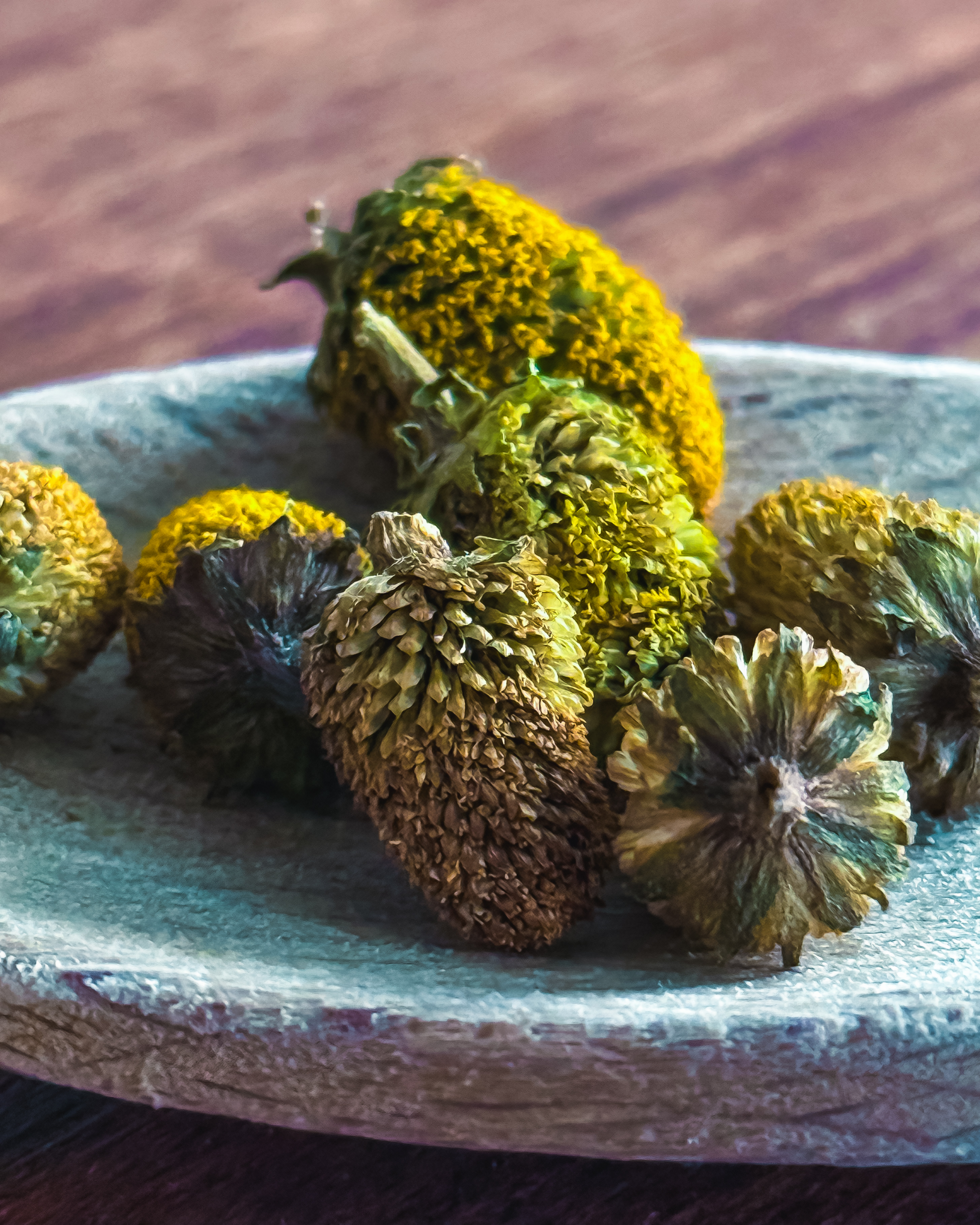
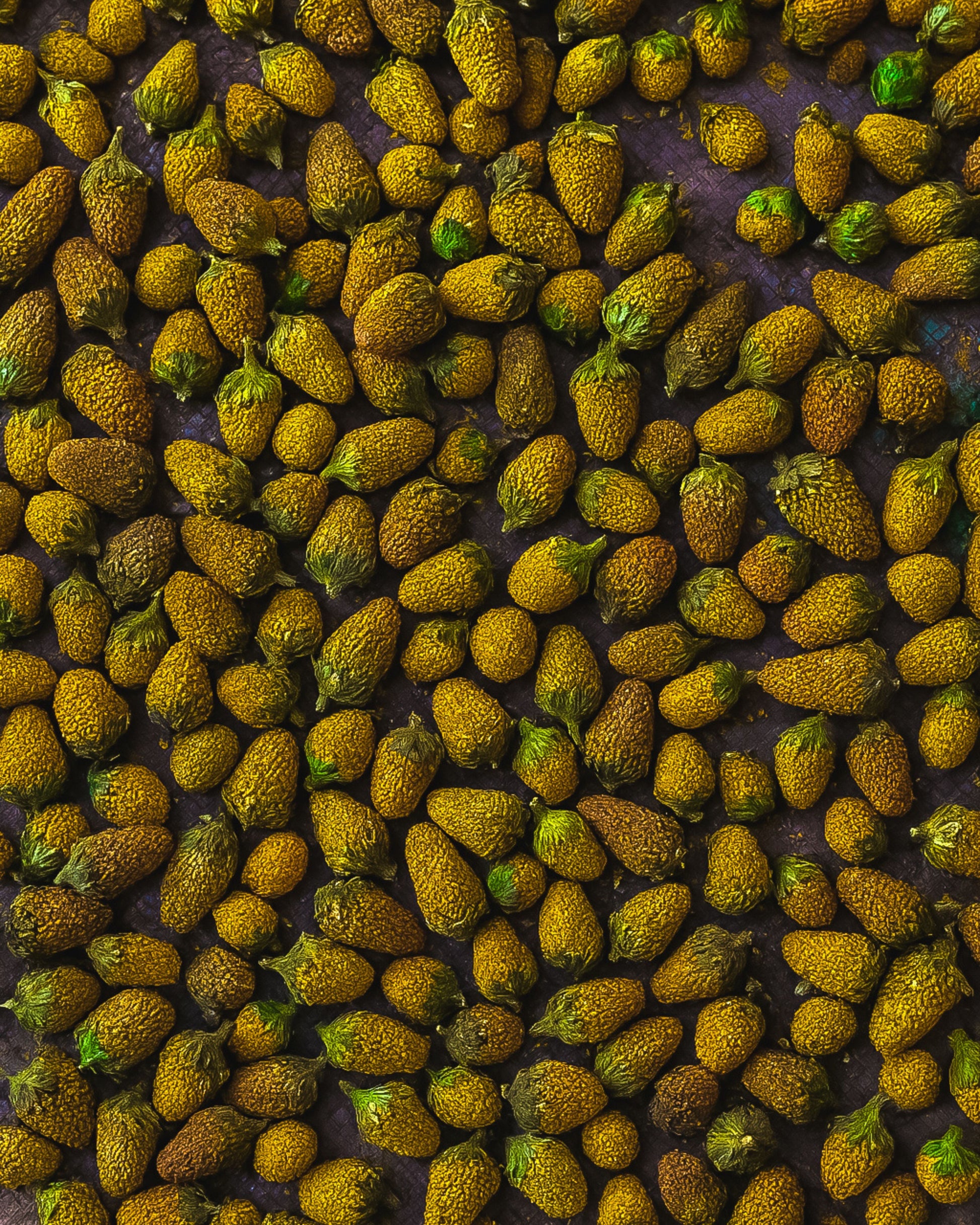
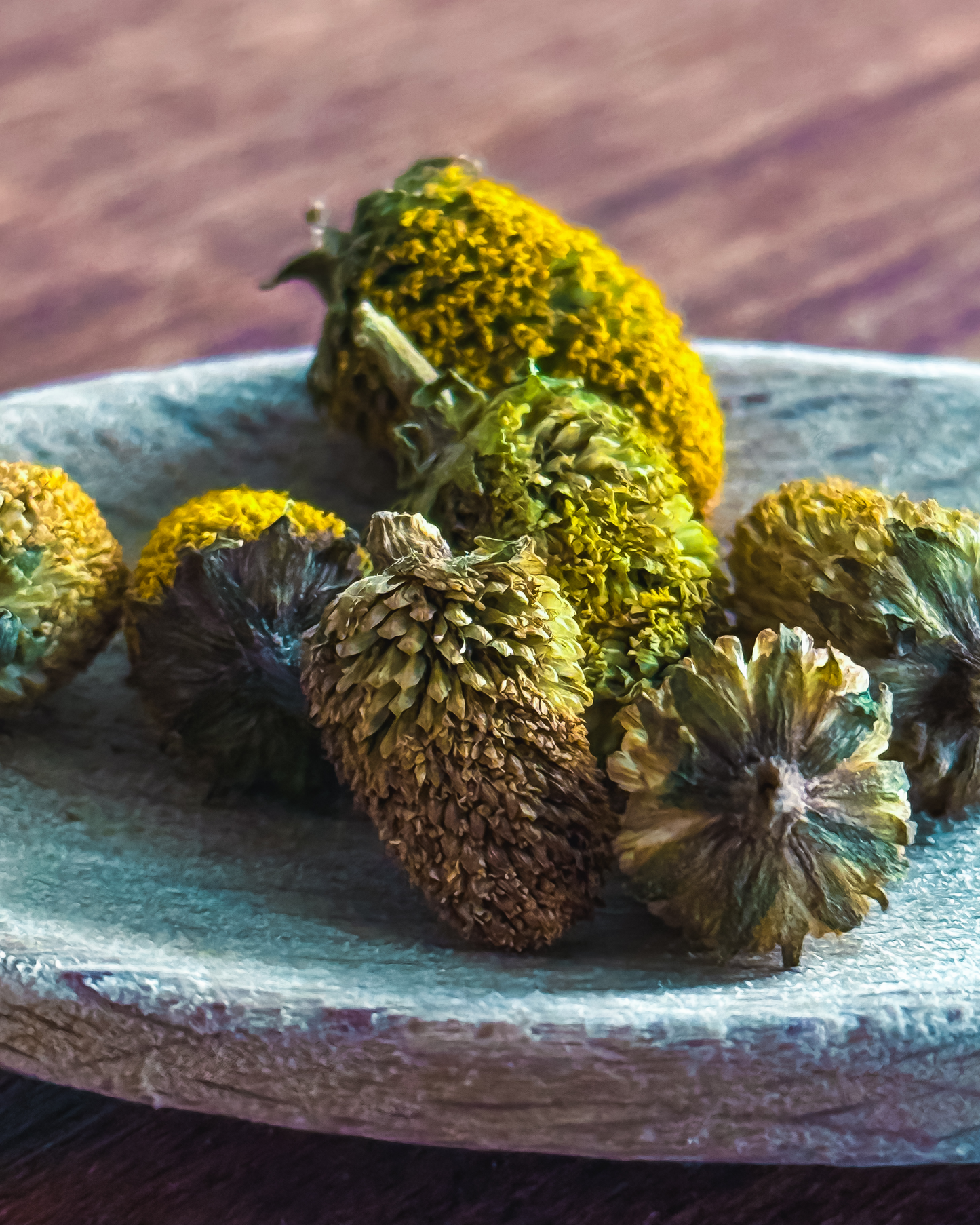
Dried Buzz Buttons
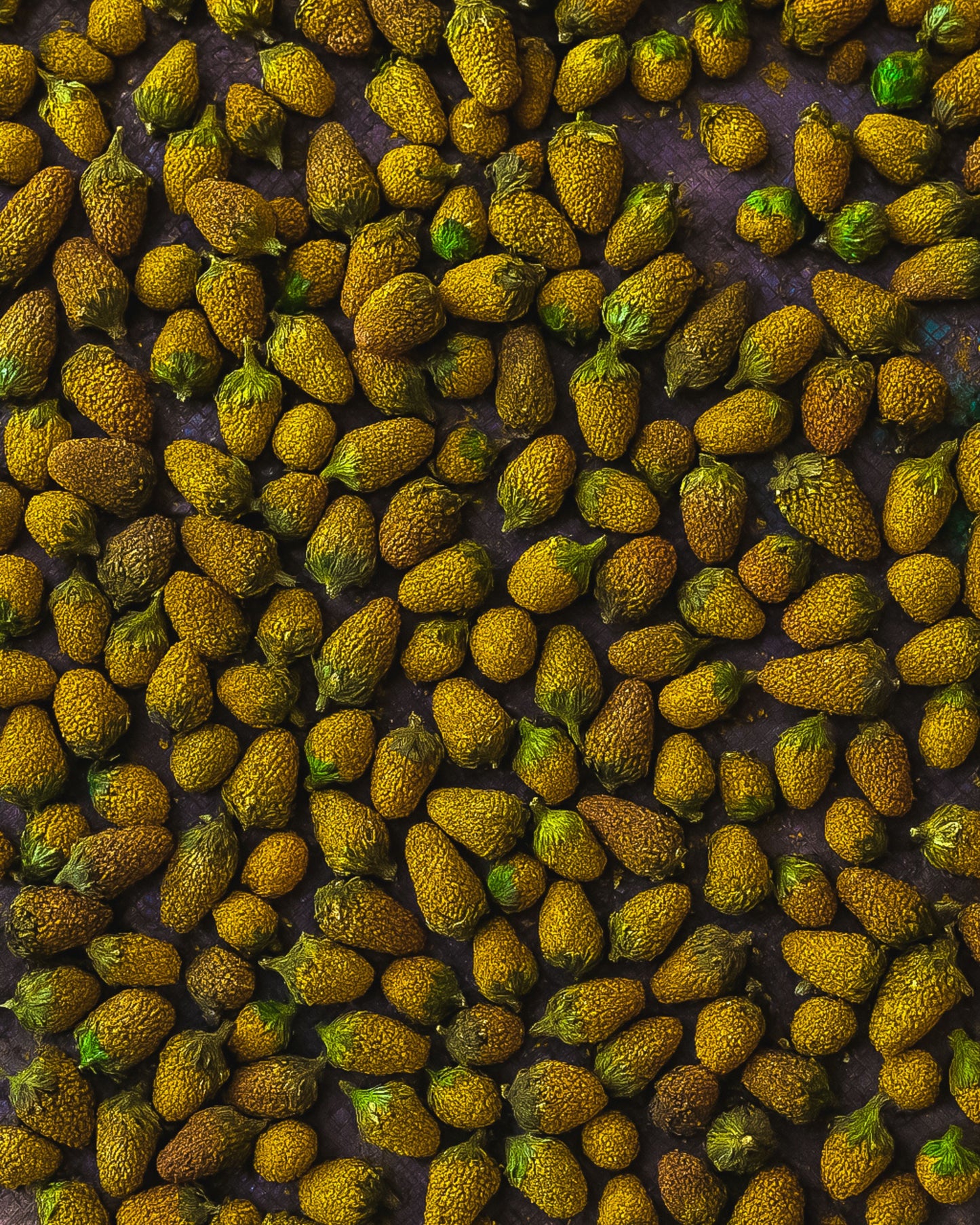
Drying extends the usability of Buzz Buttons well beyond the growing season.
Although dried flowers become less vibrant than fresh ones, they remain useful for several culinary applications.
They are commonly used to prepare:
- infused syrups;
- dessert sauces;
- fruit compotes;
- herbal infusions;
- decorative sugar blends.
Dried flowers are also convenient for chefs who wish to keep a consistent supply available throughout the year.
Choosing the Right Form
The decision between fresh and dried Buzz Buttons often depends on the intended dessert.
| Fresh Buzz Buttons | Dried Buzz Buttons |
|---|---|
| Bright visual presentation | Convenient year-round storage |
| Ideal as edible garnishes | Excellent for infusions and syrups |
| Strongest sensory experience | Suitable for flavouring preparations |
| Best for immediate service | Easy to store in airtight containers |
| Attractive natural colour | Practical for long-term culinary use |
Many professional kitchens keep both fresh and dried flowers available, using each where it performs best.
Inside the Dessert Kitchen
Harvest at Peak Quality
Whether using fresh or drying flowers for later use, harvest Buzz Buttons when the flower heads are fully developed, brightly coloured, and free from damage. High-quality flowers create the best presentation and the most enjoyable culinary experience.
Chapter 4: Beautiful Buzz Button Dessert Ideas
One of the greatest strengths of Buzz Buttons is their versatility. Rather than being limited to a single style of dessert, they can be incorporated into everything from rustic fruit tarts to elegant restaurant tasting menus.
The key is to use the flowers with purpose. Their role is to complement the dessert through visual appeal and a distinctive sensory experience, not to overpower its primary flavours.
The following ideas demonstrate how Acmella oleracea can enhance a wide variety of sweet creations.
Lemon Tart
The bright acidity of lemon creates one of the most natural pairings with Buzz Buttons.
A classic lemon tart combines:
- buttery pastry;
- smooth lemon curd;
- delicate sweetness;
- refreshing citrus notes.
Adding a single fresh Buzz Button flower introduces an unexpected sensory element while complementing the vibrant yellow colour of the filling.
For additional elegance, garnish with:
- candied lemon zest;
- fresh mint;
- edible flowers;
- lemon verbena.
Mango Sorbet
Few desserts showcase tropical flavours as beautifully as mango sorbet.
Its naturally smooth texture and refreshing sweetness create an excellent backdrop for Buzz Buttons.
Fresh flower heads provide:
- striking colour contrast;
- botanical elegance;
- an engaging finish after each spoonful.
A drizzle of passion fruit coulis can add another layer of tropical flavour without overwhelming the dessert.
Vanilla Panna Cotta
Panna cotta is celebrated for its delicate texture.
Its creamy, lightly sweet flavour allows the Buzz Button flower to become a subtle focal point.
Consider serving with:
- berry compote;
- fresh raspberries;
- blackberry coulis;
- seasonal fruits.
The result is an elegant dessert suitable for both casual entertaining and fine dining.
Strawberry Pavlova
Few combinations are as visually appealing as fresh strawberries, whipped cream, crisp meringue, and bright yellow Buzz Buttons.
The crisp shell contrasts beautifully with:
- soft cream;
- juicy berries;
- the flower's gentle tingling sensation.
The flowers also reinforce the natural freshness of the fruit.
White Chocolate Mousse
White chocolate is one of the finest companions for Buzz Buttons.
Its creamy sweetness balances the flower's lively sensory effect while creating excellent colour contrast.
Enhance the presentation with:
- pistachios;
- raspberries;
- fresh mint;
- citrus zest.
Raspberry Cheesecake
Cheesecake offers richness that pairs exceptionally well with the flower's distinctive mouthfeel.
Fresh raspberries provide acidity that helps balance the creamy filling.
A single Buzz Button flower transforms an already attractive dessert into an elegant plated presentation.
Tropical Fruit Salad
Simple desserts can benefit just as much as elaborate creations.
A colourful fruit salad featuring:
- mango;
- pineapple;
- kiwi;
- dragon fruit;
- passion fruit;
- papaya
becomes visually striking when finished with fresh Buzz Button flowers and aromatic herbs.
Chocolate Ganache Tart
Dark chocolate ganache offers richness and depth.
The floral garnish provides visual contrast while creating a memorable tasting experience.
Decorative additions might include:
- cocoa nibs;
- roasted hazelnuts;
- gold leaf;
- berry coulis.
Honey and Yoghurt Parfait
Layers of Greek yoghurt, honey, toasted nuts, and seasonal fruit create a refreshing dessert that works beautifully with Buzz Buttons.
The flowers add both colour and an interactive finishing touch.
Inside the Dessert Kitchen
Focus on Simplicity
Buzz Buttons work best when paired with desserts that already have a clear flavour identity.
Rather than introducing numerous competing ingredients, allow the flowers to provide a distinctive finishing element.

Chapter 5: Ice Cream and Frozen Desserts
Frozen desserts offer one of the most exciting opportunities for using Buzz Buttons.
The contrast between cold temperatures and the gradual development of the flower's tingling sensation creates an evolving sensory experience that unfolds over several seconds.
This progression explains why Buzz Buttons have become increasingly popular in artisan ice cream shops and contemporary restaurants.
Ice Cream
Classic flavours provide an excellent foundation.
Particularly successful combinations include:
- vanilla;
- coconut;
- white chocolate;
- honey;
- pistachio;
- strawberry.
The flowers should generally be added immediately before serving to preserve their appearance.
Sorbet
Fruit sorbets naturally complement Buzz Buttons because they combine vibrant acidity with refreshing sweetness.
Excellent flavours include:
- mango;
- raspberry;
- passion fruit;
- lemon;
- blood orange;
- pineapple.
These desserts already feel light and refreshing, while the Buzz Button flower adds another sensory dimension.
Gelato
The denser texture of Italian-style gelato creates a different experience.
Popular combinations include:
- pistachio gelato;
- hazelnut gelato;
- vanilla bean;
- citrus varieties.
The creamier consistency provides an effective contrast to the lively mouthfeel of the flower.
Frozen Yoghurt
Frozen yoghurt combines sweetness with natural acidity.
Its lighter character allows Buzz Buttons to remain noticeable without becoming overwhelming.
Fresh berries and edible herbs complete the presentation.
Granita
Granita provides an entirely different texture.
The delicate ice crystals melt quickly, creating an ideal platform for fresh botanical garnishes.
Lemon, grapefruit, and watermelon granitas all pair particularly well with Buzz Buttons.
Semifreddo
Semifreddo combines the richness of mousse with the coolness of frozen desserts.
The silky texture contrasts beautifully with:
- toasted nuts;
- fruit sauces;
- fresh edible flowers.
Buzz Buttons provide the final flourish.
Temperature and Sensory Experience
Cold temperatures often delay flavour perception slightly.
As the dessert melts, the gentle tingling sensation gradually develops, allowing diners to experience multiple stages of flavour and texture within a single bite.
This progression contributes to the memorable character of Buzz Button desserts.
Inside the Dessert Kitchen
Add Flowers Just Before Serving
Fresh Buzz Buttons maintain their appearance best when placed on frozen desserts immediately before presentation.
This helps preserve both their colour and texture.
Chapter 6: Cakes and Pastries
Buzz Buttons can also elevate traditional baked desserts by introducing botanical elegance and visual contrast.
Whether decorating celebration cakes or finishing delicate pastries, the flowers provide a sophisticated finishing touch.
Celebration Cakes
Large cakes benefit from carefully placed edible flowers.
Buzz Buttons work particularly well with:
- vanilla sponge;
- lemon cake;
- white chocolate cake;
- carrot cake;
- almond cake.
Rather than covering the entire cake, use small clusters around the top edge or alongside fresh fruit.
Fruit Tarts
Fresh fruit tarts already celebrate seasonal ingredients.
Buzz Buttons naturally complement fillings such as:
- strawberries;
- blueberries;
- peaches;
- apricots;
- figs.
The flowers add height and colour without distracting from the fruit.
Choux Pastry
Éclairs, profiteroles, and Paris-Brest can all benefit from subtle botanical decoration.
One flower placed alongside fresh berries creates a refined presentation suitable for afternoon tea or restaurant service.
Mille-Feuille
The crisp pastry layers of mille-feuille contrast beautifully with soft cream and fresh flowers.
Buzz Buttons contribute both visual elegance and an unexpected sensory element.
Macarons
Macarons are already known for their colourful appearance.
Buzz Buttons pair especially well with flavours such as:
- lemon;
- raspberry;
- vanilla;
- pistachio;
- passion fruit.
Serve the flowers alongside the macarons rather than incorporating them into the filling.
Cheesecakes
Whether baked or chilled, cheesecakes provide a rich canvas for edible flowers.
The combination of creamy filling, fruit topping, and bright yellow Buzz Buttons creates an attractive balance of colour and texture.
Dessert Buffets
Buzz Buttons are equally effective across larger dessert displays.
They can be used to decorate:
- cupcakes;
- tartlets;
- mini pavlovas;
- mousse cups;
- fruit skewers.
Using the flowers consistently throughout the display creates a cohesive botanical theme.
Inside the Dessert Kitchen
Think Like a Pastry Chef
Professional pastry chefs often view edible flowers as part of the overall design rather than simply a garnish.
Buzz Buttons should complement the dessert's colours, shapes, and flavours while maintaining a clean and balanced presentation.
Chapter 7: Fine Dining Dessert Plating
In modern gastronomy, presentation is considered an essential part of the dining experience.
A beautifully plated dessert creates anticipation before the first bite and reflects the chef's attention to detail.
Buzz Buttons have become increasingly popular in fine dining because they offer both visual sophistication and a distinctive sensory experience.
Creating a Balanced Plate
Successful dessert plating begins with restraint.
Rather than filling every available space, chefs carefully balance each element to guide the diner's attention.
A typical plated dessert may include:
- one primary dessert component;
- one contrasting sauce or coulis;
- one crisp texture;
- one fresh fruit element;
- one botanical garnish.
Buzz Buttons often serve as the final finishing detail that ties the presentation together.
Colour Harmony
The bright yellow flower heads create natural contrast with many dessert ingredients.
Particularly effective colour combinations include:
- dark chocolate and gold;
- raspberries and yellow flowers;
- white cream and fresh green herbs;
- mango and passion fruit;
- blueberry compote and edible flowers.
This balance creates visually appealing plates without appearing overcrowded.
Playing with Texture
Memorable desserts often combine multiple textures.
Examples include:
- smooth mousse;
- crisp tuile biscuits;
- crunchy praline;
- silky fruit gels;
- fresh fruit;
- delicate edible flowers.
Buzz Buttons contribute both texture and sensory interest, making them an ideal finishing element.
Using Micro Herbs
Fresh herbs add fragrance and colour while reinforcing the botanical character of the dessert.
Popular choices include:
- micro mint;
- lemon balm;
- lemon verbena;
- basil cress.
Used sparingly, they create elegant compositions that remain clean and uncluttered.
Minimalist Presentation
One of the hallmarks of contemporary pastry is simplicity.
Rather than relying on numerous decorative elements, many chefs allow a few carefully selected ingredients to create maximum impact.
A single Buzz Button flower placed thoughtfully beside a beautifully crafted dessert often produces a stronger visual impression than excessive decoration.
Inside the Dessert Kitchen
Every Element Should Have a Purpose
Professional plating is about balance rather than abundance.
Each garnish, sauce, fruit, and flower should contribute to the overall flavour, appearance, or dining experience, ensuring that Buzz Buttons enhance the dessert rather than becoming a distraction.
Chapter 8: Pairing Buzz Button Desserts with Cocktails and Mocktails
Desserts and drinks are often designed together to create a complete dining experience. When thoughtfully paired, the flavours, aromas, and textures of each complement one another, allowing both to shine without overwhelming the palate.
Buzz Buttons offer a unique opportunity because they can appear in both the dessert and the accompanying drink. Their distinctive sensory character creates continuity across the course while allowing each element to express itself differently.
The goal is not to duplicate flavours but to create harmony through complementary ingredients.
Citrus Desserts
Lemon tarts, citrus cheesecakes, and orange panna cotta pair beautifully with botanical beverages that feature bright, refreshing notes.
Suitable pairings include:
- botanical gin mocktails;
- citrus spritzes;
- elderflower lemonade;
- sparkling lemon drinks;
- cucumber and mint coolers.
These combinations emphasise freshness while maintaining a light finish.
Chocolate Desserts
Rich chocolate desserts benefit from drinks that balance rather than increase sweetness.
Excellent companions include:
- espresso-based cocktails;
- cold brew coffee;
- coffee mocktails;
- roasted cacao beverages;
- vanilla-infused cold drinks.
The contrast between deep cocoa flavours and the Buzz Button flower creates an elegant sensory progression.
Tropical Desserts
Mango, pineapple, coconut, and passion fruit desserts naturally complement tropical beverages.
Popular combinations include:
- pineapple coolers;
- passion fruit spritzes;
- coconut mocktails;
- mango smoothies;
- tropical fruit punches.
Fresh Buzz Button flowers provide a consistent botanical theme across both the dessert and the drink.
Berry Desserts
Strawberries, raspberries, blueberries, and blackberries pair well with refreshing fruit-based beverages.
Examples include:
- berry spritzers;
- raspberry lemonade;
- sparkling berry mocktails;
- hibiscus infusions.
These pairings create colourful presentations while highlighting seasonal fruit.
Building a Cohesive Dessert Course
Rather than matching every ingredient exactly, professional chefs often repeat one or two botanical elements throughout the course.
For example:
- lemon tart with a botanical citrus spritz;
- white chocolate mousse with a vanilla cream soda;
- mango sorbet with a tropical fruit cooler.
This approach creates continuity while allowing each dish to retain its own identity.
Inside the Dessert Kitchen
Balance Is More Important Than Matching
The best pairings complement one another without competing for attention. Buzz Buttons should contribute a memorable finishing touch while allowing both the dessert and beverage to express their individual flavours.
Chapter 9: Using Buzz Buttons at Home
Although Buzz Buttons are frequently associated with fine dining restaurants, they are equally suitable for home kitchens.
With thoughtful preparation, home cooks can incorporate these edible flowers into desserts for family meals, celebrations, or special occasions.
The key is to use them as a finishing ingredient rather than the primary flavour.
Start with Familiar Desserts
If you are using Buzz Buttons for the first time, begin with desserts you already know well.
Good starting points include:
- vanilla cheesecake;
- fruit pavlova;
- panna cotta;
- chocolate mousse;
- fresh fruit salad.
These familiar recipes allow the flowers to become the distinctive finishing element.
How Many Flowers Should You Use?
In most cases, one flower per serving is sufficient.
Larger restaurant desserts may include two carefully positioned flowers, but excessive use can distract from the dessert's overall balance.
Buzz Buttons are most effective when they provide a subtle moment of surprise.
Whole Flowers or Petals?
Unlike many edible flowers, Buzz Buttons are generally presented as whole flower heads.
Their compact shape creates an attractive focal point and preserves their distinctive appearance.
Whole flowers are commonly used on:
- plated desserts;
- cheesecakes;
- mousse;
- fruit tarts;
- ice cream.
When Should They Be Added?
Fresh Buzz Buttons should normally be placed on desserts immediately before serving.
This helps preserve:
- colour;
- texture;
- freshness;
- visual appeal.
Adding the flowers too early may reduce their decorative quality, particularly on chilled desserts.
Fresh or Dried?
Both forms have practical uses.
Fresh flowers are ideal for:
- garnishes;
- elegant presentation;
- immediate serving.
Dried flowers are more suitable for:
- syrups;
- infusions;
- dessert sauces;
- sugar blends.
Many home cooks find it useful to keep dried flowers available between growing seasons.
Storage Tips
For the best quality:
Fresh flowers
- refrigerate promptly;
- avoid excessive moisture;
- use within a few days.
Dried flowers
- store in airtight containers;
- protect from humidity;
- keep away from direct sunlight.
Proper storage helps maintain culinary quality throughout the season.
Inside the Dessert Kitchen
Let the Dessert Lead
Buzz Buttons should enhance an already delicious dessert rather than compensate for poor preparation. Good ingredients, careful technique, and balanced flavours remain the foundation of every memorable sweet dish.
Chapter 10: Sustainability and Seasonal Cooking
Growing interest in edible flowers reflects a broader movement towards seasonal ingredients and sustainable food production.
Buzz Buttons fit naturally within this approach because they can be cultivated in home gardens, harvested locally, and used fresh throughout the growing season.
For gardeners and chefs alike, growing edible flowers offers an opportunity to reduce food miles while enjoying exceptionally fresh ingredients.
Growing Your Own Flowers
Home cultivation provides several advantages.
Garden-grown Buzz Buttons can be harvested:
- at peak freshness;
- in the desired quantity;
- immediately before serving.
This helps maintain both appearance and culinary quality.
Reducing Food Waste
Every part of a healthy Buzz Button harvest can be used thoughtfully.
Fresh flowers become garnishes.
Dried flowers can be used in infusions or syrups.
Young leaves may be incorporated into salads or herb blends.
Using multiple parts of the plant supports a more sustainable kitchen.
Supporting Pollinators
During the growing season, Buzz Buttons also provide nectar for pollinating insects.
Incorporating edible flowers into gardens contributes to biodiversity while creating attractive outdoor spaces.
This dual role makes Acmella oleracea valuable for both culinary and ecological reasons.
Celebrating Seasonality
Seasonal ingredients often provide superior freshness, flavour, and visual appeal.
Harvesting Buzz Buttons during their natural flowering season encourages menus that reflect the changing character of the garden throughout the year.
Inside the Dessert Kitchen
Fresh Ingredients Create Better Desserts
The finest plated desserts often begin with seasonal produce harvested at its peak. Fresh fruit, aromatic herbs, and carefully grown edible flowers bring natural colour, flavour, and elegance to every plate.
Conclusion
Buzz Buttons (Acmella oleracea) demonstrate that desserts can engage far more than the sense of taste alone. Their vibrant yellow flower heads, distinctive botanical character, and naturally occurring spilanthol create an interactive dining experience that complements rather than overwhelms sweet dishes.
From elegant panna cotta and fruit tarts to refreshing sorbets, rich chocolate desserts, and contemporary fine dining presentations, Buzz Buttons provide opportunities for creativity across a wide range of culinary styles. When paired thoughtfully with seasonal fruit, creamy dairy, quality chocolate, aromatic herbs, and carefully balanced textures, they add visual sophistication and an unexpected sensory dimension that leaves a lasting impression.
Whether you are a professional pastry chef, an enthusiastic home baker, or simply curious about edible flowers, Buzz Buttons offer a unique way to elevate desserts while celebrating the diversity of botanical ingredients. Used with restraint and an understanding of flavour balance, they transform familiar recipes into memorable culinary experiences that delight both the eye and the palate.
Frequently Asked Questions
Are Buzz Buttons edible?
Yes. The flowers and young leaves of Acmella oleracea are edible and are widely used as garnishes and culinary ingredients.
Do Buzz Buttons make desserts spicy?
No. Buzz Buttons do not create the heat associated with chilli peppers. Instead, they produce a distinctive tingling sensation that gradually develops in the mouth.
Which desserts pair best with Buzz Buttons?
They work particularly well with fruit desserts, cheesecakes, panna cotta, mousses, sorbets, ice cream, chocolate desserts, and elegant plated pastries.
Can dried Buzz Buttons be used in desserts?
Yes. Dried flowers are well suited to infusing syrups, sauces, sugar blends, and other dessert preparations, while fresh flowers are generally preferred for garnishing.
How many Buzz Button flowers should I use per serving?
One fresh flower is usually sufficient to provide both visual appeal and a memorable sensory experience.
Can I grow Buzz Buttons at home?
Yes. Acmella oleracea is suitable for gardens, raised beds, and containers, making it accessible to most home gardeners.
Should Buzz Buttons be added before or after plating?
Fresh flowers are best added immediately before serving to preserve their appearance and freshness.
Which ingredients pair particularly well with Buzz Buttons?
Popular companions include strawberries, raspberries, mango, pineapple, citrus fruits, white chocolate, mascarpone, yoghurt, vanilla, pistachios, almonds, mint, basil, and lemon verbena.