

Chef's Guide to Acmella: Professional Techniques for Cooking with Buzz Buttons
Modern gastronomy is constantly evolving as chefs explore ingredients that engage more than just the sense of taste. Today's diners increasingly seek memorable experiences where flavour, aroma, texture, appearance, and interaction come together to create something truly distinctive. Among the botanical ingredients attracting growing attention in professional kitchens is Acmella oleracea, commonly known as the Buzz Button, electric daisy, or Sichuan button.
Although the plant has been cultivated for generations in tropical regions, its culinary potential has only recently gained wider recognition in contemporary restaurants. Its bright yellow flower heads provide striking visual appeal, while the naturally occurring compound spilanthol produces a unique tingling sensation that encourages diners to experience familiar ingredients in an entirely new way.
Unlike many edible flowers that serve only as decoration, Buzz Buttons actively contribute to the overall dining experience. When used thoughtfully, they complement fresh seafood, seasonal vegetables, artisan cheeses, desserts, botanical beverages, and tasting menus without overpowering the primary flavours of a dish.
For professional chefs, however, successful use of Acmella depends on much more than simply placing a flower on a plate. Ingredient quality, preparation, flavour balance, portion control, and presentation all influence the final result.
This guide brings together practical culinary knowledge, food pairing principles, and professional kitchen techniques to help chefs use Acmella oleracea with confidence and creativity. Whether developing seasonal tasting menus, refining cocktail programmes, or introducing edible flowers into everyday service, understanding how Acmella behaves as an ingredient allows it to become an elegant enhancement rather than a novelty.
Chapter 1: Understanding Acmella as a Culinary Ingredient
Every exceptional ingredient possesses qualities that distinguish it from others. For Acmella oleracea, those qualities extend beyond flavour alone. Its visual appeal, botanical freshness, and remarkable sensory properties make it unlike almost any other edible flower used in professional kitchens.
Understanding these characteristics is the first step towards using Acmella effectively in modern cuisine.
A Remarkable Edible Flower
Acmella oleracea is a flowering herb belonging to the daisy family (Asteraceae). Native to tropical South America and now cultivated in many regions around the world, it has long been appreciated for both culinary and ornamental purposes.
The plant produces distinctive flower heads that immediately attract attention on the plate.
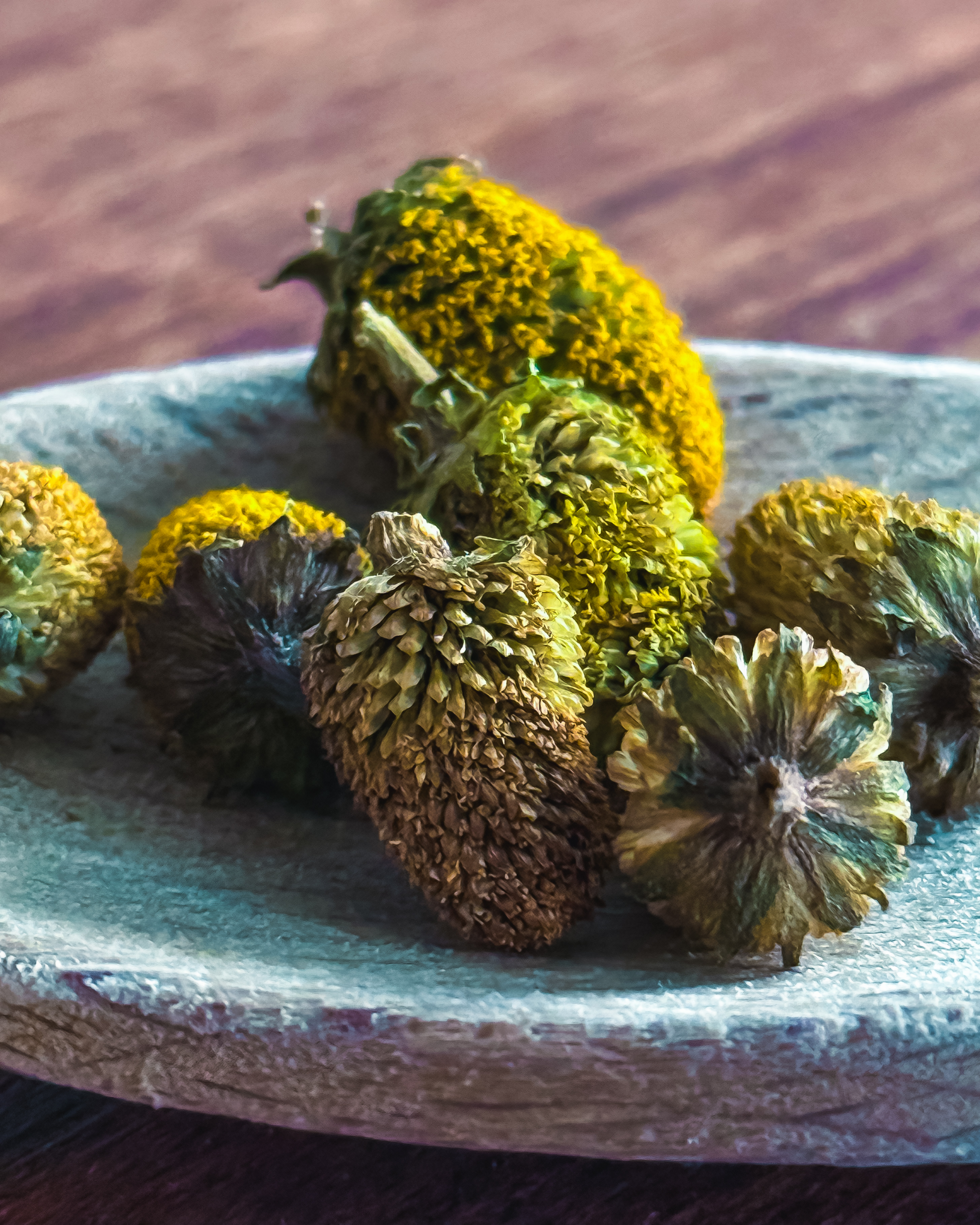
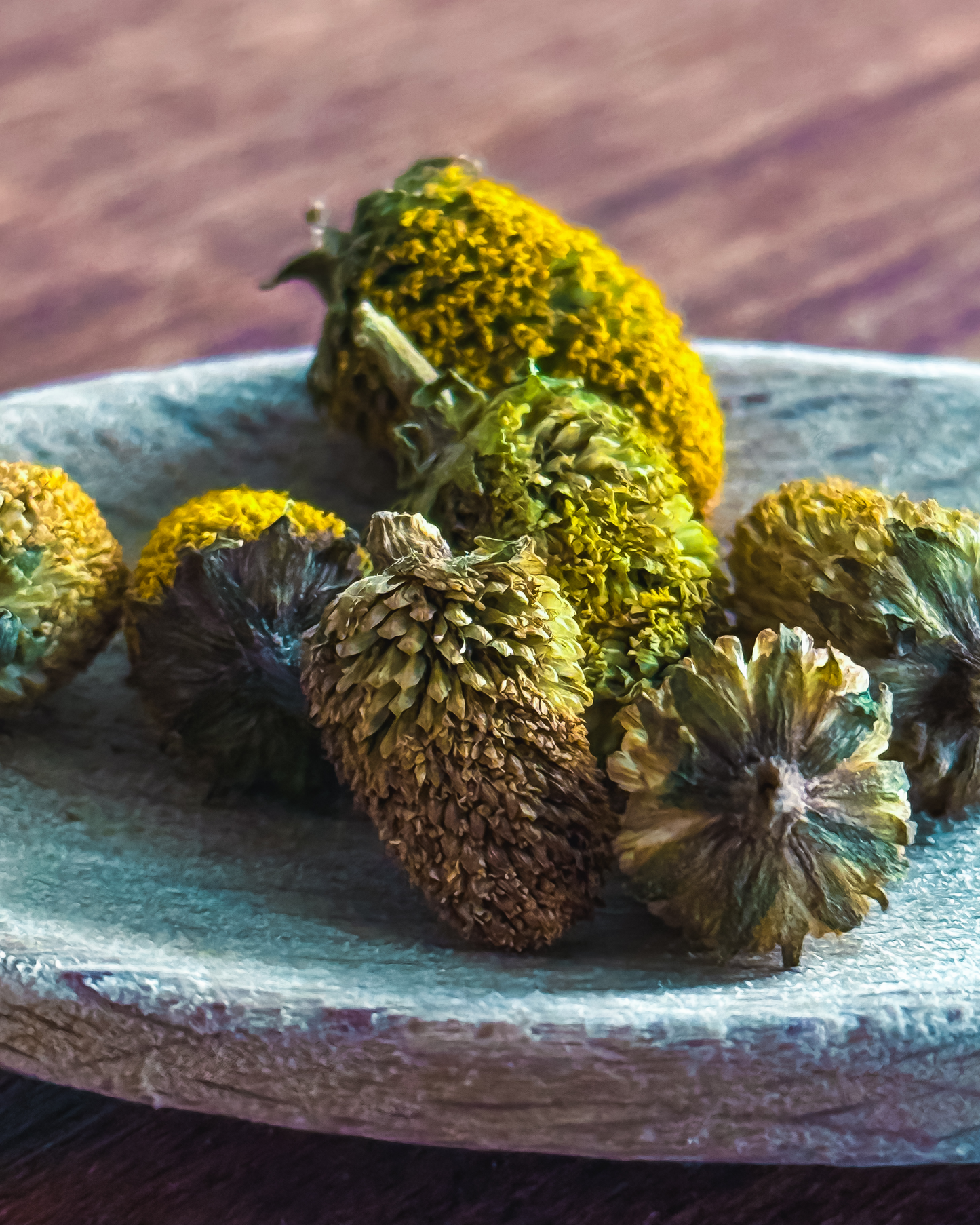
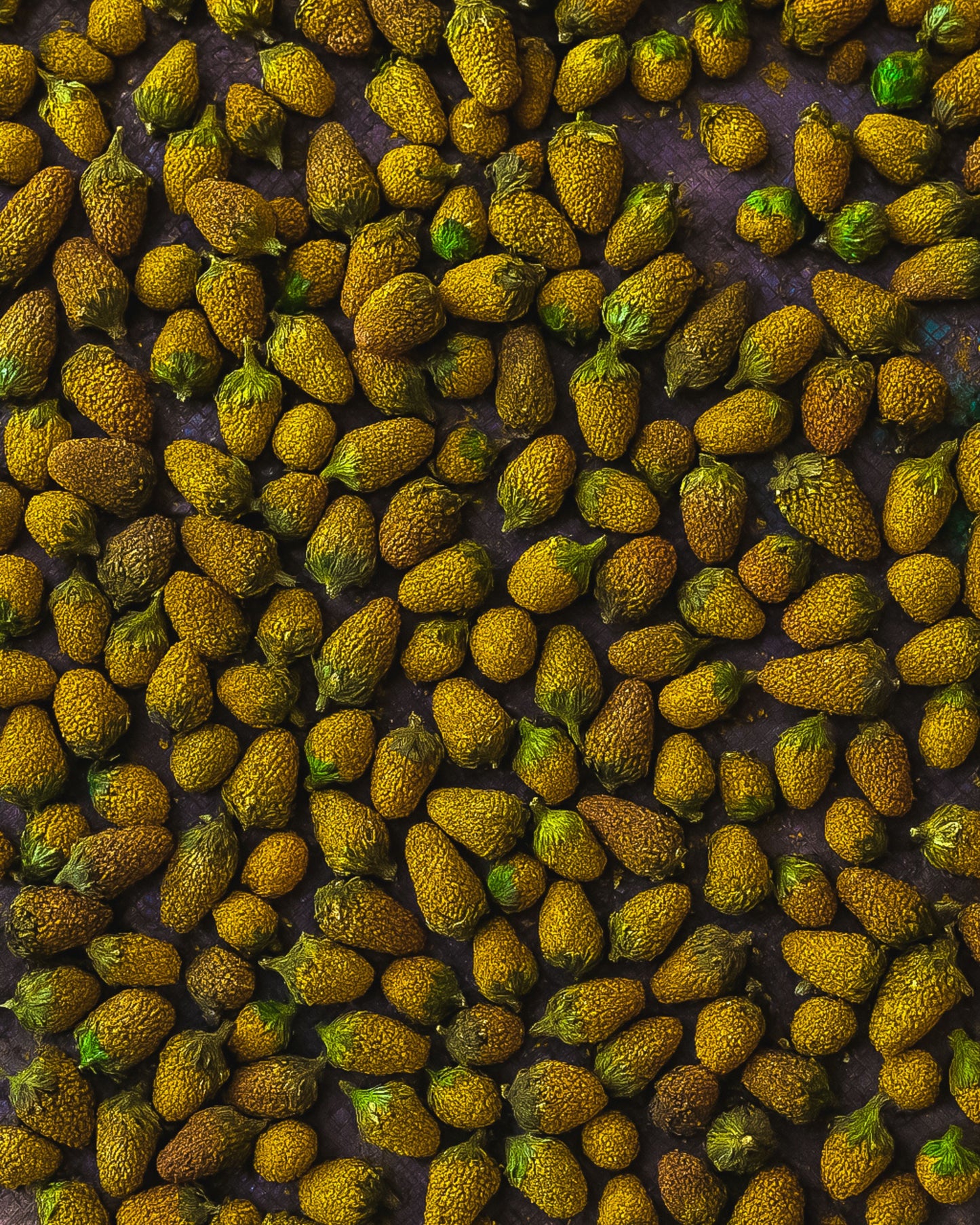
Unlike traditional flowers with large colourful petals, Buzz Buttons develop compact, elongated flower heads with dense yellow florets, a green involucre, and a subtle reddish-brown ring near the tip when mature.
Their unusual appearance makes them instantly recognisable in contemporary cuisine.
Edible Parts of the Plant
Professional chefs primarily use the flower heads, but several parts of the plant are edible.
These include:
- fresh flower heads;
- young leaves;
- tender stems;
- occasionally unopened flower buds.
Each part contributes slightly different characteristics.
The flower heads deliver the strongest sensory experience, while the leaves provide mild herbal flavours suitable for salads and garnishes.
Understanding these differences allows chefs to select the appropriate part of the plant for each dish.
A Delicate Botanical Flavour
Despite their dramatic reputation, Buzz Buttons have a surprisingly gentle flavour.
Fresh flowers are commonly described as offering notes of:
- leafy greens;
- fresh herbs;
- subtle citrus;
- delicate floral tones;
- light earthiness.
These flavours are intentionally understated.
Rather than becoming the dominant ingredient, Buzz Buttons allow surrounding flavours to remain at the centre of the dining experience.
This versatility explains why they pair successfully with both savoury and sweet cuisine.
The Role of Spilanthol
The defining characteristic of Acmella is the naturally occurring compound spilanthol.
Spilanthol is responsible for the flower's distinctive sensory qualities.
When a fresh flower is chewed, the compound interacts with sensory receptors in the mouth, creating:
- gentle tingling;
- light numbing;
- increased salivation;
- heightened awareness of texture;
- a lively, refreshing mouthfeel.
Importantly, this experience is not the same as chilli heat or menthol cooling.
Instead, it creates an entirely different sensory dimension that develops gradually before fading naturally.
For chefs, this opens opportunities to design dishes that engage diners beyond conventional flavour alone.
Why Professional Chefs Use Acmella
The modern dining experience is increasingly multisensory.
Presentation, aroma, texture, and interaction all contribute to how guests remember a meal.
Buzz Buttons support this philosophy because they provide several benefits simultaneously.
They contribute:
- visual impact;
- botanical elegance;
- conversational appeal;
- sensory contrast;
- memorable dining experiences.
Rather than overwhelming dishes, they encourage guests to slow down and notice subtle changes in flavour and texture.
This makes Acmella particularly valuable in tasting menus where each course is designed to offer a distinct experience.
Beyond Decoration
Many edible flowers serve primarily as colourful garnishes.
Acmella is different.
Although visually attractive, its value lies equally in how it interacts with food.
For example:
- creamy burrata may feel even smoother;
- citrus appears brighter;
- chilled desserts seem more refreshing;
- sparkling beverages feel livelier.
These changes arise through perception rather than dramatic flavour alteration.
The flower therefore becomes part of the overall culinary composition rather than simple decoration.
Culinary Applications Across the Menu
One reason chefs value Acmella is its versatility.
It can be incorporated throughout an entire menu.
Examples include:
Starters
- seafood;
- salads;
- carpaccio;
- ceviche.
Main courses
- grilled fish;
- poultry;
- vegetarian dishes;
- seasonal vegetables.
Cheese courses
- burrata;
- goat's cheese;
- artisan cheese boards.
Desserts
- panna cotta;
- sorbet;
- chocolate;
- fresh fruit.
Beverages
- cocktails;
- mocktails;
- botanical infusions;
- sparkling drinks.
Few edible flowers perform successfully across such a broad culinary range.
Using Acmella with Restraint
Perhaps the most important lesson for chefs is that Acmella should rarely become the dominant ingredient.
Its purpose is to enhance the overall composition.
Most professional presentations require only one carefully positioned flower.
This restrained approach ensures that diners experience the flower's unique qualities while remaining focused on the primary ingredients and craftsmanship of the dish.
Inside the Professional Kitchen
Memorable Dining Comes from Balance
Accomplished chefs understand that remarkable dishes rarely depend on a single dramatic ingredient. Instead, they are built through careful balance between flavour, aroma, texture, temperature, presentation, and timing. Buzz Buttons are most effective when they support this balance rather than becoming the centre of attention.

Chapter 2: Choosing High-Quality Buzz Buttons
Exceptional dishes begin with exceptional ingredients. Regardless of culinary skill, the quality of fresh produce has a direct influence on flavour, appearance, and the overall dining experience.
The same principle applies to Acmella oleracea. Selecting high-quality Buzz Buttons is essential for achieving consistent presentation and a reliable sensory experience.
Professional chefs should evaluate freshness, maturity, storage conditions, and supplier standards before introducing the flowers into service.
Fresh Versus Dried
Both fresh and dried Buzz Buttons have valuable roles in the kitchen, but they are suited to different applications.
Fresh flowers are preferred for:
- fine dining plating;
- garnishing cocktails and mocktails;
- salads;
- seafood dishes;
- desserts;
- tasting menus.
They provide the greatest visual impact and the fullest sensory experience.
Dried flowers are better suited for:
- botanical syrups;
- infused vinegars;
- oils;
- teas;
- dessert sauces;
- long-term storage.
Professional kitchens often keep both fresh and dried flowers available to maximise flexibility throughout the year.
Identifying Fresh Flowers
High-quality Buzz Buttons should display:
- vibrant yellow florets;
- elongated cone-shaped flower heads;
- firm structure;
- healthy green involucre;
- fresh, undamaged stems.
Avoid flowers that appear:
- wilted;
- discoloured;
- soft;
- bruised;
- excessively dry.
Freshness affects not only appearance but also the overall culinary experience.
Understanding Flower Maturity
Harvest timing influences both presentation and sensory character.
Flowers harvested too early may be underdeveloped, while overmature flower heads can lose some of their visual appeal.
The ideal flower should be:
- fully formed;
- brightly coloured;
- firm to the touch;
- free from damage.
Consistent maturity creates consistent plating.
Seasonal Availability
Although Acmella oleracea can be cultivated in many climates, availability varies depending on growing conditions and production methods.
Many professional kitchens work with specialist growers or cultivate small quantities themselves to ensure a reliable supply during the growing season.
Drying surplus flowers also helps maintain availability throughout the year without compromising quality for infusions and other preparations.
Working with Trusted Suppliers
Professional kitchens depend on ingredients that are safe, consistent, and suitable for culinary use.
When sourcing Buzz Buttons, chefs should look for suppliers who prioritise:
- careful cultivation;
- food-grade handling;
- freshness;
- traceability;
- reliable quality.
At Madabuzz, this philosophy is central to ingredient selection. Culinary-grade Acmella oleracea is sourced with an emphasis on quality, consistency, and careful handling, helping chefs access flowers suitable for professional kitchens, innovative menu development, and refined presentation.
Inside the Professional Kitchen
Quality Begins Before Cooking
No amount of culinary skill can compensate for poor-quality ingredients. Carefully selected, fresh Buzz Buttons provide the colour, structure, and sensory qualities needed to elevate dishes while maintaining the high standards expected in professional kitchens.
Chapter 3: Preparation Techniques
Professional chefs understand that every ingredient can be transformed through preparation. Acmella oleracea is no exception. While its flower heads are instantly recognisable as edible garnishes, they can also be infused, preserved, chopped, dried, or incorporated into a variety of culinary preparations.
The chosen technique should always support the overall concept of the dish. Acmella is not an ingredient that requires elaborate processing to be effective. Instead, careful handling helps preserve its appearance, freshness, and distinctive sensory qualities.
Receiving Fresh Buzz Buttons
Preparation begins long before service.
When fresh Buzz Buttons arrive in the kitchen, inspect them immediately for quality.
Look for:
- firm flower heads;
- vibrant yellow florets;
- healthy green involucres;
- fresh green stems;
- freedom from bruising or discolouration.
Remove any damaged flowers before storing them.
Maintaining high standards from the outset ensures consistency throughout service.
Washing and Cleaning
As with all edible flowers, Buzz Buttons should be handled gently.
To prepare them:
- Rinse briefly in cold, clean water.
- Remove any visible debris.
- Drain carefully.
- Pat dry using absorbent kitchen paper or allow them to air dry on clean towels.
Excessive soaking should be avoided because prolonged contact with water may affect both appearance and texture.
Trimming
The length of stem retained depends on how the flowers will be used.
For fine dining plating, many chefs trim the stem almost completely so the flower head appears to sit naturally on the dish.
Longer stems may be retained for:
- cocktail garnishes;
- tasting menu presentations;
- botanical displays.
Uniform trimming also contributes to consistency across multiple plates.
Using Whole Flower Heads
Whole flowers remain the most popular presentation.
They provide:
- immediate visual impact;
- architectural height;
- natural colour contrast;
- a complete sensory experience.
Whole flowers work particularly well with:
- seafood;
- salads;
- desserts;
- artisan cheese;
- botanical beverages.
Because each flower forms a natural focal point, one carefully positioned flower is usually sufficient.
Sliced Flowers
Although less common, sliced flower heads can introduce subtle botanical detail across larger dishes.
Thin slices may be used to garnish:
- carpaccio;
- ceviche;
- salads;
- butter preparations;
- compound oils.
Slicing distributes the flower throughout the dish while maintaining visual interest.
Using the Leaves
The leaves of Acmella oleracea are often overlooked.
They possess a mild herbal flavour that complements:
- mixed salads;
- sandwiches;
- herb garnishes;
- vegetable dishes;
- grain bowls.
Young leaves are generally preferred because of their tender texture.
Botanical Infusions
Professional kitchens increasingly use botanical infusions to introduce delicate flavours without adding unnecessary complexity.
Buzz Buttons can be infused into:
- simple syrups;
- vinegars;
- oils;
- teas;
- cream;
- milk.
These preparations allow chefs to explore the plant's culinary character beyond whole flowers.
Creating Syrups
Infused syrups provide versatility throughout both kitchen and bar.
They can be incorporated into:
- desserts;
- cocktails;
- mocktails;
- fruit salads;
- glazes.
The syrup acts as a subtle supporting ingredient rather than becoming the dominant flavour.
Oils and Vinegars
Cold infusions in quality oils or vinegars provide opportunities for elegant finishing touches.
Examples include:
- herb vinaigrettes;
- seafood dressings;
- salad emulsions;
- vegetable marinades.
These preparations introduce botanical complexity while maintaining balance.
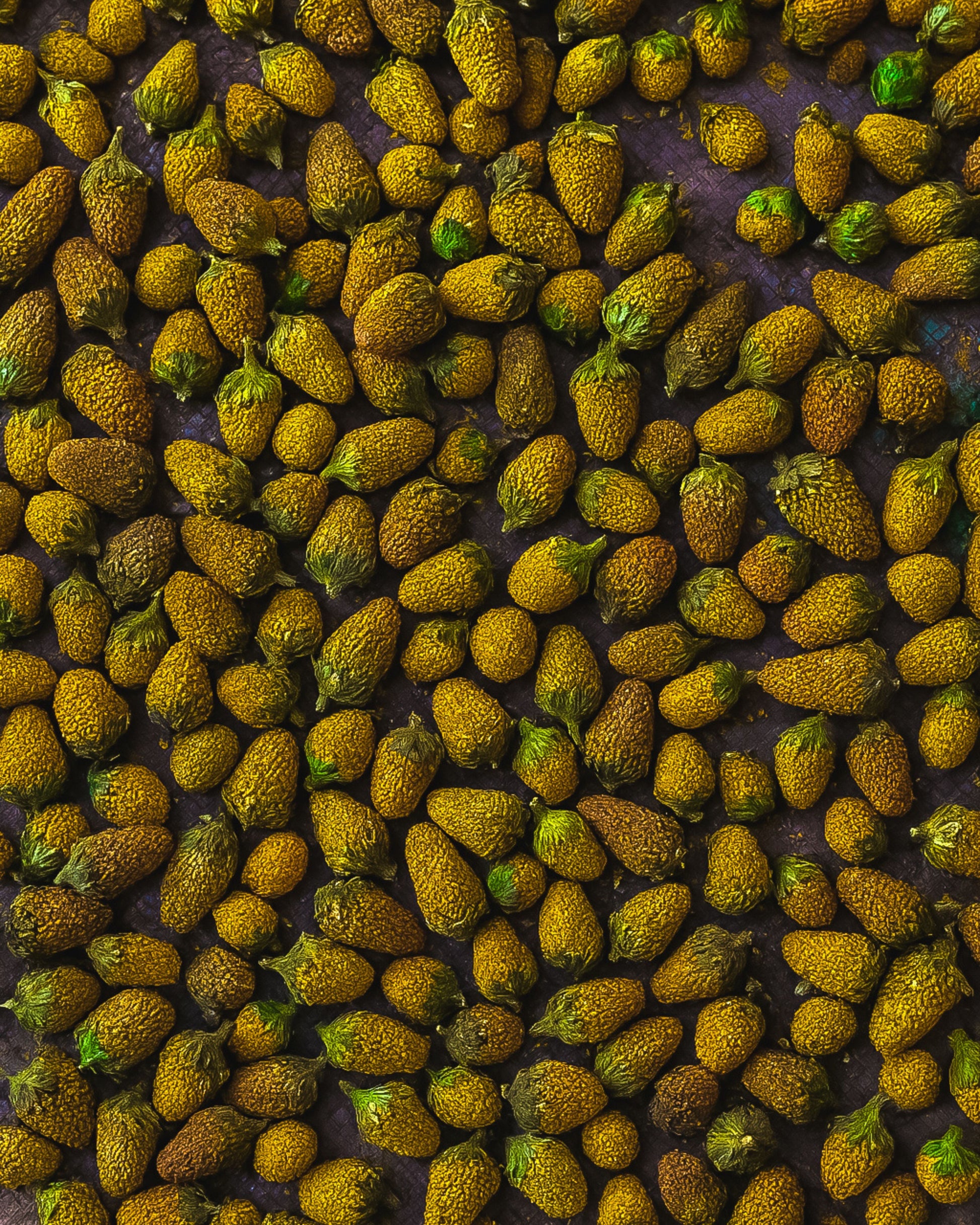
Drying for Long-Term Use
Drying extends the usefulness of Buzz Buttons beyond the growing season.
Properly dried flowers are valuable for:
- infusions;
- teas;
- syrups;
- decorative garnishes;
- culinary experimentation.
Store dried flowers in airtight containers away from light and moisture to preserve quality.
Inside the Professional Kitchen
Preparation Should Preserve, Not Complicate
Exceptional ingredients rarely require excessive manipulation. Simple preparation techniques allow Buzz Buttons to retain their natural appearance while giving chefs flexibility across a wide variety of culinary applications.
Chapter 4: Understanding Flavour Pairing
Successful chefs think beyond individual ingredients. Every dish is built around relationships between flavour, texture, aroma, temperature, and presentation.
Because Buzz Buttons influence perception as well as taste, understanding these relationships is essential for creating balanced dishes.
Sweetness Creates Contrast
Sweet ingredients soften the flower's lively sensory qualities.
This explains why Buzz Buttons pair naturally with:
- tropical fruit;
- berries;
- honey;
- vanilla;
- white chocolate.
Rather than reducing the experience, sweetness allows it to develop gradually.
Acidity Adds Brightness
Acidic ingredients reinforce freshness.
Excellent companions include:
- lemon;
- lime;
- grapefruit;
- tomatoes;
- passion fruit;
- pineapple.
These combinations produce clean, vibrant flavour profiles suitable for both savoury and sweet dishes.
Fat Brings Harmony
Creamy ingredients provide balance.
Examples include:
- burrata;
- ricotta;
- avocado;
- mascarpone;
- yoghurt;
- butter.
Their richness creates contrast while allowing the Buzz Button experience to remain enjoyable.
Umami Supports Complexity
Umami-rich foods add depth without overwhelming delicate botanical flavours.
Suitable partners include:
- Parmesan;
- mushrooms;
- tomatoes;
- seafood;
- cured meats.
These ingredients provide savoury complexity while preserving balance.
Aroma Completes the Experience
Fragrant herbs reinforce the botanical qualities of Acmella.
Professional favourites include:
- basil;
- mint;
- dill;
- coriander;
- lemon verbena;
- chives.
The goal is harmony rather than intensity.
Texture Creates Interest
Buzz Buttons encourage diners to notice texture more clearly.
Successful dishes often combine:
- crisp vegetables;
- creamy cheeses;
- toasted nuts;
- silky sauces;
- crunchy seeds.
Each element contributes to a layered dining experience.
Temperature Changes Perception
Temperature significantly influences sensory perception.
Cold dishes such as:
- oysters;
- ceviche;
- sorbet;
- salads.
allow the tingling sensation to develop gradually.
Warm dishes create a different progression, where gentle heat is followed by the flower's refreshing character.
Both approaches are effective when thoughtfully balanced.
Less Is Often More
Perhaps the most valuable pairing principle is restraint.
Professional chefs seldom use more than one Buzz Button flower per serving.
This ensures the ingredient enhances rather than dominates the plate.
Inside the Professional Kitchen
Pair Every Ingredient with Intention
Every component should have a clear purpose. Buzz Buttons work best when they reinforce flavour balance, improve presentation, and create a memorable sensory experience without distracting from the chef's core vision.
Chapter 5: Using Acmella Across the Menu
One of the greatest strengths of Acmella oleracea is its versatility.
Unlike many speciality ingredients that suit only one course, Buzz Buttons can appear throughout an entire menu while serving different culinary roles.
Appetisers
The freshness of appetisers makes them ideal for introducing Buzz Buttons.
Popular applications include:
- oysters;
- ceviche;
- carpaccio;
- tartare;
- seasonal salads.
The flower creates an immediate sense of anticipation for the meal ahead.
Salads
Buzz Buttons pair beautifully with seasonal vegetables and artisan cheeses.
Excellent combinations include:
- burrata and tomatoes;
- beetroot and goat's cheese;
- avocado and citrus;
- strawberries and spinach.
Fresh herbs complete the presentation.
Seafood
Seafood remains one of Acmella's strongest culinary partners.
Suitable dishes include:
- scallops;
- prawns;
- lobster;
- salmon;
- tuna;
- crab.
The flowers enhance freshness while preserving the natural flavour of the seafood.
Poultry
Chicken and duck provide gentle flavours that allow Buzz Buttons to remain noticeable.
Accompany with:
- citrus;
- herbs;
- seasonal vegetables.
Meat
Lighter meat preparations work best.
Examples include:
- beef carpaccio;
- herb-crusted lamb;
- roast pork with apple;
- duck breast with berries.
Heavy sauces should be used sparingly.
Vegetarian Cuisine
Vegetable-forward cooking provides many opportunities.
Buzz Buttons complement:
- roasted vegetables;
- grain bowls;
- risotto;
- mushroom dishes;
- seasonal tasting menus.
Vegan Cuisine
Plant-based menus benefit from ingredients that create excitement without relying on animal products.
Buzz Buttons pair particularly well with:
- avocado;
- roasted squash;
- legumes;
- grilled vegetables;
- tropical fruit.
Cheese Courses
Artisan cheeses become more memorable when paired thoughtfully.
Excellent companions include:
- Brie;
- Camembert;
- goat's cheese;
- burrata;
- Parmesan.
Fresh fruit and nuts complete the plate.
Desserts
Buzz Buttons have become increasingly popular in pastry kitchens.
Successful combinations include:
- panna cotta;
- sorbet;
- cheesecake;
- chocolate mousse;
- fruit tarts.
Their sensory qualities provide an elegant conclusion to a meal.
Cocktails
Modern mixologists frequently use Buzz Buttons in:
- botanical spritzes;
- gin cocktails;
- tropical drinks;
- sparkling serves.
Their visual appeal and distinctive mouthfeel create memorable experiences.
Mocktails
Alcohol-free drinks benefit equally.
Pair Buzz Buttons with:
- citrus;
- herbs;
- sparkling water;
- botanical syrups;
- fresh fruit.
The result is sophisticated refreshment suitable for every guest.
Inside the Professional Kitchen
Think About the Entire Menu
Buzz Buttons should not be limited to one signature dish. Used thoughtfully, they can appear across multiple courses while contributing something different to each, creating a consistent botanical theme without becoming repetitive.
Chapter 6: Fine Dining Plating
In contemporary fine dining, presentation is far more than decoration. Every element on the plate should have a purpose, contributing to flavour, texture, aroma, or the overall dining experience. Acmella (Acmella oleracea) naturally fits this philosophy because it combines visual elegance with a distinctive sensory dimension.
Professional chefs understand that successful plating begins with restraint. Rather than filling every available space, they carefully compose dishes that encourage the eye to focus on the principal ingredient.
Buzz Buttons work best when they become part of this composition rather than its centrepiece.
Creating a Natural Focal Point
Every plate should have one clear point of attention.
This might be:
- a perfectly cooked scallop;
- a beautifully glazed duck breast;
- an artisan burrata;
- an elegant dessert.
Buzz Buttons should support this focal point by drawing the eye naturally towards it.
A single flower positioned thoughtfully often creates greater impact than several scattered across the plate.
Working with Colour
Colour influences first impressions before the first bite.
The bright yellow flower heads contrast beautifully with many ingredients, including:
- dark chocolate;
- vibrant berries;
- leafy greens;
- creamy white cheeses;
- pink seafood;
- roasted vegetables.
Professional chefs often repeat colours throughout the plate to create visual harmony.
Using Negative Space
Modern plating frequently embraces simplicity.
Negative space allows each ingredient to stand out while giving the dish an elegant, uncluttered appearance.
Buzz Buttons work particularly well within minimalist presentations where their distinctive shape immediately attracts attention.
Texture on the Plate
Great plating combines different textures.
Examples include:
- silky purées;
- crisp tuile biscuits;
- toasted seeds;
- crunchy nuts;
- delicate edible flowers.
Buzz Buttons contribute both visual texture and a unique sensory experience.
Pairing with Micro Herbs
Micro herbs reinforce the botanical character of Acmella.
Popular choices include:
- basil cress;
- pea shoots;
- dill tips;
- micro coriander;
- lemon balm.
Together they create refined botanical presentations without overwhelming the dish.
Sauce Placement
Professional chefs rarely flood plates with sauce.
Instead they use:
- delicate brush strokes;
- small pools;
- dots;
- emulsions.
These techniques create movement while preserving the clean presentation that suits Buzz Buttons so well.
Inside the Professional Kitchen
Simplicity Demonstrates Confidence
The most memorable plates are rarely the most complicated. Careful placement, balanced colours, and thoughtful restraint allow every ingredient, including Buzz Buttons, to contribute meaningfully to the dining experience.
Chapter 7: Acmella in Molecular Gastronomy
Modern gastronomy often combines culinary tradition with scientific understanding.
Buzz Buttons are particularly suited to this style of cooking because their naturally occurring sensory properties complement innovative preparation techniques.
Rather than relying on novelty, molecular gastronomy aims to create new textures, temperatures, and presentations while respecting flavour balance.
Botanical Foams
Light foams introduce aroma without excessive richness.
Buzz Buttons pair well with foams made from:
- citrus;
- herbs;
- shellfish stock;
- yoghurt;
- tropical fruit.
The foam acts as a delicate companion rather than competing with the flower.
Gels and Purées
Smooth gels create visual precision while adding concentrated flavour.
Suitable combinations include:
- mango gel;
- lemon gel;
- beetroot purée;
- pea purée;
- berry gel.
These preparations allow the flower to remain the visual focal point.
Botanical Spheres
Spherification creates elegant bursts of flavour.
Buzz Buttons can accompany spheres containing:
- passion fruit;
- yuzu;
- balsamic vinegar;
- citrus juices;
- herbal infusions.
The interaction between the bursting sphere and the flower creates an engaging multisensory experience.
Freeze-Dried Ingredients
Freeze-dried fruits and herbs contribute crisp texture without introducing unnecessary moisture.
Examples include:
- raspberries;
- strawberries;
- citrus zest;
- herb powders.
These elements complement the fresh flower beautifully.
Liquid Nitrogen Applications
Liquid nitrogen is sometimes used to produce dramatic frozen textures.
When used safely by trained professionals, it can create:
- frozen herbs;
- crisp fruit;
- chilled botanical garnishes.
Buzz Buttons are typically added after freezing to preserve their appearance.
Botanical Tasting Menus
Many chefs now incorporate edible flowers throughout tasting menus.
Buzz Buttons may appear in:
- seafood courses;
- palate cleansers;
- desserts;
- botanical cocktails.
Used thoughtfully, they provide continuity while allowing each course to remain distinctive.
Inside the Professional Kitchen
Technique Should Never Replace Flavour
Innovative cooking techniques are most successful when they support exceptional ingredients. Buzz Buttons should enhance creativity while allowing flavour and balance to remain the primary focus.
Chapter 8: Seasonal Menu Planning
Seasonal cooking encourages chefs to use ingredients when they are naturally at their best.
Buzz Buttons complement this philosophy because they pair beautifully with fresh produce throughout the year.
Spring
Fresh spring ingredients include:
- asparagus;
- peas;
- radishes;
- herbs;
- goat's cheese.
Buzz Buttons add freshness and visual contrast to these light dishes.
Summer
Summer offers abundant opportunities.
Pair Buzz Buttons with:
- tomatoes;
- strawberries;
- peaches;
- watermelon;
- seafood;
- fresh salads.
The flower's lively character naturally complements warm-weather menus.
Autumn
Autumn dishes often feature richer ingredients balanced by seasonal fruit.
Suitable companions include:
- squash;
- beetroot;
- pears;
- mushrooms;
- walnuts.
Buzz Buttons provide freshness that prevents heavier dishes from feeling overwhelming.
Winter
During winter, preserved preparations become especially valuable.
Use dried Buzz Buttons in:
- syrups;
- botanical teas;
- infused vinegars;
- dessert sauces.
These preparations extend the ingredient's usefulness beyond the growing season.
Inside the Professional Kitchen
Build Menus Around Seasonal Produce
Seasonal ingredients generally provide better flavour, colour, and texture. Buzz Buttons complement fresh produce throughout the year while supporting sustainable menu development.
Chapter 9: Sustainability in Professional Kitchens
Sustainability has become an important consideration in modern hospitality.
Responsible ingredient sourcing benefits chefs, suppliers, diners, and the environment.
Buzz Buttons fit naturally within this approach.
Source Responsibly
Choose suppliers who prioritise:
- food-grade production;
- careful harvesting;
- consistent quality;
- responsible cultivation.
Reliable sourcing helps maintain professional standards.
Grow Fresh Flowers
Many restaurants cultivate herbs and edible flowers on-site.
Growing small quantities of Acmella provides:
- exceptional freshness;
- reduced transport;
- seasonal availability.
Reduce Waste
Every usable part of the plant should be considered.
Fresh flowers garnish dishes.
Leaves can enhance salads.
Surplus flowers can be dried for future culinary applications.
Preserve the Harvest
Drying flowers creates ingredients suitable for:
- teas;
- syrups;
- oils;
- vinegars.
This extends usability while reducing waste.
Support Biodiversity
When grown outdoors, Acmella flowers provide nectar for pollinating insects.
Incorporating flowering plants into kitchen gardens supports biodiversity alongside culinary production.
Inside the Professional Kitchen
Sustainability Begins with Small Decisions
Thoughtful sourcing, careful storage, and responsible use of ingredients help professional kitchens reduce waste while maintaining exceptional quality.
Chapter 10: Common Mistakes
Even exceptional ingredients can disappoint when used incorrectly.
Understanding common mistakes helps chefs avoid unnecessary problems.
Using Too Many Flowers
One flower per portion is usually sufficient.
Excessive quantities can distract from the overall dish.
Ignoring Balance
Buzz Buttons should support the main ingredient rather than dominate it.
Poor Storage
Improper refrigeration quickly reduces freshness and presentation quality.
Overcrowded Plates
Adding numerous edible flowers, herbs, and garnishes can reduce visual clarity.
Competing Flavours
Strong chilli, excessive garlic, or overpowering spices may mask the subtle botanical qualities of Acmella.
Inconsistent Quality
Using flowers of mixed maturity or appearance reduces consistency across service.
Inside the Professional Kitchen
Precision Creates Consistency
Professional cooking depends on repeatable standards. Careful sourcing, preparation, and plating ensure every guest receives the same high-quality experience.
Chapter 11: The Future of Botanical Cuisine
Edible flowers have become an increasingly important part of contemporary gastronomy.
Rather than serving purely decorative purposes, they are now valued for the flavour, aroma, colour, and sensory experiences they contribute.
Acmella oleracea represents this evolution particularly well.
Plant-Forward Dining
Many chefs are exploring menus that celebrate botanical diversity through:
- herbs;
- edible flowers;
- seasonal vegetables;
- locally grown produce.
Buzz Buttons naturally complement these approaches.
Experiential Dining
Modern restaurants increasingly design meals that engage multiple senses.
Buzz Buttons contribute to this trend by combining visual appeal with a distinctive mouthfeel that encourages diners to interact more closely with each course.
Sustainable Innovation
Future culinary development is likely to continue emphasising:
- seasonal ingredients;
- local sourcing;
- reduced waste;
- responsible cultivation.
Edible flowers such as Acmella align well with these principles.
Education and Culinary Creativity
As more chefs become familiar with Acmella, its use is expanding beyond cocktails into seafood, desserts, tasting menus, and botanical cuisine.
Ongoing experimentation continues to reveal new opportunities while reinforcing the importance of balance and thoughtful preparation.
Inside the Professional Kitchen
Innovation Begins with Understanding
The finest culinary innovations are rooted in a deep understanding of ingredients. Acmella rewards chefs who approach it with curiosity, precision, and respect for flavour balance.
Conclusion
Acmella oleracea has earned its place in contemporary professional kitchens by offering far more than visual appeal. Its distinctive combination of botanical freshness, elegant presentation, and naturally occurring spilanthol creates opportunities for chefs to design memorable dining experiences that engage multiple senses without overshadowing the primary ingredients.
From seafood and seasonal salads to artisan cheeses, desserts, and botanical beverages, Buzz Buttons demonstrate remarkable versatility when used with care and restraint. Success depends on selecting high-quality flowers, understanding flavour relationships, applying thoughtful preparation techniques, and integrating the ingredient naturally into the overall menu.
As modern gastronomy continues to embrace sustainability, botanical diversity, and experiential dining, Acmella provides chefs with an ingredient that reflects all three principles. Used with precision and creativity, it becomes more than a garnish. It becomes a refined culinary tool that enhances flavour, presentation, and the overall enjoyment of exceptional food.
Frequently Asked Questions
How do professional chefs use Buzz Buttons?
Chefs use Buzz Buttons as edible garnishes, in botanical infusions, syrups, tasting menus, cocktails, mocktails, seafood dishes, salads, and desserts to add visual appeal and a distinctive sensory experience.
Can Acmella oleracea be cooked?
Yes. While fresh flowers are commonly added just before serving, the plant can also be used in infusions, syrups, oils, vinegars, and other culinary preparations.
Which dishes work best with Buzz Buttons?
They pair particularly well with seafood, artisan cheeses, seasonal salads, tropical fruit, chocolate desserts, botanical drinks, and fine dining tasting menus.
Are the leaves edible?
Yes. Young leaves have a mild herbal flavour and can be used in salads, sandwiches, herb mixes, and vegetable dishes.
How should fresh Buzz Buttons be stored?
Store them refrigerated in breathable containers or lightly covered trays. Avoid excessive moisture and use them while they are fresh for the best appearance and culinary quality.
How many Buzz Button flowers should be served?
One flower per serving is generally sufficient to provide both visual impact and the characteristic tingling sensation.
Which ingredients pair best with Acmella?
Excellent pairings include citrus fruits, berries, tropical fruit, seafood, burrata, goat's cheese, yoghurt, basil, mint, avocado, and white chocolate.
Why is Acmella becoming popular in fine dining?
Its ability to combine visual elegance with a unique sensory experience makes it well suited to modern tasting menus, botanical cuisine, and innovative food presentation.