

Edible Flowers Guide: Types, Uses, Safety, and Culinary Inspiration
Flowers have been used in cooking for centuries, adding vibrant color, delicate flavors, and visual elegance to dishes around the world. Today, edible flowers are experiencing a renaissance as chefs, mixologists, bakers, and home cooks discover their ability to transform ordinary meals into memorable culinary experiences.
From colorful garnishes to botanical cocktails, edible flowers offer far more than decoration. Different varieties contribute unique flavors, aromas, textures, and even sensory experiences that elevate modern cuisine.
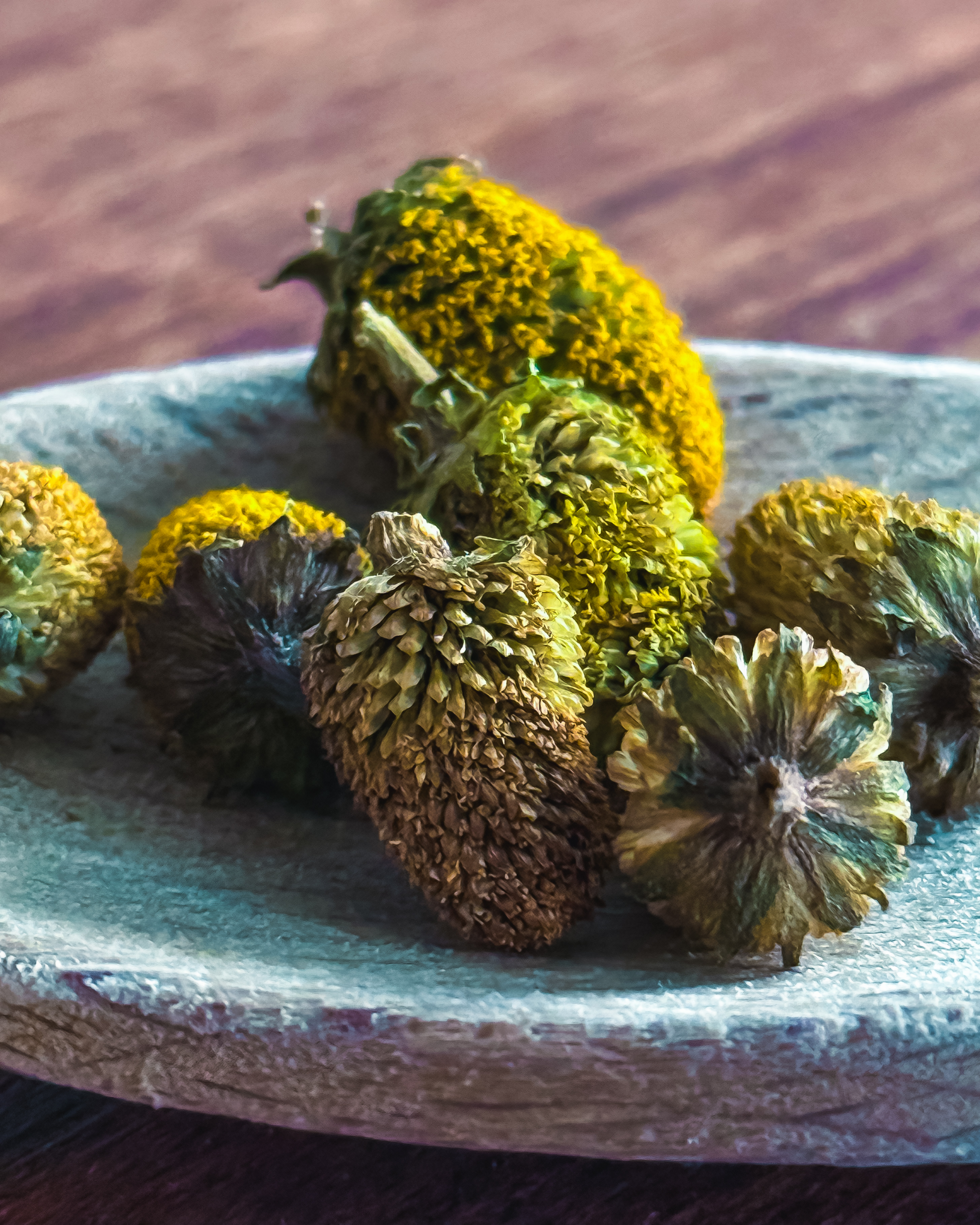
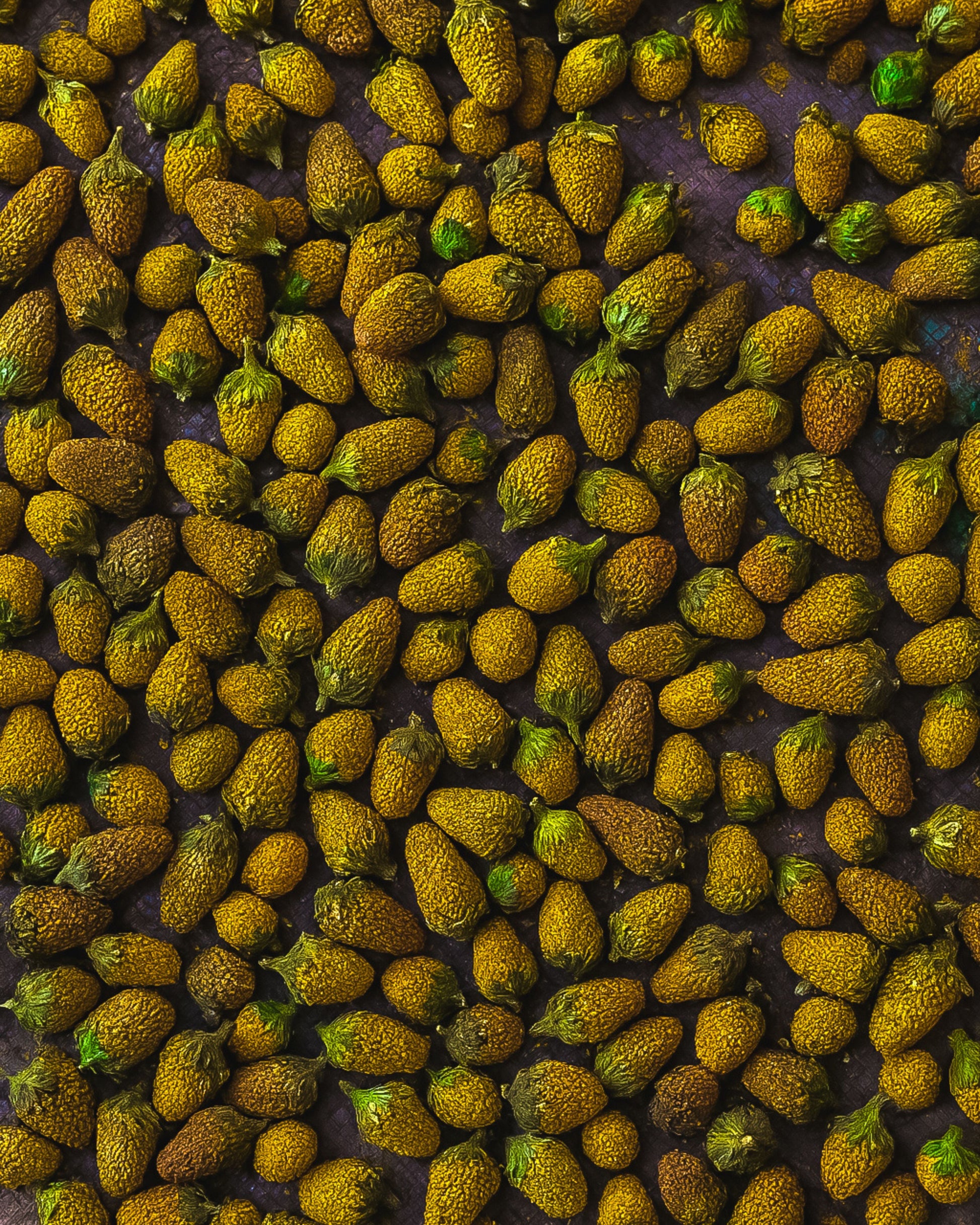
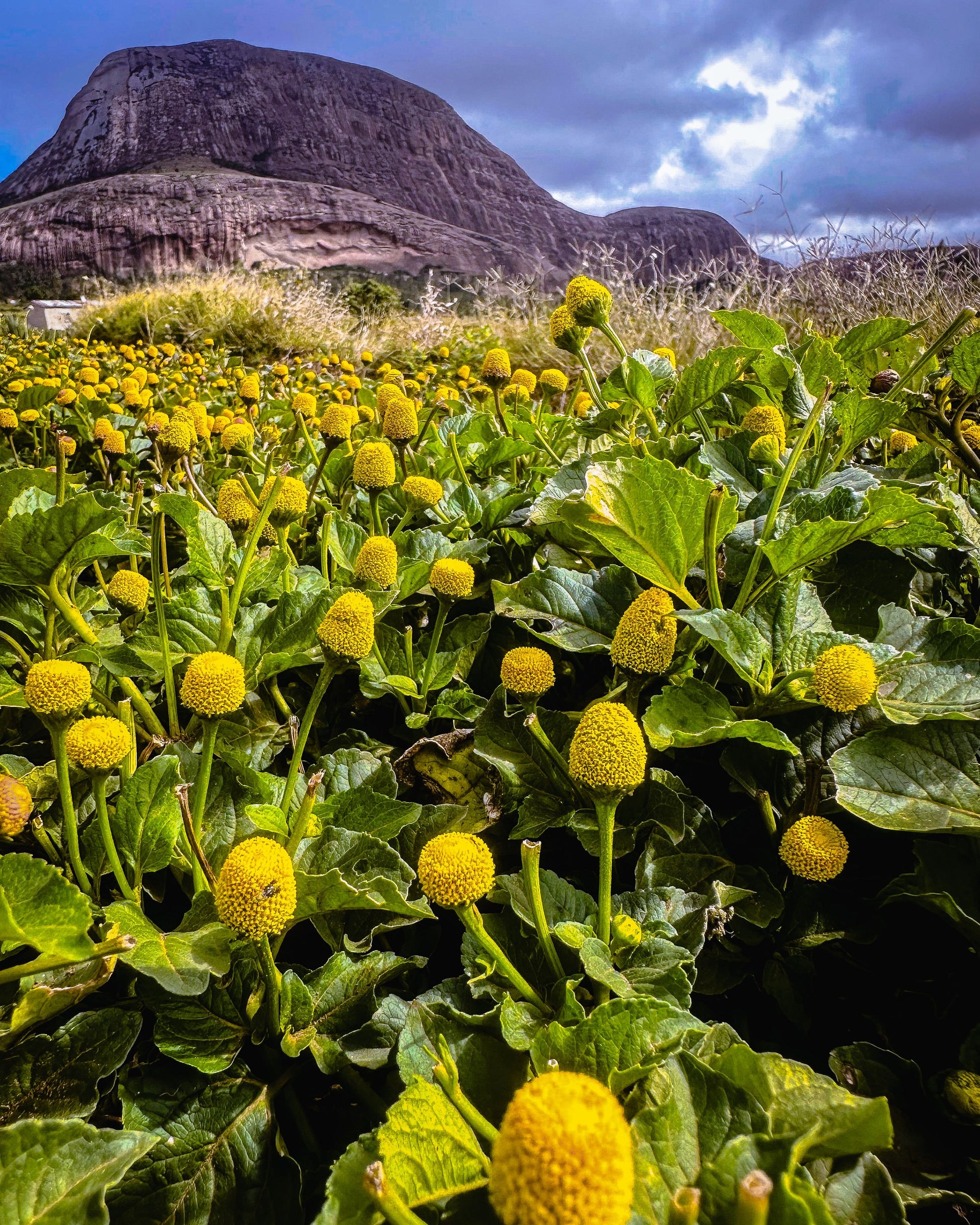
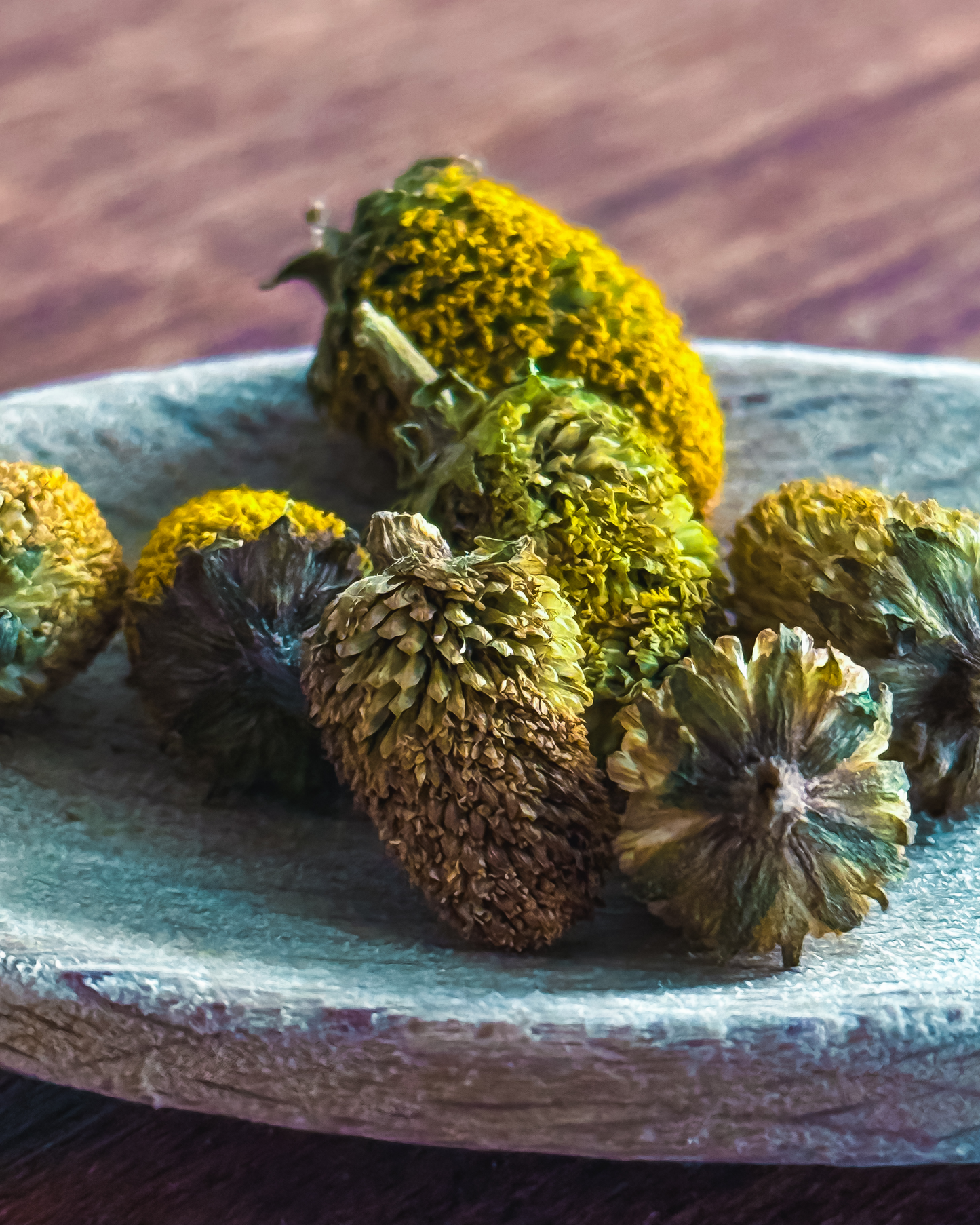
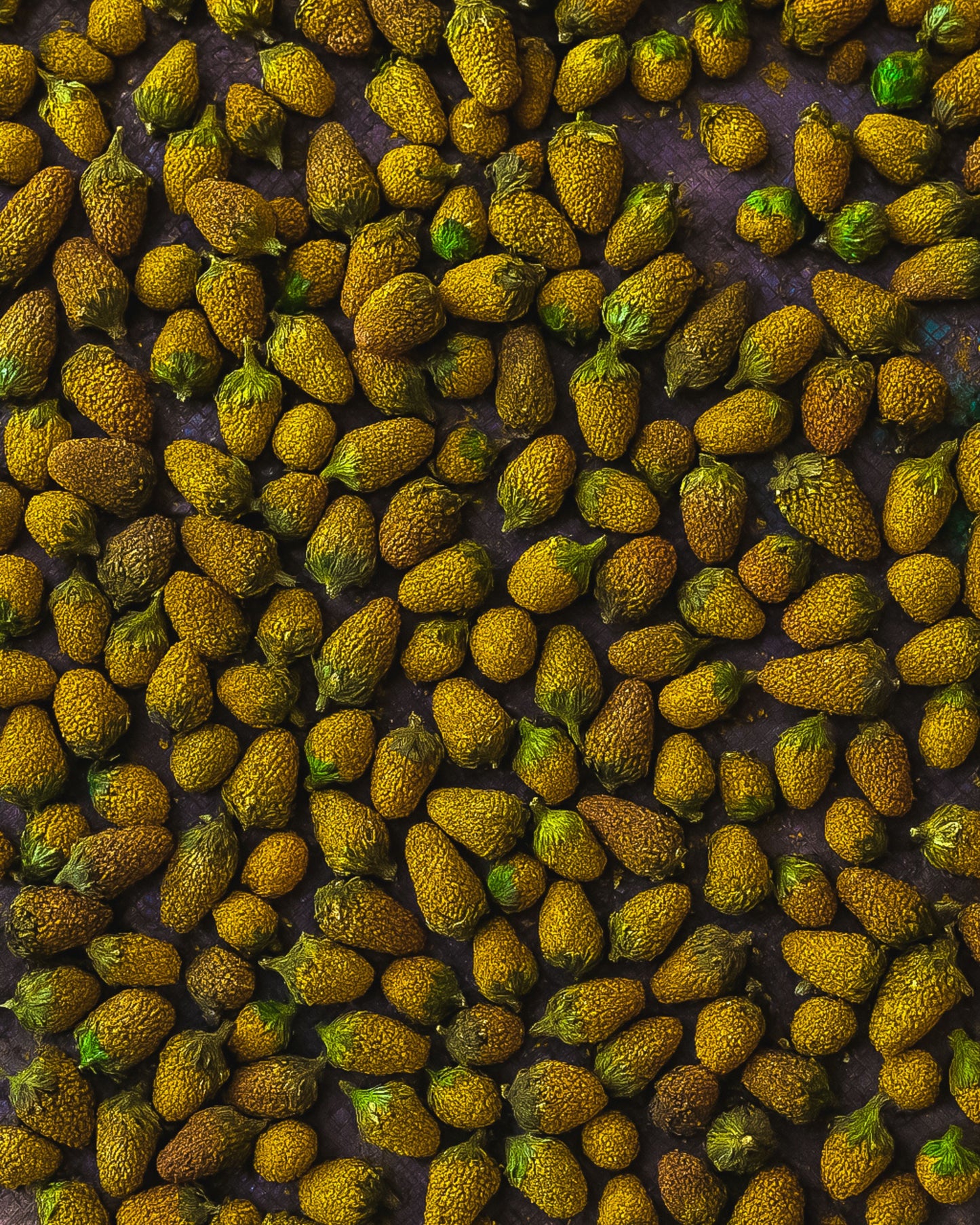
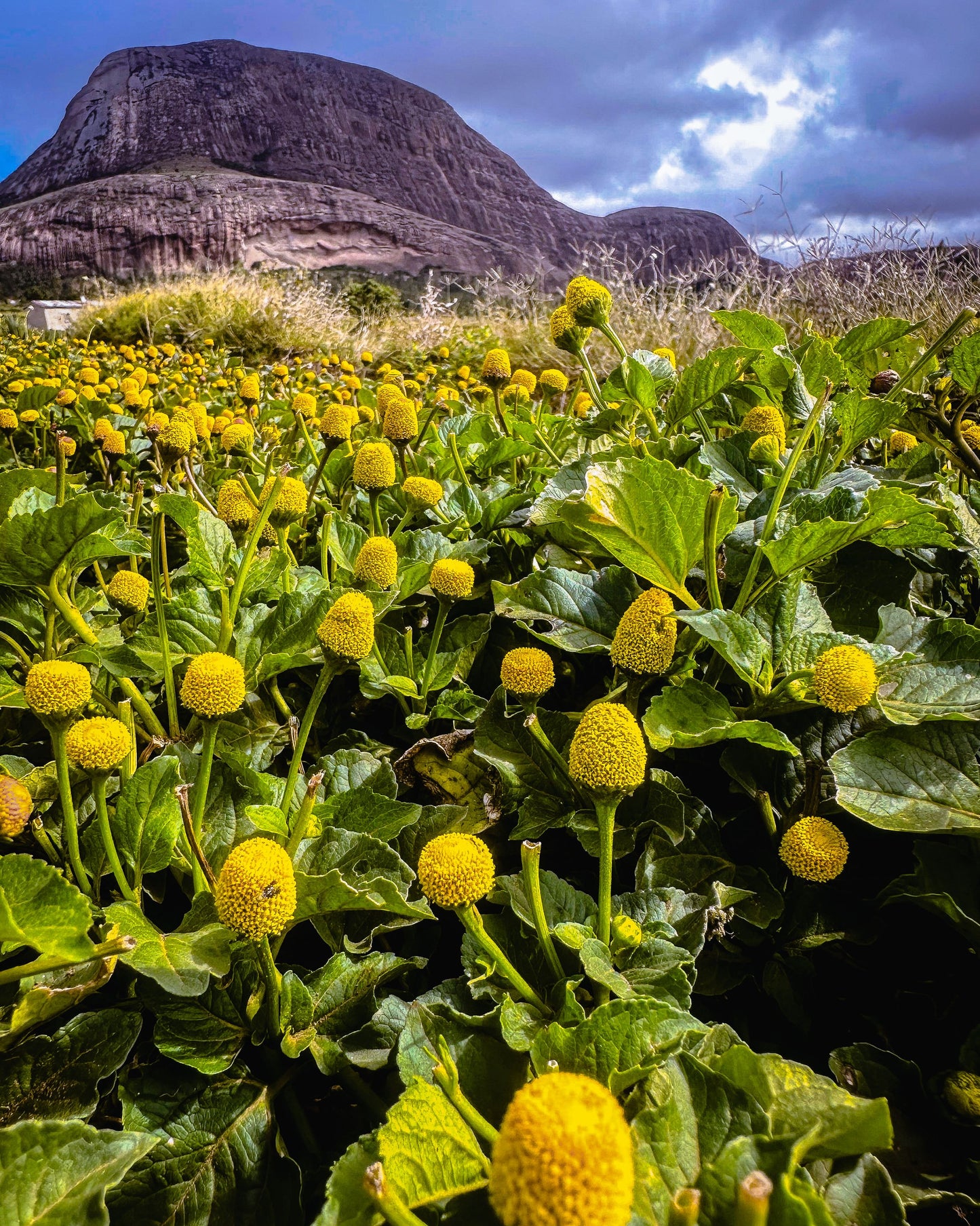
One of the most fascinating examples is the Buzz Button (Acmella oleracea), an edible flower known for creating a distinctive tingling sensation in the mouth. While most edible flowers are appreciated for their appearance or subtle taste, Buzz Buttons demonstrate how flowers can engage multiple senses at once.
Whether you're curious about cooking with flowers or simply want to learn which blooms are safe to eat, this guide explores the essentials of edible flowers and their growing role in contemporary gastronomy.
What Are Edible Flowers?
Edible flowers are blossoms that are safe for human consumption when grown specifically for culinary use.
Unlike ornamental flowers grown for decoration, edible flowers are cultivated with food safety in mind. They are typically free from pesticides and other chemicals that are unsuitable for consumption.
Throughout history, many cultures have incorporated edible flowers into traditional cuisine, using them to add:
- natural color;
- delicate fragrance;
- subtle flavor;
- texture;
- visual appeal.
Today, edible flowers continue to inspire chefs seeking ingredients that are both beautiful and functional.
Why Are Edible Flowers Becoming More Popular?
Modern dining increasingly focuses on the complete sensory experience rather than taste alone.
Presentation has become almost as important as flavor, especially in fine dining, artisan baking, and craft mixology.
Edible flowers help create dishes that are:
- visually striking;
- naturally colorful;
- seasonally inspired;
- memorable;
- conversation starters.
Social media has also played a significant role, encouraging chefs and home cooks alike to experiment with colorful botanical ingredients that photograph beautifully.
Popular Edible Flowers
Hundreds of flowers are considered edible, each offering its own unique characteristics.
Some of the most popular include:
Nasturtiums
Known for their bright orange, yellow, and red blooms, nasturtiums have a peppery flavor that pairs well with salads and savory dishes.
Pansies and Violas
These delicate flowers provide mild floral notes and are frequently used to decorate desserts, cakes, and cocktails.
Calendula
Often called "poor man's saffron," calendula petals add vibrant color and a slightly peppery taste to soups, rice dishes, and baked goods.
Lavender
Lavender contributes a distinctive floral aroma and is commonly used in baking, teas, syrups, and desserts.
Borage
Borage flowers have a refreshing cucumber-like flavor that complements salads and summer drinks.
Hibiscus
Known for its deep red petals and tart flavor, hibiscus is widely used in teas, syrups, desserts, and refreshing beverages.
Roses
Certain rose varieties produce edible petals with delicate floral notes suitable for desserts, jams, syrups, and teas.
Buzz Buttons (Acmella oleracea)
Unlike most edible flowers, Buzz Buttons are celebrated for their unique sensory properties rather than flavor alone.
Their naturally occurring compound, spilanthol, creates the distinctive tingling sensation that has made them popular in fine dining, molecular gastronomy, and craft cocktails.
How Are Edible Flowers Used?
Edible flowers are remarkably versatile.
Professional chefs use them to add visual beauty while complementing the overall flavor and presentation of a dish.
Common applications include:
- salads;
- desserts;
- cakes;
- pastries;
- cocktails;
- mocktails;
- herbal teas;
- ice cubes;
- charcuterie boards;
- gourmet garnishes.
Many flowers are used fresh, while others are candied, dried, infused, or frozen depending on the desired effect.
Edible Flowers in Mixology
Craft cocktails increasingly feature edible flowers because they provide both elegance and botanical interest.
Flowers may be used as:
- fresh garnishes;
- frozen into ice cubes;
- infused into syrups;
- decorative cocktail picks;
- aromatic accents.
Buzz Buttons occupy a special place in mixology because they contribute a memorable sensory experience in addition to visual appeal.

Are All Flowers Edible?
No.
This is one of the most important things to understand.
Many flowers are not suitable for consumption, and some can be toxic.
Never assume a flower is edible simply because it looks attractive.
Only consume flowers that:
- are positively identified;
- are known to be edible;
- have been grown specifically for culinary use;
- have not been treated with pesticides or chemical sprays.
When in doubt, do not eat the flower.
How to Choose High-Quality Edible Flowers
Freshness plays a major role in both appearance and flavor.
When selecting edible flowers, look for blooms that are:
- brightly colored;
- free from damage;
- firm and fresh;
- clean;
- recently harvested.
Avoid flowers that appear wilted, bruised, or discolored.
Proper handling helps preserve both appearance and quality.
Storing Edible Flowers
Because flowers are delicate, they require careful storage.
General recommendations include:
- refrigerate soon after harvesting;
- keep flowers dry;
- avoid crushing petals;
- store in breathable containers;
- use while fresh for the best quality.
Different flower species have varying shelf lives, so freshness is always important.
Why Chefs Love Edible Flowers
Edible flowers allow chefs to create dishes that engage multiple senses.
Beyond flavor, they contribute:
- vibrant natural colors;
- botanical aromas;
- elegant presentation;
- seasonal storytelling;
- unique textures.
Buzz Buttons take this one step further by introducing an interactive tingling sensation, making them one of the most distinctive edible flowers available.
Frequently Asked Questions
Are edible flowers healthy?
Many edible flowers contain naturally occurring plant compounds. However, they are generally enjoyed for their culinary qualities rather than as significant sources of nutrition.
Can I eat flowers from my garden?
Only if you are certain they are edible and have not been treated with pesticides, herbicides, or other chemicals. Ornamental garden flowers are not automatically safe to eat.
Which edible flower is famous for creating a tingling sensation?
The flower heads of Acmella oleracea, commonly known as Buzz Buttons, are well known for the distinctive tingling sensation associated with their naturally occurring spilanthol content.
Are edible flowers only used as garnishes?
No. While they are often used as garnishes, many edible flowers are also incorporated into salads, desserts, teas, syrups, cocktails, baked goods, and infused beverages.
How should edible flowers be stored?
Most edible flowers should be refrigerated and used while fresh to preserve their appearance, texture, and flavor.
What is the best edible flower for cocktails?
There is no single best choice. Popular options include pansies, borage, hibiscus, and Buzz Buttons, depending on the desired flavor, appearance, and sensory experience.
Scientific Summary
Edible flowers have been part of culinary traditions for centuries and continue to play an important role in modern gastronomy. Different species contribute distinctive flavors, aromas, colors, and textures, enhancing both presentation and dining experiences.
Among them, Acmella oleracea stands out for its naturally occurring compound spilanthol, which creates a unique tingling sensation in the mouth. This characteristic has made Buzz Buttons increasingly popular in fine dining and craft mixology while illustrating the diverse ways edible flowers can contribute to contemporary cuisine.
Conclusion
Edible flowers bring together beauty, flavor, and creativity in ways that few other ingredients can.
Whether used to brighten a summer salad, decorate an elegant dessert, garnish a handcrafted cocktail, or introduce a unique sensory experience like that of Buzz Buttons, they demonstrate how plants can transform both the appearance and enjoyment of food.
As interest in botanical ingredients continues to grow, edible flowers are likely to remain an important part of modern cooking, inspiring chefs and home cooks to explore new flavors, colors, and culinary possibilities.