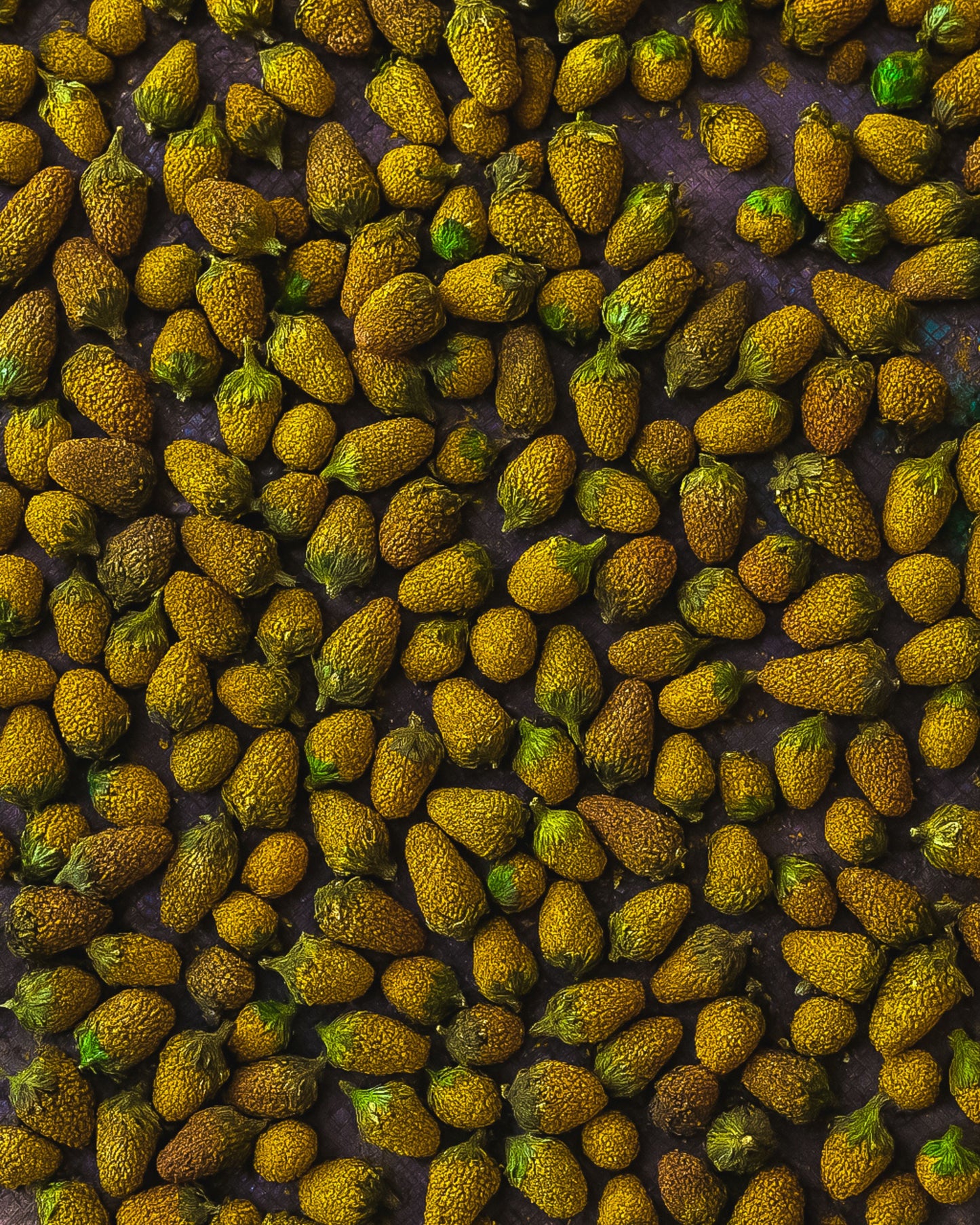


Part 1: Understanding the Science Behind the Buzz
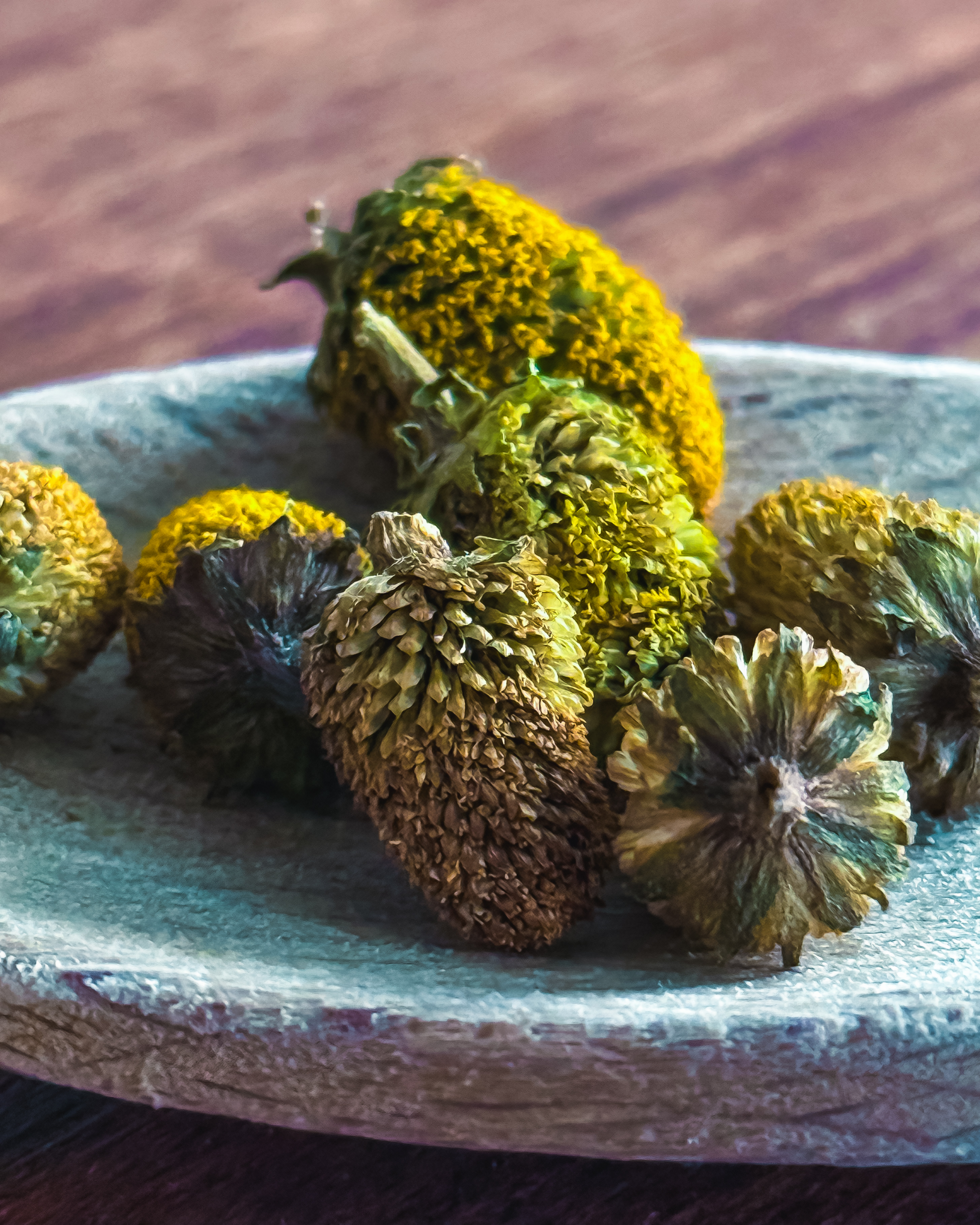
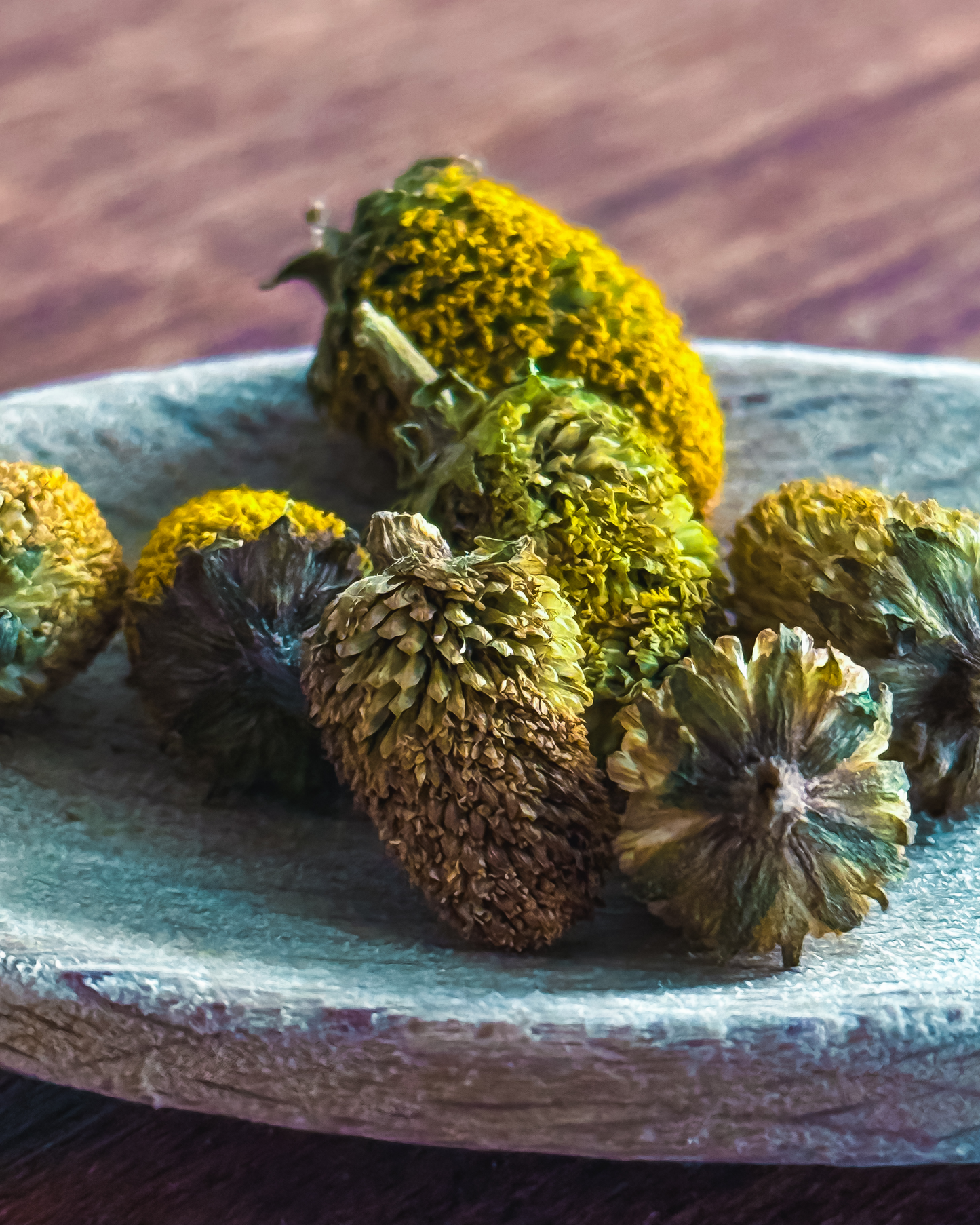
One of the first things people notice after trying a Buzz Button is that it doesn't behave like an ordinary edible flower.
Instead of delivering a bold flavor, it creates an unexpected tingling sensation that spreads across the tongue and inside the mouth. For some people, it feels like tiny bubbles dancing across the tongue. Others describe it as a gentle buzzing, cooling, or lightly vibrating sensation.
This unusual experience has made Buzz Buttons a favorite ingredient among chefs and mixologists, but what exactly causes this remarkable effect?
The answer lies in a naturally occurring botanical compound called spilanthol.
What Happens When You Eat a Buzz Button?
When a fresh Buzz Button flower is chewed, its plant cells begin to release naturally occurring compounds.
Within a few seconds, many people notice that their mouth feels different.
Rather than experiencing a strong taste, they often become aware of changes in mouthfeel, including:
- a gentle tingling sensation;
- a light buzzing feeling;
- increased awareness of the tongue and lips;
- a cooling effect followed by mild warmth;
- increased saliva production.
These sensations usually develop gradually before becoming more noticeable for a short period of time.
The exact experience varies from person to person and depends on factors such as the freshness of the flower, the amount consumed, and individual sensory perception.
Meet Spilanthol
The remarkable sensation associated with Buzz Buttons is primarily linked to spilanthol, a naturally occurring compound found in Acmella oleracea.
Spilanthol belongs to a group of naturally occurring plant compounds known as alkylamides.
Plants produce alkylamides for a variety of biological purposes, and different plant species contain different types and concentrations of these compounds.
In Acmella oleracea, spilanthol is the compound most closely associated with the flower's distinctive sensory characteristics.
Although spilanthol is present throughout the plant, the flower heads typically contain higher concentrations than the leaves or stems, making them the preferred choice for culinary use.
Sensation Rather Than Flavor
One of the most interesting aspects of Buzz Buttons is that they challenge the way we think about taste.
Most foods are evaluated by their flavor.
We usually describe foods as:
- sweet;
- salty;
- sour;
- bitter;
- umami.
Buzz Buttons are different.
Their flavor is relatively mild and often described as fresh, herbal, or slightly peppery.
What people remember most is not the taste itself but the way the flower changes the overall sensory experience inside the mouth.
This distinction is important because it helps explain why Buzz Buttons have become such a popular ingredient in experimental cuisine.
How Does Spilanthol Interact with the Mouth?
Our mouths contain thousands of specialized sensory nerve endings that continuously respond to touch, temperature, pressure, and naturally occurring chemical compounds found in food.
When spilanthol is released from the flower, it interacts with some of these sensory receptors.
Rather than creating an electrical effect, the compound stimulates sensory pathways that contribute to the characteristic tingling and buzzing experience.
Scientists continue to study exactly how spilanthol interacts with these receptors, but it is generally understood that the sensation differs from traditional taste because it primarily involves the mouth's sensory system rather than the taste buds alone.
This explains why Buzz Buttons are often described as creating an experience rather than simply providing a flavor.
Is It Similar to Spicy Food?
Many people assume Buzz Buttons are spicy because they create an intense sensation in the mouth.
In reality, the experience is quite different.
Spicy foods, such as chili peppers, contain compounds like capsaicin that produce a sensation of heat.
Buzz Buttons, by contrast, are more commonly associated with sensations such as:
- tingling;
- buzzing;
- light numbness;
- cooling;
- increased mouth awareness.
Although every individual experiences them differently, most people do not describe Buzz Buttons as hot or fiery.
Instead, they offer a unique sensory profile unlike most other edible plants.
Why Does the Sensation Feel So Unusual?
The human brain naturally compares new experiences with familiar ones.
Because very few foods create the same combination of tingling, cooling, buzzing, and changing mouthfeel, many people struggle to describe what they are experiencing.
Some compare it to:
- tiny sparkling bubbles;
- gentle carbonation;
- a vibrating tongue;
- a refreshing cooling wave;
- a light fizz.
These descriptions are subjective and vary widely, highlighting how personal sensory perception can be.
This novelty is one of the main reasons Buzz Buttons continue to attract attention in modern gastronomy.
A Natural Botanical Experience
Unlike artificial flavorings designed to imitate sensory effects, Buzz Buttons create their distinctive experience through naturally occurring plant compounds.
This makes them particularly appealing to chefs who enjoy working with botanical ingredients that introduce something unexpected while remaining visually attractive and edible.
Their combination of natural origin, vibrant appearance, and unusual mouthfeel has helped establish Buzz Buttons as one of the most recognizable edible flowers in contemporary cuisine.
Looking Ahead
Now that we've explored the science behind the tingling sensation, the next chapter will examine why different people experience Buzz Buttons differently, how long the sensation typically lasts, and why this remarkable botanical has become such a valuable ingredient in fine dining and craft mixology.
Key Takeaways from Part 1
- Buzz Buttons create a distinctive tingling sensation rather than a strong traditional flavor.
- The experience is primarily associated with spilanthol, a naturally occurring alkylamide found in Acmella oleracea.
- Spilanthol interacts with sensory receptors in the mouth, producing sensations such as tingling, buzzing, cooling, and increased mouth awareness.
- The effect is different from the heat associated with spicy foods like chili peppers.
- Individual experiences vary depending on factors such as freshness, quantity consumed, and personal sensory perception.
- The combination of botanical origin and unique mouthfeel has made Buzz Buttons a popular ingredient in modern gastronomy.

PART 2: Why Does the Tingling Feel Different for Everyone?
One of the most fascinating aspects of Buzz Buttons is that no two people describe the experience in exactly the same way.
While most people notice a tingling sensation, the intensity, duration, and overall experience can vary considerably. Some experience a gentle fizz across the tongue, while others notice stronger sensations around the lips, cheeks, or roof of the mouth.
These differences are completely normal and reflect the unique way each person's sensory system responds to naturally occurring plant compounds.
Individual Sensory Perception
Our mouths contain thousands of sensory receptors that continuously respond to food, temperature, texture, and touch.
Just as people experience spicy foods or mint differently, they may also experience the effects of Buzz Buttons differently.
Several factors can influence the sensation, including:
- individual sensitivity;
- the freshness of the flower;
- the amount consumed;
- whether the flower is chewed thoroughly;
- the presence of other foods or drinks.
Because these variables differ from person to person, there is no single "correct" Buzz Button experience.
How Long Does the Tingling Last?
The tingling sensation typically begins within a few seconds after chewing a fresh flower.
For many people, the sensation gradually increases before slowly fading over time.
Although the exact duration varies, most people find that the experience is temporary and naturally subsides without any intervention.
Factors that may influence how long the sensation lasts include:
- flower freshness;
- the quantity consumed;
- individual sensory sensitivity;
- whether food or beverages are consumed afterward.
Rather than disappearing suddenly, the sensation usually fades gradually as the naturally occurring compounds become diluted and dispersed within the mouth.
Does Freshness Make a Difference?
Fresh Buzz Buttons are generally valued by chefs and mixologists because they provide the most vibrant culinary experience.
As with many edible flowers, freshness influences:
- appearance;
- texture;
- aroma;
- overall sensory quality.
Flowers that have been harvested and stored correctly are more likely to deliver the characteristic experience that Buzz Buttons are known for.
For this reason, professional kitchens often work closely with trusted growers who can supply fresh, carefully handled flowers.
Can Cooking Change the Experience?
Buzz Buttons are most commonly served fresh.
Heating, drying, or processing botanical ingredients can influence their aroma, texture, and naturally occurring compounds.
As a result, chefs often choose to use fresh flowers as a garnish or finishing ingredient rather than exposing them to prolonged cooking.
This approach helps preserve both their visual appeal and the distinctive sensory experience that makes them so unique.
Why Chefs Use Buzz Buttons
Professional chefs constantly search for ingredients that create memorable dining experiences.
Buzz Buttons contribute something few ingredients can offer, they encourage diners to engage with food using multiple senses at once.
Instead of simply tasting a dish, guests become aware of changing sensations inside the mouth.
This interactive quality has made Buzz Buttons especially popular in:
- tasting menus;
- chef's table experiences;
- experimental cuisine;
- botanical desserts;
- edible garnishes.
The flower often becomes the highlight of the meal because it creates a lasting memory rather than simply adding another flavor.
Why Mixologists Love Buzz Buttons
The same qualities that attract chefs also appeal to mixologists.
Modern cocktails are designed to engage more than taste alone.
Presentation, aroma, texture, temperature, and mouthfeel all contribute to the drinking experience.
Buzz Buttons introduce an additional sensory dimension that can make a cocktail feel distinctive and memorable.
Bartenders may encourage guests to sample part of the flower before taking their first sip, allowing the botanical's natural compounds to become part of the overall tasting experience.
Rather than changing the drink itself, the flower changes how the drink is perceived.
Sensory Dining and Modern Gastronomy
Buzz Buttons have become closely associated with experiential dining, where meals are designed to stimulate multiple senses.
In modern gastronomy, chefs consider far more than flavor.
They also think about:
- texture;
- aroma;
- sound;
- temperature;
- appearance;
- mouthfeel.
Buzz Buttons naturally complement this philosophy because they introduce an element of surprise without relying on artificial ingredients or visual tricks.
Their ability to create a memorable sensory experience explains why they continue to appear in innovative restaurants around the world.
More Than a Novelty
Although many people first encounter Buzz Buttons because of their unusual tingling sensation, professional chefs value them for more than just surprise.
The flowers also provide:
- vibrant natural color;
- elegant presentation;
- botanical interest;
- conversation among diners;
- opportunities for creative menu design.
Used thoughtfully, Buzz Buttons become one component of a carefully balanced culinary experience rather than simply a novelty ingredient.
Looking Ahead
In the final chapter, we'll answer some of the most frequently asked questions about Buzz Buttons, explore how this remarkable plant has gained worldwide recognition, and summarize the science behind one of nature's most fascinating edible flowers.
Key Takeaways from Part 2
- The Buzz Button experience varies naturally from person to person.
- Fresh flowers are generally preferred for their appearance, texture, and sensory qualities.
- The tingling sensation is temporary and gradually fades over time.
- Heating or prolonged processing may influence the flower's sensory characteristics.
- Chefs and mixologists use Buzz Buttons to create immersive, multi-sensory dining experiences.
- Beyond the tingling sensation, the flowers contribute visual appeal and botanical interest to modern cuisine.
PART 3: Buzz Buttons in Modern Cuisine and Botanical Innovation
Buzz Buttons have evolved from a little-known edible flower into a celebrated ingredient in contemporary gastronomy. Their distinctive tingling sensation continues to inspire chefs, bartenders, food scientists, and botanical enthusiasts, making Acmella oleracea one of the most recognizable sensory ingredients in modern cuisine.
As interest in edible flowers and botanical ingredients continues to grow, Buzz Buttons are becoming increasingly popular with adventurous home cooks as well as professional kitchens.
Are Buzz Buttons Safe to Eat?
Yes. Buzz Buttons are widely used as an edible flower in restaurants, cocktail bars, and culinary events around the world.
Like any edible flower, they should always be sourced from reputable growers who cultivate plants specifically for food use. Flowers grown for ornamental purposes may have been treated with pesticides or other chemicals that are not intended for consumption.
For the best culinary experience, fresh, properly handled Buzz Buttons are generally preferred.
Buzz Buttons and Botanical Quality
Whether they are served fresh in a cocktail or used as the source of botanical extracts, quality begins with the plant itself.
Professional growers and producers focus on factors such as:
- accurate botanical identification;
- healthy cultivation practices;
- harvesting at the appropriate stage;
- careful handling after harvest;
- proper storage and traceability.
These practices help ensure consistency while preserving the natural characteristics that make Acmella oleracea so distinctive.
For botanical extracts used in skincare and oral care formulations, additional attention is given to extraction methods, ingredient testing, and quality control throughout production.
A Plant with Many Applications
Although Buzz Buttons are best known in the culinary world, Acmella oleracea has attracted interest across several industries.
Today, the plant is explored in areas including:
- culinary innovation;
- edible flowers;
- botanical research;
- horticulture;
- cosmetic ingredient development;
- oral care formulation.
This versatility demonstrates how a single botanical species can inspire creativity across multiple disciplines while remaining firmly rooted in nature.
Frequently Asked Questions
What causes the tingling sensation in Buzz Buttons?
The characteristic tingling sensation is primarily associated with spilanthol, a naturally occurring alkylamide found in Acmella oleracea. When the flower is chewed, spilanthol interacts with sensory receptors in the mouth, creating the distinctive buzzing and tingling experience.
Are Buzz Buttons spicy?
Not in the traditional sense.
Unlike chili peppers, which create a sensation of heat, Buzz Buttons are more commonly associated with tingling, buzzing, cooling, and changes in mouthfeel rather than intense spiciness.
How long does the sensation last?
The duration varies from person to person.
For most people, the sensation develops within seconds, gradually reaches its peak, and then fades naturally over time.
Why do people experience Buzz Buttons differently?
Individual sensory perception varies naturally.
Factors such as freshness, the amount consumed, and personal sensitivity all influence how the flower is experienced.
Why are Buzz Buttons popular in cocktails?
Mixologists value Buzz Buttons because they add an interactive sensory element to drinks.
Rather than changing the flavor dramatically, the flowers create a memorable mouthfeel that complements the overall tasting experience.
Are Buzz Buttons the same as Electric Daisies?
Yes.
Buzz Button, Electric Daisy, Toothache Plant, Paracress, and Jambu are all common names used for Acmella oleracea.
Scientific Summary
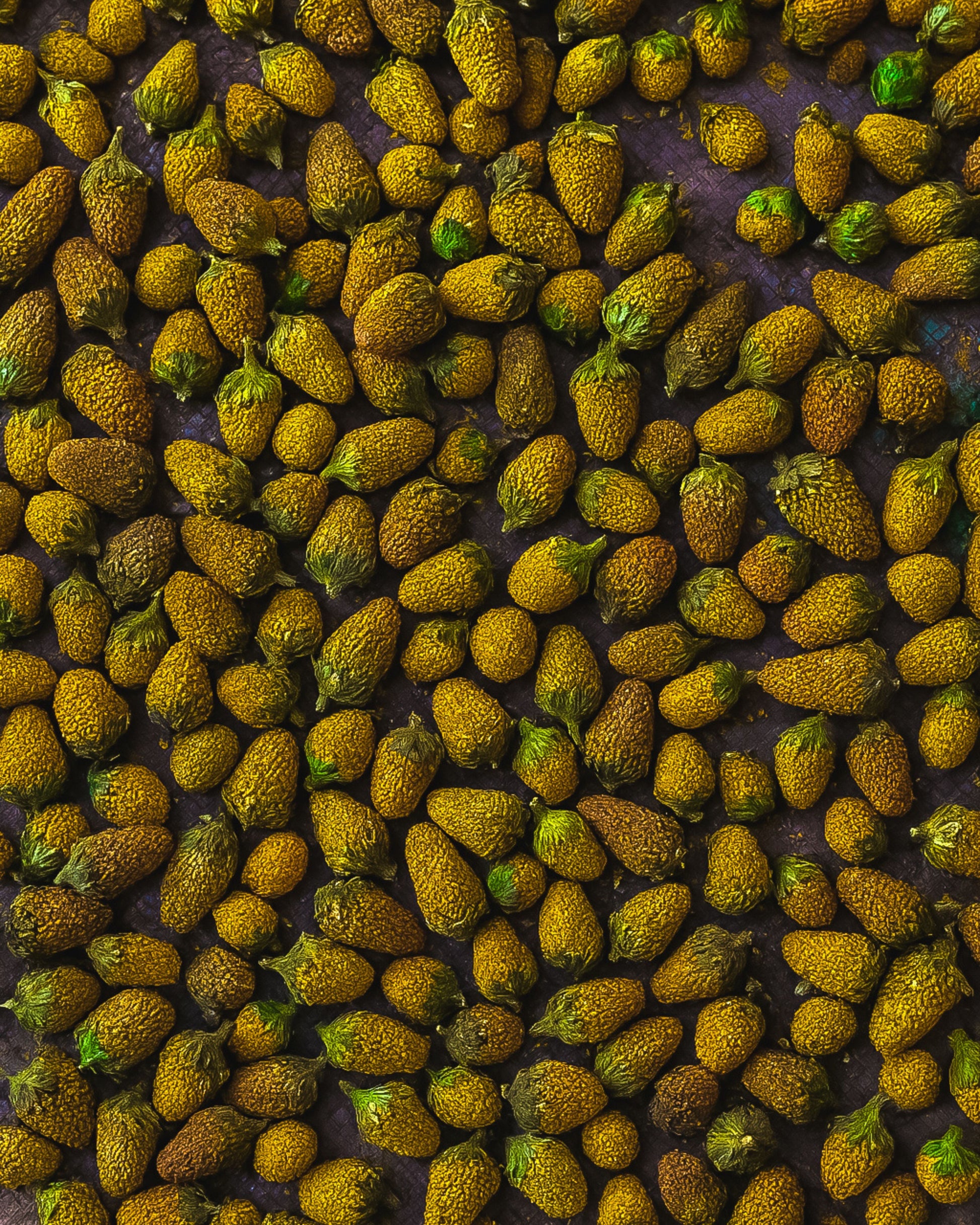
Buzz Buttons are the edible flower heads of Acmella oleracea, a tropical botanical recognized for the distinctive tingling sensation associated with its naturally occurring compound, spilanthol.
Unlike traditional flavors, the experience produced by Buzz Buttons is largely one of sensory perception and mouthfeel. Spilanthol interacts with sensory receptors in the mouth, creating a temporary tingling and buzzing sensation that varies between individuals.
This unique characteristic has made Buzz Buttons increasingly popular in fine dining, craft cocktails, molecular gastronomy, and botanical culinary experiences. Beyond the kitchen, Acmella oleracea is also studied in botanical science and used as a source of ingredients for selected cosmetic and oral care formulations, demonstrating the remarkable versatility of this plant.
Conclusion
Buzz Buttons remind us that food is about far more than taste alone.
Through the naturally occurring compound spilanthol, Acmella oleracea offers a distinctive sensory experience that has captivated chefs, mixologists, and food enthusiasts around the world.
While the tingling sensation is what first captures people's attention, the flower's real significance lies in its ability to transform an ordinary meal or drink into a memorable multi-sensory experience.
As appreciation for edible botanicals continues to grow, Buzz Buttons are likely to remain an important ingredient in modern gastronomy, connecting culinary creativity with botanical science in a way that few other plants can.