Pairing Buzz Buttons with Food: Flavour Combinations with Acmella oleracea

Pairing Buzz Buttons with Food: The Complete Guide to Flavour Combinations with Acmella oleracea

Discover how Buzz Buttons (Acmella oleracea) pair with fruit, seafood, cheeses, vegetables, herbs, desserts, and drinks. This comprehensive guide explores the science of flavour pairing, helping chefs, mixologists, and home cooks create balanced and memorable dishes using one of the world's most distinctive edible flowers.

Pairing Buzz Buttons with Food: Flavour Combinations with Acmella oleracea

Pairing Buzz Buttons with Food: The Complete Guide to Flavour Combinations with Acmella oleracea

Food pairing is both an art and a science. Great combinations are built on balance, where flavours, aromas, textures, and appearance work together to create a memorable dining experience. Buzz Buttons (Acmella oleracea) offer something that very few ingredients can provide. Alongside their fresh botanical flavour, they introduce a distinctive tingling sensation that transforms the way food is experienced.

Known by names such as the electric daisy, Sichuan button, and toothache plant, Buzz Buttons have become increasingly popular with chefs, mixologists, and adventurous home cooks. While they are often associated with creative cocktails, their culinary potential extends far beyond the glass. From delicate seafood and fresh salads to creamy cheeses and tropical fruits, Buzz Buttons complement a remarkable variety of ingredients when used thoughtfully.

The secret lies in understanding how their naturally occurring compound, spilanthol, interacts with different flavours and textures. Rather than overpowering a dish, Buzz Buttons can enhance freshness, create contrast, and add an unexpected sensory dimension that makes each bite more engaging.

This guide explores the principles of pairing Buzz Buttons with food, explains why certain combinations work so well, and provides inspiration for creating balanced, visually striking dishes using one of nature's most distinctive edible flowers.


Chapter 1: Understanding the Buzz Button Flavour Profile

Before pairing Buzz Buttons with food, it is important to understand what they contribute to a dish. Unlike herbs or spices that are primarily valued for their flavour, Buzz Buttons offer a combination of taste, aroma, texture, and sensation that creates a unique eating experience.

Their appeal comes not from one characteristic alone, but from the way several sensory elements work together.


More Than an Edible Flower

Buzz Buttons belong to the species Acmella oleracea, a tropical flowering plant that has been cultivated for generations as both a culinary and ornamental plant.

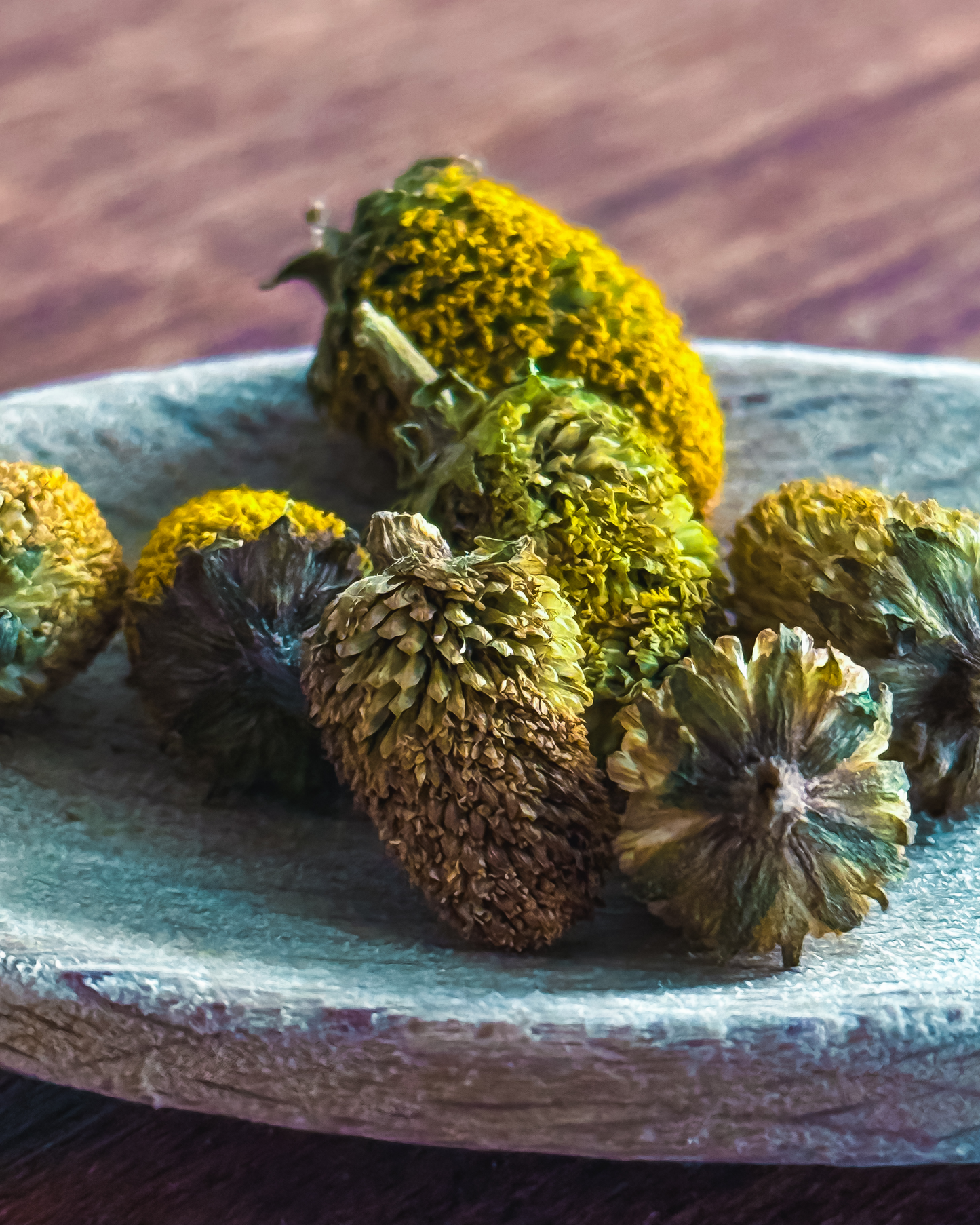
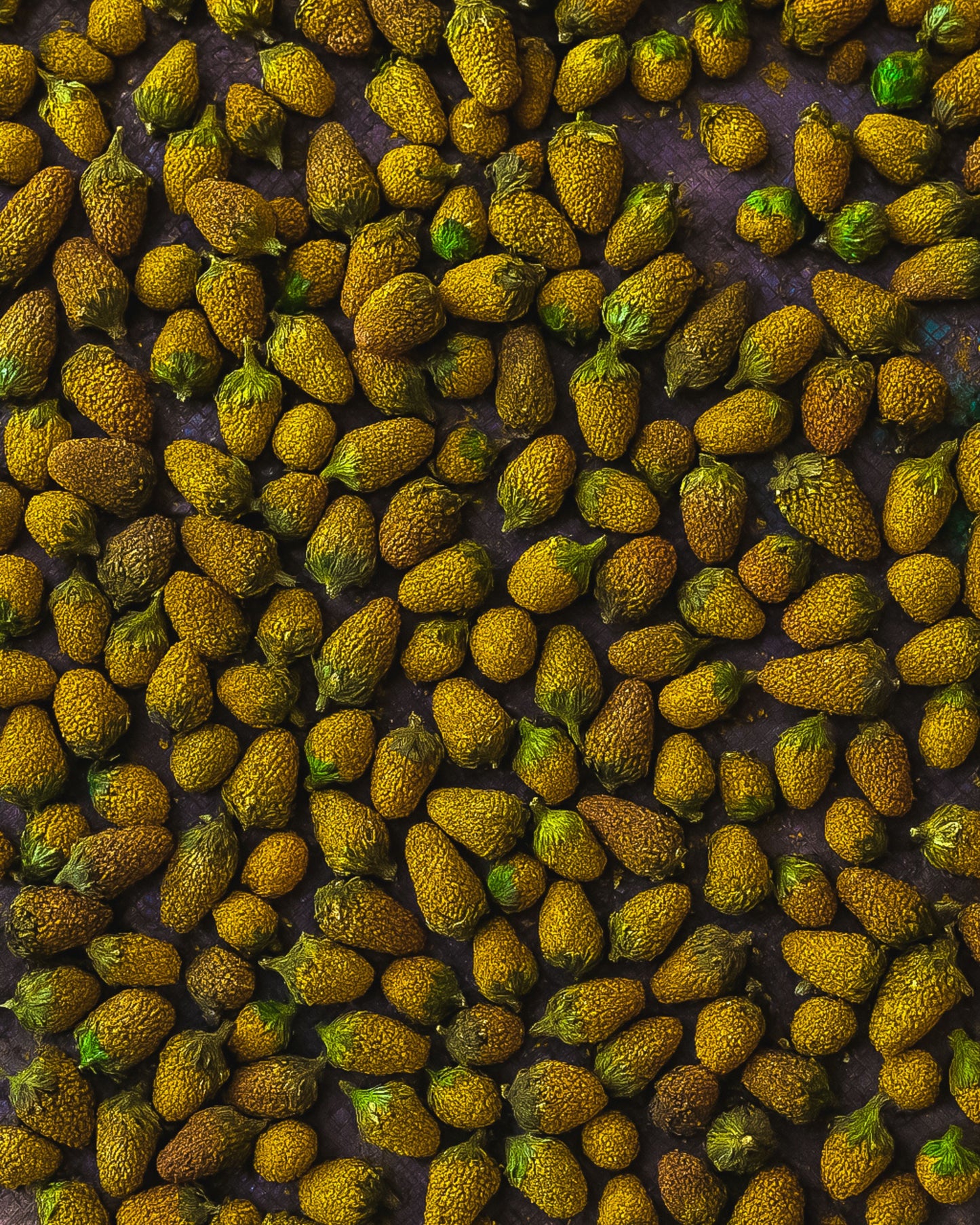
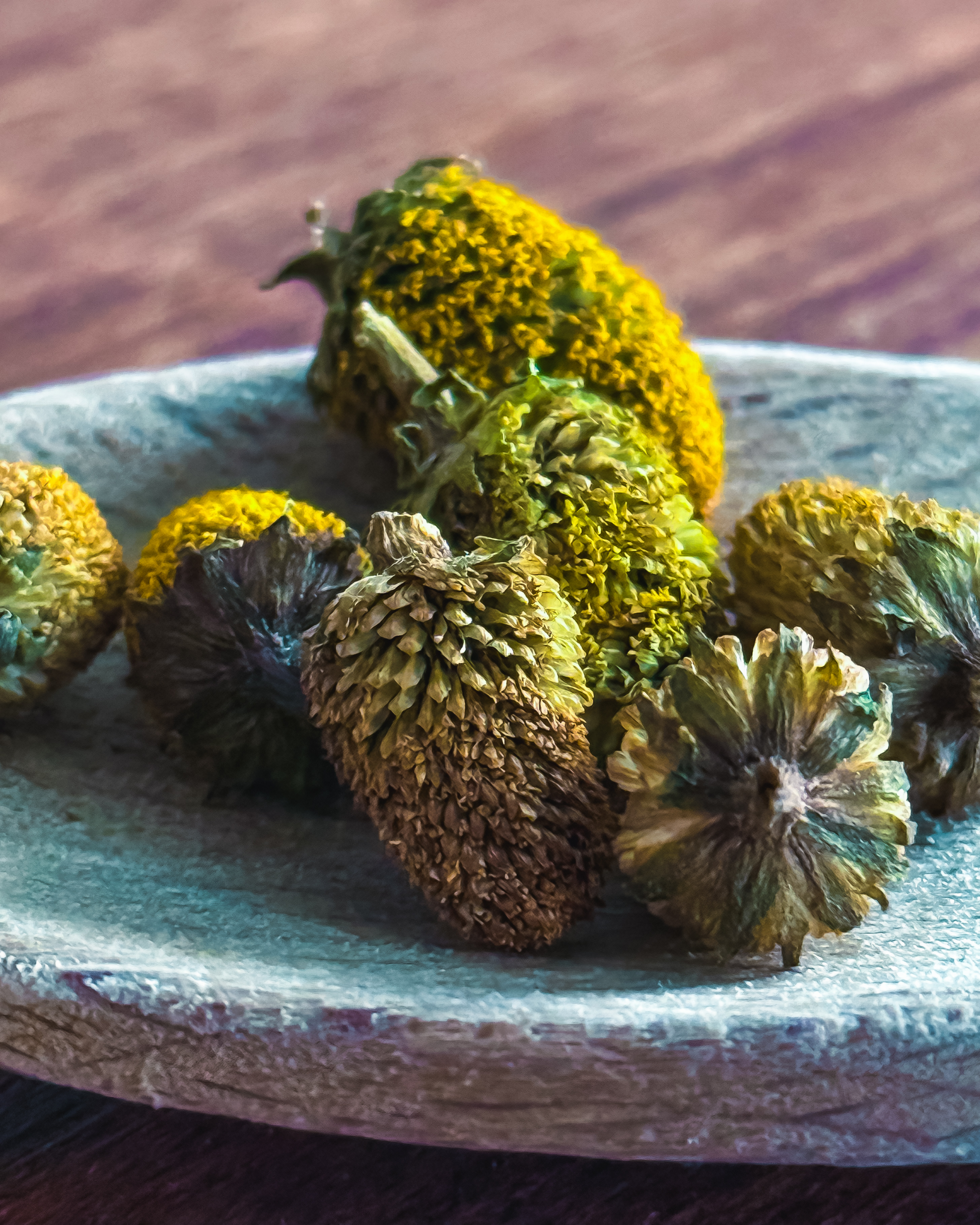
The flower heads are small, bright yellow, and naturally eye-catching, making them popular as edible garnishes. However, their greatest distinction is not their appearance but the remarkable sensation they create when eaten.

Unlike decorative edible flowers that contribute mainly colour, Buzz Buttons actively influence how the mouth perceives food.


A Mild Botanical Flavour

The flavour of a fresh Buzz Button is relatively subtle.

Many people describe it as having notes of:

  • fresh herbs;
  • young leafy greens;
  • citrus;
  • light earthiness;
  • delicate floral character.

These flavours are gentle and generally fade quickly, allowing the flower's sensory properties to become the main focus.

This mild flavour profile also makes Buzz Buttons surprisingly versatile because they rarely compete with the dominant ingredients in a dish.


The Science Behind the Tingling Sensation

The signature characteristic of Buzz Buttons comes from spilanthol, a naturally occurring bioactive compound found throughout the flower heads and leaves of Acmella oleracea.

When the flower is chewed, spilanthol interacts with sensory receptors inside the mouth.

Within a few seconds, diners may notice:

  • gentle tingling;
  • light numbness;
  • increased salivation;
  • a cooling freshness;
  • a lively mouthfeel.

The sensation develops gradually, reaches its peak, and then slowly fades over the following minutes.

Importantly, this experience is different from the burning heat associated with chilli peppers or the cooling effect produced by mint.

Instead, it creates a sparkling, almost electric feeling that makes flavours seem brighter and textures feel more pronounced.


Why Mouthfeel Matters

When discussing food, flavour often receives most of the attention. Yet texture and mouthfeel play equally important roles in how meals are experienced.

Professional chefs frequently balance:

  • creamy and crisp;
  • soft and crunchy;
  • warm and cold;
  • smooth and textured.

Buzz Buttons introduce another dimension by altering how the mouth perceives these textures.

For example:

  • creamy cheese may feel even silkier;
  • juicy fruit appears more refreshing;
  • chilled desserts seem brighter;
  • sparkling drinks feel livelier.

This additional sensory layer explains why Buzz Buttons have attracted interest within contemporary gastronomy.


Aroma Supports the Experience

Although Buzz Buttons are not highly aromatic, their fresh botanical notes complement ingredients with delicate fragrances.

They work particularly well alongside:

  • basil;
  • mint;
  • coriander;
  • lemon verbena;
  • citrus zest;
  • edible flowers.

These ingredients reinforce the plant's natural freshness without competing for attention.


Intensity Depends on Freshness

The sensory experience can vary depending on the condition of the flowers.

Factors influencing intensity include:

  • stage of harvest;
  • freshness;
  • growing conditions;
  • storage;
  • preparation.

Freshly harvested flower heads generally provide the most vibrant appearance and the fullest culinary experience.

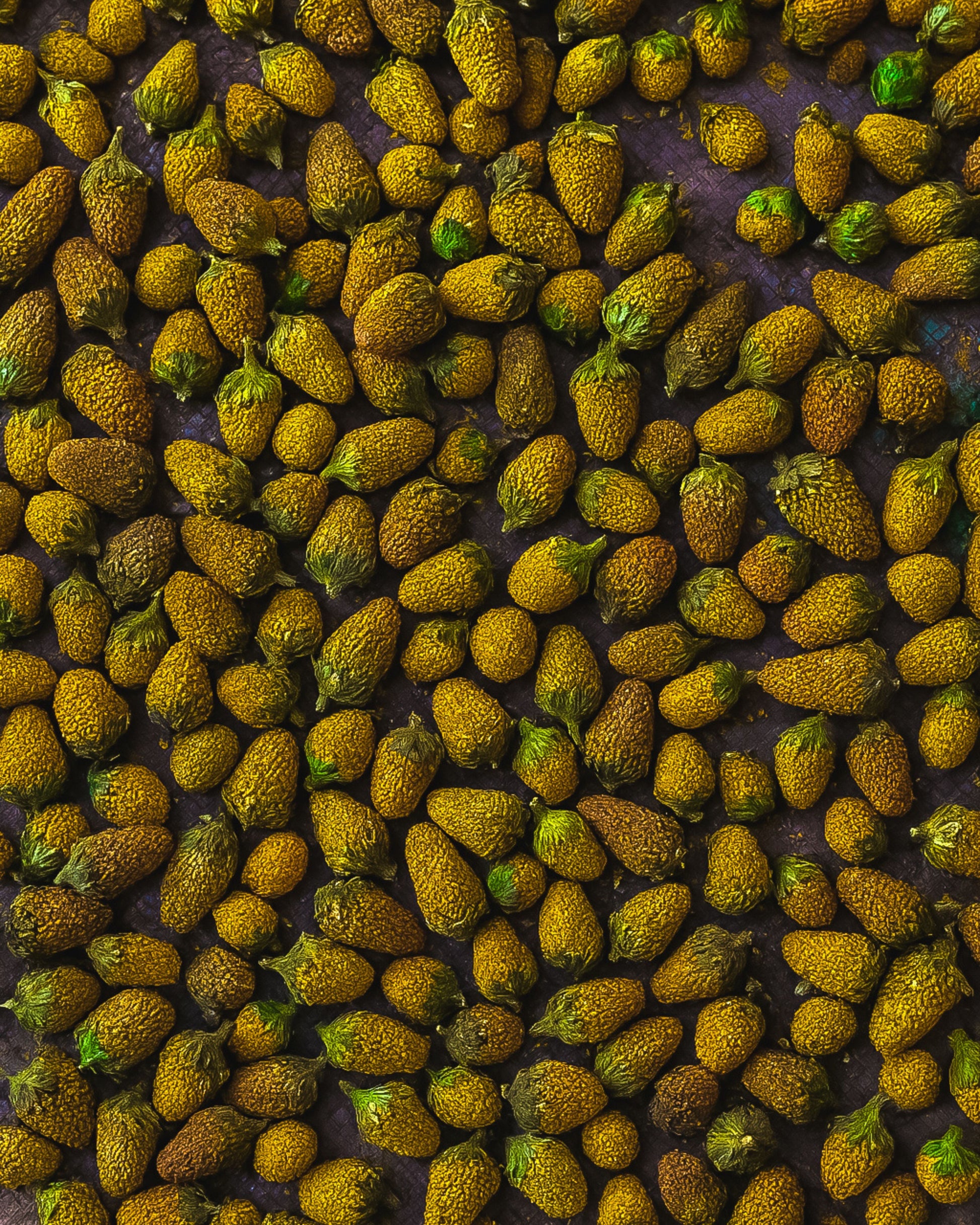
Dried flowers remain useful for infusions and syrups but often produce a gentler sensory effect.


Why Restraint Is Important

One of the most common mistakes when using Buzz Buttons is assuming that more flowers create a better experience.

In reality, a single flower is often sufficient.

Professional chefs typically use Buzz Buttons as a finishing ingredient, allowing the primary flavours of the dish to remain the focus.

This restrained approach creates balance while ensuring that the flower enhances rather than dominates the meal.


Inside the Kitchen

Think of Buzz Buttons as a Finishing Ingredient

Just as a squeeze of fresh lemon or a handful of chopped herbs can elevate a finished dish, Buzz Buttons are most effective when used thoughtfully as a final flourish. Their purpose is to enhance the dining experience, not overwhelm it.


Chapter 2: Principles of Food Pairing

Successful food pairing is built on harmony. Every ingredient should contribute something valuable to the finished dish, whether that is flavour, aroma, texture, colour, or contrast.

Because Buzz Buttons influence both taste and sensation, they require a slightly different approach from traditional herbs or spices.

Understanding a few fundamental principles helps explain why some ingredients pair beautifully with Buzz Buttons while others are less successful.


Balance Rather Than Contrast

Many memorable dishes rely on balancing opposing characteristics.

For example:

  • sweet with acidic;
  • creamy with crisp;
  • rich with fresh;
  • warm with cool.

Buzz Buttons naturally complement this philosophy because their tingling sensation works best when paired with ingredients that soften, brighten, or refresh the palate.

Rather than dominating a dish, they encourage greater awareness of the surrounding flavours.


Creamy Ingredients Soften the Sensation

Rich, creamy foods provide one of the most successful pairings with Buzz Buttons.

Their smooth textures help balance the flower's lively character while creating an enjoyable contrast.

Excellent examples include:

  • burrata;
  • mozzarella;
  • ricotta;
  • mascarpone;
  • Greek yoghurt;
  • crème fraîche.

These dairy products create a luxurious mouthfeel that works harmoniously with the flower's gentle tingling effect.


Acidity Creates Freshness

Acidic ingredients naturally complement Buzz Buttons because they reinforce the impression of brightness and freshness.

Popular acidic companions include:

  • lemon;
  • lime;
  • grapefruit;
  • passion fruit;
  • pineapple;
  • tomatoes.

Together, these ingredients create vibrant dishes that feel clean and refreshing.


Fat Brings Balance

Fat acts as an important balancing element in many cuisines.

Ingredients such as:

  • avocado;
  • olive oil;
  • nuts;
  • butter;
  • cheese;
  • salmon.

provide richness that complements the Buzz Button experience.

Rather than masking the flower's sensory qualities, these foods create a smoother transition between flavours.


Aromatic Herbs Build Complexity

Fresh herbs introduce fragrance while supporting the botanical qualities of Buzz Buttons.

Some of the most effective combinations include:

  • basil;
  • mint;
  • dill;
  • coriander;
  • chives;
  • lemon balm.

Using several herbs together should be done carefully to maintain clarity of flavour.


Texture Creates Interest

Great dishes often combine multiple textures.

Buzz Buttons pair particularly well with foods that provide contrast, such as:

  • toasted nuts;
  • crisp vegetables;
  • flaky pastry;
  • crunchy seeds;
  • delicate crackers.

These elements encourage diners to notice the changing mouthfeel throughout the meal.


Temperature Influences Perception

Temperature also affects how Buzz Buttons are experienced.

Cold dishes often produce a slower development of the tingling sensation, making frozen desserts, chilled seafood, and fresh salads especially enjoyable.

Warm dishes provide a different contrast, where heat is followed by the gradual emergence of the flower's lively character.

Neither approach is inherently better. Each creates its own distinctive dining experience.


Visual Harmony Matters

Presentation is an essential part of food pairing.

The bright yellow, elongated flower heads of Acmella oleracea create natural contrast against many ingredients, including:

  • leafy greens;
  • white cheeses;
  • colourful fruit;
  • dark chocolate;
  • grilled seafood.

Their unique shape and vibrant colour help transform simple dishes into elegant presentations.


Inside the Kitchen

Pair with Purpose

Rather than adding Buzz Buttons simply because they are visually attractive, think about how they contribute to the overall experience. The finest pairings combine flavour, texture, colour, and sensation into a balanced and memorable dish.

Chapter 3: Fruits That Pair Beautifully with Buzz Buttons

Fresh fruit is one of the most natural partners for Buzz Buttons (Acmella oleracea). Fruits combine sweetness, acidity, aroma, and juiciness, creating a balanced foundation that complements the flower's distinctive tingling sensation without overwhelming it.

Many chefs choose seasonal fruit when working with Buzz Buttons because fresh produce delivers brighter flavours, better texture, and more vibrant presentation.

Rather than masking the fruit, Buzz Buttons encourage diners to experience familiar flavours in a new way.


Strawberries

Strawberries are among the finest companions for Buzz Buttons.

Their combination of natural sweetness, gentle acidity, and fragrant aroma creates a refreshing contrast with the flower's lively mouthfeel.

Popular applications include:

  • fresh strawberry salads;
  • pavlova;
  • cheesecake;
  • chocolate-covered strawberries;
  • berry tarts.

The bright red fruit also provides striking visual contrast against the yellow flower heads.


Raspberries

Raspberries contribute greater acidity than strawberries while maintaining delicate sweetness.

Their vibrant flavour helps cleanse the palate, making them particularly effective in:

  • mousses;
  • panna cotta;
  • yoghurt;
  • sorbets;
  • plated desserts.

Together, raspberries and Buzz Buttons create a light, refreshing finish.


Mango

The smooth texture and tropical sweetness of mango make it one of the most successful Buzz Button pairings.

Its rich flesh balances the tingling sensation while providing vibrant colour.

Mango pairs beautifully in:

  • fruit salads;
  • sorbets;
  • tropical desserts;
  • ceviche;
  • fresh salsas.

Pineapple

Pineapple combines sweetness with lively acidity.

Its juicy texture complements the increased salivation often associated with Buzz Buttons, creating an especially refreshing eating experience.

Fresh pineapple works well with:

  • seafood;
  • tropical salads;
  • grilled dishes;
  • desserts;
  • mocktails.

Passion Fruit

Passion fruit offers intense aroma and bright acidity.

Only a small amount is needed to create a fragrant accompaniment that balances the subtle botanical notes of Buzz Buttons.

The seeds also introduce welcome texture.


Citrus Fruits

Lemon, lime, orange, and grapefruit all pair naturally with Buzz Buttons.

Their refreshing acidity brightens both savoury and sweet dishes.

Common combinations include:

  • citrus dressings;
  • fruit salads;
  • seafood;
  • sorbets;
  • botanical drinks.

Peach and Nectarine

Stone fruits provide gentle sweetness and delicate floral aromas.

When served fresh, grilled, or poached, peaches and nectarines create elegant seasonal dishes that allow Buzz Buttons to remain the visual highlight.


Pear

Pears have a subtle flavour that allows the Buzz Button experience to become more noticeable.

Their soft texture contrasts beautifully with toasted nuts and creamy cheeses.


Watermelon

Watermelon's high water content enhances the refreshing qualities of Buzz Buttons.

The combination feels particularly cooling during warm weather and works well in:

  • summer salads;
  • chilled appetisers;
  • fruit platters;
  • mocktails.

Apple

Both sweet and tart apples offer versatility.

Thin slices provide crisp texture, while roasted apples add warmth and natural sweetness.

Either approach pairs well with soft cheeses and edible flowers.


Seasonal Fruit Platters

Buzz Buttons can elevate even the simplest fruit platter.

Combine seasonal fruits such as:

  • strawberries;
  • blueberries;
  • grapes;
  • kiwi;
  • melon;
  • mango.

Finish with fresh Buzz Button flowers and aromatic herbs for a colourful centrepiece suitable for entertaining.


Inside the Kitchen

Choose Ripe Fruit

The finest pairings begin with fruit harvested at peak ripeness. Natural sweetness and balanced acidity allow Buzz Buttons to enhance the overall dining experience rather than compete with underdeveloped flavours.


Chapter 4: Vegetables and Salads

Although Buzz Buttons are often associated with desserts and cocktails, they perform equally well in savoury dishes.

Fresh vegetables provide crisp textures, vibrant colours, and clean flavours that complement the flower's botanical character.

Many contemporary chefs use Buzz Buttons to add visual elegance and an interactive element to seasonal salads.


Tomatoes

Tomatoes combine sweetness, acidity, and umami.

Whether served as heirloom slices, cherry tomatoes, or colourful mixed varieties, they create an attractive base for Buzz Buttons.

Enhance the dish with:

  • basil;
  • mozzarella;
  • olive oil;
  • balsamic glaze.

Cucumber

Cucumber's crisp texture and cooling flavour naturally balance the lively sensation of Buzz Buttons.

This pairing is particularly refreshing during summer.

Suitable preparations include:

  • salads;
  • chilled soups;
  • botanical drinks;
  • seafood accompaniments.

Avocado

Creamy avocado softens the flower's tingling sensation while adding richness.

It works beautifully in:

  • salads;
  • toast;
  • grain bowls;
  • ceviche.

The contrast between creamy texture and botanical freshness creates excellent balance.


Beetroot

Roasted beetroot offers earthy sweetness that complements the subtle herbal notes of Buzz Buttons.

Pair with goat's cheese and walnuts for an elegant starter.


Carrots

Both raw and roasted carrots provide natural sweetness.

Their vibrant orange colour creates attractive contrast alongside the bright yellow flowers.


Radishes

Peppery radishes introduce crisp texture without overwhelming the Buzz Buttons.

They are especially effective in spring salads featuring herbs and edible flowers.


Leafy Greens

Fresh greens provide a neutral canvas that allows Buzz Buttons to stand out visually.

Suitable choices include:

  • rocket;
  • baby spinach;
  • butter lettuce;
  • lamb's lettuce;
  • mixed salad leaves.

Microgreens

Microgreens add texture, colour, and concentrated flavour.

Popular companions include:

  • pea shoots;
  • sunflower shoots;
  • radish microgreens;
  • basil cress.

These ingredients reinforce the fresh botanical theme of the dish.


Building a Seasonal Salad

A balanced salad featuring Buzz Buttons might include:

  • mixed leaves;
  • avocado;
  • strawberries;
  • toasted almonds;
  • goat's cheese;
  • citrus vinaigrette;
  • one fresh Buzz Button flower.

Each ingredient contributes a different flavour or texture while maintaining overall harmony.


Inside the Kitchen

Freshness Is Essential

Buzz Buttons pair best with vegetables that are crisp, vibrant, and freshly prepared. Their lively sensory qualities naturally complement ingredients that celebrate freshness and seasonality.


Chapter 5: Cheese and Dairy Pairings

Creamy dairy products are among the most successful companions for Buzz Buttons.

Their smooth textures soften the flower's lively sensation while allowing its botanical qualities to remain noticeable.

This balance explains why many chefs combine Buzz Buttons with artisan cheeses in starters, salads, and tasting menus.


Burrata

Burrata's creamy centre creates a luxurious contrast with the gentle tingling sensation.

Serve with:

  • tomatoes;
  • basil;
  • peaches;
  • olive oil.

The flower adds colour and an unexpected finishing touch.


Mozzarella

Fresh mozzarella provides a mild flavour that complements rather than competes with Buzz Buttons.

It works especially well in seasonal salads and Mediterranean-inspired dishes.


Goat's Cheese

The slight tanginess of goat's cheese creates excellent balance.

Popular accompaniments include:

  • beetroot;
  • walnuts;
  • figs;
  • honey;
  • herbs.

Brie and Camembert

These soft-ripened cheeses introduce rich, buttery textures.

Pair with:

  • grapes;
  • pears;
  • toasted bread;
  • fresh herbs.

Buzz Buttons provide a refreshing counterpoint.


Ricotta

Ricotta's delicate flavour makes it suitable for both savoury and sweet dishes.

Use it alongside:

  • roasted vegetables;
  • citrus;
  • berries;
  • honey.

Parmesan

Aged cheeses such as Parmesan contribute umami and complexity.

Small shavings combined with fresh herbs and Buzz Buttons create elegant appetisers.


Feta

The salty character of feta pairs particularly well with watermelon, cucumber, and mint.

Buzz Buttons complete this refreshing Mediterranean-style combination.


Greek Yoghurt and Crème Fraîche

These cultured dairy products provide light acidity that supports the flower's botanical freshness.

They can be incorporated into:

  • dips;
  • dressings;
  • desserts;
  • breakfast dishes.

Cheese Boards

Buzz Buttons also make attractive garnishes for artisan cheese boards.

Combine:

  • soft cheeses;
  • hard cheeses;
  • fresh fruit;
  • toasted nuts;
  • crackers;
  • edible flowers.

The flowers provide both visual interest and conversation.


Inside the Kitchen

Keep the Pairings Simple

Quality cheese requires little embellishment. A carefully placed Buzz Button flower, fresh herbs, and seasonal fruit often create a more elegant presentation than numerous competing garnishes.


Chapter 6: Seafood Pairings

Seafood is one of the culinary categories where Buzz Buttons truly excel.

Delicate flavours, natural sweetness, and clean textures create an ideal foundation for the flower's unique sensory properties.

Many fine dining restaurants use Buzz Buttons to elevate seafood dishes without masking their freshness.


Oysters

Fresh oysters are frequently paired with botanical ingredients.

Buzz Buttons add visual elegance while complementing:

  • lemon;
  • cucumber;
  • shallots;
  • herb oils.

The result is an interactive tasting experience.


Scallops

Sweet scallops benefit from restrained presentation.

Serve with:

  • pea purée;
  • citrus beurre blanc;
  • herbs;
  • edible flowers.

Buzz Buttons provide both colour and contrast.


Prawns

Grilled or poached prawns pair naturally with tropical fruits such as mango and pineapple.

The flowers reinforce the freshness of these vibrant combinations.


Crab

Crab's delicate sweetness works beautifully with citrus, avocado, and fresh herbs.

Buzz Buttons complete the presentation without dominating the dish.


Lobster

Lobster's luxurious texture pairs well with butter, lemon, and subtle botanical garnishes.

One carefully placed flower is usually sufficient.


White Fish

Species such as sea bass, cod, and halibut benefit from fresh herbs and seasonal vegetables.

Buzz Buttons contribute elegance while maintaining the fish as the centrepiece.


Salmon

Whether lightly cured or gently cooked, salmon pairs successfully with citrus, dill, cucumber, and yoghurt.

The flower's botanical freshness complements these classic combinations.


Tuna

Thin slices of tuna served with citrus, sesame, and herbs create a refined dish enhanced by edible flowers.


Ceviche

The bright acidity of ceviche naturally complements Buzz Buttons.

Lime juice, herbs, tropical fruit, and fresh seafood combine to create one of the most successful culinary applications.


Sushi and Sashimi

Buzz Buttons can be used sparingly alongside sushi platters as edible garnishes.

Their visual impact and subtle botanical character contribute to modern presentation styles while respecting the simplicity of Japanese-inspired cuisine.


Inside the Kitchen

Let Fresh Seafood Shine

Seafood should always remain the focus of the plate. Buzz Buttons work best when used with restraint, enhancing freshness, colour, and presentation without overpowering delicate marine flavours.


Chapter 7: Meat and Poultry Pairings

Although Buzz Buttons are most often associated with lighter ingredients, they can also complement selected meat and poultry dishes when balance is carefully considered.

Rather than pairing them with rich, heavily spiced preparations, they perform best alongside clean flavours, fresh herbs, and seasonal produce.


Duck

Duck's rich flavour is balanced beautifully by fruits such as cherries, oranges, or raspberries.

A fresh Buzz Button flower adds colour and a lively finishing note without competing with the meat.


Chicken

Roasted or grilled chicken provides a mild foundation that pairs well with:

  • lemon;
  • thyme;
  • basil;
  • seasonal vegetables;
  • edible flowers.

Buzz Buttons introduce freshness while maintaining the dish's simplicity.


Pork

Pork naturally complements sweet and acidic ingredients.

Successful pairings include:

  • apple;
  • pear;
  • mustard;
  • herbs;
  • light fruit compotes.

The flower's botanical character enhances these balanced flavour combinations.


Beef Carpaccio

Thinly sliced beef carpaccio is often served with Parmesan, rocket, lemon, and olive oil.

Buzz Buttons contribute visual elegance while preserving the clean, refined style of the dish.


Lamb

Herb-crusted lamb served with mint or rosemary can be complemented by carefully placed Buzz Button flowers.

Restraint remains important to avoid excessive botanical flavours.


Charcuterie

Buzz Buttons also work well on contemporary charcuterie boards featuring:

  • cured meats;
  • artisan cheeses;
  • olives;
  • grapes;
  • nuts;
  • seasonal fruit.

Their bright yellow flower heads create an attractive visual focal point.

Chapter 8: Herbs, Botanicals and Spices

Fresh herbs have long been used to add fragrance, flavour, and colour to dishes. Because Buzz Buttons (Acmella oleracea) possess a delicate botanical flavour rather than an intense taste, they pair particularly well with aromatic herbs that enhance freshness without competing for attention.

The key is restraint. Combining too many herbs can overwhelm a dish, while carefully selected combinations create balance and complexity.


Basil

Sweet basil is one of the finest companions for Buzz Buttons.

Its fragrant, slightly peppery aroma works beautifully with:

  • tomatoes;
  • mozzarella;
  • strawberries;
  • peaches;
  • citrus fruits.

Together, basil and Buzz Buttons create dishes that feel vibrant and refreshing.


Mint

Mint provides cooling freshness that complements the lively mouthfeel created by Buzz Buttons.

Popular pairings include:

  • watermelon salads;
  • yoghurt;
  • cucumber;
  • tropical fruit;
  • desserts;
  • botanical drinks.

The combination is particularly enjoyable during warmer months.


Coriander

Coriander's bright citrus notes work well in contemporary Asian and Latin American cuisine.

It complements dishes featuring:

  • prawns;
  • ceviche;
  • mango;
  • avocado;
  • grilled vegetables.

Used sparingly, coriander reinforces the fresh botanical character of Buzz Buttons.


Lemon Verbena

Lemon verbena contributes delicate citrus fragrance without excessive acidity.

It pairs particularly well with:

  • panna cotta;
  • fruit salads;
  • seafood;
  • herbal infusions.

Dill

Dill is an excellent partner for seafood.

Combined with Buzz Buttons, it complements:

  • salmon;
  • crab;
  • prawns;
  • cucumber;
  • yoghurt dressings.

Chives

The gentle onion flavour of chives provides subtle savoury depth.

They pair naturally with:

  • cream cheese;
  • potato salads;
  • eggs;
  • seafood.

Buzz Buttons add freshness without overpowering these classic combinations.


Thyme and Rosemary

These woody herbs should be used more cautiously.

Their stronger aromas work best alongside:

  • roasted vegetables;
  • lamb;
  • poultry;
  • root vegetables.

Buzz Buttons should remain a delicate finishing element.


Lavender

Lavender is occasionally used in desserts and botanical cuisine.

Because both lavender and Buzz Buttons possess distinctive characteristics, moderation is essential to avoid creating an overly floral dish.


Botanical Pairing Tips

For most dishes, selecting one or two herbs is preferable to combining many different flavours.

Simple combinations often produce the most elegant results.


Inside the Kitchen

Let Fresh Herbs Support the Dish

Choose herbs that enhance the natural flavours of the main ingredients. Buzz Buttons should complement these botanical notes rather than compete with them.


Chapter 9: Chocolate and Dessert Pairings

Although this guide focuses on food pairing, desserts deserve special attention because Buzz Buttons perform exceptionally well in sweet creations.

Their unique tingling sensation contrasts beautifully with creamy textures, fresh fruit, and quality chocolate.

For a detailed exploration of sweet recipes, see our companion guide, Buzz Button Desserts: Creative Ways to Use Acmella oleracea in Sweet Recipes.


White Chocolate

White chocolate is widely regarded as one of the finest dessert pairings.

Its creamy sweetness creates a smooth foundation that allows the Buzz Button's sensory qualities to shine.

Ideal combinations include:

  • white chocolate mousse;
  • cheesecake;
  • panna cotta;
  • truffles.

Dark Chocolate

Dark chocolate introduces richness and slight bitterness.

The contrast between intense cocoa flavours and the flower's lively mouthfeel creates an elegant tasting experience.


Vanilla

Vanilla acts as a natural bridge between many dessert ingredients.

It complements:

  • cream;
  • custard;
  • yoghurt;
  • ice cream;
  • baked pastries.

Buzz Buttons add an unexpected finishing element without disrupting the familiar flavour profile.


Honey

Honey's floral sweetness pairs naturally with botanical ingredients.

Use it alongside:

  • ricotta;
  • Greek yoghurt;
  • roasted fruit;
  • soft cheeses.

Ice Cream and Sorbet

Frozen desserts create an evolving sensory experience.

As the cold dessert melts, the gentle tingling sensation gradually develops, making each spoonful feel fresh and engaging.


Fruit Desserts

Fresh berries, tropical fruits, citrus, and stone fruits all pair beautifully with Buzz Buttons.

The combination of sweetness, acidity, aroma, and mouthfeel creates memorable desserts suitable for both home kitchens and fine dining restaurants.


Inside the Kitchen

Keep Desserts Balanced

Buzz Buttons should enhance sweetness rather than distract from it. One carefully placed flower often provides the perfect finishing touch.


Chapter 10: Drinks That Complement Buzz Buttons

Buzz Buttons are perhaps best known for their use in drinks, where their lively sensory properties create memorable tasting experiences.

Although cocktails have helped popularise the flowers, they pair equally well with alcohol-free beverages.


Sparkling Water

Simple sparkling water allows the flower's botanical qualities to remain the focus.

Add:

  • citrus;
  • cucumber;
  • mint;
  • edible flowers.

The result is clean, refreshing, and elegant.


Botanical Tonics

Premium tonic waters containing botanical extracts complement Buzz Buttons naturally.

Their gentle bitterness balances the flower's fresh character.


Citrus Drinks

Fresh lemon, lime, grapefruit, and orange beverages all pair exceptionally well.

The combination feels bright and refreshing.


Tea

Both hot and iced teas provide subtle backgrounds for Buzz Buttons.

Suitable varieties include:

  • green tea;
  • white tea;
  • chamomile;
  • hibiscus;
  • herbal blends.

Coffee

Coffee offers interesting contrast.

Espresso and cold brew pair particularly well with chocolate-based desserts featuring Buzz Buttons.


Cocktails and Mocktails

Buzz Buttons are increasingly used in:

  • botanical cocktails;
  • citrus spritzes;
  • tropical drinks;
  • sparkling mocktails.

Their visual appeal and interactive sensory experience make them popular garnishes in contemporary mixology.


Inside the Kitchen

Simplicity Creates Elegance

The finest drinks often rely on a small number of carefully selected ingredients. Buzz Buttons should complement the beverage rather than become its only point of interest.


Chapter 11: Fine Dining Pairing Principles

Fine dining is about creating memorable experiences through balance, precision, and presentation.

Buzz Buttons naturally fit this philosophy because they offer visual elegance alongside a distinctive sensory dimension.


Build Around One Hero Ingredient

Professional chefs usually begin with a single outstanding ingredient.

Buzz Buttons should enhance this focal point rather than compete with it.


Use Seasonal Produce

Seasonal ingredients generally provide:

  • better flavour;
  • improved texture;
  • vibrant colour;
  • reduced food miles.

Fresh Buzz Buttons complement this philosophy perfectly.


Plate with Restraint

Modern plating often favours simplicity.

A single flower can create greater impact than excessive decoration.


Consider the Dining Journey

Tasting menus progress gradually from lighter to richer dishes.

Buzz Buttons are often most effective in seafood courses, desserts, or botanical beverages where their refreshing qualities can be fully appreciated.


Inside the Kitchen

Every Ingredient Should Earn Its Place

Professional plating is intentional. Each garnish, herb, sauce, and flower should contribute to flavour, texture, aroma, or presentation.


Chapter 12: Common Pairing Mistakes

Buzz Buttons are versatile, but thoughtful use is essential.

Avoiding a few common mistakes helps ensure a balanced dining experience.


Using Too Many Flowers

More is not always better.

One flower per serving is usually sufficient.


Overly Spicy Dishes

Very hot chilli dishes can overpower the subtle sensory qualities of Buzz Buttons.


Heavy Garlic

Strong garlic flavours may dominate the delicate botanical notes of the flowers.


Excessive Sweetness

Very sweet desserts can reduce the refreshing contrast that Buzz Buttons provide.


Too Many Botanical Flavours

Combining numerous herbs, edible flowers, and aromatic ingredients may create confusion rather than harmony.


Poor Quality Ingredients

Fresh, seasonal ingredients allow Buzz Buttons to perform at their best.

The flowers cannot compensate for poor-quality produce.


Inside the Kitchen

Simplicity Usually Wins

The most successful Buzz Button dishes often contain fewer, higher-quality ingredients prepared with care.


Chapter 13: Sustainability and Seasonal Pairing

Buzz Buttons support a more sustainable approach to cooking by encouraging the use of seasonal produce, home-grown ingredients, and thoughtful presentation.


Grow Your Own

Cultivating Acmella oleracea provides access to fresh flowers throughout the growing season while reducing transport and packaging.


Choose Seasonal Produce

Seasonal fruits and vegetables generally require fewer resources and offer superior flavour.


Reduce Food Waste

Use fresh flowers for garnishing and preserve surplus harvests by drying them for future culinary use in syrups and infusions.


Support Pollinators

When grown in gardens, Buzz Buttons also attract pollinating insects, contributing to biodiversity and healthy ecosystems.


Inside the Kitchen

Seasonal Cooking Creates Better Food

Fresh ingredients harvested at their peak naturally produce better flavour, improved texture, and more attractive presentation.


Conclusion

Buzz Buttons (Acmella oleracea) are far more than an eye-catching edible flower. Their gentle botanical flavour and distinctive tingling sensation create opportunities to enhance a remarkable range of ingredients, from fresh fruit and artisan cheeses to seafood, salads, desserts, and botanical drinks.

Successful pairings rely on balance rather than novelty. Creamy dairy softens the sensory experience, citrus and tropical fruits enhance freshness, aromatic herbs reinforce botanical notes, and seasonal produce provides the foundation for vibrant, memorable dishes.

Whether used by professional chefs, mixologists, or enthusiastic home cooks, Buzz Buttons encourage creativity while reminding us that exceptional food is built on thoughtful combinations of flavour, texture, aroma, colour, and presentation. Used with restraint and supported by high-quality ingredients, they transform familiar recipes into engaging culinary experiences that celebrate one of nature's most distinctive edible flowers.


Frequently Asked Questions

What foods pair best with Buzz Buttons?

Buzz Buttons pair particularly well with fresh fruit, seafood, creamy cheeses, leafy salads, tropical ingredients, herbs, and light desserts.


Do Buzz Buttons work well with seafood?

Yes. Delicate seafood such as oysters, scallops, prawns, crab, lobster, salmon, and ceviche all complement the flower's botanical freshness and distinctive mouthfeel.


Which cheeses pair best with Buzz Buttons?

Burrata, mozzarella, goat's cheese, ricotta, feta, Brie, Camembert, and Greek yoghurt all provide creamy textures that balance the flower's lively sensation.


Can Buzz Buttons be used in salads?

Absolutely. They pair beautifully with leafy greens, tomatoes, cucumber, avocado, citrus dressings, and seasonal fruit.


Do Buzz Buttons pair with chocolate?

Yes. White chocolate, dark chocolate, and chocolate-based desserts all work well, particularly when balanced with fruit or cream.


Which herbs complement Buzz Buttons?

Basil, mint, coriander, dill, chives, lemon verbena, and lemon balm are among the most successful botanical pairings.


Can Buzz Buttons be served with meat?

Yes, particularly with lighter preparations of duck, chicken, pork, beef carpaccio, and herb-crusted lamb, where they provide freshness and visual elegance.


How many Buzz Buttons should be served?

One flower per serving is generally sufficient to create visual impact and deliver the flower's distinctive sensory experience.

Back to blog