

The journey of a premium botanical ingredient begins long before it reaches a laboratory, skincare formulation, or culinary dish. It starts in the field, where every stage of cultivation and harvesting influences the quality of the final plant material.
For Acmella oleracea, responsible harvesting is about much more than collecting flowers and leaves. It involves protecting healthy soils, supporting biodiversity, respecting seasonal growing cycles, and ensuring that farming communities can continue cultivating this remarkable plant for generations to come.
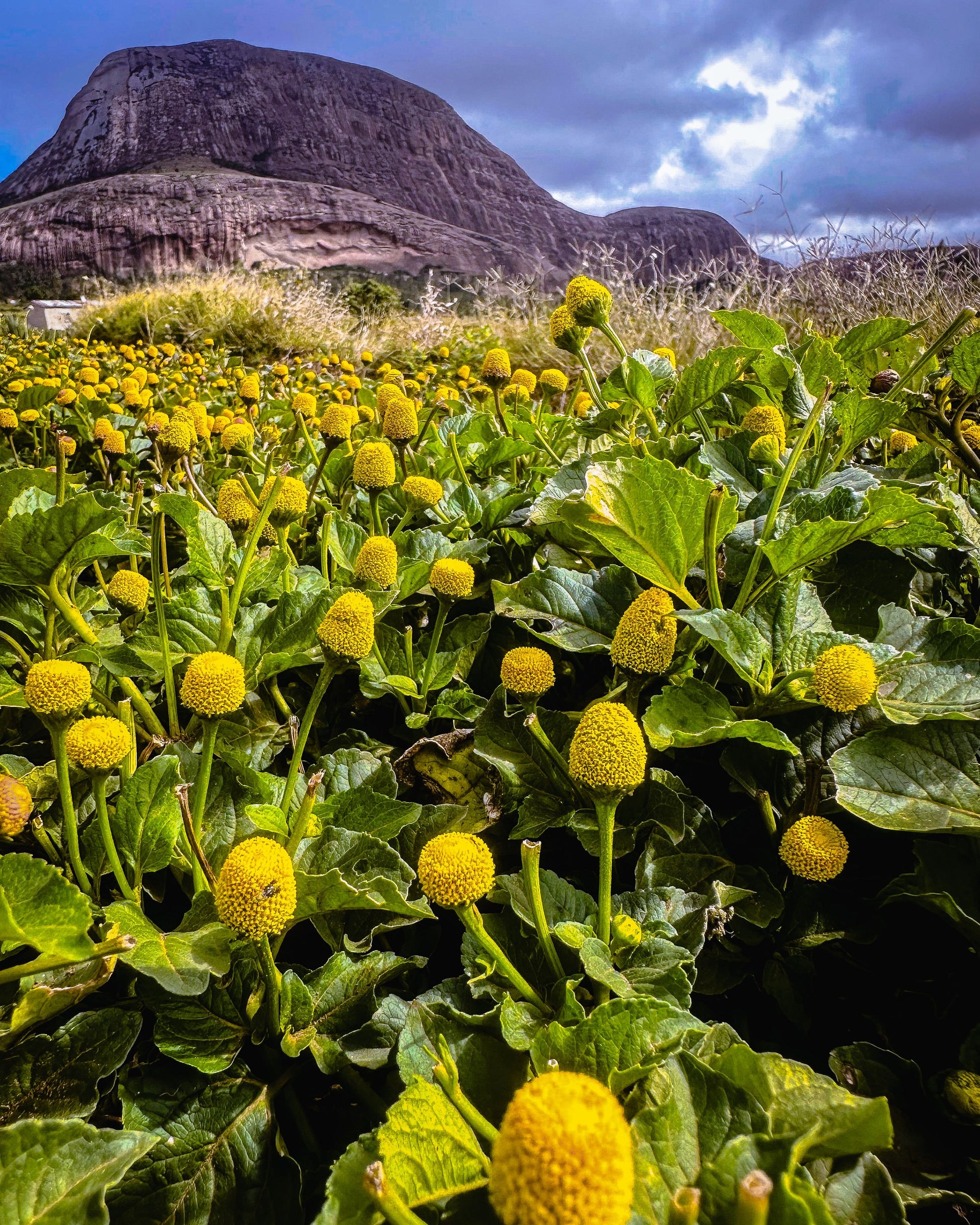
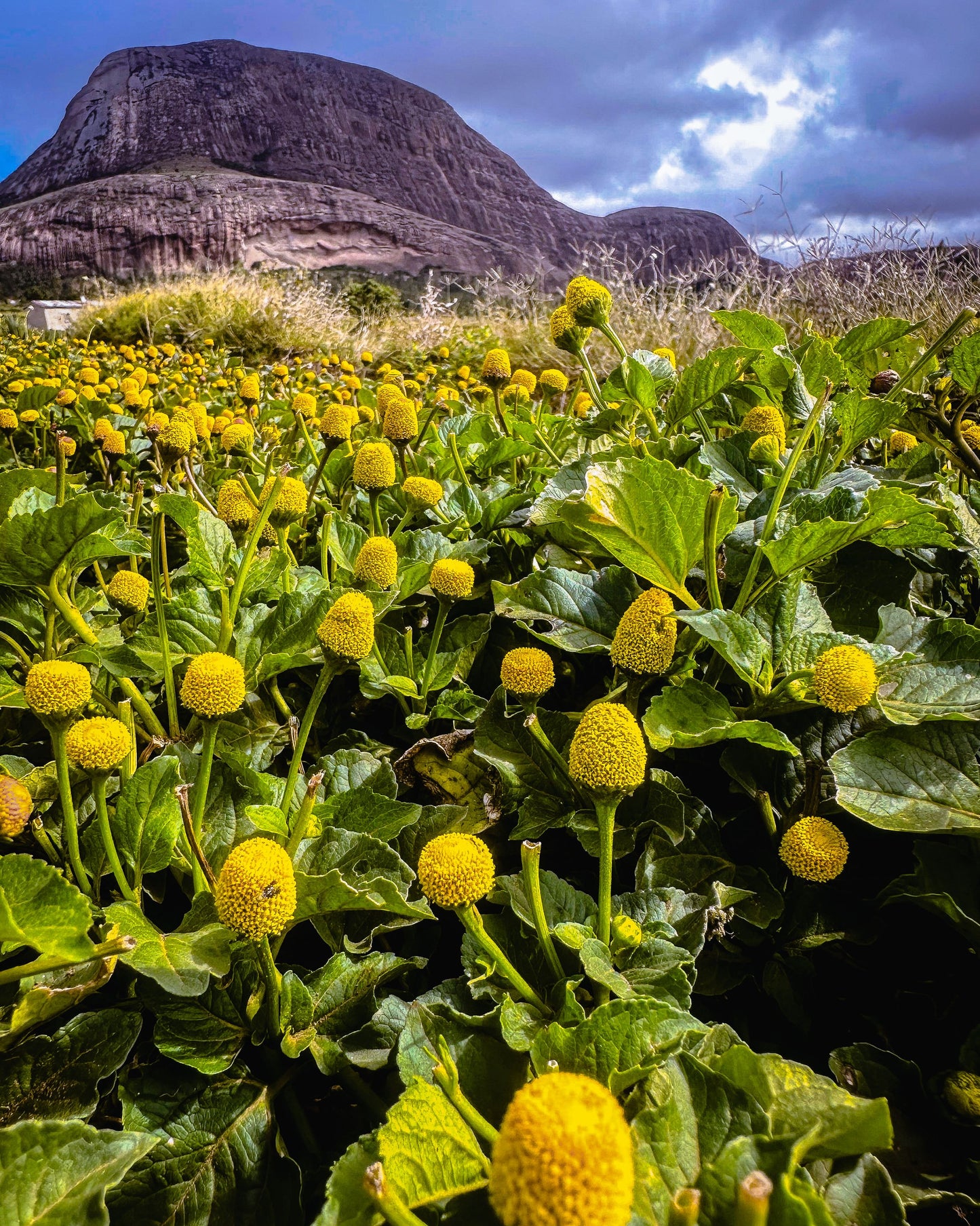
Madagascar has become one of the world's leading regions for producing premium Acmella oleracea. Its tropical climate, fertile agricultural land, and experienced growers provide ideal conditions for cultivation. However, maintaining these natural advantages requires thoughtful farming practices that balance productivity with long-term environmental stewardship.
This guide explores how sustainable harvesting contributes to high-quality Acmella oleracea, why responsible farming matters, and how supporting local communities helps build a more sustainable future for botanical cultivation.
What Is Sustainable Harvesting?
Sustainable harvesting is the practice of collecting plant material in a way that supports both present and future production while minimising unnecessary environmental impact.
Rather than focusing only on immediate yield, sustainable harvesting considers the long-term health of the entire agricultural ecosystem.
This includes protecting:
- Soil quality
- Water resources
- Biodiversity
- Crop productivity
- Farming communities
The goal is to ensure that healthy plants can continue growing year after year without degrading the natural resources on which agriculture depends.
For cultivated crops such as Acmella oleracea, sustainable harvesting works alongside responsible farming practices to maintain consistent botanical quality while supporting resilient agricultural systems.
Why Harvest Timing Matters
Harvesting at the right stage is one of the most important factors influencing the quality of botanical ingredients.
Plants naturally change throughout their life cycle as they progress from seedling to mature flowering plant. Harvesting too early may reduce the amount of usable plant material, while harvesting too late can affect freshness, appearance, and overall quality.
Experienced growers monitor several factors before harvesting, including:
- Flower maturity
- Plant health
- Weather conditions
- Seasonal rainfall
- Soil moisture
- Intended use of the harvested material
Fresh leaves intended for culinary applications are often harvested at different stages than flower heads destined for botanical extraction or drying.
Careful harvest planning allows growers to collect plant material when it has reached suitable maturity while maintaining the overall health of the crop.
Gentle Manual Harvesting Protects Plant Quality
Unlike heavily mechanised agriculture, many Acmella oleracea crops in Madagascar are harvested by hand.
Manual harvesting allows growers to carefully inspect each plant and selectively collect mature flower heads or leaves while leaving healthy plant material to continue growing.
This careful approach offers several advantages.
It helps:
- Reduce unnecessary plant damage
- Protect surrounding stems and foliage
- Maintain flower quality
- Minimise contamination
- Improve consistency during harvesting
Because Acmella oleracea often flowers continuously during the growing season, selective harvesting also allows younger flower heads to mature naturally before future harvests.
The result is a more controlled harvesting process that supports both crop quality and ongoing plant development.
Healthy Soil Is the Foundation of Sustainable Agriculture
Every successful harvest begins beneath the surface.
Healthy soils provide plants with the water, nutrients, and physical support required throughout the growing season.
Maintaining soil health is therefore one of the most important principles of sustainable agriculture.
Responsible soil management may include:
- Composting organic material
- Returning plant residues to the soil
- Crop rotation
- Preventing erosion
- Improving soil structure
- Encouraging beneficial soil microorganisms
These practices help maintain fertile farmland while reducing the need for excessive external inputs.
Strong root systems supported by healthy soil contribute directly to vigorous vegetative growth and abundant flowering.
Protecting soil today helps ensure productive harvests in future growing seasons.
Supporting Biodiversity on the Farm
Agriculture and biodiversity work best when they support one another.
Healthy farming systems provide habitats for insects, birds, microorganisms, and other organisms that contribute to balanced agricultural ecosystems.
Pollinating insects are particularly important for flowering plants such as Acmella oleracea.
Maintaining natural vegetation around cultivated areas can help encourage beneficial species while supporting ecological resilience.
Biodiversity also contributes to:
- Natural pest management
- Improved soil health
- Pollination
- Ecosystem stability
- Long-term agricultural sustainability
Protecting biodiversity benefits both farming communities and the surrounding environment.
Responsible Water Management
Water is one of agriculture's most valuable resources.
Although Acmella oleracea prefers consistent moisture, excessive irrigation can reduce soil quality and increase water waste.
Responsible water management focuses on supplying plants with sufficient moisture while using water as efficiently as possible.
Good practices may include:
- Monitoring soil moisture
- Taking advantage of seasonal rainfall
- Improving soil water retention
- Preventing unnecessary runoff
- Maintaining healthy drainage
Balanced water management supports healthy roots, vigorous growth, and continuous flowering throughout the growing season.
Careful Post-Harvest Handling
Harvesting is only the beginning of producing premium botanical ingredients.
Freshly harvested Acmella oleracea contains a high percentage of natural moisture, making proper post-harvest handling essential.
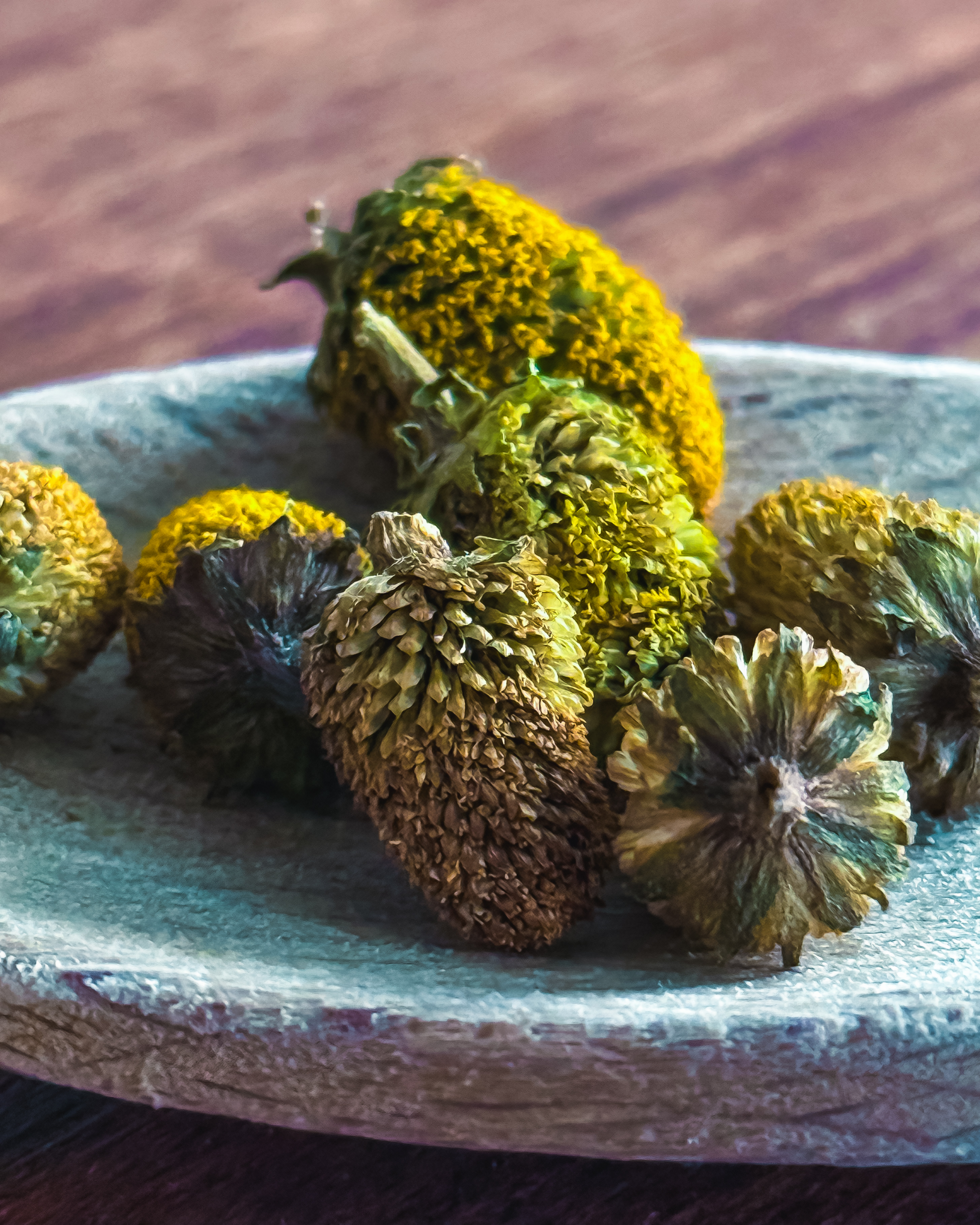
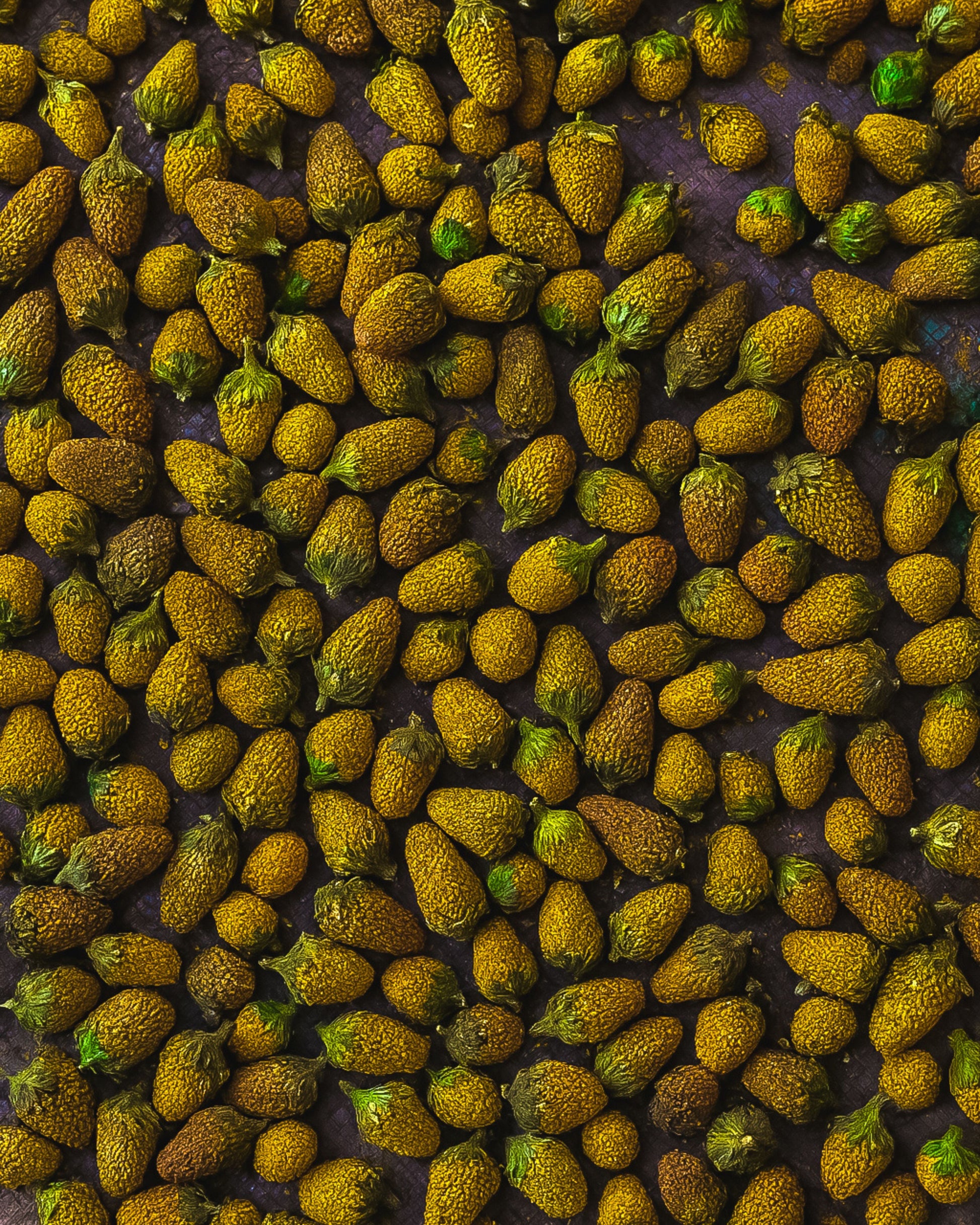
After harvesting, plant material is carefully cleaned and prepared before drying.
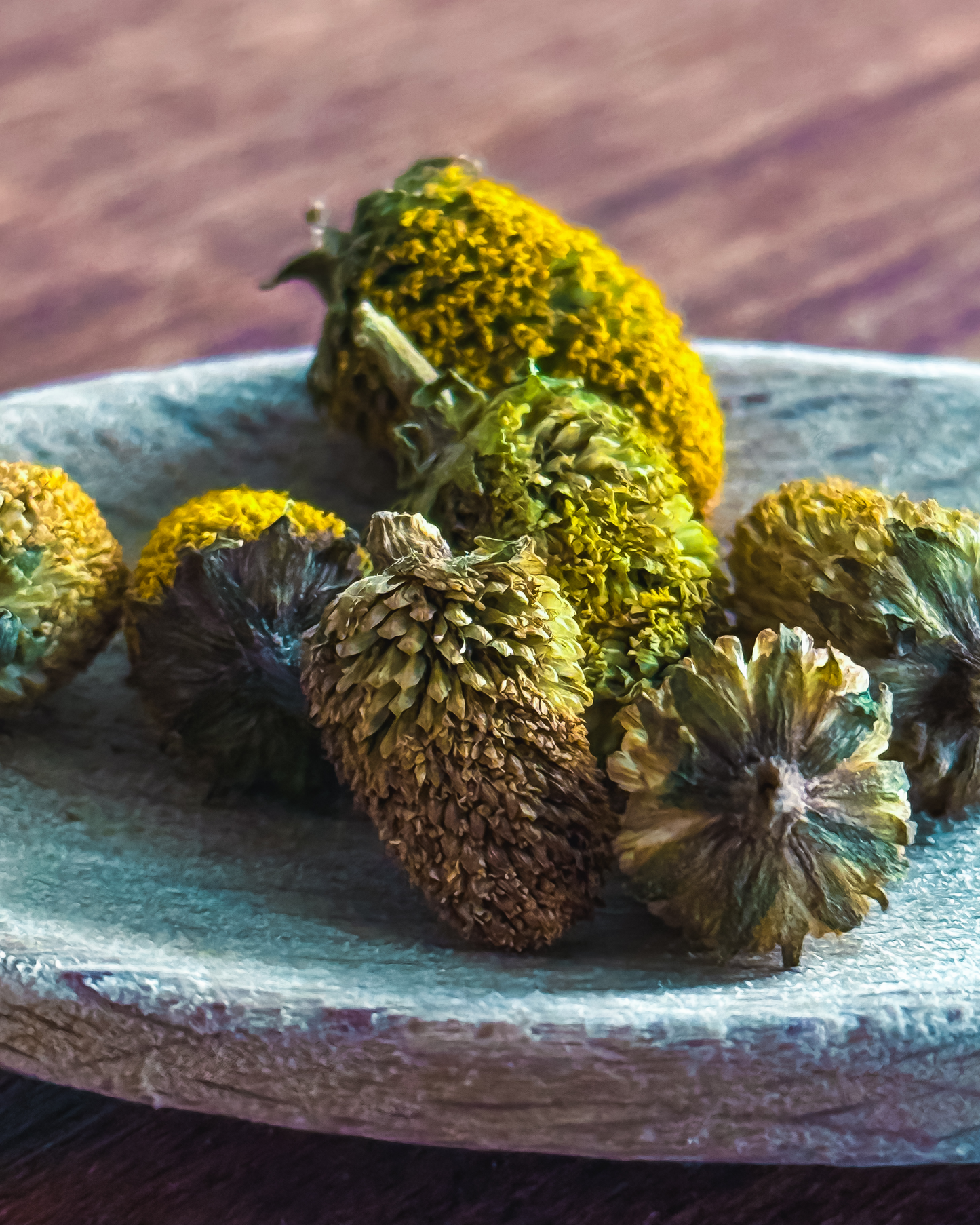
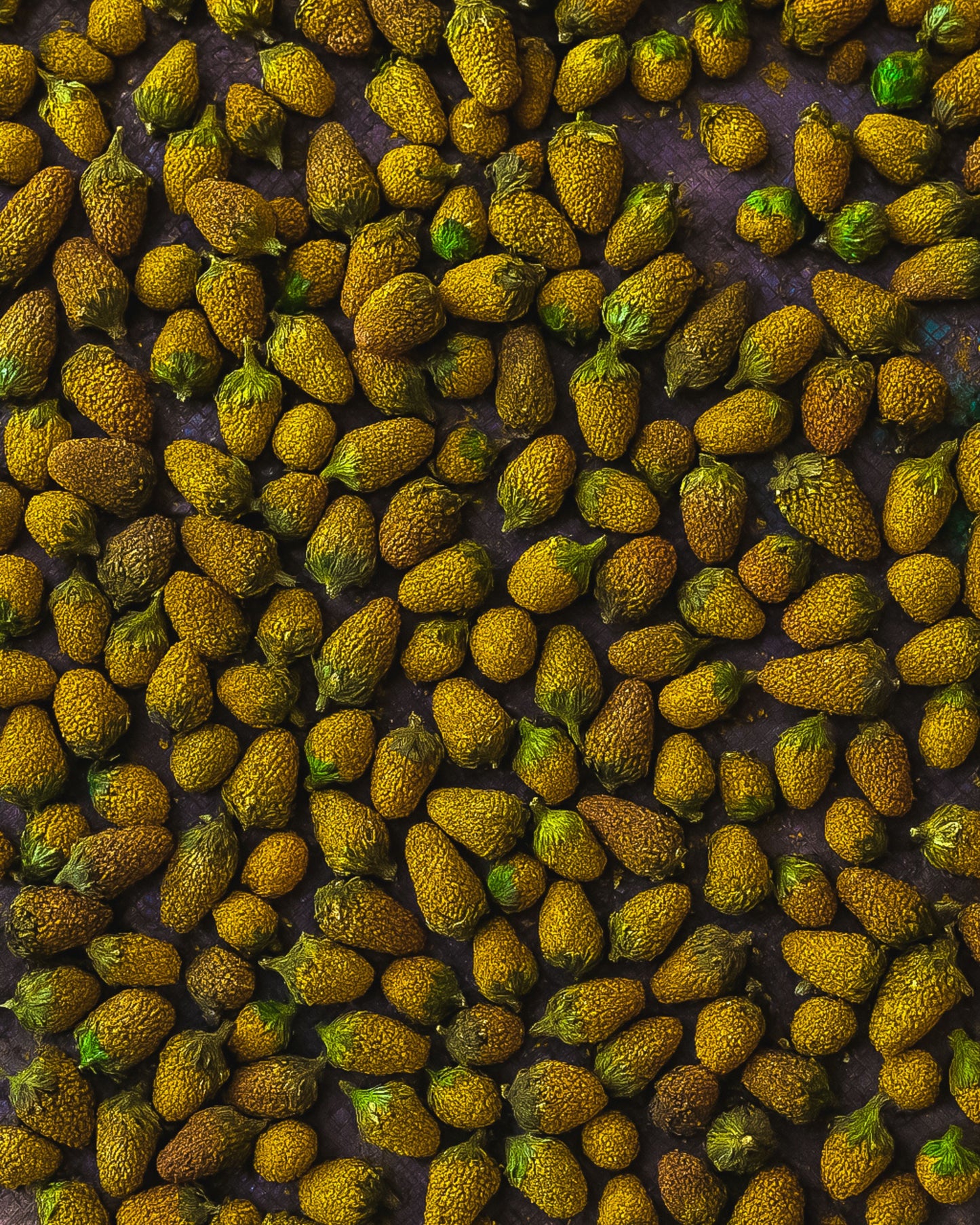
Gentle drying helps reduce moisture while preserving the plant's natural appearance and overall botanical integrity.
Proper storage is equally important.
Protecting harvested flower heads from excessive humidity, direct sunlight, and contamination helps maintain quality until the material is ready for culinary use or botanical extraction.
Every stage of post-harvest handling contributes to producing reliable botanical ingredients.
Supporting Farming Communities
Sustainable agriculture depends not only on healthy plants but also on healthy communities.
Behind every harvest are skilled farmers whose knowledge, experience, and dedication make premium botanical production possible.
Supporting local farming communities helps strengthen long-term agricultural resilience by encouraging stable livelihoods, preserving traditional knowledge, and creating opportunities for future generations.
When growers receive ongoing support and fair opportunities, they are better positioned to invest in responsible farming practices that benefit both people and the environment.
Sustainability is therefore as much about people as it is about plants.
Madabuzz's Commitment to Responsible Sourcing
At Madabuzz, we believe that premium botanical ingredients begin with responsible sourcing.
Our commitment extends beyond selecting high-quality Acmella oleracea. We also value the people and environments that make its cultivation possible.
That is why we work with carefully selected growers in Madagascar and support responsible agricultural practices that prioritise quality, sustainability, and long-term cultivation.
In addition, a portion of every Madabuzz sale is donated to initiatives that support local communities in Madagascar. These contributions help invest in projects that strengthen livelihoods, improve opportunities, and create lasting positive impact in the regions where our botanical ingredients are grown.
By choosing responsibly sourced products, customers become part of a supply chain that values transparency, environmental stewardship, and community support.
Why Sustainable Harvesting Matters
Consumers are becoming increasingly interested in where their botanical ingredients come from and how they are produced.
Sustainable harvesting offers benefits that extend throughout the entire supply chain.
Responsible cultivation helps:
- Protect agricultural land
- Maintain healthy soils
- Support biodiversity
- Encourage efficient resource use
- Improve long-term crop resilience
- Strengthen farming communities
- Preserve valuable agricultural knowledge
When combined with careful harvesting, professional drying, and responsible processing, sustainable farming contributes to premium botanical ingredients that reflect both quality and care.
Frequently Asked Questions
What is sustainable harvesting?
Sustainable harvesting is the responsible collection of plant material while protecting natural resources, supporting future crop production, and maintaining healthy agricultural ecosystems.
Is Acmella oleracea harvested by hand?
In many growing regions, including Madagascar, Acmella oleracea is commonly harvested by hand to allow selective collection and careful handling of flowers and leaves.
Why is harvest timing important?
Harvest timing influences plant maturity, freshness, and the overall quality of harvested botanical material.
Why is soil health important?
Healthy soil supports strong roots, efficient nutrient uptake, water retention, and vigorous plant growth throughout the growing season.
How does biodiversity support agriculture?
Biodiversity encourages healthy ecosystems by supporting pollinators, beneficial insects, soil organisms, and natural ecological balance.
How does Madabuzz support sustainable sourcing?
Madabuzz works with responsibly sourced Acmella oleracea from Madagascar and donates a portion of every sale to initiatives that support local communities where the plant is cultivated.

Scientific Summary
Sustainable harvesting of Acmella oleracea combines responsible agricultural practices with careful harvest timing, healthy soil management, biodiversity conservation, efficient water use, and thoughtful post-harvest handling. Together, these practices help support long-term cultivation while maintaining the quality of botanical ingredients. By investing in both environmental stewardship and farming communities, sustainable sourcing contributes to resilient agricultural systems capable of producing premium Acmella oleracea for future generations.
Conclusion
Premium botanical ingredients begin with responsible cultivation and thoughtful harvesting.
Every stage of the process, from protecting healthy soils and supporting biodiversity to carefully harvesting mature flower heads and preserving their quality after harvest, contributes to the final botanical ingredient.
Madagascar's experienced farmers and favourable growing conditions provide an excellent foundation for cultivating Acmella oleracea. When combined with sustainable agricultural practices and community investment, these efforts help protect both the environment and the people whose expertise makes premium botanical production possible.
By choosing responsibly sourced botanical ingredients, consumers help support a more sustainable future, one that values quality, transparency, and respect for both nature and local communities.