

When it comes to producing exceptional botanical ingredients, the environment matters just as much as the plant itself. Climate, soil, rainfall, farming expertise, and post-harvest handling all influence how a plant grows and the quality of the harvested material.
Although Acmella oleracea originated in South America, Madagascar has become one of the world's most suitable regions for cultivating this remarkable tropical herb. The island's warm climate, fertile soils, long growing season, and experienced agricultural communities create favourable conditions for healthy plant development and consistent flower production.
Madagascar is already internationally recognised for producing premium natural products such as vanilla, cloves, black pepper, cocoa, ylang-ylang, and essential oils. Today, Acmella oleracea has become another valuable botanical crop benefiting from the island's unique growing conditions.
This article explores why Madagascar produces premium Acmella oleracea, how responsible farming contributes to botanical quality, and why supporting local communities is an essential part of sustainable cultivation.
Madagascar: An Island of Exceptional Biodiversity
Madagascar is often described as one of the world's most remarkable biodiversity hotspots.
Separated from mainland Africa for millions of years, the island has evolved an extraordinary range of unique plants and animals found nowhere else on Earth. More than 80% of Madagascar's native plant species are considered endemic, making the country one of the richest botanical regions in the world.
This exceptional biodiversity has also created ideal conditions for cultivating a wide variety of valuable agricultural and botanical crops.
Today, Madagascar is internationally known for producing:
- Premium vanilla
- Cloves
- Black pepper
- Cocoa
- Coffee
- Ylang-ylang
- Cinnamon
- Essential oils
- Medicinal and aromatic plants
Its long agricultural tradition combines favourable natural conditions with generations of farming knowledge, making Madagascar an important source of high-quality botanical ingredients for food, cosmetics, and wellness industries worldwide.
Acmella oleracea has found a natural home within this diverse agricultural landscape.
Why Acmella oleracea Thrives in Madagascar
Like many tropical plants, Acmella oleracea performs best under warm, humid conditions with abundant sunlight and reliable rainfall.
Madagascar offers many of these environmental characteristics throughout much of the year.
The island's tropical and subtropical climate provides:
- Warm daytime temperatures
- Seasonal rainfall
- Long growing seasons
- High humidity
- Good sunlight exposure
- Fertile agricultural land
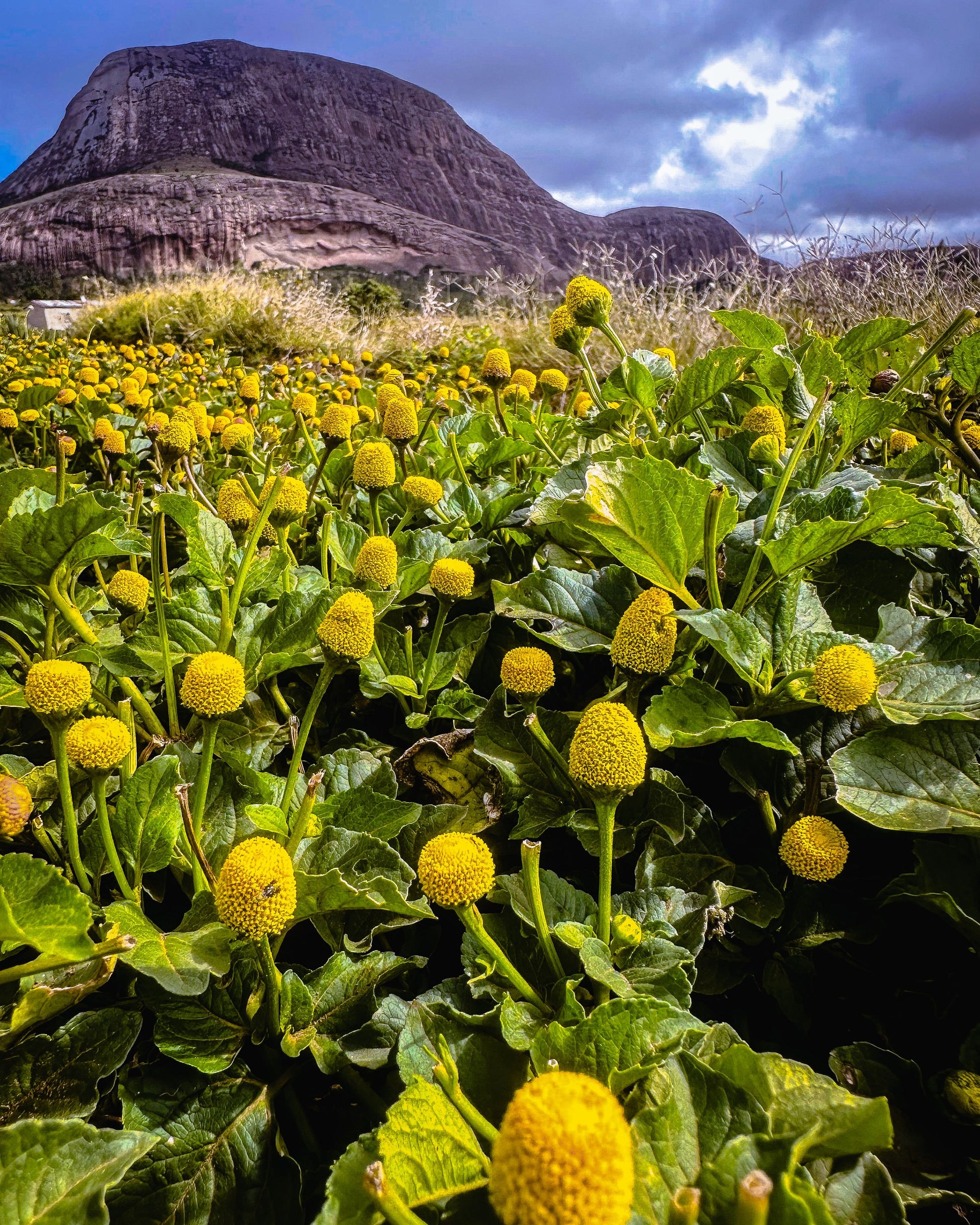
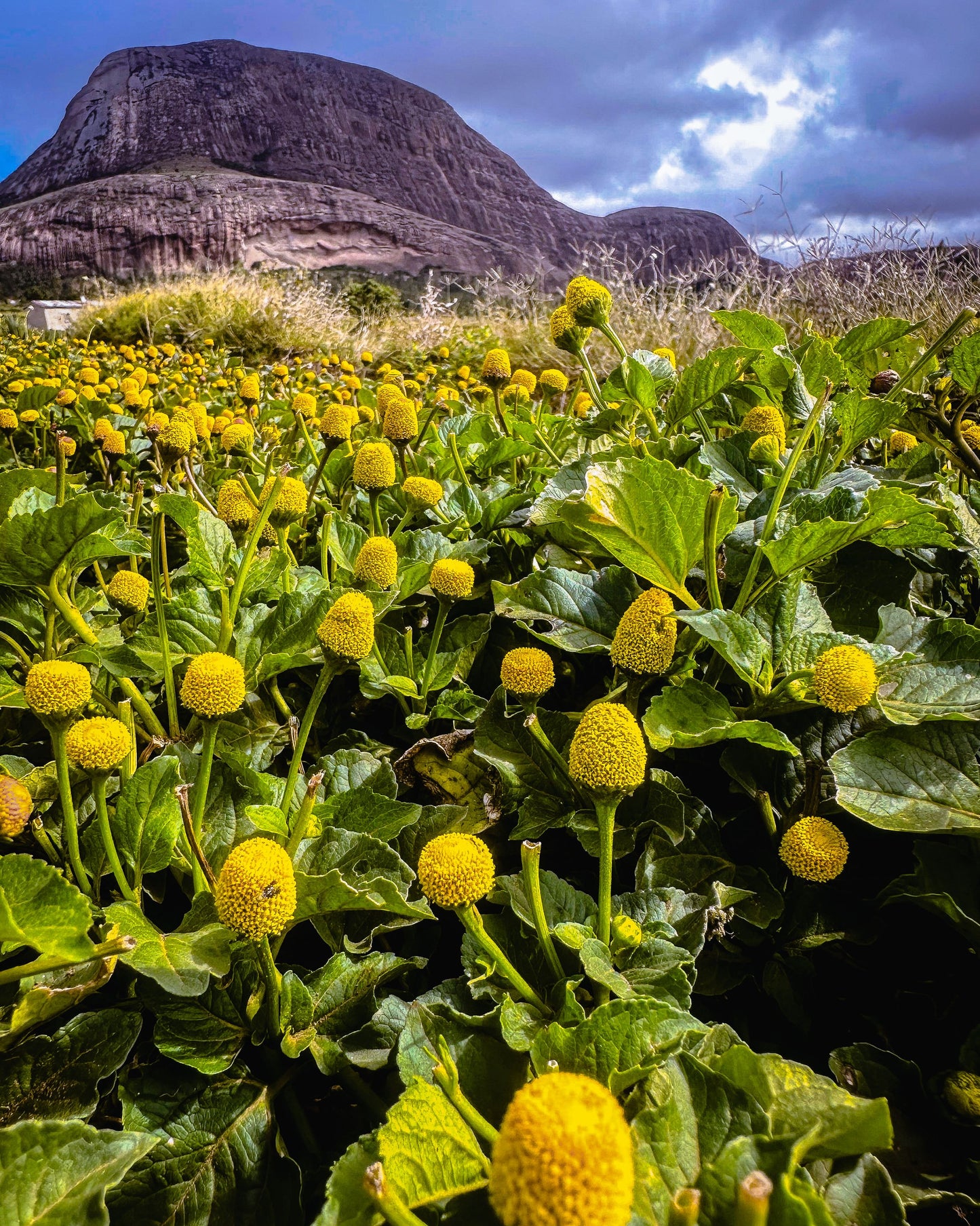
These conditions encourage vigorous vegetative growth, healthy branching, and the continuous production of the distinctive cone-shaped flower heads that make Acmella oleracea so recognisable.
Unlike regions with short growing seasons or colder climates, many areas of Madagascar allow the plant to develop naturally over an extended period, supporting multiple harvests during favourable conditions.
Healthy growing conditions contribute to strong plant development from seed germination through flowering and seed production.
Fertile Soils Support Healthy Plant Development
Healthy plants begin with healthy soil.
Many agricultural regions of Madagascar benefit from fertile soils rich in organic matter, providing an excellent foundation for plant growth.
Good soil supports:
- Strong root development
- Efficient water absorption
- Nutrient availability
- Healthy microbial activity
- Stable plant growth
Well-drained soils are particularly important for Acmella oleracea, as excessive waterlogging can reduce root health and limit plant development.
Farmers often improve soil quality through sustainable agricultural practices such as composting, crop rotation, and organic matter management, helping maintain long-term soil fertility while reducing environmental impact.
Healthy soil is one of the most important factors influencing overall plant quality throughout the growing season.
A Climate That Encourages Continuous Flowering
One of the most distinctive features of Acmella oleracea is its ability to produce flowers over an extended growing season.
The plant naturally forms its characteristic cone-shaped yellow flower heads when provided with sufficient warmth, sunlight, and moisture.
Madagascar's climate allows plants to continue producing new branches and flower heads over many weeks or even months, depending on local growing conditions.
This extended flowering period provides growers with greater flexibility when scheduling harvests while allowing flowers to reach suitable maturity before collection.
Continuous flowering is particularly valuable because different harvests can be carefully timed according to their intended culinary or botanical applications.
Experienced Farmers Make the Difference
Excellent growing conditions alone do not guarantee premium botanical ingredients.
The experience and knowledge of local farmers play an equally important role.
Cultivating Acmella oleracea requires careful attention throughout the growing season, including:
- Preparing healthy soil
- Selecting quality seed
- Managing irrigation
- Controlling weeds
- Monitoring plant health
- Identifying the ideal harvest stage
- Handling harvested material carefully
Many farming communities in Madagascar possess generations of agricultural knowledge, adapting traditional cultivation techniques while meeting modern quality standards required for international botanical markets.
This combination of local expertise and careful crop management contributes significantly to the consistency of harvested plant material.
Harvest Timing Influences Botanical Quality
Harvesting is one of the most important stages in botanical production.
Collecting plants too early may reduce yield, while harvesting too late can affect freshness and overall quality.
Experienced growers carefully monitor plant development before harvesting leaves or flower heads.
Factors considered include:
- Flower maturity
- Plant health
- Weather conditions
- Moisture levels
- Harvest purpose
Different parts of the plant may be collected depending on their intended use.
Young leaves are often harvested for culinary applications, while mature flower heads are commonly selected for botanical processing and extraction.
Careful harvest timing helps ensure that the harvested material reflects the natural characteristics of the plant at its optimal stage of development.
Careful Drying Preserves Botanical Quality
Harvesting is only the beginning of producing premium botanical ingredients.
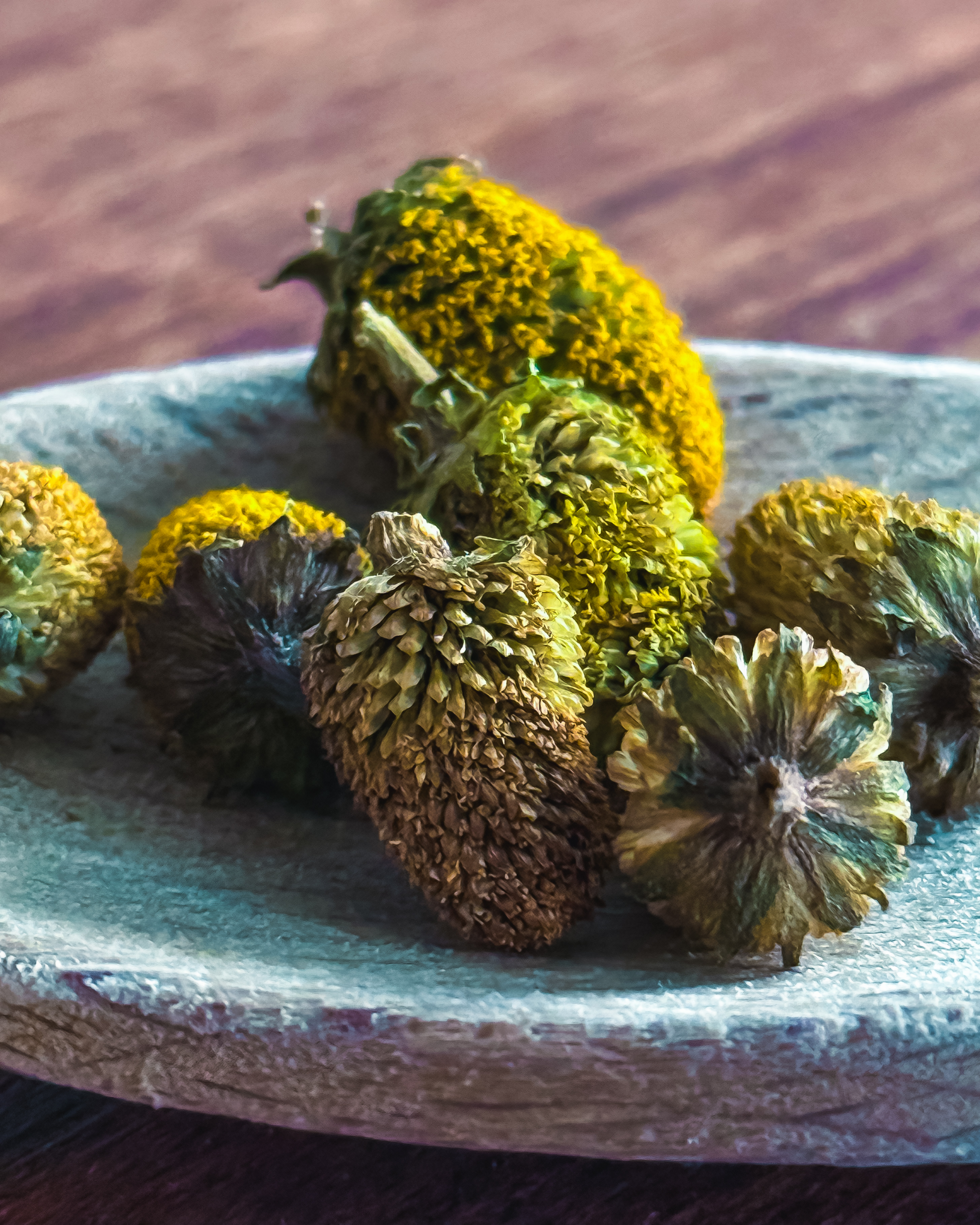
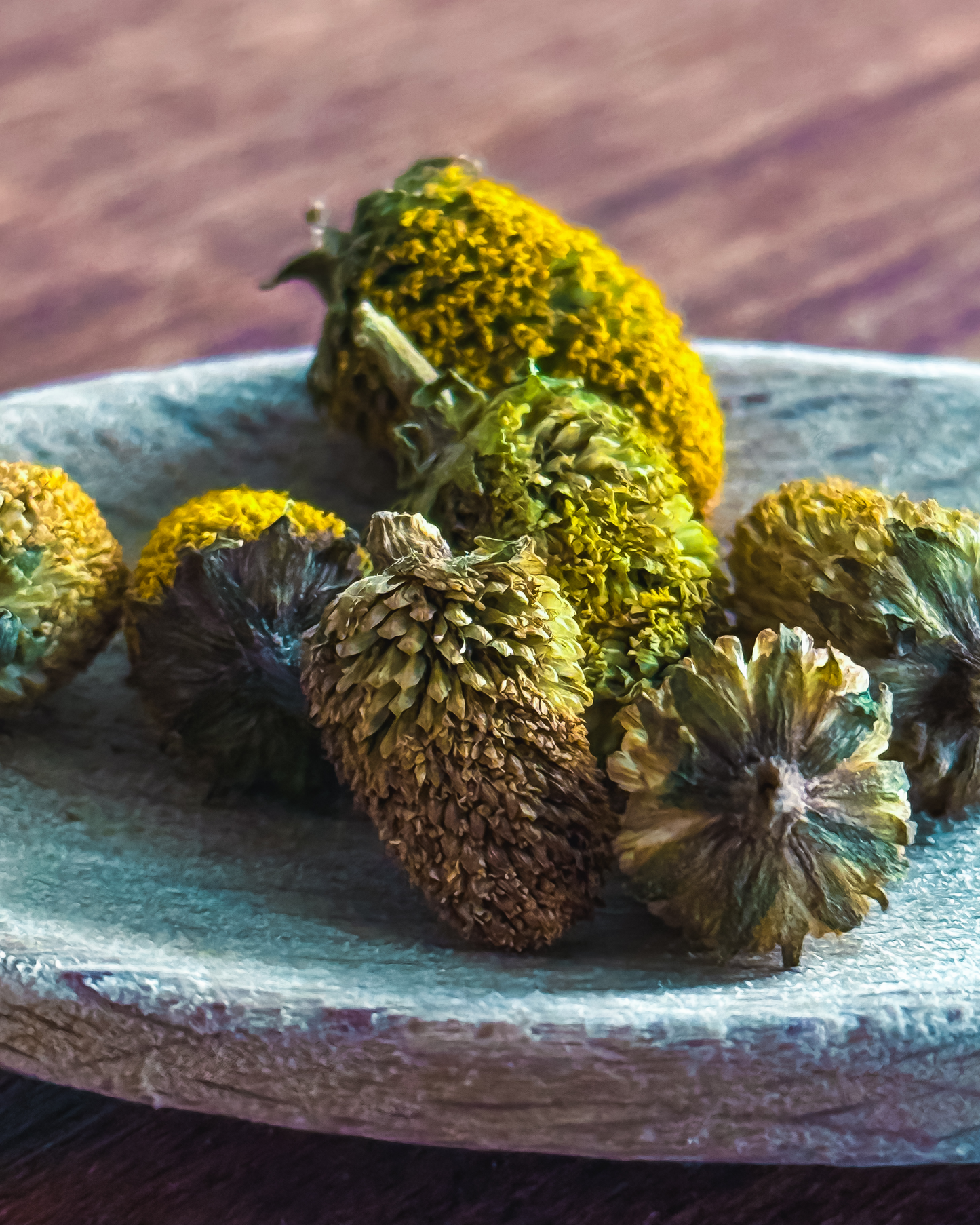
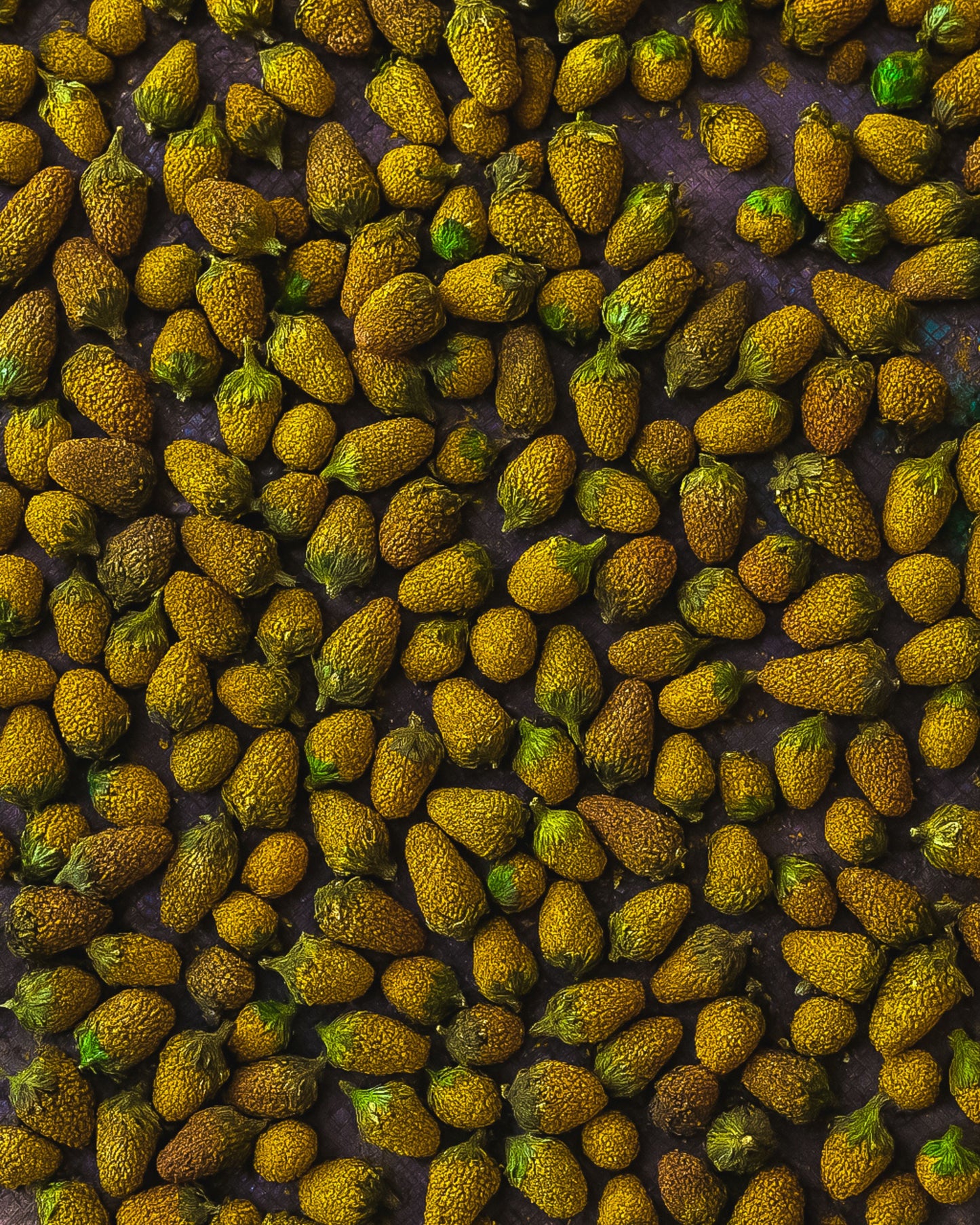
Freshly harvested Acmella oleracea contains significant moisture, making proper drying essential for preserving quality during storage and transportation.
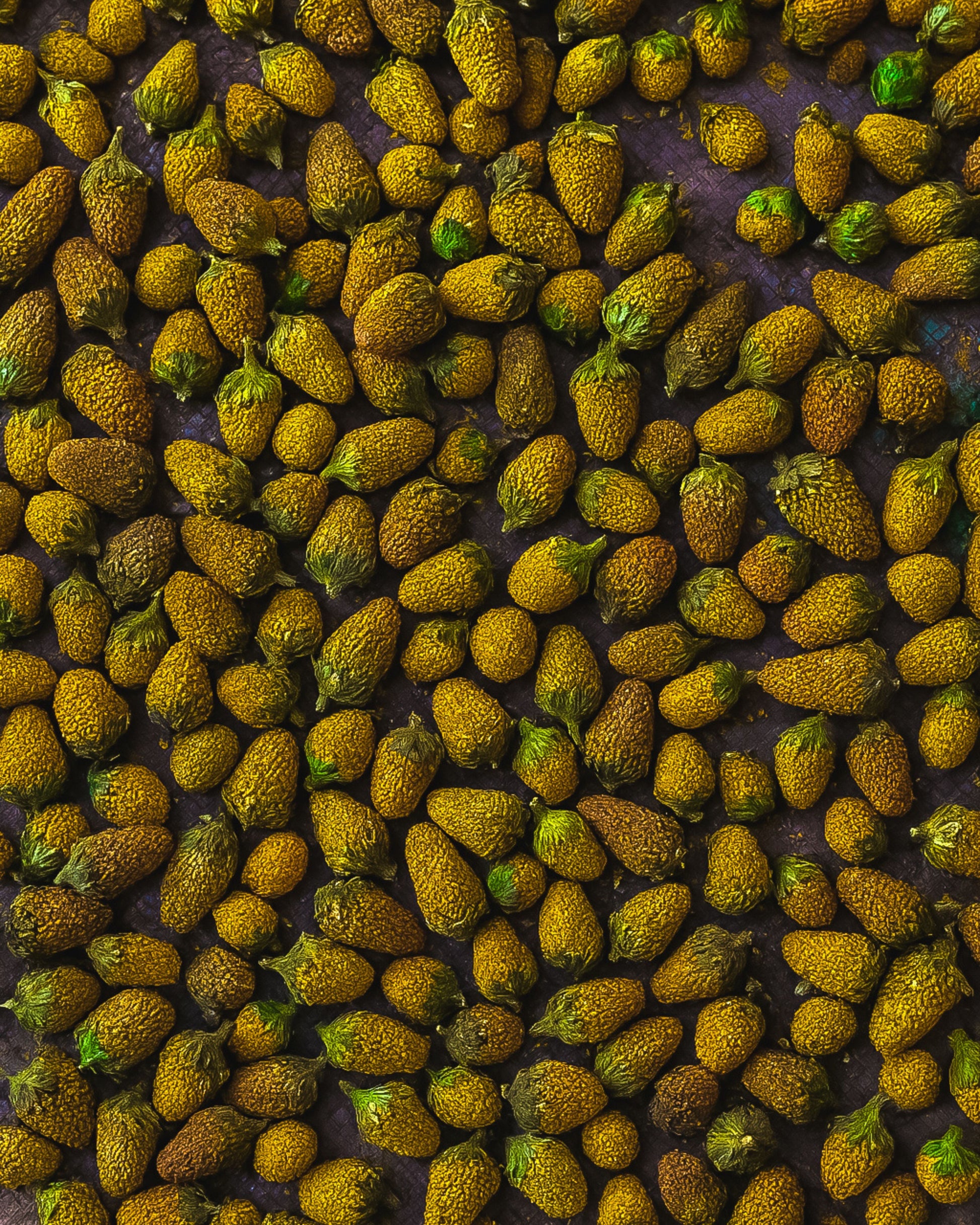
Gentle drying helps reduce moisture while maintaining the plant's natural appearance, aroma, and botanical integrity.
Professional drying focuses on achieving consistent moisture levels while avoiding excessive heat that could damage delicate plant tissues.
Once dried, the flower heads are stored under controlled conditions that protect them from excessive humidity, sunlight, and contamination before further processing.
Careful post-harvest handling ensures that the harvested botanical material arrives in excellent condition for culinary use or extraction.
Sustainability Begins with Responsible Farming
Sustainability is not defined by a single farming method but by a long-term commitment to protecting natural resources while supporting local livelihoods.
Responsible cultivation of Acmella oleracea focuses on maintaining healthy agricultural ecosystems for future generations.
Sustainable farming practices may include:
- Protecting soil health
- Using water efficiently
- Managing weeds responsibly
- Encouraging biodiversity
- Reducing unnecessary waste
- Supporting long-term agricultural resilience
These practices help maintain productive farmland while protecting the natural environment that makes high-quality cultivation possible.
As global demand for botanical ingredients continues to grow, responsible farming becomes increasingly important for balancing commercial production with environmental stewardship.
Supporting Local Communities
Behind every harvest are the people who cultivate, care for, and process the plants.
Local farming communities play an essential role in producing the premium botanical ingredients used around the world, and supporting these communities helps create a more resilient and sustainable supply chain.
At Madabuzz, we believe that responsible sourcing goes beyond ingredient quality. It also means recognising the people whose knowledge, dedication, and hard work make that quality possible.
That is why a portion of every Madabuzz sale is donated to initiatives that support local communities in Madagascar. These contributions help invest in projects that strengthen livelihoods, improve opportunities, and create lasting positive impact where our Acmella oleracea is grown.
By choosing responsibly sourced botanical products, customers become part of a wider commitment to sustainability, helping support both the environment and the communities that depend on it.
Why Origin Matters
When evaluating botanical ingredients, origin should never be viewed in isolation.
The quality of a botanical crop is influenced by a combination of interconnected factors, including:
- Plant genetics
- Climate
- Soil conditions
- Agricultural practices
- Harvest timing
- Drying methods
- Storage
- Processing techniques
Madagascar offers an exceptional environment where many of these factors work together to support healthy plant growth and consistent botanical quality.
While no single region can guarantee the characteristics of every harvest, favourable growing conditions combined with experienced farming practices contribute to producing botanical ingredients that meet demanding quality standards.
Understanding where a plant is grown provides valuable insight into the care, expertise, and environmental conditions behind every harvest.
Frequently Asked Questions
Is Acmella oleracea native to Madagascar?
No. Acmella oleracea is native to South America but has adapted exceptionally well to Madagascar's tropical growing conditions, where it is now widely cultivated.
Why is Madagascar well suited for growing Acmella oleracea?
The island offers warm temperatures, seasonal rainfall, fertile soils, abundant sunlight, and a long growing season that supports healthy plant development and continuous flowering.
Does climate affect botanical quality?
Yes. Climate influences plant growth, flowering, harvest timing, and overall crop development. It is one of several factors that contribute to botanical quality.
Why are experienced farmers important?
Experienced growers understand how to manage soil, irrigation, harvesting, and post-harvest handling, helping produce consistent, high-quality botanical ingredients.
Why is sustainable farming important?
Sustainable farming helps protect soil, water, biodiversity, and agricultural productivity while supporting farming communities for future generations.
How does Madabuzz support Madagascar?
A portion of every Madabuzz sale is donated to community initiatives in Madagascar, helping support local projects that contribute to stronger communities and long-term sustainable development.
Scientific Summary
Although Acmella oleracea originated in South America, Madagascar provides an ideal environment for its cultivation. Warm tropical temperatures, fertile soils, seasonal rainfall, and experienced farming communities support healthy plant development throughout the growing season. Combined with careful harvesting and responsible post-harvest handling, these factors contribute to the production of premium botanical raw materials while encouraging sustainable agricultural practices.
Conclusion
Producing premium Acmella oleracea is about far more than simply growing a plant. It is the result of a careful balance between nature, agricultural expertise, responsible harvesting, and thoughtful stewardship of the land.
Madagascar's favourable climate, fertile soils, and experienced farming communities create an environment where Acmella oleracea can thrive. When these natural advantages are combined with sustainable cultivation practices and careful post-harvest processing, the result is a botanical ingredient valued for its quality and consistency.
Equally important is supporting the people behind every harvest. By investing in local communities alongside responsible sourcing, we can help ensure that the cultivation of Acmella oleracea continues to benefit both the environment and the communities that make its production possible.