

Quick overview
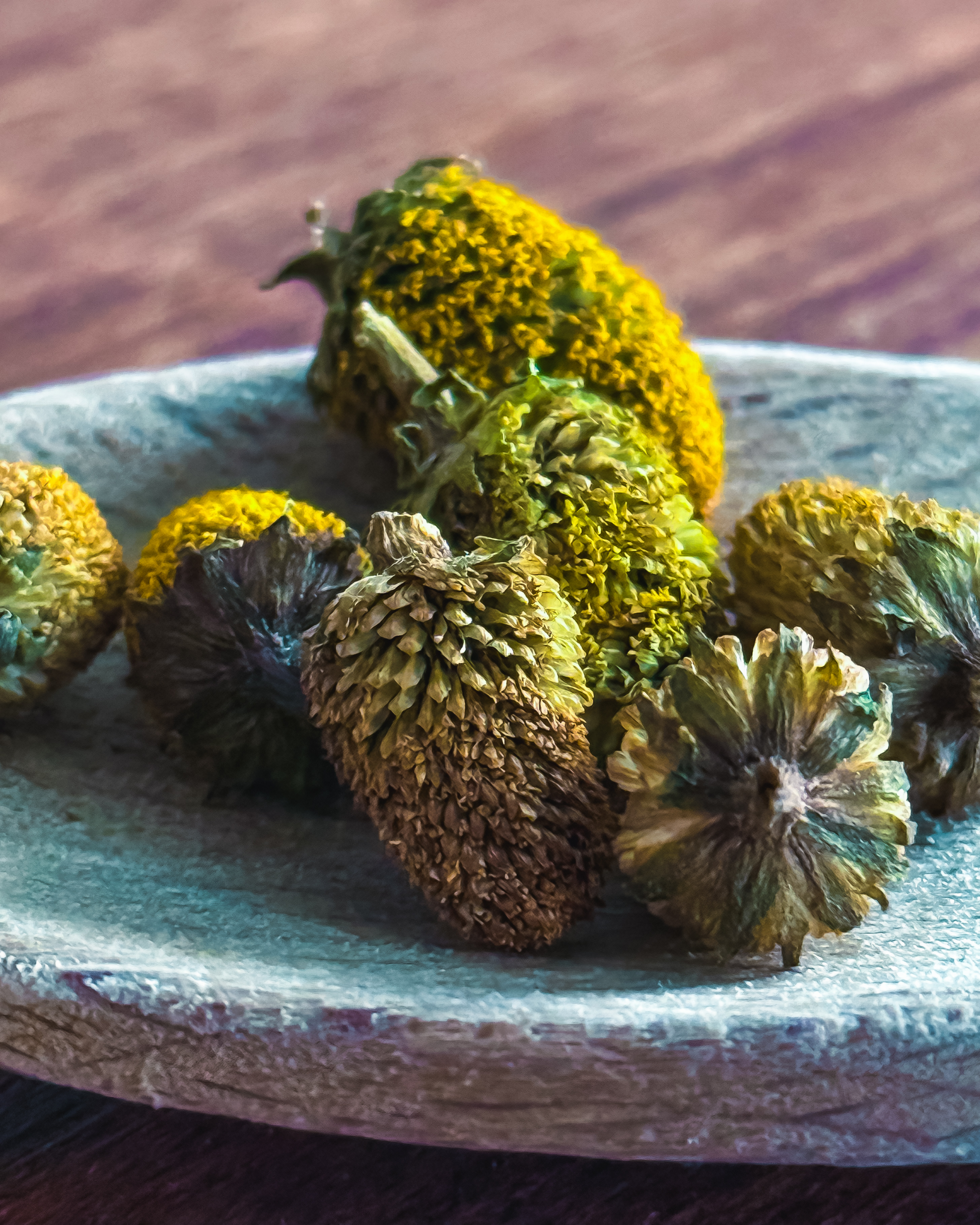
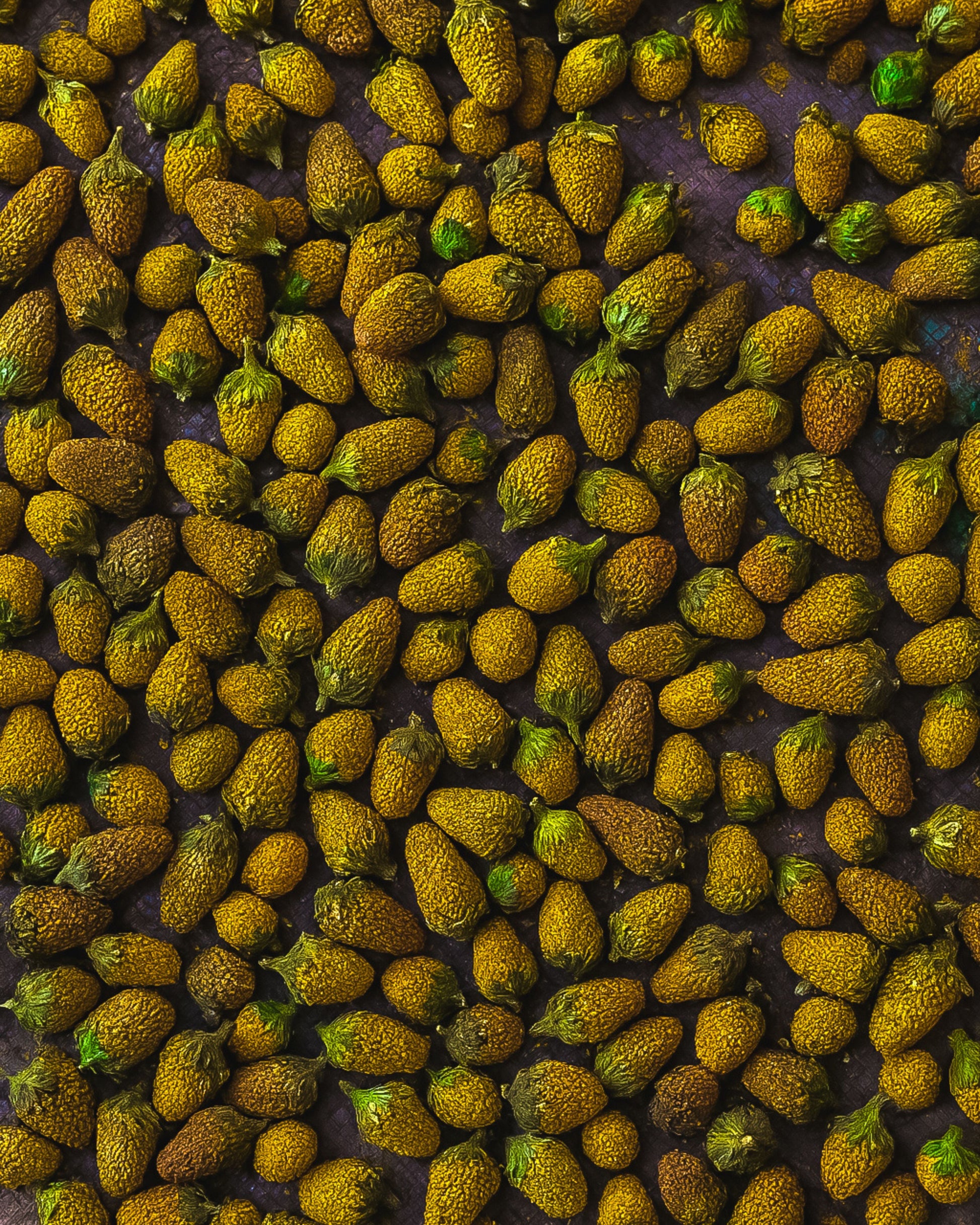
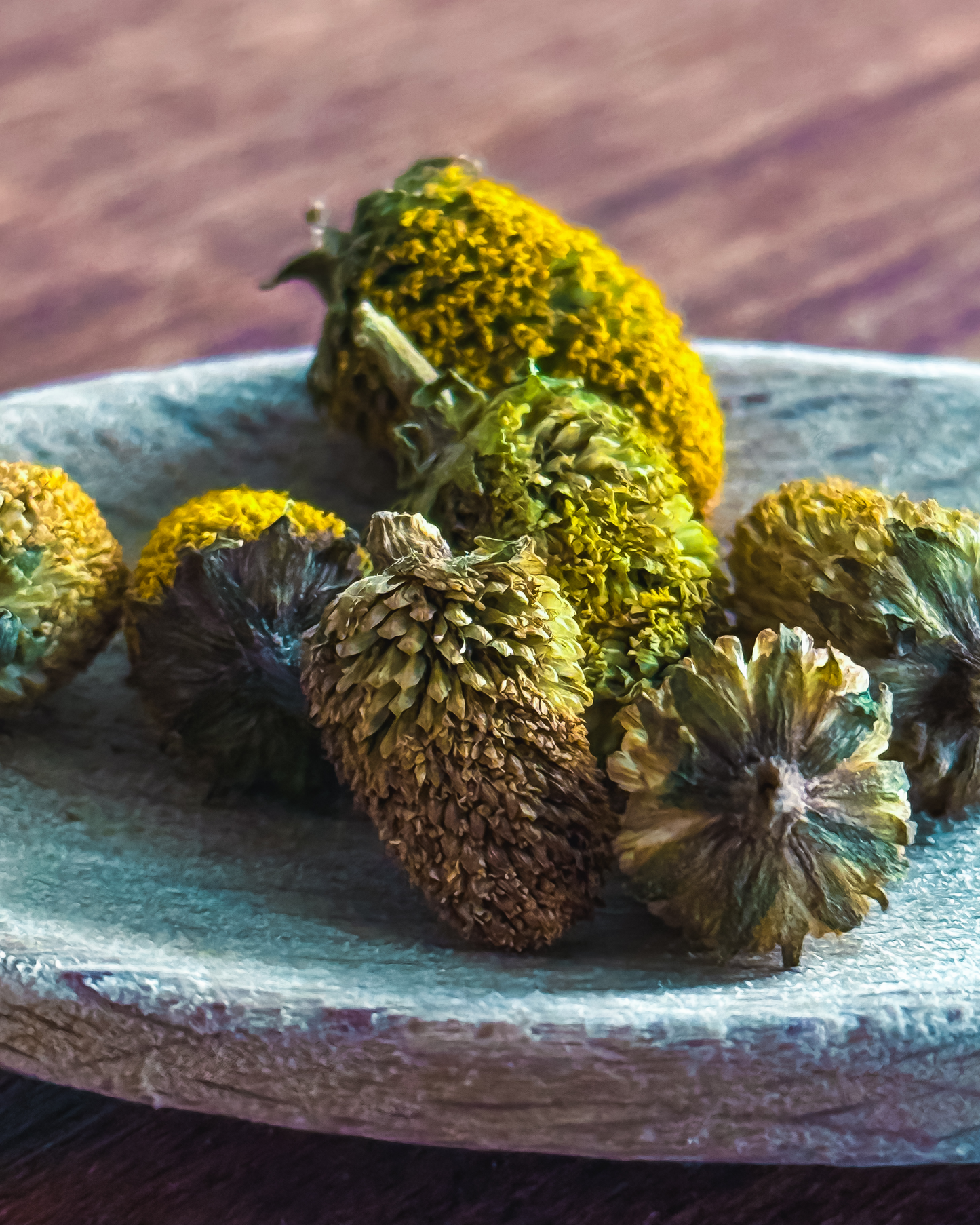
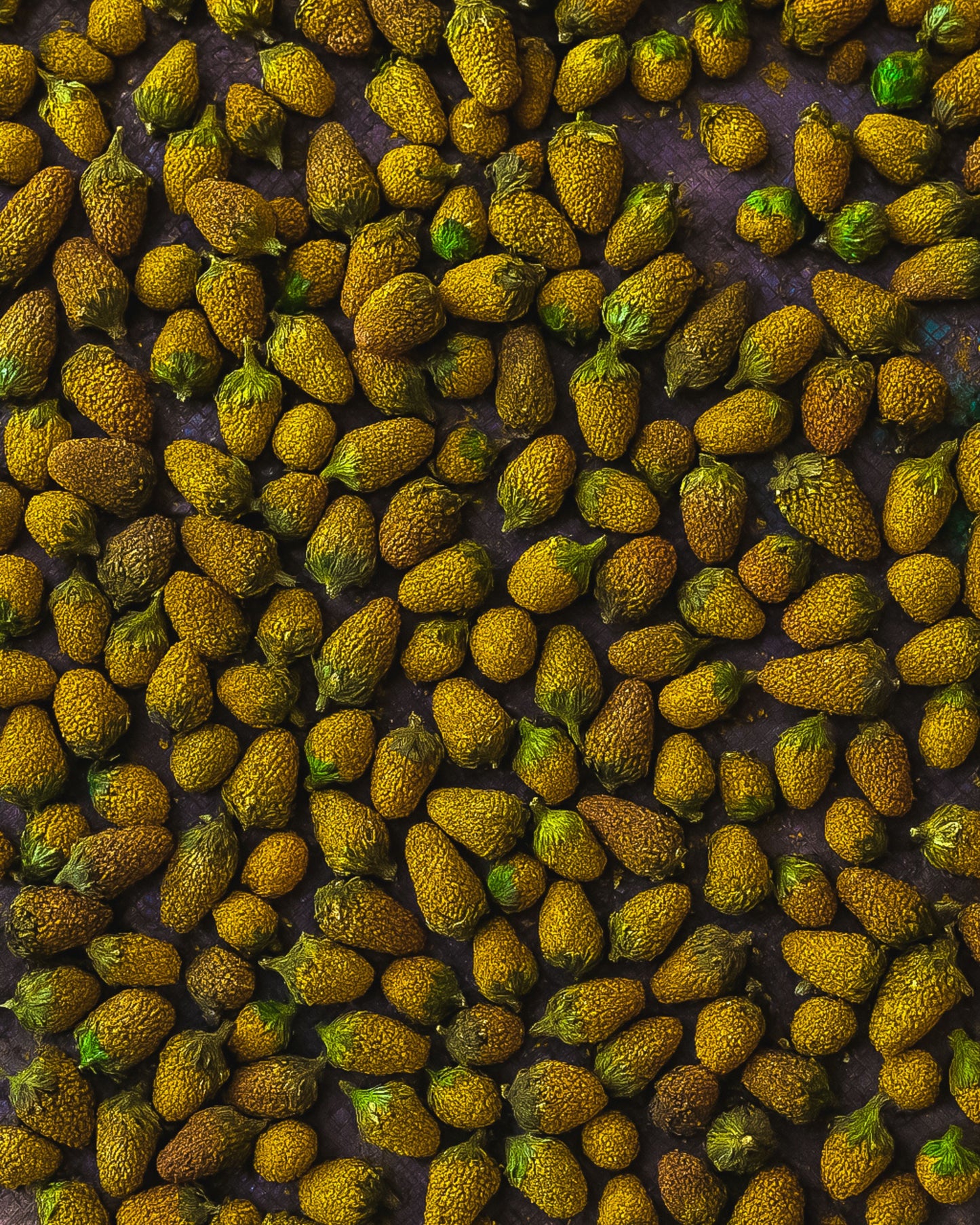
Paracress (Acmella oleracea), also known as spilanthes or buzz buttons, is a small flowering herb prized for its distinctive sensory effect. When chewed or applied topically, it creates a bright, tingling sensation often described as buzzing, lightly numbing, or mouth-watering.
Because of this unique profile, paracress has found its way into both creative mixology and experimental skincare formulations. In bars, it is used as a sensory spice or interactive garnish; in cosmetics, it adds an immediate, noticeable sensation that enhances product experience.
Key facts at a glance
-
Common names: Paracress, Acmella oleracea, Spilanthes, Buzz Buttons
-
Known for: Tingling, numbing, mouth-watering sensation
-
Formats: Fresh flowers, dried flowers, extracts, tinctures
-
Uses: Cocktails, mocktails, syrups, cosmetic formulations
Flavor and sensory profile
Paracress offers more than novelty. Its flavor and mouthfeel make it a versatile tool for both drinks and topical products.
Fresh buzz buttons have a green, herbaceous, slightly peppery flavor. The characteristic tingle appears almost immediately, increasing salivation and subtly altering how other flavors are perceived.
Sensory characteristics
-
Bright, green, slightly peppery taste
-
Immediate tingling and mild numbing sensation
-
Increased salivation that amplifies acidity and aroma
-
Short-lived, reversible effect
These properties make paracress especially appealing in applications where interaction and surprise are part of the experience.
How to use buzz buttons in cocktails
Buzz buttons are widely used by bartenders to add drama, interaction, and a memorable sensory layer to drinks. They can be applied whole, infused, or dosed precisely via tinctures.
Garnish and presentation
Whole fresh buttons work well as an interactive garnish. Place one on the rim, skewer it on a pick, or float it in a highball or coupe.
When a guest bites into the flower, the tingling sensation begins instantly, creating a playful contrast with bright, acidic cocktails.
Best suited for:
-
Citrus-forward drinks
-
Sparkling cocktails
-
Light, aromatic profiles
Infusions and syrups
Infusions allow better control over intensity while preserving aroma and sensation.
Simple syrup infusion
-
Prepare a 1:1 sugar-to-water syrup
-
Add a few fresh buzz buttons
-
Steep for 30–60 minutes, tasting regularly
-
Strain and store refrigerated
Spirit infusion
-
Macerate fresh buttons in vodka or another neutral spirit
-
Steep for 24–48 hours
-
Filter carefully and dose conservatively
Because paracress is potent, short infusions and gradual adjustment are recommended.
Balancing and pairings
The tingling effect enhances acidity and texture, making certain pairings especially effective.
Works well with
-
Citrus: lemon, lime, yuzu, grapefruit
-
Floral notes: elderflower, chamomile, lavender
-
Spirits: gin, blanco tequila, vodka
-
Sparkling wine and carbonated mixers
Control and technique
Intensity can be managed through:
-
Micro-muddling small amounts
-
Using tinctures for precise dosing
-
Adding extract drop by drop
Muddling releases compounds quickly, while tinctures offer consistency and repeatability - ideal for professional settings.
What is spilanthol and how it works
The primary bioactive compound in paracress is spilanthol, an aliphatic amide responsible for the plant’s characteristic tingling and numbing sensation.
Spilanthol interacts with oral sensory receptors and ion channels, producing effects that are:
-
Immediate
-
Noticeable but temporary
-
Fully reversible
This short-lived sensory response is why paracress is popular in food, beverage, and personal care products focused on novel sensory experiences rather than long-term effects.
Using paracress in skincare
Beyond beverages, paracress is increasingly explored in topical cosmetic formulations. Its tingling or warming sensation can make products feel more active and engaging upon application.
Common topical formats
-
Serums and ampoules: very low concentrations for subtle sensation
-
Masks: short-term sensory experience during use
-
Prototype cosmetics: testing consumer response to novel textures
Formulation considerations
When working with paracress extracts, formulators must carefully balance:
-
Concentration
-
Solvent compatibility
-
pH and stability
-
Interaction with other actives
Because sensation is central to its appeal, overdosing can lead to discomfort or irritation. Stability and compatibility testing are essential.
Safety, sourcing, and precautions
Responsible sourcing and controlled use are critical.
Best practices
-
Use sparingly and start with low concentrations
-
Choose food-grade material for culinary use
-
Choose cosmetic-grade extracts for skincare
-
Avoid broken skin and the eye area
-
Perform patch tests for topical products
-
Clearly communicate the sensory effect to users
Practical tips
For cocktails, fresh flowers from trusted growers provide the most vivid experience. For formulations and repeatable dosing, standardized extracts or tinctures offer greater consistency.
Always label products clearly so users expect the tingling sensation and are not caught off guard.
Quick recipes and starter ideas
Buzz Button Lemonade (cocktail or mocktail)
-
Prepare paracress syrup: steep 6–8 fresh buttons in 1 cup simple syrup for 30 minutes, strain.
-
Combine:
-
45 ml spirit (optional)
-
30 ml fresh lemon juice
-
20 ml paracress syrup
-
Top with sparkling water
-
-
Garnish with one fresh buzz button.
Paracress tincture (controlled dosing)
Macerate fresh buttons in 40–60% ethanol for 24–48 hours. Strain and use by the drop for precise control.
Topical sensory mask (prototype)
Add a low-concentration paracress extract to a rinse-off clay mask. Perform patch testing and adjust concentration cautiously.
FAQ
Will paracress cause long-lasting numbness?
No. The tingling and mild numbness typically fade within minutes, depending on dose and individual sensitivity.
Can buzz buttons be cooked?
Yes, but heat reduces their volatile sensory profile. For maximum effect, use them fresh or add them late in preparation.
Who should avoid paracress?
Pregnant or breastfeeding individuals, children, and those with sensitivities should consult a professional before use, especially with extracts.
How do I patch test skincare products?
Apply a small amount to the inner forearm, cover, and wait 24–48 hours. Discontinue use if irritation occurs.

Disclaimer
This article is for informational purposes only and does not constitute medical advice. Paracress produces strong sensory effects and should be used responsibly. Individuals with health concerns, allergies, or sensitivities should consult a qualified professional before ingesting or applying botanical extracts. Always perform appropriate safety and stability testing.