

Spilanthol: Benefits, Cosmetic Testing, and Product Launching Insights
Introduction to Spilanthol in Modern Skincare
Spilanthol has quickly become a buzzword in the beauty and skincare world. Known for its unique tingling sensation and impressive anti-aging properties, this natural compound is now a key ingredient in many innovative cosmetic formulations. As consumers increasingly seek natural yet effective skincare solutions, Spilanthol stands out as a promising bioactive compound.
Derived from plants and supported by growing scientific research, Spilanthol is often referred to as a “natural Botox alternative.” Its ability to relax facial tension, improve skin texture, and deliver a noticeable sensory experience makes it highly desirable in premium skincare products.
In this article, we’ll explore everything you need to know about Spilanthol—from its chemical properties and cosmetic testing to product launches, benefits, and future potential.
What is Spilanthol?
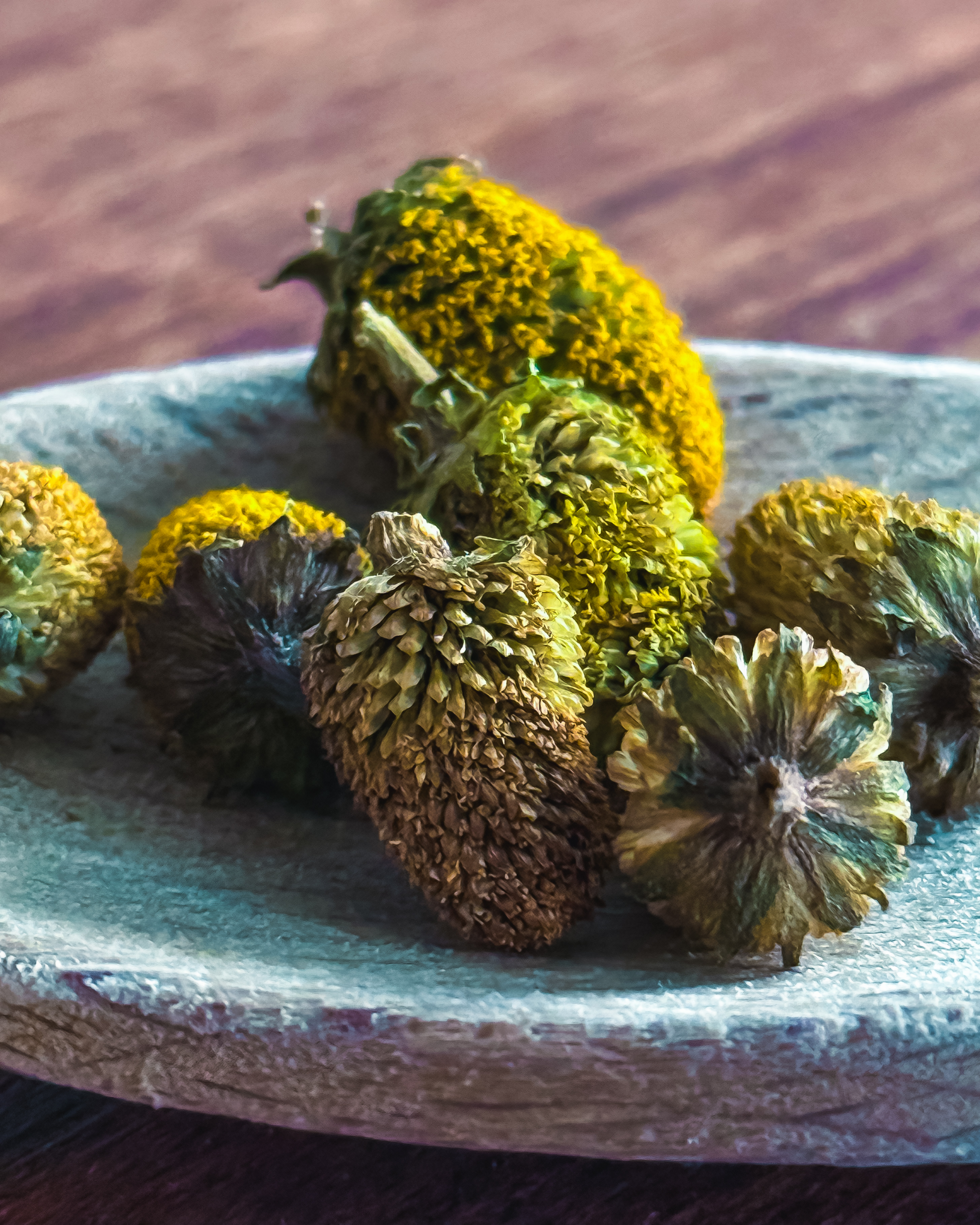
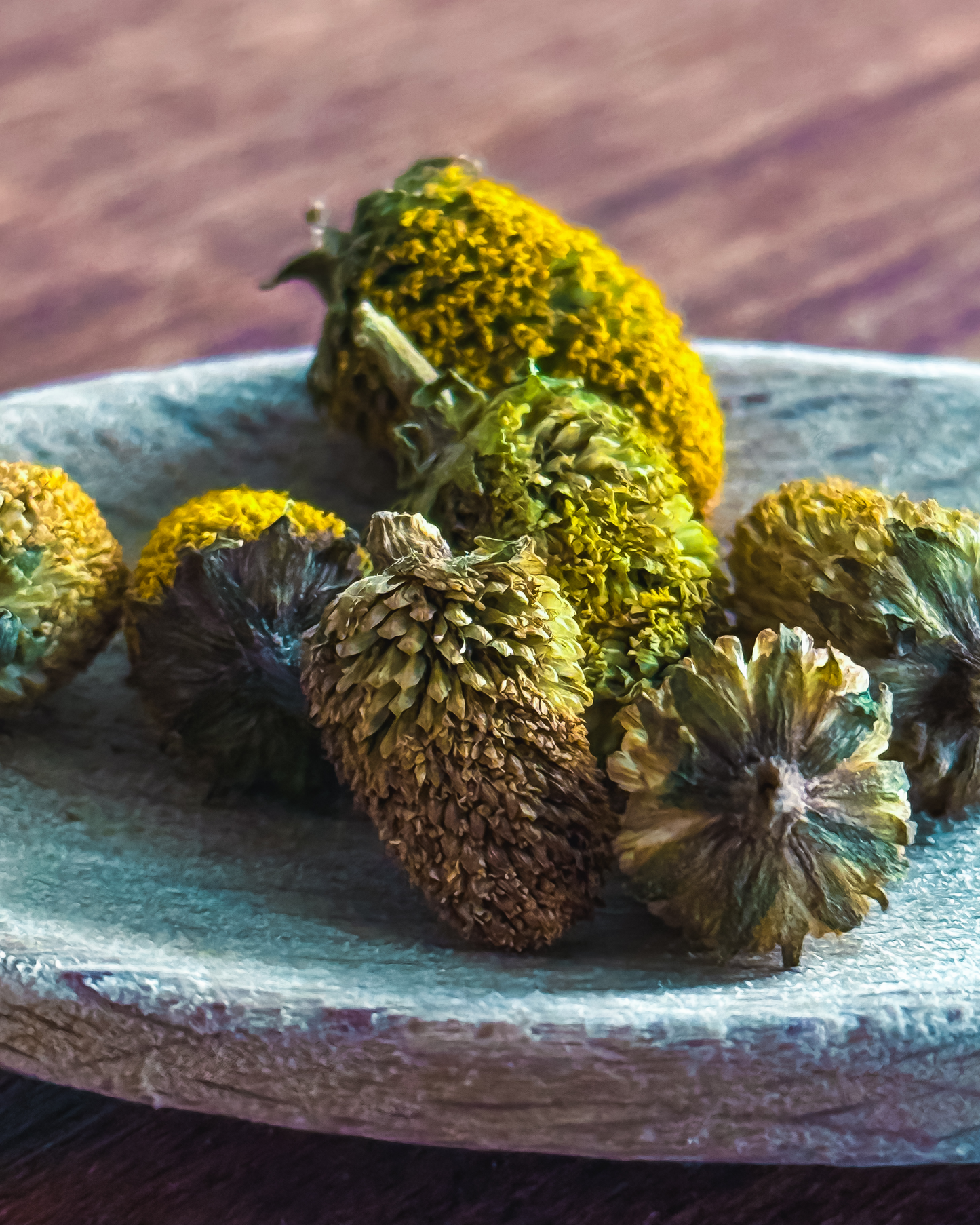
Spilanthol is a naturally occurring alkylamide found primarily in the Acmella oleracea plant, commonly known as the “toothache plant.” Traditionally used for its numbing and analgesic effects, it has now gained attention in cosmetics for its skin-enhancing properties.
Natural Sources of Spilanthol
Spilanthol is extracted mainly from:
-
Acmella oleracea (primary source)
-
Spilanthes acmella
-
Certain medicinal herbs
These plants have been used in traditional medicine for centuries, particularly for oral pain relief due to their tingling and numbing effects.
Chemical Composition and Mechanism of Action
Bioactive Properties of Spilanthol
Spilanthol is a lipophilic compound, meaning it easily penetrates the skin barrier. This allows it to interact efficiently with skin cells and nerve endings.
Key properties include:
-
Anti-inflammatory effects
-
Muscle-relaxing capabilities
-
Antioxidant activity
How Spilanthol Interacts with Skin
Spilanthol works by influencing subcutaneous muscle contractions. It reduces micro-tensions in facial muscles, which are responsible for expression lines and wrinkles.
Additionally, it stimulates sensory receptors, creating a mild tingling effect that signals active engagement with the skin.
Spilanthol for Tingling Sensation in Cosmetics
Neurological Stimulation Explained
One of the most distinctive features of Spilanthol is its tingling sensation. This occurs due to its interaction with trigeminal nerve receptors in the skin.
This stimulation:
-
Enhances blood circulation
-
Activates nerve endings
-
Creates an immediate “active” feeling
Consumer Appeal of Tingling Effects
Modern consumers often associate tingling with product effectiveness. This sensory feedback:
-
Builds trust in product performance
-
Enhances user experience
-
Differentiates products in a crowded market
Anti-Aging Benefits of Spilanthol
Wrinkle Reduction and Muscle Relaxation
Spilanthol acts as a natural muscle relaxant, helping reduce fine lines and wrinkles. Unlike invasive treatments, it provides a non-toxic, topical solution.
Benefits include:
-
Reduced expression lines
-
Smoother skin texture
-
Visible firming effects
Collagen Support and Skin Firmness
Spilanthol also supports collagen production, improving skin elasticity over time. This results in:
-
Firmer skin
-
Improved hydration
-
Youthful appearance
Cosmetic Testing of Spilanthol
In Vitro Testing Methods
In vitro studies are conducted in controlled lab environments to assess Spilanthol’s effectiveness.
These tests evaluate:
-
Cell viability
-
Collagen synthesis
-
Anti-inflammatory response
Clinical Trials and Human Testing
Human trials are essential to validate real-world performance. Participants typically report:
-
Immediate tingling sensation
-
Visible wrinkle reduction after weeks
-
Improved skin texture
Safety and Toxicology Assessments
Spilanthol undergoes rigorous safety testing to ensure:
-
Non-toxicity
-
Skin compatibility
-
Minimal irritation
Regulatory Considerations in Cosmetic Use
EU and FDA Guidelines
Spilanthol is regulated as a cosmetic ingredient and must comply with:
-
EU Cosmetic Regulation (EC No 1223/2009)
-
FDA cosmetic safety standards
Compliance and Labeling
Manufacturers must ensure:
-
Accurate ingredient labeling
-
Safety documentation
-
Proper concentration limits
For more details, refer to the official FDA cosmetic guidelines:
https://www.fda.gov/cosmetics
Product Development and Formulation
Incorporation in Serums and Creams
Spilanthol is commonly used in:
-
Anti-aging serums
-
Eye creams
-
Firming lotions
Stability and Compatibility Factors
Formulators must consider:
-
pH balance
-
Light sensitivity
-
Ingredient compatibility
Product Launch Strategies for Spilanthol-Based Cosmetics
Market Trends and Consumer Demand
The demand for natural and effective skincare is rising rapidly. Spilanthol fits perfectly into:
-
Clean beauty trends
-
Anti-aging solutions
-
Sensory skincare products
Branding and Positioning
Successful brands position Spilanthol as:
-
A natural Botox alternative
-
A high-performance botanical ingredient
Influencer and Digital Marketing
Marketing strategies include:
-
Social media campaigns
-
Beauty influencer partnerships
-
Educational content
Scientific Findings and Research Insights
Key Studies on Anti-Aging Effects
Research shows that Spilanthol:
-
Reduces muscle contractions
-
Improves skin smoothness
-
Enhances hydration levels
Emerging Innovations
New developments include:
-
Nano-encapsulation for better delivery
-
Hybrid formulations with peptides
Benefits of Spilanthol in Skincare
Immediate Sensory Effects
Users experience:
-
Tingling sensation
-
Instant skin tightening
-
Refreshing feel
Long-Term Skin Improvements
With continued use:
-
Reduced wrinkles
-
Improved elasticity
-
Healthier skin tone
Challenges and Limitations
Sensitivity Concerns
Some users may experience:
-
Mild irritation
-
Temporary redness
Formulation Costs
High-quality Spilanthol extraction can be expensive, impacting product pricing.
Future of Spilanthol in Cosmetics
Biotechnology and Sustainable Sourcing
Future trends focus on:
-
Lab-grown Spilanthol
-
Eco-friendly extraction methods
Next-Generation Skincare Trends
Spilanthol is expected to play a key role in:
-
Neurocosmetics
-
Personalized skincare
FAQs About Spilanthol
1. What does Spilanthol do for the skin?
It helps reduce wrinkles, improve firmness, and create a tingling sensation that enhances circulation.
2. Is Spilanthol safe for all skin types?
Generally yes, but sensitive skin users should perform a patch test.
3. Why does Spilanthol cause tingling?
It stimulates nerve receptors, creating a mild sensory effect.
4. Can Spilanthol replace Botox?
It’s often considered a natural alternative but is less potent than medical treatments.
5. How long does it take to see results?
Immediate effects are noticeable, while long-term benefits appear within weeks.
6. Is Spilanthol natural or synthetic?
It is primarily plant-derived but can also be synthesized.

Conclusion
Spilanthol is revolutionizing the skincare industry with its unique combination of sensory appeal and anti-aging benefits. From cosmetic testing and scientific validation to successful product launches, it offers immense potential for brands and consumers alike.
Its ability to deliver immediate tingling effects while improving skin over time makes it a standout ingredient in modern formulations. As research continues and technology advances, Spilanthol is set to become a cornerstone of next-generation skincare.