

When it comes to botanical quality, where a plant grows matters as much as what it is.
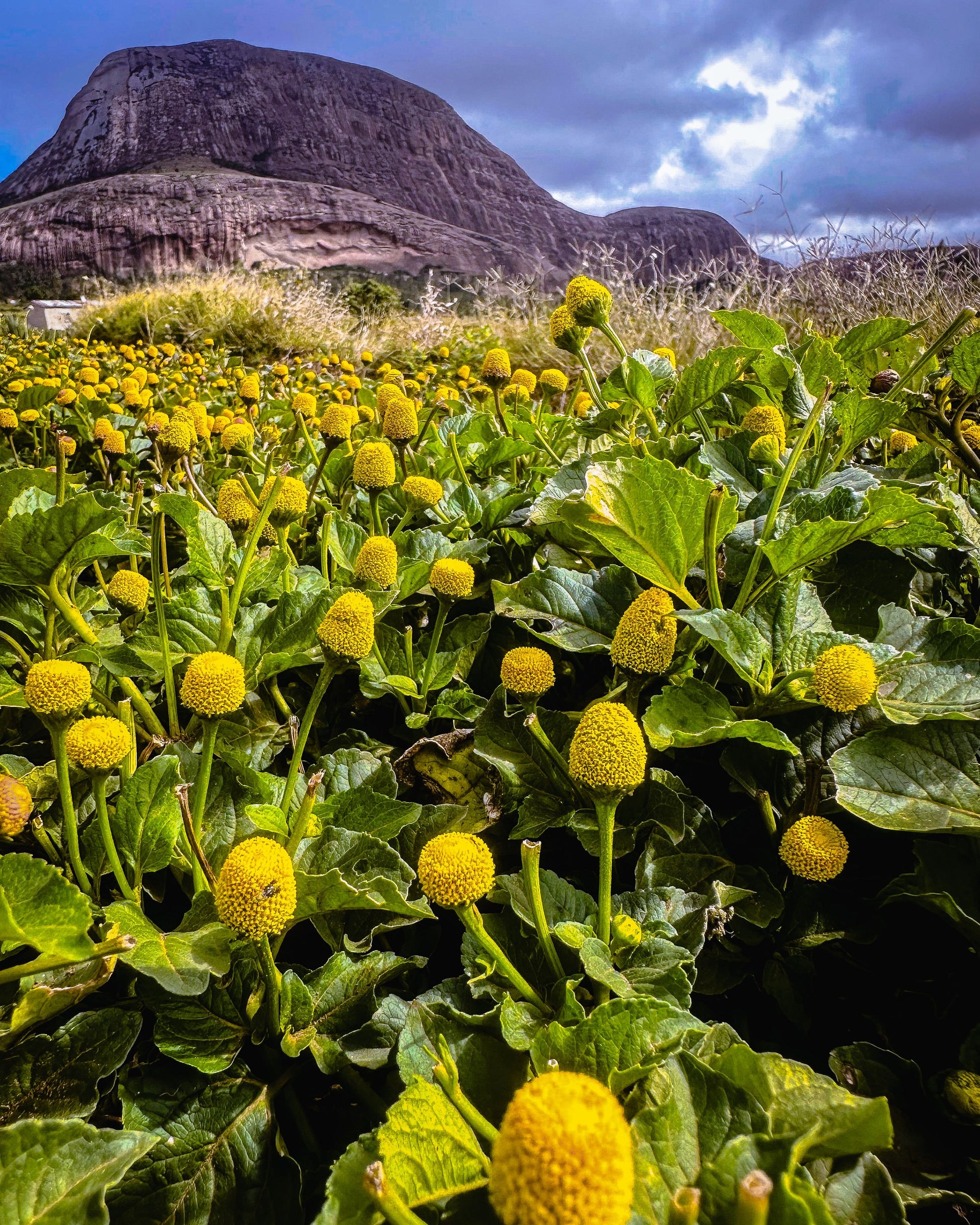
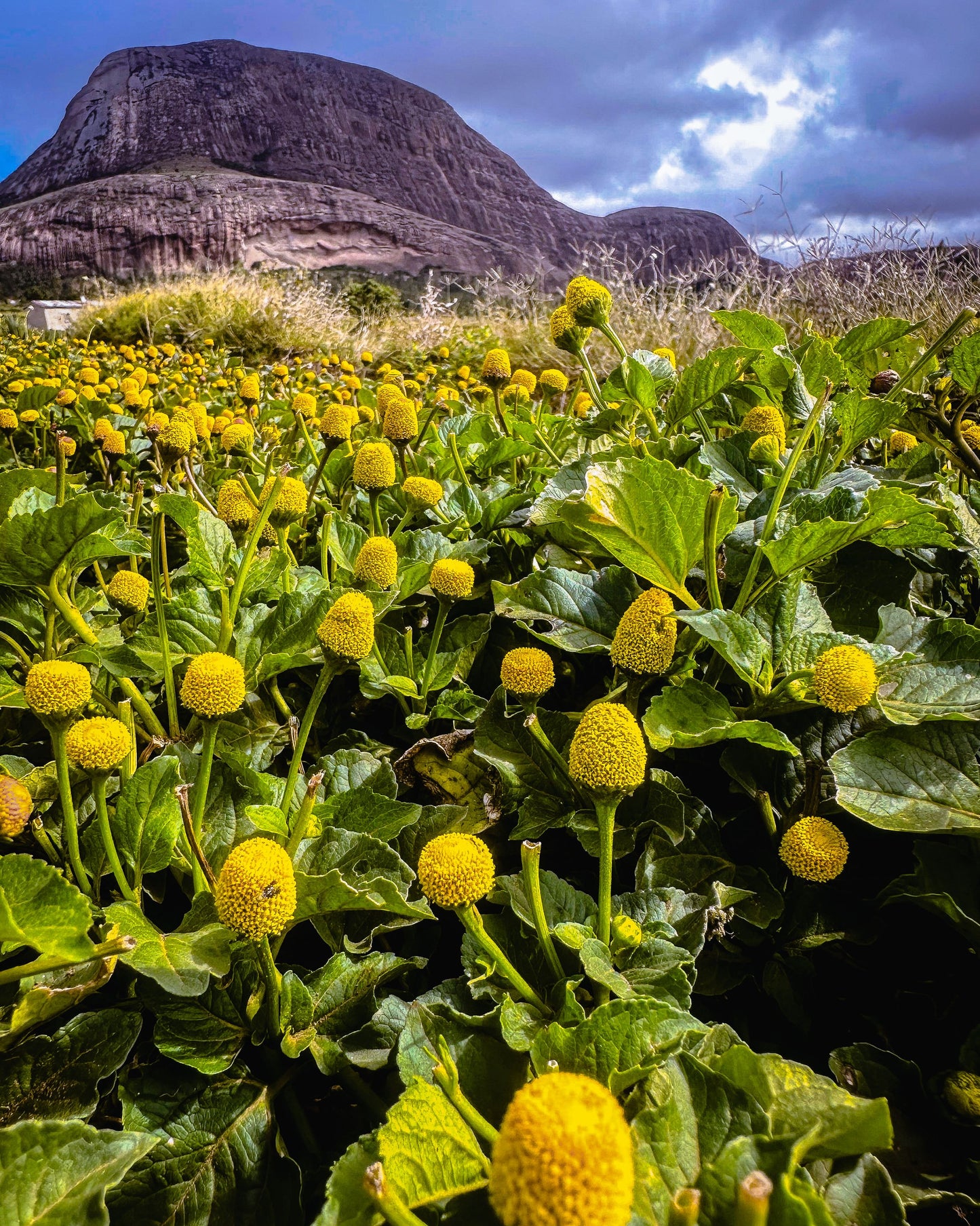
For Acmella spilanthes — widely known as Buzz Buttons or Paracress — its native environment in Madagascar is not just a place of origin, but the key reason behind its exceptional potency.
At Madabuzz, we work directly with flowers grown in regions shaped by volcanic soil, intense sunlight, and natural environmental stress. These conditions are not accidental — they are the foundation of why our flowers deliver a stronger, cleaner, and more authentic Spilanthol experience.
The Role of Volcanic Soil
Volcanic soil is fundamentally different from standard agricultural soil. It is naturally rich in:
-
essential minerals and trace elements
-
volcanic rock particles
-
diverse microbial life
At the same time, it is often nutrient-poor and structurally demanding, forcing plants to work harder to survive.
For Acmella spilanthes, this environment is ideal.
Instead of promoting fast, superficial growth, volcanic soil encourages slow, resilient development. The plant must adapt, regulate water intake efficiently, and protect itself from environmental pressures — a process that directly influences its chemical composition.

Natural Stress as a Biological Advantage
In plant biology, stress is not always negative.
Under controlled natural stress, plants activate survival mechanisms that increase the production of secondary compounds.
In the case of Acmella spilanthes, this compound is Spilanthol.
Spilanthol is produced by the plant as a natural defense mechanism — to deter insects, cope with environmental pressure, and protect delicate tissues. The harsher and more natural the conditions, the stronger this response becomes.
Madagascar’s environment exposes the plant to:
-
strong, unfiltered sunlight
-
fluctuating rainfall
-
mineral-dense but challenging soil
-
natural competition
The result is a flower with higher Spilanthol concentration, responsible for the characteristic tingling, numbing, and mouth-watering sensation Buzz Buttons are known for.
Why Native Habitat Matters
Many Acmella spilanthes products on the market are grown in greenhouses or controlled agricultural systems. While these methods may increase yield or uniform appearance, they often reduce the plant’s need to defend itself.
Less stress means less Spilanthol.
Flowers grown outside their native habitat may look similar, but chemically they are often less complex, less potent, and less expressive.
In contrast, flowers grown in Madagascar’s volcanic regions develop:
-
a more intense sensory profile
-
a cleaner, longer-lasting tingling effect
-
higher active compound density
-
greater resilience during drying and storage
This is why traditional regions of origin continue to outperform artificial cultivation when it comes to true botanical quality.
Traditional Sun-Drying Preserves What Nature Created
Potency does not stop at harvest.
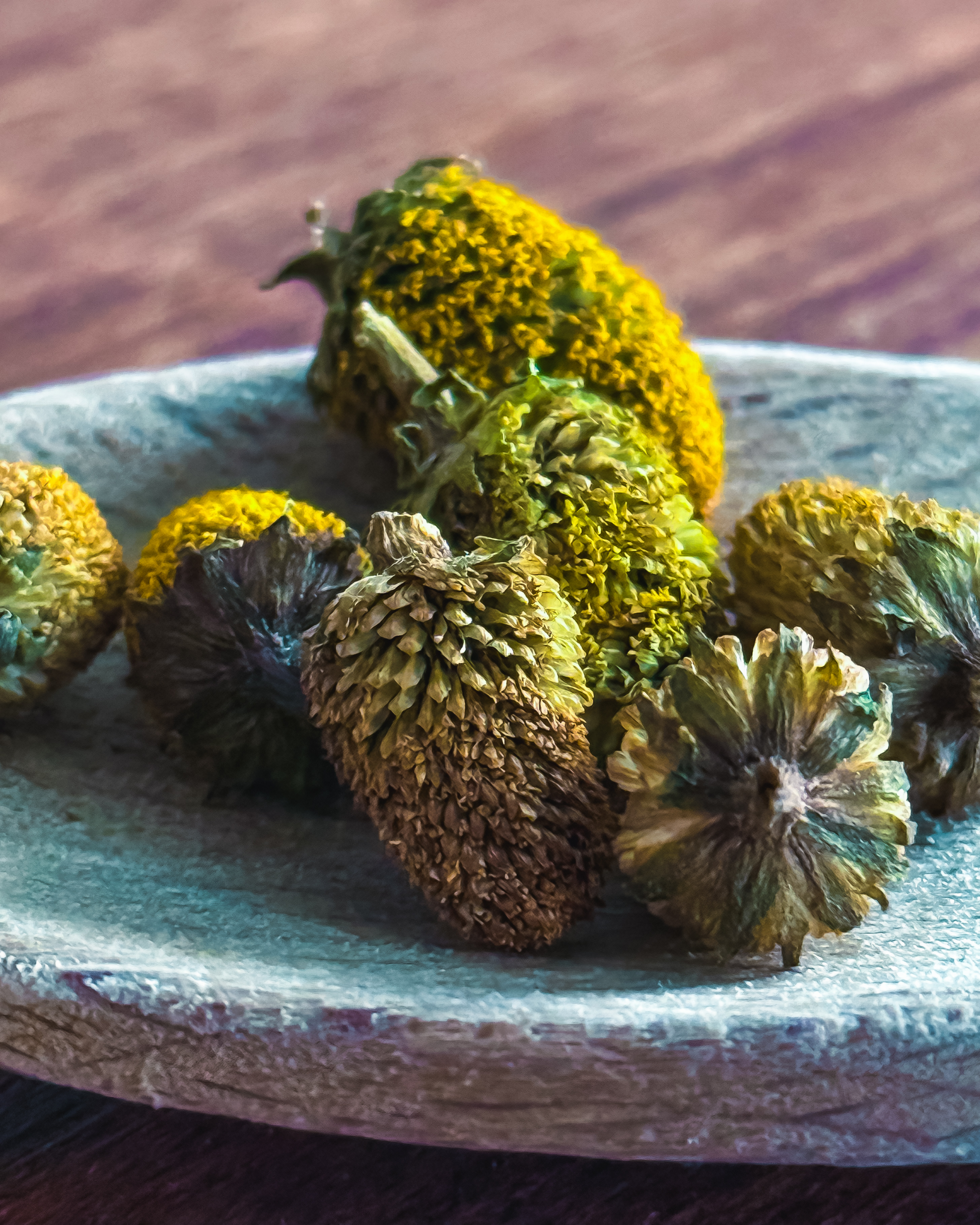
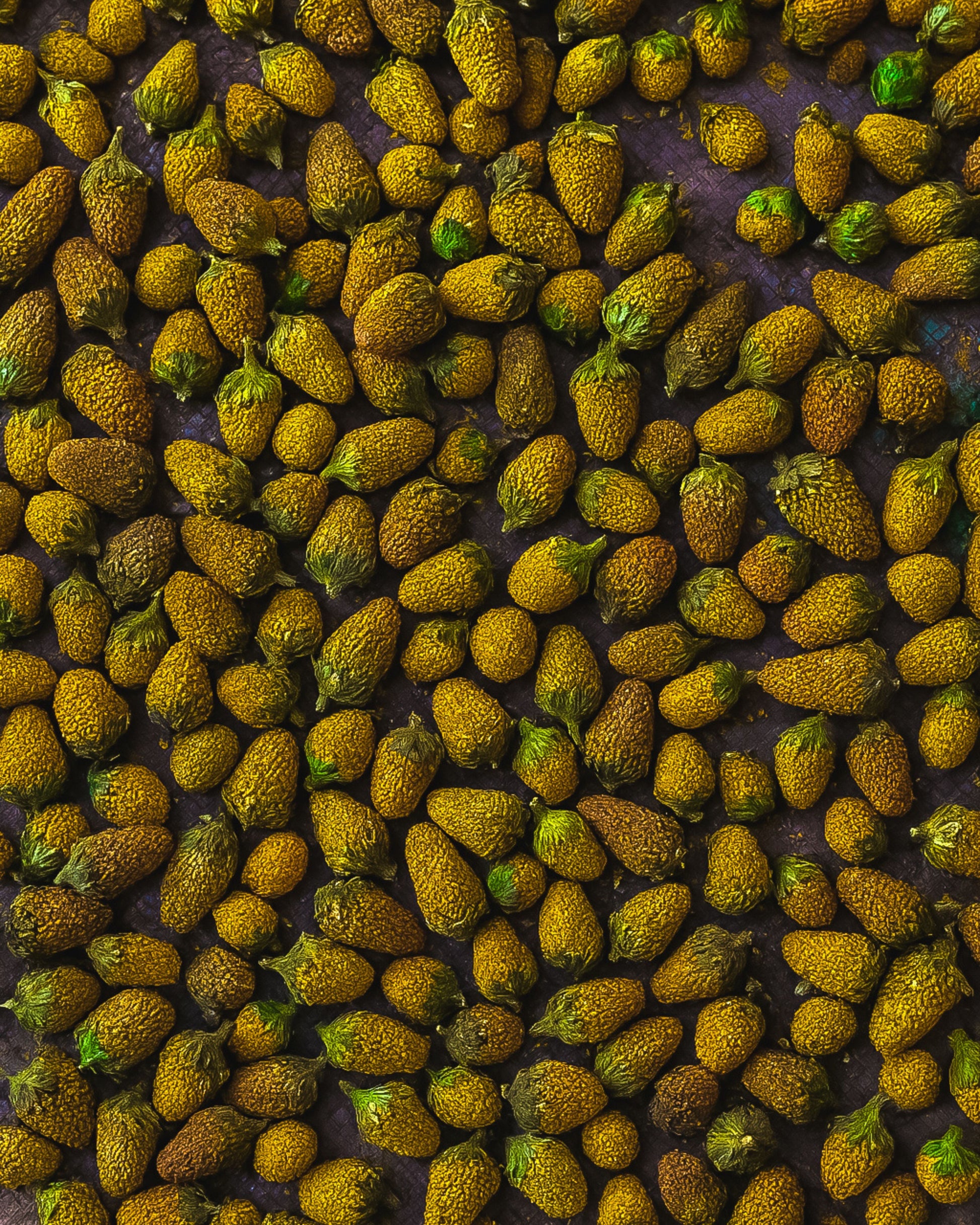
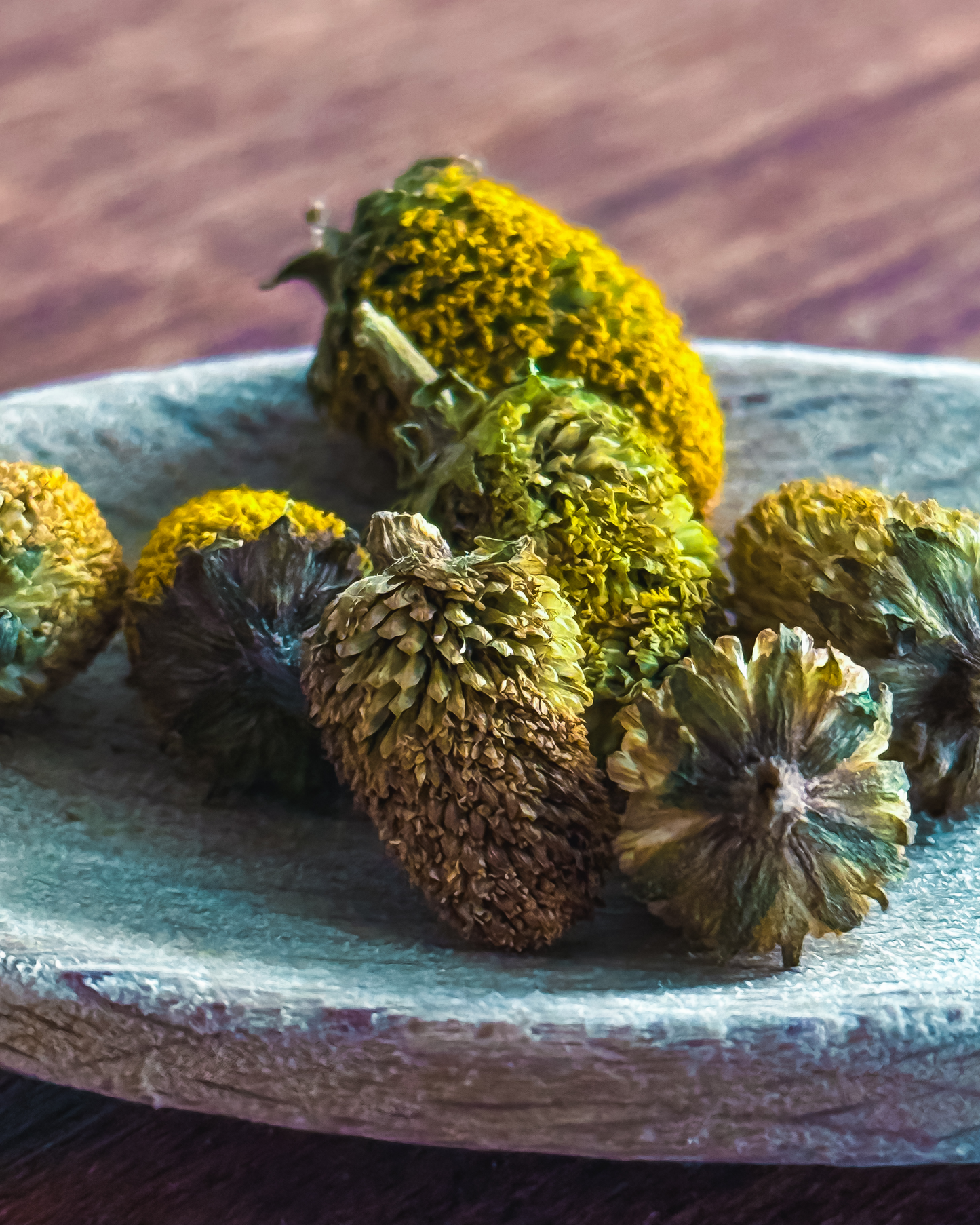
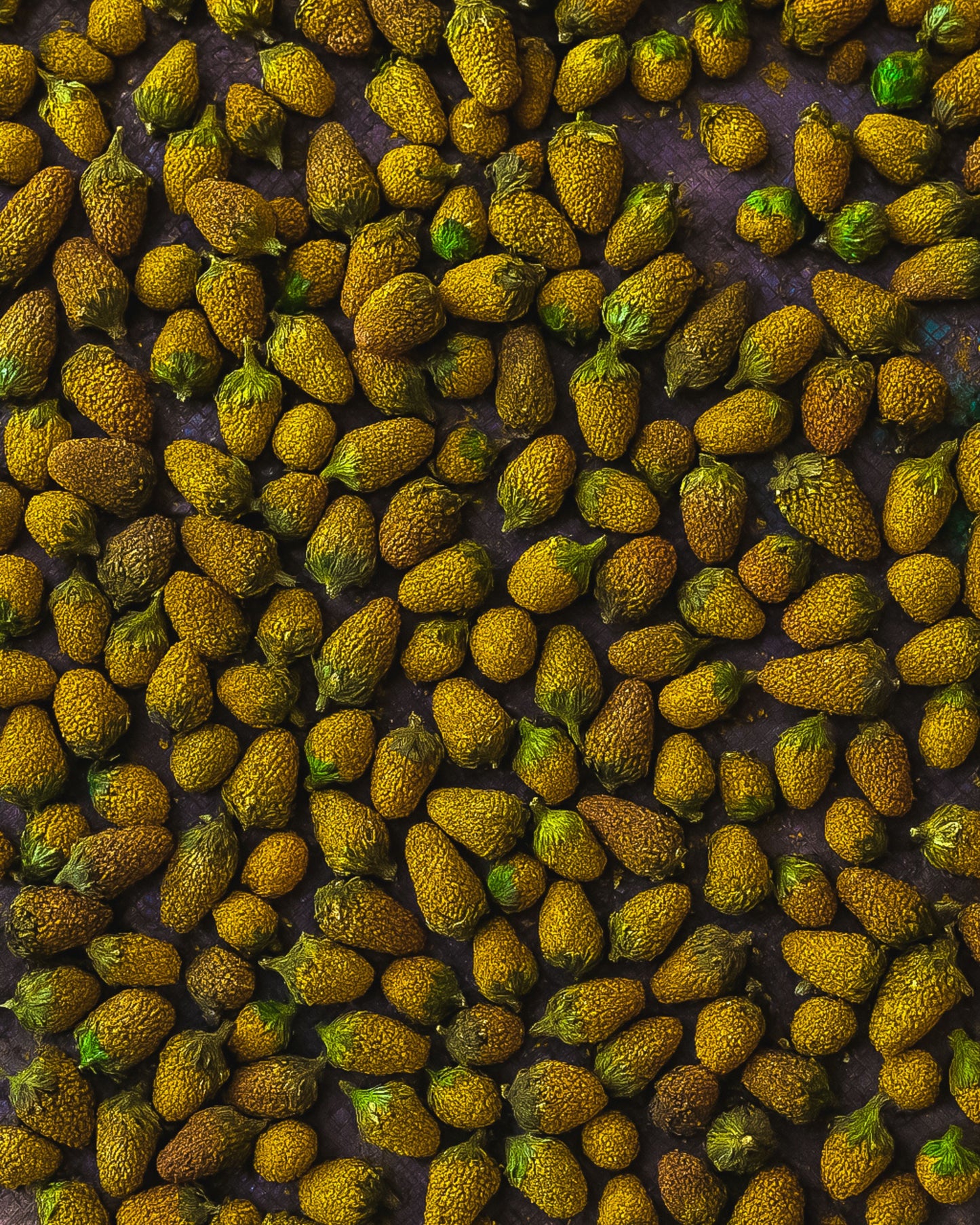
At Madabuzz, flowers are traditionally sun-dried, without artificial heat or industrial acceleration. This slow process preserves:
-
Spilanthol integrity
-
aroma and flavor complexity
-
the flower’s natural structure
Combined with careful hand-selection, this ensures that what nature produces under stress is not lost during processing.
Acmella spilanthes as Nature Intended
Madagascar is not just a sourcing location — it is the natural blueprint for Acmella spilanthes.
The combination of volcanic soil, environmental pressure, traditional farming, and respectful processing creates flowers that reflect how this plant evolved to exist.
This is why professionals in mixology, gastronomy, wellness, and botanical research consistently seek out flowers grown in their original habitat.
Not because they are bigger.
Not because they are prettier.
But because they are stronger, purer, and truer to the plant’s nature.
Madabuzz Commitment
We believe that real quality cannot be industrialized.
It must be grown, respected, and preserved.
By working directly with smallholder farmers in Madagascar and honoring traditional methods, Madabuzz delivers Acmella spilanthes the way nature intended — shaped by volcanic earth, strengthened by natural stress, and finished with care.
Verified by Laboratory Analysis: 4.01 % Spilanthol Content
To transparently confirm the exceptional potency of our Acmella spilanthes flowers, we provide a Certificate of Analysis (COA) issued by an independent laboratory in Madagascar.
The laboratory analysis shows a Spilanthol content of 4.01 %, measured chromatographically on sun-dried whole flowers harvested in Madagascar .
This value is significantly above average for Acmella spilanthes and clearly reflects the impact of:
-
volcanic, mineral-rich soil
-
natural environmental stress
-
traditional cultivation
-
slow, natural sun-drying
Spilanthol is the key active compound responsible for the characteristic tingling and numbing sensation associated with Buzz Buttons. A concentration of 4.01 % indicates an exceptionally concentrated and biologically expressive flower, achievable only when the plant is grown in its native habitat under real environmental pressure.

Why This Matters
Many commercially available flowers are sold without verified laboratory data or originate from controlled greenhouse environments. While visually uniform, these flowers often show lower active compound density due to reduced biological stress.
By contrast, our COA confirms that Madabuzz flowers:
-
are analytically verified
-
meet professional quality expectations
-
offer measurable potency, not just marketing claims
The Certificate of Analysis is provided as an attachment for full transparency, allowing customers, professionals, and partners to independently verify quality and composition.
Transparency as a Principle
For us, potency is not a promise — it is measured, documented, and shared.
The COA reflects our commitment to traceability, scientific validation, and respect for both the plant and its origin. It is another reason why Madagascar-grown Acmella spilanthes continues to set the benchmark for authentic quality.