

Intent Summary
Consumers often assume that premium cosmetic ingredients are defined by price, rarity, or marketing claims. In reality, ingredient quality is determined long before a cosmetic product reaches the laboratory. This guide explains the scientific factors that influence botanical ingredient quality, from plant identity and genetics to geography, climate, and soil, providing an evidence-based understanding of how cosmetic scientists evaluate premium botanical materials.
How Premium Cosmetic Ingredients Are Selected: A Scientific Guide from Plant to Laboratory (Part 1)
Walk into any skincare store and you'll find products described as premium, luxury, natural, pure, or high-performance. These terms appear on product packaging, advertisements, and ingredient labels, often suggesting superior quality. Yet in cosmetic science, premium ingredients are not defined by marketing language. They are defined by measurable characteristics that begin long before formulation and manufacturing.
A bottle of botanical oil may look identical to another on the shelf, but their quality can differ dramatically. One may contain a rich and stable profile of naturally occurring compounds, while another may have lost valuable constituents through poor harvesting, improper drying, oxidation, or inadequate storage. Even when two ingredients share the same botanical name, differences in genetics, climate, soil conditions, and cultivation practices can influence their chemical composition.
For cosmetic formulators, ingredient selection is therefore a scientific process rather than a commercial decision. Every botanical ingredient represents the combined influence of biology, agriculture, chemistry, environmental science, and quality control. Understanding these factors is essential for producing consistent, safe, and effective cosmetic formulations.
This article explores the first stages of that journey. We begin where every premium botanical ingredient starts: with the correct plant, grown under the right conditions and carefully evaluated before extraction ever takes place.
Chapter 1: What Does "Premium" Actually Mean?
The word premium is frequently used in the cosmetics industry, yet it has no universally accepted scientific definition. Unlike regulatory terms such as Good Manufacturing Practice (GMP) or ISO standards, "premium" is largely a descriptive term. However, cosmetic scientists evaluate ingredient quality using objective criteria rather than subjective marketing claims.
A premium cosmetic ingredient should demonstrate several measurable characteristics:
- Correct botanical identity
- High purity
- Consistent chemical composition
- Safety
- Stability
- Traceable origin
- Appropriate processing
- Reliable quality control
These characteristics can be verified through analytical testing, documentation, and quality management systems.
In other words, premium ingredients are measured, not assumed.
Premium Does Not Mean Expensive
One of the most common misconceptions is that expensive ingredients are automatically superior.
Price can be influenced by many unrelated factors, including:
- Limited production
- Transportation costs
- Market demand
- Seasonal availability
- Brand positioning
- Packaging
- Import regulations
A costly ingredient is not necessarily more effective or better suited for cosmetic formulation.
Conversely, many well-established botanical oils and extracts provide excellent quality because they are produced using consistent agricultural and manufacturing practices rather than because they are rare or fashionable.
Premium Does Not Mean Rare
Some plants are marketed as exclusive simply because they grow in remote regions or are harvested in limited quantities.
Rarity alone does not improve cosmetic performance.
If a botanical ingredient has poor stability, inconsistent chemistry, or limited quality control, its rarity offers little scientific value.
Instead, formulators focus on reproducibility. They need ingredients that perform consistently from one production batch to the next.
Premium Does Not Mean "Natural"
Natural ingredients remain popular among consumers, but natural origin alone does not guarantee quality.
Natural botanical materials can vary because of:
- weather conditions;
- harvest timing;
- soil quality;
- drying methods;
- microbial contamination;
- oxidation during storage.
Premium botanical ingredients are therefore carefully monitored throughout production to minimise unwanted variation while preserving their naturally occurring compounds.
Quality Begins Long Before Manufacturing
Many consumers imagine ingredient quality begins inside a cosmetic laboratory.
In reality, quality starts much earlier.
The journey often follows this sequence:
| Stage | Influence on Quality |
|---|---|
| Plant genetics | Determines potential phytochemical profile |
| Growing environment | Influences plant development and metabolism |
| Harvest timing | Affects concentrations of bioactive compounds |
| Post-harvest handling | Preserves chemical stability |
| Transportation | Prevents contamination and degradation |
| Laboratory testing | Verifies identity, purity, and safety |
| Extraction | Determines which compounds are recovered |
| Formulation | Maintains ingredient stability and compatibility |
Every stage contributes to the final quality of the cosmetic ingredient.
Quality Is About Consistency
Cosmetic formulators require ingredients that behave predictably.
Imagine producing thousands of bottles of facial serum every month.
If one batch of botanical extract contains substantially different concentrations of naturally occurring compounds than the previous batch, product performance, colour, aroma, viscosity, or stability may change.
Consistency allows manufacturers to produce formulations that meet the same quality standards over time.
This consistency is achieved through careful sourcing, cultivation, testing, and quality assurance, not by chance.
Traceability Builds Confidence
Modern cosmetic supply chains often involve multiple countries and organisations before an ingredient reaches the manufacturer.
A botanical ingredient may pass through:
- farmers;
- cooperatives;
- processors;
- exporters;
- laboratories;
- distributors;
- cosmetic manufacturers.
Each step introduces opportunities for variation.
Premium suppliers maintain documentation that allows ingredients to be traced throughout the supply chain, helping verify their origin, handling, and quality.
Traceability also supports sustainability, ethical sourcing, and regulatory compliance.
Safety Is Part of Quality
A botanical ingredient cannot be considered premium if it presents avoidable safety risks.
Quality control therefore includes testing for potential contaminants such as:
- heavy metals;
- pesticide residues;
- microbial contamination;
- moulds and yeasts;
- adulterants;
- residual solvents where applicable.
These analyses help ensure ingredients meet appropriate quality specifications before they are used in cosmetic formulations.
Inside the Cosmetic Laboratory
Why Cosmetic Scientists Ask So Many Questions
Before approving a botanical ingredient, cosmetic scientists may ask questions such as:
- Is this the correct plant species?
- Was it harvested at the appropriate stage of growth?
- How was it dried?
- Has oxidation occurred?
- Was contamination prevented?
- Is there a Certificate of Analysis?
- Does laboratory testing confirm its identity?
- Is the ingredient chemically consistent with previous batches?
These questions illustrate that premium quality depends on evidence rather than appearance or marketing claims.
Premium Quality Is Built Through Evidence
The cosmetic industry increasingly relies on analytical science to verify botanical ingredients.
Rather than assuming quality, laboratories measure it using techniques that assess:
- botanical identity;
- chemical composition;
- purity;
- stability;
- microbiological safety;
- contaminant levels.
This scientific approach allows manufacturers to make informed decisions about ingredient selection and helps ensure that finished cosmetic products are produced with reliable, well-characterised raw materials.
In the following chapters, we explore how this process begins with one of the most fundamental questions in botanical science:
Are we even working with the correct plant?
It may seem obvious, but botanical identification is one of the most important, and sometimes overlooked, steps in cosmetic ingredient selection. Before scientists evaluate extraction methods, stability, or formulation performance, they must first confirm that the raw material is exactly the species it claims to be.
In botanical science, even small differences in plant identity can result in significant changes in chemical composition. Two plants may share a common name, look similar to the untrained eye, or belong to the same genus, yet produce very different phytochemical profiles. For cosmetic manufacturers, this distinction is critical because ingredient identity directly influences quality, consistency, safety, and traceability.
This is why premium cosmetic ingredients are identified by their scientific names rather than their common names.
Why Common Names Can Be Misleading
Common names have been used for centuries to describe plants, but they vary widely between countries, languages, and cultures. A single common name may refer to several different species, while one plant may be known by dozens of different names around the world.
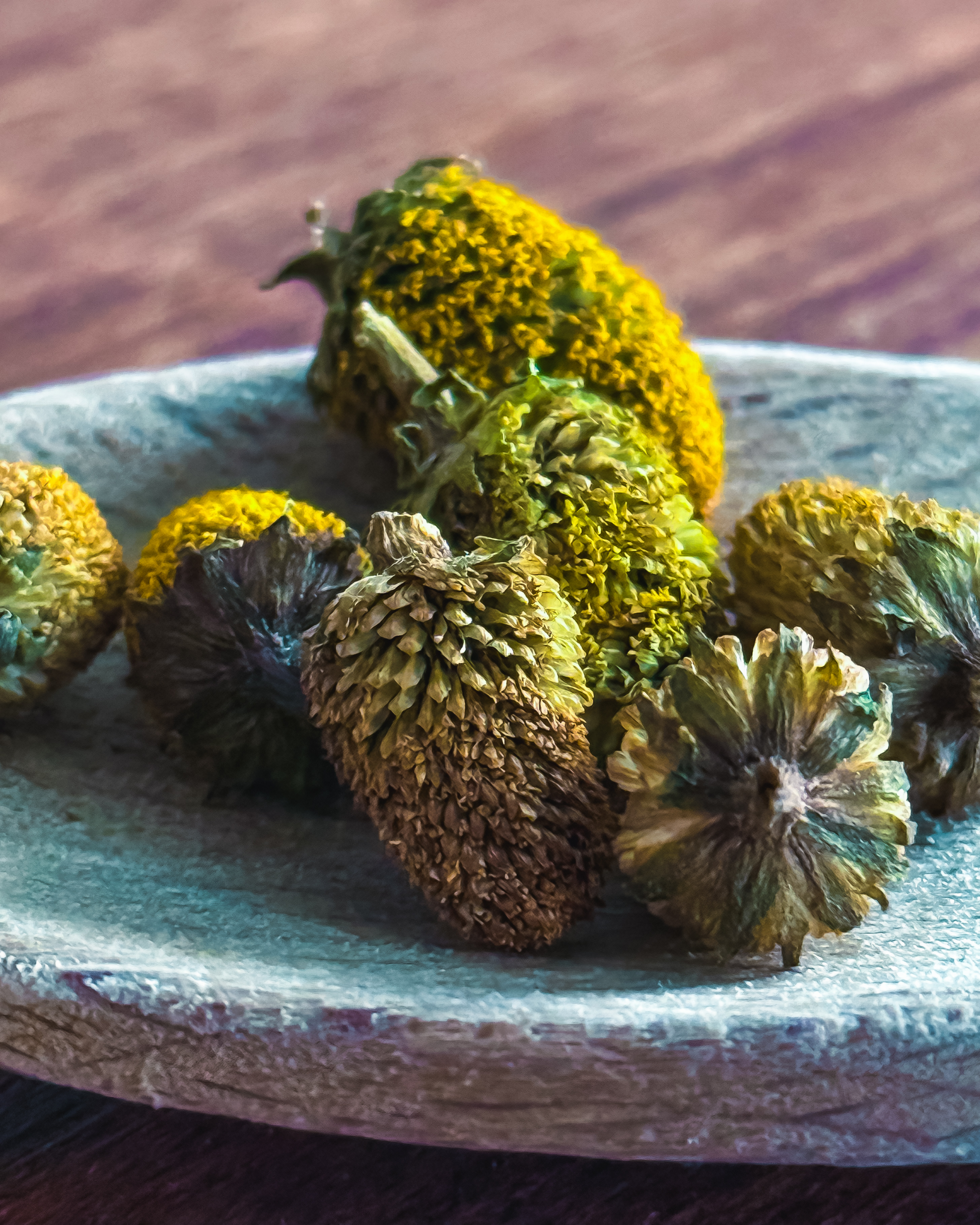
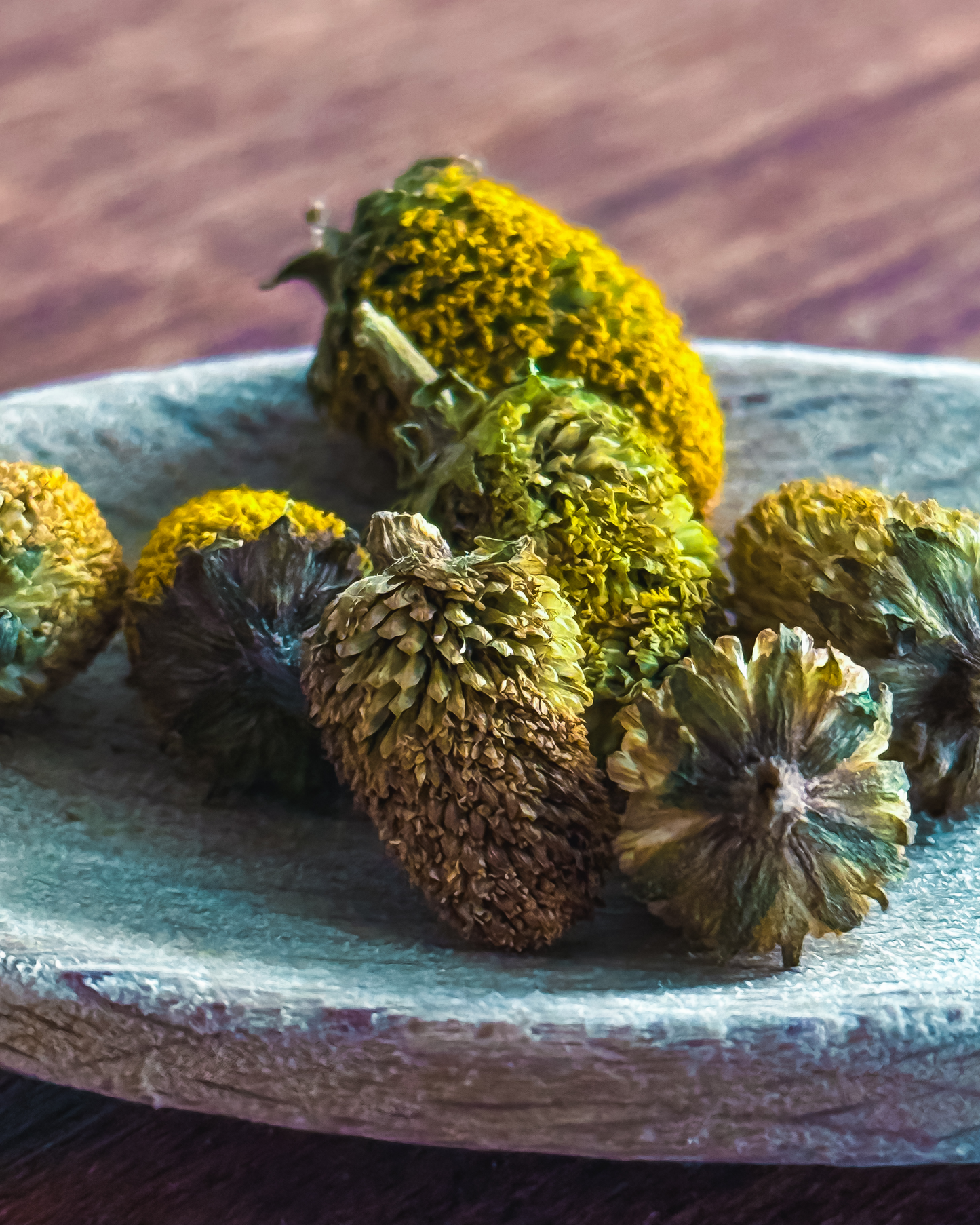
For example, Acmella oleracea is commonly known as:
- Toothache plant
- Buzz button
- Electric daisy
- Sichuan button
- Paracress
Although these names all refer to the same species, relying only on common names creates opportunities for confusion throughout the supply chain.
The situation becomes even more complex when unrelated plants share similar common names. Without scientific identification, suppliers, processors, and manufacturers may unintentionally substitute one species for another, resulting in inconsistent ingredient quality.
Scientific names provide a universal language that eliminates this ambiguity.
The Importance of Botanical Nomenclature
Modern plant classification follows the internationally recognised system of botanical nomenclature established by Carl Linnaeus in the eighteenth century. Every plant species is assigned a unique two-part Latin name consisting of:
- Genus
- Species
For example:
Acmella oleracea
- Genus: Acmella
- Species: oleracea
This binomial naming system allows researchers, growers, manufacturers, and regulatory authorities around the world to identify exactly the same plant, regardless of local language or regional naming traditions.
Using the correct botanical name also helps ensure that scientific research, quality control documentation, and regulatory submissions all refer to the same species.
Inside the Cosmetic Laboratory
Why Latin Names Matter
When cosmetic scientists review research papers or Certificates of Analysis, they rarely rely on common names alone. Instead, they verify the botanical identity using the plant's scientific name to ensure that laboratory data, safety information, and phytochemical analyses all relate to the correct species.
Botanical Classification Helps Scientists Understand Plants
Scientific classification does more than assign names. It also shows how plants are related through evolution.
Every plant belongs to a hierarchy of classification:
| Classification Level | Example for Acmella oleracea |
|---|---|
| Kingdom | Plantae |
| Division | Angiosperms (flowering plants) |
| Class | Eudicots |
| Order | Asterales |
| Family | Asteraceae |
| Genus | Acmella |
| Species | Acmella oleracea |
Understanding these relationships helps researchers compare species that may share similar biological characteristics while recognising important differences that affect cosmetic applications.
For example, members of the Asteraceae family often produce diverse secondary metabolites, but the specific compounds, their concentrations, and their biological roles vary considerably between species.
Correct Species Does Not Always Mean Identical Chemistry
Identifying the correct species is only the first step.
Even within a single species, plants naturally exhibit variation.
Factors such as genetics, climate, soil composition, water availability, altitude, and seasonal conditions all influence plant metabolism. As a result, two populations of the same species grown in different environments may produce different concentrations of naturally occurring phytochemicals.
This natural variation is one reason why reputable ingredient suppliers combine accurate botanical identification with rigorous quality testing.
Species authentication ensures that manufacturers start with the correct plant, while analytical testing confirms the composition of each production batch.
When Plants Look Similar but Are Chemically Different
Some closely related species are difficult to distinguish based solely on appearance.
Leaves, flowers, seeds, or roots may appear almost identical, especially after drying and processing. However, these visually similar plants can contain different chemical profiles that influence their suitability for cosmetic formulations.
For example, two botanicals from the same genus may differ in:
- naturally occurring lipids;
- polyphenol composition;
- essential oil profile;
- antioxidant content;
- alkamide concentrations;
- pigment composition;
- aromatic compounds.
Because cosmetic formulations rely on predictable ingredient performance, manufacturers cannot depend on appearance alone.
Plant Parts Matter Just as Much as Plant Species
Another important consideration is which part of the plant is used.
Different plant organs perform different biological functions and therefore produce different groups of naturally occurring compounds.
Common cosmetic ingredients may be obtained from:
- flowers;
- leaves;
- roots;
- bark;
- stems;
- seeds;
- fruits;
- kernels.
Each plant part possesses its own unique chemical fingerprint.
For example, seeds often contain high concentrations of storage lipids that are suitable for producing carrier oils, while flowers may accumulate specialised secondary metabolites involved in pollination and defence.
Similarly, leaves frequently synthesise compounds associated with photosynthesis and environmental protection.
Selecting the correct plant part is therefore just as important as selecting the correct species.
Botanical Authentication Throughout the Supply Chain
Premium ingredient suppliers do not rely on a single identification method.
Instead, authentication often combines several complementary techniques.
These may include:
- visual inspection;
- macroscopic examination;
- microscopic analysis;
- herbarium reference specimens;
- DNA barcoding;
- chromatographic fingerprinting;
- spectroscopic analysis.
Using multiple methods provides greater confidence that the raw material is authentic before it enters cosmetic production.
Macroscopic Identification
The first stage of authentication often begins with careful visual examination.
Experienced botanists evaluate characteristics such as:
- leaf arrangement;
- flower structure;
- seed morphology;
- colour;
- surface texture;
- odour;
- overall plant architecture.
These visible features provide valuable clues about species identity.
However, once botanical materials have been dried, ground into powders, or processed into extracts, many of these distinguishing characteristics disappear.
Additional laboratory techniques are then required.
Microscopic Examination
Microscopy allows specialists to examine tiny anatomical structures that remain characteristic of particular plant species.
Features such as:
- epidermal cells;
- stomata;
- trichomes (plant hairs);
- vascular tissues;
- pollen grains;
- starch granules.
These microscopic structures often survive drying and processing, making them valuable tools for confirming botanical identity.
DNA Barcoding
One of the most significant advances in botanical authentication is DNA barcoding.
Rather than relying solely on appearance, DNA barcoding analyses short regions of genetic material that are characteristic of individual plant species.
This technique allows laboratories to distinguish closely related species with a high degree of confidence, even when visual identification is difficult.
DNA barcoding has become increasingly valuable for detecting accidental substitution, contamination, or economically motivated adulteration within global botanical supply chains.
However, while DNA confirms species identity, it does not measure chemical composition or ingredient quality.
For that reason, it is typically combined with chemical analysis rather than used alone.
Inside the Cosmetic Laboratory
DNA Confirms Identity, Not Performance
Think of DNA as a passport.
It confirms who the plant is.
It does not reveal:
- how it was grown;
- when it was harvested;
- how it was stored;
- how much of a particular phytochemical it contains.
That information comes from additional analytical techniques discussed later in this guide.
Botanical Authentication Supports Traceability
Accurate plant identification also strengthens supply chain transparency.
Knowing exactly which species has been cultivated helps manufacturers:
- verify supplier documentation;
- maintain batch consistency;
- support sustainability programmes;
- comply with cosmetic regulations;
- reduce the risk of ingredient substitution.
Traceability has become increasingly important as consumers seek greater transparency about the origin of cosmetic ingredients and the environmental impact of their production.
Botanical Identity Is the Foundation of Quality
Every subsequent stage of cosmetic ingredient production, from cultivation and harvesting to extraction, formulation, and stability testing, depends on one fundamental principle:
The correct plant must be identified first.
Without reliable botanical authentication, even the most advanced extraction technology or sophisticated formulation cannot compensate for an incorrectly identified raw material.
For cosmetic scientists, botanical identity is therefore not simply a taxonomic exercise. It is the foundation upon which ingredient quality, safety, consistency, and scientific credibility are built.
In the next chapter, we will explore why two plants belonging to the same species are still not necessarily identical. By examining genetics, cultivars, chemotypes, and natural variation, we will see how biology itself shapes the quality and performance of premium botanical cosmetic ingredients long before they reach the laboratory.
Chapter 2: Genetics, Cultivars & Natural Variation – Why No Two Plants Are Exactly the Same
After confirming that a botanical ingredient has been correctly identified, cosmetic scientists face another important question:
Will every plant of the same species produce the same cosmetic ingredient?
The answer is no.
Although two plants may belong to the same species, they are rarely chemically identical. Like people, plants exhibit natural variation. Differences in genetics, environmental adaptation, and growing conditions influence the compounds they produce throughout their life cycle.
This variation is one of the defining characteristics of botanical ingredients. Unlike synthetic compounds manufactured under tightly controlled conditions, plants are living organisms that continuously respond to their environment. Understanding this natural variability is essential for selecting premium cosmetic ingredients and producing formulations with consistent quality.
Genetics: The Blueprint of Every Plant
Every plant begins with its genetic blueprint.
A plant's DNA contains the instructions that determine how it grows, develops, reproduces, and interacts with its environment. These genetic instructions influence countless characteristics, including:
- Plant size and growth habit
- Leaf shape and flower structure
- Root development
- Resistance to pests and diseases
- Tolerance to drought or heat
- Production of naturally occurring phytochemicals
However, genetics establishes potential, not certainty.
Two plants with similar genetic backgrounds may still produce different concentrations of beneficial compounds because environmental conditions influence how those genes are expressed.
For cosmetic scientists, genetics provides the foundation upon which ingredient quality is built.
Genotype vs. Phenotype
To understand botanical variation, it is useful to distinguish between genotype and phenotype.
- Genotype refers to a plant's genetic makeup, the DNA inherited from its parent plants.
- Phenotype describes the observable characteristics produced when those genes interact with the environment.
A simple analogy is a recipe.
The genotype is the written recipe, while the phenotype is the finished dish. Even when two cooks follow the same recipe, differences in ingredients, equipment, and cooking conditions may produce slightly different results.
Plants behave in a similar way.
Environmental factors such as temperature, rainfall, sunlight, soil quality, and water availability influence how genes are expressed, leading to natural differences between plants of the same species.
Inside the Cosmetic Laboratory
Why Genetics Alone Doesn't Predict Ingredient Quality
A laboratory can confirm the botanical identity of a plant, but genetics alone cannot predict the exact concentration of naturally occurring compounds.
Scientists must also evaluate environmental influences and perform analytical testing to determine the chemical profile of each production batch.
This is why premium botanical ingredients are assessed using both botanical science and laboratory analysis.
Natural Variation Is a Normal Part of Plant Biology
Consumers often expect natural ingredients to behave like manufactured chemicals, remaining identical from one batch to another.
Plants do not work this way.
Throughout their lives, plants continuously adapt to changing environmental conditions. They respond to:
- fluctuations in temperature;
- changing rainfall patterns;
- differences in soil nutrients;
- insect activity;
- disease pressure;
- ultraviolet radiation;
- seasonal changes.
These responses influence plant metabolism and the production of naturally occurring compounds.
Rather than being a sign of poor quality, this variability reflects the dynamic nature of living organisms.
The role of quality management is not to eliminate natural variation but to understand, monitor, and manage it.
Cultivars: Selecting Plants for Consistent Characteristics
Within a species, growers may cultivate specific varieties that have been selected for desirable characteristics.
These cultivated varieties are known as cultivars, a term derived from "cultivated variety."
Cultivars may be selected for traits such as:
- vigorous growth;
- improved yield;
- disease resistance;
- drought tolerance;
- uniform flowering;
- oil production;
- consistent phytochemical composition.
Unlike wild populations, cultivated varieties are often propagated to preserve these desirable characteristics across successive generations.
For cosmetic ingredient producers, selecting appropriate cultivars can improve consistency while maintaining the botanical identity of the species.
Wild Populations and Genetic Diversity
Not every premium botanical ingredient comes from cultivated plants.
Many valuable cosmetic ingredients are still harvested from wild or semi-wild populations, particularly in regions with rich biodiversity.
Wild populations often possess greater genetic diversity than cultivated varieties.
This diversity allows plants to adapt to changing environmental conditions and contributes to the resilience of natural ecosystems.
However, greater genetic diversity can also result in increased variation between individual plants.
For this reason, sustainable harvesting programmes often combine responsible collection practices with careful quality assessment to ensure botanical materials meet consistent standards.
Chemotypes: Same Species, Different Chemistry
One of the most fascinating concepts in plant science is the chemotype.
A chemotype is a population of the same plant species that produces a distinctive chemical profile.
Although two plants may appear almost identical, they may naturally produce different proportions of certain compounds.
These differences arise through interactions between genetics and environmental influences over many generations.
Chemotypes are particularly well known in aromatic and medicinal plants, where the composition of naturally occurring compounds can vary significantly between populations.
For cosmetic formulators, understanding chemotypes helps explain why ingredients from different regions or suppliers may perform differently, even when they originate from the same species.
Secondary Metabolites: The Compounds That Make Plants Unique
Plants produce thousands of naturally occurring compounds.
Some are essential for basic survival, while others help plants interact with their environment.
Scientists often group these compounds into two broad categories.
Primary Metabolites
Primary metabolites support fundamental biological processes.
Examples include:
- carbohydrates;
- proteins;
- amino acids;
- lipids;
- nucleic acids.
Without these compounds, plants cannot grow or reproduce.
Secondary Metabolites
Secondary metabolites are not directly required for basic survival but play important ecological roles.
They help plants respond to:
- herbivores;
- insects;
- pathogens;
- ultraviolet radiation;
- drought;
- environmental stress.
Many botanical ingredients used in cosmetics contain naturally occurring secondary metabolites that contribute to the unique chemical profiles of different plant species.
The production of these compounds is influenced by both genetics and environmental conditions, making each harvest slightly different from the last.
Plants Respond to Their Environment
Unlike animals, plants cannot move away from environmental challenges.
Instead, they adapt through changes in their physiology and metabolism.
When exposed to environmental stress, plants may alter the production of protective compounds.
These adaptations can be triggered by factors such as:
- prolonged sunlight;
- water availability;
- nutrient levels;
- temperature fluctuations;
- mechanical damage;
- insect feeding.
From a cosmetic science perspective, these natural responses contribute to the complexity of botanical ingredients and help explain why identical growing conditions are difficult to reproduce year after year.
Balancing Natural Variation with Consistency
Cosmetic manufacturers require ingredients that perform consistently despite the natural variability of plants.
Achieving this balance involves careful quality management throughout the supply chain.
Premium ingredient suppliers typically combine:
- botanical authentication;
- controlled cultivation practices;
- responsible harvesting;
- batch-specific laboratory testing;
- documented quality specifications.
Rather than expecting every harvest to be identical, manufacturers define acceptable ranges for key quality characteristics.
This approach respects the biological nature of plants while ensuring that cosmetic formulations remain stable and reproducible.
Inside the Cosmetic Laboratory
Why Cosmetic Scientists Test Every Batch
Even when ingredients come from the same supplier and the same species, laboratories continue to evaluate each production batch.
Routine quality testing helps confirm that the ingredient meets established specifications for identity, purity, and consistency before it is used in cosmetic formulations.
Testing each batch provides confidence that natural variation remains within acceptable limits and supports consistent product quality over time.
Genetics Is Only the Beginning
Understanding genetics and natural variation reveals an important principle of botanical science:
Premium cosmetic ingredients are not defined by a plant's name alone.
Every botanical ingredient reflects a complex interaction between inherited genetics and the environment in which the plant grows. Two plants belonging to the same species may follow different developmental paths, producing subtle but meaningful differences in their chemical composition.
This is why cosmetic scientists consider genetics as the starting point rather than the final answer.
In the next chapter, we move beyond the plant itself and examine the environment that shapes it. From climate and altitude to soil composition and microbial ecosystems, we will explore how geography influences the quality of premium botanical ingredients long before they reach the laboratory.
Chapter 3: Why Geography Matters – Climate, Soil & Terroir
Once the correct plant species has been identified and its natural genetic variation understood, another important question remains:
Where was the plant grown?
In cosmetic science, geography is far more than a location on a map. The environment in which a plant develops influences its growth, metabolism, and chemical composition throughout its life cycle. Two plants belonging to the same species may experience very different environmental conditions, resulting in measurable differences in the naturally occurring compounds they produce.
For this reason, cosmetic scientists pay close attention to the origin of botanical ingredients. Climate, altitude, rainfall, soil composition, sunlight, and even the microorganisms living around plant roots all contribute to ingredient quality.
Collectively, these environmental influences are often described using the term terroir.
Although traditionally associated with wine production, terroir has become increasingly relevant in botanical research because it recognises that plants reflect the unique conditions of the ecosystems in which they grow.
Understanding Terroir
Terroir refers to the combination of environmental factors that influence the characteristics of a plant throughout its development.
Rather than describing a single variable, terroir includes the interaction of many natural conditions, including:
- Climate
- Temperature
- Rainfall
- Altitude
- Soil composition
- Mineral availability
- Sunlight
- Local biodiversity
- Microbial communities
- Seasonal variation
No two growing regions possess exactly the same combination of these factors.
As a result, botanicals harvested from different locations may develop distinct chemical profiles, even when they belong to the same species.
For cosmetic manufacturers seeking consistency, understanding terroir helps explain why ingredient sourcing is such an important part of quality management.
Climate Shapes Plant Development
Climate influences every stage of a plant's growth.
Temperature, rainfall, humidity, and seasonal weather patterns determine how quickly plants develop, how efficiently they perform photosynthesis, and how they allocate energy between growth, reproduction, and natural defence mechanisms.
Plants growing in warm tropical environments experience very different conditions from those cultivated in temperate climates.
These differences affect:
- Growth rate
- Flowering time
- Seed development
- Water use
- Nutrient uptake
- Production of secondary metabolites
Rather than existing in isolation, these factors interact continuously throughout the plant's life cycle.
Temperature Influences Plant Chemistry
Temperature affects nearly every biochemical process occurring inside a plant.
Enzymes responsible for photosynthesis, respiration, and secondary metabolite production function within specific temperature ranges. Conditions that are consistently too cold or too hot can alter plant metabolism and influence the balance of naturally occurring compounds.
Moderate environmental stress may stimulate the production of certain protective metabolites, while prolonged or extreme stress can reduce plant growth and overall vitality.
Because temperature varies between regions, seasons, and even elevations, it is one of the many factors contributing to natural variation in botanical ingredients.
Rainfall and Water Availability
Water is essential for plant life, but both excess and insufficient rainfall can influence plant chemistry.
Adequate water supports:
- Photosynthesis
- Nutrient transport
- Cell expansion
- Flower development
- Seed production
Periods of limited water availability may trigger physiological adaptations that alter the production of secondary metabolites involved in environmental protection.
Conversely, excessive rainfall can increase disease pressure, reduce oxygen availability in the soil, and influence nutrient uptake.
For ingredient producers, monitoring water availability helps ensure healthy plant development while recognising that seasonal rainfall naturally contributes to year-to-year variation.
Sunlight: More Than Just Energy
Plants rely on sunlight to produce energy through photosynthesis, but light also acts as an important environmental signal.
Changes in:
- Day length
- Light intensity
- Ultraviolet (UV) radiation
- Seasonal sunlight
can influence plant metabolism and developmental processes.
Exposure to ultraviolet radiation may stimulate the production of protective compounds that help plants defend themselves against environmental damage.
These natural responses contribute to the unique chemical characteristics observed in botanicals grown under different climatic conditions.
Altitude Creates Unique Growing Conditions
Altitude influences multiple environmental variables simultaneously.
As elevation increases, plants may experience:
- Lower average temperatures
- Greater daily temperature fluctuations
- Increased ultraviolet exposure
- Reduced atmospheric pressure
- Different rainfall patterns
These conditions require plants to adapt continuously throughout their growth.
Consequently, botanical ingredients cultivated at different elevations may exhibit subtle differences in their chemical composition.
Altitude is therefore an important consideration when evaluating botanical sourcing regions.
Soil: The Foundation Beneath Every Plant
While climate shapes the environment above ground, soil determines much of what happens below it.
Healthy soil is far more than a mixture of sand, clay, and organic matter.
It is a dynamic living ecosystem containing:
- Minerals
- Water
- Air
- Organic material
- Fungi
- Bacteria
- Earthworms
- Countless microscopic organisms
Together, these components influence root development, nutrient availability, water retention, and overall plant health.
The quality of botanical ingredients often begins with the quality of the soil in which the plants are grown.
Soil Nutrients Support Healthy Growth
Plants require a wide range of nutrients to complete their life cycle.
Macronutrients include:
- Nitrogen
- Phosphorus
- Potassium
These nutrients support essential processes such as leaf growth, root development, flowering, and energy transfer.
Plants also depend on micronutrients, including:
- Iron
- Zinc
- Copper
- Manganese
- Boron
- Magnesium
Although required in much smaller amounts, these elements are essential for enzyme activity and numerous biochemical reactions.
Balanced soil nutrition helps support healthy plant development, while deficiencies or imbalances can influence growth and overall plant physiology.
Soil pH Matters
The availability of nutrients depends not only on their presence but also on soil pH.
Soil that is too acidic or too alkaline may reduce a plant's ability to absorb certain minerals, even when those nutrients are abundant.
Maintaining appropriate soil conditions helps support healthy root function and efficient nutrient uptake throughout the growing season.
For agricultural producers, soil testing is therefore an important component of long-term crop management.
The Hidden World Beneath the Roots
One of the most exciting developments in modern plant science is the growing understanding of the soil microbiome.
Millions of microorganisms live around plant roots, forming complex ecological relationships that influence plant health.
These include:
- Beneficial bacteria
- Fungi
- Protozoa
- Microscopic algae
Some microorganisms assist plants by improving nutrient availability, while others contribute to disease resistance or help plants tolerate environmental stress.
Researchers continue to explore how these underground ecosystems influence plant metabolism and overall crop quality.
Although much remains to be understood, healthy soils with diverse microbial communities are increasingly recognised as an important component of sustainable agriculture.
Inside the Cosmetic Laboratory
Healthy Soil Supports Healthy Plants
Cosmetic laboratories do not analyse soil directly when evaluating finished botanical ingredients.
However, understanding how plants were cultivated, including soil management, farming practices, and environmental conditions, provides valuable context for interpreting ingredient quality and supporting responsible sourcing programmes.
Biodiversity Supports Agricultural Resilience
Healthy agricultural systems extend beyond individual crops.
Biodiversity helps create balanced ecosystems where plants interact with insects, pollinators, microorganisms, and surrounding vegetation.
Greater biodiversity may contribute to:
- Improved pollination
- Natural pest management
- Healthier soils
- Increased ecosystem resilience
These ecological relationships support sustainable farming practices that help maintain productive landscapes over the long term.
As interest in regenerative agriculture continues to grow, biodiversity is becoming an increasingly important consideration in botanical ingredient production.
Geography Influences Ingredient Consistency
Because every growing region differs, no two harvests are ever perfectly identical.
Responsible ingredient suppliers recognise this natural variation and manage it through:
- Careful site selection
- Sustainable cultivation
- Batch-specific testing
- Traceability
- Quality specifications
- Long-term relationships with growers
Rather than attempting to eliminate natural differences, premium suppliers monitor them, ensuring that each batch falls within established quality parameters.
This scientific approach allows botanical ingredients to remain both natural and reliable.
A Practical Example: Botanical Ingredients from Madagascar
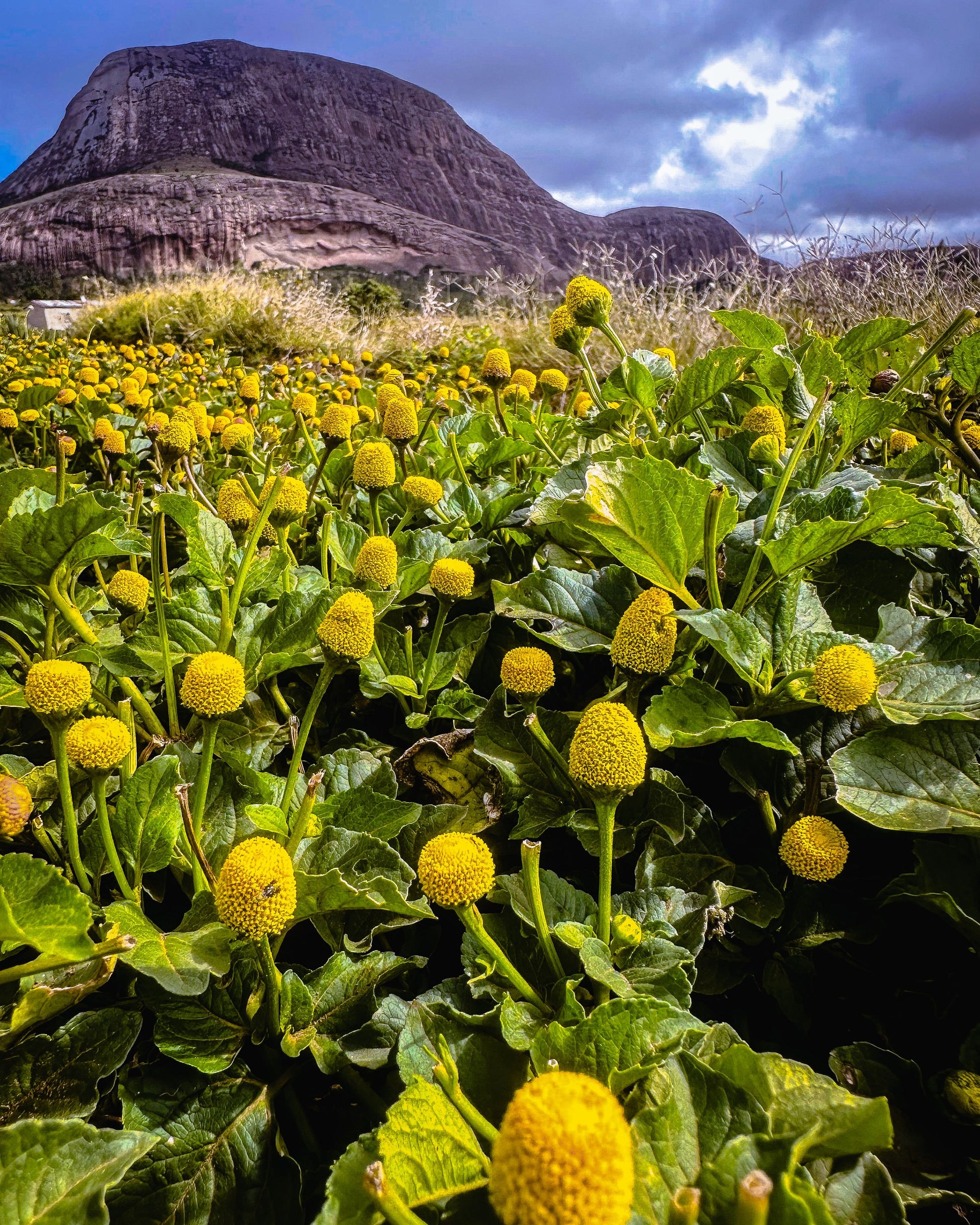
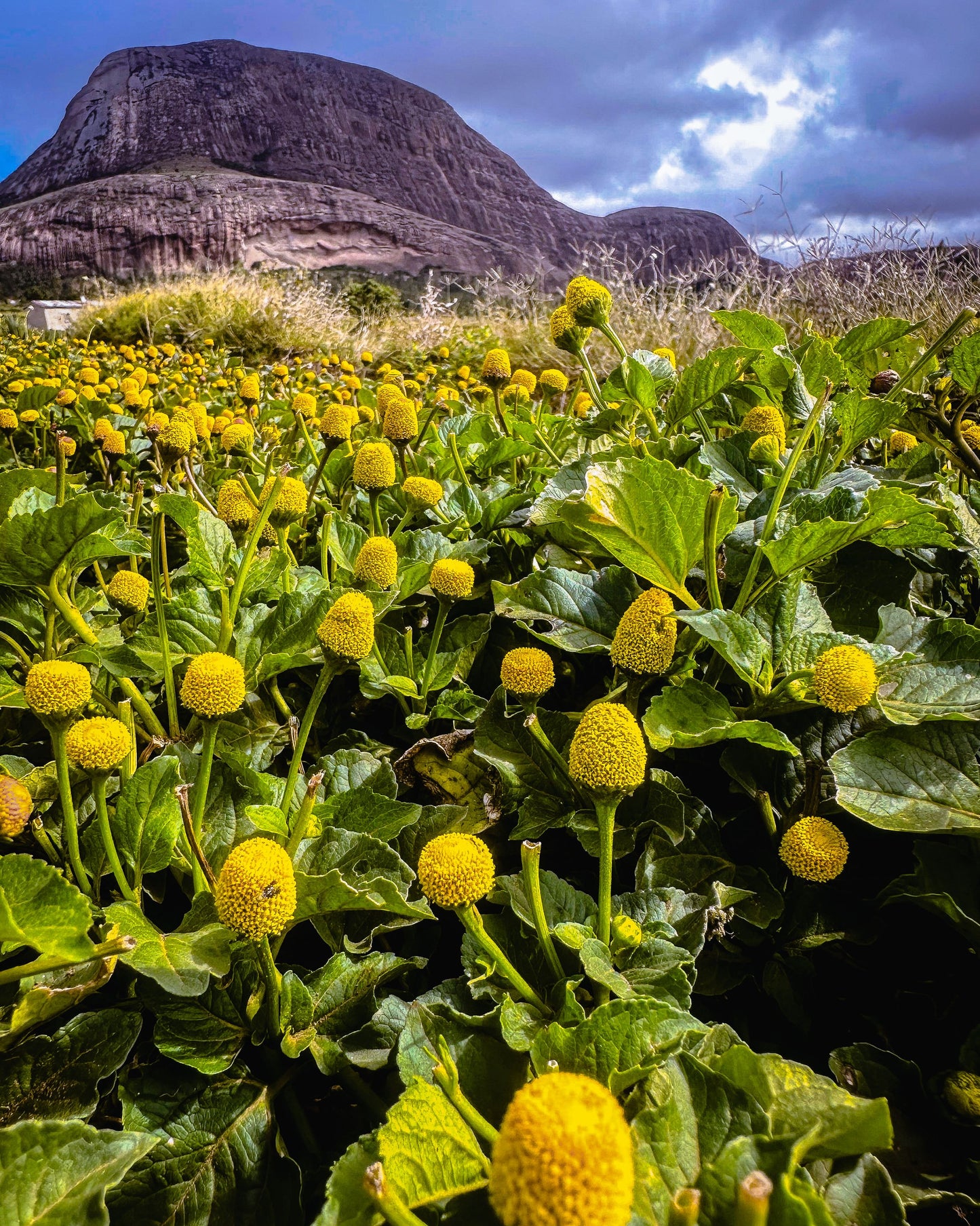
Madagascar is internationally recognised for its remarkable biodiversity and unique ecosystems. Its varied climates, distinct soil types, and long growing seasons support the cultivation of numerous botanical species used in food, cosmetics, and personal care.
For example, ingredients such as Moringa (Moringa oleifera), Baobab (Adansonia digitata), and Acmella (Acmella oleracea) can thrive in suitable regions of Madagascar when cultivated using responsible agricultural practices.
Like botanicals grown anywhere in the world, the quality of these ingredients depends on far more than their geographic origin. Sustainable cultivation, harvest timing, post-harvest handling, and laboratory verification all contribute to producing consistent, high-quality raw materials.
Geographic origin should therefore be viewed as one component of quality, not a guarantee of quality on its own.
Geography Is Only Part of the Story
Climate, soil, and biodiversity provide the environmental foundation upon which botanical ingredients develop.
However, even plants grown under excellent conditions can lose quality if they are harvested at the wrong stage or handled improperly after collection.
In Part 2 of this guide, we will follow the botanical ingredient beyond the field and into the next critical stages of production. We will explore how harvest timing, drying, storage, transportation, laboratory testing, and extraction determine whether a well-grown plant ultimately becomes a premium cosmetic ingredient.
Introduction
In Part 1 of this guide, we explored how premium cosmetic ingredients begin with the correct botanical species, appropriate genetics, and favourable growing conditions. We saw that geography, climate, soil, and biodiversity all influence the chemical composition of botanical ingredients long before they are harvested.
However, cultivating a healthy plant is only the first stage of the journey.
From the moment a flower is picked or a seed is collected, the natural processes within the plant begin to change. Enzymes remain active, moisture levels fluctuate, oxidation starts, and microorganisms can begin to grow if the raw material is not handled correctly.
For cosmetic scientists, these post-harvest changes are just as important as cultivation itself. A carefully grown botanical ingredient can lose quality through poor harvesting practices, improper drying, unsuitable storage conditions, or inadequate transportation. Conversely, well-designed post-harvest handling helps preserve the plant's natural composition until it reaches the laboratory for testing and extraction.
In this second part of the guide, we follow botanical ingredients beyond the field and into the next critical stages of production. We examine how harvesting, preservation, laboratory authentication, and supply chain management work together to ensure that premium botanical ingredients remain consistent, safe, and suitable for cosmetic formulations.
Chapter 4: Harvest Timing – Why Every Day Matters
Growing a healthy botanical ingredient is only part of the challenge. Determining when to harvest it is equally important.
Plants are living organisms that continuously change throughout their life cycle. As they germinate, develop leaves, produce flowers, form seeds, and eventually mature, the balance of naturally occurring compounds within their tissues also changes.
For cosmetic ingredient producers, harvesting at the appropriate stage helps preserve the chemical characteristics that make a botanical suitable for extraction and formulation.
This is why harvest timing is considered a key element of quality management rather than simply an agricultural decision.
Plants Change Throughout Their Life Cycle
Every stage of plant development involves different biological priorities.
Young plants focus on establishing roots and producing leaves to support growth through photosynthesis.
As plants mature, they shift energy toward flowering, reproduction, and seed development.
Throughout these stages, the concentration and distribution of naturally occurring compounds can vary between different plant organs, including leaves, flowers, stems, roots, fruits, and seeds.
Because cosmetic ingredients are obtained from specific plant parts, understanding these developmental changes helps producers identify the most appropriate harvest window.
Different Plant Parts Mature at Different Times
Not all parts of a plant reach maturity simultaneously.
For example:
- Leaves often develop before flowers.
- Flowers may bloom over several weeks.
- Seeds continue to mature after flowering.
- Fruits typically develop after successful pollination.
- Roots may continue storing nutrients long after the above-ground portions have matured.
As a result, harvesting too early or too late may influence the physical and chemical characteristics of the raw material.
Selecting the correct harvest stage therefore depends on both the botanical species and the intended cosmetic ingredient.
Harvest Timing Influences Botanical Composition
Plants naturally produce thousands of compounds throughout their life cycle.
The relative abundance of these compounds is influenced by many interacting factors, including genetics, environmental conditions, and developmental stage.
Researchers have shown that the concentrations of certain classes of phytochemicals may vary during plant growth. This natural variation is one reason why botanical ingredients are typically harvested according to carefully planned schedules rather than simple calendar dates.
Professional growers monitor crop development using observable indicators such as:
- Flowering stage
- Leaf maturity
- Fruit development
- Seed ripeness
- Plant health
- Environmental conditions
Rather than harvesting on the same date every year, experienced producers adapt to the natural progression of each growing season.
Seasonal Variation Matters
Environmental conditions change from year to year.
Differences in rainfall, temperature, sunlight, and growing degree days can accelerate or delay plant development.
For this reason, harvest calendars serve as guides rather than fixed rules.
A botanical crop that reaches maturity in early April one year may not be ready until late April the following year if seasonal conditions differ.
Continuous field observations help producers identify the optimal harvest period based on plant development rather than the calendar alone.
Time of Day Can Also Influence Harvesting
Plants follow daily biological rhythms known as circadian rhythms.
Throughout a 24-hour period, changes occur in:
- Photosynthesis
- Water movement
- Stomatal opening
- Carbohydrate metabolism
- Hormone activity
These natural cycles influence plant physiology and can affect moisture content and other measurable characteristics.
Consequently, some botanical crops are harvested during specific times of day to support efficient handling and processing.
The appropriate harvest time depends on the species, climate, and intended application of the botanical material.
Environmental Stress Influences Harvest Decisions
Plants continuously respond to their environment.
Periods of drought, excessive rainfall, storms, heatwaves, or pest pressure can influence crop development and overall plant health.
Responsible growers monitor these conditions closely when planning harvest activities.
Harvesting at an appropriate time helps reduce unnecessary deterioration while maintaining the quality of the botanical material entering the post-harvest process.
Inside the Cosmetic Laboratory
Why Harvest Timing Matters
A cosmetic laboratory cannot improve a botanical ingredient that was harvested too early, stored incorrectly, or allowed to deteriorate before processing.
Laboratory testing can identify quality issues, but it cannot restore the original chemical composition of the freshly harvested plant.
For this reason, harvest timing is viewed as one of the earliest quality control measures in the production of premium botanical ingredients.
Harvesting Requires Both Science and Experience
Modern agriculture increasingly uses technologies such as weather forecasting, satellite imagery, soil monitoring, and crop observation to support harvesting decisions.
However, technology complements rather than replaces practical agricultural knowledge.
Experienced growers combine scientific data with careful field observations to determine when botanical ingredients have reached the appropriate stage for collection.
This integration of plant science and agricultural expertise helps maintain the consistency and quality expected of premium cosmetic raw materials.
Harvest Timing Sets the Stage for Quality
Harvesting marks the transition between cultivation and processing.
Once the plant is collected, its tissues remain biologically active for a limited time. Moisture, enzymes, oxygen, and microorganisms immediately begin influencing the harvested material.
The next stage, post-harvest handling, therefore becomes critical in preserving the quality established during cultivation.
In the following chapter, we explore how drying, storage, transportation, and environmental control help protect botanical ingredients before they undergo laboratory testing and extraction.
Chapter 5: Post-Harvest Handling – Protecting Botanical Quality
Growing and harvesting a healthy plant are only part of the journey toward producing a premium cosmetic ingredient. Once a botanical has been harvested, it immediately begins to change. Natural biological processes continue within the plant tissues, while exposure to oxygen, moisture, light, and microorganisms can gradually alter its chemical composition.
For cosmetic ingredient producers, the period between harvest and extraction is one of the most critical stages in maintaining quality. Even botanicals cultivated under ideal conditions can lose valuable characteristics if they are handled improperly after harvest.
Post-harvest handling is therefore much more than transporting plants from the field to a processing facility. It is a carefully managed process designed to preserve the integrity, safety, and consistency of the raw material until it is ready for laboratory testing and extraction.
Plants Continue to Change After Harvest
Many people assume that a harvested plant becomes biologically inactive immediately after it is picked.
In reality, harvested plant tissues remain metabolically active for a period of time.
During this stage:
- enzymes continue functioning;
- moisture gradually evaporates;
- respiration continues;
- oxidation begins;
- microorganisms may multiply if conditions allow.
These natural processes can alter the composition of botanical ingredients if they are not carefully controlled.
The goal of post-harvest handling is to slow these changes while preserving the plant's natural characteristics.
Why Moisture Matters
Freshly harvested plants contain a high percentage of water.
Moisture is essential for healthy plant growth, but after harvest it can become one of the greatest threats to ingredient quality.
Excess moisture may encourage:
- bacterial growth;
- mould development;
- yeast contamination;
- enzymatic degradation.
For this reason, many botanical ingredients intended for cosmetic extraction are dried soon after harvesting.
Reducing moisture content helps improve storage stability while lowering the risk of microbial contamination.
Drying Is More Than Removing Water
Drying is one of the oldest preservation techniques used in agriculture, yet it remains one of the most important.
The objective is not simply to remove moisture, but to do so in a way that protects the botanical material from unnecessary degradation.
Several factors influence drying quality, including:
- drying temperature;
- airflow;
- humidity;
- drying duration;
- plant thickness;
- environmental cleanliness.
Poorly controlled drying conditions may affect colour, aroma, texture, and the stability of naturally occurring compounds.
For premium cosmetic ingredients, drying protocols are often carefully validated to balance preservation with product quality.
Choosing the Right Drying Method
Different botanical materials require different drying approaches depending on their structure and intended use.
Common drying methods include:
Air Drying
Fresh plant material is dried using natural or controlled airflow.
Advantages include:
- low energy requirements;
- gentle drying conditions;
- suitability for many herbs and flowers.
However, drying times may be longer and environmental conditions must be carefully monitored.
Controlled Temperature Drying
Drying chambers provide greater control over:
- temperature;
- airflow;
- humidity.
This approach helps improve consistency between production batches while reducing the influence of changing weather conditions.
Freeze Drying
Some botanical materials may be preserved using freeze drying, also known as lyophilisation.
This process removes water through sublimation under reduced pressure.
Freeze drying is widely used for research materials and certain specialised botanical ingredients because it can preserve delicate structures and reduce thermal degradation.
However, it is generally more expensive and energy intensive than conventional drying methods.
Temperature Can Influence Botanical Stability
Heat accelerates many chemical reactions.
Excessively high drying temperatures may contribute to:
- oxidation;
- loss of volatile compounds;
- colour changes;
- structural damage.
Conversely, drying temperatures that are too low may prolong drying times, increasing the opportunity for microbial growth.
The appropriate drying conditions depend on the botanical species, plant part, and intended cosmetic application.
Inside the Cosmetic Laboratory
Faster Is Not Always Better
Rapid drying may appear efficient, but cosmetic scientists are often more concerned with preserving botanical quality than simply reducing processing time.
The best drying method is one that balances efficiency with the preservation of the ingredient's physical and chemical characteristics.
Oxidation Begins Immediately
One of the greatest challenges after harvest is oxidation.
When plant tissues are cut, bruised, or exposed to air, oxygen interacts with naturally occurring compounds.
Over time, oxidation may influence:
- colour;
- aroma;
- flavour (for edible botanicals);
- lipid stability;
- overall chemical composition.
While oxidation is a natural process, excessive exposure to oxygen can reduce the stability of botanical ingredients before extraction even begins.
Minimising unnecessary exposure to air during handling and storage helps preserve ingredient quality.
Protecting Against Light
Light is another environmental factor that can influence botanical stability.
Prolonged exposure to sunlight or strong artificial lighting may contribute to the gradual degradation of certain naturally occurring compounds.
For this reason, dried botanical ingredients are often stored in opaque containers or protected from unnecessary light exposure during transportation and storage.
Protecting ingredients from light helps maintain consistency between harvest and extraction.
Storage Conditions Matter
Proper storage begins immediately after drying.
Storage facilities are designed to minimise environmental conditions that could compromise ingredient quality.
Important considerations include:
- stable temperatures;
- controlled humidity;
- adequate ventilation;
- protection from pests;
- clean storage environments;
- appropriate packaging materials.
Poor storage conditions may increase the risk of moisture absorption, contamination, or chemical deterioration.
Regular monitoring helps maintain product integrity throughout the storage period.
Packaging Is Part of Quality Control
Packaging does far more than make transportation convenient.
Appropriate packaging helps protect botanical ingredients from:
- oxygen;
- moisture;
- physical damage;
- dust;
- insects;
- cross-contamination.
Depending on the botanical material, packaging may include moisture-resistant liners, sealed containers, food-grade sacks, or fibre drums designed for botanical raw materials.
Selecting appropriate packaging helps preserve quality until the ingredient reaches the extraction facility.
Transportation Can Influence Ingredient Quality
Botanical ingredients often travel long distances between farms, processing facilities, laboratories, and cosmetic manufacturers.
During transport, they may be exposed to changing environmental conditions, including:
- temperature fluctuations;
- humidity;
- vibration;
- physical compression;
- extended storage periods.
Responsible suppliers manage transportation carefully to minimise these risks.
Efficient logistics reduce unnecessary delays and help maintain ingredient quality throughout the supply chain.
Preventing Contamination
Maintaining cleanliness throughout post-harvest handling is essential.
Potential sources of contamination include:
- soil residues;
- insects;
- foreign plant material;
- dust;
- packaging debris;
- microorganisms.
Good agricultural and manufacturing practices help reduce these risks through:
- hygienic handling procedures;
- clean equipment;
- regular sanitation;
- staff training;
- controlled processing environments.
Preventing contamination protects both ingredient quality and consumer safety.
Documentation Begins at Harvest
Quality management does not rely solely on laboratory testing.
Documentation begins in the field.
Harvest records may include information such as:
- harvest date;
- growing location;
- crop identification;
- processing batch;
- drying conditions;
- storage location.
Maintaining detailed records supports traceability and helps manufacturers investigate any quality issues that may arise later in production.
Comprehensive documentation also contributes to regulatory compliance and continuous quality improvement.
Inside the Cosmetic Laboratory
Preservation Before Extraction
Extraction cannot recover compounds that have already been lost through poor post-harvest handling.
This is why premium botanical ingredient producers invest significant effort in preserving plant quality before laboratory processing begins.
Effective post-harvest handling protects the work already achieved through careful cultivation, harvesting, and sustainable agricultural practices.
Post-Harvest Handling Bridges Agriculture and Cosmetic Science
The period between harvest and extraction is often invisible to consumers, yet it is one of the most influential stages in determining ingredient quality.
Every decision, from drying temperature and storage humidity to packaging and transportation, helps determine whether a botanical arrives at the laboratory in optimal condition.
Only after these preservation steps have been successfully completed can cosmetic scientists begin the next phase of evaluation: confirming the ingredient's identity, purity, safety, and consistency through analytical testing.
In the next chapter, we move into the laboratory to explore how modern analytical techniques, including chromatography, spectroscopy, DNA authentication, and microbiological testing, help verify that a botanical ingredient truly meets the standards expected of a premium cosmetic raw material.