

Introduction
For most of human history, cosmetics were botanical.
Long before synthetic chemistry transformed the beauty industry, plants supplied nearly every ingredient used to cleanse, moisturise, perfume, colour, and protect the skin. Ancient Egyptians infused oils with herbs and flowers. Greek physicians documented medicinal plants for skin care. Traditional Chinese Medicine, Ayurveda, African ethnobotany, and Indigenous South American knowledge all relied heavily on botanical ingredients that are still recognised today.
What has changed is not humanity's relationship with plants, it is our understanding of them.
Over the past century, cosmetic science has evolved from observing the visible effects of botanicals to investigating the complex chemistry hidden within every leaf, flower, seed, and root. Modern analytical instruments can now identify thousands of naturally occurring compounds inside a single plant extract. Researchers are increasingly interested not only in what individual molecules do but also in how entire botanical systems function together.
At the same time, consumers have become more informed than ever before. They no longer choose skincare products based solely on fragrance, packaging, or marketing claims. Increasingly, they want to understand ingredient origins, formulation science, sustainability, ethical sourcing, and the evidence supporting cosmetic ingredients.
These changes are reshaping one of the world's largest consumer industries.
According to recent market analyses, the global botanical skincare ingredients market was valued at approximately USD 1.32 billion in 2024 and is projected to reach USD 2.47 billion by 2032, representing a compound annual growth rate (CAGR) of approximately 8.2%. This growth is largely driven by increasing demand for plant-based, clean-label, and sustainably sourced cosmetic ingredients.
This first chapter explores how botanical cosmetics evolved from traditional remedies into one of the fastest-growing scientific fields in modern skincare.
Plants Have Always Been Humanity's First Cosmetic Laboratory
Long before laboratories existed, people observed nature.
Across every continent, communities experimented with plants through centuries of practical experience. Oils extracted from seeds, aromatic flowers, tree resins, fruit pulps, and medicinal herbs were incorporated into daily skincare rituals.
Some examples include:
| Region | Traditional Botanical Ingredients |
|---|---|
| Ancient Egypt | Moringa, Castor, Frankincense, Myrrh |
| Sub-Saharan Africa | Baobab, Shea, Moringa |
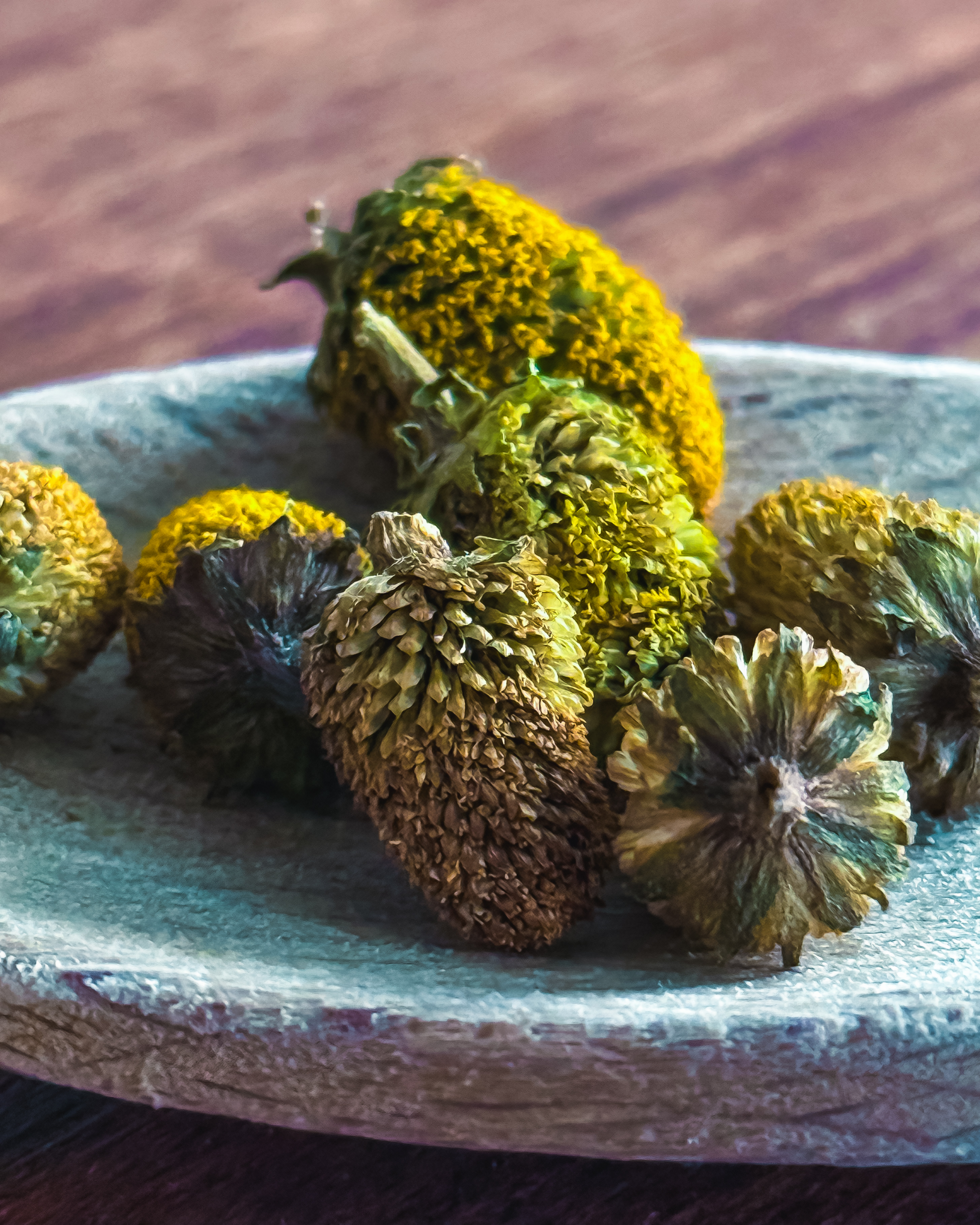
| South America | Acmella oleracea, Annatto, Copaiba |
| India | Turmeric, Neem, Sandalwood |
| China | Green Tea, Ginseng, Astragalus |
| Mediterranean | Olive Oil, Lavender, Rosemary |
Although these cultures lacked modern analytical chemistry, many developed sophisticated methods of selecting, harvesting, drying, and preparing botanicals based on careful observation.
Today's cosmetic scientists increasingly recognise that this traditional knowledge often provides valuable starting points for scientific investigation rather than simply representing historical curiosity.
The Rise of Synthetic Cosmetics
The twentieth century transformed the cosmetics industry.
Advances in industrial chemistry introduced synthetic preservatives, emulsifiers, fragrances, silicones, surfactants, polymers, colourants, and isolated active ingredients.
Synthetic chemistry offered many advantages:
- improved product stability;
- lower manufacturing costs;
- consistent quality;
- predictable behaviour;
- large-scale production.
For decades, innovation focused primarily on laboratory-created molecules.
Botanical ingredients often remained secondary components used mainly for fragrance or marketing purposes rather than as scientifically characterised formulation ingredients.
However, this balance has gradually begun to change.
The Botanical Renaissance
During the past twenty years, botanical ingredients have experienced a remarkable resurgence.
This renewed interest has been driven by several interconnected developments.
Consumers have become more aware of ingredient lists.
Scientific research has expanded dramatically.
Environmental concerns have increased.
Agricultural sustainability has become a global priority.
At the same time, cosmetic science has developed new analytical tools capable of investigating plants in unprecedented detail.
Rather than viewing botanical ingredients as simple "natural alternatives," researchers increasingly recognise them as highly sophisticated biological systems containing hundreds, or sometimes thousands, of naturally occurring molecules.
This shift has fundamentally changed how formulators evaluate botanical ingredients.
Why Consumers Are Driving Change
Perhaps the greatest force shaping modern cosmetics is no longer chemistry.
It is consumer behaviour.
Today's skincare consumers ask very different questions than they did twenty years ago.
Instead of simply asking:
"Does this product work?"
many now also ask:
- Where was this ingredient grown?
- How was it harvested?
- Is the supply chain transparent?
- Was the plant sustainably cultivated?
- Which extraction method was used?
- Is there scientific research supporting the formulation?
These questions have encouraged cosmetic companies to provide greater transparency while investing more heavily in botanical research.
Industry reports consistently identify consumer demand for clean-label formulations, plant-derived ingredients, vegan cosmetics, and environmentally responsible sourcing as major drivers of market growth.
The Growth of Botanical Cosmetics
The numbers illustrate just how rapidly botanical cosmetics are expanding.
Recent industry analyses estimate:
| Market | Value |
|---|---|
| Botanical skincare ingredients (2024) | USD 1.32 billion |
| Expected value (2032) | USD 2.47 billion |
| CAGR | 8.2% |
Meanwhile, the broader natural cosmetic ingredients market is projected to continue growing strongly, with forecasts estimating growth from USD 10.6 billion in 2025 to USD 21.7 billion by 2033, representing a CAGR of approximately 9.5%.
Several factors contribute to this expansion:
- increased interest in botanical skincare;
- demand for ingredient transparency;
- advances in cosmetic science;
- growth of sustainable agriculture;
- consumer preference for naturally derived ingredients.
Importantly, this growth reflects changing purchasing behaviour rather than short-term beauty trends.
The Shift from "Natural" to "Evidence-Based"
One of the biggest misconceptions in the cosmetics industry is that consumers simply want "natural" products.
Increasingly, this is no longer true.
Modern consumers want natural ingredients supported by scientific evidence.
In other words, the conversation has shifted from:
"Is it natural?"
to
"How well do we understand this botanical?"
This represents a major evolution.
Researchers now investigate botanical ingredients using:
- chromatography;
- mass spectrometry;
- metabolomics;
- molecular biology;
- clinical cosmetic testing;
- analytical chemistry.
Rather than relying solely on historical use, botanical ingredients are increasingly evaluated using the same scientific standards applied to other cosmetic ingredients.
Clean Beauty Is Maturing
The term clean beauty has become one of the most influential concepts in modern cosmetics.
However, its meaning has evolved considerably.
Early discussions often focused on excluding certain synthetic ingredients.
Today, clean beauty increasingly encompasses broader questions such as:
- responsible sourcing;
- environmental impact;
- biodegradability;
- formulation transparency;
- ethical supply chains;
- manufacturing practices.
In other words, clean beauty is gradually becoming less about marketing language and more about measurable product stewardship.
This shift encourages brands to explain not only what ingredients they use but also why they selected them.
Consumers Want Transparency
Transparency has become one of the defining characteristics of premium botanical brands.
Consumers increasingly expect companies to explain:
- botanical origin;
- cultivation methods;
- extraction technologies;
- ingredient purpose;
- formulation philosophy.
Rather than accepting vague claims such as "contains botanical extracts," they increasingly look for detailed information that helps them understand how a formulation was developed.
This trend aligns closely with scientific communication.
The more consumers understand botanical ingredients, the more informed their purchasing decisions become.
Why Science Matters More Than Marketing
Perhaps the most significant trend in botanical cosmetics is the gradual movement away from exaggerated marketing claims.
Modern cosmetic research focuses on understanding:
- plant chemistry;
- ingredient compatibility;
- formulation stability;
- extraction methods;
- quality control;
- manufacturing consistency.
This represents a more evidence-based approach to botanical formulation.
Instead of asking which ingredient is "best," researchers increasingly ask:
- Which extraction method preserves the botanical profile?
- Which carrier oil provides the greatest formulation stability?
- How do multiple botanical compounds interact within a formulation?
- How does cultivation influence botanical composition?
These questions form the foundation of modern botanical science.
The Next Stage of Botanical Cosmetics
The botanical cosmetics industry is entering a new phase.
The first generation relied primarily on traditional knowledge.
The second focused on natural marketing.
The third, now emerging, is being driven by scientific understanding.
This new era combines:
- botanical research;
- analytical chemistry;
- sustainable agriculture;
- responsible sourcing;
- transparent formulation;
- evidence-based cosmetic science.
Rather than replacing nature with technology, scientists are increasingly using technology to better understand nature itself.
That shift will shape the next decade of botanical cosmetics.
Scientific Summary
The botanical cosmetics industry is undergoing a significant transformation driven by advances in cosmetic science, consumer awareness, and sustainability. Strong market growth reflects increasing demand for plant-derived ingredients supported by transparent sourcing and scientific validation rather than marketing claims alone. Modern analytical techniques now allow researchers to study botanical extracts in far greater detail, laying the foundation for a new generation of evidence-based botanical formulations. Market projections indicate continued expansion as both consumers and manufacturers prioritize quality, sustainability, and scientifically characterized plant ingredients.
The Future of Botanical Cosmetics: Part 2 – The Science That Will Shape the Next Generation of Skincare
Introduction
The future of botanical cosmetics will not be determined by marketing trends or the discovery of a single "miracle ingredient."
Instead, it will be shaped by advances in biology, chemistry, computational science, biotechnology, analytical instrumentation, and sustainable manufacturing.
Only twenty years ago, cosmetic scientists typically measured a handful of compounds within a plant extract. Today, modern analytical platforms can detect hundreds, or even thousands, of naturally occurring metabolites from a single botanical sample. Artificial intelligence is helping researchers identify promising plant compounds before laboratory testing begins. Green extraction technologies are replacing harsh solvents with more sustainable alternatives, while microbiome science is changing how formulators think about skin health.
Rather than treating botanical ingredients as simple collections of isolated molecules, researchers increasingly study plants as complex biological systems.
This systems-level understanding is expected to define the next generation of botanical cosmetics.
The End of the "Single Active Ingredient" Era
For decades, cosmetic science focused primarily on identifying one compound believed to be responsible for a plant's cosmetic properties.
Examples include:
- Retinol from Vitamin A
- Vitamin C (ascorbic acid)
- Salicylic acid
- Caffeine
- Niacinamide
While this reductionist approach has advanced cosmetic science, it has limitations when applied to botanicals.
Plants are extraordinarily complex biochemical factories.
A single medicinal plant may contain:
- hundreds of flavonoids;
- dozens of alkaloids;
- terpenoids;
- phenolic acids;
- sterols;
- fatty acids;
- amino acids;
- carbohydrates;
- volatile compounds.
These molecules rarely exist in isolation.
Instead, they form dynamic chemical networks that evolved over millions of years.
Increasingly, researchers are asking a different question:
What does the entire botanical system contribute, not just one molecule?
This shift represents one of the biggest conceptual changes occurring in cosmetic science.
Enter Metabolomics: Reading the Chemical Language of Plants
Perhaps no scientific discipline will influence botanical cosmetics more than metabolomics.
Metabolomics is the comprehensive study of all small molecules (metabolites) produced by an organism.
For plants, these metabolites include:
- flavonoids;
- polyphenols;
- alkamides;
- terpenes;
- carotenoids;
- sterols;
- fatty acids;
- sugars;
- amino acids;
- organic acids.
Instead of measuring ten compounds...
Modern metabolomics may analyse thousands simultaneously.
High-resolution analytical platforms such as:
- LC-MS/MS
- GC-MS
- UHPLC
- Orbitrap Mass Spectrometry
- Nuclear Magnetic Resonance (NMR)
allow scientists to generate what is often called a metabolic fingerprint.
Every plant species possesses its own fingerprint.
Even plants grown in different climates produce different chemical profiles.
This explains why growing location, soil composition, rainfall, harvest timing and post-harvest processing all influence botanical quality.
Metabolomics is increasingly helping researchers understand these differences while supporting authentication, quality control, and ingredient standardisation.
Primary vs Secondary Metabolites
Plants manufacture thousands of compounds for different biological purposes.
These are generally divided into two categories.
Primary metabolites
Essential for plant survival.
Examples:
- sugars
- amino acids
- proteins
- lipids
- nucleotides
These molecules support:
- photosynthesis
- respiration
- growth
- reproduction
Secondary metabolites
These are often the molecules that interest cosmetic scientists.
Examples include:
- polyphenols
- flavonoids
- alkamides
- terpenes
- alkaloids
- tannins
- carotenoids
Unlike primary metabolites, these compounds often evolved as ecological tools.
Plants use them to:
- communicate;
- deter herbivores;
- attract pollinators;
- respond to UV exposure;
- defend against microbes;
- adapt to environmental stress.
Understanding these secondary metabolites has become one of the fastest-growing areas of botanical research.
From Phytochemistry to Systems Biology
Traditional phytochemistry asks:
"Which molecules are present?"
Systems biology asks something much larger:
"How do all these molecules interact together?"
This represents a major scientific shift.
Researchers increasingly recognise that botanical extracts behave as highly interconnected chemical systems rather than simple mixtures of isolated ingredients.
Instead of focusing exclusively on a single marker compound, scientists now investigate:
- molecular networks;
- signalling pathways;
- metabolic interactions;
- extract complexity;
- chemical diversity.
This holistic perspective is likely to influence future botanical formulation strategies.
Artificial Intelligence Is Transforming Ingredient Discovery
Artificial intelligence is no longer limited to consumer skincare apps.
It is increasingly being integrated into cosmetic research and development.
At recent scientific meetings of the Society of Cosmetic Chemists, researchers highlighted AI applications in ingredient discovery, formulation optimisation, antioxidant screening, microbiome modulation, and personalised skincare. Importantly, these tools are being used to assist, not replace, laboratory experimentation.
AI systems can analyse:
- chemical databases;
- scientific publications;
- genomic information;
- metabolomic datasets;
- molecular structures;
- formulation databases.
Instead of screening compounds one by one, researchers can computationally prioritise the most promising candidates before laboratory testing begins.
This significantly reduces development time while improving research efficiency.
However, computational predictions must still be confirmed through experimental studies.
Digital Twins for Botanical Formulation
One emerging concept is the use of digital twins.
A digital twin is a virtual model of a physical system.
In cosmetics, future digital models may simulate:
- ingredient compatibility;
- formulation stability;
- oxidation behaviour;
- viscosity;
- emulsion characteristics;
- preservation systems.
Instead of manufacturing dozens of prototype formulations, researchers may first test thousands of virtual combinations.
This could reduce:
- laboratory waste;
- raw material consumption;
- development time.
Green Extraction Is Becoming Precision Extraction
Traditional botanical extraction often relied on simple maceration or solvent extraction.
Although these methods remain valuable, the industry is increasingly adopting greener, more selective technologies.
These include:
Supercritical CO₂ extraction
Carbon dioxide is compressed above its critical point, where it behaves as both a gas and a liquid.
Advantages include:
- solvent-free residues;
- tunable selectivity;
- low oxidation;
- protection of heat-sensitive compounds.
Ultrasound-assisted extraction
High-frequency sound waves create microscopic cavitation bubbles that disrupt plant tissues.
Benefits include:
- shorter extraction times;
- lower energy consumption;
- improved extraction efficiency.
Enzyme-assisted extraction
Natural enzymes gently break down plant cell walls.
Advantages:
- lower temperatures;
- reduced solvent use;
- improved release of intracellular compounds.
Natural Deep Eutectic Solvents (NADES)
One of the newest developments involves Natural Deep Eutectic Solvents (NADES).
These biodegradable solvent systems are created from naturally occurring compounds such as sugars, amino acids, and organic acids.
Research suggests NADES can selectively extract different groups of plant metabolites while reducing reliance on conventional organic solvents, making them a promising tool for greener botanical processing.
Precision Extraction Instead of Maximum Extraction
Historically, extraction focused on obtaining the highest possible yield.
The future is shifting toward obtaining the right molecules.
Researchers increasingly optimise extraction parameters such as:
- temperature;
- pressure;
- solvent polarity;
- extraction time;
- particle size;
- moisture content.
Rather than extracting everything, precision extraction aims to recover specific classes of compounds while preserving overall botanical integrity.
Biotechnology Is Expanding the Botanical Toolbox
Biotechnology is expected to play a growing role in cosmetics, not by replacing plants, but by complementing traditional cultivation.
Examples include:
Plant cell culture
Cultivating plant cells under controlled laboratory conditions.
Hairy root cultures
Using specialised root systems capable of producing high levels of secondary metabolites.
Precision fermentation
Employing microorganisms such as yeast or bacteria to produce bio-based cosmetic ingredients.
Synthetic biology
Engineering biological systems to manufacture molecules that are difficult or environmentally intensive to obtain through conventional agriculture.
These technologies can reduce pressure on rare or slow-growing species while improving ingredient consistency. However, experts also note challenges related to cost, scale, consumer acceptance, and environmental impacts of industrial fermentation.
The Skin Microbiome Is Redefining Cosmetic Science
One of the most exciting developments in dermatological research is the skin microbiome.
Human skin is home to trillions of microorganisms, including bacteria, fungi, viruses, and mites.
Rather than viewing these organisms solely as contaminants, researchers now recognise that many contribute to normal skin function.
Future botanical formulations may increasingly consider interactions between ingredients and the skin microbiome.
Emerging areas include:
- prebiotics;
- postbiotics;
- microbiome-supportive formulations;
- fermentation-derived botanical ingredients.
This represents a major shift from simply applying ingredients to understanding how they interact with the skin's biological ecosystem.
Multi-Omics: The Next Frontier
The next generation of botanical research is moving beyond metabolomics.
Scientists increasingly integrate multiple "omics" technologies:
| Discipline | Studies |
|---|---|
| Genomics | DNA |
| Transcriptomics | Gene expression |
| Proteomics | Proteins |
| Metabolomics | Small molecules |
| Microbiomics | Microorganisms |
Together these approaches create a much more complete understanding of botanical ingredients.
Rather than examining one layer of biology, researchers investigate how multiple biological systems interact simultaneously.
The Future Will Be Data-Driven - but Still Botanical
Technology will undoubtedly transform cosmetic science.
Yet technology does not replace plants.
Instead, it helps scientists better understand:
- botanical diversity;
- chemical complexity;
- sustainable cultivation;
- ingredient authenticity;
- formulation compatibility.
The future is therefore unlikely to involve abandoning botanical ingredients.
Instead, researchers are developing increasingly sophisticated tools for understanding why these remarkable plants have evolved such extraordinary chemical diversity.
Scientific Summary
Botanical cosmetics are entering a new era driven by metabolomics, systems biology, artificial intelligence, biotechnology, microbiome research, and green extraction technologies. Rather than focusing solely on isolated compounds, researchers increasingly study whole botanical systems and their complex chemical interactions. Advances such as high-resolution metabolomic profiling, AI-assisted ingredient discovery, Natural Deep Eutectic Solvents (NADES), and precision extraction are expected to improve ingredient characterisation, sustainability, and formulation science while complementing traditional botanical knowledge.
The Future of Botanical Cosmetics: Part 3 – Sustainability, Transparency & the Next Era of Botanical Innovation
Introduction
The future of botanical cosmetics will not be defined by a single breakthrough ingredient or revolutionary extraction method.
Instead, it will be shaped by a broader transformation in how the cosmetics industry thinks about plants, agriculture, manufacturing, supply chains, and environmental responsibility.
The industry's success will increasingly depend on answering questions that extend far beyond product performance.
Where was the botanical grown?
How was it cultivated?
Can its journey be traced from farm to finished formulation?
Does harvesting protect biodiversity?
Can extraction become carbon-neutral?
How can cosmetic companies support the communities producing botanical ingredients?
These questions represent a fundamental shift. Botanical cosmetics are evolving from an industry focused primarily on formulation into one that also values transparency, sustainability, and long-term stewardship of natural resources.
In this final chapter, we explore the forces likely to shape botanical cosmetics over the coming decades and examine why the future of the industry depends as much on responsible agriculture and ethical sourcing as it does on scientific innovation.
Climate Change Is Reshaping Botanical Agriculture
Every botanical ingredient begins in nature.
Unlike synthetic chemicals manufactured under controlled industrial conditions, botanical ingredients are living biological products whose chemical composition is influenced by environmental conditions throughout their life cycle.
These factors include:
- Temperature
- Rainfall
- Soil composition
- Altitude
- Sunlight
- Seasonal variation
- Water availability
- Pollinator diversity
As global climates continue to change, many regions are experiencing shifts in these environmental conditions. According to the Intergovernmental Panel on Climate Change (IPCC), climate change is already affecting agricultural productivity, biodiversity, and the distribution of plant species worldwide. These changes can influence both crop yields and the chemical composition of medicinal and aromatic plants.
For cosmetic manufacturers, this means that climate resilience is becoming an important component of ingredient quality and long-term supply chain stability.
Plants Respond to Environmental Stress
Plants cannot escape their environment.
Instead, they adapt by altering their metabolism.
Under environmental stress, including drought, ultraviolet radiation, temperature extremes, and nutrient limitations, plants often modify the production of secondary metabolites.
These include:
- Polyphenols
- Flavonoids
- Alkaloids
- Terpenes
- Alkamides
- Essential oils
Researchers have demonstrated that environmental conditions can significantly influence the concentration and diversity of these compounds.
For botanical cosmetics, this highlights an important concept:
A plant's chemistry is influenced not only by its species but also by where and how it is grown.
This is one reason why provenance, the geographical origin of botanical ingredients, is receiving increasing scientific attention.

Preserving Botanical Diversity
Modern agriculture has traditionally favoured uniformity.
Large-scale cultivation often focuses on a limited number of genetically similar plant varieties selected for predictable yields.
While this approach improves production efficiency, it can reduce genetic diversity.
Genetic diversity provides several important advantages:
- Greater resilience to pests and diseases
- Improved adaptation to changing climates
- Preservation of unique phytochemical profiles
- Long-term crop sustainability
Many researchers now advocate conserving wild plant populations and maintaining diverse cultivated varieties to preserve valuable genetic resources for future research and agriculture.
Botanical diversity is therefore not simply an environmental concern, it is also a scientific resource.
The Rise of Regenerative Agriculture
For many years, sustainability focused on reducing environmental harm.
Regenerative agriculture aims to go further by actively improving ecosystems.
Rather than asking,
"How can we minimise damage?"
regenerative farming asks,
"How can agriculture restore natural systems?"
Core principles include:
- Improving soil health
- Increasing biodiversity
- Reducing erosion
- Enhancing water retention
- Supporting pollinators
- Minimising synthetic inputs
- Encouraging natural nutrient cycles
Healthy soils are increasingly recognised as one of the foundations of resilient agricultural systems.
By improving soil structure and microbial diversity, regenerative practices can enhance long-term productivity while supporting environmental resilience.
For botanical cultivation, healthier ecosystems may also contribute to more consistent crop quality over time.
From Farm to Formula: Why Traceability Matters
Modern consumers increasingly want to understand the complete journey of an ingredient.
This concept is known as traceability.
Traceability allows manufacturers to document:
- Country of origin
- Farm location
- Harvest date
- Processing methods
- Extraction technology
- Batch identification
- Quality testing
- Transportation history
Digital technologies are making this increasingly feasible.
Some manufacturers now provide QR codes or digital product passports that allow consumers to access information about ingredient sourcing and production.
Although implementation varies across the industry, traceability is becoming an important tool for quality assurance, regulatory compliance, and consumer confidence.
Digital Supply Chains and Blockchain
Emerging technologies such as blockchain are also being explored for botanical supply chains.
A blockchain is a distributed digital ledger that records transactions in a secure and transparent manner.
Applied to cosmetics, blockchain could potentially document each stage of an ingredient's journey, from cultivation and harvesting to extraction, manufacturing, and distribution.
Potential benefits include:
- Improved transparency
- Reduced fraud
- Enhanced batch traceability
- Faster product recalls
- Greater consumer trust
While adoption remains at an early stage, digital supply chain technologies are expected to play an increasing role as traceability requirements continue to evolve.
The Circular Bioeconomy
Traditional manufacturing often follows a linear model:
Take → Produce → Dispose
The circular bioeconomy proposes a different approach.
Its goal is to maximise the value of biological resources while minimising waste.
Examples in botanical cosmetics include:
- Upcycling fruit seeds into cosmetic oils
- Recovering antioxidants from agricultural by-products
- Reusing extraction residues as compost
- Recycling process water
- Producing renewable energy from plant waste
Rather than viewing plant residues as waste, researchers increasingly investigate how these materials can become valuable secondary resources.
This approach supports both environmental sustainability and resource efficiency.
Water: The Hidden Ingredient
Water is often overlooked when discussing botanical cosmetics.
Yet it is one of the industry's most important natural resources.
Water is used for:
- Irrigation
- Cleaning
- Extraction
- Manufacturing
- Equipment sterilisation
- Quality control
As freshwater resources become increasingly limited in many regions, manufacturers are investing in:
- Closed-loop water systems
- Water recycling
- Precision irrigation
- Rainwater harvesting
- Water-efficient processing
Reducing water consumption is becoming an important component of sustainable cosmetic manufacturing.
Consumers Are Becoming More Scientifically Literate
The modern skincare consumer is changing rapidly.
Social media, scientific podcasts, educational websites, and open-access research have made cosmetic science more accessible than ever before.
Consumers increasingly understand concepts such as:
- Barrier function
- Fatty acids
- Polyphenols
- Peptides
- Microbiome
- Antioxidants
- Extraction methods
As knowledge increases, expectations also rise.
Consumers increasingly reward companies that communicate clearly, explain ingredient selection, and avoid exaggerated claims.
This trend is encouraging a more evidence-based dialogue between brands and consumers.
Regulation Is Evolving Alongside Science
The cosmetic industry operates within a framework of regulations designed to protect consumer safety and ensure truthful marketing.
As scientific understanding advances, regulatory authorities continue to refine requirements relating to:
- Ingredient safety
- Product claims
- Sustainability reporting
- Environmental impact
- Chemical assessment
- Labelling
- Supply chain documentation
At the same time, voluntary certifications covering organic production, ethical sourcing, and environmental management are becoming more common.
Together, these developments encourage greater transparency and accountability across the industry.
Artificial Intelligence Will Support Better Decisions
Artificial intelligence will influence not only ingredient discovery but also every stage of botanical production.
Future AI applications may include:
- Predicting crop yields
- Monitoring plant health through satellite imagery
- Optimising irrigation schedules
- Detecting plant diseases
- Forecasting harvest quality
- Improving logistics
- Managing inventory
- Reducing manufacturing waste
Rather than replacing farmers or scientists, AI is expected to become another decision-support tool that improves efficiency and resource management.
What Will Never Change
Despite rapid technological progress, several fundamental principles are unlikely to change.
Every botanical formulation will still begin with healthy plants.
Healthy plants require healthy ecosystems.
Healthy ecosystems depend upon responsible farming.
Responsible farming depends upon knowledgeable growers.
No analytical instrument can compensate for poor-quality raw materials.
No extraction technology can recreate biodiversity.
No artificial intelligence system can replace generations of agricultural knowledge.
Technology will continue to improve our understanding of plants.
It cannot replace the plants themselves.
Looking Ahead
The next chapter in botanical cosmetics will not be written by laboratories alone.
It will be written through collaboration between botanists, agronomists, chemists, cosmetic scientists, engineers, sustainability experts, and farming communities around the world.
Scientific innovation will undoubtedly continue to improve extraction methods, analytical chemistry, biotechnology, and formulation design. At the same time, preserving biodiversity, protecting ecosystems, and supporting responsible agriculture will become increasingly important.
The future of botanical cosmetics is therefore not a choice between nature and technology.
It is a partnership between the two.
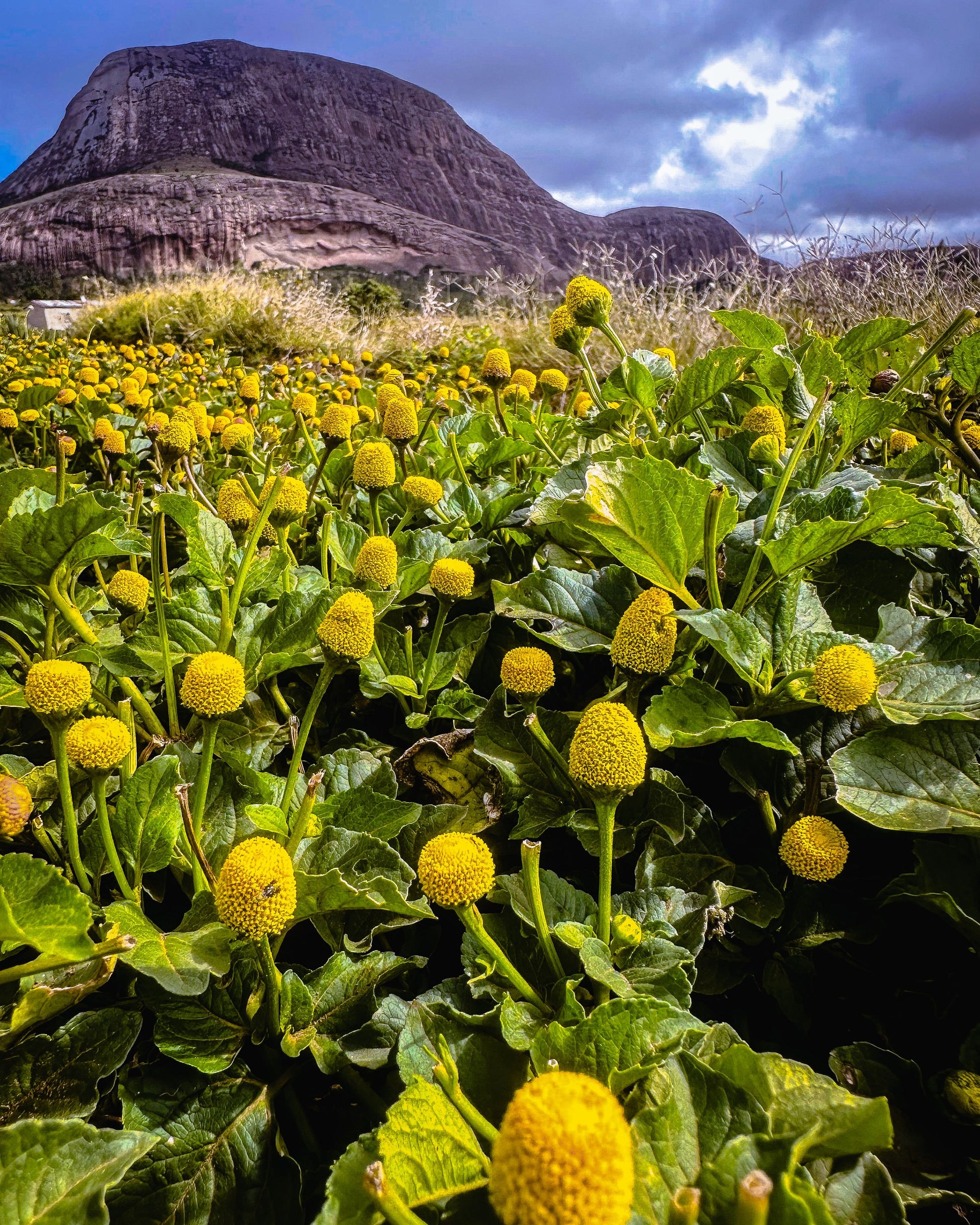
At Madabuzz, this philosophy guides every stage of our work, from sourcing Acmella oleracea in Madagascar and selecting complementary botanicals such as Moringa and Baobab to prioritising careful extraction methods and responsible sourcing. We believe that the most meaningful innovations arise when scientific curiosity is matched with respect for nature, transparency, and the communities that cultivate these remarkable plants.
Scientific Summary
The future of botanical cosmetics will be shaped by climate resilience, regenerative agriculture, transparent supply chains, digital traceability, circular manufacturing, and responsible resource management alongside continued advances in cosmetic science. Environmental conditions influence plant chemistry, making provenance, biodiversity, and sustainable cultivation increasingly important for ingredient quality. Emerging technologies, including blockchain, artificial intelligence, and digital product passports, are expected to strengthen traceability and supply chain transparency. Together, these developments support a future in which botanical innovation is driven by both scientific excellence and environmental stewardship.
Conclusion
Botanical cosmetics are entering one of the most significant periods of transformation in their history. Advances in plant science, biotechnology, artificial intelligence, and green chemistry are expanding our understanding of botanical ingredients, while climate change, biodiversity conservation, and consumer expectations are redefining how those ingredients are grown, sourced, and formulated.
The industry's future will depend on balancing innovation with responsibility. Success will not be measured solely by discovering new botanical compounds but by protecting the ecosystems that produce them, supporting the communities that cultivate them, and communicating their value with scientific honesty.
For companies committed to botanical excellence, the opportunity is clear: combine rigorous research with sustainable practices to create products that respect both people and the planet.