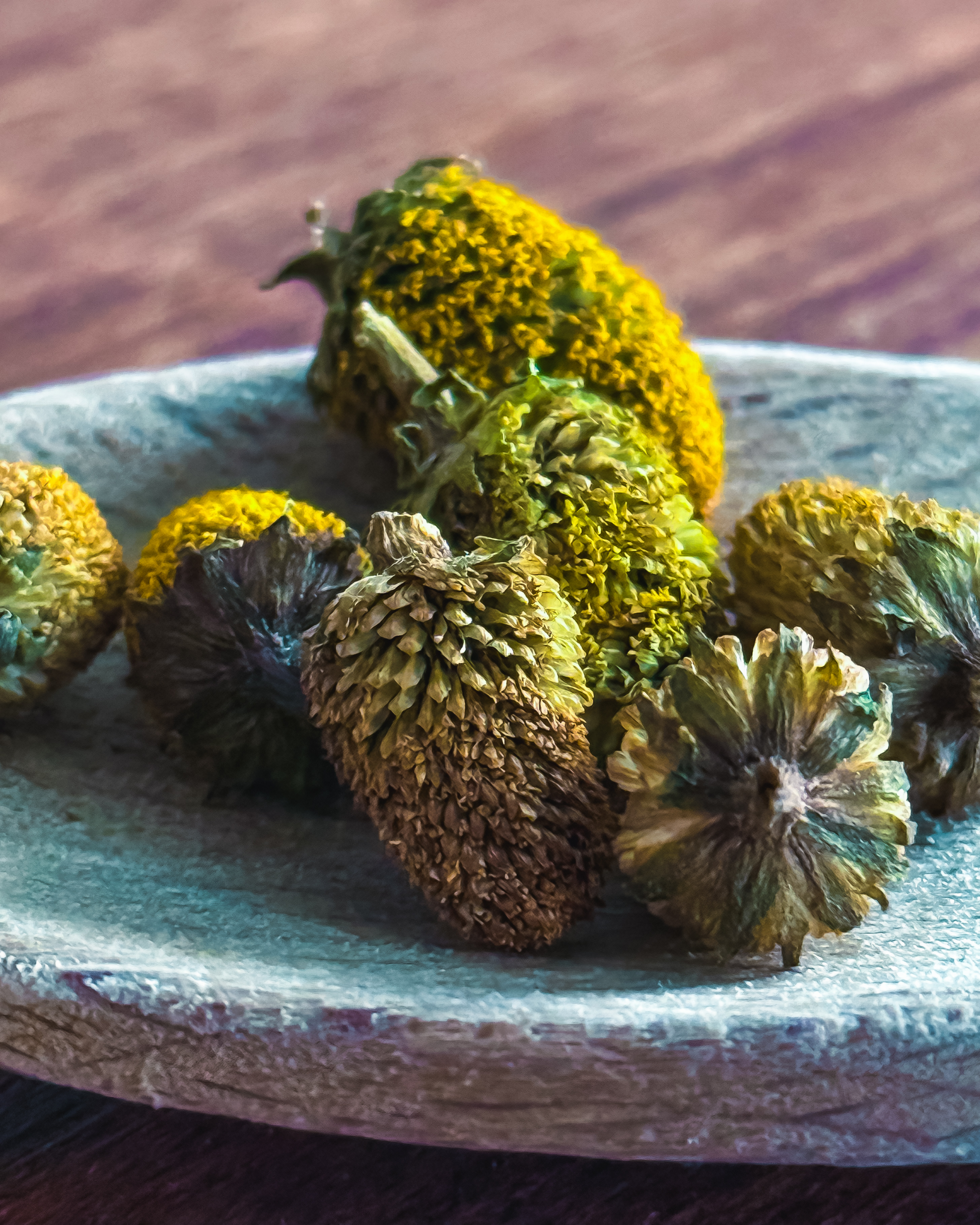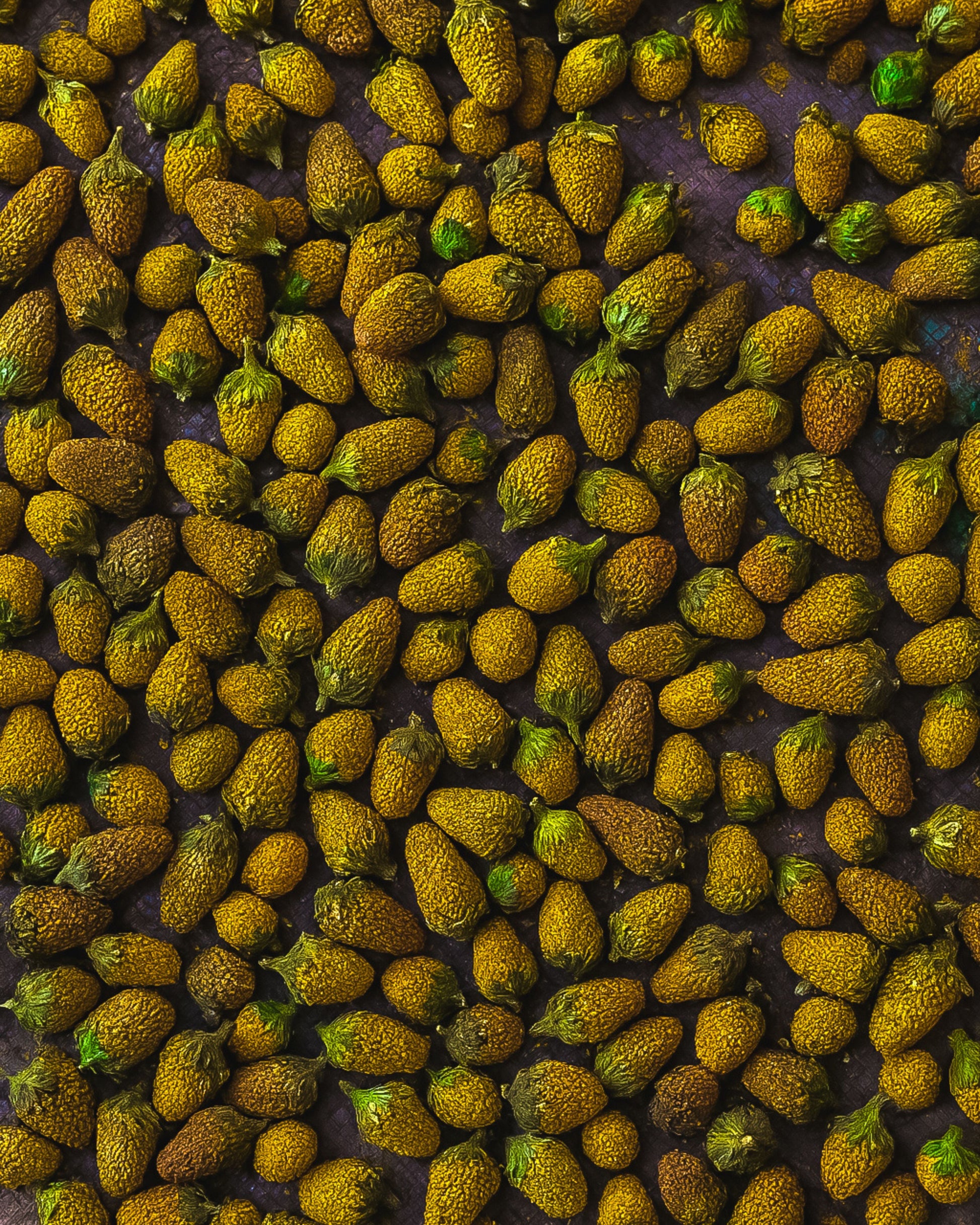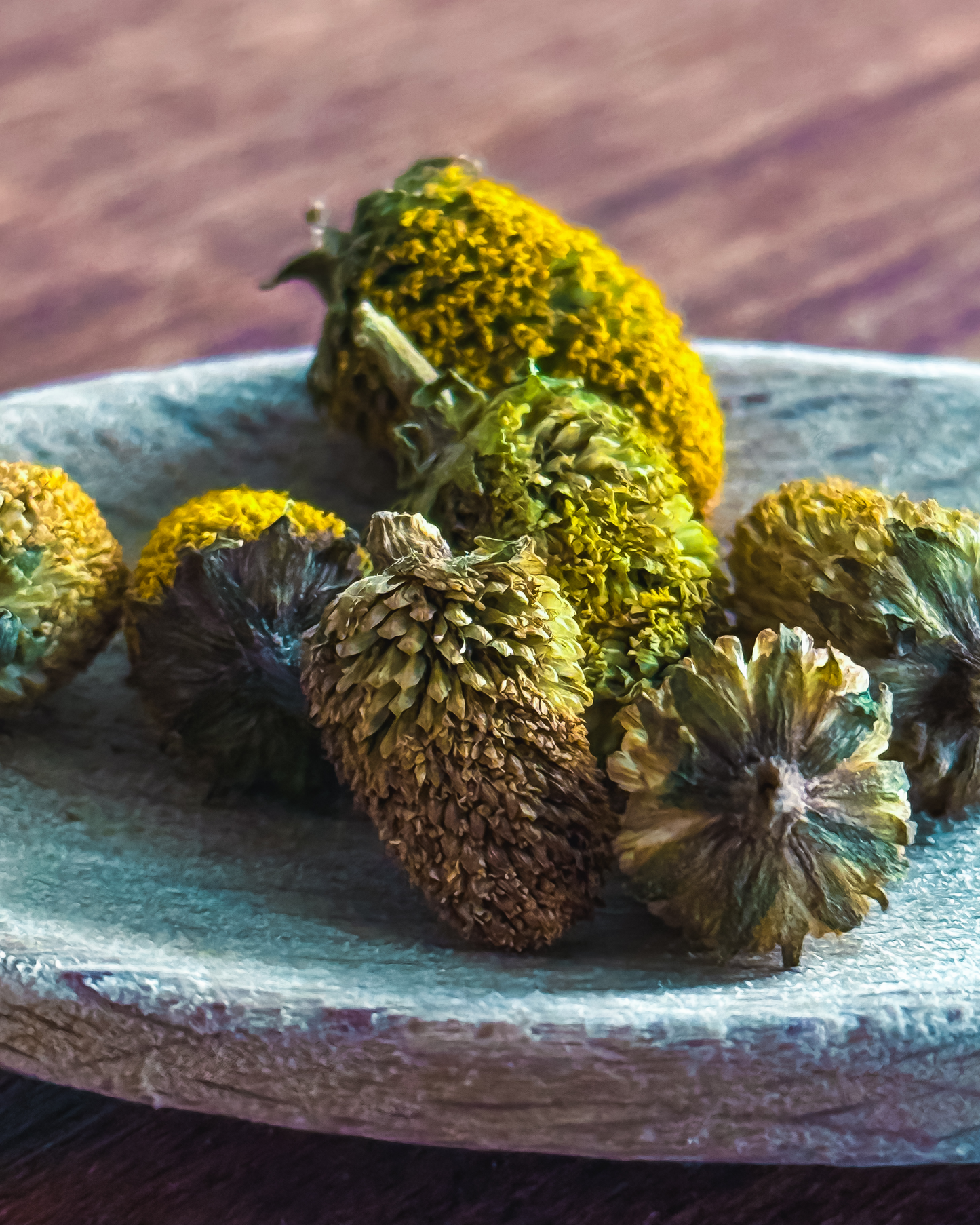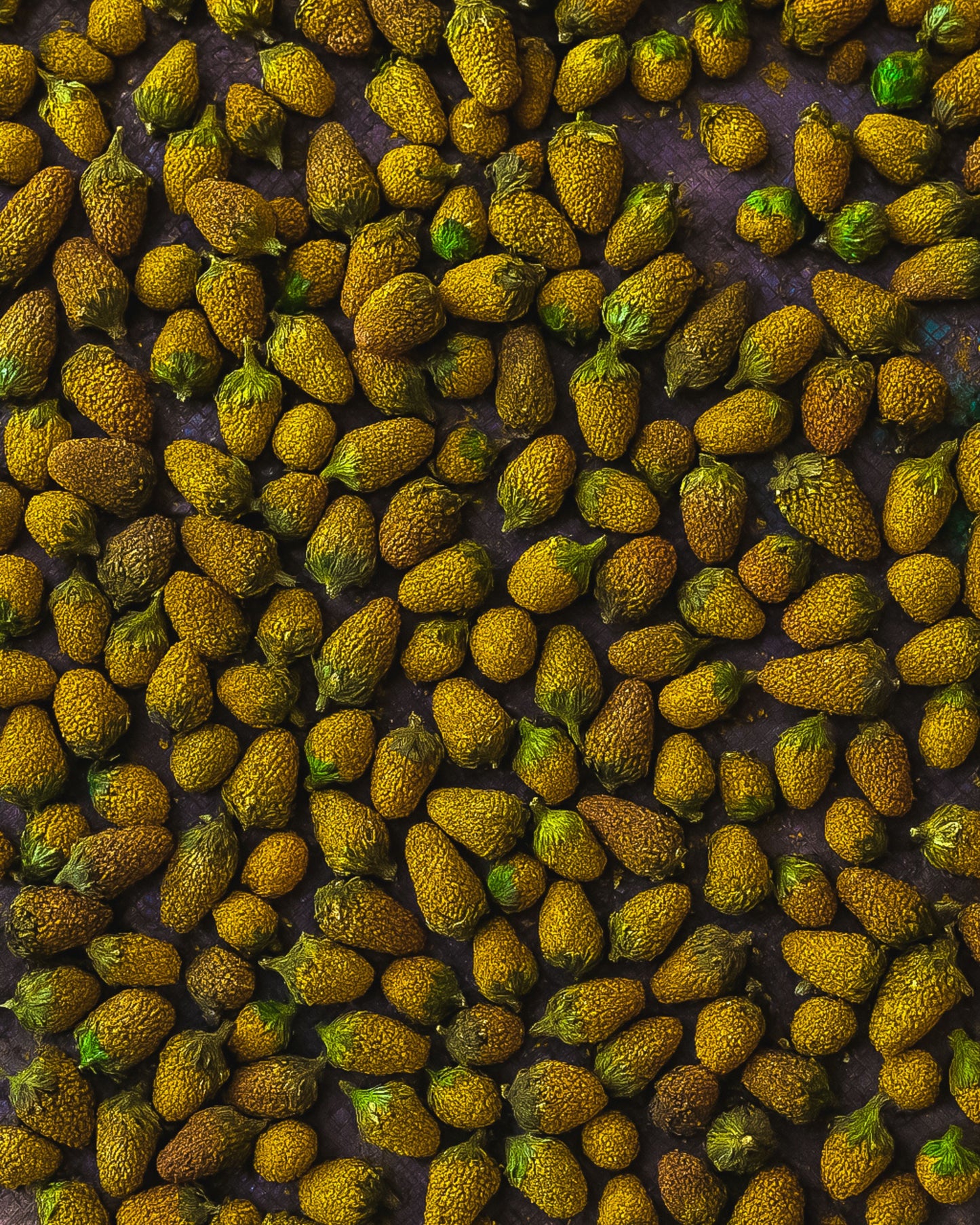


If you've ever chewed a Buzz Button, tasted an Electric Daisy, or applied a skincare product containing Acmella oleracea, you've probably experienced an unusual tingling, buzzing, or numbing sensation. Behind this remarkable effect is a naturally occurring plant compound called Spilanthol.
But how does Spilanthol work?
The answer is surprisingly complex. Rather than acting through a single pathway, Spilanthol appears to interact with several biological systems simultaneously. Research suggests it influences sensory nerve receptors, penetrates the skin efficiently due to its lipophilic structure, and may contribute to cosmetic benefits such as improving the appearance of expression lines. Scientists are also investigating its anti-inflammatory, antioxidant, and skin-conditioning properties.
Although interest in Spilanthol has grown rapidly in the cosmetic industry, many online articles simplify, or overstate-its effects. This guide takes a different approach. We'll examine what current scientific evidence actually tells us, distinguish between well-supported findings and emerging research, and explain the underlying biology in a clear, accessible way.
Whether you're a skincare enthusiast, cosmetic formulator, researcher, or simply curious about this fascinating botanical compound, this article aims to provide one of the most comprehensive and evidence-based explanations available.
Quick Answer
Spilanthol is a naturally occurring alkylamide found primarily in the flower heads of Acmella oleracea. Current research indicates that it can penetrate the skin effectively because of its lipophilic nature and interact with sensory nerve receptors, particularly TRPA1 and TRPV1 ion channels. These interactions are believed to produce its characteristic tingling sensation and may contribute to cosmetic effects such as reducing the appearance of expression lines. While laboratory and early clinical studies are promising, several proposed mechanisms remain under active scientific investigation.
Table of Contents
- What Is Spilanthol?
- Where Does Spilanthol Come From?
- Why Plants Produce Spilanthol
- The Chemistry Behind Spilanthol
- How Spilanthol Enters the Skin
- How Spilanthol Interacts with the Nervous System
- Why Spilanthol Causes Tingling
- Does Spilanthol Relax Facial Muscles?
- How Spilanthol May Improve Skin Appearance
- Anti-Inflammatory Activity
- Antioxidant Properties
- Scientific Evidence: What We Know Today
- Safety and Toxicology
- Frequently Asked Questions
- Final Thoughts
What Is Spilanthol?
Spilanthol is a naturally occurring N-alkylamide, a class of bioactive molecules produced by several plant species. It is best known as the primary active constituent of Acmella oleracea, a tropical flowering plant also known as:
- Buzz Button
- Electric Daisy
- Toothache Plant
- Paracress
- Jambu
The highest concentrations of Spilanthol are typically found in the plant's flower heads, which is why premium botanical producers often harvest and process the flowers separately from the stems and leaves.
For centuries, traditional communities in South America, Africa, and parts of Asia have used Acmella oleracea for culinary and herbal purposes, particularly for its distinctive mouth-tingling effect. Modern analytical techniques, including high-performance liquid chromatography (HPLC), have identified Spilanthol as the principal compound responsible for many of these sensory properties.
Where Does Spilanthol Come From?
Spilanthol occurs naturally in several members of the Asteraceae family, but Acmella oleracea is considered its richest and most commercially important source.
The concentration of Spilanthol can vary significantly depending on factors such as:
- plant genetics
- climate
- soil conditions
- harvest timing
- drying methods
- storage conditions
- extraction technique
Because of this variability, reputable suppliers increasingly rely on laboratory analysis to verify Spilanthol content rather than assuming all botanical material has the same composition.
Why Does the Plant Produce Spilanthol?
Like many plant secondary metabolites, Spilanthol is believed to play a defensive role.
Researchers think it may help protect the plant by discouraging herbivores and certain insects through its intense sensory effects. This is a common evolutionary strategy seen across the plant kingdom, where specialized compounds act as natural chemical defenses against environmental threats.
Interestingly, the same molecules that evolved to protect the plant are now being investigated for potential cosmetic, pharmaceutical, and nutraceutical applications.
The Chemistry Behind Spilanthol
One of the reasons Spilanthol behaves differently from many plant compounds lies in its chemical structure.
Unlike large polyphenols or water-soluble flavonoids, Spilanthol is a relatively small, lipophilic molecule. This means it dissolves much more readily in oils than in water.
This characteristic has several important implications:
- it can move through the skin's lipid-rich outer layer more efficiently than many botanical compounds
- it is particularly well suited to oil-based botanical extracts
- formulation techniques can significantly influence its stability and delivery
Its lipophilic nature is one reason cosmetic scientists have become increasingly interested in incorporating Spilanthol into facial oils, serums, and anti-aging formulations.
How Does Spilanthol Enter the Skin?
Human skin is designed to act as a protective barrier, preventing many substances from entering the body.
To pass through this barrier, molecules generally need a balance of:
- suitable molecular size
- appropriate lipophilicity
- chemical stability
Spilanthol appears to meet many of these criteria.
After topical application, it is thought to diffuse through the lipid matrix of the stratum corneum, the outermost layer of the skin. From there, it may reach deeper epidermal and dermal layers where it can interact with various biological targets.
The degree of penetration depends on several variables, including:
- concentration
- formulation type
- carrier oils
- emulsifiers
- skin condition
- duration of contact
Although laboratory studies suggest efficient skin penetration, researchers continue to investigate precisely how much reaches deeper tissues under real-world conditions.
How Spilanthol Interacts with the Nervous System
Perhaps the most fascinating aspect of Spilanthol is its interaction with sensory nerves.
When Spilanthol comes into contact with tissues-whether in the mouth or on the skin-it appears to influence specialized sensory receptors located on nerve endings.
Current evidence points particularly toward members of the Transient Receptor Potential (TRP) family of ion channels, including:
- TRPA1
- TRPV1
These receptors help the body detect:
- temperature
- mechanical stimulation
- chemical irritants
- pain
- inflammation
Activation of these receptors is believed to explain the characteristic tingling, buzzing, and mildly numbing sensation associated with fresh Acmella oleracea flowers.
Importantly, researchers are still investigating the precise molecular interactions involved. While TRP channels appear central, additional pathways may also contribute to Spilanthol's biological activity.

Why Does Spilanthol Cause Tingling?
The tingling sensation is one of Spilanthol's most recognizable features.
Rather than damaging nerves, current evidence suggests that Spilanthol temporarily alters the activity of sensory nerve endings.
As nerve signals are modified, the brain interprets these altered signals as sensations such as:
- tingling
- buzzing
- warmth
- mild numbness
- increased salivation (when consumed)
These effects are generally temporary and reversible.
The intensity varies depending on:
- Spilanthol concentration
- exposure time
- individual sensitivity
- product formulation
Does Spilanthol Relax Facial Muscles?
This is one of the most frequently discussed-and often misunderstood-topics.
Some cosmetic products describe Spilanthol as a "natural Botox." While this comparison is popular in marketing, it oversimplifies the science.
Botulinum toxin works by blocking the release of acetylcholine at the neuromuscular junction, producing a well-understood and clinically proven reduction in muscle contraction.
Spilanthol does not act through this same mechanism.
Instead, laboratory research suggests it may influence skin appearance through different pathways, potentially involving sensory nerve signaling and skin physiology rather than directly blocking muscle activity.
Early cosmetic studies have reported improvements in the appearance of expression lines after topical application of formulations containing Acmella oleracea extract. However, these findings should be interpreted cautiously, as more high-quality clinical trials are needed to confirm the mechanisms involved.
For this reason, describing Spilanthol as a "Botox alternative" is more accurate than calling it "natural Botox," provided the distinction is clearly explained.
How Spilanthol May Improve Skin Appearance
Interest in Spilanthol has grown largely because of its potential cosmetic applications.
Emerging research suggests it may contribute to:
- smoother-looking skin
- softer appearance of expression lines
- improved skin feel
- enhanced skin conditioning
These benefits likely arise from multiple mechanisms working together rather than a single biological effect.
It's important to distinguish between improving the appearance of wrinkles and permanently changing skin structure. Current evidence supports cosmetic improvements, but claims about structural rejuvenation require further research.
Anti-Inflammatory Activity
Several laboratory studies have demonstrated that Spilanthol exhibits anti-inflammatory activity in experimental models.
Researchers have observed effects on inflammatory signaling pathways, suggesting potential applications in skincare formulations designed to soothe irritated skin.
However, laboratory findings do not automatically translate into clinically meaningful outcomes in humans. Well-designed clinical studies remain necessary before firm conclusions can be drawn.
Antioxidant Properties
While Acmella oleracea extracts contain antioxidant compounds, Spilanthol itself is not considered a major antioxidant compared with polyphenol-rich botanicals.
Instead, its value appears to lie more in its sensory properties, skin penetration, and biological interactions than in direct free-radical scavenging.
What Does the Scientific Evidence Say?
The current body of research includes:
| Evidence Type | Current Status |
|---|---|
| Laboratory (in vitro) studies | Strong |
| Animal studies | Moderate |
| Human cosmetic studies | Promising but limited |
| Large clinical trials | Limited |
| Long-term safety studies | Ongoing |
Overall, the evidence supporting Spilanthol's sensory effects is strong. Its cosmetic applications show promise, but additional high-quality clinical research is needed to better understand efficacy, optimal concentrations, and long-term outcomes.
Is Spilanthol Safe?
Available data indicate that Spilanthol is generally well tolerated when used appropriately in cosmetic formulations.
As with any botanical ingredient, individual sensitivities can occur. People with known allergies to plants in the Asteraceae family should exercise caution and consider performing a patch test before using new products.
Pregnant or breastfeeding individuals, as well as those with underlying medical conditions, should consult a healthcare professional before using products containing concentrated botanical extracts.
Frequently Asked Questions
What is Spilanthol?
Spilanthol is the principal bioactive alkylamide found in Acmella oleracea, responsible for its characteristic tingling sensation and many of its cosmetic properties.
Why does Spilanthol make your mouth tingle?
It interacts with sensory nerve receptors, altering nerve signaling and producing temporary tingling, buzzing, and mild numbing sensations.
Does Spilanthol reduce wrinkles?
Current cosmetic studies suggest it may improve the appearance of expression lines, but more clinical research is needed to confirm long-term effectiveness and mechanisms.
Is Spilanthol the same as Botox?
No. Botulinum toxin blocks nerve signals at the neuromuscular junction, whereas Spilanthol appears to work through different biological pathways. Calling it a "natural Botox" is scientifically inaccurate.
Can Spilanthol penetrate the skin?
Its lipophilic structure allows it to penetrate the skin barrier relatively efficiently, making it an attractive ingredient for topical formulations.
Is Spilanthol safe?
Current evidence suggests it is generally well tolerated in cosmetic use, although individual sensitivities are possible.
Conclusion
Spilanthol is one of the most intriguing bioactive compounds found in the botanical world. Its unique ability to produce a tingling sensation, penetrate the skin, and interact with sensory pathways has made it an increasingly important ingredient in cosmetic science and botanical research.
What makes Spilanthol especially interesting is that it does not fit neatly into a single category. It is neither a simple antioxidant nor a conventional active ingredient. Instead, it represents a multifunctional botanical compound with a distinctive combination of sensory, cosmetic, and biological properties.
While scientific understanding continues to evolve, current evidence supports its role as the primary compound responsible for the characteristic effects of Acmella oleracea. At the same time, ongoing research will help clarify its full potential and the mechanisms behind its cosmetic applications.
For anyone seeking an evidence-based understanding of this remarkable botanical, the key message is clear: Spilanthol is promising, scientifically fascinating, and worthy of continued research-but its most exciting discoveries may still lie ahead.