

Quick Answer
A Spilanthol concentration of 4.01% means that laboratory analysis determined approximately 4.01% of the analyzed botanical extract consists of Spilanthol. This percentage is typically measured using High-Performance Liquid Chromatography (HPLC) and serves as an indicator of the concentration of this naturally occurring alkylamide. However, concentration alone does not define botanical quality, factors such as plant selection, harvesting, extraction, purity, and independent laboratory verification are equally important.
At a Glance
| Property | Meaning |
|---|---|
| 4.01% Spilanthol | Laboratory-measured concentration |
| Measurement Method | Typically HPLC |
| Indicates | Amount of Spilanthol in the analyzed extract |
| Quality Indicator | Important, but not the only one |
| Influenced By | Plant genetics, harvest, extraction, laboratory analysis |
| Best Interpreted With | Certificate of Analysis (COA) and quality documentation |
Table of Contents
- Introduction
- What Does Concentration Mean?
- What Does 4.01% Actually Represent?
- Why Concentrations Naturally Vary
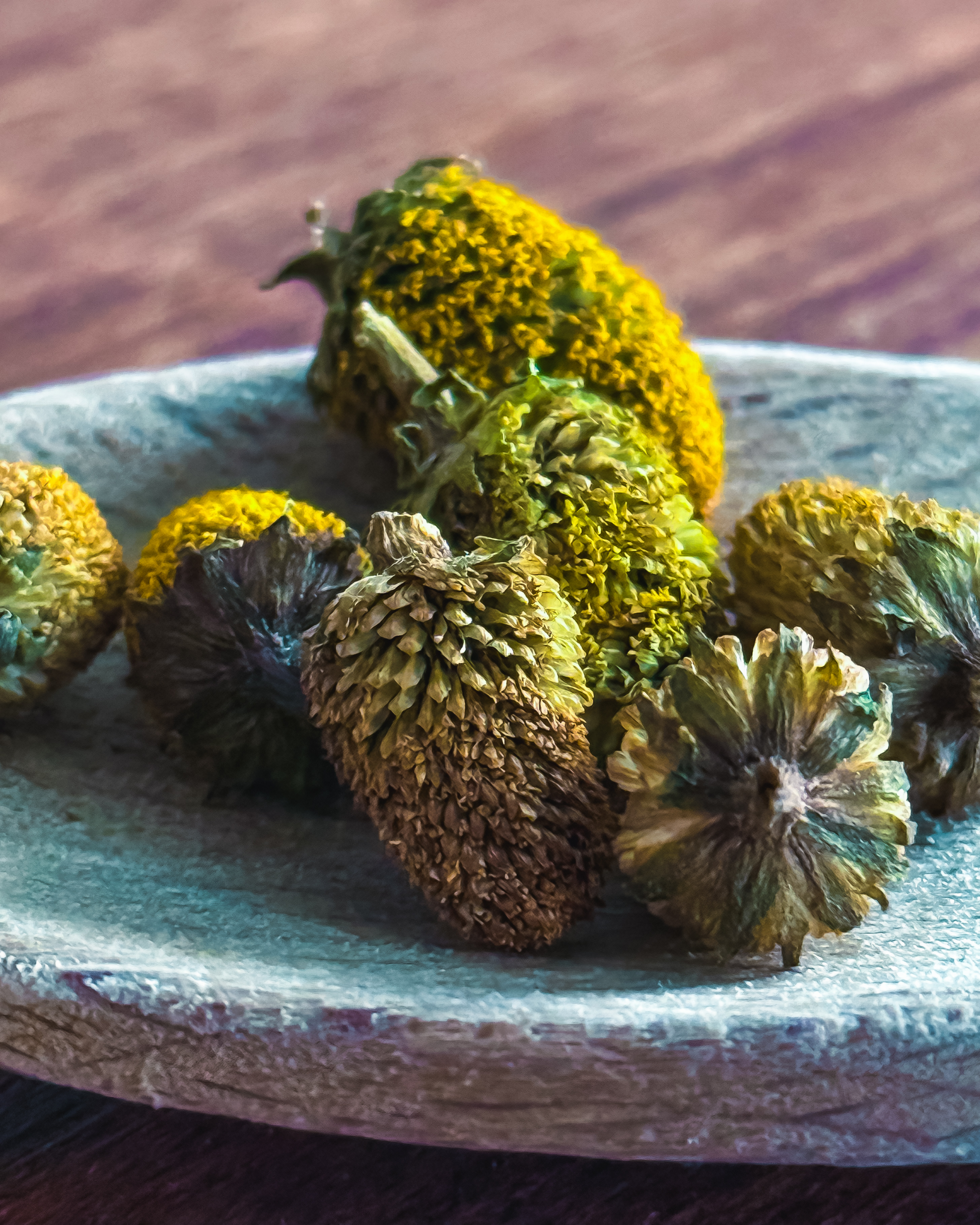
- Why Appearance Cannot Predict Quality
- Science in Everyday Life
- Key Takeaways
Introduction
Numbers have a powerful influence on purchasing decisions.
When comparing botanical extracts, many people naturally assume that a higher percentage automatically means a better product.
For example, a label stating 4.01% Spilanthol may appear more impressive than one listing 2% or 3%.
But what does that number actually represent?
Is it a guarantee of quality?
Does it describe the entire plant?
Or does it refer only to a specific laboratory measurement?
Understanding the answer is important because Spilanthol concentration is one of the most frequently discussed quality indicators for Acmella oleracea extracts.
Yet it is also one of the most misunderstood.
In reality, a reported percentage tells us something very specific: how much Spilanthol was measured in a particular sample using an analytical laboratory method.
It does not, by itself, describe every aspect of botanical quality.
To understand why, we first need to understand what concentration actually means.
What Does Concentration Mean?
In chemistry, concentration describes the amount of one substance present within a larger mixture.
Think of a cup of tea.
The amount of tea leaves used determines how concentrated the beverage becomes.
More tea leaves generally produce a stronger infusion.
The same principle applies in analytical chemistry.
A botanical extract contains many naturally occurring compounds, including:
- Spilanthol
- other alkylamides
- flavonoids
- sterols
- fatty acids
- terpenoids
- numerous additional phytochemicals
When scientists report a Spilanthol concentration, they are measuring how much of that specific compound is present relative to the analyzed extract.
It is not a count of flower heads.
It is not a measure of plant quality.
It is a chemical measurement.
What Does 4.01% Actually Represent?
A reported value such as 4.01% Spilanthol means that laboratory analysis identified Spilanthol as representing approximately 4.01% of the analyzed extract, according to the analytical method used.
This value is not estimated by:
- visual appearance
- color
- aroma
- taste
- texture
Instead, it is determined through laboratory techniques such as High-Performance Liquid Chromatography (HPLC), which separate and quantify individual compounds within complex botanical mixtures.
In simple terms:
The laboratory identifies Spilanthol among hundreds of naturally occurring plant compounds and calculates how much is present in the tested sample.
This measured value becomes the reported concentration.
Science in Everyday Life
Imagine Freshly Squeezed Orange Juice
Imagine buying two bottles of freshly squeezed orange juice.
Both bottles contain only oranges.
However, one was produced from carefully selected fruit harvested at peak ripeness, while the other was made from fruit collected at varying stages of maturity.
Both are genuine orange juice.
Yet their natural sugar content, aroma, and vitamin levels may differ.
Acmella oleracea behaves in a similar way.
Every flower naturally contains Spilanthol, but the amount varies from plant to plant and harvest to harvest.
A reported value such as 4.01% reflects the concentration measured in a specific extract, not a universal property of every Acmella oleracea plant.
Why Concentrations Naturally Vary
One of the most important concepts in botanical science is natural variation.
Unlike synthetic chemicals produced under tightly controlled industrial conditions, plants are living organisms.
Their chemistry changes in response to their environment.
Several factors influence how much Spilanthol may be present within a botanical extract, including:
- plant genetics
- climate
- soil characteristics
- rainfall
- altitude
- harvest timing
- flower maturity
- post-harvest handling
- drying conditions
- extraction method
Because these variables differ from one harvest to another, no responsible scientist expects every botanical extract to contain exactly the same concentration of Spilanthol.
Instead, laboratories measure each batch individually to document its composition.
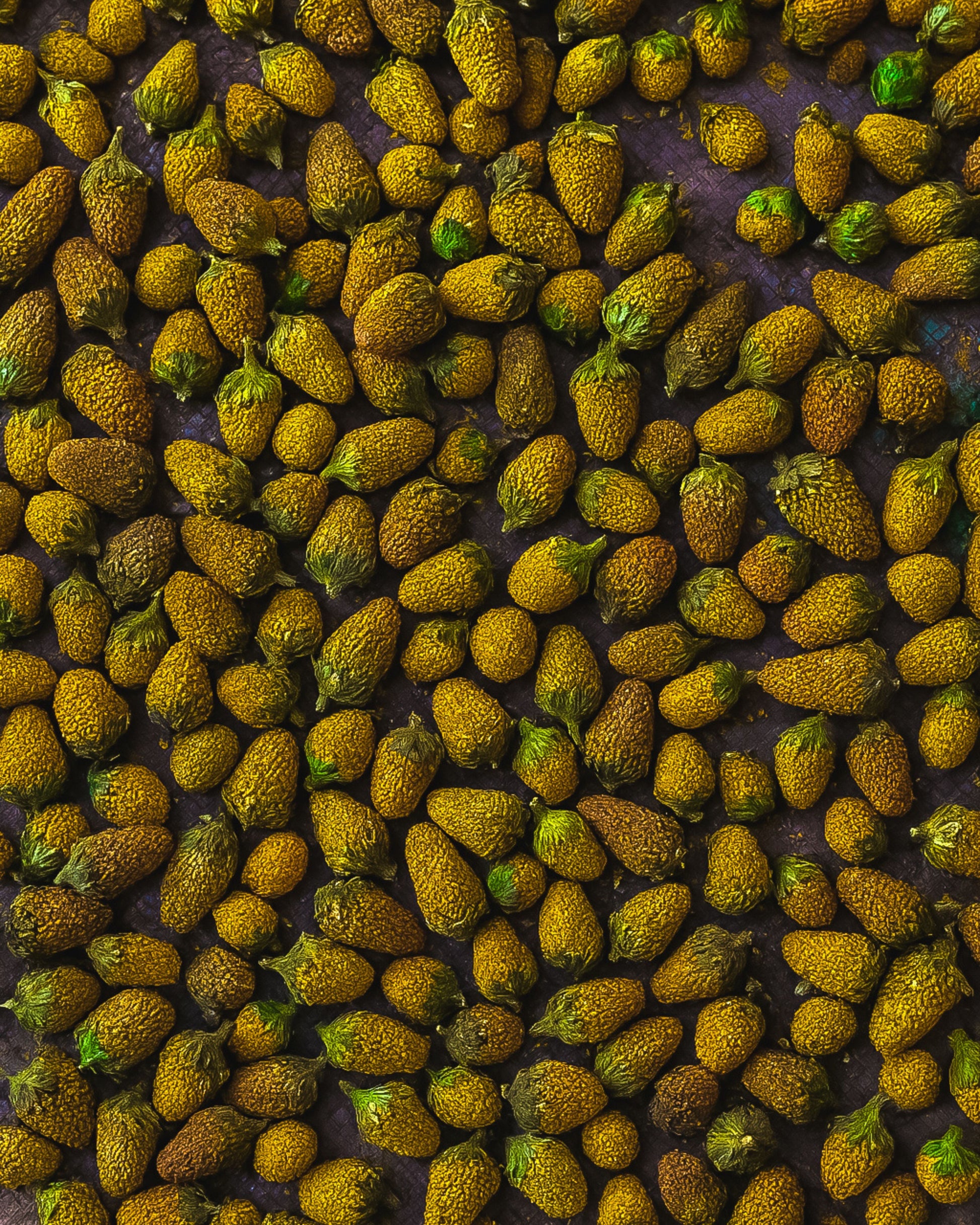
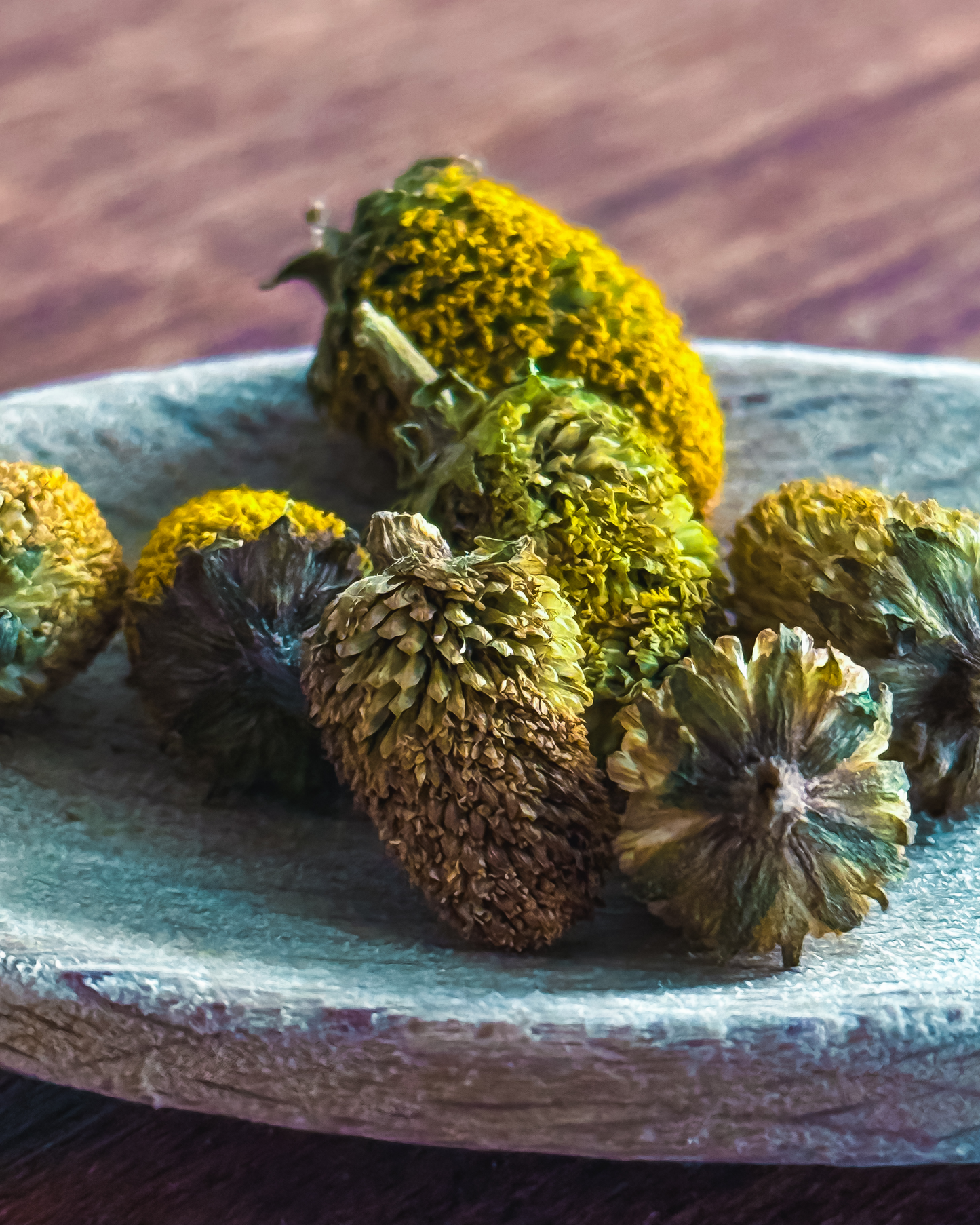
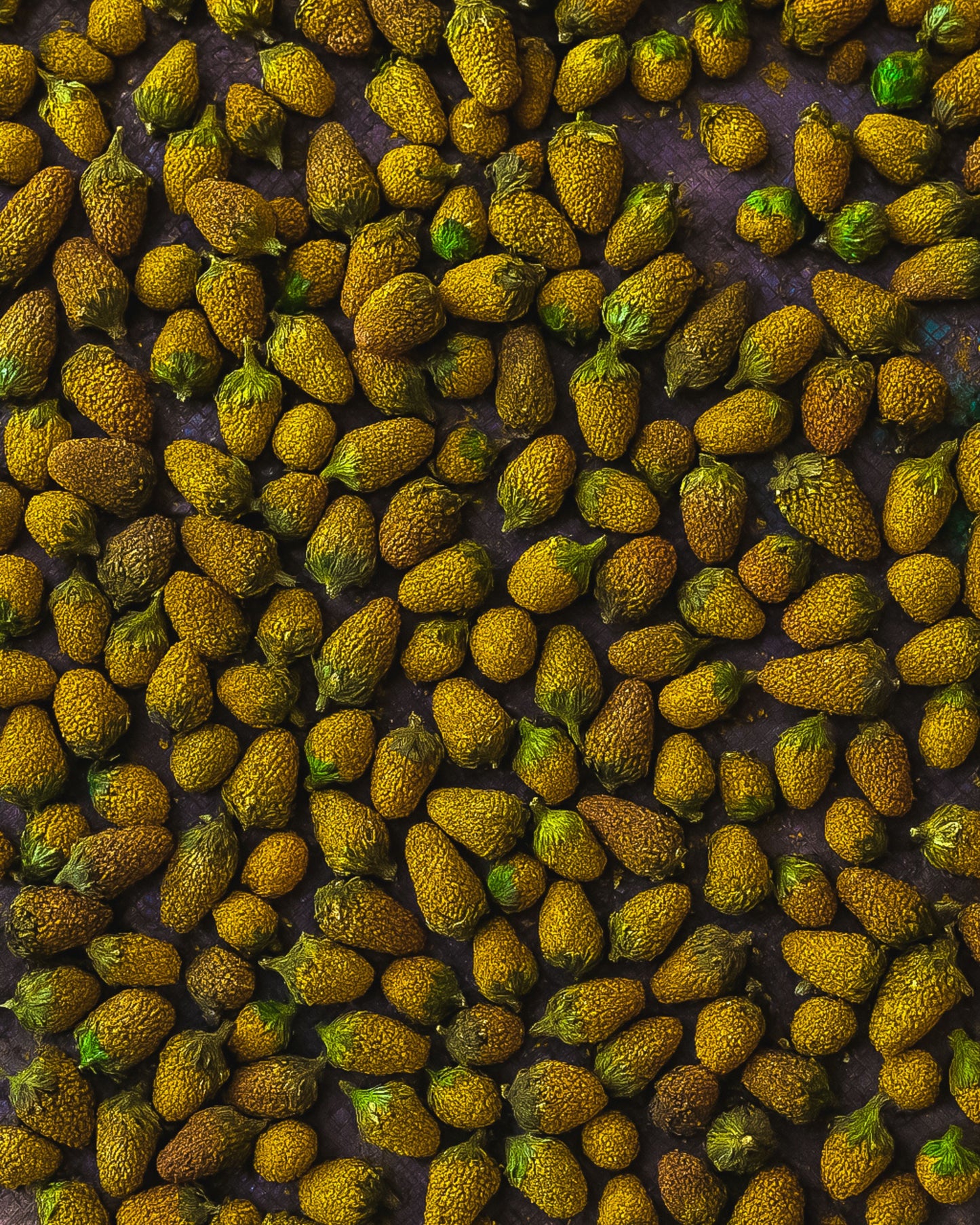
Why Appearance Cannot Predict Concentration
Many people assume they can judge botanical quality simply by looking at an extract.
This is understandable, but scientifically unreliable.
Two extracts may appear almost identical while containing different concentrations of Spilanthol.
Likewise:
- a darker extract is not necessarily richer in Spilanthol
- a stronger aroma does not guarantee higher concentration
- a thicker oil does not indicate greater purity
- a brighter color does not reflect laboratory composition
Chemical composition cannot be determined by appearance alone.
Only analytical testing can identify and quantify individual compounds accurately.
Chemistry Explained
Why You Can't See 4.01%
Imagine standing in front of two identical jars filled with honey.
One contains slightly more natural pollen than the other.
From the outside, they may look almost exactly the same.
Without laboratory testing, it would be almost impossible to determine the difference.
Botanical extracts are similar.
Although color, texture, and aroma can provide useful information, they cannot reveal the precise concentration of individual compounds such as Spilanthol.
That is why scientists rely on analytical instruments rather than visual inspection when measuring botanical composition.
Understanding the Number
One of the biggest misconceptions is that 4.01% represents a score or quality rating.
It does not.
Instead, it is an analytical measurement.
Think of it as answering a very specific scientific question:
"How much Spilanthol was detected in this particular extract under validated laboratory conditions?"
It does not answer questions such as:
- Is this the best extract available?
- Is it the purest extract?
- Was it sustainably grown?
- Were only flower heads used?
- Were contaminants tested?
- Is the product suitable for a particular application?
Those questions require additional quality information beyond concentration alone.
Concentration vs. Quality
| Question | Does 4.01% Answer It? |
|---|---|
| How much Spilanthol was measured? | ✅ Yes |
| Was laboratory analysis performed? | ✅ If independently verified |
| Is the extract authentic? | Partially |
| Is it the highest-quality extract? | ❌ Not by itself |
| Was it sustainably sourced? | ❌ No |
| Were contaminants tested? | ❌ Requires additional analysis |
| Does it reflect the whole production process? | ❌ No |
This distinction is one of the most important concepts in botanical quality assurance.
Key Takeaways
- 4.01% Spilanthol is a laboratory-measured concentration, not a quality score.
- The value reflects the amount of Spilanthol detected in a specific botanical extract.
- Concentration is typically measured using analytical techniques such as HPLC.
- Natural variation means different harvests may contain different concentrations.
- Concentration is an important quality indicator, but it should always be interpreted alongside sourcing, extraction, purity, and laboratory verification.
What Influences Spilanthol Concentration?
A laboratory result such as 4.01% Spilanthol does not happen by chance.
It reflects the combined influence of biology, agriculture, harvesting, processing, extraction, and analytical verification.
Every stage in the botanical supply chain can influence the final phytochemical profile of an extract.
This is one of the defining characteristics of natural products.
Unlike synthetic chemicals, which are manufactured under highly controlled industrial conditions, botanical ingredients begin as living plants. Their chemistry develops in response to genetics and the environment long before they are harvested.
Understanding these factors helps explain why concentration is a measured outcome, not a guaranteed constant.
Plant Genetics: Every Plant Is Slightly Different
Just as no two people are genetically identical, no two Acmella oleracea plants are exactly the same.
Natural genetic variation influences many characteristics, including:
- flower size
- growth rate
- resistance to environmental stress
- overall phytochemical composition
This means that even plants grown on the same farm may contain slightly different concentrations of naturally occurring compounds, including Spilanthol.
Experienced growers reduce this variability by selecting healthy, vigorous plants and maintaining consistent cultivation practices, but some natural variation always remains.
That variability is one reason laboratory testing is essential.
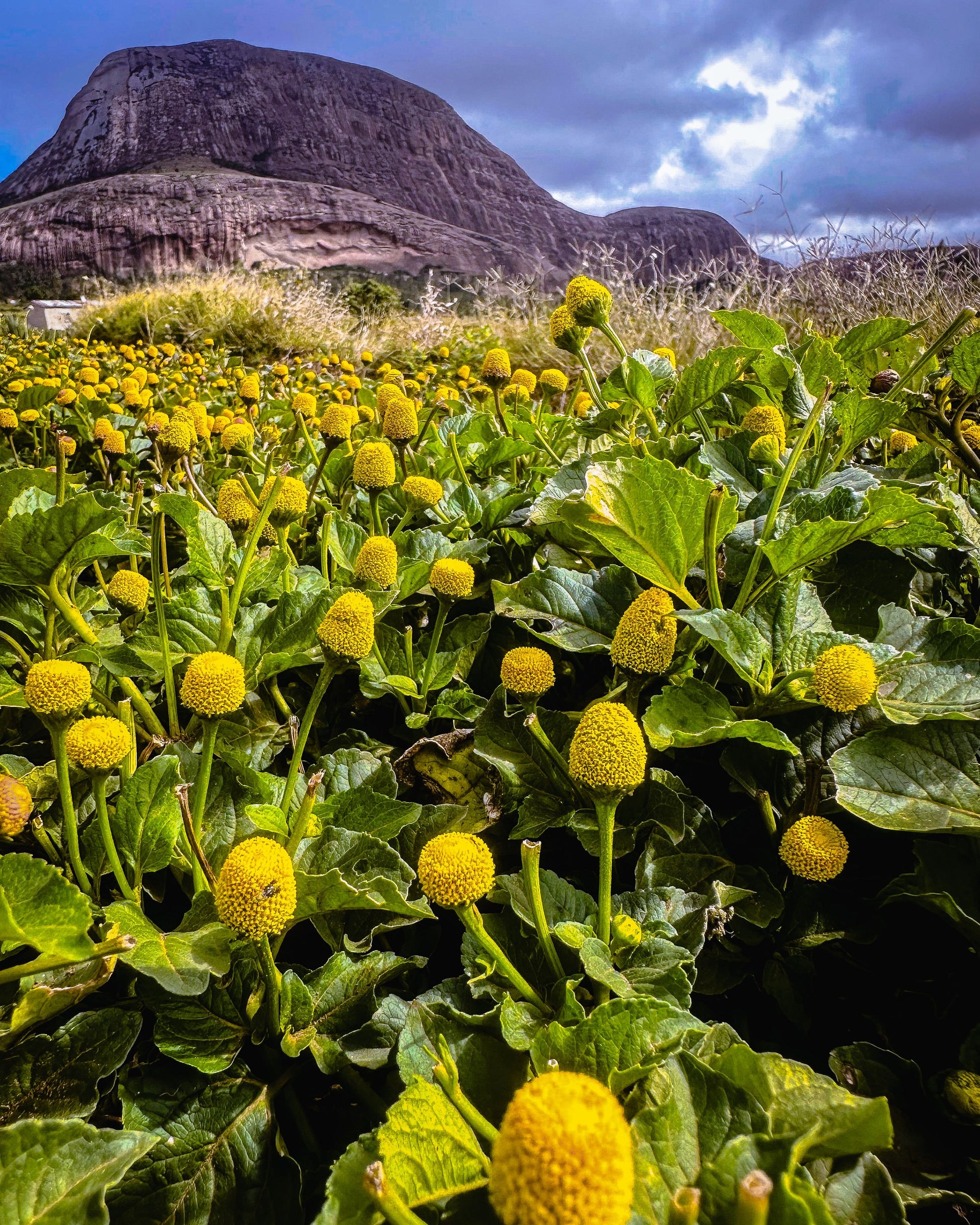
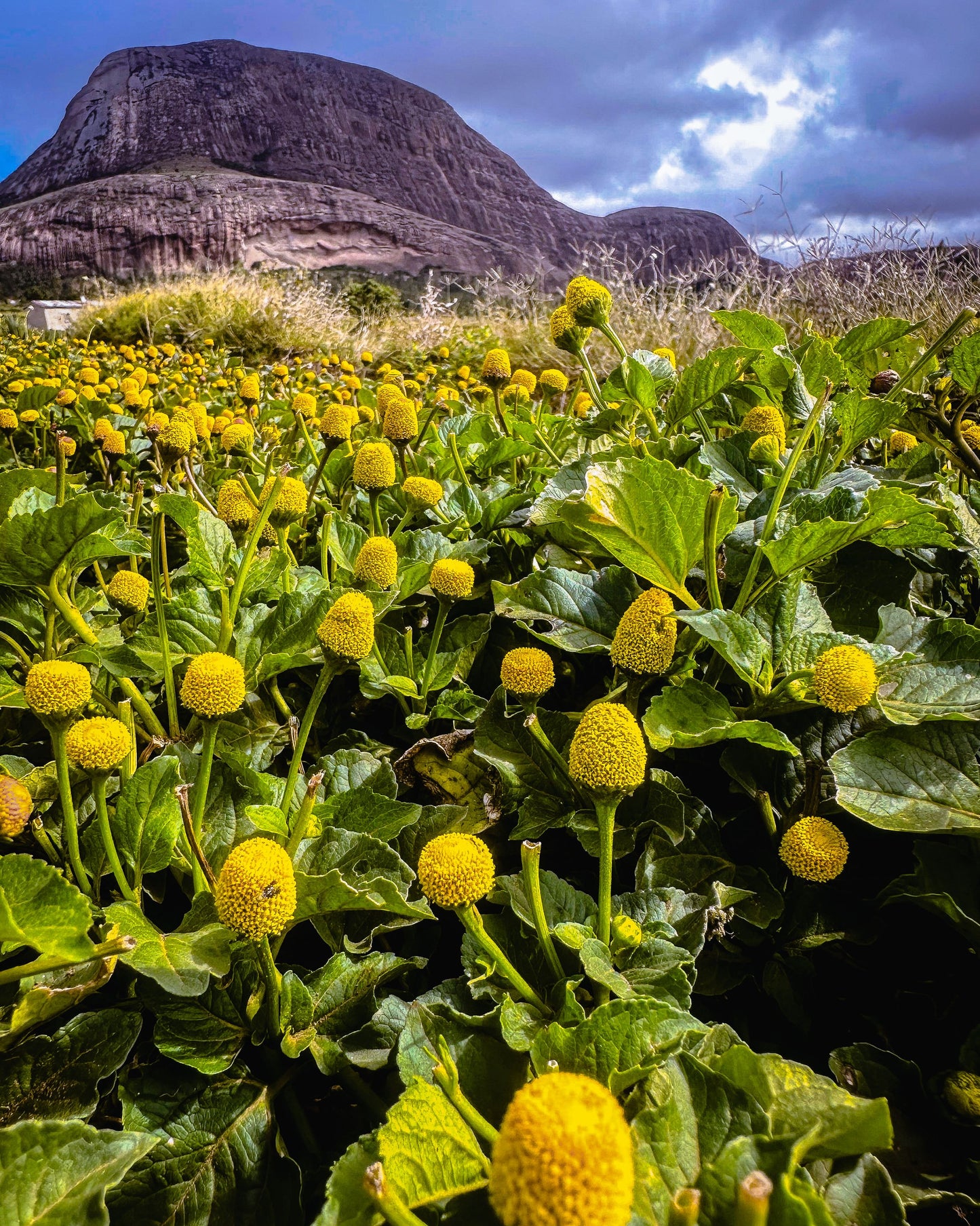
Madagascar's Growing Environment
Plants are shaped not only by genetics but also by the conditions in which they grow.
Climate, rainfall, sunlight, temperature, soil characteristics, and seasonal patterns all influence plant metabolism.
These environmental influences help determine how a plant produces and accumulates its natural phytochemicals.
Madagascar offers a unique agricultural environment for cultivating Acmella oleracea.
While scientific literature continues to explore how specific environmental factors affect phytochemical composition, experienced growers recognize that healthy soils, appropriate rainfall, careful crop management, and harvesting at the right stage all contribute to producing high-quality botanical material.
Rather than relying on a single environmental factor, successful cultivation depends on the interaction of the entire growing ecosystem.
Science in Everyday Life
Why Growing Conditions Matter
Imagine two vineyards producing the same grape variety.
One benefits from ideal sunlight, healthy soil, balanced rainfall, and careful cultivation.
The other experiences poor soil, inconsistent watering, and environmental stress.
Although both vineyards grow the same species of grape, the resulting fruit may differ significantly in flavor and composition.
Botanical plants respond in a similar way.
Acmella oleracea naturally produces Spilanthol, but the concentration may vary depending on the conditions under which the plant grows.
Why Flower Heads Matter
One of the defining characteristics of Acmella oleracea is that different parts of the plant contain different phytochemical profiles.
Roots, stems, leaves, and flower heads all contribute to the biology of the plant, but they are not chemically identical.
Scientific studies have shown that the flower heads are typically the richest source of Spilanthol, making them the preferred botanical material for many cosmetic and botanical applications.
This distinction has important implications for quality.
An extract produced primarily from flower heads may differ substantially from one produced using the entire plant, even if both originate from the same species.
Understanding which plant parts are used therefore provides valuable context when interpreting a reported Spilanthol concentration.
Harvest Timing
Timing is one of the most important decisions in botanical production.
Plants continually change throughout their life cycle.
As flowers mature, the relative abundance of different phytochemicals may also change.
Harvesting too early or too late can influence the chemical composition of the harvested material.
For this reason, experienced growers carefully monitor crop development and aim to harvest flowers at an appropriate stage of maturity.
Although optimal harvest timing depends on the intended application and cultivation conditions, consistency in harvesting practices supports more consistent botanical quality.
Drying and Post-Harvest Handling
Harvesting is only the beginning of the quality journey.
Fresh botanical material contains significant amounts of moisture.
If drying is delayed or poorly controlled, the plant material may deteriorate before extraction even begins.
Good post-harvest practices include:
- prompt drying after harvest
- protection from unnecessary moisture
- minimizing contamination
- appropriate storage conditions
- careful transportation
The objective is to preserve the botanical material in a condition that reflects its original phytochemical composition as closely as possible.
Quality cannot be restored later if it has already been lost during post-harvest handling.
Extraction Makes a Difference
Even high-quality flowers cannot produce an excellent extract without an appropriate extraction process.
Extraction determines which compounds move from the plant material into the finished botanical ingredient.
Factors that influence extraction include:
- solvent selection
- extraction time
- temperature
- plant-to-solvent ratio
- filtration
- concentration methods
Different extraction techniques may produce extracts with different chemical profiles, even when starting with similar botanical material.
This is one reason reported Spilanthol concentrations should always be interpreted within the context of the extraction method used.
Chemistry Explained
Making Coffee Isn't Just About the Beans
Imagine two people using the same premium coffee beans.
One carefully controls the water temperature, brewing time, and grind size.
The other uses boiling water, an inconsistent grind, and leaves the coffee brewing for far too long.
Although both started with the same beans, the final cup will taste very different.
Botanical extraction follows the same principle.
High-quality flowers provide the starting material, but the extraction method determines how effectively compounds such as Spilanthol are transferred into the finished extract.
Good extraction preserves quality.
Poor extraction may fail to capture the plant's full chemical potential.
Why Independent Laboratory Testing Matters
Even when cultivation and extraction are performed carefully, assumptions are not enough.
The only way to determine the actual concentration of Spilanthol is through laboratory analysis.
Independent laboratories help verify:
- Spilanthol concentration
- batch consistency
- analytical reproducibility
- quality documentation
Rather than relying solely on production expectations, laboratory testing provides measurable evidence of the extract's composition.
This commitment to verification is one of the defining characteristics of responsible botanical quality assurance.

Madabuzz Botanical Insight
At Madabuzz, quality is viewed as a continuous process rather than a single laboratory result.
It begins with carefully cultivated Acmella oleracea grown in Madagascar and continues through harvesting, drying, extraction, and independent analytical verification.
Our approach emphasizes:
- direct relationships with growers in Madagascar
- selection of whole flower heads
- careful post-harvest handling
- controlled extraction processes
- independent laboratory analysis
- transparent quality documentation
The reported 4.01% Spilanthol value is therefore not intended as a marketing slogan.
It reflects the outcome of a complete quality system designed to understand and verify the botanical extract at every stage.
What Influences Spilanthol Concentration?
| Factor | Influence on Final Concentration |
|---|---|
| Plant Genetics | ⭐⭐⭐⭐⭐ |
| Growing Environment | ⭐⭐⭐⭐☆ |
| Flower Head Selection | ⭐⭐⭐⭐⭐ |
| Harvest Timing | ⭐⭐⭐⭐☆ |
| Drying & Post-Harvest Handling | ⭐⭐⭐⭐☆ |
| Extraction Method | ⭐⭐⭐⭐⭐ |
| Laboratory Verification | ⭐⭐⭐⭐⭐ |
The table highlights an important principle: high Spilanthol concentrations are not created by one step alone, they result from the combined influence of the entire production process.
Key Takeaways
- Spilanthol concentration begins with the biology of the plant and continues through every stage of production.
- Genetics, growing conditions, harvest timing, and flower selection all influence the phytochemical profile of Acmella oleracea.
- Proper drying and extraction help preserve and recover naturally occurring Spilanthol.
- Laboratory analysis confirms the final concentration rather than assuming it.
- A reported value such as 4.01% reflects the outcome of an entire quality chain, from cultivation to analytical verification.
Quality Is More Than a Number
After reading about laboratory analysis, a natural question remains:
If one extract contains more Spilanthol than another, is it automatically better?
The answer is:
Not necessarily.
Spilanthol concentration is an important quality indicator, but it is only one piece of a much larger picture.
A botanical extract is a naturally complex mixture containing hundreds of compounds that work together to create its overall chemical profile.
Evaluating quality requires looking beyond a single laboratory value.
Scientists, formulators, and responsible manufacturers therefore assess multiple aspects of an extract before drawing conclusions about its overall quality.
Concentration vs. Quality
A reported concentration such as 4.01% Spilanthol answers one specific scientific question:
"How much Spilanthol was measured in this extract?"
It does not answer questions such as:
- Was the plant correctly identified?
- Were only premium flower heads used?
- Was the botanical material harvested at the right stage?
- Were contaminants tested?
- Was the extraction carefully controlled?
- Was the result independently verified?
- Is the extract consistent from batch to batch?
These questions are equally important when evaluating botanical quality.
Concentration should therefore be viewed as one quality indicator, not the only one.
Science in Everyday Life
Imagine Buying Extra Virgin Olive Oil
Two bottles both state:
Extra Virgin Olive Oil
One bottle comes from carefully selected olives harvested at peak ripeness, cold-pressed within hours, independently tested for purity, and stored under ideal conditions.
The other is produced from mixed-quality olives with little documentation about origin or quality control.
Both are technically olive oil.
Yet their quality, consistency, and traceability may differ significantly.
Botanical extracts follow the same principle.
A laboratory percentage tells part of the story.
Understanding how that result was achieved tells the rest.
Why Purity Matters
A botanical extract may contain a measurable amount of Spilanthol while also containing unwanted substances if quality control is inadequate.
For this reason, professional quality assurance often considers additional parameters alongside concentration, including:
- botanical authenticity
- microbial quality
- heavy metal testing
- pesticide screening (where applicable)
- solvent residues (depending on extraction method)
- moisture content
- physical appearance
- batch documentation
Together, these parameters help create a more complete picture of botanical quality.
The Importance of Batch Consistency
One laboratory result represents one specific production batch.
Future batches may differ slightly because botanical ingredients are naturally variable.
Responsible manufacturers recognize this reality and routinely analyze new production batches to verify consistency.
This ongoing quality process helps ensure that natural variation remains within acceptable limits while maintaining confidence in the finished ingredient.
Rather than assuming every harvest is identical, quality assurance acknowledges variability and measures it objectively.
Certificates of Analysis (COAs)
One of the most valuable quality documents accompanying a botanical ingredient is the Certificate of Analysis (COA).
A COA summarizes analytical results for a specific batch and typically includes information such as:
- botanical identification
- batch number
- analytical method
- Spilanthol concentration (when analyzed)
- physical specifications
- quality-control results
- testing date
A Certificate of Analysis does not simply provide a number.
It documents how quality was evaluated for that particular batch.
For researchers, formulators, and manufacturers, it is one of the most important tools for assessing ingredient consistency.
Related article: How to Read a Certificate of Analysis (COA) (Future Internal Link)
Why Independent Laboratory Verification Builds Trust
When analytical testing is performed by an independent laboratory, the reported results gain an additional level of credibility.
Independent testing helps demonstrate that:
- standardized analytical methods were used
- laboratory procedures were documented
- results can be reviewed objectively
- quality claims are supported by measurable evidence
This approach promotes transparency and helps customers evaluate botanical ingredients based on data rather than marketing language.
Madabuzz Botanical Insight
At Madabuzz, we believe that quality should be explained, not simply claimed.
A verified Spilanthol concentration represents the outcome of many interconnected decisions:
- cultivating healthy plants in Madagascar
- selecting premium flower heads
- harvesting at the appropriate stage
- careful drying and storage
- thoughtfully designed extraction
- independent laboratory verification
- continuous quality documentation
The reported 4.01% Spilanthol concentration reflects one measured characteristic of that process.
It is an important indicator, but it gains real meaning only when considered alongside traceability, botanical authenticity, and transparent quality assurance.

Common Myths About Spilanthol Percentages
As botanical extracts become more widely available, several misconceptions have emerged.
Understanding these myths helps place laboratory results in the correct scientific context.
Myth 1
"A higher percentage always means a better extract."
Reality
Higher concentration may indicate more Spilanthol, but it does not automatically reflect purity, authenticity, sustainability, extraction quality, or overall botanical excellence.
Myth 2
"Every Acmella oleracea extract should contain the same amount of Spilanthol."
Reality
Natural variation is expected.
Growing conditions, genetics, harvest timing, and extraction methods all influence concentration.
Myth 3
"Appearance tells you how much Spilanthol is present."
Reality
Color, aroma, and texture cannot accurately predict chemical composition.
Only analytical testing can determine concentration.
Myth 4
"One laboratory result guarantees every future batch."
Reality
Each production batch should be evaluated individually because botanical materials naturally vary over time.
Myth 5
"Laboratory percentages are marketing claims."
Reality
When supported by validated analytical methods and appropriate documentation, laboratory percentages represent measured scientific data rather than promotional language.
Scientific Summary
Current scientific understanding supports several important conclusions.
Well Established
✔ Spilanthol concentration can be measured using validated analytical techniques such as HPLC.
✔ Botanical extracts naturally vary in chemical composition.
✔ Flower selection, cultivation, harvesting, extraction, and storage all influence concentration.
✔ Independent laboratory verification strengthens confidence in analytical results.
✔ Concentration is one important quality indicator, but not the only one.
Areas of Continuing Research
Researchers continue investigating:
- optimization of cultivation practices
- phytochemical variability between growing regions
- improved extraction technologies
- analytical standardization
- long-term quality monitoring
- sustainable botanical production
As research continues, our understanding of the factors influencing Spilanthol concentration will become increasingly refined.
Evidence Confidence Table
| Topic | Current Evidence |
|---|---|
| HPLC Measurement | Strong |
| Laboratory Quality Control | Strong |
| Natural Botanical Variation | Strong |
| Effect of Harvest and Extraction | Strong |
| Independent Laboratory Testing | Strong |
| Published Data on Concentration Variability | Moderate-Strong |
| Environmental Influences on Spilanthol Levels | Moderate |
This distinction helps readers understand where scientific consensus is well established and where ongoing research continues to expand our knowledge.
Key Takeaways
- 4.01% Spilanthol is a laboratory-measured concentration, not a quality rating.
- Concentration should always be interpreted alongside botanical authenticity, purity, extraction quality, and analytical verification.
- Natural variation means no responsible producer expects identical concentrations from every harvest.
- Independent laboratory testing provides objective evidence supporting quality claims.
- Understanding the complete production chain, from cultivation to laboratory analysis, offers a far more meaningful assessment of botanical quality than any single percentage alone.
Frequently Asked Questions
What does 4.01% Spilanthol actually mean?
It means laboratory analysis determined that Spilanthol represents approximately 4.01% of the analyzed botanical extract using a validated analytical method.
Is 4.01% considered a high concentration?
A value such as 4.01% is generally regarded as a relatively concentrated botanical extract, but its significance should always be interpreted alongside extraction method, plant material, laboratory methodology, and overall quality documentation.
Does a higher Spilanthol percentage always indicate better quality?
No. Concentration is one important indicator, but botanical quality also depends on authenticity, purity, cultivation practices, extraction, contaminant testing, and consistency.
Why do Spilanthol concentrations vary?
Natural variation occurs because plants respond to genetics, environmental conditions, harvest timing, drying, and extraction methods.
How is Spilanthol measured?
Scientists most commonly use High-Performance Liquid Chromatography (HPLC) to identify and quantify Spilanthol in botanical extracts.
Why are Certificates of Analysis important?
A Certificate of Analysis documents laboratory results for a specific production batch, providing transparency about analytical testing and quality control.
Should every production batch be tested?
Routine batch testing is considered good quality practice because botanical ingredients naturally vary between harvests.
Why doesn't appearance indicate quality?
Two extracts may look nearly identical while containing different phytochemical profiles. Laboratory analysis is required to accurately determine composition.
Conclusion
A laboratory-verified 4.01% Spilanthol concentration is much more than a number on a specification sheet.
It represents the outcome of careful cultivation, thoughtful harvesting, responsible extraction, validated analytical chemistry, and documented quality assurance.
At the same time, concentration should never be interpreted in isolation.
True botanical quality is built through the combined influence of plant genetics, agricultural practices, flower selection, post-harvest handling, extraction methods, laboratory verification, and transparent quality documentation.
Understanding this broader perspective allows researchers, formulators, manufacturers, and consumers to evaluate botanical ingredients with greater confidence and scientific literacy.
Ultimately, the most meaningful quality claim is not simply how much Spilanthol an extract contains.but how responsibly that result was achieved and verified.