

What Is Spilanthol?
Quick Answer
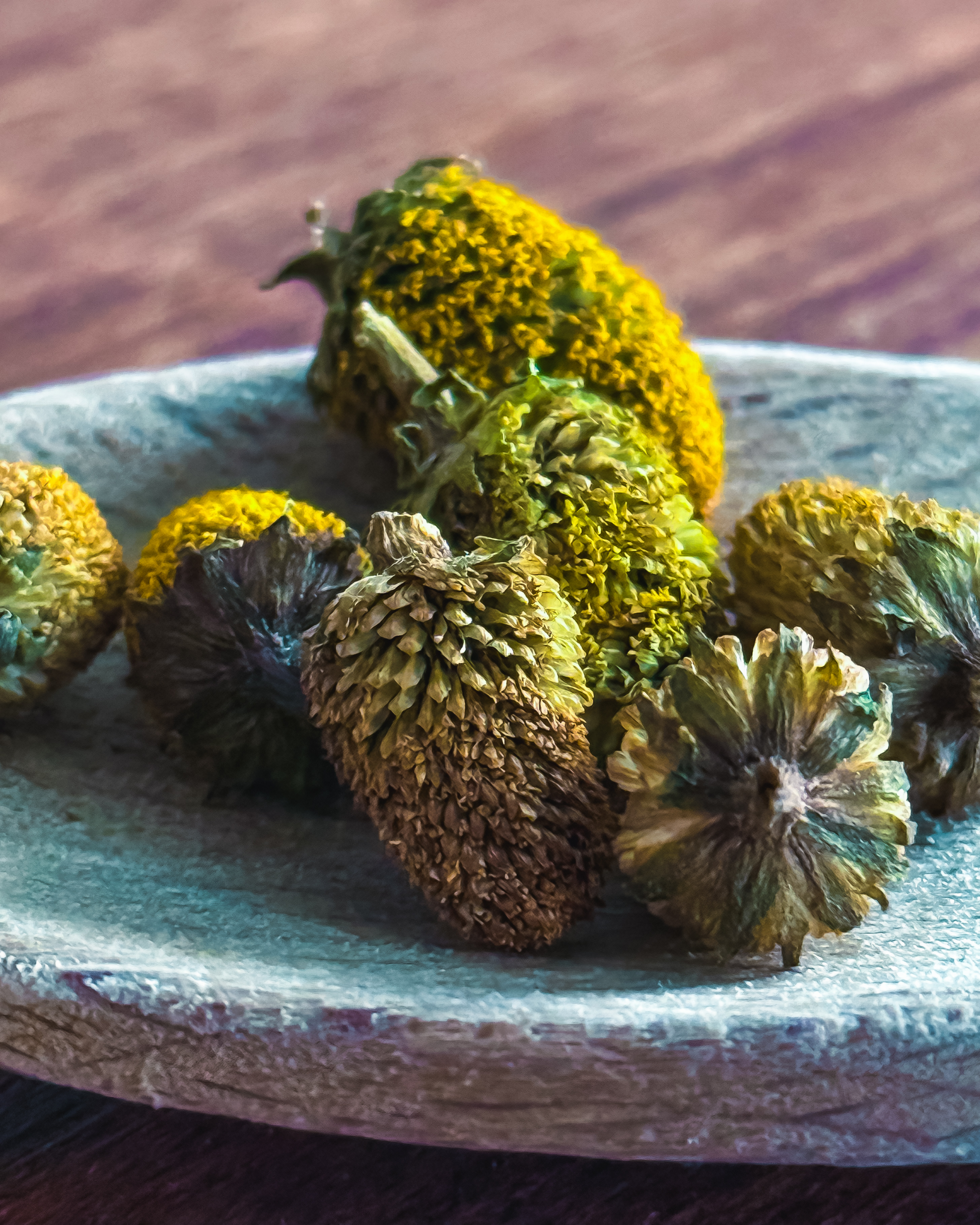
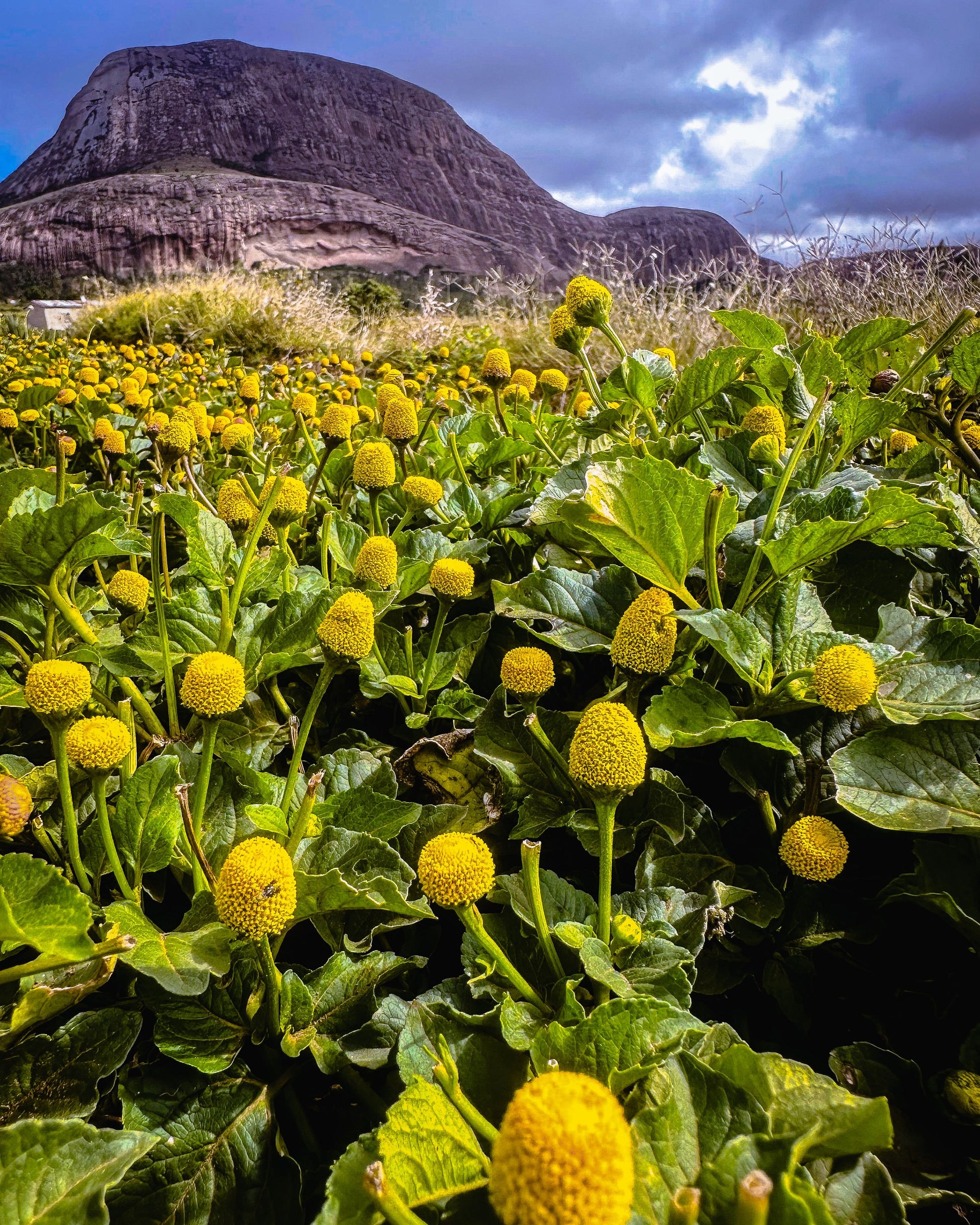
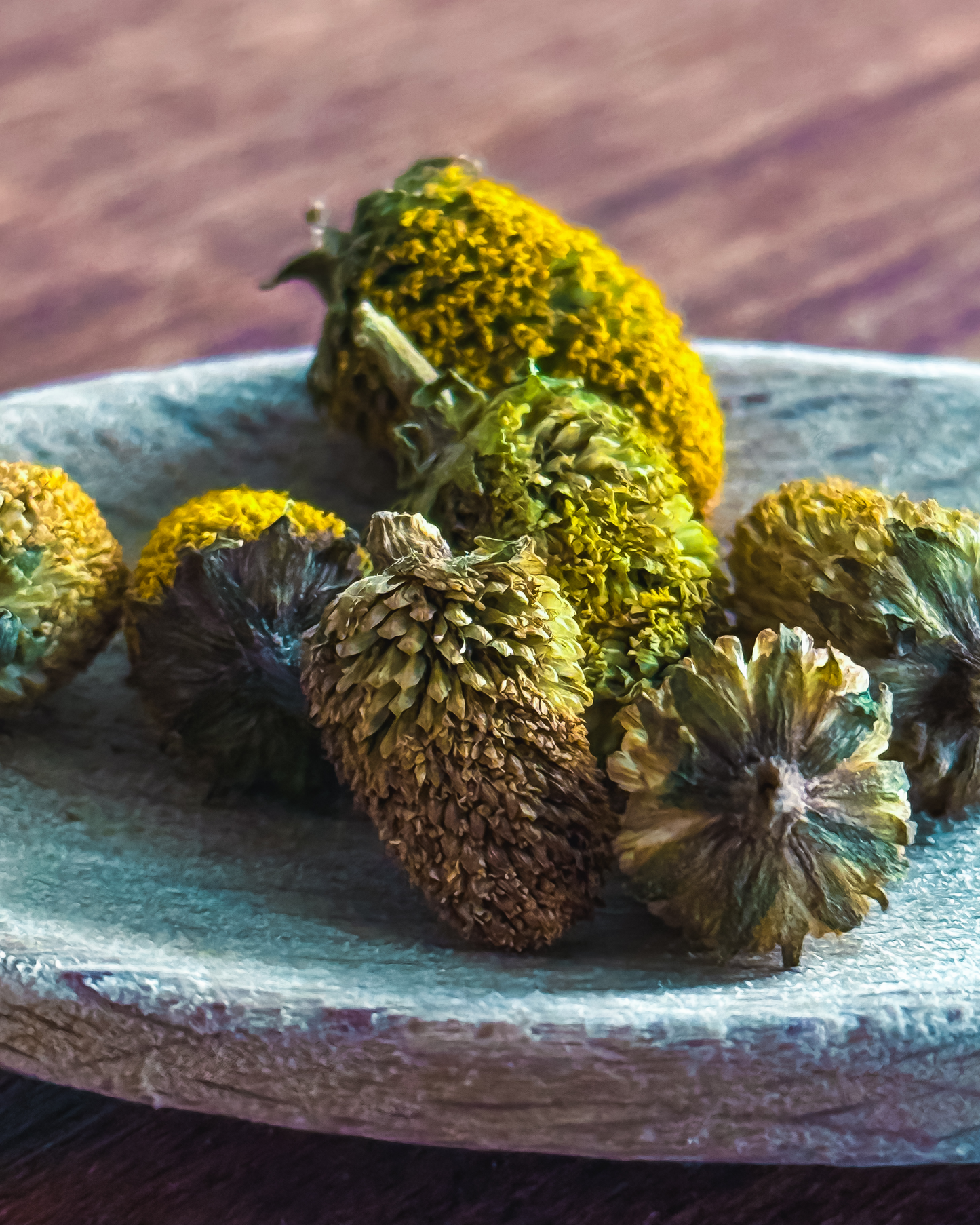
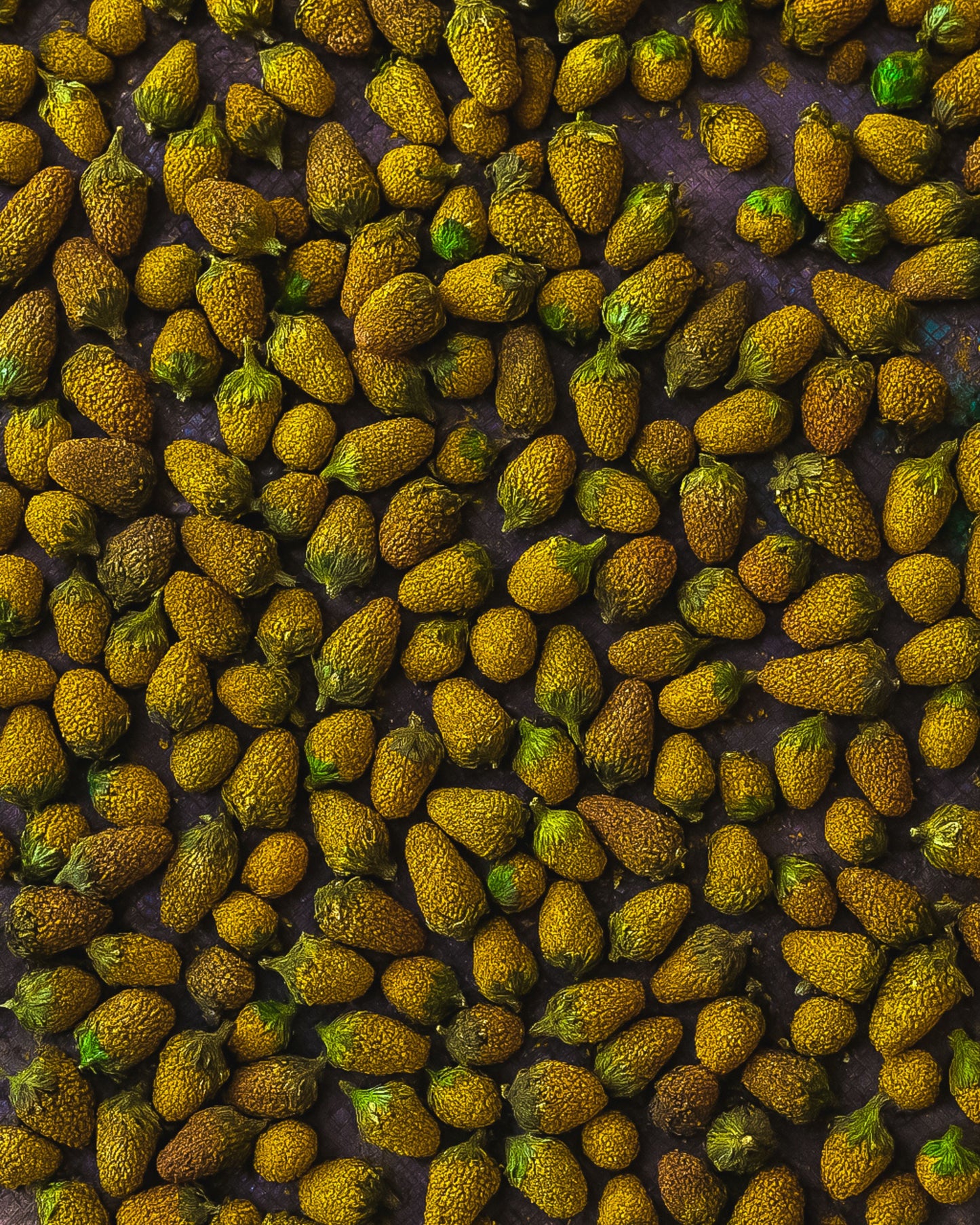
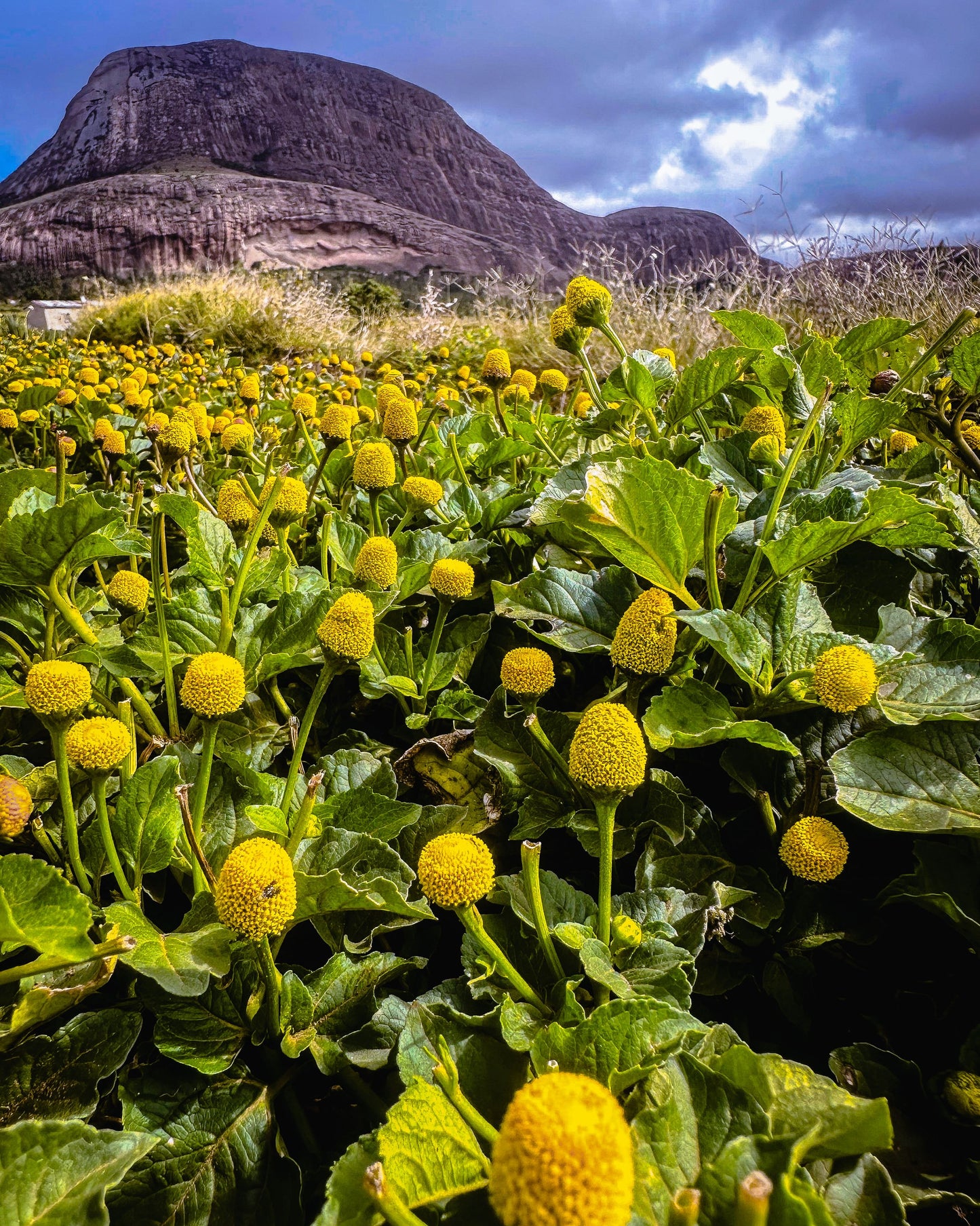
Spilanthol is a naturally occurring bioactive alkylamide found primarily in the flower heads of Acmella oleracea, a tropical plant commonly known as the Buzz Button, Electric Daisy, Toothache Plant, or Paracress. It is responsible for the plant's distinctive tingling sensation and is widely studied for its unique sensory properties, efficient skin penetration, and potential applications in cosmetic science, food innovation, and botanical research.
At a Glance
| Feature | Description |
|---|---|
| Compound Name | Spilanthol |
| Compound Class | N-Alkylamide |
| Natural Source | Acmella oleracea |
| Highest Concentration | Flower heads |
| Botanical Family | Asteraceae |
| Main Property | Tingling sensory compound |
| Commercial Applications | Cosmetics, botanical extracts, culinary products |
| Scientific Interest | Sensory biology, cosmetic science, phytochemistry |
Table of Contents
- Introduction
- What Exactly Is Spilanthol?
- Botanical Classification
- Chemical Classification
- Chemical Structure
- Physical & Chemical Properties
- Why Scientists Are Interested in Spilanthol
- Summary
Introduction
Few botanical compounds create an experience quite like Spilanthol.
Chew the flower head of Acmella oleracea, and within seconds you'll notice an unmistakable tingling sensation that spreads across the tongue, stimulates salivation, and leaves a mild, temporary numbing effect. This remarkable sensory experience has fascinated traditional cultures for centuries and, more recently, has attracted the attention of cosmetic chemists, botanists, pharmacognosists, and food scientists around the world.
But what exactly is Spilanthol?
Is it a plant extract? An essential oil? A vitamin? A peptide? Or simply another naturally occurring botanical compound?
The answer is both simple and surprisingly complex.
Spilanthol is a naturally occurring N-alkylamide produced by Acmella oleracea and several related species within the Asteraceae family. Unlike many well-known plant compounds such as flavonoids or polyphenols, Spilanthol belongs to a relatively specialized class of bioactive molecules that plants produce as part of their secondary metabolism.
Its distinctive chemical structure gives rise to unusual biological properties. It is responsible for the characteristic tingling sensation of Buzz Buttons, exhibits efficient penetration through lipid-rich tissues due to its lipophilic nature, and has become one of the most researched botanical compounds in modern cosmetic science.
Today, Spilanthol is investigated across multiple scientific disciplines. Researchers study its chemistry, sensory biology, phytochemistry, cosmetic applications, extraction methods, and ecological role within plants. Although much has been learned over recent decades, scientists continue to explore how this remarkable molecule functions and how it may contribute to future botanical innovations.
This guide provides a comprehensive introduction to Spilanthol, what it is, where it comes from, how it is classified, and why it has become such an important subject of scientific interest. Throughout the article, we distinguish between well-established scientific knowledge, traditional uses, and areas where research is still evolving.
Whether you are a skincare enthusiast, cosmetic formulator, researcher, student, or simply curious about the science behind Acmella oleracea, this resource is designed to serve as a trusted starting point.
What Exactly Is Spilanthol?
At its core, Spilanthol is a naturally occurring phytochemical.
More specifically, it belongs to a family of compounds known as N-alkylamides, sometimes referred to simply as alkylamides. These molecules are produced naturally by certain plant species and often play important ecological roles, including defense against herbivores, interactions with microorganisms, and adaptation to environmental stress.
Unlike nutrients such as carbohydrates, proteins, or vitamins, Spilanthol is classified as a secondary metabolite. Secondary metabolites are compounds that are not directly required for basic plant growth but instead help plants survive and thrive within their environment.
In Acmella oleracea, Spilanthol is best known for producing the plant's unmistakable sensory profile. When fresh flower heads are chewed, Spilanthol interacts with sensory nerve endings in the mouth, creating the buzzing, tingling, and mildly numbing sensations that have made the plant famous in culinary and botanical circles.
Because of these unique properties, Spilanthol has attracted interest far beyond traditional herbal use. Today it is studied for applications in cosmetic science, sensory biology, natural product chemistry, and phytopharmaceutical research.
It is important to distinguish between the compound and the plant.
Spilanthol is not the plant itself.
Nor is it synonymous with Acmella oleracea extract.
Rather, it is one of the principal bioactive constituents naturally present within the plant. Botanical extracts contain Spilanthol alongside many other naturally occurring compounds, each contributing to the extract's overall chemical profile.
Understanding this distinction is essential when comparing different botanical products. Two extracts may both originate from Acmella oleracea, yet contain substantially different concentrations of Spilanthol depending on genetics, cultivation practices, harvest timing, extraction methods, and post-harvest processing.
Botanical Classification
Although Spilanthol is a chemical compound rather than a living organism, understanding its botanical origin provides valuable context.
Its principal natural source belongs to the following classification:
| Taxonomic Rank | Classification |
|---|---|
| Kingdom | Plantae |
| Clade | Angiosperms |
| Clade | Eudicots |
| Order | Asterales |
| Family | Asteraceae |
| Genus | Acmella |
| Species | Acmella oleracea |
The Asteraceae family, also known as the daisy or sunflower family, is one of the largest flowering plant families in the world, containing thousands of species. While many members produce biologically active compounds, Acmella oleracea is especially notable for its high concentration of Spilanthol in the flower heads.
Although related Acmella species and certain other plants contain structurally similar alkylamides, Acmella oleracea remains the richest and most commercially important natural source identified to date.
Chemical Classification
From a chemical perspective, Spilanthol occupies a distinctive place among plant-derived natural products.
It belongs to a broader group of molecules known as alkylamides, which are characterized by a carbon chain linked to an amide functional group. These compounds occur naturally in a relatively small number of plant families and are known for their diverse biological and sensory properties.
Chemical Identity
| Property | Value |
|---|---|
| Compound Name | Spilanthol |
| Chemical Class | N-Alkylamide |
| Compound Type | Secondary metabolite |
| Natural Origin | Plant-derived phytochemical |
| Primary Source | Acmella oleracea |
| Solubility | Lipophilic (oil-soluble) |
| Biological Category | Bioactive botanical compound |
Unlike many water-soluble plant constituents, Spilanthol dissolves readily in lipids. This lipophilic behavior influences how it is extracted from plant material and contributes to its ability to interact with biological membranes, making it a molecule of significant interest in cosmetic formulation and phytochemical research.
Physical & Chemical Properties
One reason Spilanthol has attracted considerable scientific attention is its combination of unusual sensory characteristics and favorable physicochemical properties.
The following table summarizes some of its key features.
| Property | Description |
|---|---|
| Appearance | Colorless to pale yellow oily liquid (when isolated) |
| Odor | Mild, characteristic |
| Taste | Tingling, pungent, slightly numbing |
| Solubility | Soluble in oils and many organic solvents; limited water solubility |
| Molecular Behavior | Lipophilic |
| Natural Occurrence | Predominantly in Acmella oleracea flower heads |
| Stability | Influenced by light, oxygen, temperature, and storage conditions |
These characteristics influence everything from extraction methods to formulation strategies and help explain why Spilanthol behaves differently from many other botanical compounds.
Scientific Perspective
One of the reasons Spilanthol has become increasingly important in botanical research is that it sits at the intersection of multiple scientific disciplines.
A single molecule can be studied through the lenses of:
- Phytochemistry, to understand its structure and occurrence in plants.
- Pharmacognosy, to investigate its role in medicinal plants.
- Sensory biology, to explain its characteristic tingling sensation.
- Cosmetic science, to explore its use in topical formulations.
- Food science, where it contributes to unique culinary experiences.
- Analytical chemistry, to measure and standardize botanical extracts.
This multidisciplinary interest has helped transform Spilanthol from a little-known plant constituent into one of the most intriguing bioactive compounds associated with Acmella oleracea.
Where Is Spilanthol Found Naturally?
Although Spilanthol has become increasingly associated with modern skincare and botanical extracts, its story begins in nature.
Spilanthol is not a synthetic invention or a laboratory-designed ingredient. It is a naturally occurring phytochemical that plants have been producing for thousands,likely millions, of years as part of their evolutionary adaptation to the environment.
Current scientific evidence identifies Acmella oleracea as the richest and most commercially important natural source of Spilanthol. This tropical flowering plant, belonging to the Asteraceae family, is known worldwide by several common names, including:
- Buzz Button
- Electric Daisy
- Toothache Plant
- Paracress
- Jambu
While Acmella oleracea is the best-known source, it is not the only plant capable of producing Spilanthol or structurally related alkylamides. Several other Acmella species contain these compounds, although concentrations and phytochemical profiles vary considerably.
Understanding this distinction is important. The presence of Spilanthol is not a simple yes-or-no characteristic, it exists on a spectrum influenced by species, genetics, environmental conditions, and plant development.
Natural Sources of Spilanthol
The table below summarizes the principal botanical sources currently described in the scientific literature.
| Plant | Scientific Name | Relative Spilanthol Abundance* | Commercial Importance |
|---|---|---|---|
| Buzz Button / Electric Daisy | Acmella oleracea | ★★★★★ | Primary commercial source |
| Smallflower Acmella | Acmella paniculata | ★★★☆☆ | Limited cultivation |
| Creeping Spotflower | Acmella ciliata | ★★☆☆☆ | Regional importance |
| Other Acmella species | Acmella spp. | ★☆☆☆☆–★★★☆☆ | Under investigation |
| False Arnica | Heliopsis longipes | -- | Rich in related alkylamides rather than being a major commercial source of Spilanthol |
*Relative abundance reflects current scientific understanding and should not be interpreted as exact concentrations. Direct comparisons between studies are challenging because cultivation conditions, extraction methods, and analytical techniques differ.
This explains why nearly all commercial Spilanthol used in cosmetic and botanical products is derived from Acmella oleracea.
Why Do Plants Produce Spilanthol?
One of the most fascinating aspects of Spilanthol is that plants produce it for their own benefit,not ours.
Like many secondary metabolites, Spilanthol evolved because it likely improved the plant's chances of survival and reproduction. Unlike sugars, proteins, or chlorophyll, which are essential for growth, secondary metabolites provide ecological advantages by helping plants interact with their environment.
Researchers believe Spilanthol plays several potential roles.
Defense Against Herbivores
Anyone who has tasted a fresh Buzz Button flower understands how biologically active Spilanthol is.
Within seconds, it creates a distinctive tingling, buzzing sensation, followed by increased salivation and mild temporary numbness.
For grazing animals or insects, these intense sensory effects may discourage feeding.
This defensive strategy is common throughout the plant kingdom. Plants cannot escape predators, so they rely on chemistry to make themselves less attractive or more difficult to consume.
Although the precise ecological role of Spilanthol continues to be investigated, its sensory activity strongly supports the hypothesis that it contributes to the plant's natural defense system.
Protection From Environmental Stress
Secondary metabolites often help plants respond to challenging environmental conditions.
Scientists are investigating whether Spilanthol contributes to adaptation against factors such as:
- drought
- ultraviolet radiation
- microbial attack
- oxidative stress
- environmental injury
Current evidence suggests these functions are plausible, but additional research is needed to determine the specific contribution of Spilanthol within the plant's broader chemical defense network.
Where Is Spilanthol Located Within the Plant?
A common misconception is that every part of Acmella oleracea contains the same amount of Spilanthol.
Current phytochemical research indicates this is not the case.
Like many medicinal plants, Acmella oleracea distributes its bioactive compounds unevenly across different tissues.
Relative Distribution
| Plant Part | Relative Abundance | Typical Use |
|---|---|---|
| Flower heads | ★★★★★ | Premium botanical extracts |
| Flower buds | ★★☆☆☆ | Botanical research |
| Leaves | ★☆☆☆☆ | Traditional preparations |
| Stems | ★☆☆☆☆ | Less commonly used |
| Roots | ★☆☆☆☆ | Limited information |
| Seeds | N/A | Research continues |
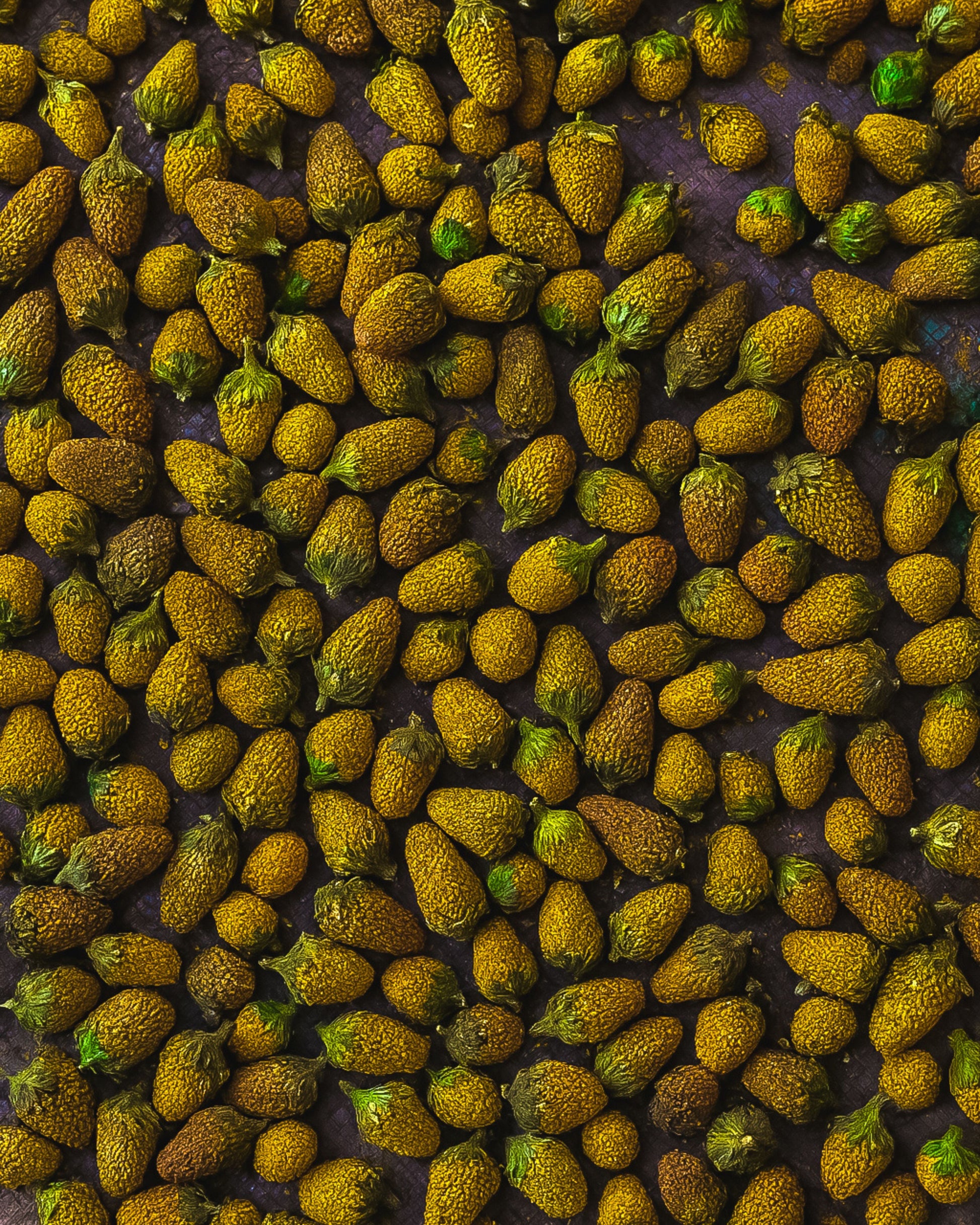
The flower heads are generally associated with the highest concentrations of Spilanthol, making them the preferred starting material for many high-quality botanical extracts.
This is one reason premium producers often harvest flower heads separately instead of processing the entire plant.
Madabuzz Botanical Insight
Through our direct work with farming partners in Madagascar, we've learned that botanical quality begins long before laboratory testing.
Flower maturity, careful harvesting, controlled drying, and thoughtful post-harvest handling all influence the quality of the final botanical material. While these factors affect the overall characteristics of the harvest, only laboratory analysis can accurately determine Spilanthol concentration.
This combination of traditional agricultural knowledge and modern analytical science is essential for producing reliable botanical ingredients.
The Discovery of Spilanthol
Although Acmella oleracea has been used traditionally for centuries, the identification of Spilanthol as its principal bioactive compound is a relatively recent achievement in the history of phytochemistry.
As analytical chemistry advanced during the twentieth century, researchers began isolating and characterizing the molecules responsible for the plant's distinctive sensory properties.
The identification of Spilanthol marked an important milestone because it transformed traditional observations into measurable scientific knowledge.
Instead of describing the plant simply as "tingling" or "numbing," scientists could investigate the specific compound responsible, determine its chemical structure, and begin exploring how it interacts with biological systems.
This shift laid the foundation for modern research into cosmetic science, pharmacognosy, sensory biology, and botanical chemistry.
Traditional Uses Across Cultures
Long before Spilanthol was identified in laboratories, Acmella oleracea was valued by communities in tropical regions for culinary and traditional purposes.
In Brazil, where the plant is known as Jambu, it is an important ingredient in regional cuisine, contributing its unmistakable tingling sensation to traditional dishes.
In other parts of the world, the plant has historically been used in herbal practices, particularly in relation to oral comfort and its unique sensory properties.
It is important to distinguish between traditional use and scientifically established effects.
Traditional use reflects cultural knowledge accumulated over generations, whereas modern scientific research evaluates these observations using controlled laboratory and clinical methods.
Both perspectives are valuable, but they answer different kinds of questions.
Why Has Modern Science Become So Interested in Spilanthol?
Over the past two decades, scientific interest in Spilanthol has expanded rapidly.
Researchers from multiple disciplines now investigate the compound for different reasons.
Cosmetic Science
Its lipophilic nature and efficient skin penetration have made Spilanthol an attractive ingredient for topical formulations.
Current research is exploring how these properties may contribute to improvements in the appearance of expression lines and skin feel.
Sensory Biology
Spilanthol provides an unusual opportunity to study how naturally occurring compounds interact with sensory nerve receptors responsible for tingling and oral sensations.
Natural Product Chemistry
Chemists continue to investigate the structure, stability, extraction, and analytical characterization of Spilanthol.
Agriculture
Researchers are exploring cultivation techniques that may influence phytochemical production while maintaining sustainable farming practices.
Key Takeaways
- Spilanthol occurs naturally, primarily in Acmella oleracea.
- The flower heads generally contain the highest concentrations.
- Plants produce Spilanthol as part of their secondary metabolism.
- The compound likely contributes to ecological defense and environmental adaptation.
- Traditional use of Acmella oleracea predates the scientific identification of Spilanthol by centuries.
- Modern research spans cosmetic science, sensory biology, phytochemistry, and agriculture.
How Does Spilanthol Work?
One of the reasons Spilanthol has attracted so much scientific attention is that it behaves differently from many other botanical compounds.
Rather than acting simply as an antioxidant or plant pigment, Spilanthol appears to interact with specialized sensory receptors that help the body perceive touch, temperature, and chemical stimuli.
Current research suggests that Spilanthol may influence members of the Transient Receptor Potential (TRP) family of ion channels, particularly TRPA1 and TRPV1, which play important roles in sensory perception.
These interactions are believed to contribute to the characteristic tingling, buzzing, and mildly numbing sensation experienced when chewing fresh Acmella oleracea flower heads.
Spilanthol's relatively small molecular size and lipophilic nature also allow it to penetrate lipid-rich tissues efficiently, making it an attractive ingredient for topical formulations.
However, it is important to recognize that research into its complete biological mechanism remains ongoing. While laboratory studies provide valuable insights, scientists continue to investigate how these observations translate into real-world cosmetic and physiological effects.
Learn more: How Does Spilanthol Work? (Internal Link)
Why Scientists Study Spilanthol
Spilanthol is unusual because it attracts interest from several scientific disciplines simultaneously.
Most plant compounds are primarily studied within one field, such as nutrition or pharmacology. Spilanthol, by contrast, is investigated by researchers working in:
- phytochemistry
- cosmetic science
- pharmacognosy
- sensory biology
- analytical chemistry
- botany
- agriculture
- food science
This multidisciplinary interest reflects the molecule's unique combination of sensory, chemical, and botanical characteristics.
Cosmetic Science
Cosmetic researchers are particularly interested in Spilanthol because of its:
- efficient skin penetration
- compatibility with oil-based formulations
- botanical origin
- potential to improve the appearance of expression lines
Current cosmetic research focuses primarily on topical applications rather than systemic effects.
Sensory Biology
Spilanthol offers scientists a natural model for understanding how certain plant compounds interact with sensory receptors.
The familiar tingling sensation produced by Buzz Buttons has become an intriguing subject of research because it demonstrates how naturally occurring molecules can temporarily modify sensory perception.
Botanical Chemistry
Chemists continue to investigate:
- biosynthesis
- molecular stability
- extraction techniques
- analytical methods
- standardization
- phytochemical variation
Understanding these factors helps improve both scientific reproducibility and botanical quality control.
Current Applications of Spilanthol
Although public interest often focuses on skincare, Spilanthol has applications across several industries.
Botanical Cosmetics
This remains the largest commercial application.
Extracts rich in Spilanthol are incorporated into:
- facial serums
- botanical oils
- creams
- eye products
- anti-aging formulations
Research in this area continues to evolve, and product performance depends on formulation quality, extract composition, and concentration.
Food & Gastronomy
Fresh Acmella oleracea flower heads have become increasingly popular among chefs and mixologists.
Known as Buzz Buttons, they create an interactive sensory experience that has inspired innovative cocktails and culinary creations around the world.
Scientific Research
Universities continue investigating:
- phytochemistry
- analytical chemistry
- sensory biology
- plant physiology
- natural product chemistry
These studies improve our understanding of both Spilanthol itself and the remarkable plant that produces it.
Scientific Evidence: What We Know Today
One of the principles guiding the Madabuzz Science Hub is that evidence should always be presented transparently.
Not every claim carries the same level of scientific support.
The table below summarizes the current state of knowledge.
| Topic | Evidence Level | Summary |
|---|---|---|
| Natural occurrence | Strong | Well documented in Acmella oleracea. |
| Chemical identity | Strong | Well characterized through analytical chemistry. |
| Botanical distribution | Strong | Supported by phytochemical studies. |
| Tingling sensation | Strong | Consistently observed and experimentally documented. |
| Skin penetration | Moderate | Supported by laboratory research. |
| Cosmetic applications | Moderate | Promising, with growing clinical interest. |
| Anti-inflammatory activity | Moderate | Mainly laboratory and preclinical evidence. |
| Long-term clinical outcomes | Limited | More human studies are needed. |
Presenting evidence in this way helps readers distinguish between established scientific knowledge and areas that remain under investigation.
Common Misconceptions
As Spilanthol has gained popularity, several misconceptions have become widespread online.
Myth: Spilanthol Is the Same as Acmella oleracea
Reality
Spilanthol is a single naturally occurring compound.
Acmella oleracea is the plant that produces it.
An extract contains Spilanthol together with many other naturally occurring phytochemicals.
Myth: Every Acmella Extract Contains the Same Amount
Reality
Natural variation is expected.
Genetics, climate, cultivation, harvesting, drying, extraction, and storage all influence the final chemical composition.
Myth: Natural Means Chemically Identical
Reality
Every botanical harvest is unique.
Two plants grown in different environments can produce noticeably different phytochemical profiles.
This is why analytical verification is essential.
Myth: Spilanthol Has Been Fully Studied
Reality
Although research has expanded rapidly, many questions remain unanswered.
Scientists continue to investigate biosynthesis, biological mechanisms, optimal extraction methods, long-term stability, and clinical applications.
Madabuzz Botanical Insight
One of the most important lessons we've learned through sourcing Acmella oleracea directly from Madagascar is that botanical quality begins in the field, not in the laboratory.
Healthy plants, careful harvesting, controlled drying, and respectful collaboration with farming communities all contribute to producing exceptional botanical material.
However, agricultural expertise alone is not enough.
Every premium botanical ingredient should ultimately be verified through independent laboratory analysis.
This combination of traditional cultivation knowledge and modern analytical science represents the philosophy behind Madabuzz's approach to botanical quality.
Key Takeaways
- Spilanthol is a naturally occurring alkylamide produced primarily by Acmella oleracea.
- It is responsible for the plant's distinctive tingling sensation.
- Scientists study Spilanthol across multiple disciplines, including phytochemistry, cosmetic science, and sensory biology.
- The flower heads generally contain the highest concentrations.
- Botanical extracts naturally vary in composition.
- Laboratory analysis is essential for verifying Spilanthol content.
- Current research is promising, but many scientific questions remain open.
Frequently Asked Questions
Is Spilanthol natural?
Yes. Spilanthol is a naturally occurring alkylamide produced by Acmella oleracea and a limited number of related plant species.
Is Spilanthol an extract?
No. Spilanthol is a single chemical compound naturally present within botanical extracts.
Which plant contains the most Spilanthol?
Current evidence identifies Acmella oleracea as the richest and most commercially important natural source.
Does every Acmella plant contain the same amount?
No. Concentrations vary depending on genetics, cultivation, plant part, harvest timing, and processing.
Why does Spilanthol cause tingling?
Research suggests it interacts with sensory receptors involved in detecting chemical and physical stimuli, producing its characteristic tingling sensation.
Is Spilanthol used only in cosmetics?
No. It is also studied in food science, phytochemistry, sensory biology, analytical chemistry, and agriculture.
Can Spilanthol be synthesized?
Yes. Synthetic Spilanthol is commonly used as an analytical reference standard and for laboratory research.
Why is laboratory testing important?
Botanical ingredients naturally vary in composition. Analytical methods such as HPLC help verify Spilanthol concentration and support quality control.
Conclusion
Spilanthol is far more than a trending cosmetic ingredient. It is a naturally occurring alkylamide with a remarkable combination of botanical, chemical, and sensory characteristics that has captured the attention of scientists across multiple disciplines.
Produced primarily by Acmella oleracea, Spilanthol illustrates how plants have evolved sophisticated chemistry to interact with their environment. Today, that same chemistry is being explored for applications in cosmetic science, food innovation, and natural product research.
Perhaps the most important lesson is that understanding Spilanthol requires looking beyond marketing claims. Its story is rooted in botany, supported by analytical chemistry, enriched by traditional knowledge, and continually refined through modern scientific research.
As our understanding grows, so too does the importance of responsible communication. By distinguishing established evidence from emerging research and combining rigorous laboratory analysis with transparent sourcing, the botanical community can continue to unlock the potential of Spilanthol while maintaining the trust of researchers, formulators, and consumers alike.