

Quick Answer
Spilanthol is a naturally occurring alkylamide found primarily in the flower heads of Acmella oleracea, a tropical plant commonly known as the Buzz Button, Electric Daisy, Toothache Plant, or Paracress. Although related compounds occur in several members of the Asteraceae family, Acmella oleracea is widely recognized as the richest natural and most commercially important source of Spilanthol. Its concentration varies depending on genetics, growing conditions, harvest timing, plant part, and post-harvest processing.
At a Glance
| Question | Answer |
|---|---|
| Is Spilanthol natural? | Yes |
| Compound type | N-alkylamide |
| Richest natural source | Acmella oleracea |
| Highest concentration | Flower heads |
| Found in leaves? | Yes, but generally at lower concentrations |
| Used in cosmetics? | Yes |
| Used in food? | Yes, especially Buzz Buttons and Jambu |
| Can it be synthesized? | Yes, but commercial products typically use botanical extracts |
| Evidence quality | High |
Table of Contents
- Introduction
- What Is Spilanthol?
- Is Spilanthol Found Naturally?
- Which Plants Contain Spilanthol?
- Why Does Acmella oleracea Produce Spilanthol?
- Where Is Spilanthol Located Within the Plant?
- Do All Acmella Plants Contain the Same Amount?
- How Geography Influences Spilanthol Production
- Why Madagascar Is an Exceptional Growing Region
- Can Spilanthol Be Produced Synthetically?
- Why Laboratory Analysis Matters
- Frequently Asked Questions
- Conclusion
Introduction
Nature produces an extraordinary diversity of chemical compounds. Some protect plants against insects, others attract pollinators, and many have evolved over millions of years to help plants survive changing environmental conditions. Among these remarkable natural molecules is Spilanthol, a bioactive compound best known for creating the distinctive tingling sensation experienced when chewing the flower heads of Acmella oleracea.
Although Spilanthol has become increasingly popular in cosmetic formulations, botanical extracts, and scientific research, relatively few people know where it actually comes from. Is it unique to one plant? Can it be found elsewhere in nature? Do all Acmella oleracea plants contain the same amount? And why do some botanical extracts contain significantly more Spilanthol than others?
These questions are becoming increasingly important. As interest in natural skincare ingredients continues to grow, manufacturers, formulators, researchers, and consumers alike are seeking reliable information about botanical sources, ingredient quality, and scientific authenticity. Unfortunately, many online resources provide only brief or oversimplified answers, often stating that Spilanthol comes from Acmella oleracea without explaining the broader botanical, agricultural, and chemical context.
This guide takes a more comprehensive approach.
Rather than simply identifying the plant, we'll explore where Spilanthol occurs in nature, why plants produce it, which species contain it, how its concentration varies between different plant parts, and the environmental factors that influence its abundance. We'll also examine why laboratory analysis is essential for verifying Spilanthol content and why botanical origin matters when evaluating ingredient quality.
By the end of this article, you'll have a deeper understanding of the natural history of Spilanthol and why Acmella oleracea has become the world's most important botanical source of this fascinating compound.

What Is Spilanthol?
Before exploring where Spilanthol is found, it's helpful to understand what it actually is.
Spilanthol is a naturally occurring N-alkylamide, a class of biologically active compounds produced by certain plant species. Unlike vitamins or minerals, alkylamides are considered secondary metabolites. These are specialized molecules that plants manufacture not for basic survival, but to help them interact with their environment.
Secondary metabolites play many important ecological roles. Some deter herbivores through unpleasant tastes or sensations, others protect against pathogens, while certain compounds help plants tolerate environmental stress such as drought, ultraviolet radiation, or microbial attack.
Spilanthol is believed to be one of these adaptive molecules. Its intense tingling effect discourages some herbivores while also contributing to the unique sensory experience that has made Acmella oleracea famous in both traditional cuisine and modern gastronomy.
From a chemical perspective, Spilanthol is particularly interesting because of its relatively small molecular size and lipophilic nature. Unlike many water-soluble plant compounds, Spilanthol dissolves readily in oils, allowing it to penetrate biological membranes efficiently. This characteristic has attracted significant interest in cosmetic science, where skin penetration is often a desirable property for topical active ingredients.
Today, Spilanthol is studied in multiple disciplines, including pharmacognosy, phytochemistry, cosmetic science, sensory biology, and food science. Despite these diverse applications, one fact remains consistent across the scientific literature: the richest and most commercially important natural source of Spilanthol is Acmella oleracea.
Is Spilanthol Found Naturally?
Yes. Spilanthol is a naturally occurring plant compound synthesized through the normal metabolic processes of certain species within the Asteraceae family.
Unlike some cosmetic ingredients that are produced exclusively through chemical synthesis, Spilanthol has evolved naturally over millions of years. Plants manufacture it within their tissues as part of their complex chemical defense system, alongside hundreds of other specialized metabolites.
Because Spilanthol is produced biologically rather than added externally, its concentration is never fixed. Every plant is slightly different. Factors such as genetics, soil quality, temperature, rainfall, sunlight, harvest maturity, and post-harvest handling all influence how much Spilanthol accumulates within the plant.
This natural variability explains why two botanical extracts labeled "Acmella oleracea" may contain very different amounts of Spilanthol. Without analytical testing, it is impossible to determine the concentration based solely on the plant name or appearance.
For researchers and formulators, this distinction is important. Botanical identity confirms the species, but only laboratory analysis confirms the chemical composition.
Which Plants Contain Spilanthol?
One of the most common misconceptions is that Spilanthol occurs in many unrelated plants. In reality, its natural distribution is relatively limited.
The overwhelming majority of commercial Spilanthol is obtained from Acmella oleracea, a tropical flowering plant native to South America and now cultivated in several regions around the world.
However, Acmella oleracea is not the only species capable of producing Spilanthol or closely related alkylamides.
Comparison of Natural Plant Sources
| Plant | Scientific Name | Relative Spilanthol Content* | Notes |
|---|---|---|---|
| Buzz Button / Toothache Plant | Acmella oleracea | ★★★★★ | Widely regarded as the richest commercial source of Spilanthol. |
| Smallflower Acmella | Acmella paniculata | ★★★☆☆ | Contains alkylamides, but reported Spilanthol levels are generally lower and less studied. |
| Creeping Spotflower | Acmella ciliata | ★★☆☆☆ | Regional species with limited phytochemical data. |
| Other Acmella species | Acmella spp. | ★☆☆☆☆–★★★☆☆ | Composition varies by species and growing conditions; more research is needed. |
| False Arnica | Heliopsis longipes | — | Rich in related alkylamides but chemically distinct; not considered a major commercial source of Spilanthol. |
*Relative abundance reflects current scientific understanding rather than absolute concentrations. Direct comparisons between studies are difficult because cultivation conditions, extraction methods, and analytical techniques differ.
The dominance of Acmella oleracea is no coincidence. Over time, it has become the preferred species for cultivation because it combines relatively high Spilanthol content with vigorous growth, adaptability, and well-established agricultural practices.
For this reason, nearly all high-quality cosmetic, botanical, and culinary Spilanthol products on the market are derived from Acmella oleracea flower heads rather than from alternative species.
Why Does Acmella oleracea Produce Spilanthol?
One of the most fascinating questions in botanical science is not simply where Spilanthol is found, but why the plant produces it in the first place.
Plants cannot escape predators, relocate to more favorable environments, or physically defend themselves in the way animals can. Instead, they rely on an extraordinary arsenal of chemical compounds that help them survive. These compounds, known as secondary metabolites, have evolved over millions of years to perform specialized ecological functions.
Spilanthol belongs to this group of defensive molecules.
Unlike primary metabolites such as sugars, proteins, and amino acids, which are essential for growth and reproduction, secondary metabolites are not directly required for a plant's survival. Instead, they provide competitive advantages by helping plants respond to insects, herbivores, pathogens, and environmental stress.
Although scientists are still investigating the precise ecological role of Spilanthol, current evidence suggests it contributes to several protective functions.
A Natural Defense Against Herbivores
Anyone who has chewed a fresh Acmella oleracea flower head immediately understands how biologically active Spilanthol can be. Within seconds, it produces a powerful tingling sensation, followed by increased salivation and temporary numbness.
For grazing animals and insects, this intense sensory experience may serve as a natural deterrent. Rather than relying on toxicity, the plant appears to discourage feeding by making itself an unpleasant meal.
This strategy is remarkably common in nature. Chili peppers produce capsaicin to discourage mammals, mustard plants synthesize glucosinolates that release pungent compounds when tissues are damaged, and mint species generate menthol to interact with sensory receptors.
Spilanthol represents another example of how plants have evolved sophisticated chemical defenses that influence the behavior of other organisms.
Protection Against Environmental Stress
Research suggests that alkylamides may also play broader ecological roles beyond herbivore defense.
Secondary metabolites often help plants respond to:
- prolonged drought
- excessive sunlight
- ultraviolet radiation
- microbial pathogens
- fungal infections
- oxidative stress
Although the specific contribution of Spilanthol to these protective mechanisms is still under investigation, its production likely forms part of a much larger network of adaptive chemical responses.
Rather than viewing Spilanthol as an isolated compound, scientists increasingly recognize it as one component of the plant's highly integrated biochemical defense system.
Madabuzz Botanical Insight
One lesson repeatedly observed by experienced growers is that plants exposed to different environmental conditions often develop noticeably different chemical profiles.
Healthy, vigorous Acmella oleracea plants grown under favorable conditions frequently produce flower heads with distinct aroma, flavor, and sensory intensity. While these observations align with the broader understanding that environmental factors influence secondary metabolite production, the exact relationship between cultivation conditions and Spilanthol concentration requires laboratory analysis to confirm.
This is why analytical testing is essential. Appearance alone cannot determine the chemical composition of a botanical ingredient.
Where Is Spilanthol Located Within the Plant?
Many people assume that every part of an Acmella oleracea plant contains the same amount of Spilanthol.
In reality, this is not the case.
Like many medicinal and aromatic plants, Acmella oleracea distributes its bioactive compounds unevenly throughout its tissues. Different plant organs perform different biological functions, and their chemical composition reflects these specialized roles.
Current phytochemical research indicates that Spilanthol can be detected throughout the plant, but concentrations vary considerably between tissues.
Relative Distribution Within Acmella oleracea
| Plant Part | Relative Spilanthol Content | Commercial Importance |
|---|---|---|
| Flower heads | ★★★★★ | Primary commercial source |
| Young flower buds | ★★★★☆ | High potential |
| Leaves | ★★★☆☆ | Moderate |
| Stems | ★★☆☆☆ | Lower |
| Roots | ★☆☆☆☆ | Limited information |
| Seeds | Unknown | More research needed |
This distribution explains why high-quality botanical producers often focus on harvesting flower heads rather than processing the entire plant.
Using only the flower heads allows manufacturers to concentrate the part of the plant most closely associated with the desired bioactive compounds while avoiding unnecessary plant material that may dilute the extract.
Why Are the Flower Heads So Important?
The flower head is the reproductive center of the plant.
Protecting this structure is essential for successful seed production and species survival.
From an evolutionary perspective, investing defensive compounds in reproductive tissues makes biological sense. Flowers represent one of the plant's most valuable organs, and protecting them from herbivores increases the likelihood of successful reproduction.
Although the precise ecological distribution of Spilanthol within Acmella oleracea is still being investigated, this evolutionary explanation is consistent with broader patterns observed in many flowering plants.
For botanical extraction, this has practical implications.
Harvesting flower heads instead of processing whole plants may produce extracts with different phytochemical profiles, potentially influencing both composition and sensory characteristics.
Madabuzz Botanical Insight
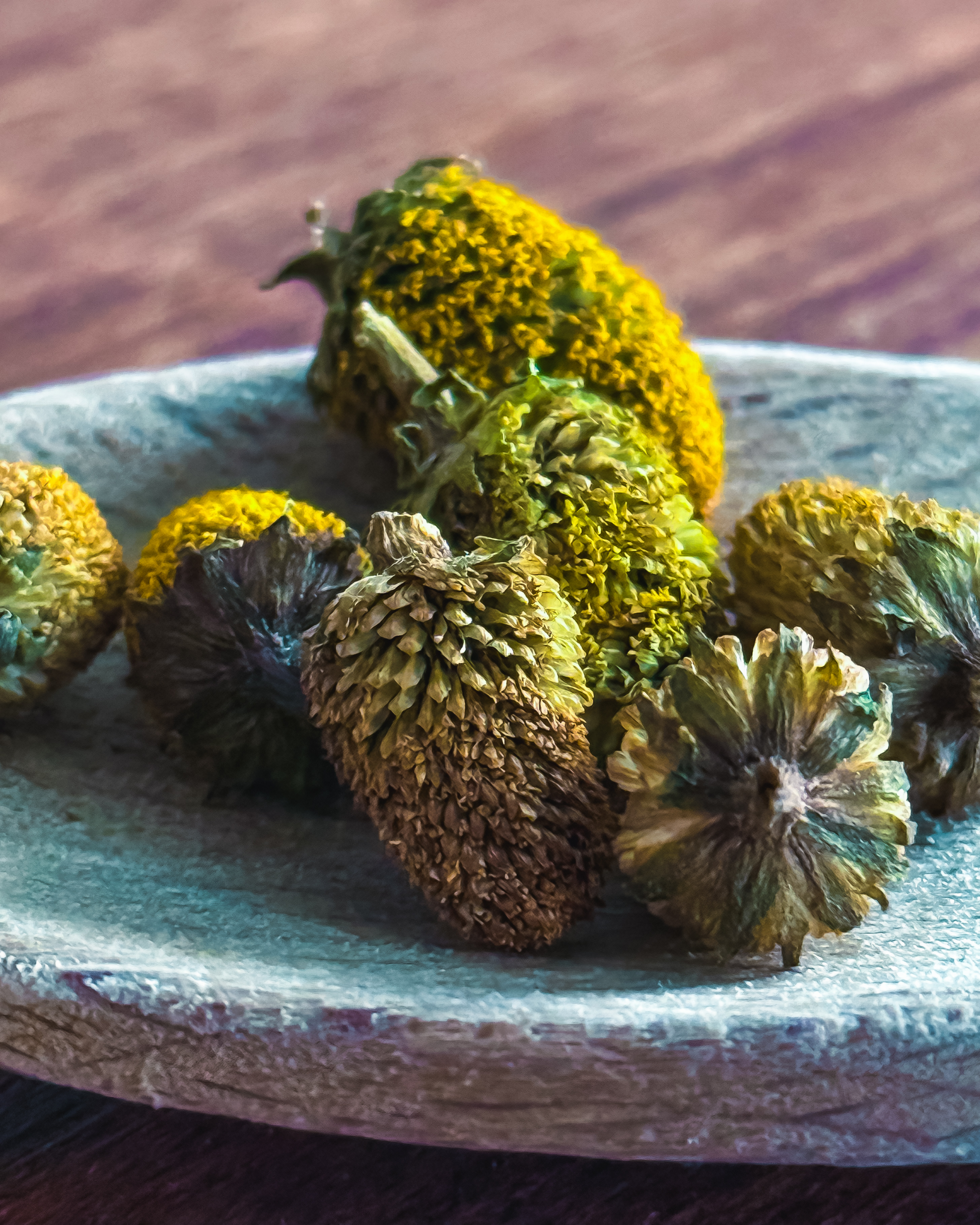
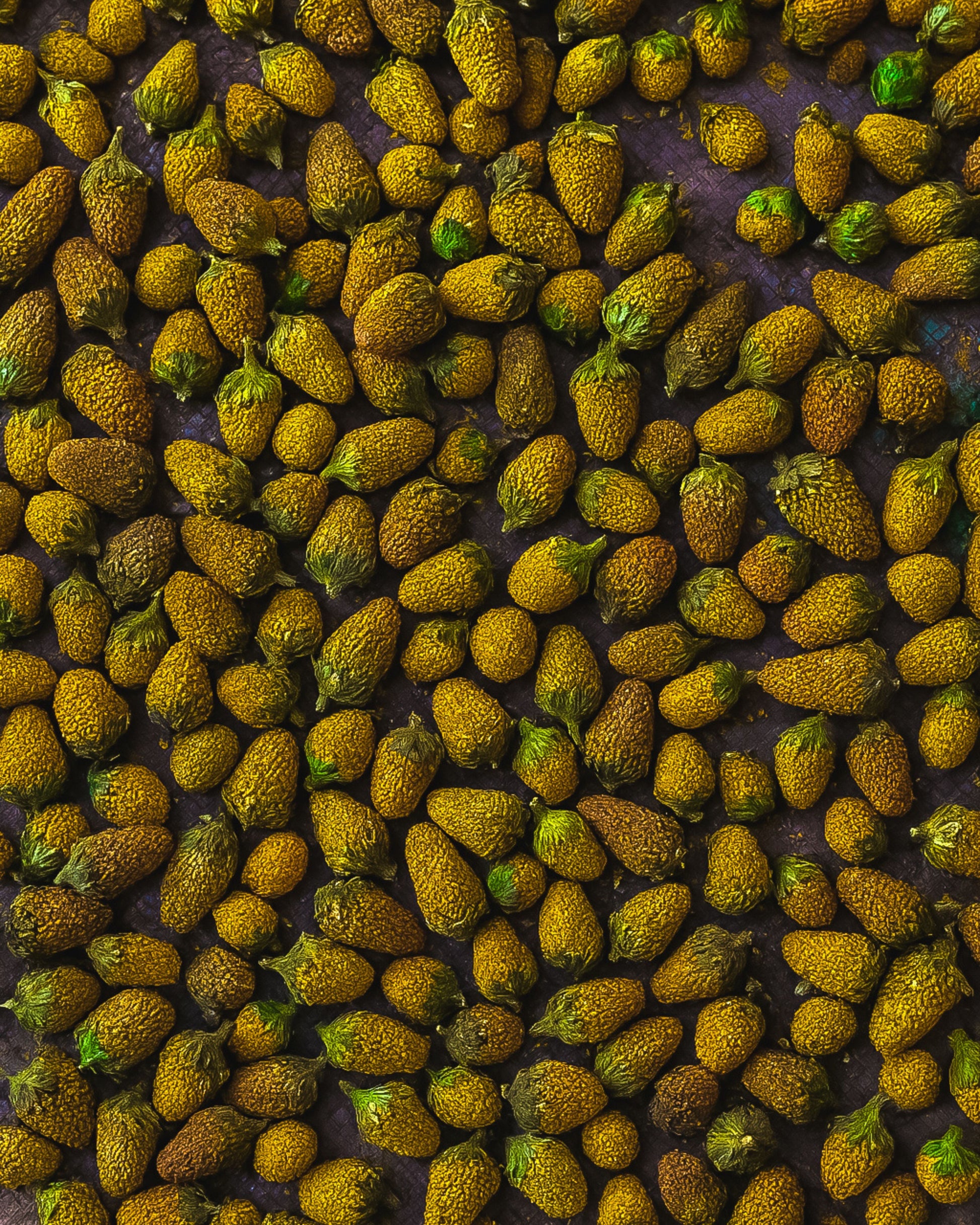
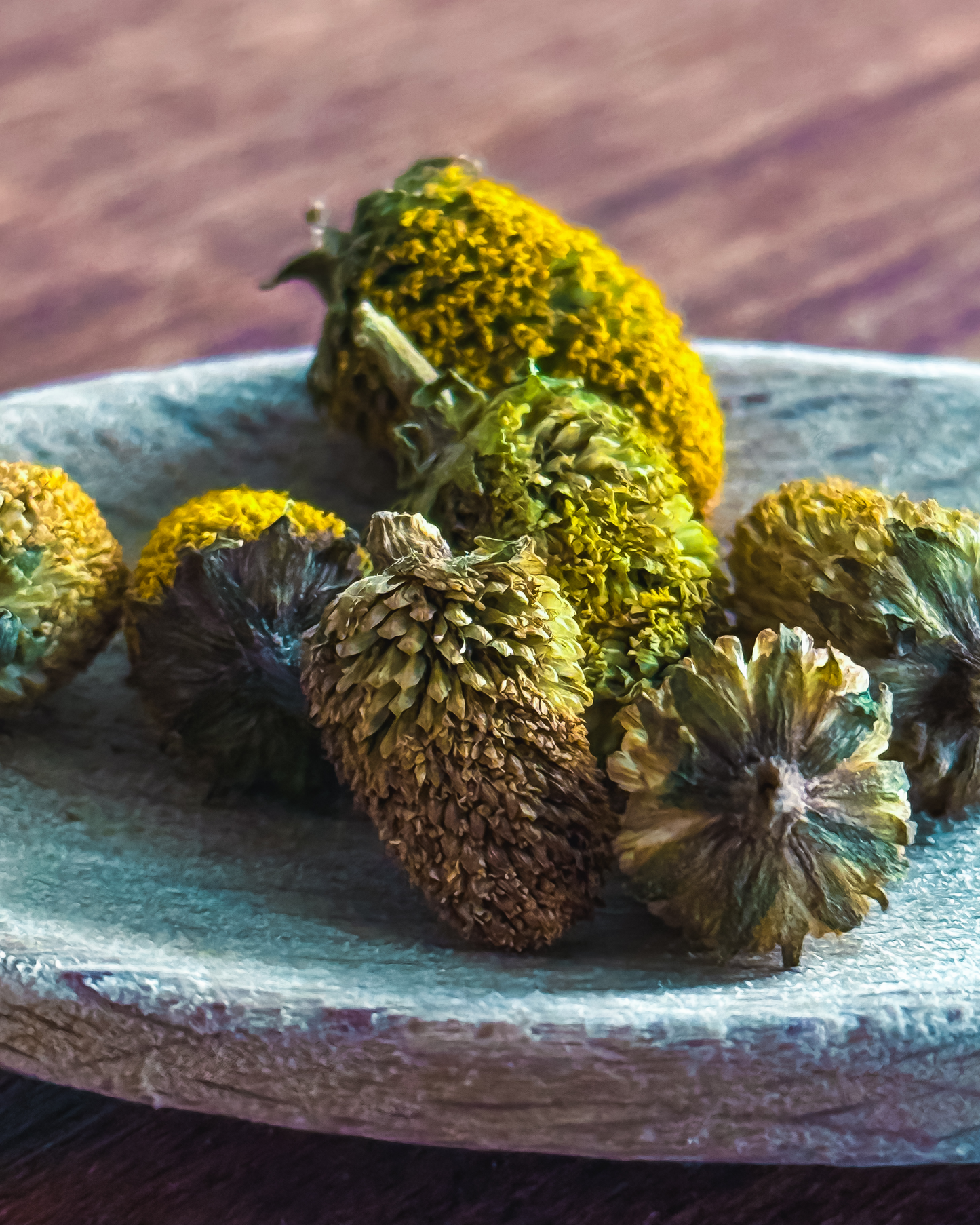
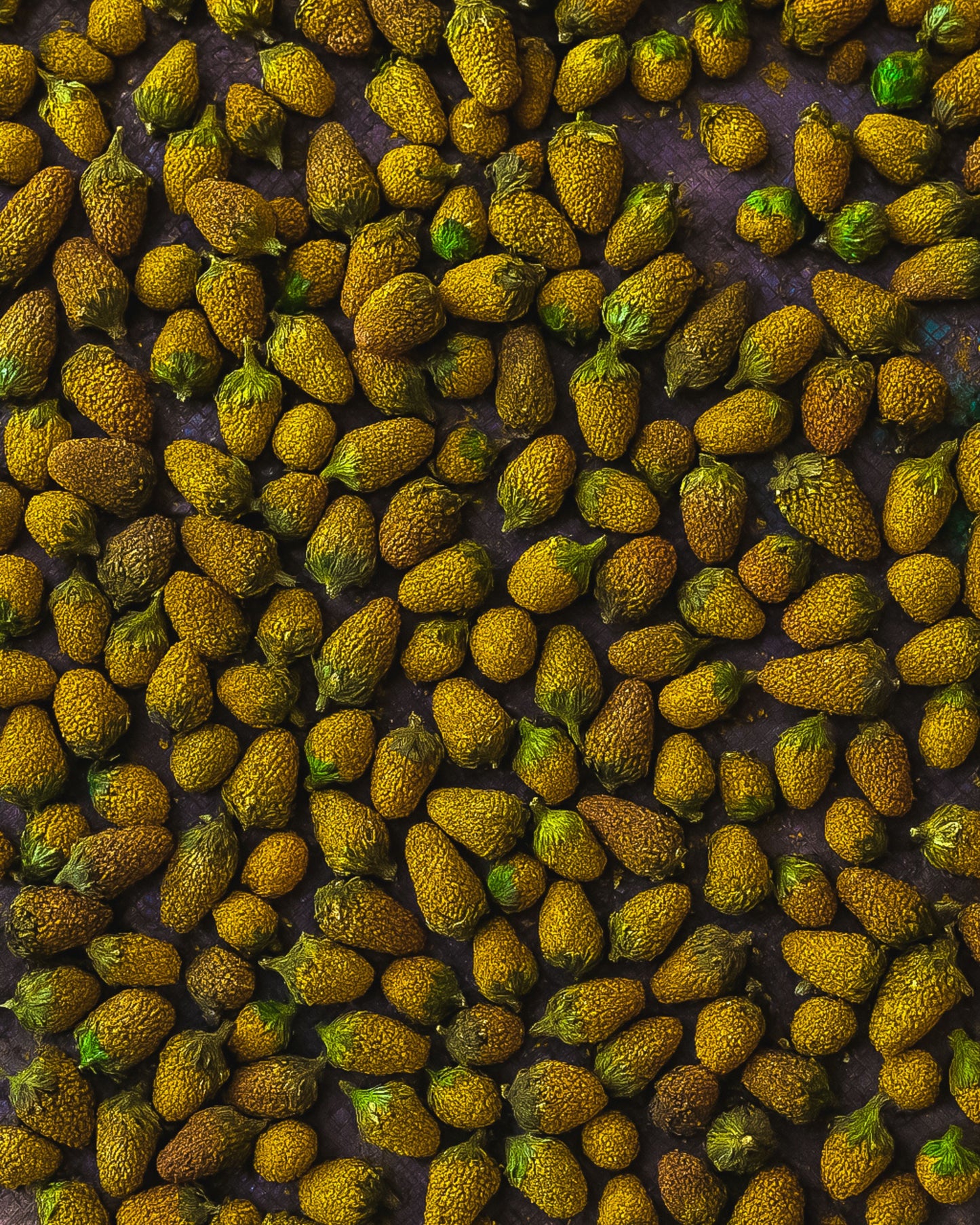
Madabuzz sources whole flower heads rather than mixed aerial plant material.
This approach is based on botanical quality principles and aligns with the understanding that flower heads are the most valuable part of the plant for Spilanthol-rich extracts. Because natural concentrations vary, every batch should still be verified through appropriate laboratory analysis rather than relying solely on plant part selection.
Do All Acmella oleracea Plants Contain the Same Amount of Spilanthol?
No.
This is one of the most important concepts to understand when evaluating botanical ingredients.
Two plants belonging to the same species can differ significantly in their chemical composition.
This phenomenon is entirely normal and occurs across the plant kingdom.
Several factors contribute to this natural variability.
Genetics
Just as individual humans differ genetically, Acmella oleracea populations also exhibit genetic diversity.
Some plant lines naturally produce higher concentrations of secondary metabolites than others.
Plant breeders often select high-performing individuals over multiple generations to improve consistency, although considerable variation can still occur.
Climate
Temperature influences enzyme activity throughout the plant.
Long periods of heat, cooler nights, seasonal fluctuations, and overall growing conditions may all affect secondary metabolite production.
Researchers continue to investigate how climate influences Spilanthol biosynthesis specifically, but environmental conditions are widely recognized as important determinants of phytochemical composition.
Soil Quality
Plants obtain essential nutrients from the soil.
Mineral availability, organic matter, microbial communities, drainage, and soil structure all influence plant physiology and, indirectly, the production of specialized metabolites.
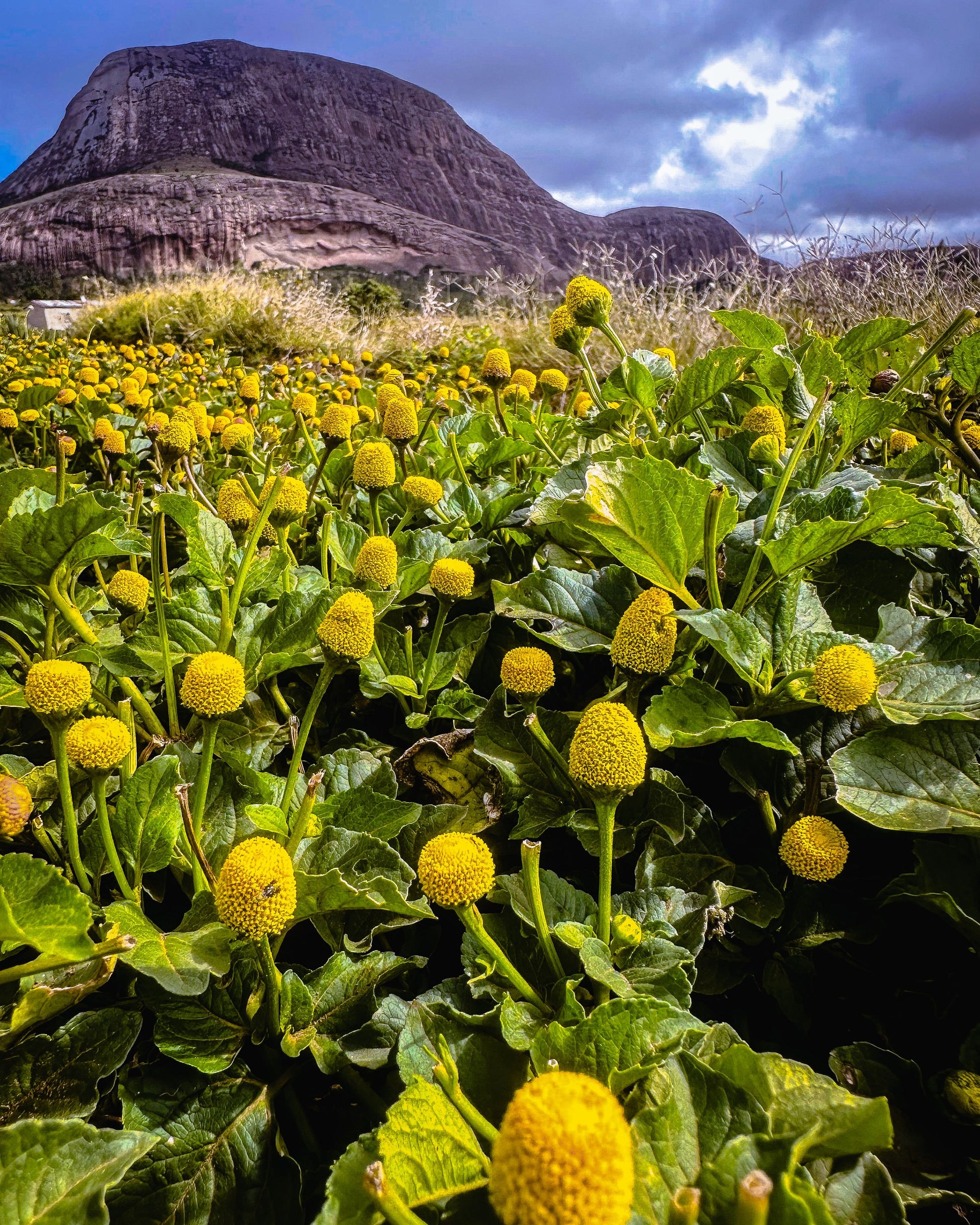
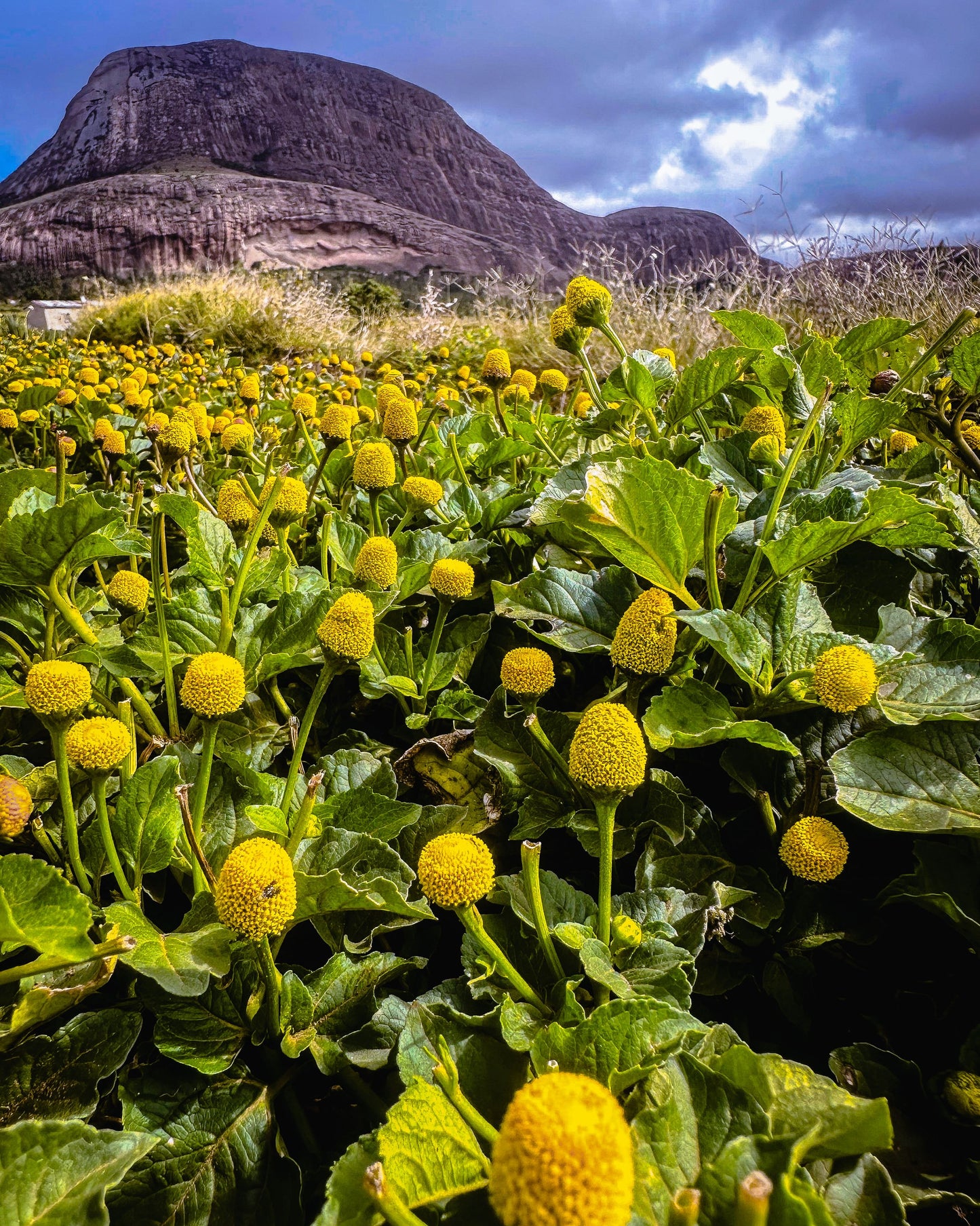
Healthy soils support healthy plants, but healthy plants do not necessarily contain identical concentrations of Spilanthol. Volcanic soil and higher-concentration of insects, gives this plant an ideal habitat, perfectly aligned with the climate in Madagascar.
Water Availability
Moderate environmental stress sometimes stimulates the production of defensive secondary metabolites in plants.
However, excessive drought can reduce overall plant health and productivity.
The relationship between water stress and Spilanthol production remains an active area of research, and results may vary depending on cultivation conditions.
Harvest Timing
One of the most influential factors is when the flowers are harvested.
Secondary metabolite concentrations often change throughout plant development.
Flower buds, newly opened flowers, and mature flower heads may each display different phytochemical profiles.
Determining the optimal harvest window is therefore an important aspect of producing high-quality botanical extracts.
Post-Harvest Handling
Harvesting is only the beginning.
After collection, botanical material continues to undergo chemical changes.
Several factors influence the preservation of sensitive compounds, including:
- drying temperature
- drying speed
- humidity
- exposure to sunlight
- oxygen
- storage duration
- packaging conditions
Poor post-harvest handling may reduce the quality of botanical material before extraction even begins.
Does Geography Affect Spilanthol Content?
Absolutely, but the relationship is more nuanced than simply identifying the country where a plant is grown.
A plant's chemistry reflects the combined influence of genetics and environment. This interaction is often described as the genotype × environment effect, meaning that the same plant variety can produce different chemical profiles when cultivated under different conditions.
For Acmella oleracea, factors such as climate, rainfall, altitude, soil characteristics, and agricultural practices all have the potential to influence Spilanthol content. However, direct comparisons between growing regions remain limited because cultivation methods and analytical techniques are not always standardized.
This is why it is difficult to declare that one country consistently produces higher-Spilanthol plants than another based solely on published literature.
Instead, quality should be evaluated through measurable outcomes,such as laboratory analysis, rather than assumptions based on geographic origin alone.
Why Madagascar Is Emerging as an Important Source of Premium Acmella oleracea
Although Acmella oleracea originated in South America, it is now cultivated in several tropical and subtropical regions around the world.
Madagascar has become an increasingly interesting location for cultivation due to its unique agricultural conditions and exceptional botanical diversity.
The island's combination of:
- tropical climate,
- seasonal rainfall,
- fertile agricultural regions,
- experienced farming communities,
- and long history of cultivating specialty botanical crops,
creates favorable conditions for growing high-quality Acmella oleracea.
At Madabuzz, we work directly with farming partners in Madagascar to source whole flower heads selected for quality and traceability. This close relationship allows greater transparency throughout the supply chain, from cultivation and harvesting to post-harvest handling and laboratory verification.
It is important to emphasize, however, that quality should never be assumed solely because of origin. While Madagascar offers excellent growing conditions, the true measure of a botanical ingredient remains its verified chemical composition, supported by appropriate analytical testing.
Key Takeaways
- Spilanthol is produced as part of the plant's secondary metabolism.
- It likely contributes to defense against herbivores and environmental stress.
- The highest concentrations are generally associated with the flower heads of Acmella oleracea.
- Natural variation means that two plants of the same species may contain different amounts of Spilanthol.
- Genetics, climate, soil, harvest timing, and post-harvest handling all influence phytochemical composition.
- Geographic origin is important, but laboratory analysis remains the most reliable way to verify Spilanthol content.
Can Spilanthol Be Produced Synthetically?
Although Spilanthol is best known as a naturally occurring compound extracted from Acmella oleracea, it can also be produced through chemical synthesis in a laboratory.
Synthetic production allows researchers to study the molecule under controlled conditions and provides a highly purified reference standard for analytical testing. In scientific laboratories, synthetic Spilanthol is frequently used to validate methods such as High-Performance Liquid Chromatography (HPLC) and Gas Chromatography–Mass Spectrometry (GC-MS).
However, laboratory synthesis and botanical extraction serve different purposes.
A natural Acmella oleracea extract contains a complex mixture of phytochemicals, including Spilanthol alongside other alkylamides, flavonoids, phenolic compounds, terpenes, and naturally occurring plant constituents. Researchers continue to investigate whether these accompanying compounds influence the overall biological activity of the extract.
By contrast, synthetic Spilanthol is a single isolated molecule.
Neither approach is inherently "better." Instead, the choice depends on the intended application:
| Botanical Extract | Synthetic Spilanthol |
|---|---|
| Complex phytochemical profile | Single purified molecule |
| Natural variation between harvests | Highly consistent composition |
| Commonly used in botanical cosmetics | Commonly used in research and analytical standards |
| May contain complementary plant compounds | Ideal for controlled laboratory studies |
For cosmetic formulations emphasizing botanical ingredients, natural extracts are generally preferred. For scientific experimentation and analytical calibration, synthetic standards are indispensable.
Why Laboratory Analysis Matters
One of the biggest misconceptions surrounding botanical ingredients is the assumption that every extract from the same plant is chemically identical.
In reality, two products labeled "Acmella oleracea extract" may contain dramatically different concentrations of Spilanthol.
Without laboratory testing, there is no reliable way to know.
This is why analytical chemistry plays such an important role in modern botanical science.
High-Performance Liquid Chromatography (HPLC)
HPLC is one of the most widely used analytical techniques for identifying and quantifying compounds within botanical extracts.
By separating individual molecules according to their chemical properties, HPLC enables scientists to measure the concentration of Spilanthol with a high degree of precision.
For botanical producers, this provides several benefits:
- verification of botanical quality
- consistency between production batches
- quality assurance
- support for research and product development
- transparency for customers
Laboratory verification is far more informative than relying on appearance, aroma, or sensory intensity alone.
Gas Chromatography–Mass Spectrometry (GC-MS)
GC-MS is another powerful analytical technique used to identify volatile and semi-volatile compounds.
While HPLC is commonly used to quantify Spilanthol, GC-MS can provide complementary information about the broader chemical profile of botanical extracts.
Together, these methods help researchers better understand the composition of Acmella oleracea and ensure analytical accuracy.
Madabuzz Botanical Insight
At Madabuzz, quality is verified, not assumed.
Rather than relying solely on botanical identification, we believe every premium botanical ingredient should be supported by independent laboratory analysis.
Diverse of our reference batches of Acmella oleracea flower heads was independently analyzed and verified at 4.01% Spilanthol, demonstrating the value of analytical testing in confirming botanical composition.
Because plants are natural products, every harvest is unique. Laboratory verification helps ensure transparency while respecting the natural variability that exists within botanical ingredients.
Common Misconceptions About Natural Spilanthol
As interest in Acmella oleracea has grown, so have the number of misconceptions surrounding Spilanthol.
Separating fact from assumption is essential for building trust and making informed decisions.
Myth 1: Spilanthol Is Found Only in One Plant
Reality:
Acmella oleracea is the richest and most commercially important source, but related Acmella species and some other members of the Asteraceae family contain Spilanthol or structurally related alkylamides.
Myth 2: Every Acmella oleracea Plant Contains the Same Amount
Reality:
Spilanthol concentration varies naturally depending on genetics, climate, soil conditions, harvest timing, plant part, and post-harvest handling.
Myth 3: Flower Heads and Leaves Are Chemically Identical
Reality:
Current evidence indicates that different plant tissues contain different phytochemical profiles. Flower heads are generally associated with higher Spilanthol concentrations than leaves or stems.
Myth 4: Botanical Extracts Don't Need Laboratory Testing
Reality:
Botanical identity confirms the species, but only analytical testing confirms the chemical composition.
Myth 5: Country of Origin Alone Determines Quality
Reality:
Growing region influences plant chemistry, but origin alone cannot guarantee quality. Genetics, cultivation practices, harvesting, processing, and laboratory verification all contribute to the final composition of a botanical extract. Madagascar gives the plant a perfect habitat to grow and protect themself.
What Does the Scientific Evidence Tell Us?
Scientific knowledge about the natural occurrence of Spilanthol has expanded considerably over the past few decades.
Current evidence supports several conclusions with a high degree of confidence.
Well Established
✔ Spilanthol is a naturally occurring alkylamide.
✔ Acmella oleracea is its principal commercial source.
✔ Flower heads generally contain the highest concentrations.
✔ Natural variation exists between plants.
✔ Laboratory analysis is necessary for accurate quantification.
Moderately Supported
Research suggests that environmental factors such as climate, cultivation practices, and harvest timing influence Spilanthol concentration.
However, direct comparisons between growing regions remain limited because studies often differ in methodology.
Areas Requiring Further Research
Several questions remain open:
- How does genotype influence maximum Spilanthol production?
- What is the optimal harvest stage?
- Which post-harvest methods best preserve Spilanthol?
- How does long-term storage affect concentration?
- How do different extraction methods influence yield?
- Can cultivation practices be optimized for consistent phytochemical profiles?
These questions represent exciting opportunities for future botanical research.
Key Takeaways
- Spilanthol occurs naturally in a limited number of plant species.
- Acmella oleracea is widely regarded as the richest natural and most commercially important source.
- The flower heads generally contain the highest concentrations.
- Natural variation means that not all plants produce identical amounts of Spilanthol.
- Environmental conditions, genetics, harvest timing, and post-harvest processing all influence chemical composition.
- Independent laboratory analysis is essential for verifying Spilanthol content.
- High-quality botanical sourcing depends on both agricultural expertise and analytical science.
Frequently Asked Questions
What is the richest natural source of Spilanthol?
Current evidence identifies Acmella oleracea as the richest and most commercially important natural source of Spilanthol.
Is Spilanthol found in every part of the plant?
No. Spilanthol can occur throughout the plant, but the flower heads generally contain the highest concentrations.
Do leaves contain Spilanthol?
Yes, leaves contain Spilanthol, although published research suggests concentrations are generally lower than in the flower heads.
Why do flower heads contain more Spilanthol?
Researchers believe reproductive tissues receive greater chemical protection because they are essential for seed production and plant survival, although the exact ecological mechanisms are still being studied.
Does climate affect Spilanthol content?
Environmental conditions such as temperature, rainfall, soil quality, and cultivation practices are believed to influence Spilanthol production.
Is Madagascar a good place to grow Acmella oleracea?
Madagascar offers favorable tropical growing conditions and experienced agricultural communities. While these characteristics support high-quality cultivation, laboratory analysis remains the best way to verify the composition of any botanical harvest.
Can Spilanthol be made in a laboratory?
Yes. Synthetic Spilanthol is commonly used in scientific research and as an analytical reference standard.
Is synthetic Spilanthol the same as a botanical extract?
No. Synthetic Spilanthol is a single purified compound, whereas botanical extracts contain many naturally occurring plant constituents in addition to Spilanthol.
Why is laboratory testing important?
Plants naturally vary in their chemistry. HPLC and related analytical techniques provide objective measurements of Spilanthol concentration.
Does drying reduce Spilanthol?
Drying methods can influence the preservation of botanical compounds. Gentle, well-controlled post-harvest handling is generally considered important for maintaining extract quality, although outcomes depend on the specific process used.
Conclusion
Spilanthol is one of nature's most remarkable botanical compounds, yet its natural distribution is surprisingly specialized. While several plants produce Spilanthol or related alkylamides, Acmella oleracea has emerged as the world's most important natural source thanks to its relatively high concentrations, established cultivation, and wide range of culinary, cosmetic, and scientific applications.
Understanding where Spilanthol comes from is about more than simply identifying a plant species. Its abundance is shaped by genetics, environmental conditions, harvest timing, plant anatomy, and post-harvest processing. These factors help explain why botanical extracts can differ significantly in composition, even when derived from the same species.
For this reason, responsible sourcing should always be paired with rigorous analytical verification. Botanical identity tells us what a plant is; laboratory analysis tells us what it contains.
As scientific research continues to expand, our understanding of Spilanthol's natural occurrence, biosynthesis, and applications will undoubtedly grow. By combining botanical expertise with transparent quality standards and evidence-based communication, the botanical industry can continue to unlock the full potential of this extraordinary natural compound while maintaining the trust of researchers, formulators, and consumers alike.