

Cooking with Acmella oleracea: A Chef's Guide to the World's Most Sensory Edible Flower
Among the many edible flowers used in modern cuisine, few capture attention quite like Acmella oleracea.
Known to many as Buzz Buttons, Electric Daisies, or Toothache Plant, this remarkable botanical has become a favorite ingredient among chefs and mixologists seeking to create memorable dining experiences. While its distinctive tingling sensation often steals the spotlight, Acmella oleracea offers much more than a moment of surprise.
Its edible flowers, fresh leaves, and unique sensory profile make it an exceptionally versatile ingredient that can complement salads, seafood, desserts, cocktails, and contemporary tasting menus.
Whether you're an adventurous home cook or a professional chef, learning how to use Acmella oleracea thoughtfully can add an entirely new dimension to your cooking.
Understanding the Edible Parts of the Plant
One of the most common misconceptions is that only the flower heads are edible.
In reality, several parts of Acmella oleracea can be incorporated into culinary creations.
Flower Heads
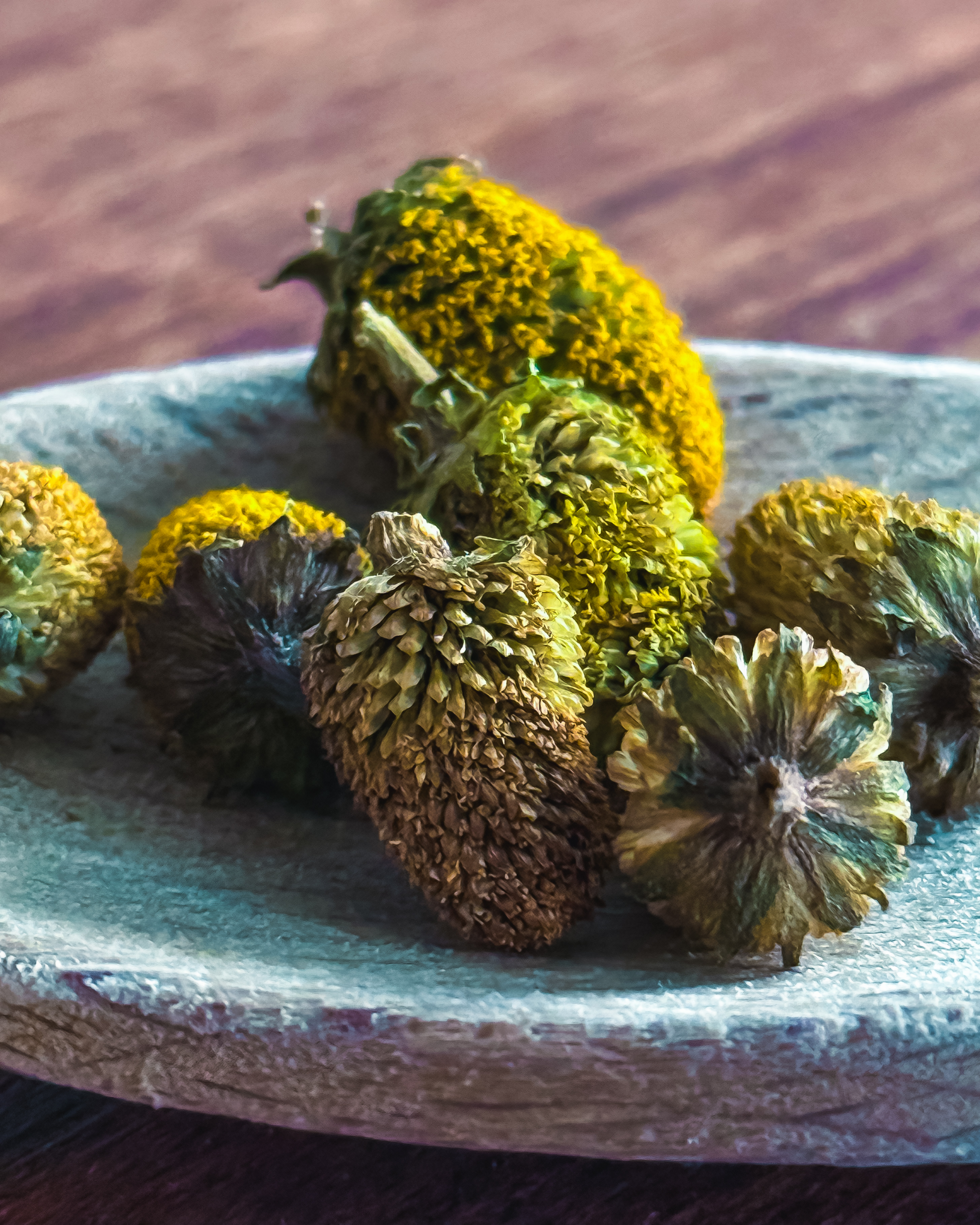
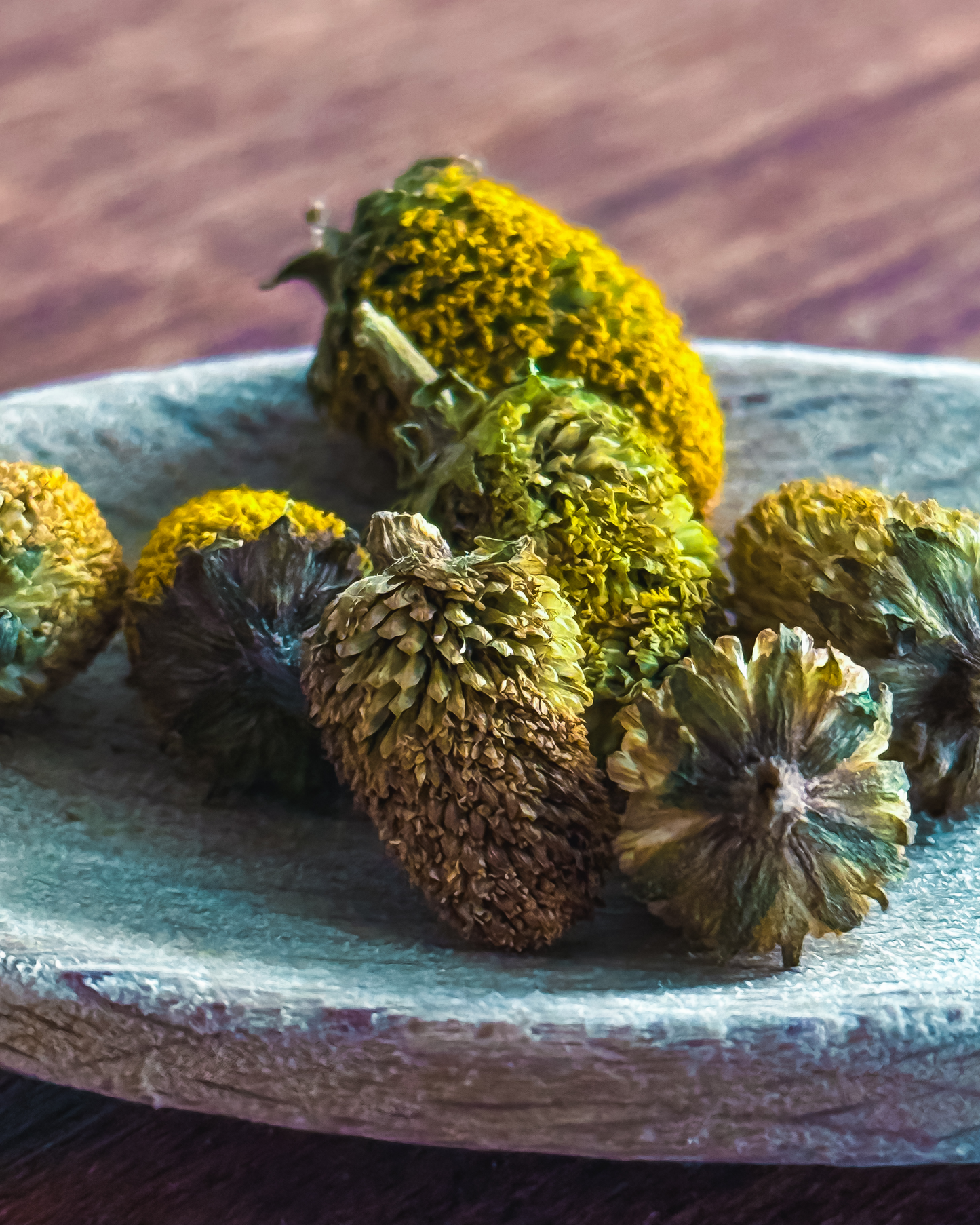
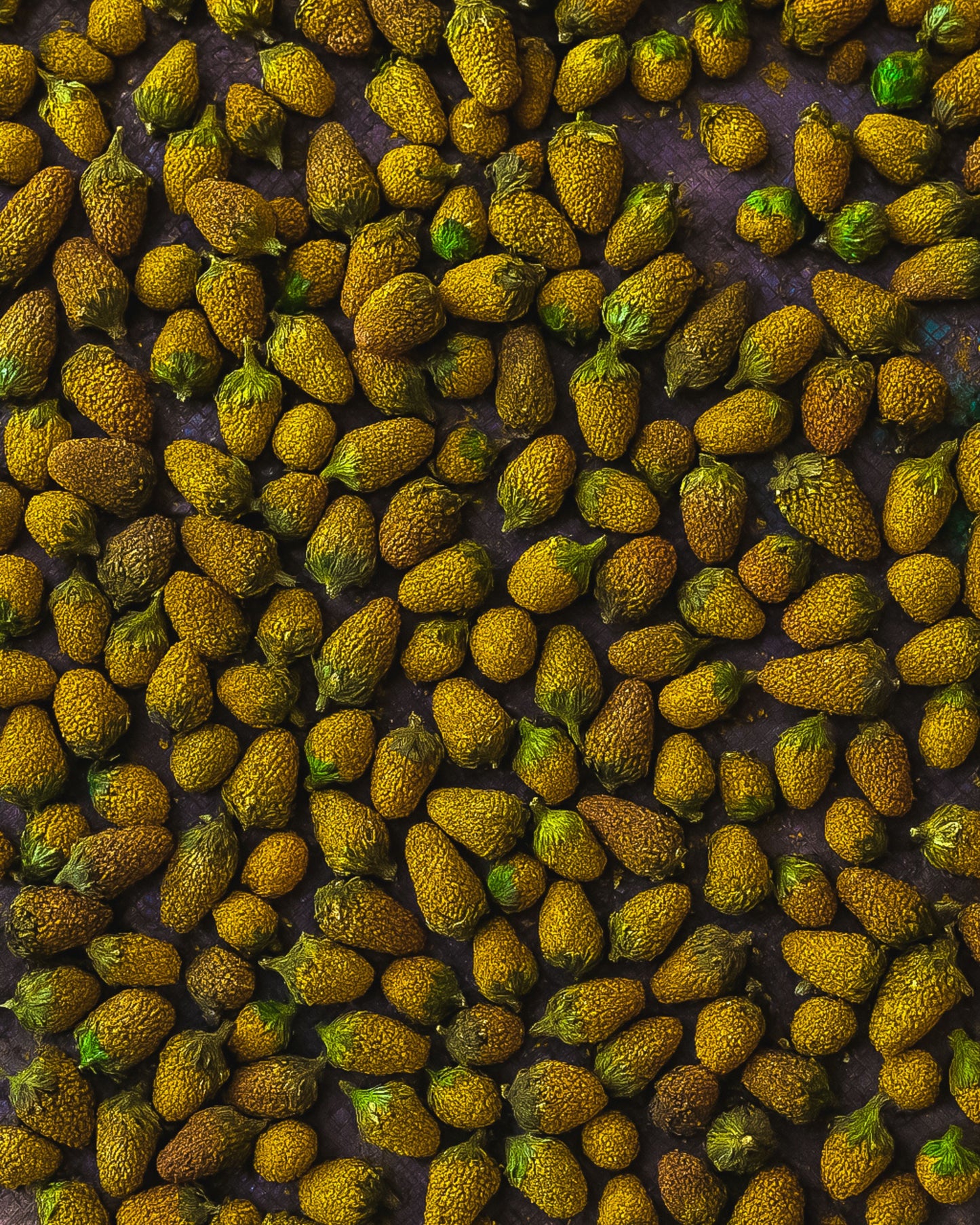
The distinctive yellow cone-shaped flower heads are the most recognizable part of the plant.
They are prized for:
- their vibrant appearance;
- their naturally occurring spilanthol content;
- their unique tingling sensation;
- their ability to transform a dining experience.
They are most often served fresh.
Leaves
The leaves are also edible and provide a completely different culinary experience.
Compared with the flowers, they offer:
- a fresh herbal character;
- mild peppery notes;
- leafy texture suitable for salads;
- attractive green color.
Many chefs use young leaves where a delicate botanical element is desired without the intense sensory effect associated with the flower heads.
Tender Stems
Young stems may also be used in selected dishes, although they are less commonly featured than the flowers and leaves.
Why Chefs Love Acmella oleracea
Modern gastronomy is no longer focused solely on flavor.
Today's chefs design dishes around the complete sensory experience.
This includes:
- appearance;
- aroma;
- texture;
- temperature;
- sound;
- mouthfeel.
Acmella oleracea contributes something very few ingredients can provide:
interaction.
Instead of passively eating a meal, diners actively experience it.
The botanical creates conversation around the table, encourages curiosity, and makes tasting menus more memorable.
This explains why it continues to appear in Michelin-starred restaurants and innovative cocktail bars worldwide.
Fresh Is Usually Best
Although Acmella oleracea can be incorporated into different preparations, fresh flowers remain the preferred choice for many chefs.
Fresh flowers retain:
- crisp texture;
- vibrant color;
- botanical aroma;
- visual impact;
- the characteristic sensory experience associated with naturally occurring spilanthol.
Serving flowers fresh also preserves their sculptural appearance, making them ideal as edible garnishes.

Creative Ways to Cook with Acmella oleracea
One of the greatest strengths of Acmella oleracea is its versatility.
Rather than being limited to a single style of cuisine, it can be incorporated into a wide range of dishes where its visual appeal and distinctive sensory characteristics enhance the overall experience.
Fresh Salads
The young leaves pair beautifully with mixed greens, citrus fruits, cucumber, herbs, and light vinaigrettes. Fresh flower heads can be added as striking edible garnishes that introduce an unexpected element of interaction.
Seafood
Delicate seafood dishes, including oysters, scallops, prawns, and white fish, often pair well with the botanical freshness of Acmella oleracea. Chefs typically use the flowers sparingly so they complement rather than overpower the dish.
Cheese Boards
Fresh flower heads can provide both visual contrast and an engaging tasting experience when served alongside soft cheeses, aged cheeses, fresh fruit, and artisan crackers.
Desserts
Although unexpected, Acmella oleracea can be incorporated into modern desserts where the contrast between sweetness and its sensory properties creates a memorable finish. It is frequently paired with citrus, tropical fruit, or creamy desserts.
Botanical Cocktails and Mocktails
Perhaps the best-known culinary application remains craft beverages. Fresh flowers are often served with cocktails and alcohol-free botanical drinks, encouraging guests to experience the flower before taking a sip.
Pairing Acmella oleracea with Other Ingredients
Because the flowers have a relatively mild flavor, they pair well with ingredients that allow their sensory qualities to stand out.
Popular combinations include:
- lemon;
- lime;
- yuzu;
- grapefruit;
- cucumber;
- mint;
- basil;
- coriander;
- pineapple;
- mango;
- passion fruit;
- coconut;
- vanilla;
- dark chocolate;
- shellfish.
These combinations create balanced dishes where the botanical complements, rather than dominates, the overall flavor profile.
Does Cooking Change the Experience?
Heat can influence the aroma, texture, and sensory characteristics of many edible flowers, including Acmella oleracea.
For this reason, chefs often prefer to:
- add the flowers at the end of cooking;
- serve them fresh;
- use them as edible garnishes;
- incorporate them into cold dishes and beverages.
This approach preserves both their visual appeal and their distinctive culinary identity.
Presentation Is Part of the Experience
Acmella oleracea is a naturally photogenic ingredient.
Its bright yellow, cone-shaped flower heads immediately attract attention and invite curiosity.
Chefs often use them to create:
- elegant plating;
- botanical tasting menus;
- interactive cocktail presentations;
- seasonal dishes;
- modern fine dining experiences.
The flowers encourage diners to ask questions, creating an engaging story around the ingredient.
Frequently Asked Questions
Can you eat the whole Acmella oleracea flower?
Yes. The flower heads are edible and are commonly used fresh in culinary applications.
Are the leaves edible?
Yes. Young leaves are edible and are often used in salads and herb-based dishes.
Does cooking reduce the tingling sensation?
Fresh flowers generally provide the most recognizable sensory experience. Heating may alter the plant's natural characteristics, which is why many chefs use the flowers as a finishing ingredient.
What foods pair well with Acmella oleracea?
Citrus fruits, tropical fruit, seafood, herbs, cheeses, creamy desserts, and botanical beverages all complement Acmella oleracea well.
Why is Acmella oleracea popular in fine dining?
Its combination of striking appearance, edible flowers, and unique sensory properties creates memorable dining experiences that engage multiple senses.
Scientific Summary
Acmella oleracea is one of the most distinctive edible botanicals used in contemporary gastronomy. Both its flowers and leaves are edible, although the flower heads are particularly valued for their naturally occurring spilanthol content and the unique tingling sensation they create. Because heat can influence delicate botanical characteristics, chefs frequently use the flowers fresh in salads, desserts, cocktails, and tasting menus where their visual appeal and sensory qualities can be fully appreciated.
Conclusion
Cooking with Acmella oleracea is about more than adding an edible flower to a plate, it's about creating an experience. From fresh salads and seafood to elegant desserts and botanical cocktails, this remarkable plant offers chefs an opportunity to engage sight, taste, texture, and mouthfeel in ways that few other ingredients can. As interest in edible botanicals continues to grow, Acmella oleracea is becoming an increasingly important ingredient for cooks who want to combine natural beauty with culinary creativity.
Key Takeaways
- Both the flowers and young leaves of Acmella oleracea are edible.
- The flower heads are prized for their naturally occurring spilanthol and distinctive tingling sensation.
- Fresh flowers are generally preferred to preserve appearance and sensory qualities.
- Acmella oleracea pairs well with citrus, seafood, herbs, tropical fruits, cheeses, desserts, and botanical beverages.
- Modern chefs use the plant to create interactive, multi-sensory dining experiences.
- The botanical's versatility makes it a valuable ingredient in contemporary gastronomy.