

Part 1: Discovering Buzz Buttons
If you've ever watched a bartender place a small yellow flower into a cocktail or seen a chef use an unusual edible blossom to surprise diners, chances are you've encountered a Buzz Button.
Known for creating a distinctive tingling and mouth-awakening sensation, Buzz Buttons have become increasingly popular in fine dining, craft cocktails, and molecular gastronomy. Their unique sensory experience has captured the attention of chefs, mixologists, and adventurous food lovers around the world.
But what exactly are Buzz Buttons, why do they create this remarkable sensation, and where do they come from?
Let's explore the fascinating plant behind one of the culinary world's most intriguing edible flowers.
What Are Buzz Buttons?
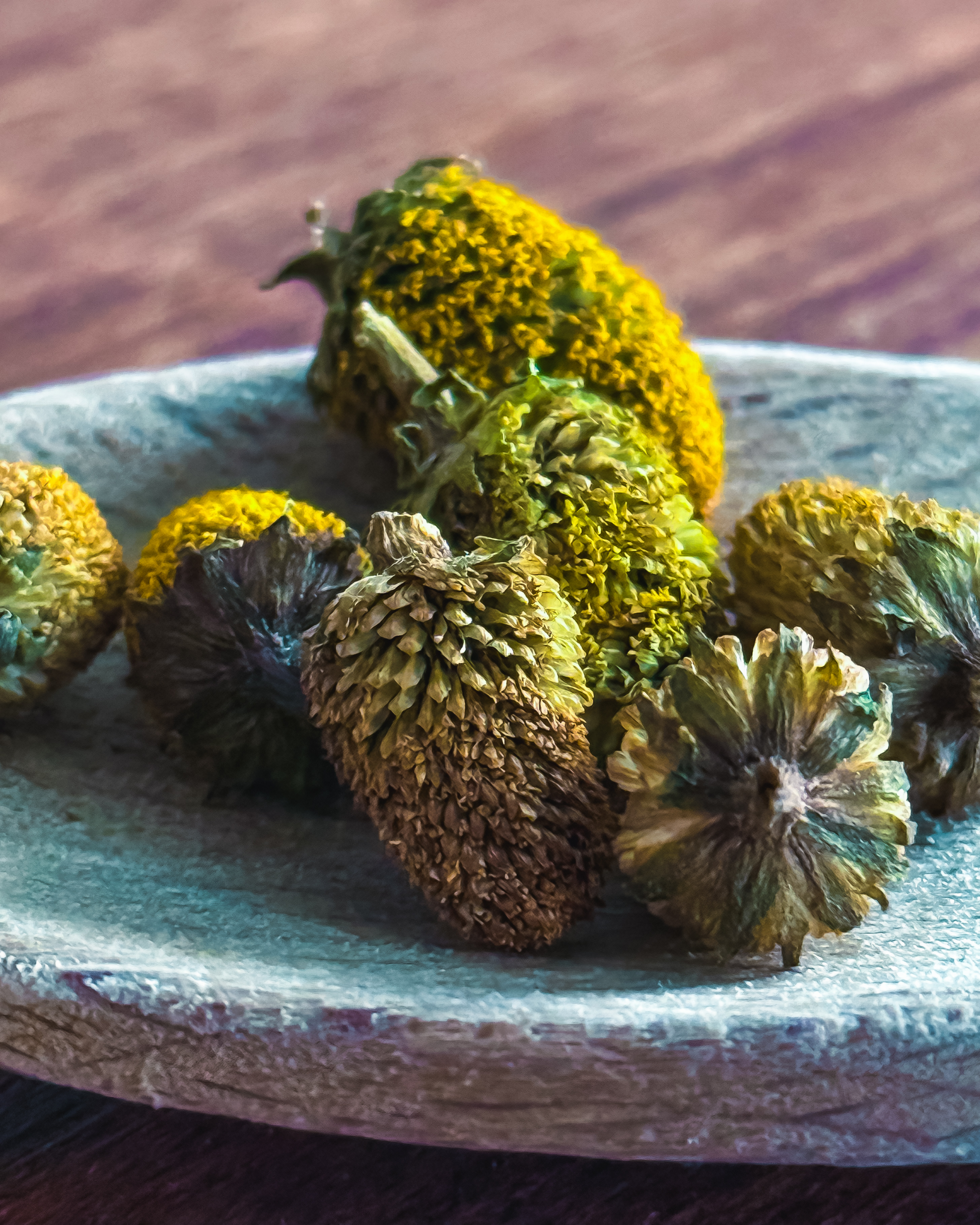
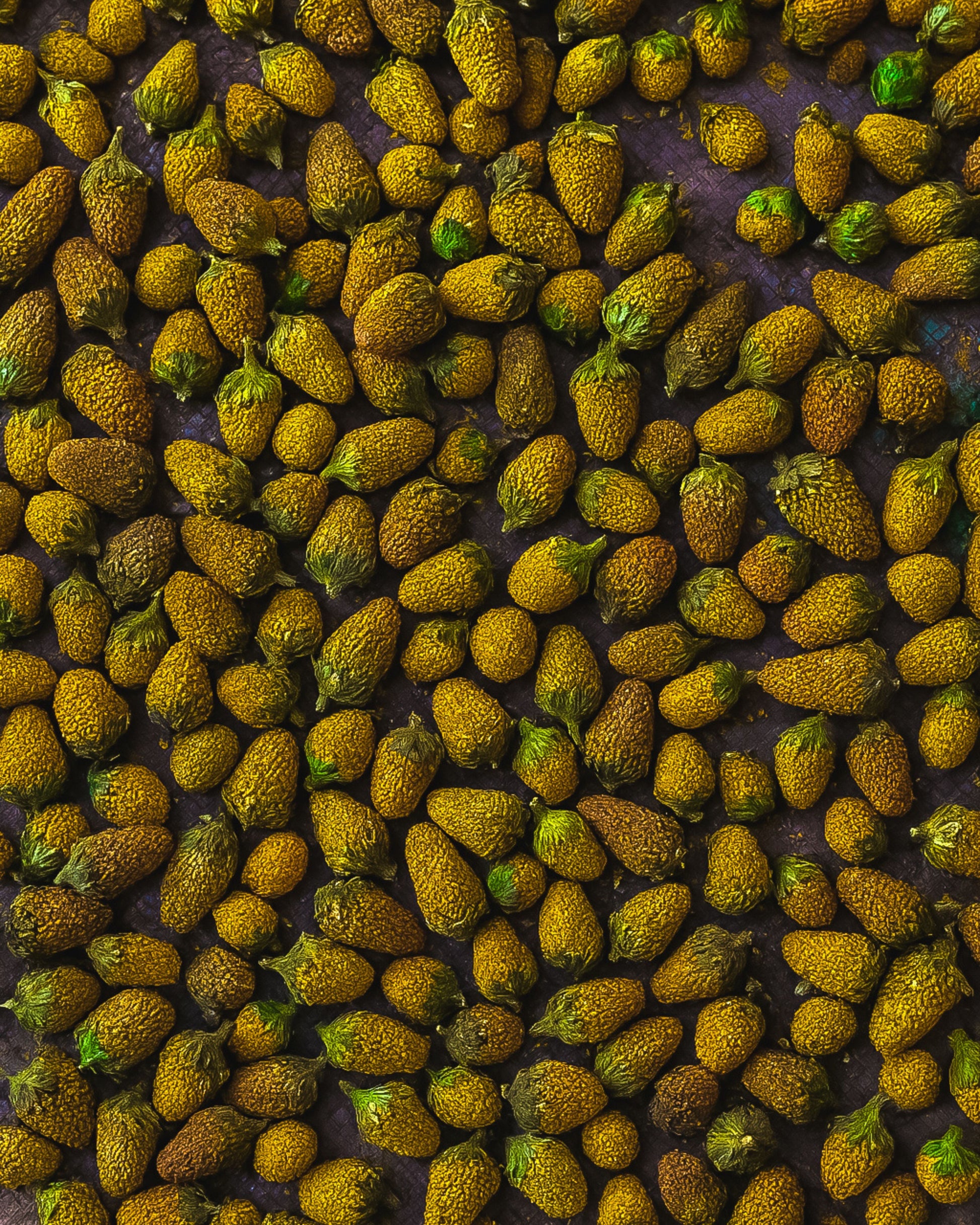
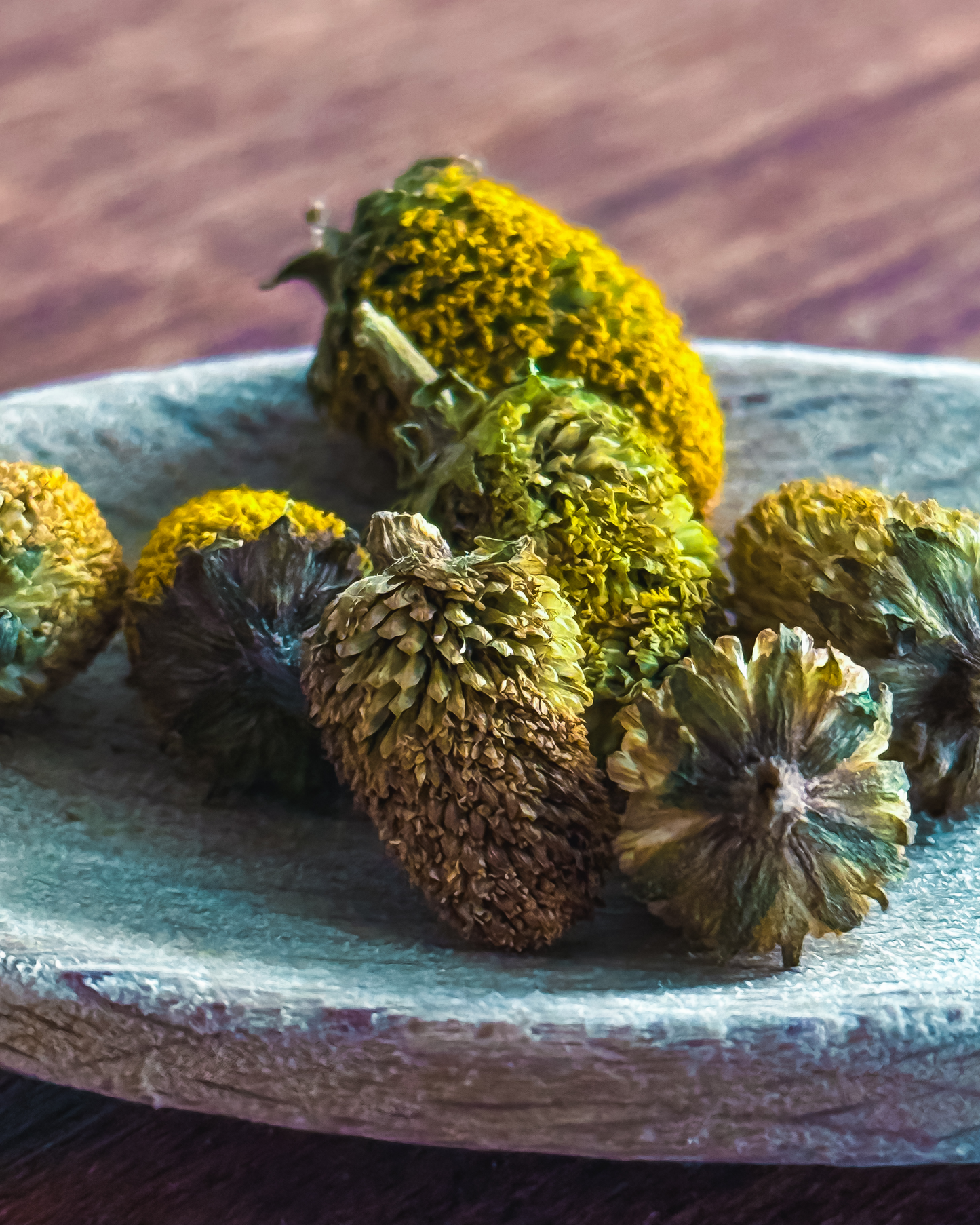
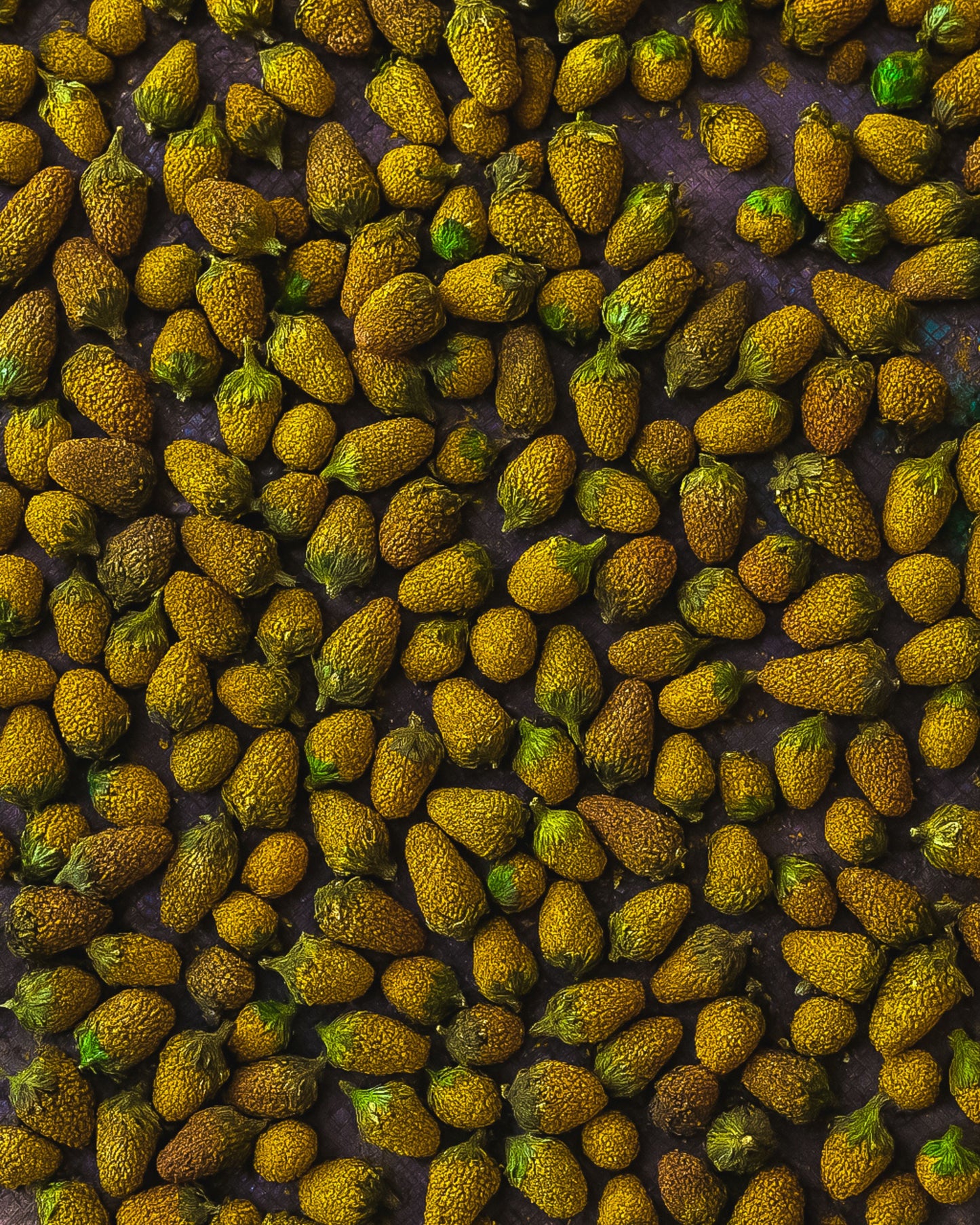
Buzz Buttons are the edible flower heads of Acmella oleracea, a tropical flowering plant belonging to the daisy family (Asteraceae).
Although the plant has been known by many names throughout history, "Buzz Buttons" has become one of its most popular culinary names because of the unusual buzzing, tingling, and cooling sensation the flowers create when eaten.
Depending on where you are in the world, you may also hear them called:
- Electric Daisies
- Toothache Plant
- Sichuan Buttons
- Ting Flowers
- Jambu
- Paracress
Despite their different names, they all refer to the same remarkable plant species, Acmella oleracea.
A Flower with a Unique Reputation
Unlike many edible flowers that are valued primarily for their appearance or fragrance, Buzz Buttons are celebrated for the sensory experience they create.
Within seconds of placing a flower on the tongue, many people notice sensations such as:
- gentle tingling;
- a light fizzing feeling;
- cooling followed by warmth;
- increased mouth awareness;
- a refreshing finish.
The exact experience varies from person to person and depends on factors such as the amount consumed and the freshness of the flower.
For many people, this unexpected sensation becomes a memorable part of the dining experience, making Buzz Buttons a favorite ingredient among creative chefs and bartenders.
The Plant Behind the Buzz
Acmella oleracea is native to tropical regions of South America but is now cultivated in many warm climates around the world.
It is a low-growing herb with bright green leaves and distinctive cone-shaped yellow flower heads that have a small reddish-brown center.
The plant is appreciated for several characteristics:
- attractive edible flowers;
- fast-growing nature;
- versatility in culinary applications;
- adaptability to warm climates;
- unique naturally occurring compounds.
Today, Acmella oleracea is grown not only for culinary purposes but also for botanical research and use in cosmetic ingredient development.
Why Do Buzz Buttons Create a Tingling Sensation?
The remarkable sensory experience associated with Buzz Buttons comes primarily from a naturally occurring compound called spilanthol.
Spilanthol is found throughout the plant but is particularly concentrated in the flower heads, which are commonly used in culinary applications.
When the flower is chewed, spilanthol interacts with sensory receptors in the mouth, creating the characteristic tingling, buzzing, and cooling sensations that have made Buzz Buttons famous.
Importantly, this is a sensory experience rather than a flavor in the traditional sense.
Rather than tasting intensely sweet, salty, sour, or bitter, Buzz Buttons are best known for how they make the mouth feel.
This unusual characteristic explains why they continue to fascinate chefs, food scientists, and culinary innovators.
What Do Buzz Buttons Taste Like?
The flavor of Buzz Buttons is often described as surprisingly mild.
Many people notice subtle notes that are:
- fresh;
- herbal;
- slightly grassy;
- lightly peppery;
- mildly citrus-like.
These delicate flavors are quickly overshadowed by the plant's distinctive tingling sensation, which typically becomes the dominant part of the experience.
Because the flowers contribute both flavor and texture, they offer chefs an opportunity to create dishes that engage multiple senses at once.
Why Have Buzz Buttons Become So Popular?
Modern dining increasingly focuses on creating memorable experiences rather than simply serving delicious food.
Buzz Buttons fit perfectly into this trend because they encourage diners to experience food in a new and unexpected way.
Today they are commonly featured in:
- tasting menus;
- signature cocktails;
- botanical mocktails;
- gourmet desserts;
- edible garnishes;
- molecular gastronomy.
Rather than acting as the main ingredient, Buzz Buttons are often used to add an element of surprise that transforms an ordinary dish or drink into something guests remember long after the meal has ended.
Buzz Buttons and Modern Gastronomy
The growing popularity of Buzz Buttons reflects a broader movement toward interactive dining experiences.
Chefs increasingly explore ingredients that stimulate more than just taste.
Texture, aroma, temperature, presentation, and mouthfeel all contribute to how people experience food.
Buzz Buttons naturally fit within this philosophy because they provide a distinctive oral sensation while remaining visually attractive as edible flowers.
This combination of beauty and sensory impact explains why they continue to appear on the menus of innovative restaurants and cocktail bars around the world.
More Than a Culinary Curiosity
Although many people first encounter Buzz Buttons in food or drinks, the plant has attracted attention far beyond the culinary world.
Researchers have studied its naturally occurring compounds, while cosmetic formulators have explored Acmella oleracea as a botanical ingredient in skincare and oral care products.
These different applications all begin with the same remarkable plant, demonstrating how one botanical species can inspire innovation across multiple industries.
Looking Ahead
Buzz Buttons are much more than an eye-catching edible flower.
Their distinctive tingling sensation, fascinating botanical background, and growing popularity in modern gastronomy have made them one of the most talked-about ingredients in contemporary cuisine.
In the next chapter, we'll explore how chefs and mixologists use Buzz Buttons in cocktails, desserts, and fine dining, as well as practical tips for enjoying this remarkable edible flower responsibly.
Key Takeaways from Part 1
- Buzz Buttons are the edible flower heads of Acmella oleracea.
- They are known for producing a distinctive tingling and buzzing sensation in the mouth.
- The sensory experience is primarily associated with the naturally occurring compound spilanthol.
- Buzz Buttons are widely used in fine dining, craft cocktails, molecular gastronomy, and edible floral garnishes.
- Their appeal lies in creating a memorable sensory experience rather than delivering a strong traditional flavor.
- The same botanical species is also of interest in cosmetic and oral care formulation, highlighting the versatility of Acmella oleracea.

PART 2
How Are Buzz Buttons Used in Food and Mixology?
Buzz Buttons have become one of the most exciting edible flowers in modern gastronomy because they offer something that few other ingredients can, a memorable sensory experience.
Rather than simply adding color or decoration to a dish, they encourage diners to experience food in a completely different way. Their distinctive tingling sensation makes them a favorite among chefs, bartenders, and culinary innovators looking to create interactive dining experiences.
Today, Buzz Buttons can be found in restaurants, cocktail bars, tasting menus, and culinary events around the world.
A Unique Ingredient for Creative Chefs
Professional chefs often look beyond flavor when designing a dish.
Modern cuisine considers multiple sensory elements, including:
- appearance;
- aroma;
- texture;
- temperature;
- mouthfeel;
- presentation.
Buzz Buttons contribute primarily to the final two.
The flowers are often served as a finishing ingredient that surprises guests with an unexpected sensation after the first bite.
Rather than dominating a recipe, they are usually incorporated thoughtfully to complement the overall dining experience.
Buzz Buttons in Fine Dining
Many fine dining restaurants use Buzz Buttons as edible garnishes or as part of carefully designed tasting menus.
They may appear alongside:
- seafood;
- fresh salads;
- citrus-based dishes;
- tropical fruit;
- cheeses;
- desserts.
Their bright yellow flower heads add visual appeal while introducing a playful element that encourages conversation around the table.
For many guests, encountering Buzz Buttons becomes one of the most memorable moments of the meal.
Buzz Buttons in Craft Cocktails
Perhaps nowhere have Buzz Buttons gained more popularity than in the world of craft cocktails.
Bartenders appreciate the flowers because they transform the drinking experience into something interactive.
A Buzz Button may be served:
- as an edible garnish;
- alongside the drink;
- before the first sip;
- incorporated into cocktail presentations.
Many mixologists encourage guests to chew part of the flower before taking a sip of their cocktail, allowing the botanical's unique sensory characteristics to become part of the overall tasting experience.
This combination of flavor, aroma, and mouthfeel has made Buzz Buttons a signature ingredient in many innovative cocktail bars.
Beyond Cocktails: Mocktails and Botanical Drinks
Buzz Buttons are not limited to alcoholic beverages.
They are increasingly featured in:
- botanical mocktails;
- sparkling refreshments;
- herbal infusions;
- tasting flights;
- alcohol-free cocktail menus.
As demand for premium non-alcoholic beverages continues to grow, chefs and bartenders are exploring creative ways to deliver memorable sensory experiences without relying on alcohol.
Buzz Buttons fit naturally within this trend, offering an engaging botanical element that complements fresh fruits, herbs, and citrus flavors.
Pairing Buzz Buttons with Food
Because Buzz Buttons have a relatively mild flavor, they pair well with a wide variety of ingredients.
Popular combinations include:
- citrus fruits;
- pineapple;
- mango;
- passion fruit;
- cucumber;
- mint;
- basil;
- seafood;
- dark chocolate.
Rather than overpowering other ingredients, the flowers introduce an additional sensory layer that enhances the overall experience.
Creative chefs often experiment with different combinations to discover new textures and flavor contrasts.
Buzz Buttons and Molecular Gastronomy
Buzz Buttons have become closely associated with molecular gastronomy, a style of cooking that combines culinary creativity with scientific understanding.
This approach encourages chefs to explore:
- unexpected textures;
- surprising presentations;
- interactive dining;
- sensory perception;
- innovative ingredient combinations.
Because Buzz Buttons naturally create an unusual oral sensation, they fit perfectly within this style of cuisine.
Instead of relying on artificial effects, chefs can use a naturally occurring botanical ingredient to create a memorable experience.
Presentation Matters
Presentation plays an important role in how Buzz Buttons are used.
Their small, cone-shaped flowers add visual interest while signaling to diners that they are about to experience something unique.
Common presentation styles include:
- whole fresh flower heads;
- edible floral garnishes;
- decorative tasting plates;
- cocktail picks;
- botanical serving boards.
Because the flowers are visually distinctive, they often become a conversation starter before the first bite or sip.
Why Mixologists Love Buzz Buttons
For bartenders, creating memorable experiences is just as important as balancing flavors.
Buzz Buttons allow them to introduce an element of surprise that guests are likely to remember and share.
The flowers work particularly well in cocktails featuring:
- citrus;
- tropical fruits;
- herbal botanicals;
- floral ingredients;
- sparkling mixers.
Their growing popularity reflects a broader movement toward immersive food and beverage experiences where multiple senses are engaged simultaneously.
Choosing High-Quality Buzz Buttons
As interest in Buzz Buttons continues to grow, sourcing quality flowers becomes increasingly important.
Professional chefs and mixologists often look for flowers that are:
- fresh;
- carefully harvested;
- visually vibrant;
- properly stored;
- supplied by trusted growers.
For products made from Acmella oleracea, such as botanical extracts used in cosmetic and oral care formulations, quality also depends on responsible sourcing, botanical identification, and appropriate extraction methods.
This shared emphasis on quality highlights the importance of understanding the plant from cultivation through to its final application.
Looking Ahead
Buzz Buttons have become an exciting ingredient in modern cuisine because they offer far more than visual appeal.
Their ability to create an interactive sensory experience has made them a favorite among chefs, bartenders, and culinary innovators seeking to surprise and delight guests.
In the final chapter, we'll explore the history of Buzz Buttons, their traditional uses around the world, answer frequently asked questions, and explain how this remarkable edible flower continues to inspire innovation in gastronomy, botanical research, and cosmetic science.
Key Takeaways from Part 2
- Buzz Buttons are widely used in fine dining, craft cocktails, and molecular gastronomy.
- Their value lies in creating a distinctive sensory experience rather than adding strong flavor.
- They pair well with citrus fruits, herbs, tropical ingredients, seafood, and desserts.
- Mixologists use Buzz Buttons to create memorable and interactive drinking experiences.
- Fresh, high-quality flowers and responsible sourcing contribute to the best culinary experience.
- The growing popularity of Buzz Buttons reflects increasing interest in immersive dining and botanical ingredients.
PART 3
The History and Global Appeal of Buzz Buttons
Although Buzz Buttons have recently gained popularity in modern gastronomy, the plant behind them has a much longer history.
Known botanically as Acmella oleracea, this remarkable flowering plant has been cultivated and appreciated in tropical regions for generations. Over time, it has travelled from traditional gardens to professional kitchens, cocktail bars, botanical collections, and research laboratories around the world.
Today, Buzz Buttons represent an exciting example of how a single plant can connect culinary creativity, botanical science, and sensory innovation.
Why Are They Called Buzz Buttons?
The name Buzz Button is inspired by the distinctive sensation many people experience after chewing the flower.
Rather than referring to a specific botanical variety, it is a popular culinary name that reflects the flower's unique ability to create a buzzing or tingling feeling in the mouth.
Other common names include:
- Electric Daisy
- Toothache Plant
- Sichuan Button
- Ting Flower
- Jambu
- Paracress
While these names vary by region and industry, they generally refer to the same plant species, Acmella oleracea.
Understanding these different names can help consumers recognize the plant whether they encounter it in a restaurant, garden center, botanical article, or cosmetic ingredient list.
Buzz Buttons Around the World
Today, Buzz Buttons are enjoyed in many different settings.
They appear in:
- fine dining restaurants;
- craft cocktail bars;
- botanical gardens;
- culinary schools;
- food festivals;
- home gardens.
Their growing popularity reflects a broader appreciation for edible flowers and ingredients that create memorable dining experiences.
As chefs continue exploring new ways to engage the senses, Buzz Buttons have become an increasingly recognizable feature of contemporary cuisine.
More Than an Edible Flower
One reason Buzz Buttons continue to attract attention is their versatility.
Beyond their culinary use, Acmella oleracea has become the subject of growing interest in several fields, including:
- botanical research;
- horticulture;
- cosmetic ingredient development;
- oral care formulation;
- sustainable agriculture.
This diversity demonstrates how one botanical species can inspire innovation across multiple industries while remaining closely connected to its natural origins.
Choosing Quality Matters
Whether Buzz Buttons are grown for culinary use or processed into botanical extracts, quality begins with responsible cultivation and careful handling.
Professional growers and producers consider factors such as:
- botanical identification;
- harvesting at the appropriate stage of growth;
- freshness;
- storage conditions;
- traceability.
For cosmetic and oral care ingredients, additional considerations include extraction methods, manufacturing consistency, and formulation quality.
This shared emphasis on quality highlights the importance of understanding the entire journey of the plant, from cultivation to its final application.
Frequently Asked Questions
Are Buzz Buttons edible?
Yes. Buzz Buttons are widely used as edible flowers in culinary applications, particularly in fine dining, craft cocktails, and botanical beverages. As with any edible plant, they should be sourced from suppliers that produce flowers specifically intended for food use.
Are Buzz Buttons the same as Acmella oleracea?
Yes. Buzz Button is one of several common names used for the flowering plant Acmella oleracea.
Why do Buzz Buttons make your mouth tingle?
The characteristic tingling sensation is primarily associated with spilanthol, a naturally occurring compound found in the plant, especially within the flower heads.
Do Buzz Buttons have a strong flavor?
Most people describe the flowers as having a mild herbal or slightly peppery taste. The sensory tingling experience is generally much more noticeable than the flavor itself.
Where are Buzz Buttons used?
Buzz Buttons are commonly used in:
- cocktails;
- mocktails;
- tasting menus;
- gourmet desserts;
- edible garnishes;
- molecular gastronomy.
Are Buzz Buttons used outside the culinary world?
Yes. Acmella oleracea is also of interest in botanical research and is incorporated into selected cosmetic and oral care formulations because of its naturally occurring botanical compounds.
Scientific Summary
Buzz Buttons are the edible flower heads of Acmella oleracea, a tropical plant recognized for the distinctive tingling sensation associated with its naturally occurring compound, spilanthol. Their unique sensory profile has made them increasingly popular in fine dining, craft cocktails, molecular gastronomy, and botanical beverages.
Beyond culinary applications, Acmella oleracea is also studied within botanical research and incorporated into premium cosmetic and oral care formulations. Whether used as an edible flower or a botanical ingredient, quality depends on responsible cultivation, proper botanical identification, and careful handling throughout production.
Conclusion
Buzz Buttons are far more than an eye-catching edible flower.
Their combination of subtle flavor, striking appearance, and memorable sensory experience has earned them a place in modern gastronomy, where chefs and mixologists continue to develop creative ways of delighting diners.
At the same time, the botanical plant behind Buzz Buttons, Acmella oleracea, continues to inspire innovation in fields ranging from horticulture and botanical science to skincare and oral care formulation.
Understanding the story behind Buzz Buttons helps us appreciate not only the flower itself, but also the remarkable plant that has captured the imagination of chefs, researchers, formulators, and food enthusiasts around the world.