

Spilanthol vs. CBD
Quick Answer
Spilanthol and CBD are both naturally occurring plant compounds used in skincare and botanical products, but they are chemically unrelated and interact with the body through different biological pathways. Spilanthol is an alkylamide found primarily in Acmella oleracea, while CBD (cannabidiol) is a cannabinoid derived from Cannabis sativa. Although both are being studied for topical applications, they differ in botanical origin, molecular structure, biological activity, regulatory context, and the current strength of scientific evidence.
At a Glance
| Feature | Spilanthol | CBD |
|---|---|---|
| Natural Source | Acmella oleracea | Cannabis sativa |
| Compound Class | N-alkylamide | Phytocannabinoid |
| Psychoactive | No | No |
| Primary Commercial Use | Botanical cosmetics | Wellness, skincare, pharmaceuticals (specific contexts) |
| Characteristic Sensation | Tingling | None |
| Research Fields | Cosmetic science, phytochemistry, sensory biology | Dermatology, neuroscience, cannabinoid science, pharmacology |
| Typical Botanical Source | Flower heads | Hemp flowers and aerial parts |
Table of Contents
- Introduction
- What Is Spilanthol?
- What Is CBD?
- Botanical Origins
- Chemical Classification
- Are They Related?
- Key Differences at a Glance
- Summary
Introduction
Natural plant compounds are attracting increasing attention from researchers, cosmetic formulators, and consumers seeking innovative botanical ingredients. Among the many bioactive molecules being studied today, Spilanthol and CBD (cannabidiol) are two of the most frequently discussed.
At first glance, they appear to have much in common.
Both originate from plants.
Both are naturally derived compounds.
Both are used in topical formulations.
Both have become popular in modern skincare.
Yet beyond these broad similarities, they are fundamentally different molecules.
They belong to different chemical families, are produced by entirely different plant species, interact with different biological systems, and are supported by different bodies of scientific evidence.
Unfortunately, online comparisons often oversimplify these distinctions. Some articles suggest that Spilanthol behaves like CBD, while others imply that the two ingredients can be used interchangeably. Neither statement accurately reflects the current scientific understanding.
The reality is more interesting.
Spilanthol and CBD represent two separate branches of botanical chemistry that happen to share certain practical applications while differing substantially in origin, molecular structure, biological activity, and research history.
This guide examines both compounds through the lens of modern science.
Rather than asking which ingredient is "better," we'll explore what each molecule is, how it differs from the other, and why both have become important subjects of botanical research.
Throughout this article, we distinguish between well-established evidence, emerging research, and areas where scientists are still seeking answers.
What Is Spilanthol?
Spilanthol is a naturally occurring N-alkylamide, a class of bioactive compounds produced by certain plant species.
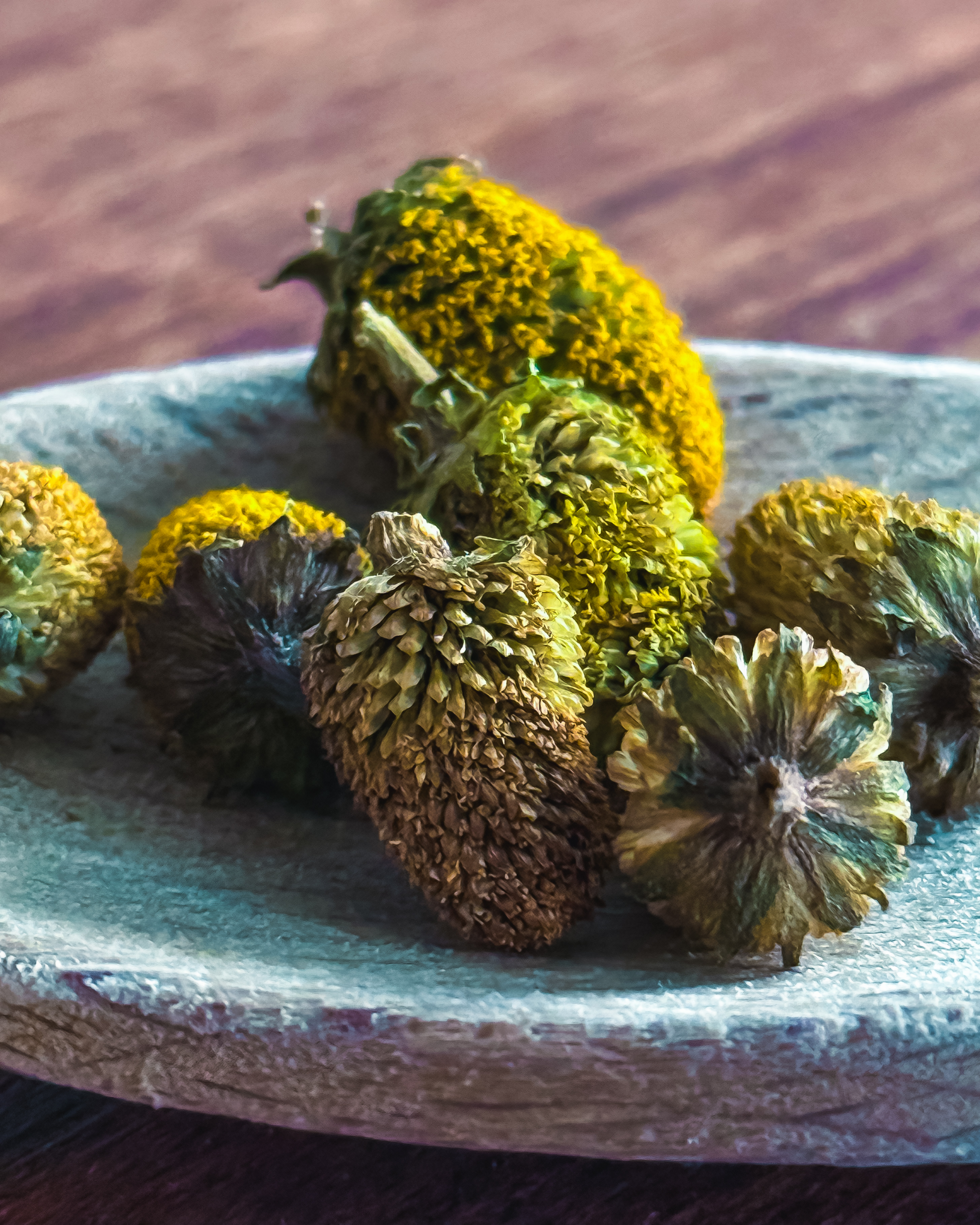
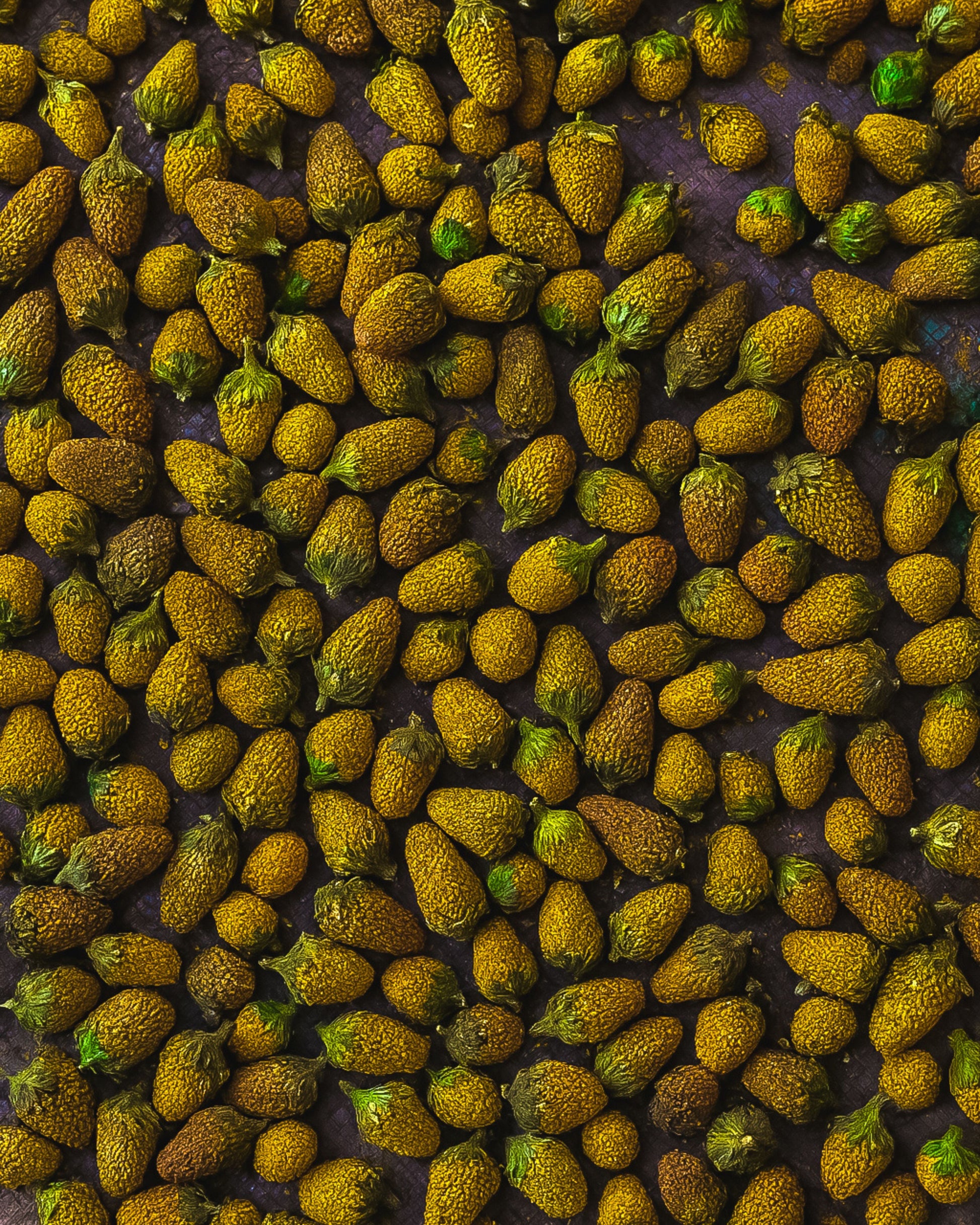
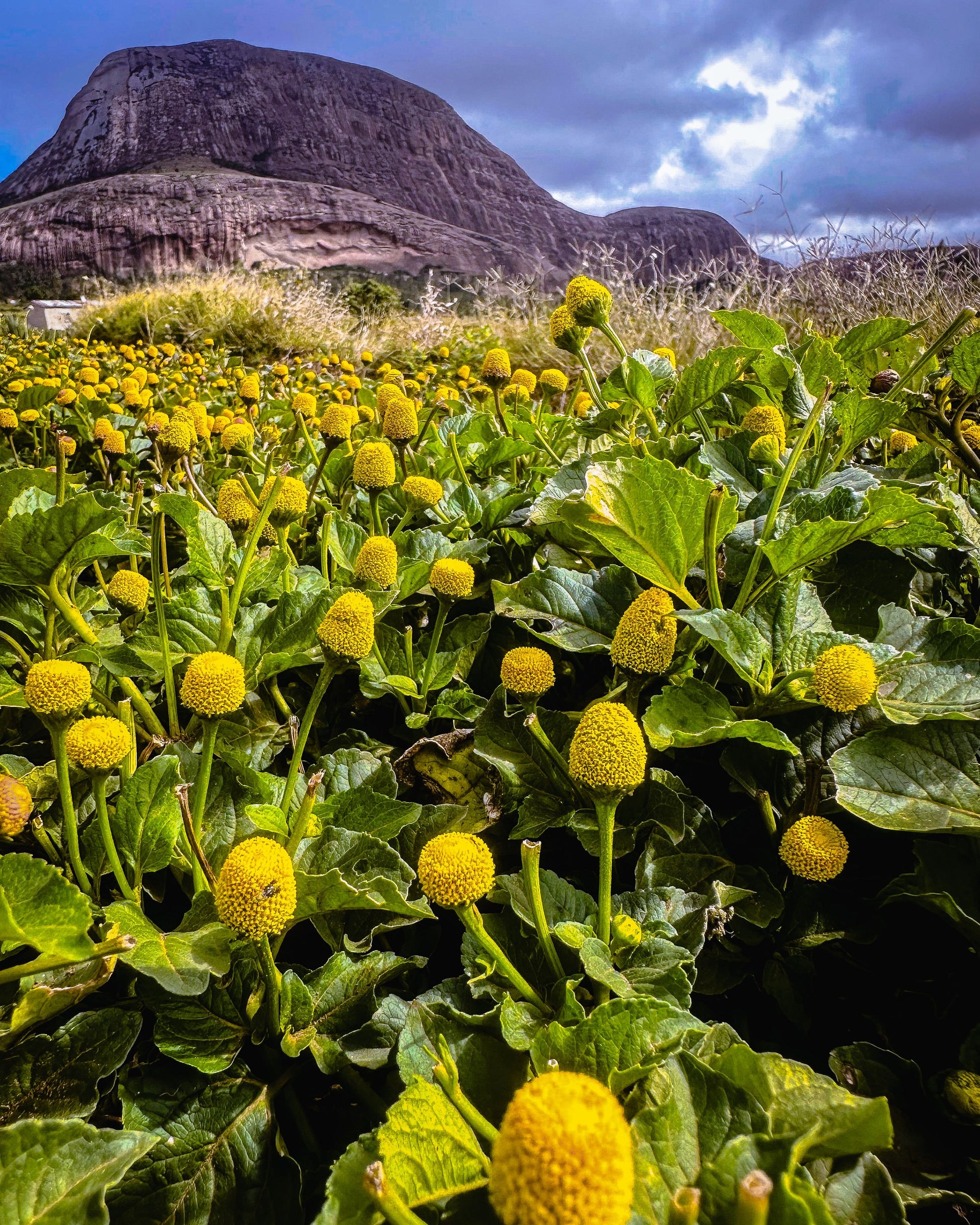
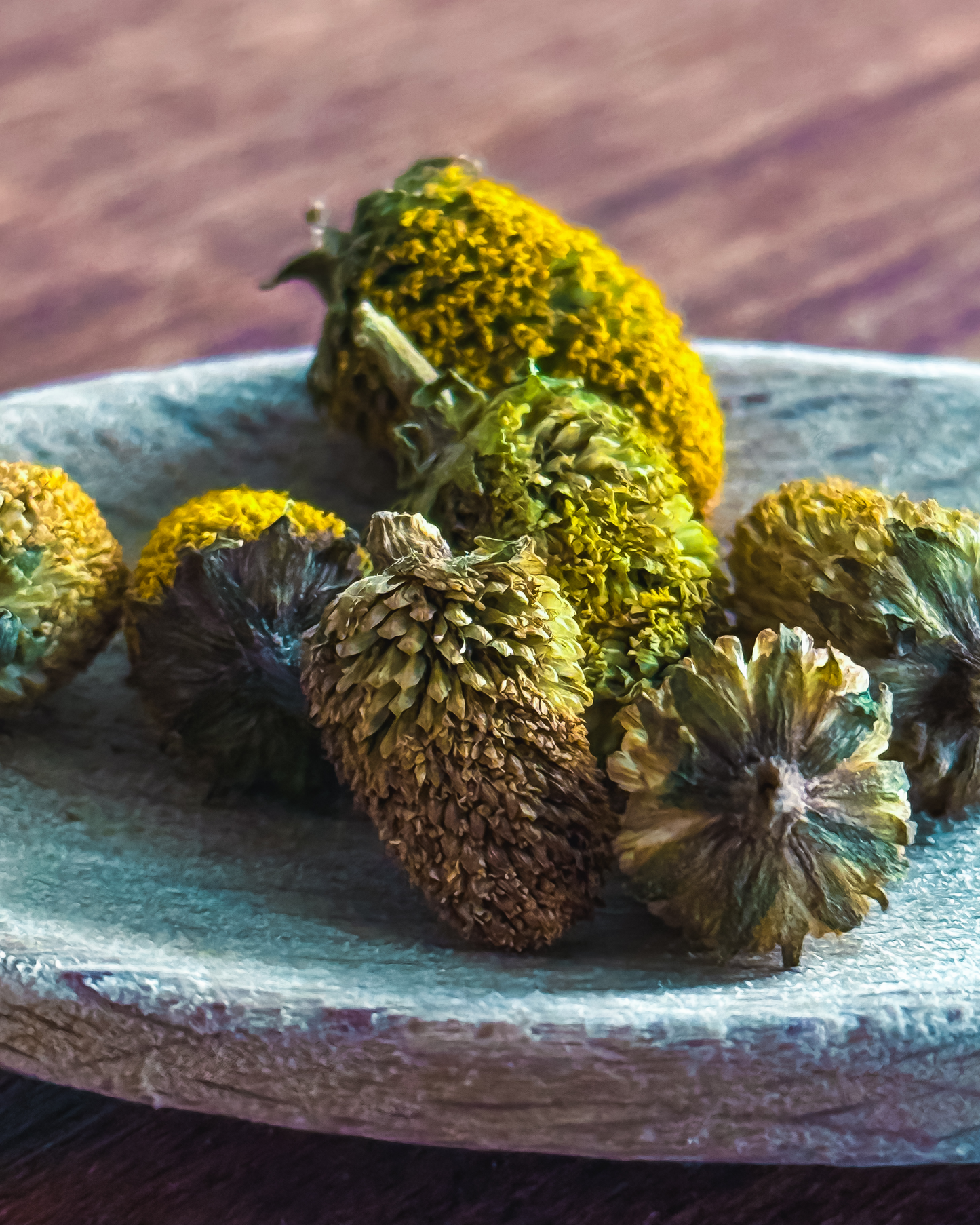
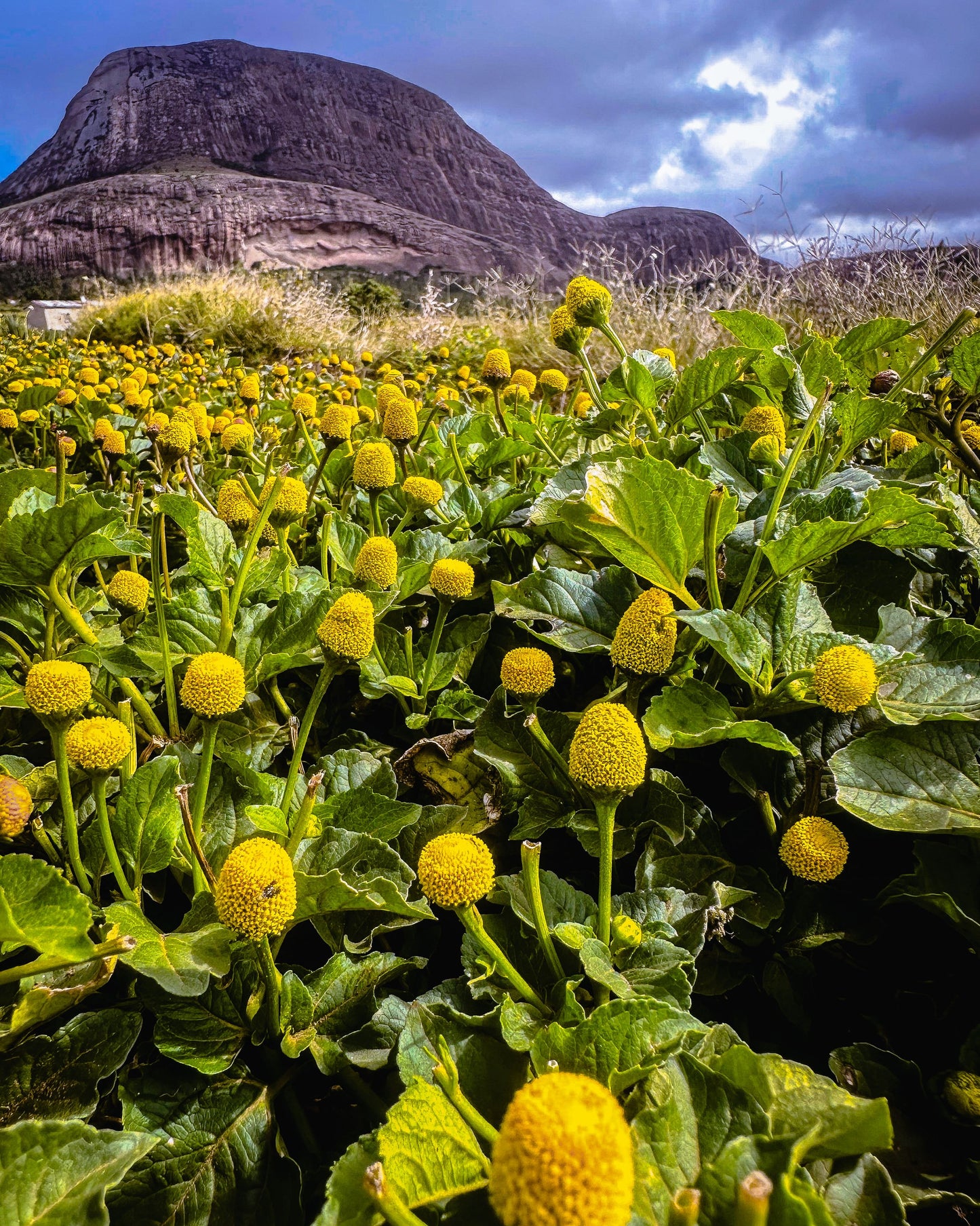
Its richest known natural source is Acmella oleracea, a flowering tropical plant commonly known as the Buzz Button, Electric Daisy, Toothache Plant, Paracress, or Jambu.
Within the plant, Spilanthol is concentrated primarily in the flower heads and is responsible for the distinctive tingling, buzzing, and mildly numbing sensation experienced when they are chewed.
Unlike vitamins or essential oils, Spilanthol is classified as a secondary metabolite. These compounds are produced by plants to help them interact with their environment, contributing to defense, ecological adaptation, and other specialized biological functions.
Today, Spilanthol is studied in several scientific fields, including:
- phytochemistry
- cosmetic science
- sensory biology
- pharmacognosy
- analytical chemistry
- food science
Its relatively small molecular size and lipophilic nature have also made it an ingredient of growing interest for topical cosmetic formulations.
--> Related article: What Is Spilanthol?
What Is CBD?
CBD, short for cannabidiol, is one of more than one hundred naturally occurring phytocannabinoids identified in Cannabis sativa.
Unlike tetrahydrocannabinol (THC), CBD is not considered intoxicating and does not produce the characteristic psychoactive effects associated with cannabis.
CBD is extracted primarily from hemp varieties of Cannabis sativa, which are cultivated specifically for their low THC content and high CBD concentration.
Over the past two decades, CBD has become one of the most extensively researched plant-derived compounds in the world.
Researchers have investigated CBD across numerous disciplines, including:
- dermatology
- neuroscience
- pain research
- pharmacology
- inflammation biology
- psychiatry
Its biological activity is complex and continues to be studied. Rather than acting through a single pathway, CBD appears to influence multiple molecular targets, including components of the endocannabinoid system as well as several non-cannabinoid receptors and signaling pathways.
This complexity distinguishes CBD from many other botanical compounds and explains why research into its mechanisms remains active.
Botanical Origins
Although both compounds originate from plants, their botanical backgrounds differ considerably.
Spilanthol
Source plant:
Acmella oleracea
Family:
Asteraceae
Common names:
- Buzz Button
- Electric Daisy
- Toothache Plant
- Paracress
- Jambu
- Acmella Spilanthes
Native distribution:
Tropical South America, now cultivated in several tropical and subtropical regions, including Madagascar.
CBD
Source plant:
Cannabis sativa
Family:
Cannabaceae
Common names:
- Hemp
- Cannabis
Native distribution:
Originally Central Asia, now cultivated worldwide under varying agricultural and regulatory frameworks.
Botanical Comparison
| Characteristic | Spilanthol | CBD |
|---|---|---|
| Source Species | Acmella oleracea | Cannabis sativa |
| Plant Family | Asteraceae | Cannabaceae |
| Primary Harvested Material | Flower heads | Flowers and aerial parts |
| Traditional Culinary Use | Yes | Limited (varies by product and region) |
| Cosmetic Ingredient | Yes | Yes |
Despite both being plant-derived, these species are not closely related from a botanical perspective.
Chemical Classification
This is where the two compounds diverge even more clearly.
Spilanthol
Chemical family:
N-alkylamides
Spilanthol belongs to a relatively small group of naturally occurring plant compounds known for their sensory and biological activity.
CBD
Chemical family:
Phytocannabinoids
Cannabidiol belongs to an entirely different class of molecules unique to Cannabis species.
Its chemical architecture, biosynthetic pathway, and biological interactions differ fundamentally from those of alkylamides.
Side-by-Side Chemical Comparison
| Property | Spilanthol | CBD |
|---|---|---|
| Compound Class | N-alkylamide | Phytocannabinoid |
| Plant Origin | Acmella oleracea | Cannabis sativa |
| Naturally Occurring | Yes | Yes |
| Lipophilic | Yes | Yes |
| Water Solubility | Low | Low |
| Psychoactive | No | No |
| Principal Commercial Sector | Botanical cosmetics | Wellness, pharmaceuticals, cosmetics |
One interesting similarity is that both molecules are lipophilic, meaning they dissolve more readily in oils than in water. This characteristic influences extraction methods, formulation strategies, and their behavior in topical products.
However, sharing a lipophilic nature does not mean they function in the same way biologically.
Are Spilanthol and CBD Related?
This is one of the most common questions people ask—and one of the most misunderstood.
The short answer is:
No.
Although both compounds are naturally derived from plants and are used in some skincare products, they are not chemically related.
They are produced by different plant families through different biosynthetic pathways.
They belong to different chemical classes.
They interact with different biological systems.
Their scientific literature has developed independently.
Comparing Spilanthol to CBD is similar to comparing caffeine and curcumin. Both are plant-derived molecules with biological activity, but their chemistry, mechanisms, and applications are fundamentally different.
Understanding this distinction helps avoid many of the misconceptions that appear in online discussions about botanical ingredients.
Scientific Comparison Scorecard
Note: This scorecard compares the current maturity and breadth of scientific research, not which ingredient is "better."
| Category | Spilanthol | CBD |
|---|---|---|
| Chemical Characterization | ⭐⭐⭐⭐⭐ | ⭐⭐⭐⭐⭐ |
| Botanical Research | ⭐⭐⭐⭐☆ | ⭐⭐⭐⭐⭐ |
| Cosmetic Research | ⭐⭐☆☆☆ | ⭐⭐⭐⭐☆ |
| Clinical Research | ⭐⭐☆☆☆ | ⭐⭐⭐⭐⭐ |
| Sensory Biology | ⭐⭐⭐⭐⭐ | ⭐⭐☆☆☆ |
| Regulatory Research | ⭐⭐☆☆☆ | ⭐⭐⭐⭐⭐ |
This overview illustrates that the two compounds have been explored in different scientific contexts. CBD has a broader body of clinical and regulatory research, while Spilanthol has developed a particularly strong niche in phytochemistry, sensory biology, and cosmetic science.
How Do Spilanthol and CBD Work?
Now that we've explored what Spilanthol and CBD are and where they come from, the next question is perhaps the most important:
How do these botanical compounds actually work once they're used?
Although both molecules are derived from plants and both are found in topical skincare formulations, they interact with the body through fundamentally different biological pathways.
This distinction explains why comparing Spilanthol to CBD is often misleading.
Rather than producing the same biological effects through different plants, they represent two entirely separate branches of natural product chemistry.
Understanding these differences helps consumers, formulators, and researchers make more informed decisions about how, and when each ingredient may be appropriate.
How Does Spilanthol Work?
Spilanthol is best known for its remarkable sensory properties.
Anyone who has chewed a fresh Acmella oleracea flower head experiences its effects almost immediately: a tingling sensation followed by increased salivation and a mild, temporary numbing effect.
Modern research suggests these sensations arise because Spilanthol interacts with specialized sensory receptors located on nerve endings.
Current evidence particularly implicates members of the Transient Receptor Potential (TRP) family of ion channels, especially:
- TRPA1
- TRPV1
These receptors play important roles in detecting chemical stimuli, temperature, and mechanical irritation.
When Spilanthol interacts with these receptors, ion movement across the nerve cell membrane changes temporarily. The nervous system interprets these signals as tingling, buzzing, warmth, or mild numbness.
Unlike compounds that produce permanent changes in nerve function, these effects are generally transient and reversible.
Beyond its sensory activity, Spilanthol's relatively small molecular size and lipophilic character allow it to penetrate the skin efficiently. This combination of sensory interaction and favorable skin penetration has made it an increasingly interesting ingredient in cosmetic science.
Related article: How Does Spilanthol Work? (Internal Link)
How Does CBD Work?
CBD has a much more complex pharmacological profile.
Unlike THC, CBD does not simply activate cannabinoid receptors.
Instead, current research suggests CBD influences multiple biological systems simultaneously.
Scientists have investigated interactions involving:
- components of the endocannabinoid system
- TRPV1 channels
- serotonin-related pathways
- PPARγ signaling
- adenosine transport
- additional molecular targets that continue to be studied
Rather than producing one specific biological effect, CBD appears to act as a multitarget modulator, meaning its overall activity likely results from numerous small interactions occurring simultaneously.
This complexity helps explain why CBD continues to be investigated across fields such as dermatology, neuroscience, inflammation biology, psychiatry, and pharmacology.
Because many of these mechanisms remain under active investigation, researchers continue refining their understanding of precisely how CBD exerts its biological effects.
Do They Interact With the Same Receptors?
This is one of the most common misconceptions surrounding these two compounds.
The simple answer is:
Not in the same way.
Although both molecules may interact with members of the TRP receptor family, their overall biological activity differs substantially.
Spilanthol
Current research primarily focuses on:
- TRPA1
- TRPV1
- sensory nerve endings
These interactions help explain the immediate tingling sensation associated with Acmella oleracea.
CBD
CBD's activity is considerably broader.
Rather than acting predominantly through sensory receptors, research suggests it influences:
- endocannabinoid signaling
- TRPV1
- serotonin-related pathways
- nuclear receptors such as PPARγ
- additional cellular signaling mechanisms
Because of this broader pharmacology, CBD has been investigated across a much wider range of physiological systems than Spilanthol.
TRP Channels vs. the Endocannabinoid System
Understanding this distinction helps explain why the two compounds are often confused.
TRP Channels
Transient Receptor Potential (TRP) channels are specialized proteins located on many sensory nerve cells.
They help the body detect:
- heat
- cold
- irritation
- chemical stimuli
- mechanical stress
Spilanthol appears to exert much of its characteristic sensory activity through these receptors.
The Endocannabinoid System
The endocannabinoid system is a complex signaling network involved in maintaining physiological balance.
It includes:
- endogenous signaling molecules (endocannabinoids)
- enzymes responsible for their synthesis and degradation
- cannabinoid receptors
- interacting signaling pathways
CBD is frequently discussed in relation to this system because research suggests it can influence endocannabinoid signaling indirectly while also affecting several non-cannabinoid targets.
Although there is some overlap, such as interest in TRPV1, the two compounds should not be viewed as acting through the same biological mechanism.
Comparison of Biological Mechanisms
| Feature | Spilanthol | CBD |
|---|---|---|
| Primary Chemical Family | N-alkylamide | Phytocannabinoid |
| Sensory Activity | Strong | Minimal |
| TRPA1 Research | Strong | Limited |
| TRPV1 Research | Active | Active |
| Endocannabinoid System | No established primary interaction | Indirect modulation under investigation |
| Research Complexity | Moderate | High |
Skin Penetration and Formulation Science
One of the few characteristics that Spilanthol and CBD genuinely share is their lipophilic nature.
Both compounds dissolve far more readily in oils than in water.
For cosmetic scientists, this property is particularly valuable because the outermost layer of the skin, the stratum corneum, is rich in lipids.
Lipophilic molecules generally have greater potential to move through this lipid-rich environment than highly water-soluble compounds.
However, successful skin delivery depends on far more than lipophilicity alone.
Researchers also consider:
- molecular size
- polarity
- formulation type
- carrier oils
- emulsifiers
- ingredient concentration
- skin condition
- application time
For this reason, two products containing the same active ingredient may behave quite differently depending on how they are formulated.
Formulation Comparison
| Property | Spilanthol | CBD |
|---|---|---|
| Oil Solubility | High | High |
| Water Solubility | Low | Low |
| Suitable for Botanical Oils | Yes | Yes |
| Used in Serums | Yes | Yes |
| Used in Creams | Yes | Yes |
| Used in Facial Oils | Yes | Yes |
Both compounds are well suited to oil-based cosmetic formulations, but formulators select them for different functional reasons.
Current Cosmetic Applications
Although both ingredients appear in skincare products, they are generally incorporated with different formulation goals in mind.
Spilanthol
Research has focused on:
- improving the appearance of expression lines
- sensory effects
- skin conditioning
- botanical anti-aging formulations
Many products featuring Acmella oleracea extracts position Spilanthol as part of a broader botanical approach to skincare rather than as a pharmaceutical active.
CBD
Cosmetic research involving CBD has explored formulations intended for:
- moisturization
- skin comfort
- barrier support
- products for sensitive-looking skin
Because cosmetic regulations vary internationally, ingredient claims should always comply with local regulatory requirements.

What Are Researchers Investigating Today?
Interest in both compounds continues to grow, but the research priorities differ.
Spilanthol
Scientists are currently exploring:
- sensory biology
- cosmetic formulation
- extraction methods
- phytochemistry
- analytical chemistry
- plant breeding for phytochemical consistency
- sustainable cultivation practices
CBD
Research continues across a much broader landscape, including:
- dermatology
- neurology
- inflammation biology
- psychiatric disorders
- pharmaceutical development
- cannabinoid pharmacology
- formulation technologies
The much larger volume of CBD research reflects decades of global scientific interest in cannabinoids rather than indicating greater effectiveness for any specific cosmetic application.
Scientific Comparison Scorecard
The stars below reflect the current breadth and maturity of published research in each area—not product performance or superiority.
| Research Area | Spilanthol | CBD |
|---|---|---|
| Phytochemistry | ⭐⭐⭐⭐⭐ | ⭐⭐⭐⭐⭐ |
| Cosmetic Science | ⭐⭐⭐⭐☆ | ⭐⭐⭐⭐☆ |
| Human Clinical Research | ⭐⭐☆☆☆ | ⭐⭐⭐⭐⭐ |
| Mechanistic Research | ⭐⭐⭐⭐☆ | ⭐⭐⭐⭐⭐ |
| Sensory Biology | ⭐⭐⭐⭐⭐ | ⭐⭐☆☆☆ |
| Formulation Science | ⭐⭐⭐⭐☆ | ⭐⭐⭐⭐☆ |
Key Takeaways
- Spilanthol and CBD are both plant-derived but belong to different chemical families.
- Spilanthol is primarily associated with sensory receptor interactions, while CBD has a broader and more complex pharmacological profile.
- Both compounds are lipophilic and suitable for topical formulations, but they are selected for different formulation goals.
- CBD has a larger body of published clinical research, whereas Spilanthol has a growing evidence base in cosmetic science, phytochemistry, and sensory biology.
- Current research supports treating these compounds as complementary botanical ingredients rather than direct substitutes.
Safety and Tolerability
Safety is one of the most important considerations when evaluating any botanical ingredient.
Although Spilanthol and CBD are both naturally derived compounds, "natural" does not automatically mean suitable for every individual or every application.
Each ingredient has its own safety profile, regulatory considerations, and research history.
Spilanthol
Current evidence suggests that Spilanthol is generally well tolerated when used appropriately in cosmetic formulations.
Because it is biologically active and capable of producing a noticeable tingling sensation, first-time users may experience temporary sensory effects depending on:
- concentration
- formulation
- skin sensitivity
- application site
Individuals with known allergies to plants in the Asteraceae family should exercise caution and consider patch testing before using products containing Acmella oleracea extracts.
As with many botanical ingredients, published long-term human clinical data remain limited, and ongoing research continues to refine our understanding of its safety profile.
CBD
CBD has been studied more extensively than Spilanthol, particularly in pharmaceutical and medical research.
In topical cosmetic formulations, CBD is generally considered well tolerated by many users. However, formulation quality, concentration, accompanying ingredients, and local regulations all influence product safety and suitability.
Consumers should also be aware that CBD regulations vary significantly between countries, affecting product availability, labeling requirements, and permitted claims.
Side-by-Side Safety Comparison
| Consideration | Spilanthol | CBD |
|---|---|---|
| Botanical Origin | Acmella oleracea | Cannabis sativa |
| Psychoactive | No | No |
| Common Cosmetic Use | Yes | Yes |
| Temporary Sensory Effects | Tingling may occur | Usually none |
| Patch Test Recommended | Yes | Yes |
| Regulatory Complexity | Relatively low | Higher and varies by region |
| Human Clinical Data | Growing | Extensive |
Strength of Scientific Evidence
One of the goals of the Madabuzz Science Hub is to distinguish established scientific knowledge from emerging research.
Not every botanical ingredient is supported by the same level of evidence.
The table below summarizes the current state of research.
| Research Topic | Spilanthol | CBD |
|---|---|---|
| Chemical Identification | Strong | Strong |
| Botanical Characterization | Strong | Strong |
| Analytical Chemistry | Strong | Strong |
| Cosmetic Research | Moderate | Moderate to Strong |
| Human Clinical Research | Limited to Moderate | Strong |
| Mechanistic Research | Growing | Extensive |
| Long-Term Clinical Data | Limited | More extensive |
The larger body of CBD research reflects decades of global scientific investigation into cannabinoids. It should not be interpreted as evidence that CBD is inherently superior for every cosmetic application.
Likewise, the comparatively smaller evidence base for Spilanthol reflects its status as a more specialized botanical ingredient rather than a lack of scientific interest.
Can Spilanthol and CBD Be Used Together?
A question that is becoming increasingly common among formulators and skincare enthusiasts is whether Spilanthol and CBD can be combined in the same product.
From a formulation perspective, the answer is:
Potentially, yes.
Because the two compounds belong to different chemical families and appear to act through different biological pathways, there is no established scientific reason why they could not be incorporated into the same cosmetic formulation.
However, an important distinction must be made.
At present, there is very little published research specifically evaluating formulations that combine Spilanthol and CBD.
That means formulators should avoid assuming that combining the ingredients automatically produces complementary or synergistic effects.
Future research may clarify whether these botanical compounds offer advantages when used together, but current evidence is insufficient to make strong conclusions.

Common Myths
As both ingredients become more popular, misconceptions continue to spread online.
Separating evidence from assumption is essential.
Myth 1
"Spilanthol is basically CBD."
Reality
No.
They belong to completely different chemical families and originate from unrelated plant species.
Myth 2
"They work through the same receptors."
Reality
No.
Current evidence suggests Spilanthol primarily interacts with sensory pathways involving TRP channels, while CBD has a much broader pharmacological profile involving multiple molecular targets.
Myth 3
"CBD is simply a stronger version of Spilanthol."
Reality
No.
The two compounds are studied for different reasons and have different biological properties.
Comparing them as stronger or weaker oversimplifies their chemistry.
Myth 4
"Natural compounds are always safe."
Reality
No.
Every biologically active compound has a safety profile that depends on concentration, formulation, individual sensitivity, and intended use.
Responsible formulation and appropriate testing remain essential.
Which Ingredient Should You Choose?
This is the question many readers hope to answer.
However, science does not support a universal winner.
The most appropriate ingredient depends on the intended application.
If your interest is...
Botanical cosmetic formulations
Both compounds may be relevant depending on formulation goals.
Sensory botanical experiences
Spilanthol is unique for its immediate tingling sensation.
Cannabinoid-related research
CBD has a much broader body of published scientific literature.
Natural product chemistry
Both ingredients continue to be active areas of research, each offering different opportunities for botanical innovation.
Rather than viewing these compounds as competitors, it is more accurate to see them as examples of the remarkable chemical diversity found in plants.
Scientific Perspective
Perhaps the most important conclusion from this comparison is that Spilanthol and CBD answer different scientific questions.
Spilanthol has become one of the most intriguing compounds in cosmetic science because of its sensory activity, skin penetration, and botanical origin.
CBD has become one of the most extensively studied phytocannabinoids because of its broad pharmacological profile and decades of cannabinoid research.
Comparing the two is valuable—but only when their differences are understood.
Key Takeaways
- Spilanthol and CBD are both naturally occurring plant compounds but belong to different chemical families.
- Spilanthol is an N-alkylamide, whereas CBD is a phytocannabinoid.
- Current evidence suggests they interact with different biological systems.
- Both are lipophilic and suitable for topical formulations.
- CBD has a larger body of published clinical research.
- Spilanthol has a growing evidence base in cosmetic science, phytochemistry, and sensory biology.
- There is currently insufficient research to conclude that combining Spilanthol and CBD provides synergistic cosmetic benefits.
- Neither ingredient should be considered a direct substitute for the other.
Frequently Asked Questions
Is Spilanthol the same as CBD?
No. They are chemically unrelated compounds produced by different plant species.
Is Spilanthol a cannabinoid?
No. Spilanthol is an N-alkylamide, not a cannabinoid.
Does Spilanthol affect the endocannabinoid system?
Current evidence primarily focuses on sensory pathways involving TRP channels. Its role in the endocannabinoid system has not been established.
Which ingredient has more scientific research?
CBD has a much larger body of published research, particularly in pharmacology and clinical medicine.
Which ingredient is used more in skincare?
Both are used in skincare, although for different formulation goals and with different evidence bases.
Can Spilanthol and CBD be combined?
Potentially yes, but there is currently limited published research evaluating combined formulations.
Do they produce the same effects?
No. Although both are botanically derived, they differ in chemistry, biological activity, and sensory characteristics.
Which penetrates the skin better?
Both compounds are lipophilic, but skin penetration depends on multiple factors including molecular properties and formulation design. Direct comparative studies are limited.
Conclusion
Although Spilanthol and CBD are often mentioned together in discussions about natural skincare and botanical ingredients, they represent two very different areas of plant science.
Spilanthol, derived primarily from Acmella oleracea, is best known for its distinctive sensory properties and its growing role in cosmetic science. CBD, extracted from Cannabis sativa, belongs to the cannabinoid family and has been investigated across a much broader range of scientific disciplines.
Rather than asking which compound is "better," a more useful question is which compound is better suited to a specific purpose.
Current evidence shows that they differ in chemistry, biological mechanisms, research maturity, and applications. Each offers unique opportunities for formulators and researchers, and both continue to be explored as science advances.
At Madabuzz, we believe botanical education should be evidence-based, transparent, and free from exaggerated claims. Understanding what these compounds are—and what they are not, is essential for making informed decisions about skincare ingredients and botanical innovation.