

Part 1: Understanding the Term "Natural Botox"
The phrase "Natural Botox" has become one of the most widely used marketing terms in modern skincare. From beauty blogs and social media to cosmetic brands and wellness magazines, it's commonly used to describe botanical ingredients that help improve the appearance of the skin without injectable treatments.
Among these ingredients, Acmella oleracea has become one of the best known.
But what does "Natural Botox" actually mean?
Is it a real cosmetic ingredient?
Does it work like Botox?
Or is it simply a marketing expression?
Understanding the answer requires separating scientific fact from popular terminology.
In this guide, we'll explore why Acmella oleracea earned the nickname "Natural Botox," the role of its naturally occurring compound spilanthol, and how this botanical ingredient fits into modern skincare, while also explaining the important differences between plant-based cosmetics and injectable aesthetic procedures.
What Is "Natural Botox"?
Despite its popularity, Natural Botox is not an official cosmetic ingredient or scientific term.
Instead, it is a marketing expression commonly used to describe certain skincare ingredients that are associated with smoother-looking skin and the appearance of reduced expression lines.
Several botanical and cosmetic ingredients have been promoted under this nickname, but Acmella oleracea has become one of the most frequently associated plants because of its naturally occurring compound, spilanthol.
The term is intended to communicate a cosmetic concept rather than describe a specific ingredient or treatment.
Why Is Everyone Searching for Natural Botox?
Interest in non-invasive skincare has grown significantly over the past decade.
Many people are looking for products that can become part of a daily skincare routine without requiring cosmetic procedures.
Common questions include:
- What is Natural Botox?
- Is there a plant-based alternative to Botox?
- Can skincare help improve the appearance of expression lines?
- Which botanical ingredients are used in anti-aging products?
- What is Acmella oleracea?
As a result, the phrase "Natural Botox" has become a popular way for consumers to search for information about botanical skincare ingredients.
Where Did the Nickname Come From?
The nickname emerged as formulators began exploring botanical ingredients that contributed to smoother-looking skin and improved cosmetic appearance.
Because Acmella oleracea became increasingly popular in premium skincare products, many brands and media outlets began referring to it as "Nature's Botox" or "Natural Botox."
The phrase was never intended as a scientific classification.
Rather, it became a simple way to communicate that the ingredient was being used in skincare products focused on improving the appearance of mature skin.
Over time, the nickname became so widespread that many consumers assumed it referred to an actual ingredient.
In reality, it describes an idea, not a defined cosmetic substance.
Is Natural Botox the Same as Botox?
No.
Although the two are frequently mentioned together, they are fundamentally different.
Botox is a prescription medicine containing botulinum toxin type A, administered by qualified healthcare professionals for approved medical and cosmetic uses.
By contrast, Acmella oleracea is a flowering botanical that is incorporated into topical skincare formulations such as serums, creams, eye treatments, and masks.
The comparison arises because both are associated with cosmetic discussions about expression lines and smoother-looking skin, not because they are chemically or functionally identical.
Understanding this distinction is essential.
Throughout this article, "Natural Botox" refers only to the commonly used nickname for certain botanical skincare ingredients, not to an injectable treatment.
Why Is Acmella oleracea Associated with Natural Botox?
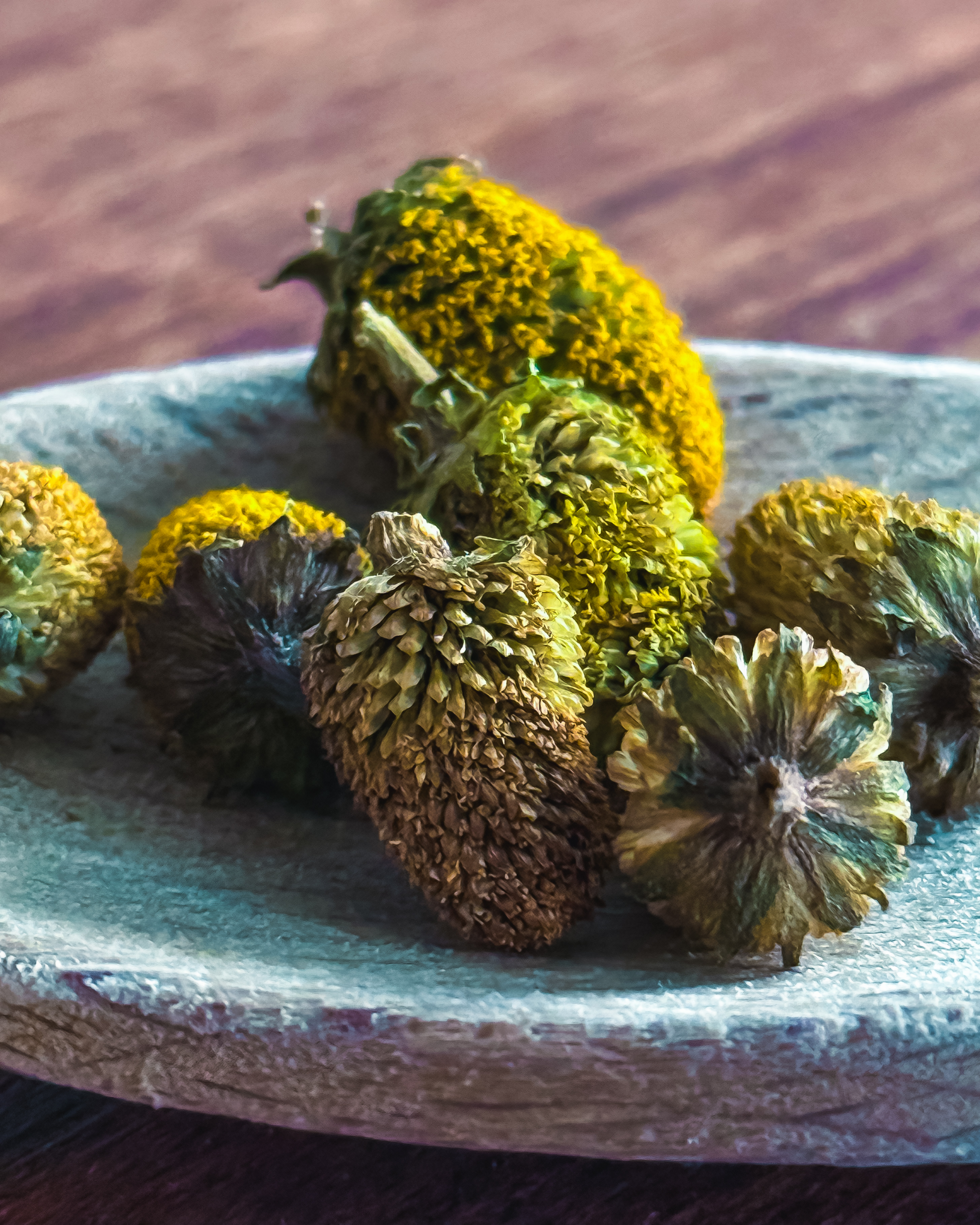
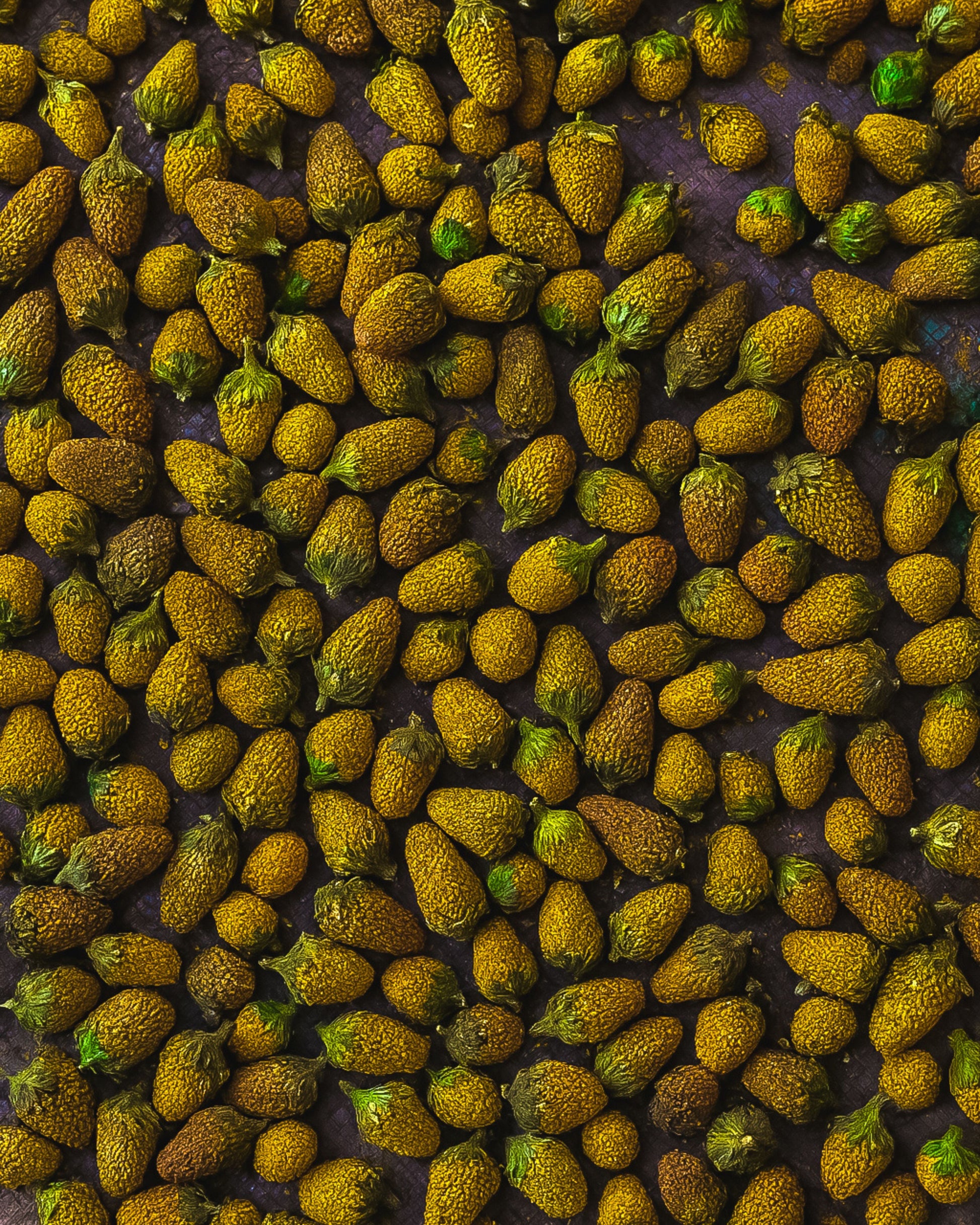
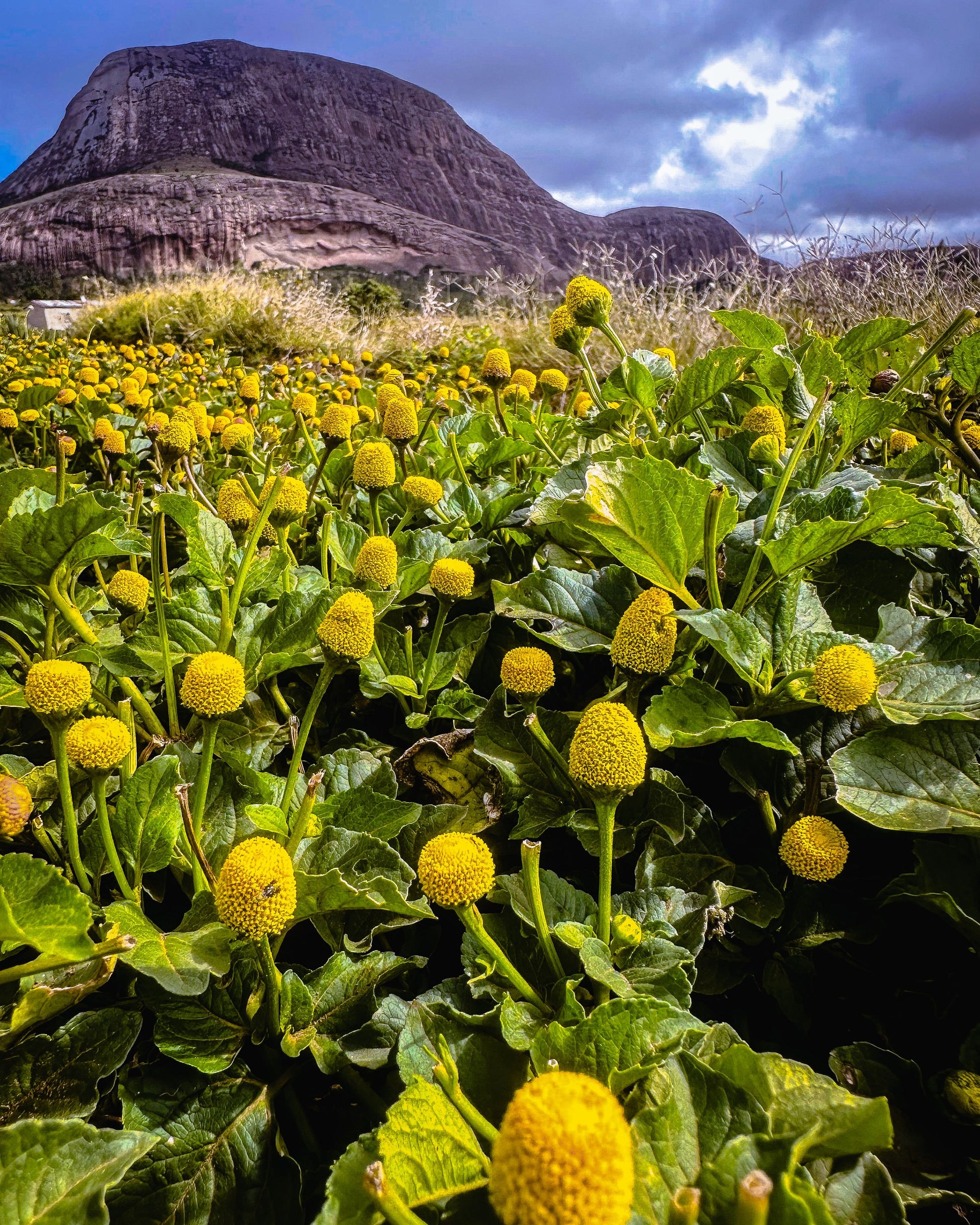
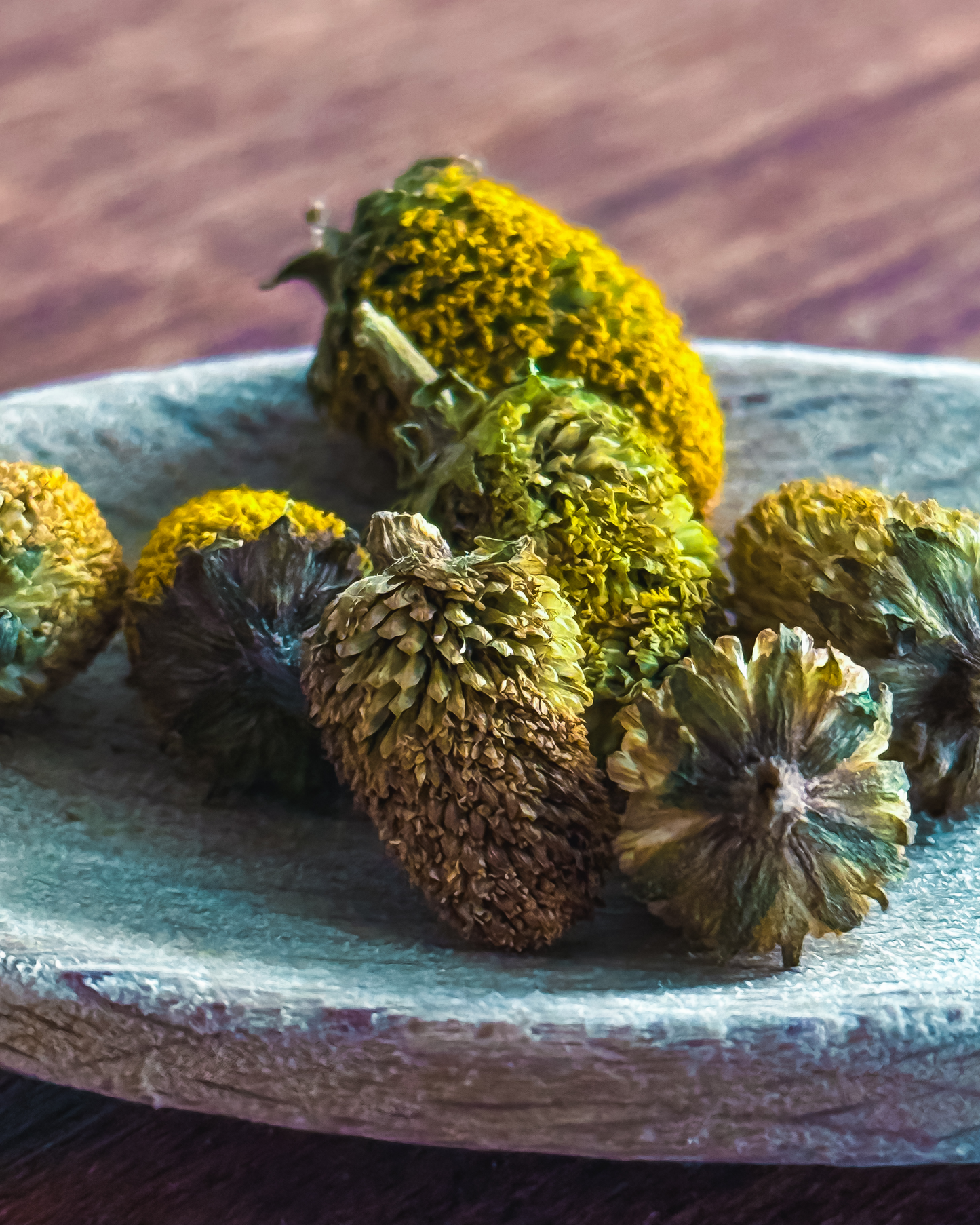
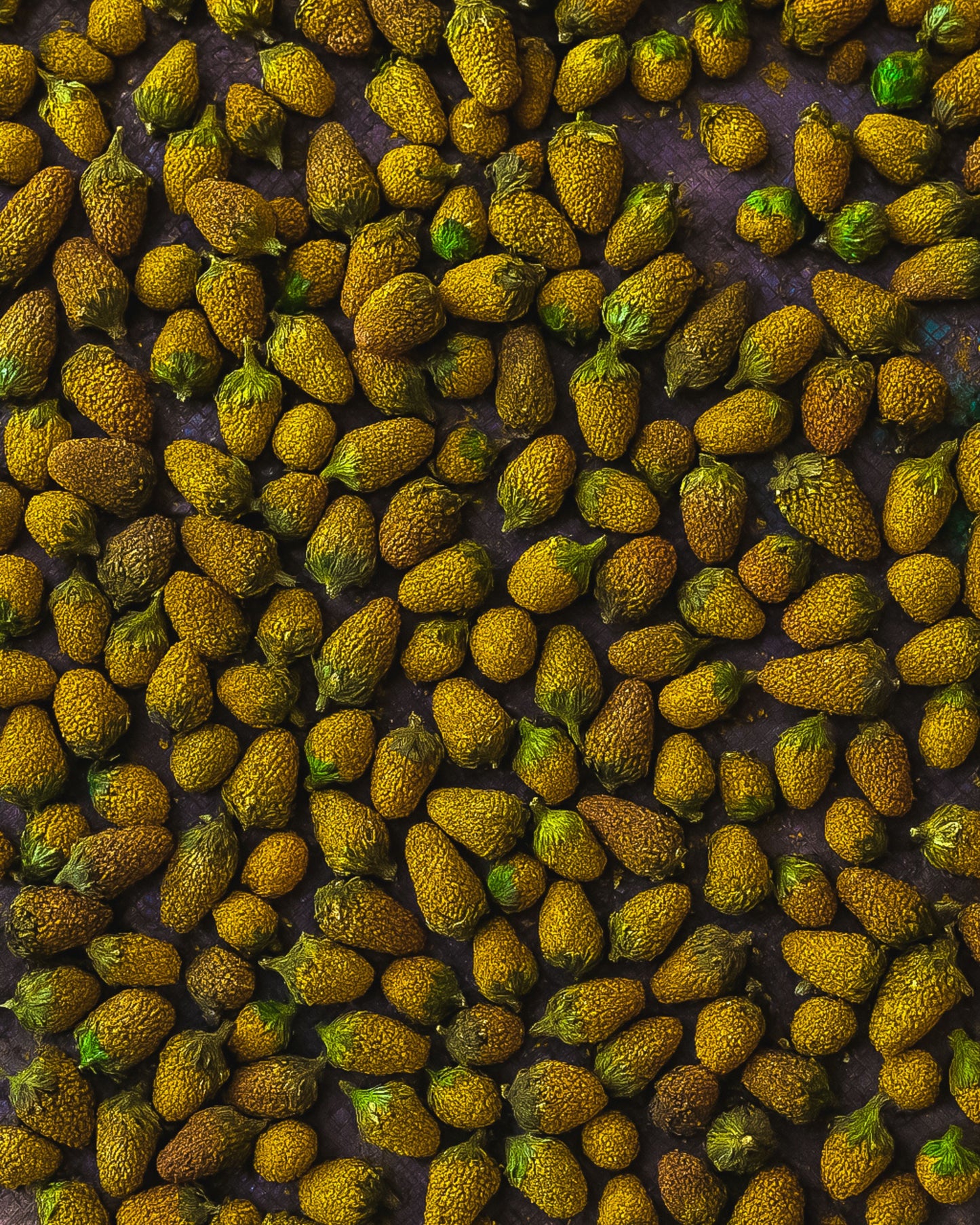
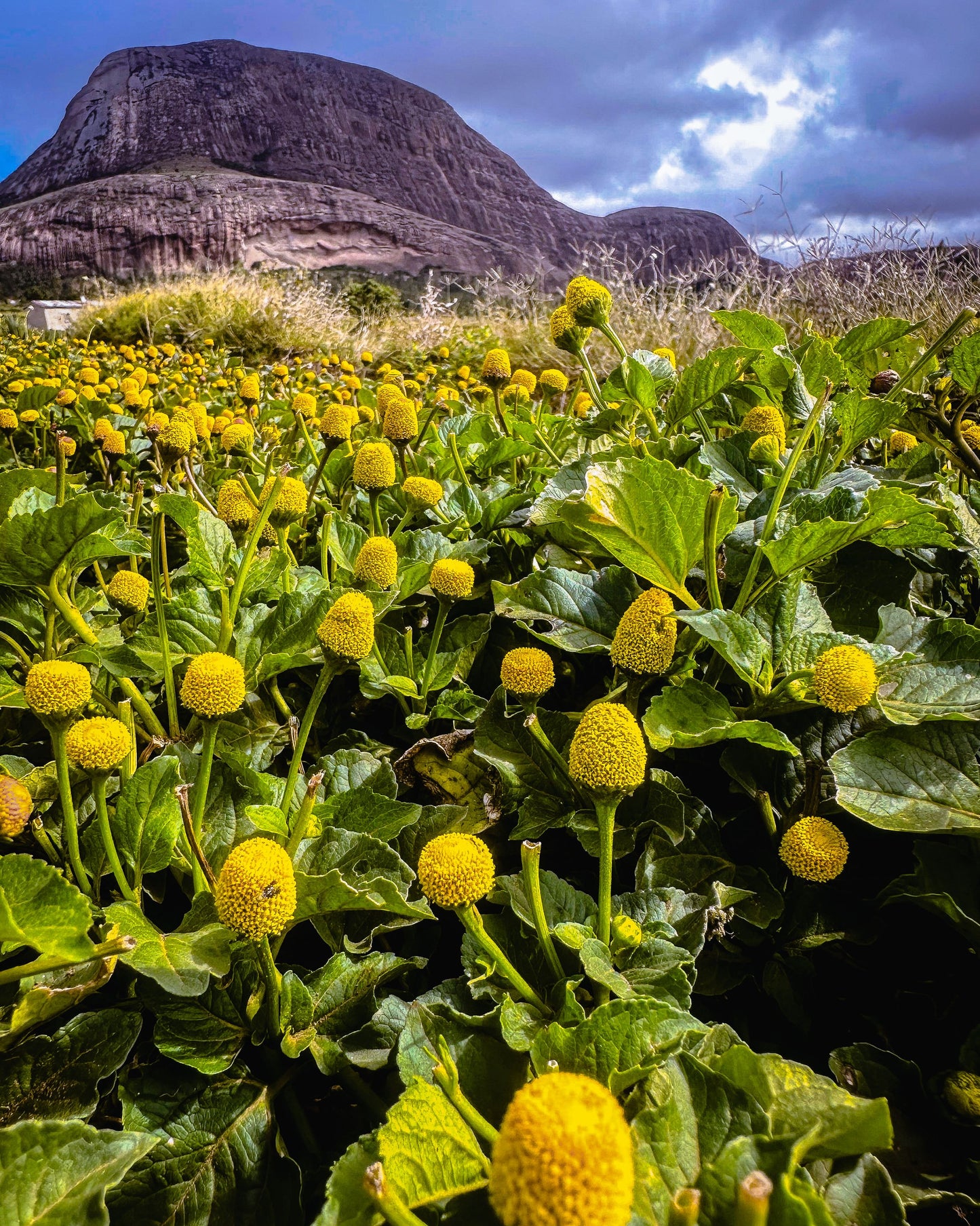
Acmella oleracea, also known as paracress or the toothache plant, has attracted growing attention within the skincare industry because of its unique botanical profile.
Its flowers contain spilanthol, a naturally occurring alkylamide that has become one of the plant's defining compounds.
As formulators explored botanical ingredients for products designed to improve the appearance of mature skin, Acmella oleracea became increasingly popular in:
- facial serums;
- moisturizers;
- eye creams;
- facial masks;
- targeted skincare treatments.
Its growing presence in these formulations helped establish its association with the phrase "Natural Botox."
What Is Spilanthol?
Spilanthol is the principal naturally occurring alkylamide found in Acmella oleracea.
It is responsible for the characteristic tingling sensation experienced when the fresh flowers are chewed, a sensation that has contributed to the plant's traditional uses and its modern popularity.
Within skincare, spilanthol has attracted interest because researchers continue to investigate its cosmetic applications and its role in formulations designed to improve the appearance of the skin.
Although spilanthol is one of the most studied compounds in Acmella oleracea, it is only one part of a carefully prepared botanical extract.
Understanding how botanical extracts are produced, and how spilanthol is incorporated into skincare formulations, helps explain why high-quality extraction methods are so important.
Why Do People Compare It with Botox?
The comparison is largely based on consumer perception.
Both Botox treatments and skincare products containing Acmella oleracea are commonly discussed in relation to smoother-looking skin and expression lines.
However, the similarity largely ends there.
One is a topical botanical ingredient used in cosmetic products.
The other is an injectable prescription medicine administered in clinical settings.
Because both appear in conversations about skin appearance, the nickname "Natural Botox" has become widely recognized, even though the two belong to completely different categories of products.
The Biggest Misconceptions
As the popularity of Natural Botox has grown, so have the misconceptions surrounding it.
One of the most common misunderstandings is that Acmella oleracea is a plant version of Botox.
It is not.
Another misconception is that Natural Botox and Botox work in exactly the same way.
They do not.
They differ in:
- composition;
- origin;
- application method;
- regulatory classification;
- mechanism of action.
The nickname should therefore be understood as a marketing expression rather than a scientific comparison.
Recognizing this distinction helps consumers make more informed decisions and better understand the role of botanical ingredients in skincare.
Why Accurate Information Matters
Modern consumers are increasingly interested in evidence-based skincare.
While marketing terms can be useful for introducing new concepts, they can also create unrealistic expectations if not properly explained.
Understanding what "Natural Botox" actually means allows consumers to appreciate Acmella oleracea for what it is: a botanical ingredient used in cosmetic formulations, not a substitute for medical procedures.
By separating terminology from science, it becomes much easier to evaluate skincare products based on their ingredients, formulation quality, and intended cosmetic purpose.
Before We Explore the Science
Now that we've clarified the meaning of Natural Botox, the next step is understanding why comparisons with Botox are so common.
To do that, we first need to understand what Botox actually is, how injectable treatments differ from topical botanical skincare, and where spilanthol fits into this conversation.
In the next chapter, we'll examine the science behind both approaches, comparing botanical extracts and injectable treatments while highlighting their similarities, differences, and appropriate roles in modern skincare.
Key Takeaways from Part 1
- Natural Botox is a marketing term, not a scientific or regulatory classification.
- Acmella oleracea is one of the botanical ingredients most commonly associated with this nickname.
- The plant contains spilanthol, a naturally occurring alkylamide that contributes to its unique cosmetic interest.
- Botox and Acmella oleracea are fundamentally different products with different compositions, applications, and mechanisms.
- Understanding the origin of the term helps separate marketing language from cosmetic science.
- Consumers should evaluate skincare ingredients based on evidence, formulation quality, and intended cosmetic use rather than marketing claims.

Part 2: The Science Behind "Natural Botox"
Now that we've established that Natural Botox is a marketing term rather than a scientific classification, it's time to explore why Acmella oleracea is so often compared with Botox.
Although the two are frequently mentioned together, they belong to completely different categories.
One is a topical botanical ingredient incorporated into cosmetic skincare products.
The other is an injectable prescription medicine administered by trained healthcare professionals.
Understanding these differences helps consumers make informed skincare decisions while appreciating the unique role that botanical ingredients can play in a daily routine.
What Is Botox?
Botox is the brand name for a purified form of botulinum toxin type A, a protein produced by the bacterium Clostridium botulinum.
In medicine, botulinum toxin has been used for decades to treat a variety of medical conditions.
It is also widely used in aesthetic medicine for temporary cosmetic procedures performed by qualified healthcare professionals.
Because Botox is an injectable medicine, its manufacture, distribution, and administration are subject to strict regulatory oversight in many countries.
It is not a cosmetic ingredient and is not found in skincare creams or serums.
What Is Spilanthol?
Spilanthol is the principal naturally occurring alkylamide found in Acmella oleracea.
It is responsible for the plant's distinctive tingling sensation and is one of the primary reasons the plant has attracted scientific and commercial interest.
Unlike botulinum toxin, spilanthol is a naturally occurring botanical compound extracted from plant material.
Rather than being injected, it is incorporated into topical cosmetic products such as:
- facial serums;
- moisturizers;
- eye creams;
- facial masks;
- botanical skincare treatments.
This distinction alone illustrates why the comparison between the two should be understood carefully.
Why Are They Compared?
The comparison is based largely on the cosmetic goal, not on chemistry.
Consumers often seek products that help improve the appearance of:
- expression lines;
- fine lines;
- smoother-looking skin;
- a more refreshed complexion.
Because both injectable aesthetic treatments and topical skincare products may be discussed within these conversations, Acmella oleracea became associated with the phrase "Natural Botox."
The nickname reflects a shared interest in skin appearance, not a shared composition or identical biological action.
Botanical Extract vs. Injectable Treatment
One of the clearest ways to understand the difference is by comparing the two categories directly.
| Acmella oleracea ("Natural Botox") | Botox |
|---|---|
| Botanical extract | Prescription medicine |
| Plant-derived | Purified botulinum toxin type A |
| Applied topically | Administered by injection |
| Cosmetic skincare ingredient | Medical aesthetic procedure |
| Used in creams and serums | Performed in clinical settings |
| Incorporated into a daily skincare routine | Administered periodically by qualified healthcare professionals |
Although these products are sometimes mentioned together, they are fundamentally different in origin, formulation, application, and regulation.
Topical vs. Injectable
Perhaps the most important distinction is how the products are used.
Acmella oleracea extracts are incorporated into topical skincare formulations that are applied directly to the skin.
These products become part of a daily skincare routine alongside cleansers, moisturizers, sunscreens, and facial serums.
Botox, by contrast, is administered through carefully targeted injections performed by trained healthcare professionals in clinical environments.
One is a cosmetic skincare product.
The other is a medical procedure.
Because of these differences, they should never be viewed as interchangeable.
Why Botanical Skincare Is Different
Topical botanical skincare focuses on supporting the appearance and condition of the skin through carefully formulated cosmetic products.
Rather than relying on a single ingredient, modern botanical formulations often combine multiple complementary components, including:
- botanical extracts;
- carrier oils;
- antioxidants;
- humectants;
- peptides;
- vitamins;
- emulsifiers.
The quality of the final product depends not only on the botanical ingredient itself but also on the overall formulation.
Extraction methods, ingredient compatibility, stability, and delivery systems all influence the finished cosmetic product.
The Importance of High-Quality Extracts
Not every botanical extract is the same.
The quality of an Acmella oleracea extract depends on several factors, including:
- plant quality;
- harvesting practices;
- extraction method;
- carrier oil selection;
- storage conditions.
These variables influence the composition and consistency of the finished extract.
For this reason, professional formulators often choose standardized, carefully prepared botanical ingredients rather than attempting to extract active compounds themselves.
Understanding extraction science is one reason we've explored topics such as carrier oils, double maceration, and botanical formulation throughout this Knowledge Hub.
Why Formulation Matters
Even the highest-quality botanical extract is only one part of a finished skincare product.
The effectiveness of a cosmetic formulation depends on how ingredients work together.
A facial serum, for example, may combine:
- Acmella oleracea extract;
- Madagascan Moringa oil;
- Baobab oil;
- Vitamin E;
- other compatible cosmetic ingredients.
Similarly, a facial cream requires:
- an oil phase;
- a water phase;
- an emulsifier;
- a preservative;
- compatible botanical ingredients.
Professional formulation transforms individual ingredients into stable, elegant skincare products designed for everyday use.
Similar Goal, Different Science
The phrase "Natural Botox" has persisted because it provides an easy comparison for consumers interested in smoother-looking skin.
However, it is important to recognize that similarity in cosmetic goal does not imply similarity in composition or mechanism.
Acmella oleracea and Botox belong to entirely different scientific categories.
One originates from a flowering plant and is formulated into topical cosmetics.
The other is a purified pharmaceutical product administered through injections.
Understanding this distinction helps set realistic expectations while encouraging informed skincare choices.
Why Evidence Matters
Interest in botanical skincare continues to grow, and so does the amount of information available online.
Some articles exaggerate claims, while others oversimplify the science.
A better approach is to evaluate ingredients based on:
- published research;
- formulation quality;
- appropriate cosmetic use;
- realistic expectations.
Scientific curiosity, careful formulation, and transparent communication are far more valuable than sensational marketing terms.
Before We Explore Skincare Applications
Now that we've examined the science behind the term "Natural Botox," the final chapter will explore how Acmella oleracea is actually used in skincare.
We'll look at the types of cosmetic products that commonly incorporate botanical extracts, why formulators value spilanthol-rich ingredients, how botanical serums and creams fit into a daily skincare routine, and answer some of the most frequently asked questions about Natural Botox.
Key Takeaways from Part 2
- Botox and Acmella oleracea are fundamentally different products with different origins, compositions, and applications.
- Botox is a prescription injectable medicine, while Acmella oleracea is a botanical ingredient used in topical skincare.
- The phrase "Natural Botox" refers to a cosmetic comparison rather than a scientific equivalence.
- High-quality botanical extracts and thoughtful formulation are essential components of effective skincare products.
- Consumers benefit from understanding the difference between marketing terminology and cosmetic science.
- Evaluating ingredients through evidence and formulation quality helps create realistic skincare expectations.
PART 3
How Acmella oleracea Is Used in Modern Skincare
Now that we've explored why Acmella oleracea is associated with the term Natural Botox and clarified how it differs from injectable treatments, the final step is understanding how this botanical ingredient is actually used in skincare.
Unlike Botox, which is administered during a clinical procedure, Acmella oleracea is incorporated into topical cosmetic formulations designed for everyday use.
Today, it appears in a growing range of premium skincare products where formulators value botanical ingredients, elegant textures, and science-backed cosmetic formulation.
Why Formulators Choose Acmella oleracea
Modern skincare is no longer focused on a single "miracle ingredient."
Instead, professional formulators combine complementary ingredients to create products that provide a pleasant application experience while supporting the overall appearance of the skin.
Acmella oleracea has become popular because it combines several characteristics that make it attractive in cosmetic formulations:
- botanical origin;
- naturally occurring spilanthol;
- compatibility with oil-based extracts;
- versatility across multiple skincare products;
- compatibility with premium carrier oils.
Rather than acting alone, it is typically incorporated into carefully balanced formulations alongside other cosmetic ingredients.
Common Skincare Products Containing Acmella oleracea
Botanical extracts of Acmella oleracea can be incorporated into a wide variety of cosmetic products.
Common examples include:
- facial serums;
- moisturizers;
- face creams;
- eye creams;
- facial oils;
- overnight treatments;
- sheet masks;
- botanical balms.
The choice of product depends on the intended texture, formulation style, and overall skincare routine.
Why Extraction Quality Matters
The quality of a botanical skincare product begins long before the formulation stage.
Everything starts with the botanical extract itself.
Factors that influence extract quality include:
- botanical identification;
- harvest timing;
- drying methods;
- extraction technique;
- carrier oil selection;
- storage conditions.
These variables help determine the consistency and composition of the finished extract.
For this reason, many premium skincare brands place considerable emphasis on ingredient sourcing and professional extraction methods.
Why Carrier Oils Matter
Acmella oleracea is often supplied as an oil extract.
This makes the choice of carrier oil especially important.
A high-quality carrier oil contributes more than simply serving as a solvent.
It also influences:
- skin feel;
- spreadability;
- oxidative stability;
- compatibility with other ingredients;
- overall formulation elegance.
Carrier oils such as Madagascan Moringa oil and Baobab oil are frequently selected because they complement botanical extracts while contributing their own desirable cosmetic characteristics.
Botanical Ingredients Work Best in Well-Designed Formulations
Consumers sometimes focus entirely on a single ingredient.
Professional formulators rarely do.
Instead, they consider the complete formulation.
A premium facial serum, for example, may combine:
- Acmella oleracea extract;
- Moringa oil;
- Baobab oil;
- Vitamin E;
- carefully selected supporting ingredients.
Similarly, a facial cream combines:
- water phase;
- oil phase;
- emulsifier;
- preservative;
- botanical ingredients.
The interaction between these ingredients determines the product's texture, stability, and overall user experience.
Building a Botanical Skincare Routine
Rather than relying on one product alone, many people incorporate botanical ingredients into a consistent skincare routine.
A simple example might include:
Morning
- Gentle cleanser
- Optional hydrating serum
- Botanical serum containing Acmella oleracea
- Moisturizer
- Broad-spectrum sunscreen
Evening
- Cleanser
- Botanical facial serum or cream
- Moisturizer if desired
Consistency is generally more important than using numerous products at once.
A thoughtfully designed routine built around compatible skincare products is often easier to maintain than an overly complicated regimen.
Frequently Asked Questions
Is Natural Botox actually Botox?
No.
Natural Botox is a marketing term commonly used to describe botanical skincare ingredients such as Acmella oleracea. It is not Botox and should not be considered an injectable treatment.
Why is Acmella oleracea called Natural Botox?
The nickname became popular because Acmella oleracea is widely used in skincare products intended to improve the appearance of mature skin. The comparison reflects cosmetic positioning rather than scientific equivalence.
What is Spilanthol?
Spilanthol is the principal naturally occurring alkylamide found in Acmella oleracea. It is responsible for the plant's characteristic tingling sensation and is one of the botanical compounds that has attracted attention in cosmetic research.
Is Acmella oleracea used only in serums?
No.
It can be incorporated into many cosmetic products, including creams, moisturizers, facial oils, eye creams, masks, and other topical skincare formulations.
Is Natural Botox suitable for everyday skincare?
Botanical skincare products containing Acmella oleracea are formulated for topical cosmetic use. Individual products should always be used according to the manufacturer's directions and incorporated into a skincare routine that suits your skin type.
Is one ingredient enough for good skincare?
Rarely.
Professional formulations are designed around compatible ingredient systems rather than relying on a single botanical extract. The overall formulation often has a greater influence on the finished product than any one ingredient alone.
Does extraction quality matter?
Yes.
The quality of the botanical extract depends on factors such as plant material, extraction method, carrier oil, and manufacturing practices, all of which contribute to the consistency of the finished cosmetic ingredient.
Scientific Summary
Current cosmetic science supports several key principles regarding Acmella oleracea and the term "Natural Botox":
- Natural Botox is a marketing expression rather than a scientific or regulatory term.
- Acmella oleracea is one of the botanical ingredients most commonly associated with this nickname because of its naturally occurring spilanthol content.
- Botanical extracts and botulinum toxin differ fundamentally in composition, delivery method, regulation, and mechanism of action.
- The quality of a botanical skincare product depends on ingredient sourcing, extraction methods, carrier oils, formulation design, and manufacturing practices.
- Professional skincare formulation focuses on ingredient compatibility and overall product performance rather than any single "hero" ingredient.
Conclusion
The popularity of the term Natural Botox reflects a growing interest in botanical skincare and non-invasive cosmetic routines. While the nickname has become strongly associated with Acmella oleracea, it is important to understand that it is a marketing expression, not a scientific description or an alternative name for Botox.
What makes Acmella oleracea remarkable is not that it replaces injectable treatments, but that it has earned a place in modern skincare through its unique botanical profile and the presence of spilanthol. Combined with thoughtful extraction methods and professional formulation, it has become a valued ingredient in premium serums, creams, facial oils, and other cosmetic products.
As with every aspect of skincare, successful results depend on more than one ingredient. The quality of the botanical extract, the choice of carrier oils, the formulation itself, and a consistent skincare routine all contribute to the overall cosmetic experience.
Understanding the science behind the term "Natural Botox" allows consumers to move beyond marketing claims and appreciate Acmella oleracea for what it truly is: a fascinating botanical ingredient that continues to inspire innovation in natural skincare.