

Part 1: Understanding the Differences
When exploring skincare ingredients for mature or aging skin, two names often appear in conversations: retinol and spilanthol.
At first glance, they seem to compete for the same purpose. Both are commonly found in products designed to improve the appearance of the skin and reduce the visibility of fine lines and expression lines.
However, despite being compared so frequently, retinol and spilanthol are fundamentally different ingredients.
They come from different sources, work through different mechanisms, and contribute to skincare formulations in unique ways.
Understanding these differences is the first step toward choosing products that align with your skin goals rather than simply following marketing trends.
Why Are Retinol and Spilanthol Compared?
The comparison usually begins with a simple question:
"If both ingredients are used in anti-aging skincare, which one is better?"
In reality, this question oversimplifies how cosmetic ingredients work.
Retinol and spilanthol are not direct substitutes for one another.
Instead, they represent two different approaches to supporting the appearance of healthy-looking skin.
Retinol has been studied and incorporated into cosmetic formulations for decades because of its role as a vitamin A derivative.
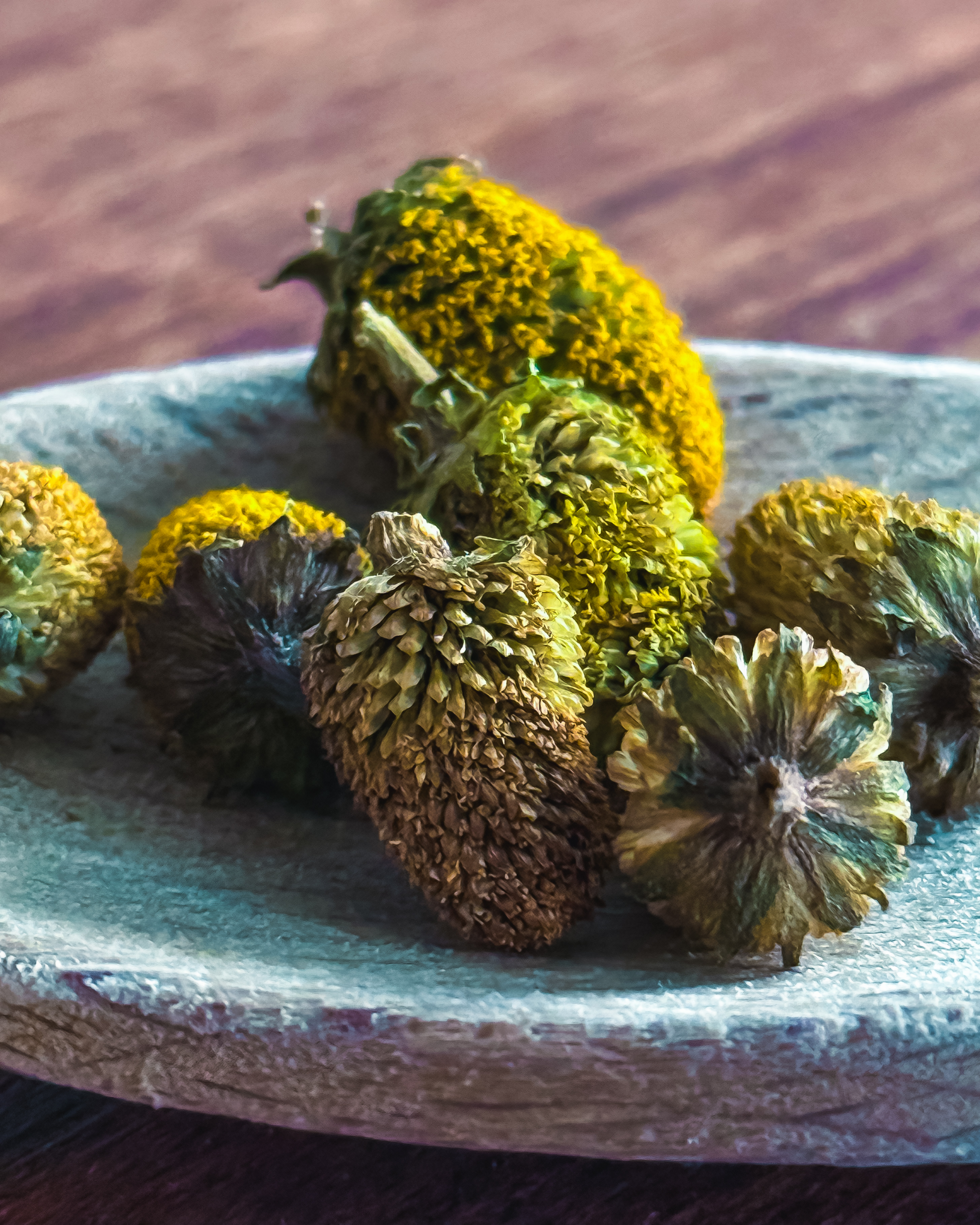
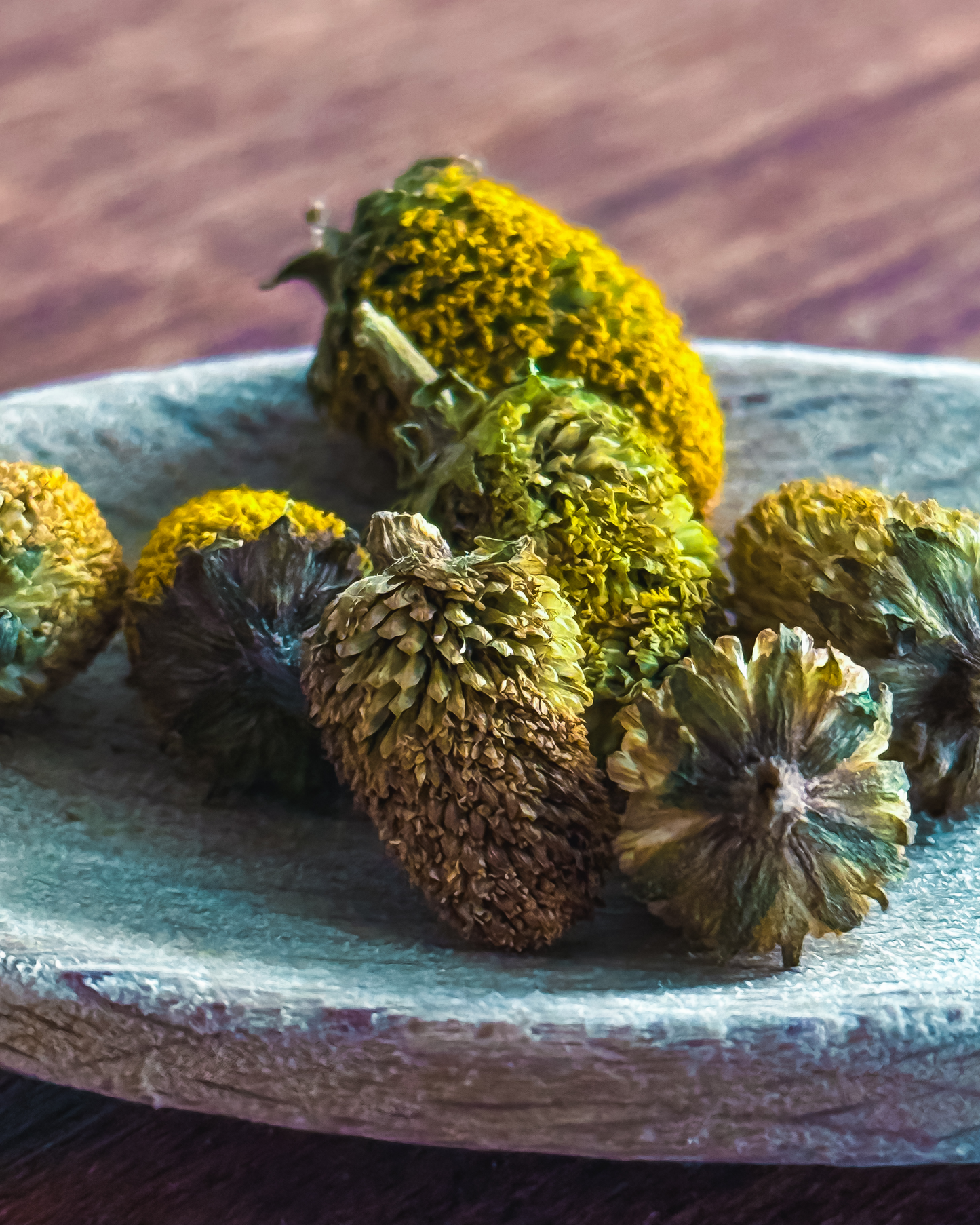
Spilanthol, on the other hand, is a naturally occurring compound extracted from Acmella oleracea, a flowering plant that has gained attention for its distinctive sensory characteristics and growing popularity in botanical skincare.
Rather than asking which ingredient is "better," a more useful question is:
"What role does each ingredient play in a skincare routine?"
What Is Retinol?
Retinol is a member of the retinoid family, a group of compounds derived from vitamin A.
For many years, it has been one of the most widely recognized cosmetic ingredients used in products formulated for mature skin and photoaged skin.
Within cosmetic formulations, retinol is commonly included in products designed to improve the appearance of:
- fine lines;
- uneven skin texture;
- skin tone;
- visible signs of environmental aging.
Because retinol is biologically active, many skincare professionals recommend introducing it gradually into a routine, particularly for individuals with sensitive skin.
Some users experience an adjustment period while their skin becomes accustomed to products containing retinol.
What Is Spilanthol?
Spilanthol is a naturally occurring alkylamide found in Acmella oleracea, sometimes known as the toothache plant or paracress.
Unlike retinol, spilanthol is not a vitamin derivative.
It is a botanical compound extracted from the flowers and aerial parts of the plant and is increasingly incorporated into premium cosmetic formulations.
One reason spilanthol has attracted interest is its unique sensory profile.
When applied topically in skincare formulations, some users report noticing a smoother-looking appearance or distinctive cosmetic sensation within approximately 10–15 minutes, although experiences vary depending on the formulation and individual skin characteristics.
Because of these characteristics, Acmella oleracea has become one of the most recognizable botanical ingredients associated with the term "Natural Botox."
It is important to remember, however, that this nickname is a marketing expression rather than a scientific or regulatory classification.
Different Origins, Different Chemistry
Although both ingredients are used in skincare, their origins are completely different.
Retinol is a vitamin A derivative produced for cosmetic use through carefully controlled manufacturing processes.
Spilanthol is a naturally occurring botanical compound extracted from Acmella oleracea.
This difference influences how formulators work with each ingredient.
Retinol belongs to a well-established family of vitamin A compounds, while spilanthol is part of a broader category of botanical actives that are valued for their unique properties and compatibility with plant-based formulations.
Neither origin is inherently superior.
Instead, each reflects a different philosophy of cosmetic formulation.
How Do They Work in Skincare?
Although both ingredients appear in products intended for mature skin, they contribute to formulations in different ways.
Retinol is commonly used in cosmetic products focused on skin renewal and improving the appearance of photoaged skin over time.
Spilanthol is valued for its botanical origin, distinctive sensory characteristics, and the immediate cosmetic observations that some users report after topical application.
These different characteristics explain why the ingredients are often included in different types of products and why they are not interchangeable.
Understanding their individual roles helps consumers choose products based on their skincare goals rather than assuming that every ingredient serves the same purpose.
Retinol vs. Spilanthol at a Glance
| Feature | Retinol | Spilanthol |
|---|---|---|
| Origin | Vitamin A derivative | Naturally occurring compound from Acmella oleracea |
| Ingredient Category | Retinoid | Botanical alkylamide |
| Primary Role in Cosmetics | Skin renewal and improving the appearance of photoaged skin | Supporting the cosmetic appearance of smoother-looking skin |
| Immediate Sensory Experience | Not typically associated with immediate cosmetic changes | Some users report a noticeable cosmetic sensation within approximately 10–15 minutes |
| Botanical Ingredient | No | Yes |
| Often Found In | Serums, creams, night treatments | Botanical serums, creams, facial oils, masks |
| Consistent Routine Recommended | Yes | Yes |
Rather than declaring a winner, this comparison highlights that the two ingredients occupy different places within modern skincare.
Why Consumers Often Compare Them
The rise of botanical skincare has encouraged many consumers to explore alternatives or complements to well-known cosmetic ingredients.
People interested in plant-based skincare often discover Acmella oleracea after searching for:
- natural alternatives to retinol;
- botanical skincare ingredients;
- products for expression lines;
- "Natural Botox";
- premium botanical serums.
At the same time, retinol remains one of the most recognized ingredients in cosmetic skincare.
As a result, comparisons between the two have become increasingly common.
However, comparing them as though they perform identical roles overlooks the unique strengths each ingredient brings to a formulation.
A Better Question Than "Which Is Better?"
Skincare rarely comes down to choosing one ingredient over another.
Professional formulators understand that effective cosmetic products are carefully balanced systems in which multiple ingredients work together.
Rather than asking whether retinol or spilanthol is better, consumers may benefit more from asking questions such as:
- Which ingredient aligns with my skincare goals?
- Does my skin tolerate certain ingredients better than others?
- Am I looking for a botanical formulation?
- How does the complete formulation support healthy-looking skin?
These questions encourage informed decision-making instead of relying on simple comparisons.
Before We Compare Their Benefits
Now that we've explored the origins, chemistry, and cosmetic roles of retinol and spilanthol, the next step is to examine how each ingredient is used in skincare formulations.
In the next chapter, we'll compare their individual strengths, discuss factors such as skin sensitivity, consistency of use, formulation quality, and explore whether retinol and spilanthol can complement each other as part of a thoughtfully designed skincare routine.
Key Takeaways from Part 1
- Retinol and spilanthol are frequently compared, but they are fundamentally different cosmetic ingredients.
- Retinol is a vitamin A derivative, while spilanthol is a naturally occurring alkylamide extracted from Acmella oleracea.
- Both ingredients are used in skincare formulations designed for mature skin, but they contribute in different ways.
- Some users report an immediate cosmetic sensation with products containing spilanthol, while retinol is commonly associated with gradual improvements in the appearance of photoaged skin.
- Neither ingredient is inherently "better"; each has a distinct role depending on the formulation and individual skincare goals.
- Understanding ingredient function is more valuable than searching for a single "winner."

PART 2: Comparing the Benefits and Considerations of Retinol and Spilanthol
Now that we've explored the origins and cosmetic roles of retinol and spilanthol, it's time to look more closely at how each ingredient is used in skincare formulations.
Although they are often compared, these ingredients are designed to achieve different objectives. Understanding their individual strengths helps explain why many formulators choose one, or even both, depending on the goals of the product.
Rather than asking which ingredient is superior, it's more useful to understand what each ingredient contributes to a well-designed skincare routine.
Retinol: A Long-Established Skincare Ingredient
Retinol has been used in cosmetic skincare for decades and remains one of the most extensively researched vitamin A derivatives available in over-the-counter formulations.
It is commonly incorporated into products formulated to improve the appearance of:
- fine lines;
- uneven skin texture;
- dull-looking skin;
- visible signs of photoaging.
Because retinol influences how the skin renews itself, improvements in appearance are generally associated with consistent use over time rather than immediate visible changes.
Many skincare professionals recommend introducing retinol gradually, allowing the skin time to adapt.
Considerations When Using Retinol
Although retinol is widely used, it is not always suitable for every skincare routine.
Some individuals experience an adjustment period that may include temporary dryness, tightness, or irritation, particularly when first introducing retinol-containing products.
For this reason, users are often advised to:
- begin with lower concentrations;
- apply products less frequently at first;
- moisturize regularly;
- wear broad-spectrum sunscreen during the day.
These considerations do not make retinol less effective, they simply reflect the importance of using it appropriately within a balanced skincare routine.
Spilanthol: A Botanical Ingredient with Unique Characteristics
Spilanthol represents a different category of skincare ingredient.
Derived from Acmella oleracea, it has become increasingly popular among formulators developing botanical skincare products.
Unlike retinol, spilanthol is often recognized for its distinctive sensory characteristics.
Some users report noticing:
- a smoother-looking appearance;
- a refreshed cosmetic effect;
- a unique sensory experience;
- changes in the appearance of expression lines within approximately 10–15 minutes after application.
These observations are cosmetic in nature and vary depending on the formulation and the individual.
As with any cosmetic ingredient, results are not identical for everyone.
Why Botanical Formulators Appreciate Spilanthol
The growing popularity of botanical skincare has increased interest in ingredients that combine plant origin with modern formulation science.
Spilanthol is valued because it can be incorporated into formulations containing complementary botanical ingredients such as:
- moringa oil;
- baobab oil;
- squalane;
- botanical antioxidants;
- nourishing plant oils.
This flexibility makes it particularly attractive for premium botanical serums, facial oils, creams, and other skincare products designed around naturally derived ingredients.
Immediate Cosmetic Appearance vs. Gradual Skin Renewal
Perhaps the biggest difference between retinol and spilanthol is the timeframe in which consumers often discuss them.
Retinol is typically associated with gradual improvements in the appearance of the skin through regular use over weeks and months.
Spilanthol, by contrast, is frequently discussed because some users notice a cosmetic difference shortly after application, while it also forms part of a long-term skincare routine.
These are not competing concepts.
Instead, they reflect two different ways cosmetic ingredients can contribute to the overall skincare experience.
Which Ingredient May Appeal to Different Users?
Every skincare routine is personal.
Individual preferences, skin characteristics, and formulation choices all influence ingredient selection.
Someone may prefer retinol because they are looking for a well-established vitamin A derivative that fits into a long-term evening skincare routine.
Another person may be drawn to botanical skincare products containing Acmella oleracea because they appreciate plant-derived ingredients and the unique cosmetic experience associated with spilanthol.
Neither preference is inherently better.
Both represent valid approaches depending on personal skincare goals and formulation preferences.
Can Retinol and Spilanthol Be Used Together?
One of the most common misconceptions is that consumers must choose one ingredient or the other.
In reality, they are not mutually exclusive.
Because retinol and spilanthol have different cosmetic roles, formulators may include them in complementary products within the same skincare routine.
For example:
- a retinol product may be used as part of an evening routine focused on skin renewal;
- a botanical serum containing Acmella oleracea may be incorporated alongside moisturizers and other supportive skincare products.
Whether two ingredients are appropriate together depends on the complete formulation and the individual's skin.
Consumers introducing multiple active ingredients into their routines may benefit from doing so gradually and observing how their skin responds.
Why Formulation Matters More Than Individual Ingredients
Professional cosmetic scientists rarely evaluate ingredients in isolation.
The performance of a finished skincare product depends on how ingredients interact within the complete formulation.
Factors that influence the user experience include:
- ingredient concentration;
- carrier systems;
- emollients;
- humectants;
- antioxidants;
- emulsifiers;
- packaging;
- formulation stability.
This explains why two products containing the same featured ingredient can feel and perform differently.
Good formulation is about creating balance rather than relying on a single "hero" ingredient.
Quality Botanical Extracts Support Better Formulation
For botanical ingredients such as Acmella oleracea, extraction quality plays an important role in creating consistent cosmetic formulations.
Professional formulators often consider:
- botanical sourcing;
- extraction techniques;
- carrier oil quality;
- manufacturing consistency;
- ingredient stability.
For example, Madabuzz's Double-Macerated Acmella oleracea Extract, prepared using premium Madagascan Moringa and Baobab oils, is produced as a high-quality botanical ingredient for formulators seeking consistency and craftsmanship. Like all cosmetic ingredients, its contribution depends on the complete formulation rather than on the extract alone.
Before Choosing Between Retinol and Spilanthol
Comparisons often encourage consumers to search for a single "best" ingredient.
In reality, skincare is far more nuanced.
The most suitable ingredient depends on:
- individual skin goals;
- personal preferences;
- tolerance;
- formulation quality;
- consistency of use.
Understanding these factors helps consumers make informed decisions rather than relying on simplified marketing comparisons.
In the final chapter, we'll bring everything together by exploring which ingredient may suit different skincare goals, how to choose high-quality formulations, and why evidence-based skincare education is more valuable than searching for a universal winner.
Key Takeaways from Part 2
- Retinol and spilanthol contribute to skincare in different ways and should not be viewed as direct substitutes.
- Retinol is commonly associated with gradual improvements in the appearance of photoaged skin through consistent use.
- Some users report an immediate cosmetic appearance after applying formulations containing spilanthol, although experiences vary.
- Botanical formulators value spilanthol for its plant origin and compatibility with premium natural skincare formulations.
- Retinol and spilanthol are not necessarily competing ingredients and may complement each other in a thoughtfully designed skincare routine.
- The quality of the complete formulation has a greater influence on the user experience than any single ingredient alone.