

Quick Answer
Paracress (Acmella oleracea) has been used traditionally for generations in South America and other tropical regions. Indigenous communities valued the plant for culinary, cultural, and traditional botanical purposes long before scientists identified Spilanthol, its best-known naturally occurring alkylamide. Today, modern research continues to investigate many of the properties that first attracted traditional attention.
Introduction
Long before laboratories, chromatography, or scientific journals existed, people learned about plants through observation.
Communities carefully watched which plants attracted insects.
Which survived harsh climates.
Which became part of everyday meals.
And which created unusual sensory experiences.
Over countless generations, this practical knowledge evolved into rich traditions that shaped local agriculture, food, and botanical practices.
Acmella oleracea, known today as Paracress, Jambu, Toothache Plant, and Buzz Button, is one of those remarkable plants.
Although modern science now studies its unique chemistry, the story of Acmella oleracea began centuries earlier with the people who first cultivated, harvested, and appreciated it.
Understanding those traditions helps us appreciate not only the plant itself, but also the cultures that preserved this knowledge.
A Plant with Many Names
One reason Acmella oleracea appears in so many historical records is that it has been known by different names in different parts of the world.
Among the most common names are:
- Paracress
- Jambu
- Toothache Plant
- Buzz Button
- Electric Daisy
- Szechuan Button
Each name reflects a different culture, language, or traditional use.
For botanists, however, the accepted scientific name remains:
Acmella oleracea
Using the scientific name helps researchers communicate consistently, regardless of local terminology.
Where Did Acmella oleracea Originate?
Most botanical evidence suggests that Acmella oleracea originated in tropical South America, particularly within regions of the Amazon Basin.
For centuries, the plant grew naturally in warm, humid environments where indigenous communities became familiar with its distinctive flowers and leaves.
Over time, people began cultivating the plant closer to their homes, selecting healthy specimens and incorporating them into daily life.
As trade routes expanded, Acmella oleracea gradually spread throughout other tropical and subtropical regions, eventually becoming established in parts of Africa, Asia, and islands across the Indian Ocean, including Madagascar, where it is now cultivated under favorable natural conditions.
Science in Everyday Life
Every Important Crop Has a Story
Many of today's most familiar crops began as wild plants.
Tomatoes were first cultivated in South America.
Rice has deep roots in Asia.
Coffee traces much of its early history to Ethiopia.
Vanilla became closely associated with Madagascar.
Before these plants became globally recognized crops, they were first discovered, observed, and carefully cultivated by local communities.
Acmella oleracea followed a similar journey.
Its value was recognized long before modern laboratories began studying its chemistry.
Indigenous Knowledge: Learning Directly from Nature
For thousands of years, indigenous communities relied on careful observation to understand the plants around them.
Knowledge was not stored in books.
It was passed orally from one generation to the next through daily life, farming, cooking, and community traditions.
Plants were observed over many seasons.
People noticed:
- how they grew
- when they flowered
- where they thrived
- which insects visited them
- how they tasted
- how they behaved when prepared in different ways
This accumulated knowledge became the foundation of traditional botanical practices.
Acmella oleracea became one of many plants that earned a place within this shared understanding.
Why People Valued Paracress
Historical records and ethnobotanical studies suggest that Acmella oleracea attracted attention for several reasons.
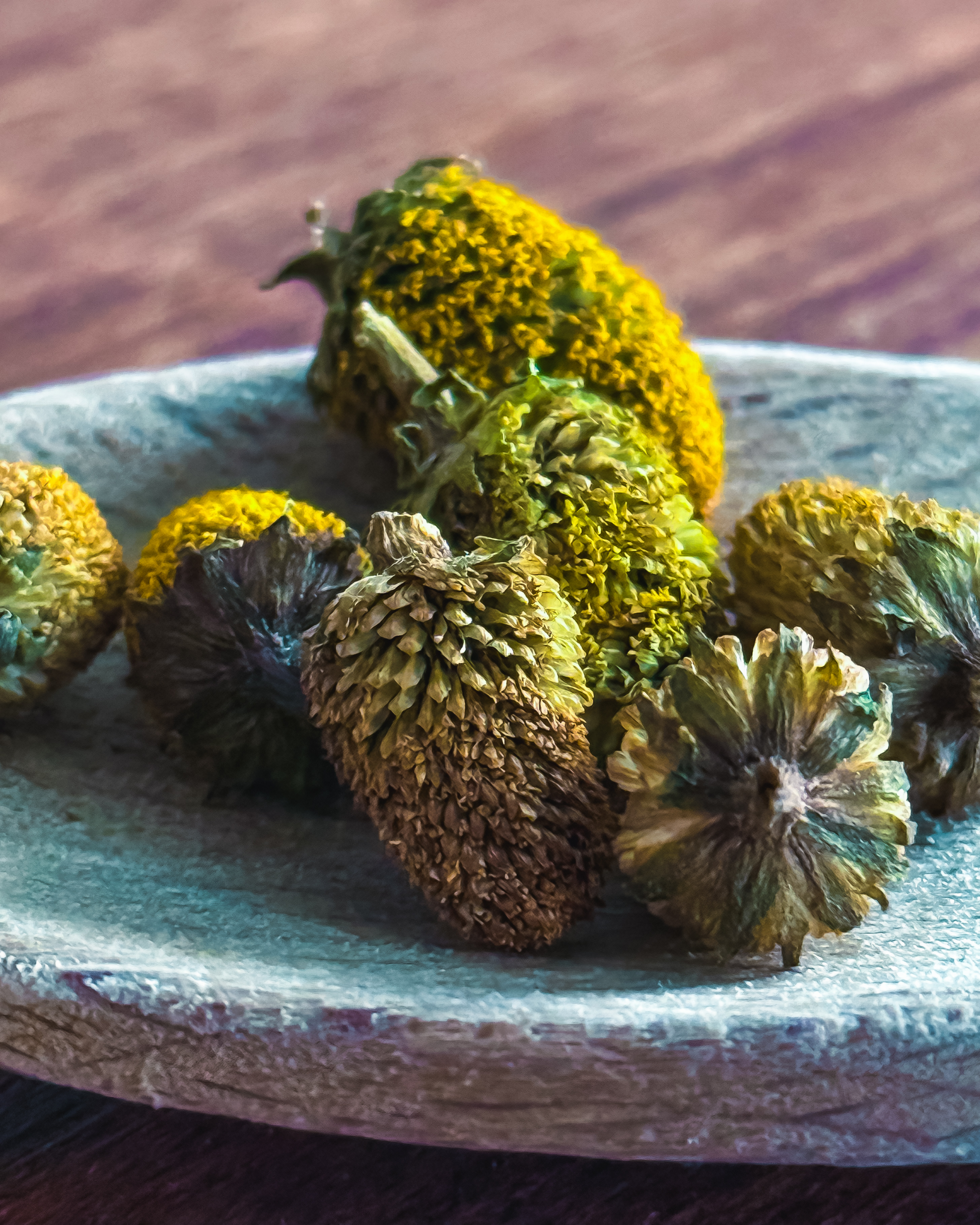
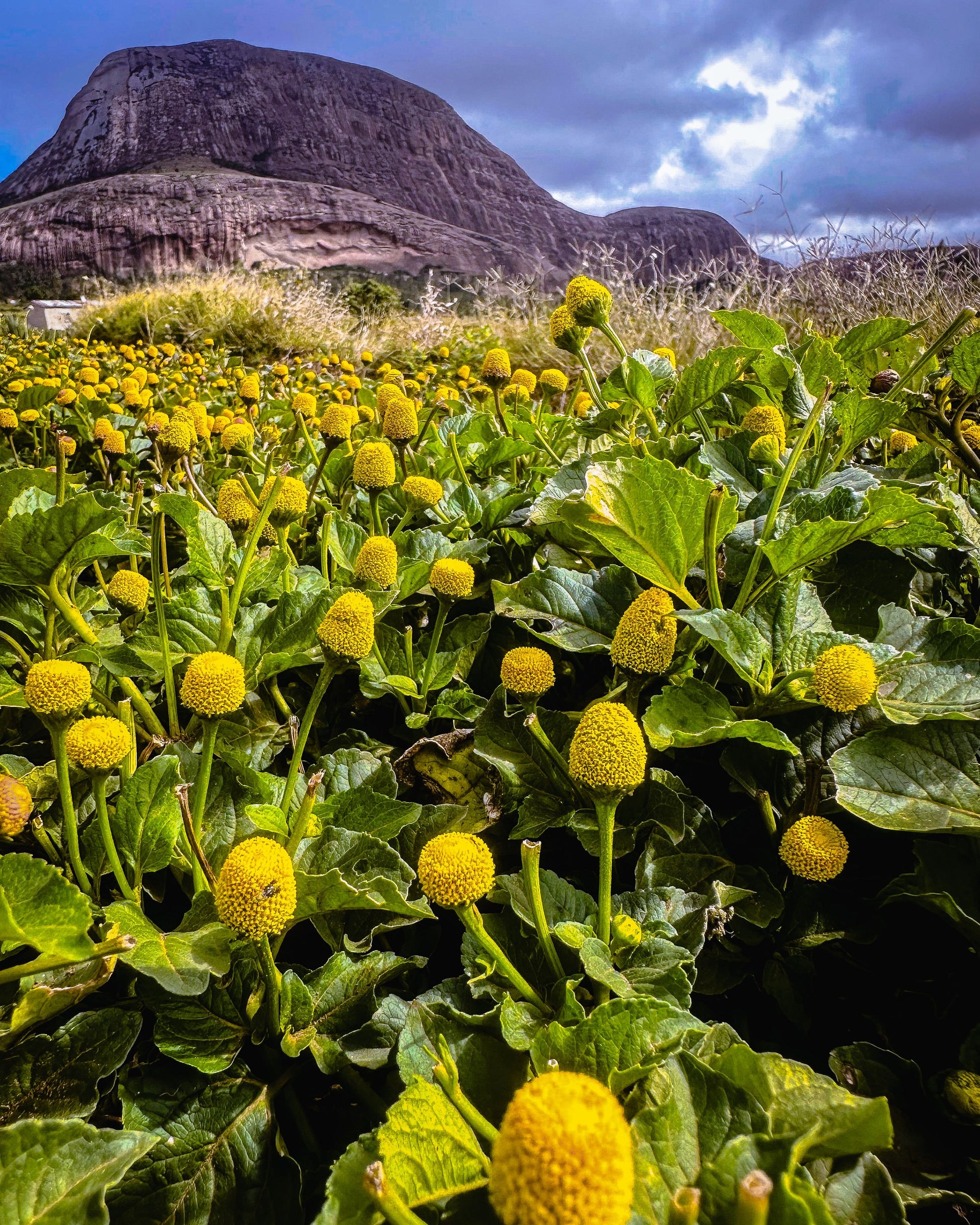
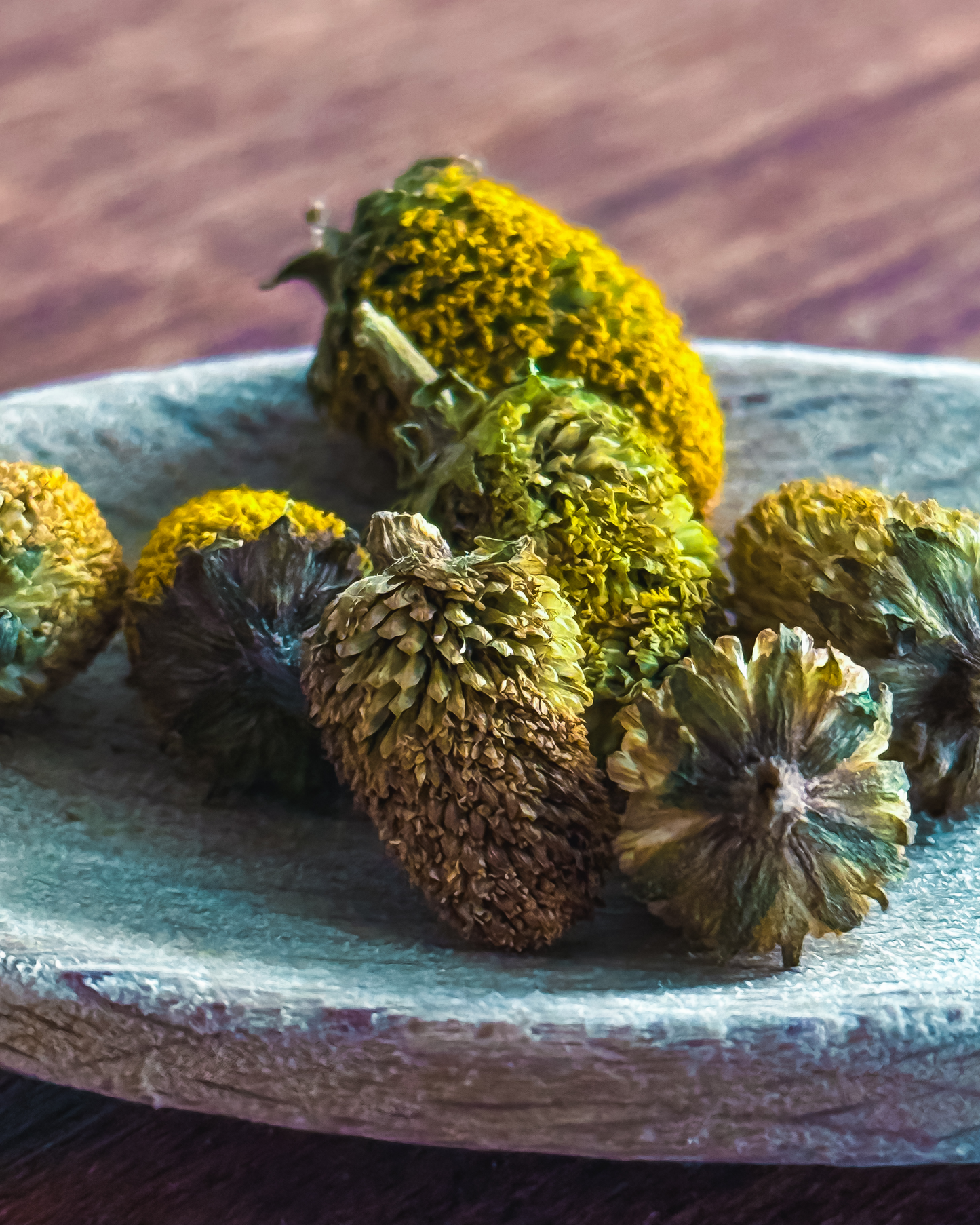
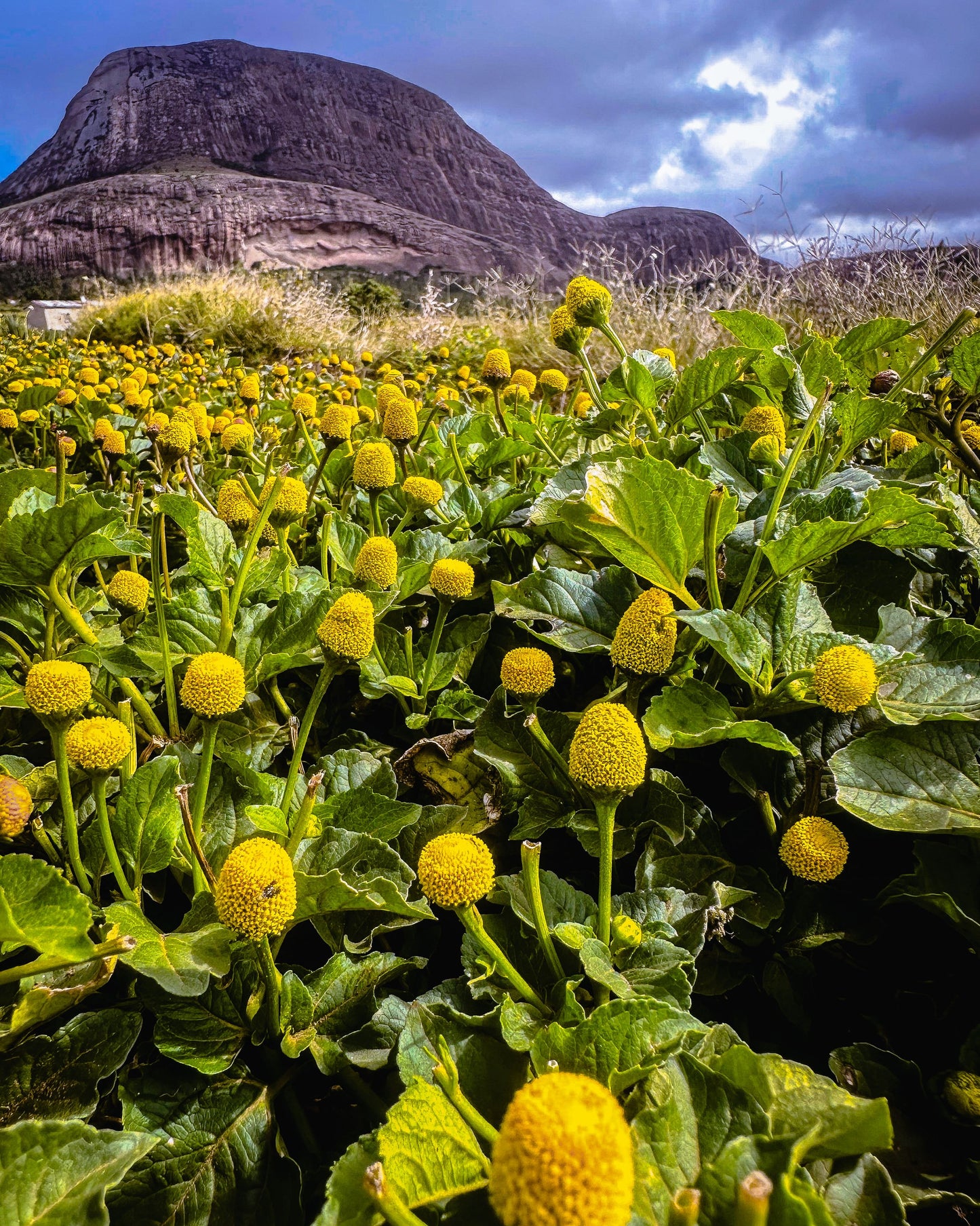
Its bright yellow flower heads were distinctive and easy to recognize.
Its vigorous growth made cultivation practical.
Perhaps most memorable was the unusual tingling sensation experienced when fresh flowers or leaves were chewed.
This sensory characteristic made the plant unique among many edible species and contributed to its cultural importance.
Over time, different communities incorporated the plant into food traditions and local botanical practices.
It is important to recognize that these historical uses reflect traditional knowledge rather than modern clinical evidence.
Traditional use demonstrates cultural significance, but it does not by itself confirm effectiveness for any specific health purpose.
Traditional Culinary Heritage
One of the earliest documented uses of Acmella oleracea is culinary.
In northern Brazil, particularly in the state of Pará, the plant became an important ingredient in regional cuisine.
Its leaves and flower heads were added to traditional dishes, where their distinctive sensory qualities complemented local flavors.
Today, dishes containing Jambu remain an important part of Amazonian culinary heritage.
The plant's continued use in regional cooking demonstrates how botanical traditions can survive across generations while remaining part of everyday life.
From Local Plant to Global Botanical
As exploration and trade connected different parts of the world, many useful plants spread far beyond their original habitats.
Acmella oleracea was among them.
Over time, cultivation expanded into tropical regions including:
- Southeast Asia
- parts of Africa
- islands in the Indian Ocean
- Madagascar
Although growing conditions differed from region to region, the plant adapted well to warm climates and fertile soils.
Today, it is cultivated around the world for culinary, ornamental, botanical, and cosmetic purposes.
Respecting Traditional Knowledge
Modern science has dramatically expanded our understanding of Acmella oleracea.
Researchers have identified naturally occurring compounds such as Spilanthol, developed sophisticated analytical techniques, and investigated new cosmetic and botanical applications.
However, none of this scientific progress would have been possible without the generations of people who first recognized the plant's unique characteristics.
Traditional knowledge deserves recognition.
It represents centuries of careful observation and practical experience that helped preserve this remarkable species long before modern laboratories existed.
Science and tradition are not opposites.
In many cases, they complement one another.
Historical Timeline
| Period | Development |
|---|---|
| Ancient traditions | Indigenous communities observe and cultivate Acmella oleracea |
| Traditional agriculture | Plant incorporated into regional culinary and botanical practices |
| Expansion through trade | Cultivation spreads to other tropical regions |
| Botanical classification | Scientists formally describe the species |
| Modern research | Discovery of Spilanthol and growing scientific interest |
| Today | Cultivated globally for culinary, cosmetic, and botanical applications |
Key Takeaways
- Acmella oleracea is believed to have originated in tropical South America.
- Indigenous communities developed practical knowledge of the plant through generations of observation.
- The plant became part of regional culinary and botanical traditions long before modern scientific research.
- Different cultures know the plant by names such as Paracress, Jambu, Toothache Plant, and Buzz Button.
- Modern science builds upon centuries of traditional knowledge while using analytical methods to investigate the plant's chemistry and applications.
Traditional Uses of Paracress Around the World
As Acmella oleracea spread from its native range in tropical South America to other warm regions of the world, different cultures began incorporating the plant into their own traditions.
Some valued it as a culinary ingredient.
Others appreciated its distinctive sensory characteristics.
In many communities, it became part of local botanical knowledge that had been refined through generations of observation.
Although these traditions varied between regions, they shared one common principle:
People learned directly from nature.
Long before scientists isolated Spilanthol or developed modern analytical techniques, communities had already recognized that Acmella oleracea was unlike any other plant they had encountered.
Brazil: The Home of Jambu
Perhaps nowhere is Acmella oleracea more closely connected to local culture than northern Brazil.
Known locally as Jambu, the plant has been part of Amazonian cuisine for generations and remains one of the region's most recognizable botanical ingredients.
Unlike many herbs that contribute primarily aroma or flavor, Jambu is celebrated for the unique tingling and cooling sensation it creates when eaten fresh.
This distinctive sensory experience has made it an essential ingredient in several traditional dishes.
One of the best-known examples is Tacacá, a soup traditionally prepared with tucupi, dried shrimp, and fresh Jambu leaves.
Another iconic dish is Pato no Tucupi, where Jambu contributes both texture and its characteristic mouthfeel.
These dishes continue to play an important role in the culinary identity of the Brazilian Amazon.
Science in Everyday Life
More Than a Flavor
Think about mint.
People do not use mint only because of its taste.
They also enjoy the cool sensation it creates.
Jambu offers a different, but equally memorable, sensory experience.
Rather than cooling, the fresh flowers and leaves create a gentle tingling and buzzing sensation that has fascinated people for generations.
This unusual characteristic is one reason the plant became so deeply rooted in regional culinary traditions.
Indigenous Amazonian Knowledge
Long before Acmella oleracea appeared in botanical textbooks, indigenous communities living throughout the Amazon Basin had already developed practical knowledge about the plant.
Like many traditional societies, these communities relied on direct observation rather than written scientific records.
Plants were understood through daily interaction.
Knowledge was shared through families and passed from one generation to the next.
Historical ethnobotanical studies suggest that Acmella oleracea was incorporated into local food traditions and various traditional botanical preparations.
While these historical practices are culturally important, they should not be interpreted as proof of clinical effectiveness.
Modern scientific research continues to investigate many of the compounds that first attracted traditional attention.
From South America to the Tropics
As trade expanded over the centuries, Acmella oleracea gradually spread beyond its original home.
Its ability to thrive in warm climates allowed it to become established in many tropical and subtropical regions around the world.
Today, the plant can be found in parts of:
- South America
- Southeast Asia
- India
- Africa
- islands of the Indian Ocean
- Madagascar
Each region gradually adapted the plant to its own agricultural systems and culinary traditions.
Traditional Uses in Asia
In several Asian countries, Acmella oleracea has become part of local food culture and home gardens.
The plant is appreciated for:
- edible leaves
- edible flower heads
- ornamental appearance
- distinctive sensory qualities
Because the plant grows relatively quickly in warm climates, it has also become popular among gardeners interested in edible and unusual botanical species.
In some regions, traditional botanical preparations have also been documented in ethnobotanical literature.
These historical records provide valuable insight into cultural practices but should not be interpreted as evidence of proven therapeutic effects.
Africa and the Indian Ocean
As cultivation spread across tropical Africa and nearby islands, Acmella oleracea became increasingly recognized as a versatile botanical species.
Its adaptability made it suitable for cultivation in warm agricultural environments where sufficient rainfall and fertile soils supported healthy growth.
Today, several African countries cultivate Acmella oleracea for culinary, ornamental, and botanical purposes.
The plant's continued popularity reflects both its resilience and its ability to adapt to diverse tropical ecosystems.
Madagascar: A New Chapter in an Ancient Story
Although Acmella oleracea did not originate in Madagascar, the island has become one of the most promising environments for cultivating premium flower heads.
Madagascar offers:
- tropical temperatures
- fertile volcanic-derived soils
- seasonal rainfall
- abundant sunshine
- exceptional biodiversity
- experienced farming communities
Rather than replacing the plant's South American heritage, Madagascar represents the next chapter in its story.
Today, responsible cultivation combines traditional agricultural knowledge with modern quality assurance practices.
At Madabuzz, we believe this partnership between history and innovation is one of the greatest strengths of our botanical ingredients.
Traditional Knowledge vs. Modern Science
One of the most important distinctions in botanical education is understanding the difference between traditional use and scientific evidence.
Traditional knowledge reflects generations of practical experience.
Scientific research uses controlled analytical methods to investigate how plants are composed and how they behave under specific experimental conditions.
The two approaches are connected, but they are not the same.
Traditional observations often inspire scientific research.
Science then investigates those observations using modern laboratory methods.
This process allows researchers to better understand plants while respecting the cultural knowledge that first brought them to attention.
Why Tradition Still Matters
Some people mistakenly assume that traditional knowledge belongs only to the past.
In reality, ethnobotany continues to play an important role in modern botanical science.
Many plants studied today first attracted scientific interest because local communities had used them for generations.
Traditional knowledge helps researchers ask better questions.
Science helps provide objective answers.
Together, they create a more complete understanding of botanical species such as Acmella oleracea.
Traditional Uses Around the World
| Region | Historical Role |
|---|---|
| Amazon Basin | Indigenous botanical knowledge and culinary traditions |
| Northern Brazil | Jambu cuisine, including Tacacá and Pato no Tucupi |
| Southeast Asia | Culinary and ornamental cultivation |
| Africa | Tropical cultivation and local botanical uses |
| Madagascar | Modern premium flower-head cultivation and quality-focused agriculture |
Key Takeaways
- Acmella oleracea became part of diverse cultural traditions as it spread across tropical regions.
- Northern Brazil remains one of the best-known regions for traditional Jambu cuisine.
- Indigenous communities contributed valuable ethnobotanical knowledge through generations of observation.
- Madagascar represents a modern center for responsible cultivation rather than the plant's place of origin.
- Traditional knowledge and modern scientific research complement one another, but they are not interchangeable.
From Traditional Knowledge to Modern Botanical Science
For centuries, Acmella oleracea was known through experience.
People cultivated it.
Cooked with it.
Shared knowledge about it within their communities.
Long before laboratories existed, generations had already recognized that this remarkable plant possessed characteristics unlike almost any other edible botanical.
Modern science did not invent interest in Acmella oleracea.
Instead, scientists began asking an important question:
What makes this plant so unique?
That curiosity eventually led researchers to identify one of its best-known naturally occurring compounds:
Spilanthol.
Discovering the Chemistry Behind the Plant
As analytical science advanced during the twentieth century, researchers developed increasingly sophisticated methods for studying botanical compounds.
Using chromatographic techniques and modern laboratory equipment, scientists identified a family of naturally occurring alkylamides within Acmella oleracea.
Among them, Spilanthol became the most extensively studied.
Its discovery helped explain why the fresh flowers produce the distinctive tingling sensation that people had described for generations.
Rather than replacing traditional knowledge, chemistry provided a scientific explanation for observations that communities had already documented through everyday experience.
Science in Everyday Life
Curiosity Often Leads to Discovery
Many scientific discoveries begin with a simple observation.
People noticed that willow bark reduced discomfort long before scientists identified salicin.
Tea was enjoyed for thousands of years before researchers isolated caffeine.
Likewise, generations appreciated the distinctive sensory qualities of Acmella oleracea long before scientists identified Spilanthol.
Traditional observation often inspires scientific investigation.
Science then seeks to understand why those observations occur.
Modern Botanical Research
Today, Acmella oleracea attracts interest from researchers working in several scientific disciplines.
Current research explores topics including:
- phytochemistry
- analytical chemistry
- cosmetic science
- plant physiology
- agricultural science
- sustainable cultivation
- extraction technologies
- formulation science
Researchers continue investigating how cultivation, harvest timing, extraction methods, and formulation influence the composition and behavior of botanical ingredients.
Many questions remain under active investigation, demonstrating that botanical science continues to evolve.
Cosmetic Interest in Spilanthol
One area that has attracted significant scientific attention is cosmetic research.
Because Spilanthol is a naturally occurring alkylamide capable of penetrating the skin, researchers have investigated its incorporation into cosmetic formulations.
Current studies explore topics such as:
- skin penetration
- formulation stability
- compatibility with carrier oils
- cosmetic delivery systems
- botanical extracts
Research in this area continues to develop.
The presence of scientific studies does not necessarily mean that every proposed cosmetic application has been fully established.
This distinction is an important part of responsible scientific communication.
From Traditional Preparations to Modern Extracts
Historically, communities used fresh plants directly.
Today, botanical production often involves carefully standardized extraction processes.
Modern producers may prepare:
- botanical oils
- botanical extracts
- cosmetic ingredients
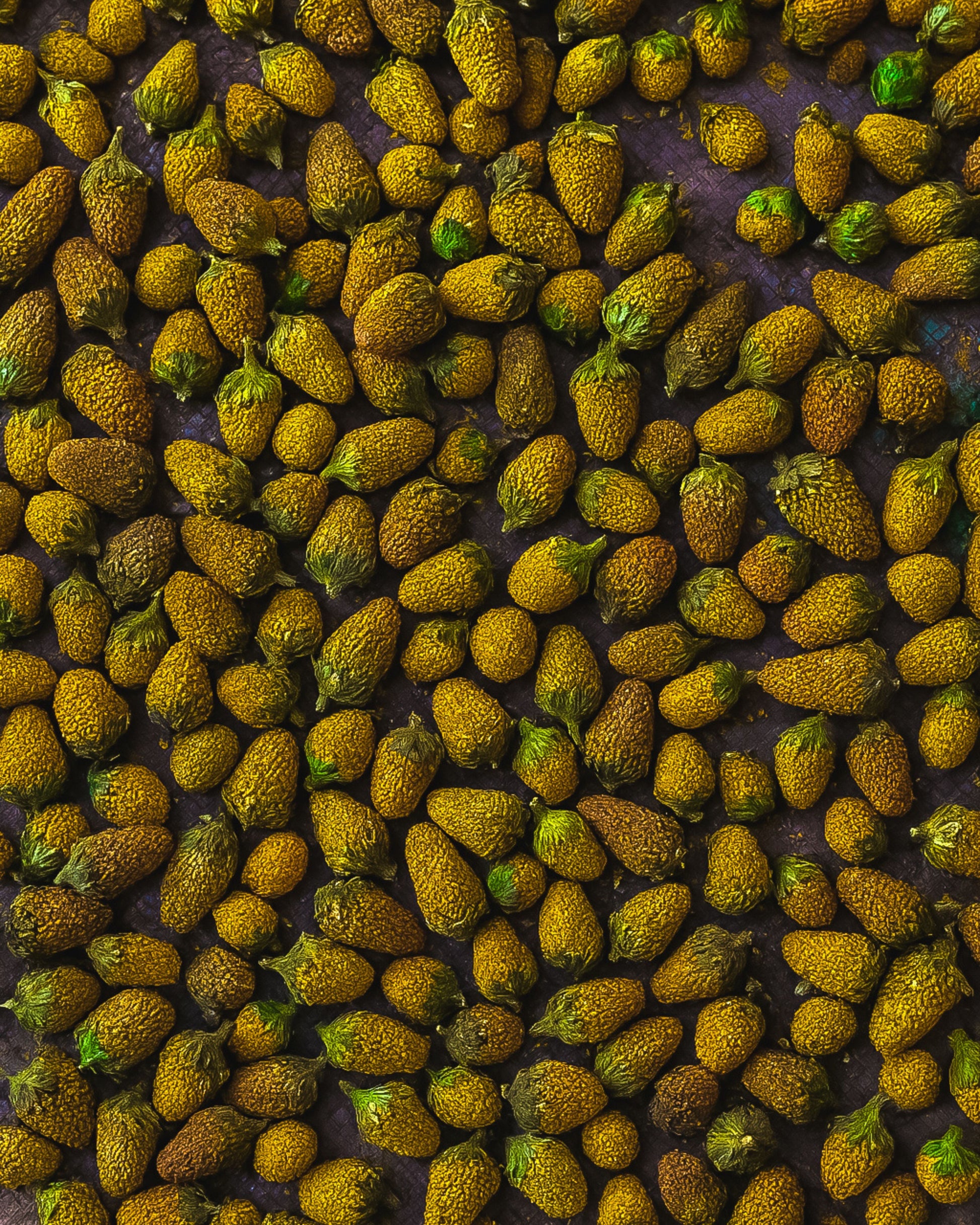
- standardized flower-head materials
- laboratory reference samples
Although production methods have changed, the goal remains similar:
To preserve the valuable botanical characteristics of the plant while producing consistent, high-quality ingredients.
Modern extraction builds upon traditional appreciation while applying scientific quality control.
Madagascar: Where Tradition Meets Modern Quality
While Acmella oleracea originated in South America, Madagascar has become an important center for cultivating premium flower heads.
At Madabuzz, our cultivation philosophy combines:
- natural growing conditions
- experienced farming communities
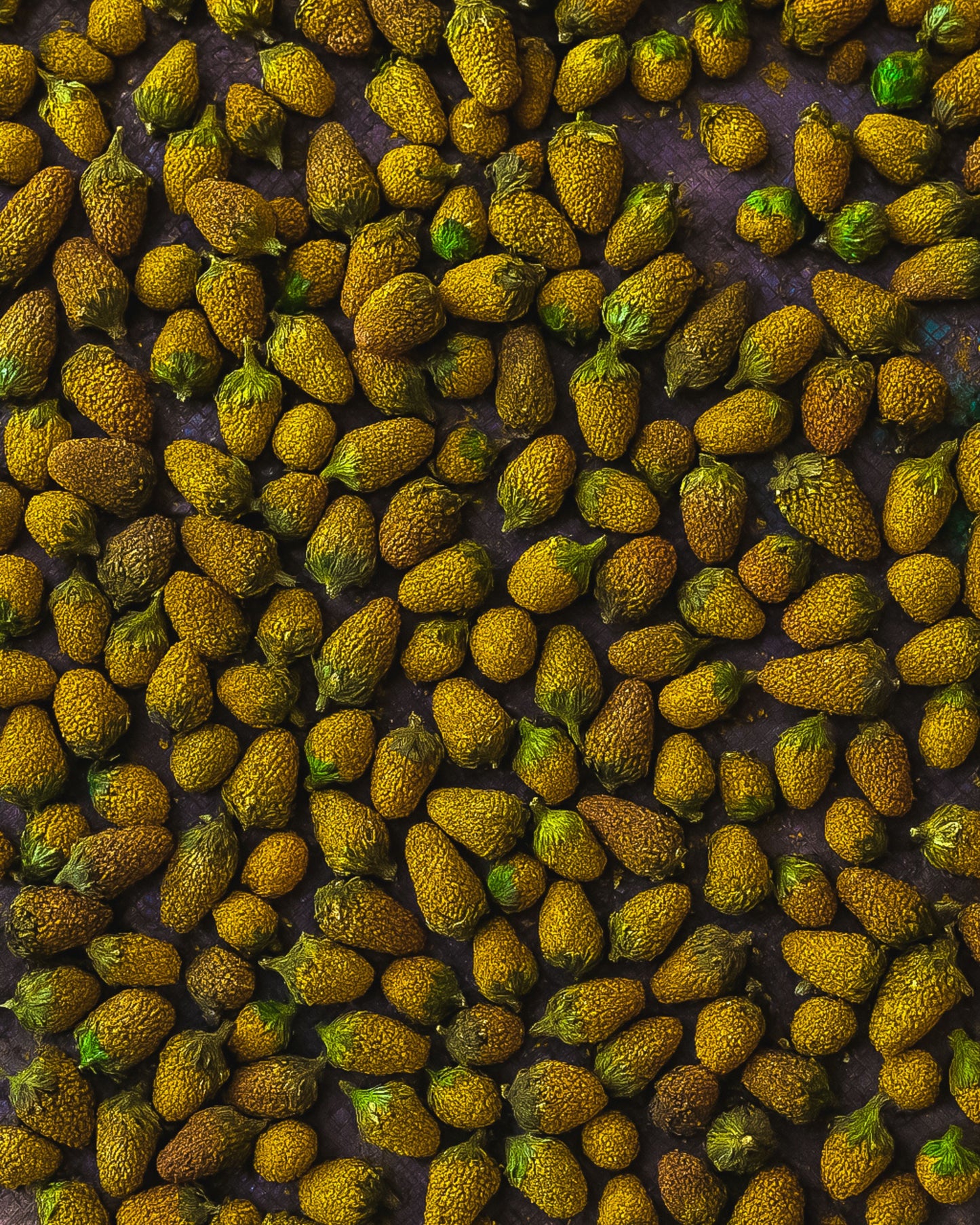
- hand selection of mature flower heads
- controlled drying
- complete traceability
- independent laboratory verification
This approach respects both the cultural history of the plant and the scientific standards expected by today's cosmetic and botanical industries.
Tradition provides the roots.
Science provides the tools.
Together they create confidence.
Why Independent Laboratory Testing Matters
Traditional knowledge tells us that a plant has value.
Laboratory science helps us understand that value objectively.
Every Madabuzz production batch undergoes independent laboratory analysis to help verify important quality characteristics.
Depending on the application, laboratory evaluation may include:
- botanical identity
- chromatographic analysis
- naturally occurring Spilanthol content
- moisture determination
- microbiological quality
- quality documentation
Rather than assuming quality, we believe it should be demonstrated through transparent, measurable evidence.
Our 4.01% Reference Analysis
One example of this commitment is our independently analyzed reference batch containing 4.01% naturally occurring Spilanthol.
This value represents that specific laboratory-tested batch and demonstrates why objective analysis is essential.
Because botanical ingredients are natural products, seasonal conditions, cultivation, harvest timing, and post-harvest handling may all influence future batches.
That is why every batch deserves independent verification.
Nature creates variation.
Science helps measure it.
Tradition and Science Are Partners
Some people imagine that traditional knowledge and scientific research compete with one another.
In reality, they often work together.
Traditional knowledge helps identify plants worthy of investigation.
Science provides objective methods for studying them.
Neither replaces the other.
Together they create a deeper understanding of botanical diversity.
For Acmella oleracea, this partnership has transformed an indigenous food plant into one of the most interesting botanical species studied in modern cosmetic and phytochemical research.
Scientific Summary
Current scientific understanding supports several important conclusions.
Well Established
✔ Acmella oleracea has a long history of traditional use in South America.
✔ The plant contains naturally occurring alkylamides, including Spilanthol.
✔ Flower heads are generally the richest natural source of Spilanthol.
✔ Modern analytical methods allow researchers to identify and quantify botanical compounds.
✔ Traditional knowledge has inspired many areas of modern botanical research.
Areas of Continuing Research
Scientists continue investigating:
- phytochemical variation
- cosmetic formulation
- extraction technologies
- cultivation optimization
- analytical standardization
- sustainable production systems
As research continues, our understanding of Acmella oleracea continues to grow.
Frequently Asked Questions
Where did Paracress originate?
Most botanical evidence indicates that Acmella oleracea originated in tropical South America before spreading to other tropical regions through cultivation.
Why is the plant called Jambu?
"Jambu" is the traditional Brazilian name for Acmella oleracea, especially in the Amazon region where it remains an important culinary ingredient.
Did traditional communities know about Spilanthol?
No.
Spilanthol was identified through modern scientific research. However, traditional communities recognized the plant's distinctive sensory properties long before scientists understood the underlying chemistry.
Does traditional use prove scientific effectiveness?
Not necessarily.
Traditional use demonstrates historical and cultural importance, but scientific effectiveness requires evaluation through modern research and appropriate study methods.
Why is Madagascar important today?
Madagascar has become an excellent environment for cultivating premium Acmella oleracea thanks to its tropical climate, fertile volcanic-derived soils, biodiversity, experienced farming communities, and responsible cultivation practices.
Why does Madabuzz use only flower heads?
Scientific studies consistently identify the flower heads as the richest natural source of Spilanthol within Acmella oleracea. Harvesting only mature flower heads supports premium botanical quality and greater consistency.
Why is laboratory testing important?
Independent laboratory analysis provides objective information about botanical quality and helps verify important characteristics such as botanical identity and naturally occurring Spilanthol content.
Conclusion
The story of Acmella oleracea began long before modern science.
For generations, indigenous communities observed the plant, cultivated it, prepared it as food, and passed their knowledge from one generation to the next.
Centuries later, researchers began investigating the chemistry behind those traditional observations, identifying naturally occurring compounds such as Spilanthol and opening new areas of botanical and cosmetic research.
Today, Acmella oleracea represents a remarkable connection between history and innovation.
At Madabuzz, we believe both deserve equal respect.
Our flower heads are cultivated naturally in Madagascar, carefully harvested by hand, and independently laboratory verified, not only to meet modern quality standards, but also to honor the long tradition of people who first recognized the value of this extraordinary plant.
The story of Paracress is still being written.
Science continues to expand our understanding.
But its first chapters belong to the communities who discovered its remarkable qualities through observation, curiosity, and generations of experience.
Continue Exploring
Madagascar Collection
- Wild vs. Cultivated Acmella oleracea
- How to Grow Acmella oleracea
- When to Harvest Acmella oleracea
- Flower Heads vs. Leaves
- Complete Botanical Guide to Acmella oleracea
Spilanthol Science
- What Is Spilanthol?
- How Does Spilanthol Work?
- How Is Spilanthol Extracted?
- How Stable Is Spilanthol?
- How Is Spilanthol Measured?
- What Does 4.01% Spilanthol Mean?
Quality Assurance
- How to Read a Certificate of Analysis (COA)
- Why Independent Laboratory Testing Matters
- Understanding Botanical Quality